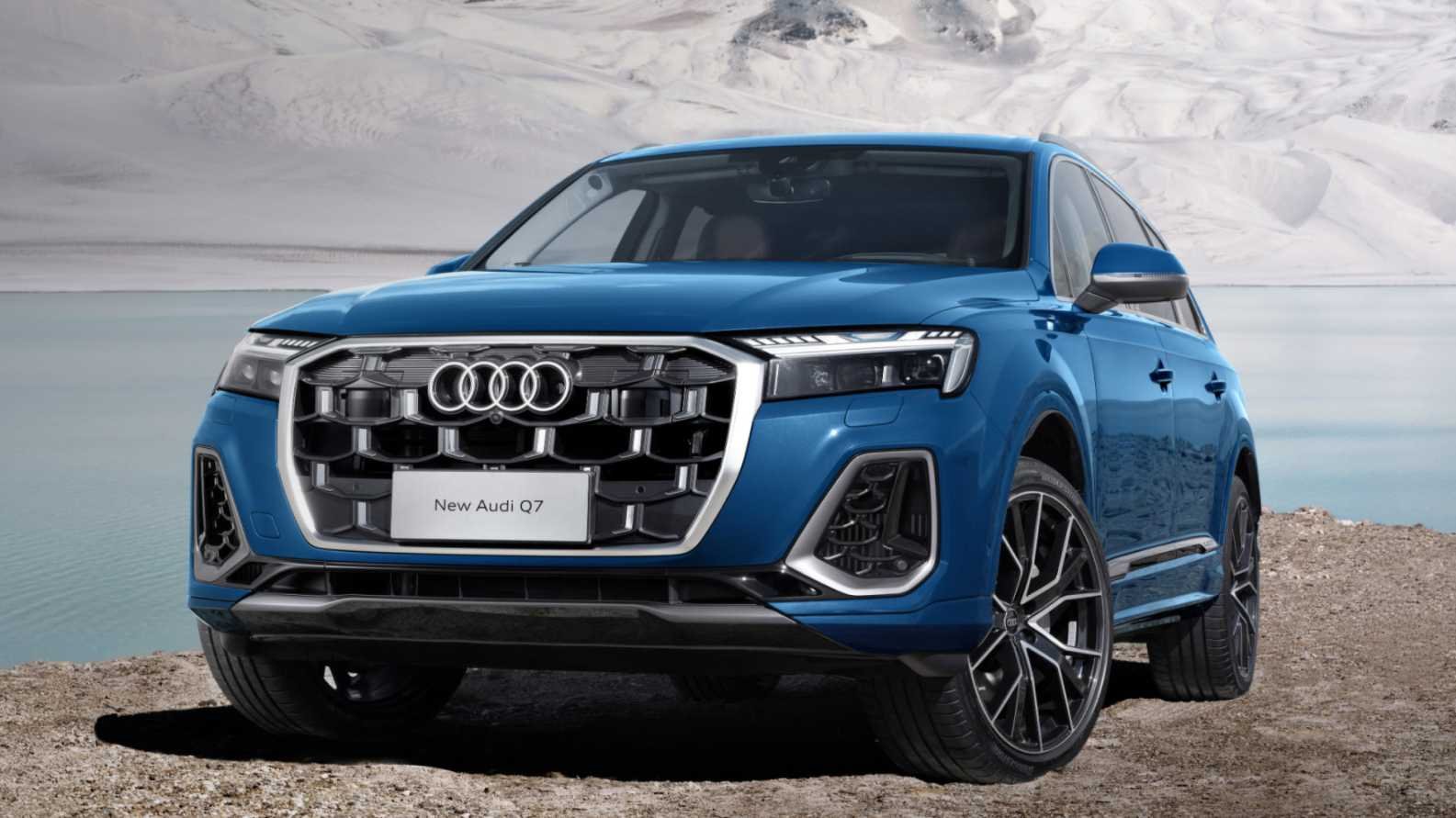

What is the biggest benefit of fierce competition among car companies? Of course, consumers can buy new cars with stronger product strength at more affordable prices!
Taking luxury flagship SUVs as an example, everyone will find that for the Audi Q7, BMW X5, and Mercedes-Benz GLE, their price thresholds have now not only entered the "5" range that is within reach for more people, but they even prove to the market by competing on product strength that they are the true flagship models more worth buying. So here comes the question: with a car-buying budget of five to six hundred thousand, between the Audi Q7 and the other two competing models, which is more worth buying?
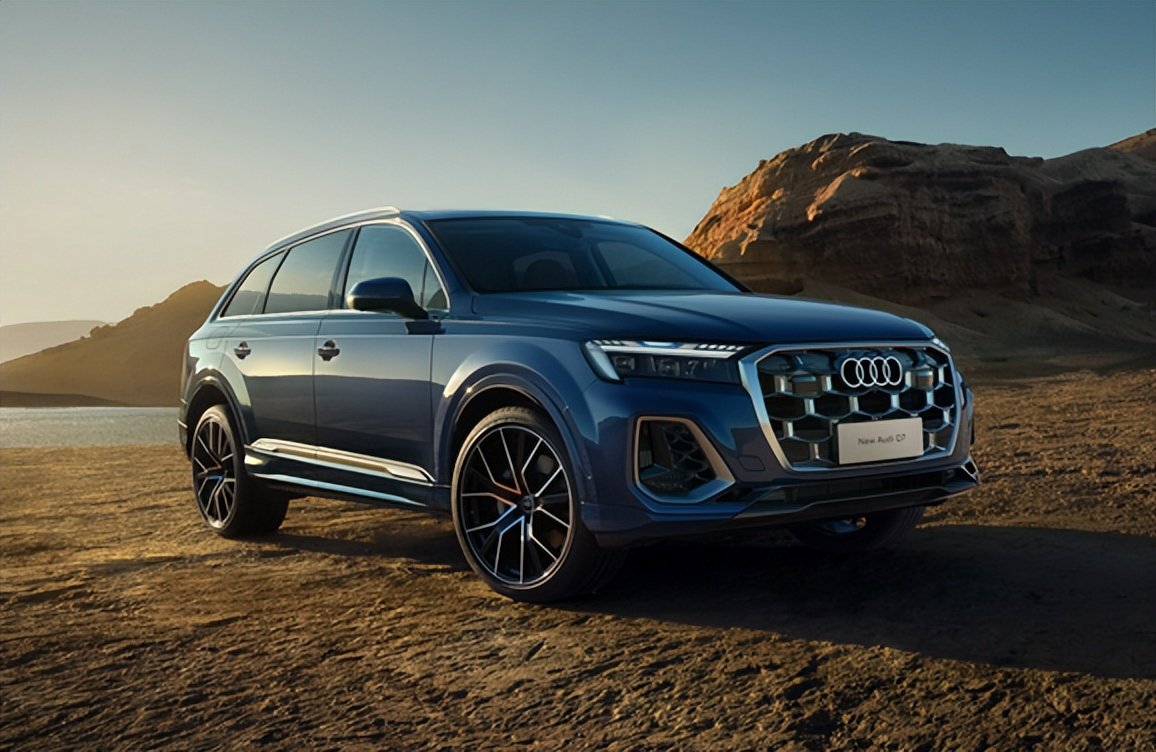
Luxury intelligence sets a new benchmark for flagships
As is well known, current consumption trends place great emphasis on value for money, that is, being able to buy a product with more all-around capability at a more affordable price. Taking these luxury flagship SUVs as an example, the current landing price of the 2025 Audi Q7 45TFSI has already entered the irresistible "4" range. In contrast, the entry-level versions of the BMW X5 and Mercedes-Benz GLE still have landing prices as high as around 600,000, which clearly does not quite align with the consumption philosophy of most users pursuing value for money.
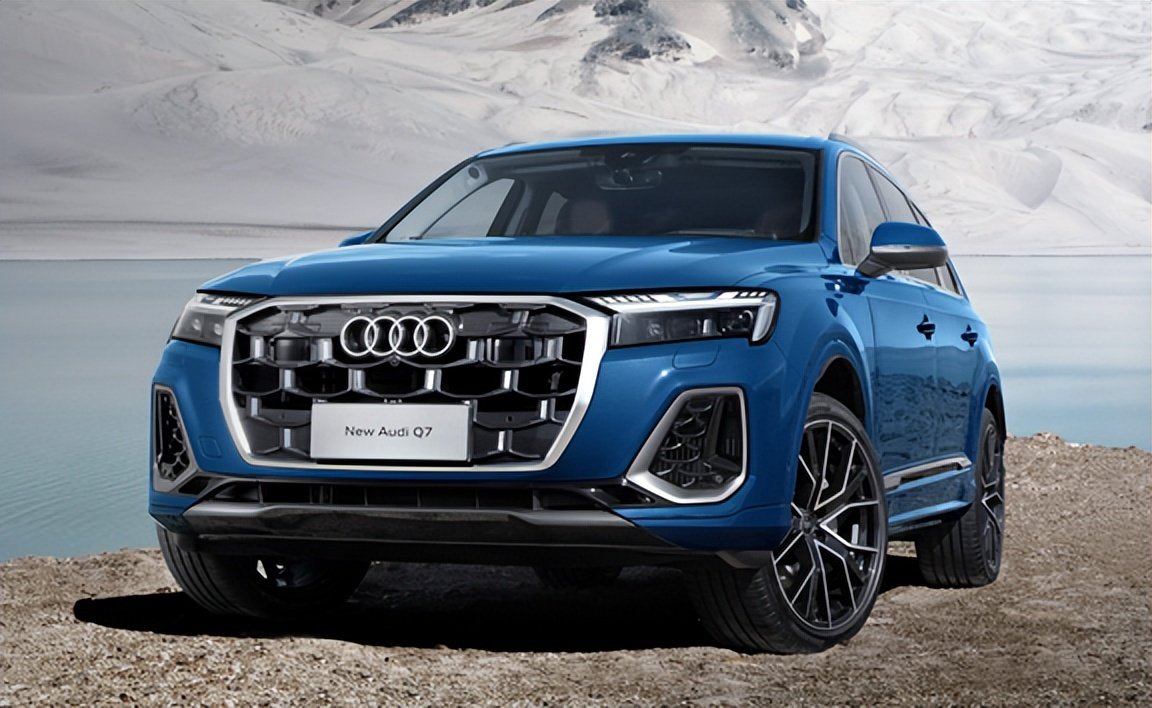
Many people will ask upon seeing this: does a higher price mean their product strength is also stronger?
According to conventional wisdom, this situation does indeed exist. However, after comparing the Audi Q7 with the other two models, we will find that for the same standard versions, the Audi Q7's seats throughout the cabin use genuine leather splicing material, the front seats support heating, ventilation, and other functions, the rear seats support multi-angle adjustment, and it also comes standard with multiple high-end technological features such as a negative ion generator capable of decomposing harmful substances and an in-car air purifier. This not only greatly improves ride comfort, but also allows occupants to enjoy a healthier and safer cabin environment, fitting the elite group's pursuit of a high-quality lifestyle.
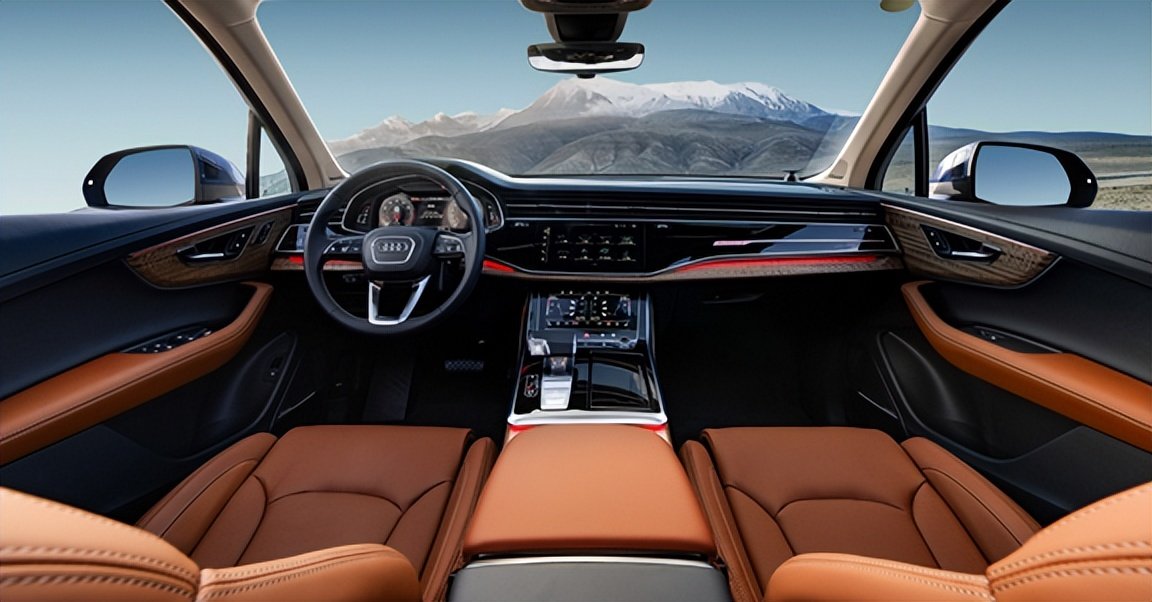
In contrast, for the standard versions of the BMW X5 and Mercedes-Benz GLE, as flagship SUVs with higher prices, their seats throughout the cabin use faux leather. Isn't that a bit hard to justify? In addition, the front seat ventilation function of the Mercedes-Benz GLE requires optional equipment, and the rear independent air conditioning of the BMW X5 also requires optional equipment. As for the high-end technological features standard in the Audi Q7's cabin, these two models in the same class do not even have them. So here comes the question: in an era where product strength is king, what is the point of consumers spending more money to choose them?
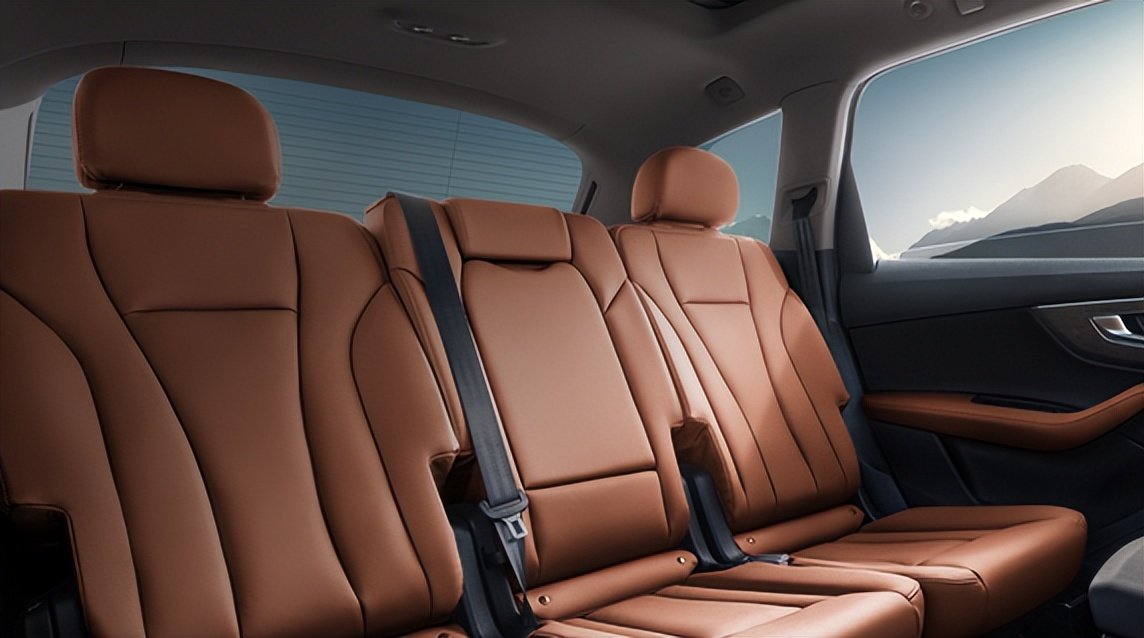
Not only that, in terms of intelligent driving, which has become a mainstream demand, the Audi Q7 comes standard with an L2-level driver assistance system integrating a full-speed adaptive cruise control system, a lane change assist system, and an active lane keeping system, greatly reducing the fatigue and risk of driving. Although the other two models also come standard with L2-level intelligent driving, the Audi Q7 is the only fuel SUV in its class with lidar standard across the entire lineup. This not only greatly improves the accuracy and detection range of the driver assistance system, allowing the vehicle to detect dangerous factors on the road ahead in advance and ensuring user travel safety, but also sets a new era benchmark for luxury flagship SUVs with class-leading luxury intelligent strength and better value for money!
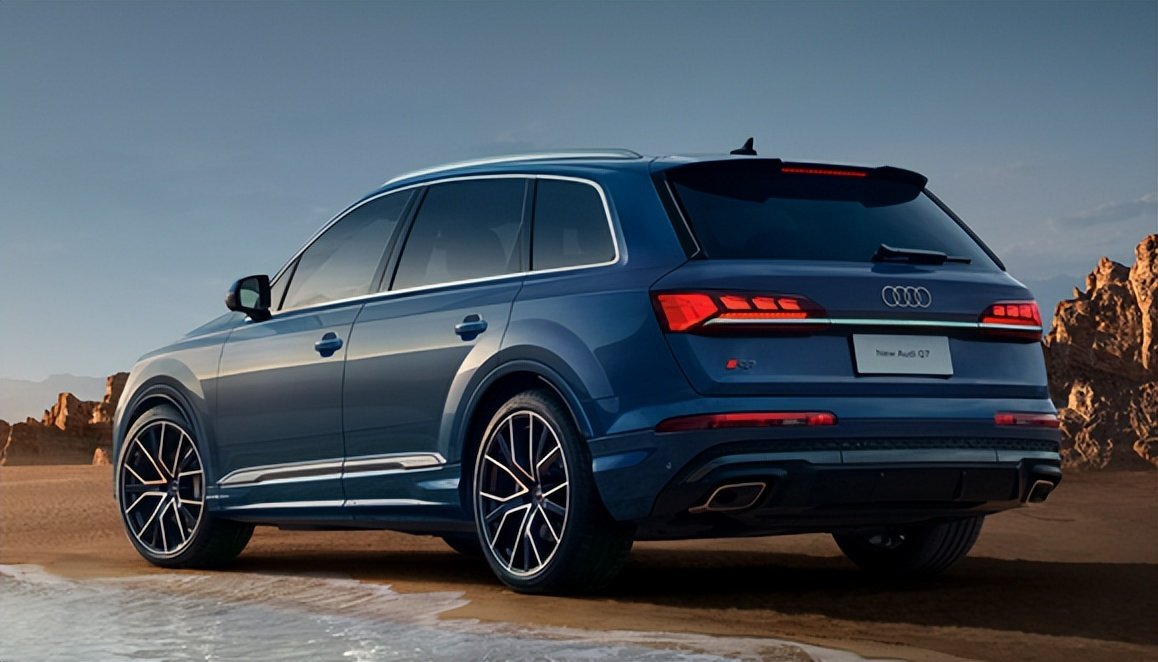
Enjoy German V6 driving dynamics at 500,000
Of course, for consumers who understand cars, everyone also knows that "performance" is also the underlying foundation of luxury.
You should know that in the past, when talking about this mid-to-large luxury flagship SUV segment, if you wanted to have a six-cylinder engine, full-time four-wheel drive, air suspension, and other hardcore configurations at the same time, you would have to prepare a budget of around one million. However, that unattainable era has become a thing of the past. Under the current backdrop of car companies adapting to a "buyer's market," it can be done with only 500,000!
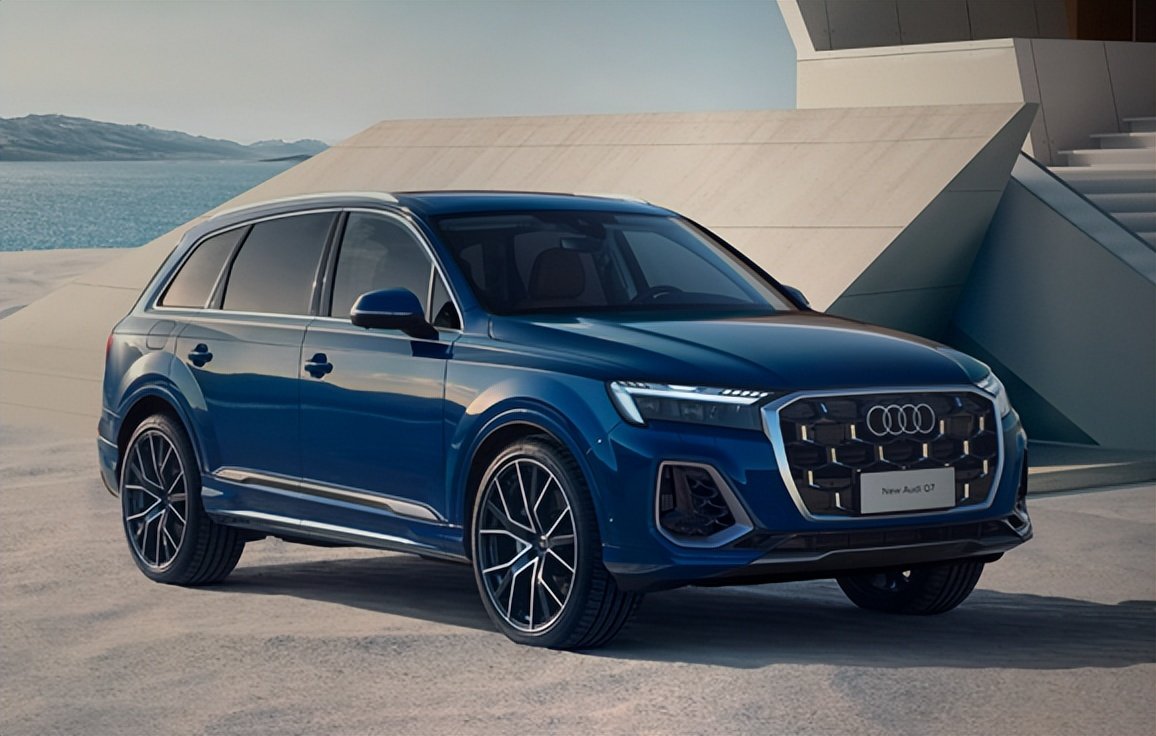
Don't disbelieve it. The 2025 Audi Q7 45TFSI, whose price threshold has already entered the "4" range, is equipped with a fourth-generation EA888 2.0TFSI engine adopting leading technologies such as dual injection, capable of producing a maximum power of 195kW. Paired with the quattro full-time four-wheel drive system standard across the lineup, which uses a purely mechanical torque-sensing self-locking center differential, the stronger power reserve and full-time four-wheel drive that delivers more stable grip allow such a large flagship SUV to accelerate from 0 to 100 in just over 6 seconds.
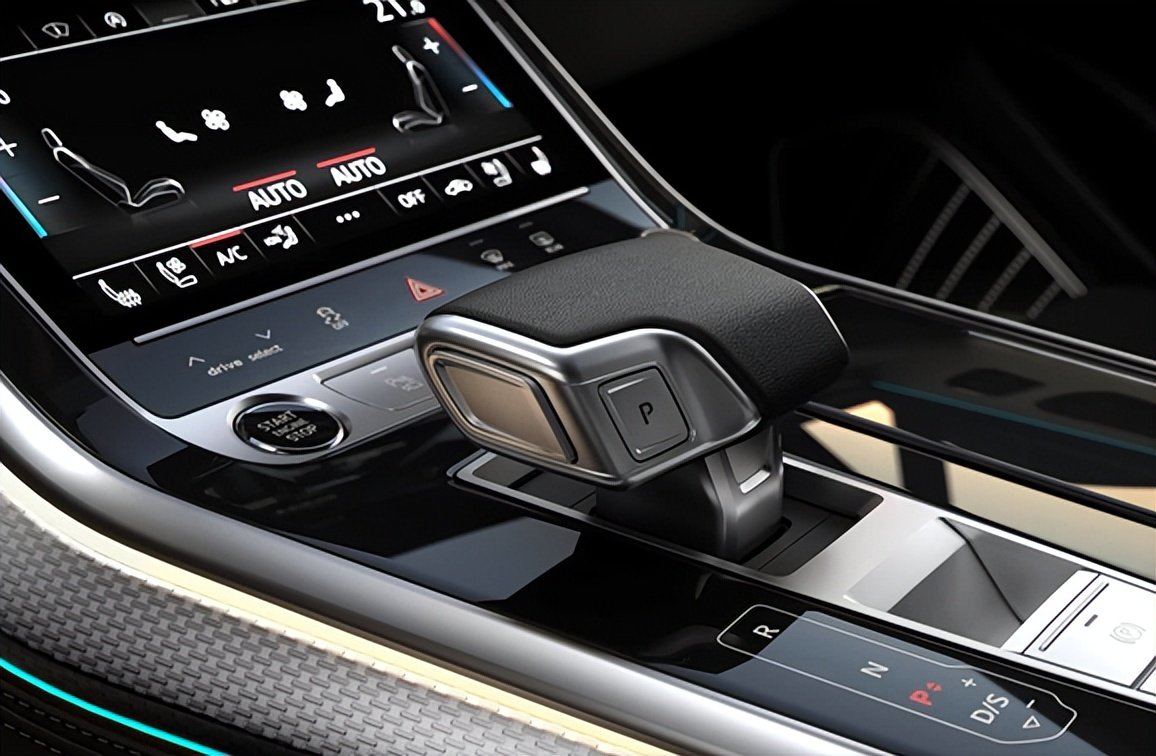
In contrast, the X5 and GLE, with engines of the same displacement, have power parameters slightly inferior to the fourth-generation EA888 2.0TFSI engine, and are also equipped with a part-time four-wheel drive system that performs relatively poorly in grip and passability. Therefore, their 0 to 100 acceleration is only just over 7 seconds. Do not underestimate the difference of one second. When you drive the vehicle to start at a traffic light or accelerate again at high speed, being one step ahead in the gap between vehicles is the value contained in that one second!
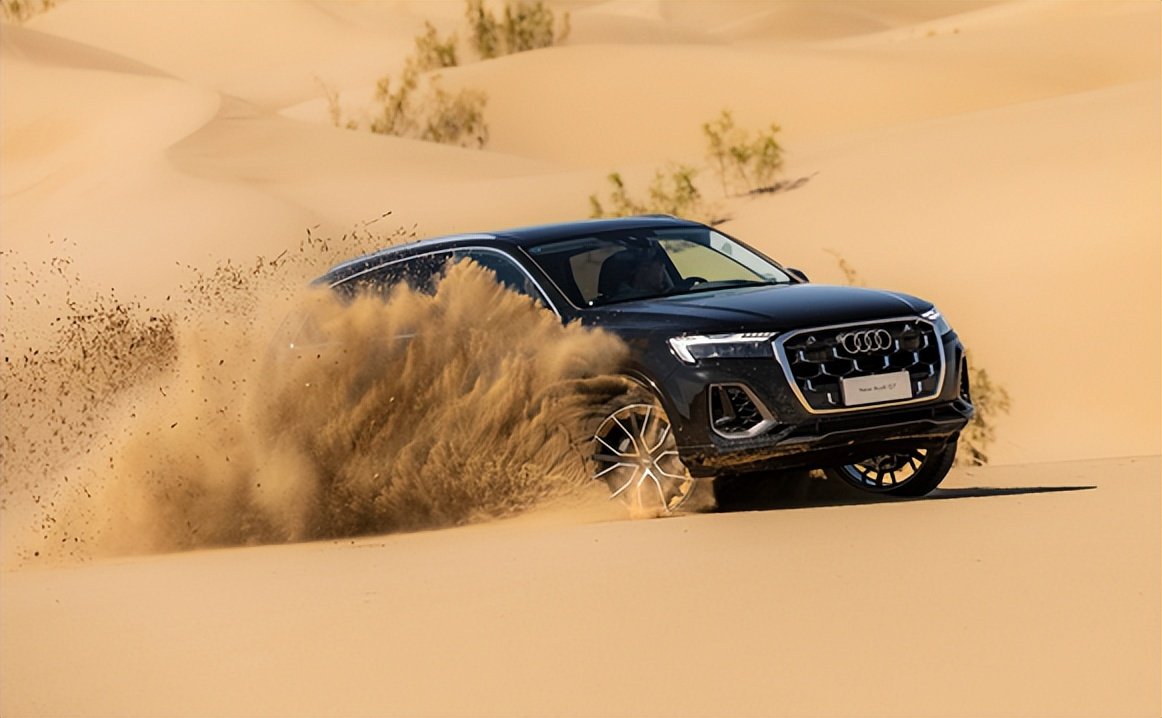
If you have even higher demands for power, the six-cylinder engine that requires a budget of 700,000 in the X5 and GLE can be had in the Audi Q7 for just the "5" range. Its EA839 3.0TFSI V6 turbocharged engine can produce a maximum power of 250kW, with 0 to 100 acceleration in just the 5-second range, bringing elite users an unprecedented driving experience with surging power performance.
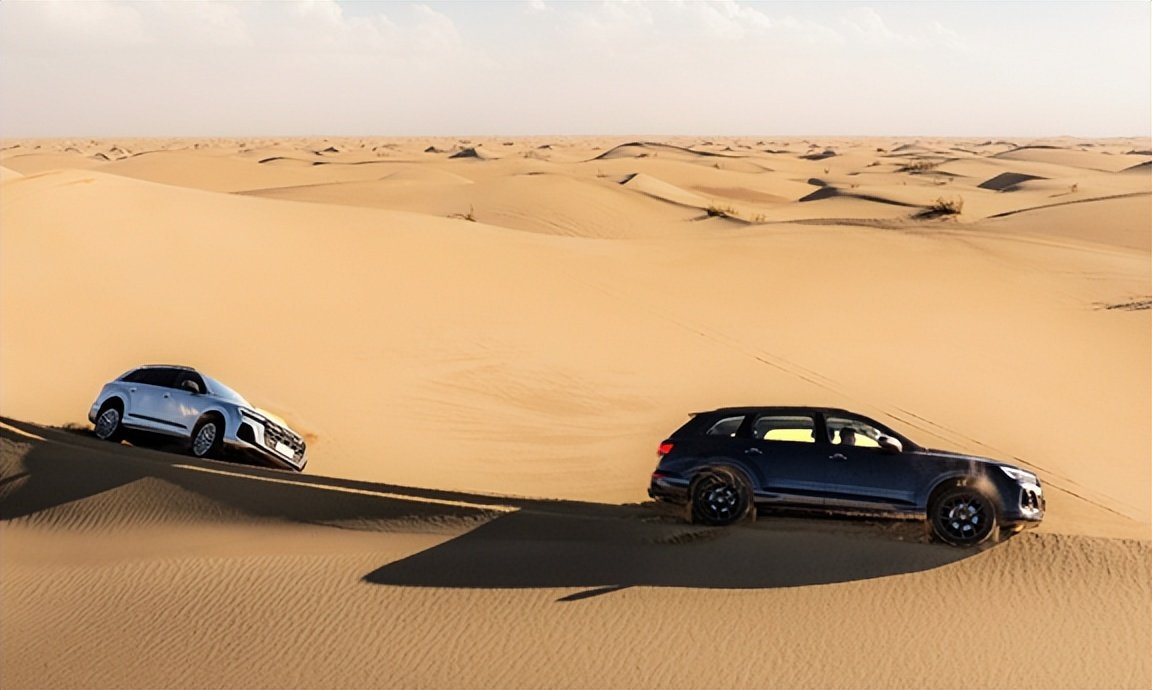
It is worth mentioning that, as a representative model of German luxury mid-to-large SUVs, the Audi Q7 has adhered to the concept of balancing all-road adaptability and luxury comfort since its birth. Therefore, in addition to being equipped across the lineup with a purely mechanical quattro full-time four-wheel drive system that can meet all-scenario road conditions such as urban and off-road driving, it also comes standard with a luxury chassis configuration rarely seen in its class, consisting of front and rear five-link independent suspension plus adaptive air suspension. Through adjustable body height and damping softness and hardness, it not only allows the vehicle to obtain a more stable body posture during high-speed lane changes and cornering, but also improves vibration filtering when driving on bad roads and other unpaved surfaces, perfectly balancing precise handling on the road with passability and comfort on complex road conditions. This is truly the "king of the road" among luxury flagship SUVs!
Daxia Car Talk: Obviously, in the face of the current consumption trend that places greater emphasis on value for money, the Audi Q7, with more luxurious configurations, stronger intelligent strength, and standard purely mechanical quattro + air suspension across the lineup, while also bringing the German V6 into the 500,000 range, is undoubtedly the model more worth buying in the luxury flagship SUV market!


