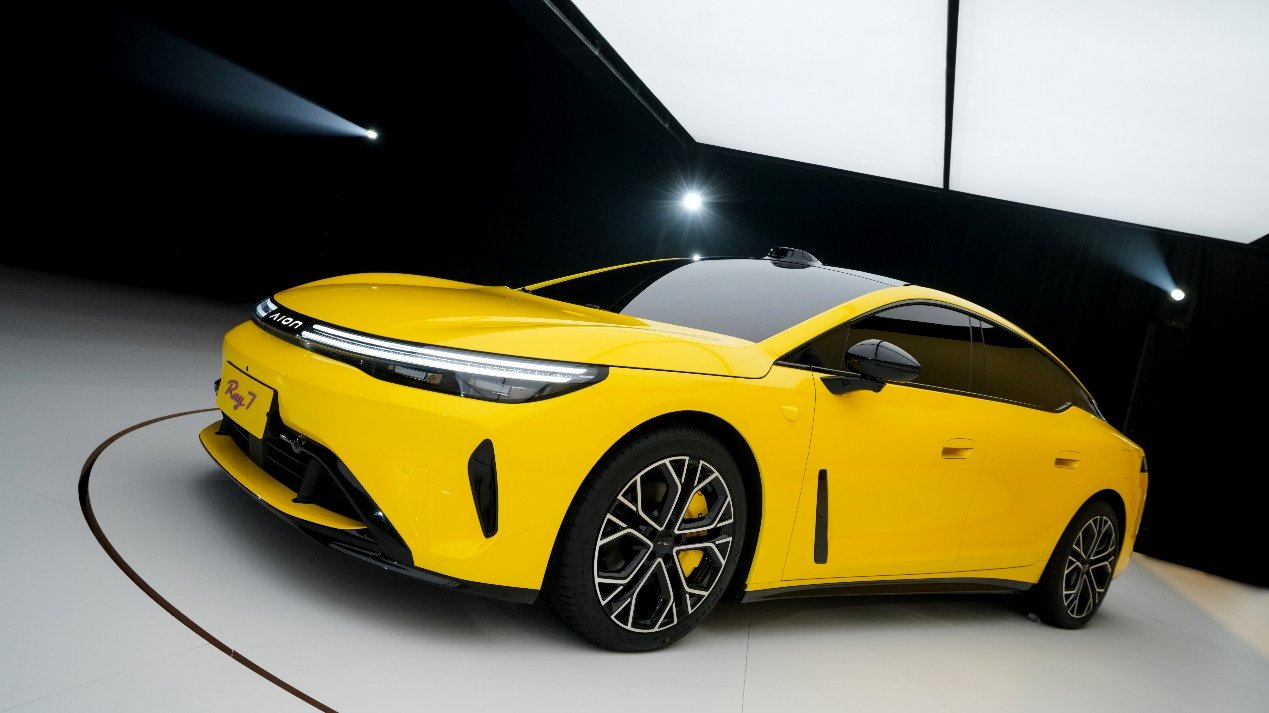

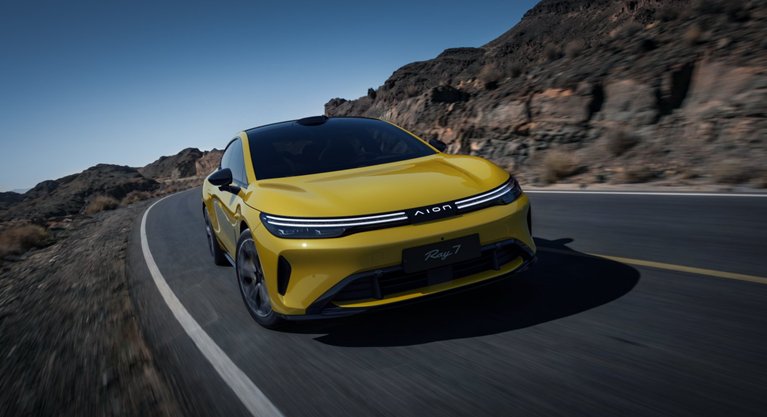
Dongguan Songshan Lake, the AION Ray7 makes its debut.
Frankly speaking, a launch event for a 200,000-yuan-class pure electric sedan, placed in today's new energy market, can hardly generate physiological excitement anymore. But after watching the launch event, I actually found myself a bit restless. Not because the specs are explosive—whose new car specs aren't explosive these days?—but because AION made an extremely clever yet extremely risky strategic positioning move with this car.
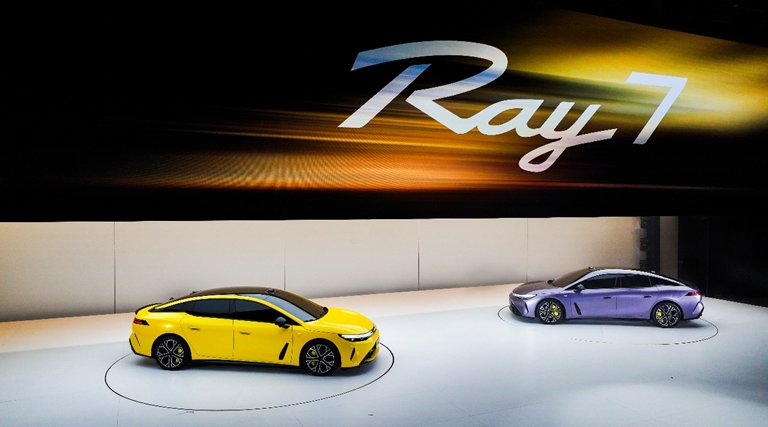
If all you see is "first to feature Huawei," "700 km range," "33-meter braking distance," then you're still at the surface level. Today I want to shift perspectives and talk about the precise game of "technology definition rights" behind the Ray7.
Layer One: Truly understanding the phrase "chip-level" from Huawei is the key to truly understanding this car
A phrase keeps appearing around the AION Ray7: "chip-level drive-brake integration." It sounds very technical, but translated into plain language, it means the electric drive and braking no longer coordinate through "feel," but synchronize through "silicon."
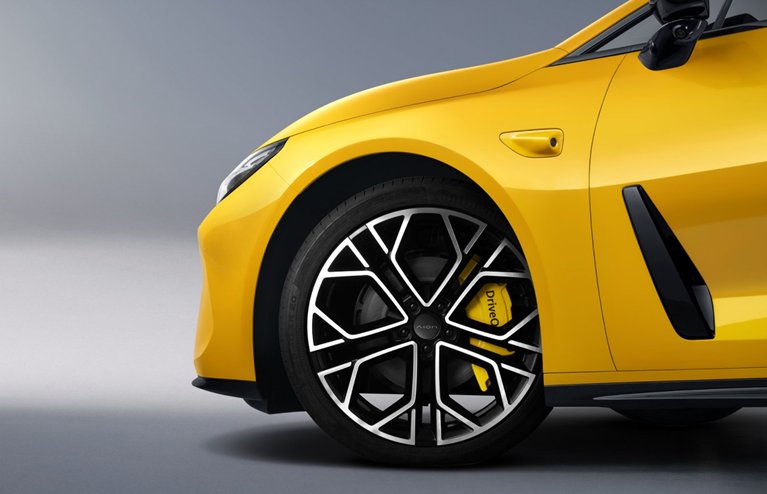
In a traditional EV, when you press the accelerator pedal, the electric drive responds; when you press the brake pedal, braking intervenes. Between the two lies a complex set of signal conversion and calibration logic. But the Huawei DriveONE EMB brake-by-wire that the Ray7 is first to feature essentially puts "drive" and "brake" into the same chip architecture to shake hands. Response time is compressed from over a hundred milliseconds to the tens of milliseconds level.
What does this mean?
The 33-meter braking distance is only the surface. What's truly valuable is controllability under extreme conditions—for example, during high-speed emergency obstacle avoidance, drive force and braking force can switch seamlessly like left and right hands, rather than the fragmented intervention of "cut power first, then apply brakes."
Under the combustion engine era's logic, this would require Bosch ESP, the engine ECU, and the transmission TCU—three top-tier suppliers—to sit together and refine for three years. Today, Huawei connects it all with a single chip.
What AION is betting on is that young people say they want fast acceleration, but what truly gets them to place an order is "fast while also feeling safe and controllable." This is a dimension smarter than simply stacking zero-to-hundred numbers.
Layer Two: Putting "Alfa Romeo" and "WeRide" together is intentional
For the Ray7's chassis tuning, the press release casually mentions "inheriting Alfa Romeo chassis tuning experience." On the other side, the intelligent driving system borrows WeRide's L4-level Robotaxi same-origin large model. These two seemingly unrelated pieces of information, pieced together, form a complete puzzle.
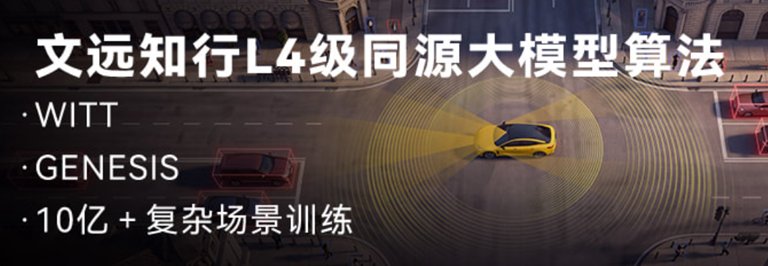
The chassis is responsible for "how enjoyable it is when a person drives," while intelligent driving is responsible for "how stable it is when the car drives."
This is a dual track that very few models in the current 200,000-yuan-class market can excel at simultaneously. Most competitors are either skewed toward sportiness (hardcore chassis but lagging intelligent driving) or skewed toward comfort (decent intelligent driving but drives like a boat). AION's chosen approach this time is not to pick sides—I want to both thrill users who love to drive themselves and reassure users who are used to letting go and handing it to the car.
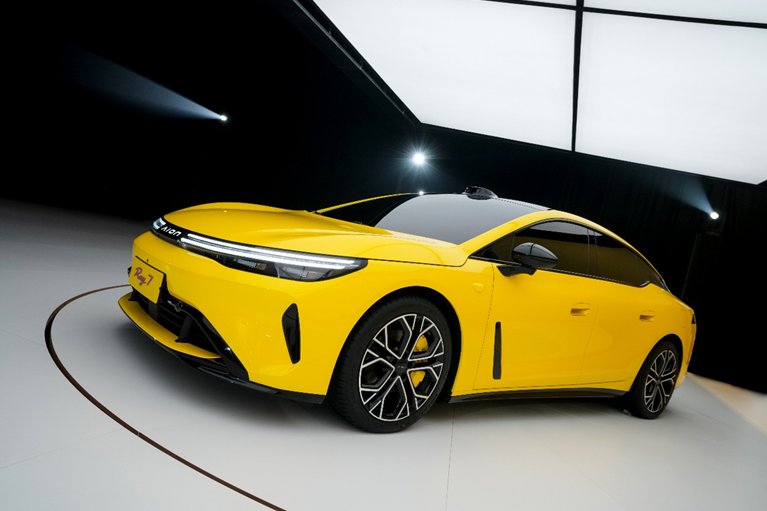
This kind of "wanting it all" greediness precisely taps into the real state of "urban self-pleasing youth": they are not pure driving enthusiasts, nor are they complete "lie-flat" intelligent driving users, but rather people who switch between different identities in different scenarios. During commute traffic jams, they want to free their hands and feet; on weekend mountain runs, they want to personally attack the corners. A car that can simultaneously satisfy these two personalities is currently rare on the market. Whether the Ray7 truly achieves this—we'll draw conclusions after a test drive—but at least at the product definition level, this route is correct.
Layer Three: What's most intriguing is the "new relationship" between AION and Huawei
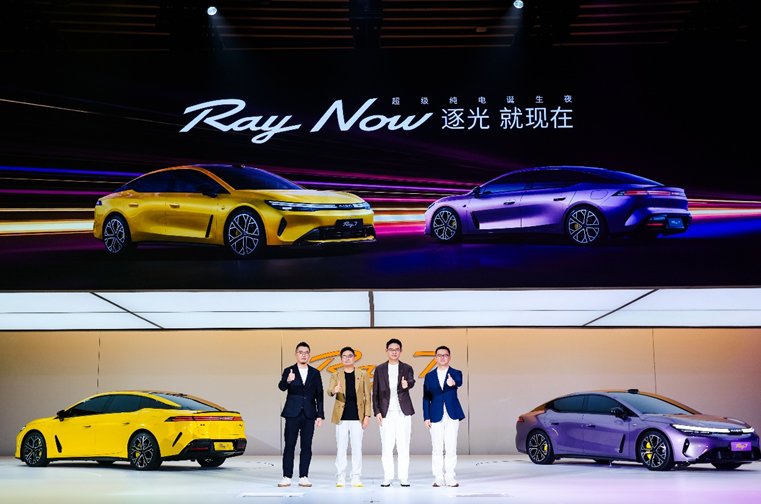
There was a signing ceremony at the launch event, with both parties continuing to deepen cooperation. This sentence carries enormous information.
Please note, the Ray7's cooperation model is neither the AITO "smart selection car" (where Huawei deeply intervenes in product definition and sales) nor the Avatr "HI model" (Huawei's full-stack solution). AION's approach is more refined—taking Huawei's hardest core (electric drive, braking, torque control) while keeping integration, tuning, thermal management, and battery safety entirely its own.
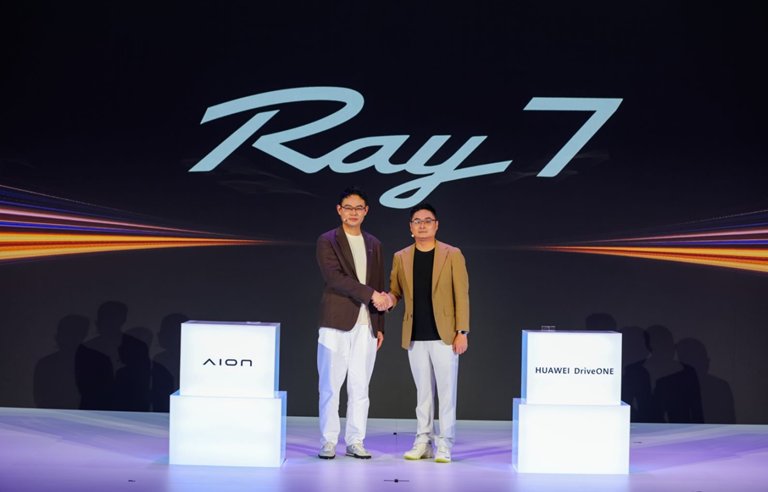
Translated: Huawei provides the "ingredients," AION acts as the "head chef." The menu and flavors are decided by AION.
Behind this is a hidden concern for AION: if everything is handed to Huawei, the brand's soul is diluted; if Huawei is not used at all, there's indeed a generational gap in three-electric and braking technology. So they chose a middle path—leveraging Huawei's momentum in key technologies while firmly gripping the discourse power in vehicle definition and user experience.
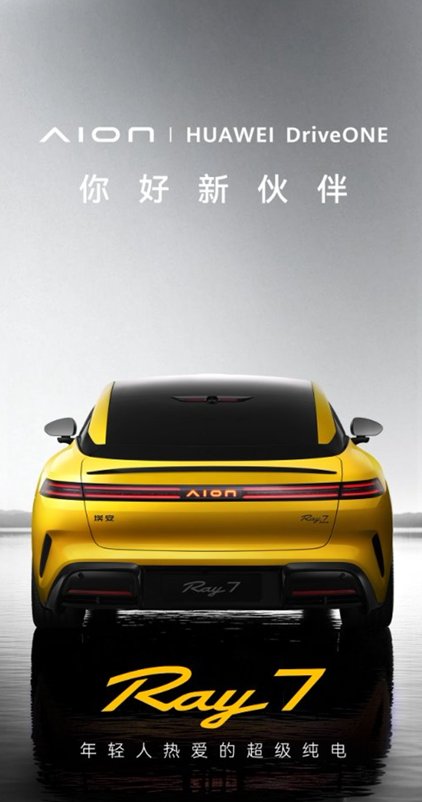
The Ray7 is the first answer sheet under this "new joint venture relationship." What AION emphasizes is always "the Ray7 features Huawei technology," not "Huawei's Ray7." The subject is completely different.
Final Thoughts
Setting aside all specs and terminology, what the Ray7 truly does is this: in the red ocean market of 200,000–250,000 yuan, using Huawei's technology foundation, it builds a set of product values that are "both sporty and intelligent, both self-driven and composed."
It doesn't try to please everyone. It only wants young people who are tired of the "family warmth" clichés and want a car that truly belongs to themselves rather than the whole family, to walk into the showroom and feel that this car understands them.


