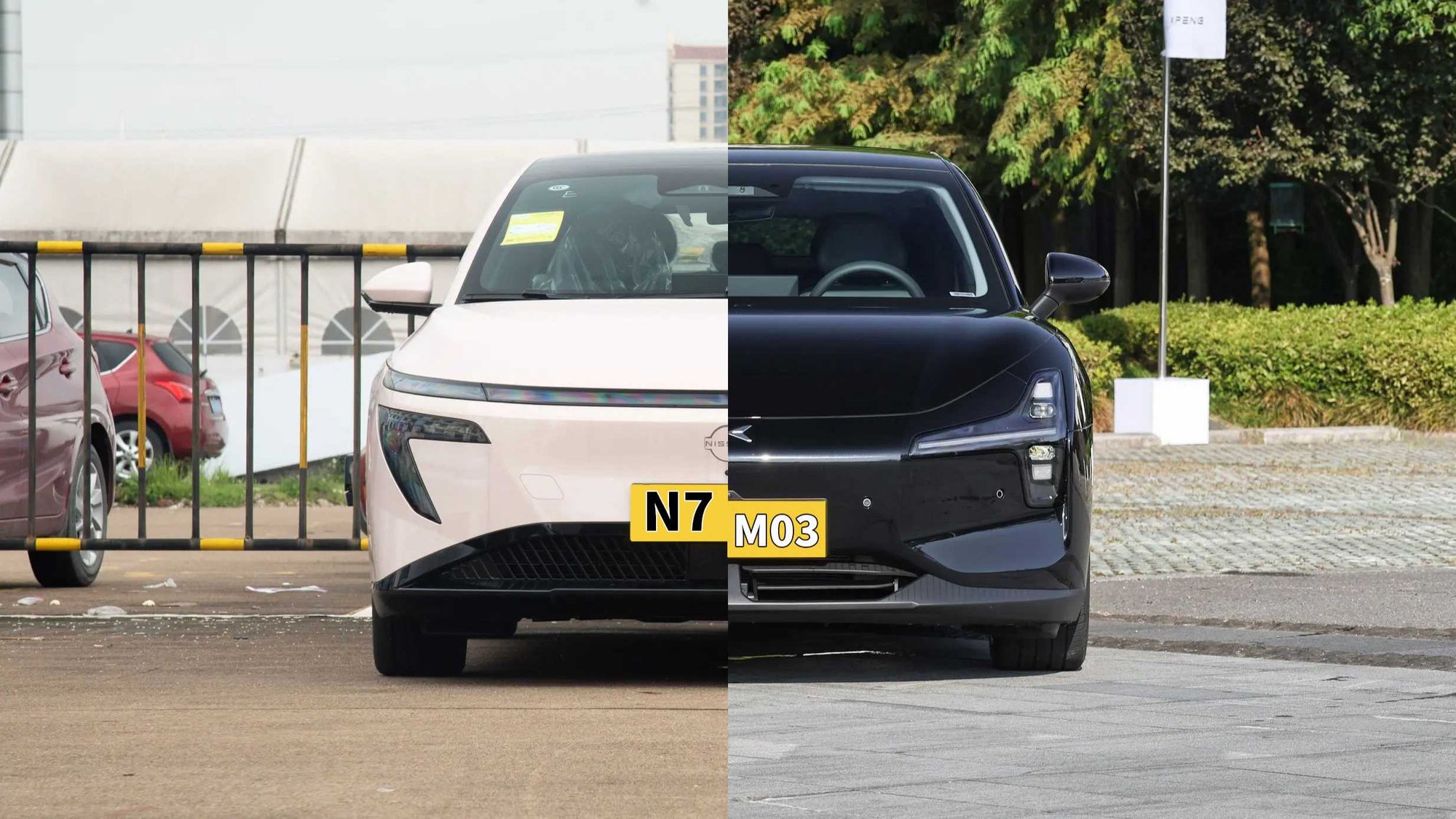
April retail sales were 665 units, but since it only launched on April 27, judging by average daily sales, Dongfeng Nissan N7 should be considered to have delivered a satisfactory result. However, the Xpeng MONA M03 had April retail sales as high as 14,210 units, and its half-year sales performance has been relatively stable. Although the two differ slightly in body wheelbase dimensions and vehicle class, from the perspective of most car-buying families who first look at how much budget they have, the two can also be regarded as head-to-head competitors. Do you think the Dongfeng Nissan N7 can surpass the Xpeng MONA M03 in sales in the future, grow into its own "electric Sylphy," and lead the 100,000-yuan new energy family sedan segment in the new energy vehicle niche market?
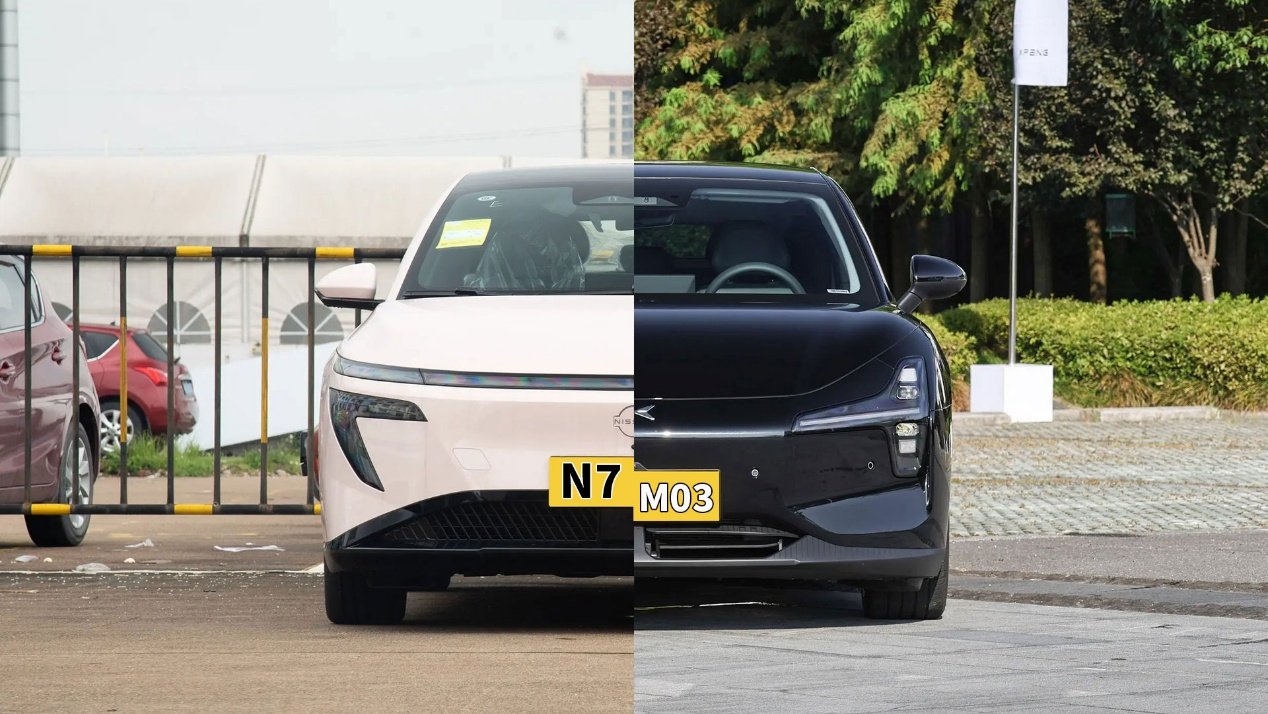
In recent years, car enthusiasts who follow the new energy vehicle niche market in China's auto industry should have seen the efforts of many joint venture brands to transform toward new energy. Unfortunately, there is currently no typical case of joint venture new energy vehicles achieving outstanding success. However, in recent years, the product strength and cost-effectiveness of new energy vehicles launched by joint venture brands have all had the foundation to become best-sellers, such as the Dongfeng Nissan N7 and the GAC Toyota bZ3X. First, because the pricing of such products is sensible and no longer aloof; second, considering the hands-on experience and the basic attributes as a means of transportation, the dynamic performance of such joint venture new energy vehicles not only inherits their families' deep expertise in carmaking accumulated over many years, but they are also actively developing cooperation with domestic technology companies in smart cockpits and intelligent driving. Therefore, it is also the general trend for joint venture new energy vehicles to grow and develop over time.
However, whether the Dongfeng Nissan N7 can achieve the success of similarly classed/priced hot-selling domestic new energy vehicles still needs a question mark, because in terms of configuration settings, for example, compared with the Xpeng MONA M03, it still has traces of fuel-powered vehicle lines. In other words, joint venture brands have not yet fully mastered the way to play the new energy vehicle game, and product setting/marketing still remain in the comfort zone of "rule of thumb."
If joint venture brands play the new energy vehicle game, especially if they do not completely abandon their original experience in the two aspects of product setting/marketing, it may still take a long time to achieve a breakthrough.

As shown in the figure above, the Xpeng MONA M03 offers only 3 configurations. Based on experience, the main configuration difference between the 515 and 620 versions is clearly the power battery capacity, that is, pure electric range, and these are precisely key factors in the product strength of new energy vehicles. The main selling point of the 580 version lies in intelligent assisted driving.
One of the main reasons why the direct-sales model for automobiles can succeed quickly is very likely that many consumers are unwilling to spend too much time and energy haggling with sales consultants over "price negotiation." It does not matter how much they spend on a car, but they cannot buy it for more than others and be a sucker. With the direct-sales model for new energy vehicles, no negotiation or only a very small negotiation range is acceptable to most consumers.
Of course, because competition in China's auto market is fierce, automakers actively cutting prices is now also affecting new energy vehicle consumers' sense of happiness in this regard.
From the perspective of drawing on the configuration settings of the Xpeng MONA M03, the Dongfeng Nissan N7 could completely be cut down to 3 configurations. In this way, consumers would no longer be dazzled when choosing a configuration, and sales consultants would not need to waste so much breath to close a deal. But this is the "rule of thumb" of joint venture brands in setting "configurations." In fact, some people have already formed habits, and it is hard to change them all at once. In this regard, joint venture brands must learn from new car-making forces.
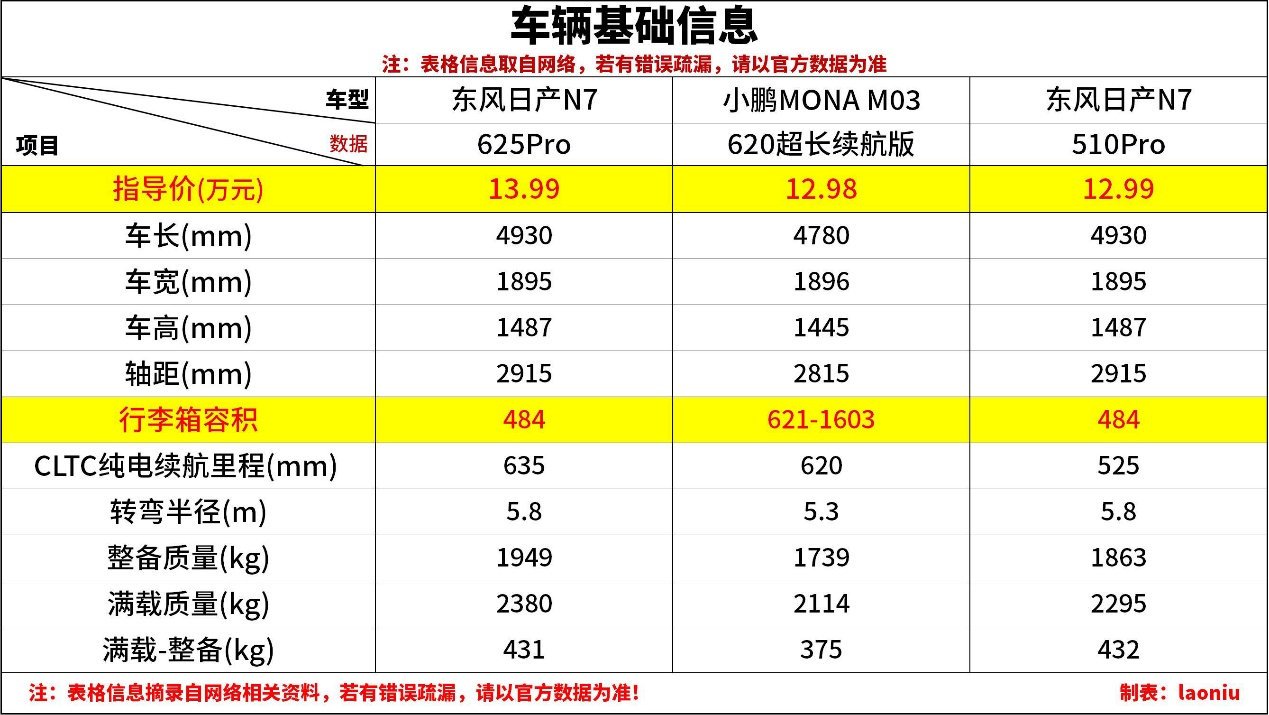
In my opinion, although the Dongfeng Nissan N7 is indeed slightly higher than the Xpeng MONA M03 in vehicle length/wheelbase/class, its pricing is still on the high side. As shown in the figure above, for versions with similar range, the Dongfeng Nissan N7 is 10,000 yuan more expensive, and for versions with similar price, its pure electric range is nearly 100 kilometers less. Consumers with this budget usually have relatively high price sensitivity, and they are similarly highly sensitive to the length of pure electric vehicle range. Once they compare and experience them, if the vehicle space is sufficient and the dynamic performance difference is not large, most consumers will probably give priority to the Xpeng MONA M03. What would you choose?
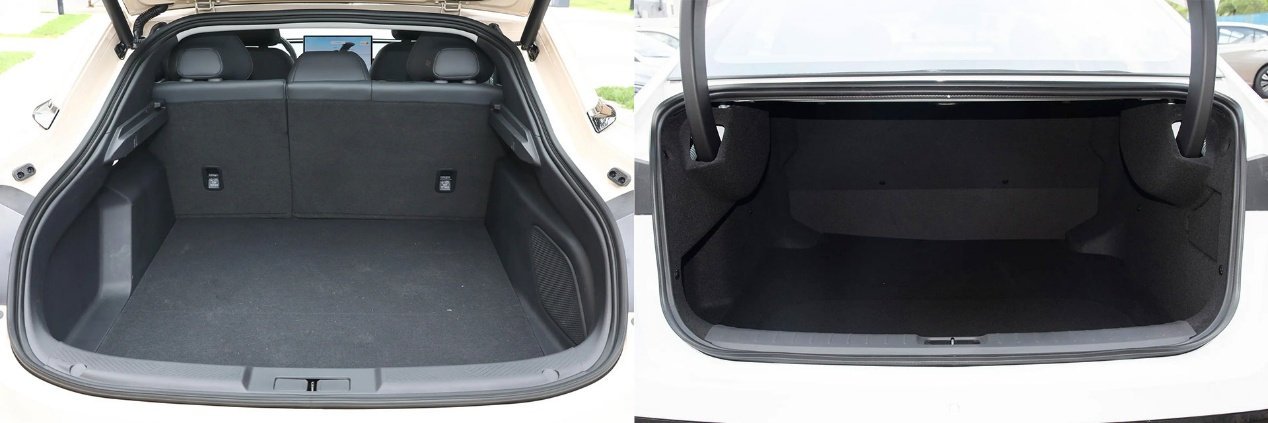
I also believe that a more important advantage of the Xpeng MONA M03 compared with the Dongfeng Nissan N7 is its expandable trunk. The table above also lists the difference in trunk volume between the two. For most car consumers, the flexible spatial layout at the rear of a hatchback model's cabin may be an important factor affecting the car-buying decision.
There is also a 0.5-meter difference in turning radius between the two, meaning the Xpeng MONA M03 is relatively more agile to operate. In congested urban road conditions, this should also count as an important advantage.
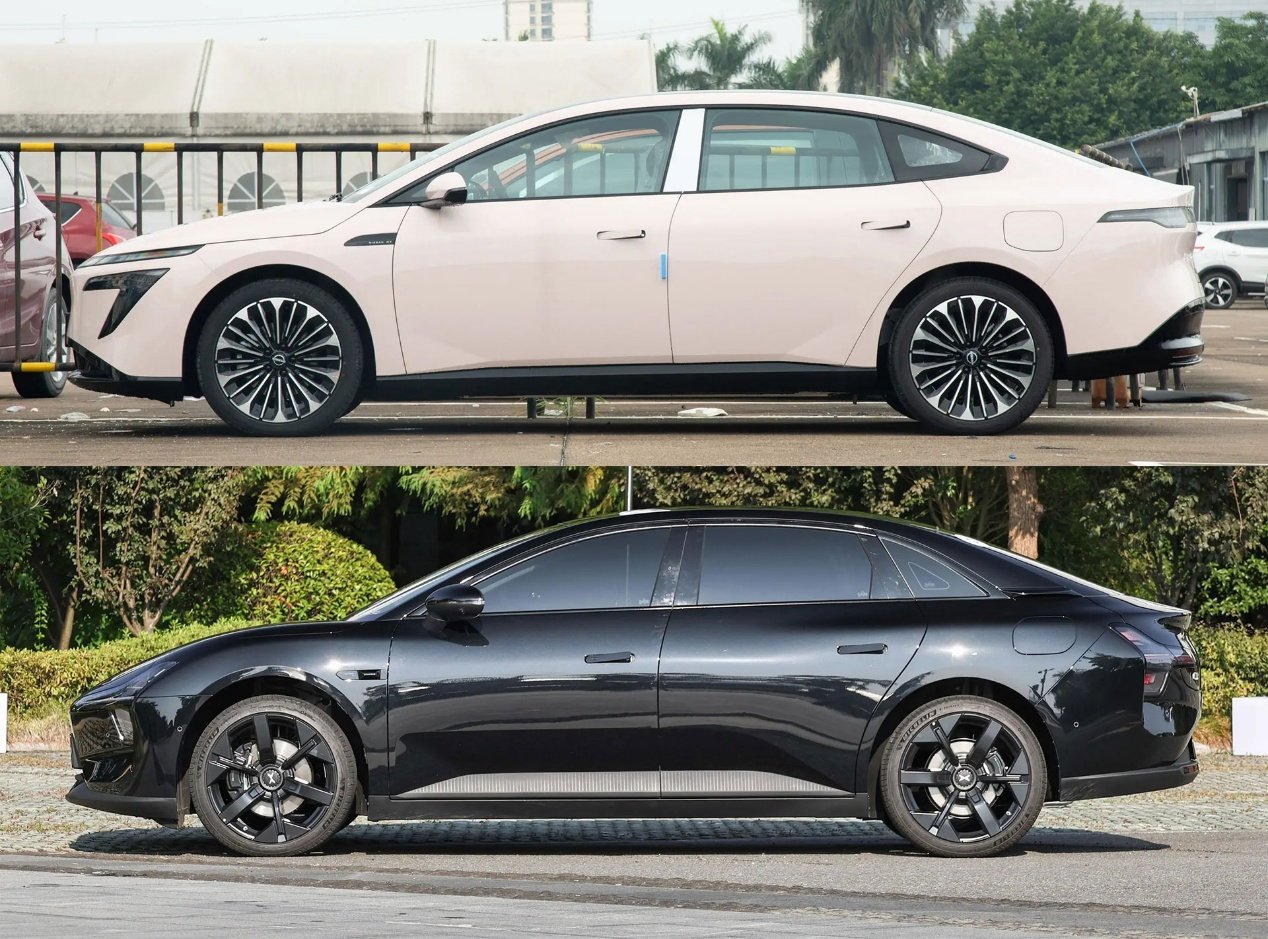
【As long as you do not compare, the N7 is worth the money】
The launch policy currently offered for the Dongfeng Nissan N7 is also decent: 10,000 yuan trade-in subsidy for the same brand/5,000 yuan additional purchase subsidy, 5,000 yuan trade-in subsidy for other brands, limited-time free upgrade for the Pro and Max versions to a front passenger AI zero-pressure cloud blanket 12-way power-adjustable seat, plus a smart hot-and-cold refrigerator. The first owner of a non-commercial vehicle can enjoy lifetime warranty for the three electric systems. Considering Dongfeng Nissan's foundation in building automotive products, combined with price and product strength, the Dongfeng Nissan N7 can also be regarded as worth the money. But it just cannot be compared with domestic competitors of similar price/similar class. Once compared, consumers with this car-buying budget may feel that the vehicle's cost-effectiveness is not high.
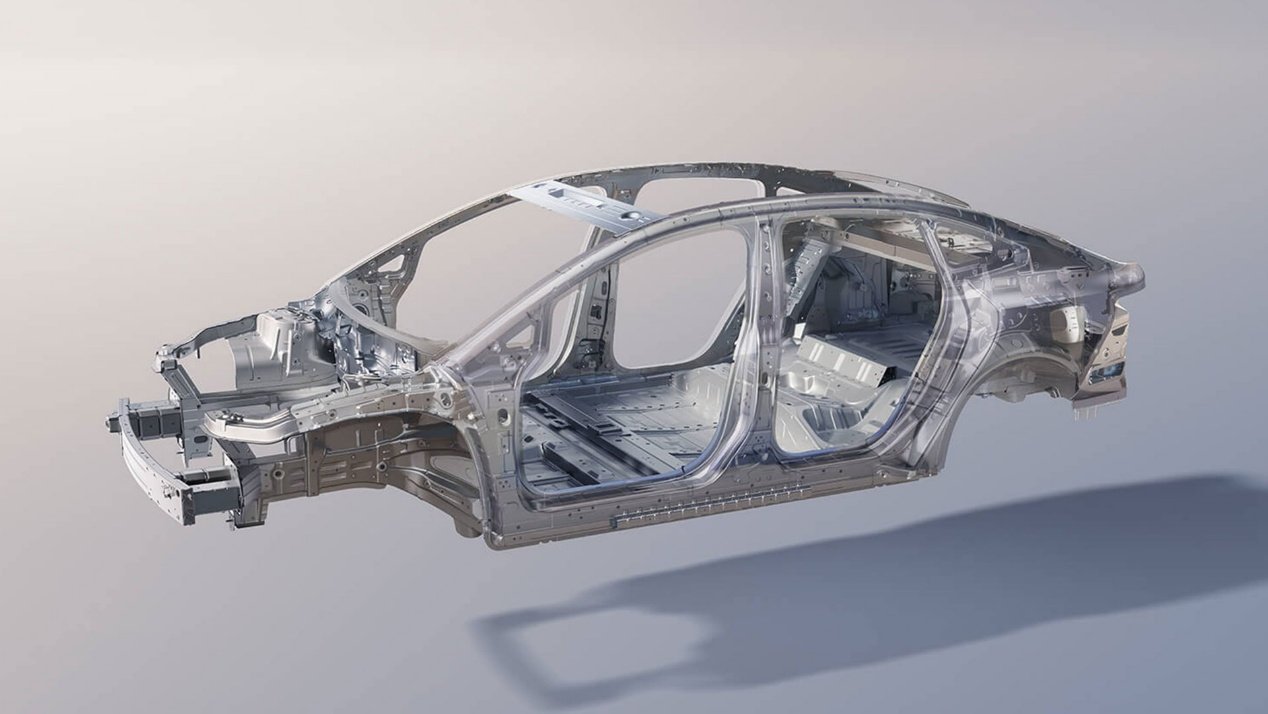
For consumers, I believe the selling points of the Dongfeng Nissan N7 first lie in its high-rigidity cage body, 2000MPa A-pillar, 1700MPa roll-formed crossbeam, and 8-ton roof pressure bearing capacity. At this price, there may not be many using such materials.
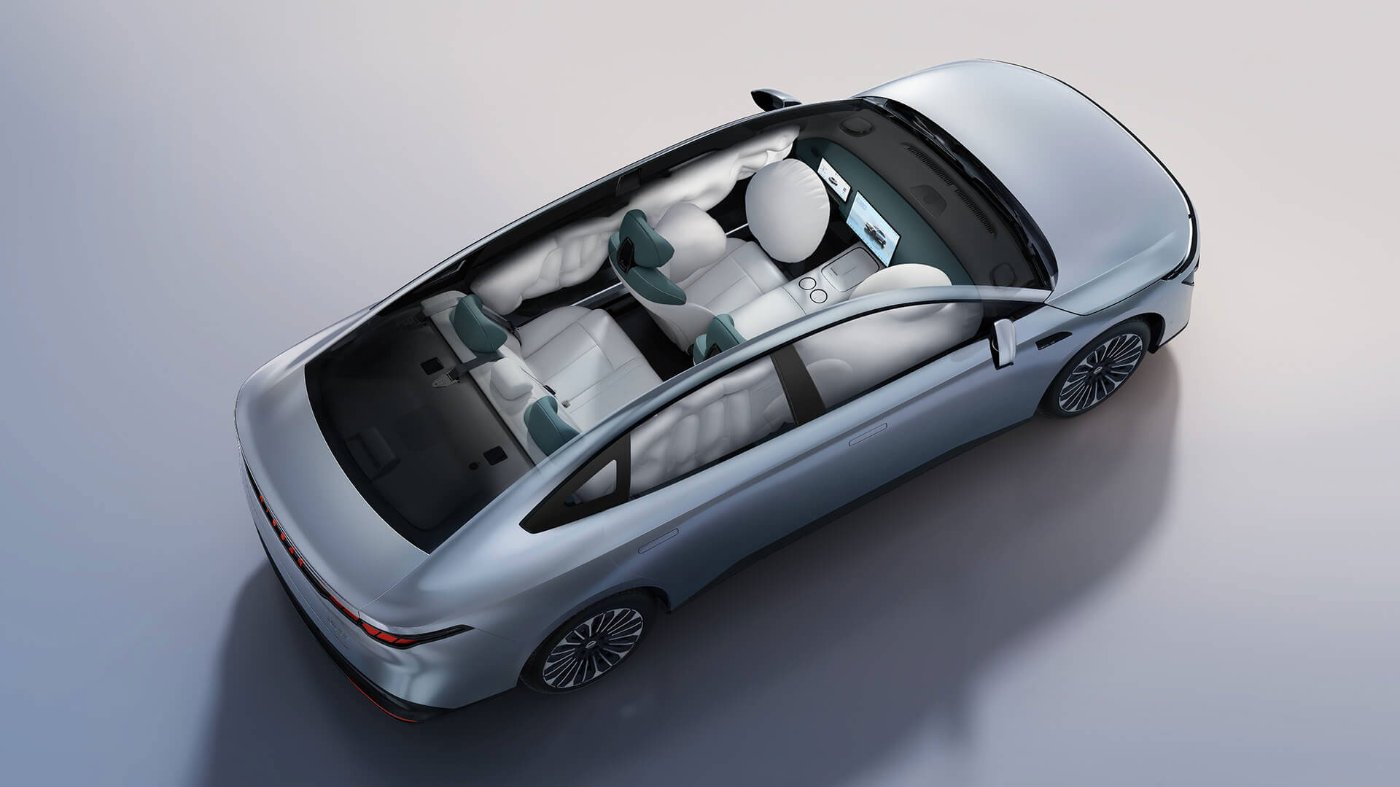
There is also an integrated pressure-maintaining side curtain airbag. In response to rollover accidents, the pressure-maintaining design can provide better protection for occupants in the vehicle and reduce occupant injury.
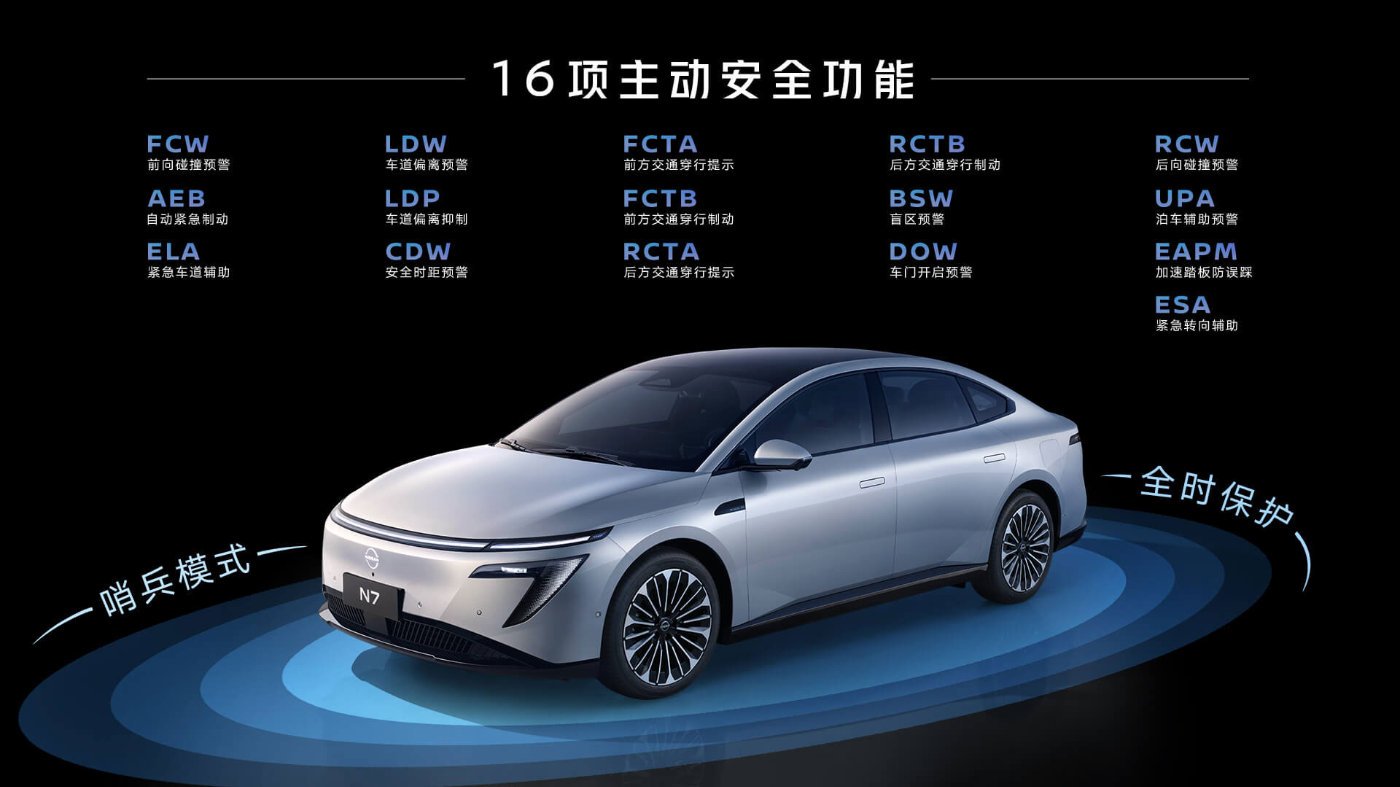
Among the above safety functions, the accelerator pedal mistaken-press prevention function is also very practical, especially for careless new drivers. Giving them two or three seconds of reaction time may avoid a traffic accident.
Unfortunately, however, Nissan's "IFCW超视距碰撞预警" has not been introduced into the N7. When following a car in congested urban road conditions, if the movement of the car ahead of the car ahead can be monitored, it can indeed effectively reduce the probability of rear-ending the car in front. However, this configuration is also exclusive to mid-level and above models in fuel-powered vehicles, so sometimes the decline of joint venture cars may really be self-inflicted. Some very valuable functional configurations are just unwilling to be passed down.
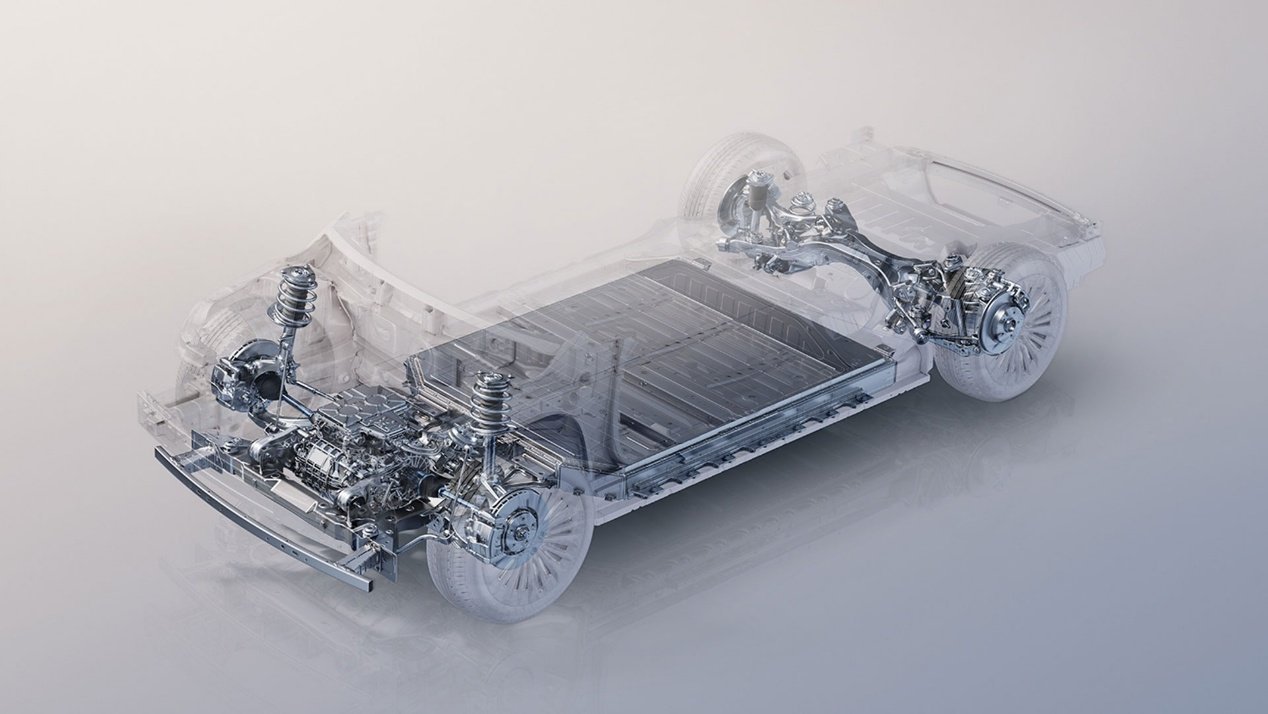
For most car enthusiasts who pursue driving and riding comfort, after experiencing the Dongfeng Nissan N7, it may win their favor and choice. Driving and riding comfort was originally a main selling point of models under Dongfeng Nissan, so if it is just for commuting to and from work and pursuing comfortable commuting, then the Dongfeng Nissan N7 is also a good choice.
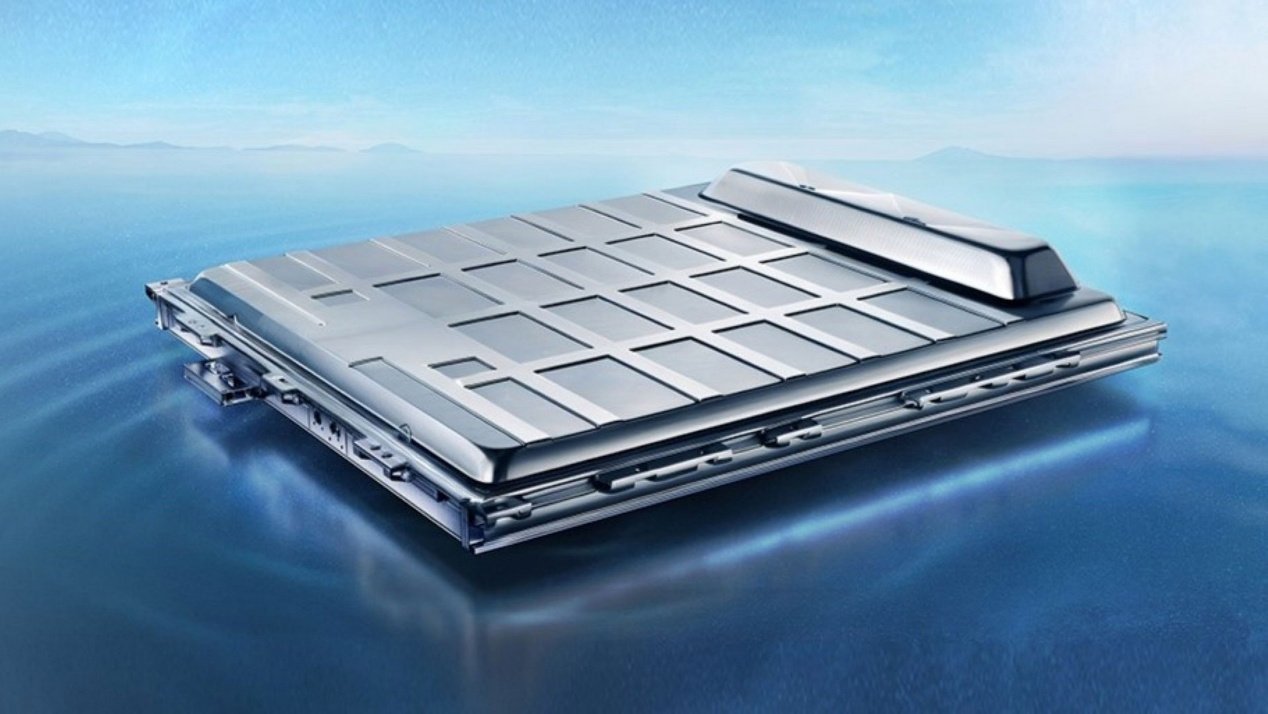
In terms of power batteries, the N7 uses two different-capacity lithium iron phosphate batteries, 58kWh and 73kWh. A certain vertical automotive website's model parameter table notes the brand as Sunwoda. The battery pack is characterized by NTP whole-pack no thermal propagation, and a three-layer composite armor structure at the bottom of the battery. Considerations regarding safety protection are also fairly thorough.
However, if you have heard of the Nissan Leaf electric vehicle, in this regard you should be able to trust Nissan's strength in three electric technologies.
In terms of drive motors, the N7 is equipped with motors with maximum power of 160kW and 200kW. The maximum torque of both motors is 305N·m. For most commuting usage scenarios, such power output is sufficient. I have always believed that most electric drive vehicles today have excessive power output, and many new drivers are simply incapable of controlling powerful electric drive output. This may also be one of the reasons why tragic traffic accident cases have become more and more numerous in recent years. In this regard, I approve of the N7's power output setting. This is also the relatively "driving safety" brought to consumers by "the conservatism of joint venture brands." Experienced drivers probably understand why I say this.
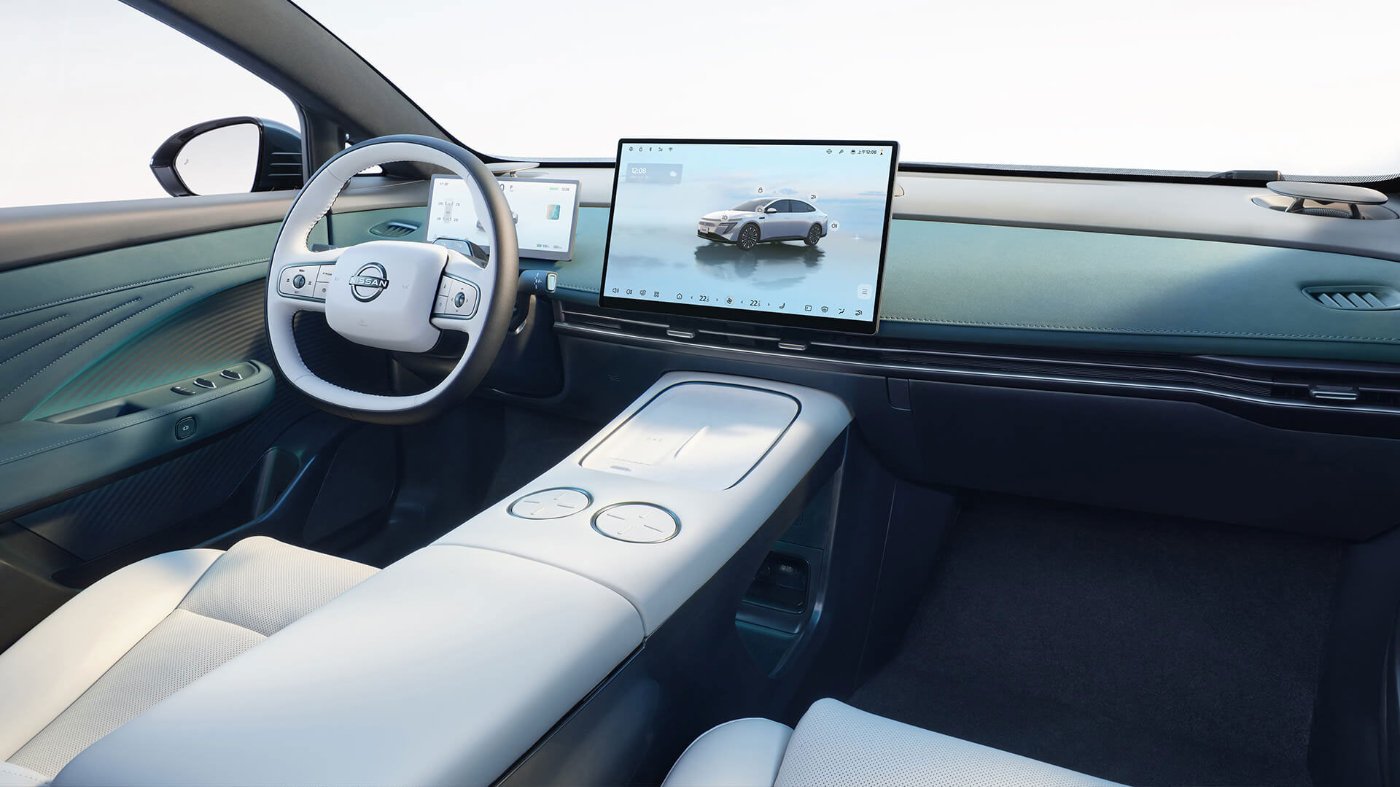
Regarding functional configuration, the Dongfeng Nissan N7 has basically caught up with domestic new force models at the same price. However, I believe many vehicle functional configurations are also excessive now, especially entertainment-related configurations. These will inherently interfere with the driver's focus on driving, but there is no choice because this is the trend, and every automaker has to forcibly keep up. Many drivers also think their self-control and driving skill level are okay, so every automaker emphasizes driving safety, but what they do seems to interfere with the driver's focused driving, which is equivalent to a negative impact on driving safety. You may also think so, but there is nothing you can do.
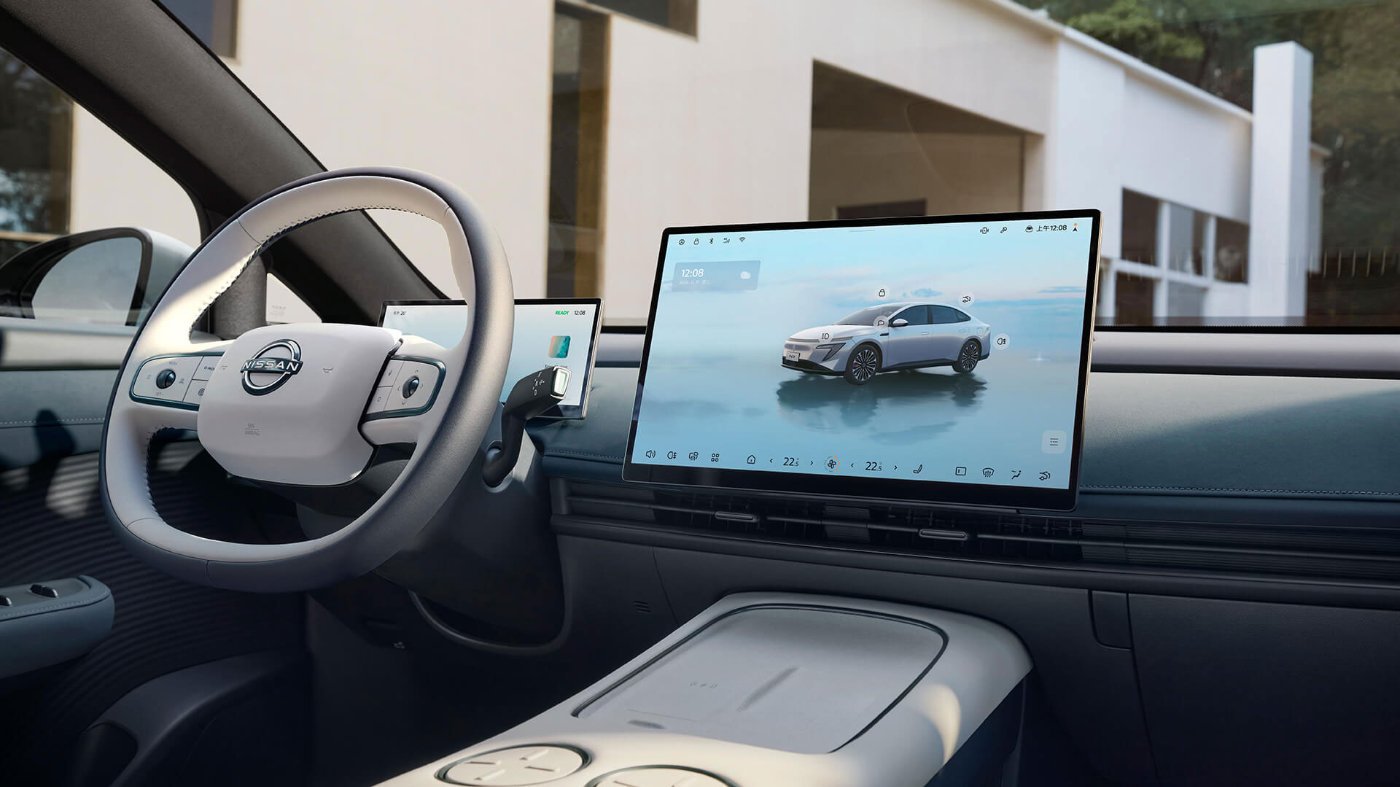
【Talking about assisted driving/hands-off use of assisted driving】
Regarding intelligent driving, I believe the less usable the intelligent driving, the more beneficial it is to driving safety, because intelligent driving that is too usable will inevitably reduce the driver's concentration while driving. Long-term use will inevitably create dependence, and all automakers bear no responsibility for accidents occurring when owners use L2-level assisted driving. But these were all bought with money. Thinking about it makes you feel this money was spent at a loss.
Why use assisted driving? Everyone knows in their hearts. It is just that when nothing happens, everyone talks tough. If something happens, those who have a chance to cry, make a scene, and threaten suicide are still lucky. Many drivers and passengers have no chance at all to defend themselves. As an automotive practitioner, one can only watch similar tragedies and sigh, unable to do anything.
Therefore, regarding the Dongfeng Nissan N7, I more recommend the 625Pro version, with a guide price of 139,900 yuan. It prioritizes ensuring longer range, is not equipped with highway NOA and urban NOA, and at the same time has adaptive cruise and lane cruise, and 540-degree intelligent panoramic imaging. For most drivers handling most vehicle usage scenarios, it is enough.
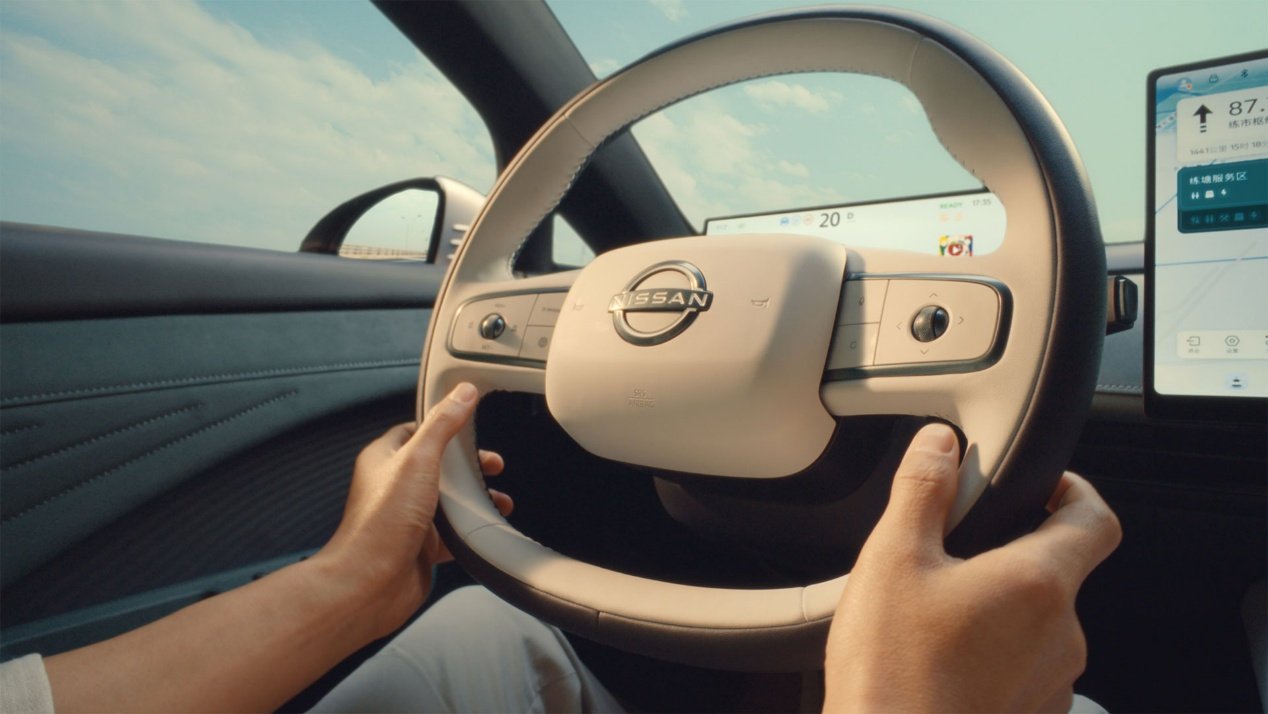
In fact, "hands-off use of assisted driving" is an unspoken understanding between automakers and consumers. I have always thought so. Whether it is steering wheel weights or using various means to deceive the system into achieving hands-off use of assisted driving, automakers are not incapable of solving these problems, but technology must advance, so sacrifices are unavoidable in this process. Fortunately, relevant authorities have now begun standardized management. At least many automakers have already avoided the "intelligent driving" wording, although I believe this is also treating the symptoms but not the root cause.
I have had an idea: if any deceptive means can achieve "hands-off" use of assisted driving for a certain distance, such as 1 kilometer, then the assisted driving rating of that model would be raised to the level requiring the automaker to bear accident responsibility. Possibly overnight, all models would no longer be able to use assisted driving hands-off. Only then might it be possible to solve the accident risk caused by illegal use of intelligent driving.
Of course, if a company truly has the technical capability, it can completely apply on its own for a higher-level assisted driving rating and voluntarily bear responsibility for accidents occurring during use of intelligent driving. Do you think automakers that can currently achieve hands-off use of assisted driving would be willing to actively raise the assisted driving rating and bear responsibility for accidents occurring during use of assisted driving?
Note: The images in the text come from the internet and will be deleted if infringing! This was written impromptu without review; please forgive any errors or omissions!


