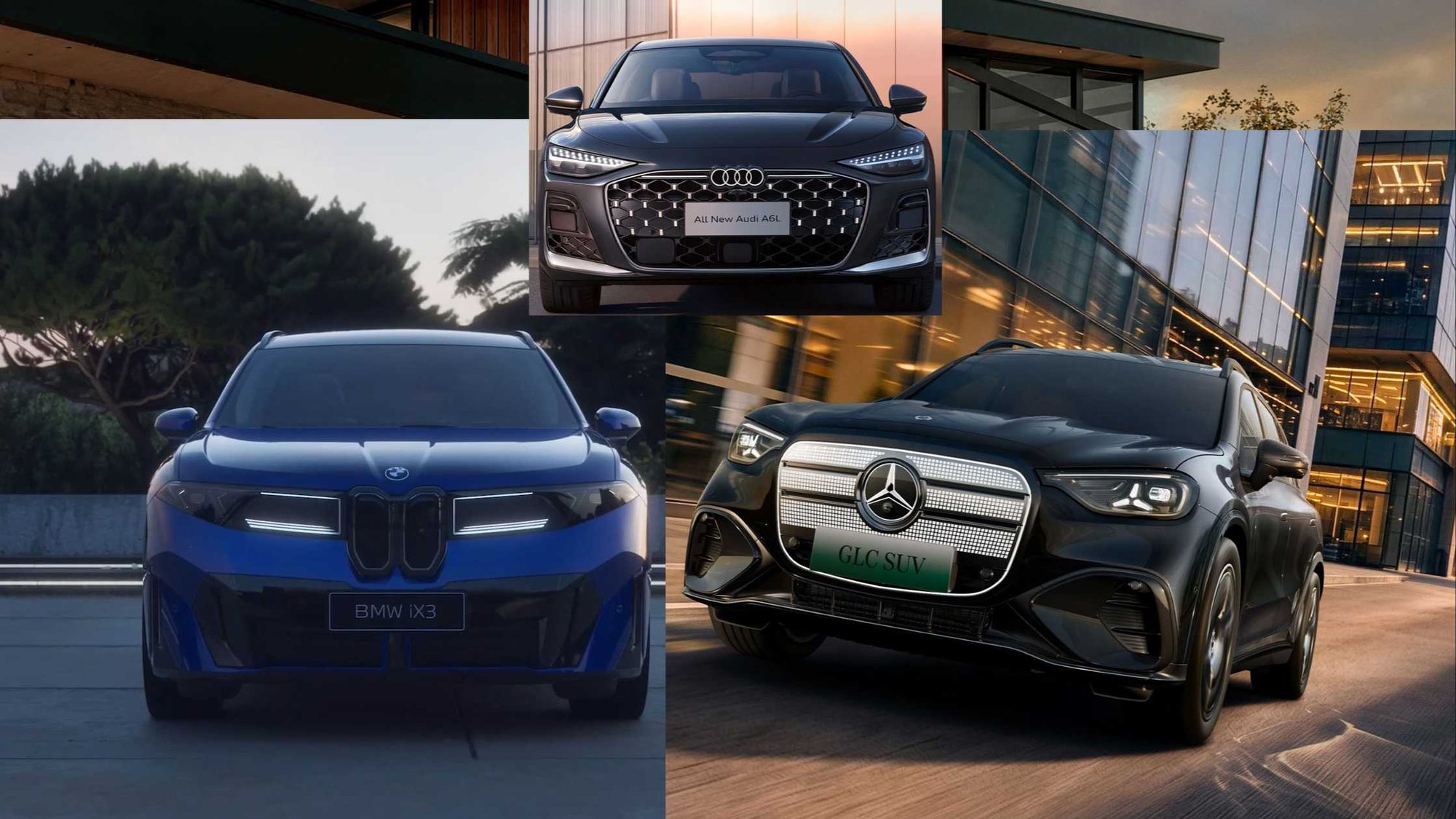
Never would I have expected that the three German luxury carmakers' market performance would have fallen to such a sorry state!
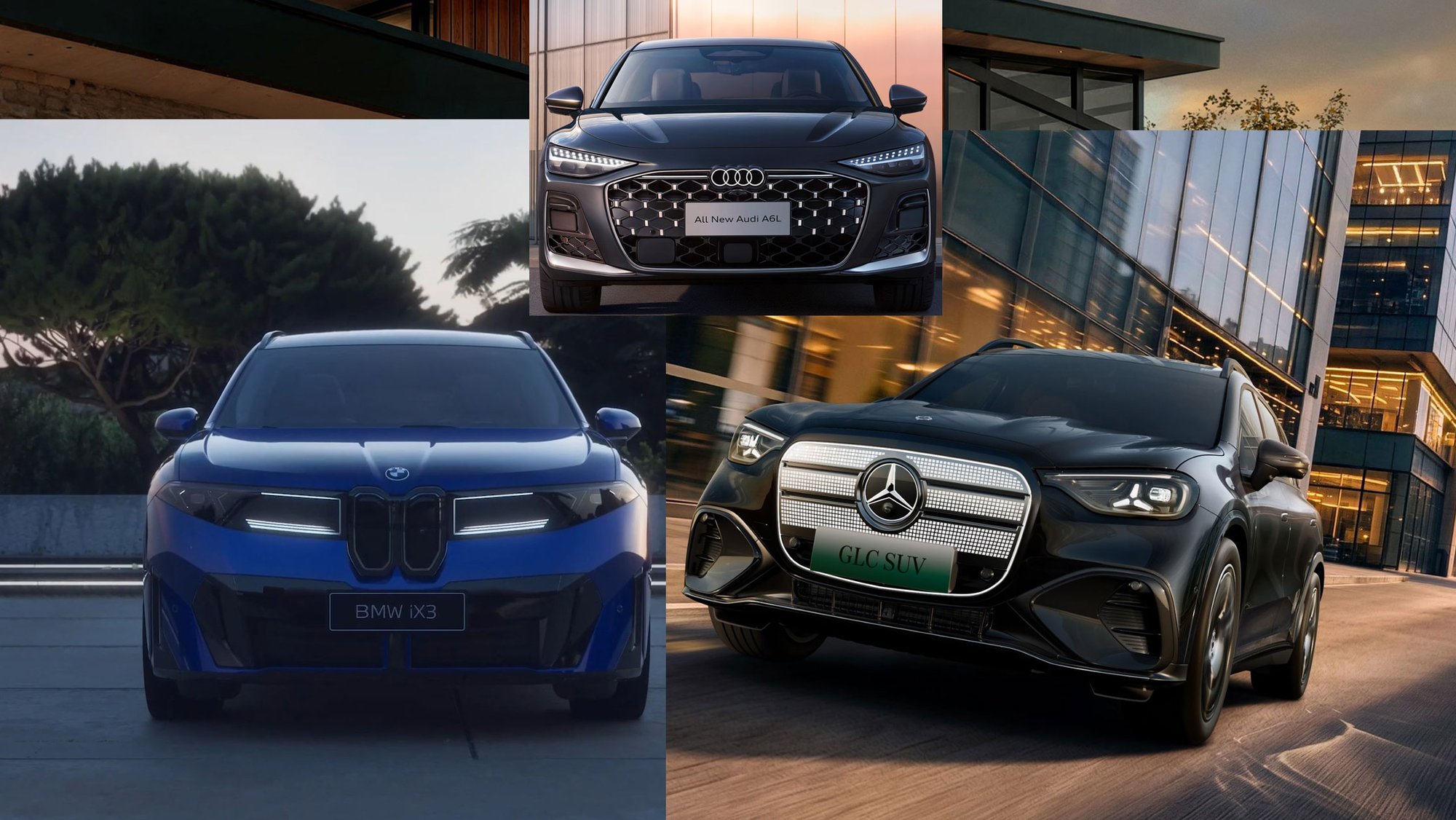
A while ago, in the Auto Insights livestream, a car enthusiast consulted about two models with relatively low sales. Old Niu offered this advice: "You might as well look at how the after-sales business is doing at the two local brand 4S stores. Whichever one is doing better, prioritize that one, because in the next few years the domestic auto market reshuffle will very likely close down another large batch of 4S stores. If a 4S store's after-sales business is good, its profits are good, so its chances of survival will be relatively higher, and future car use and maintenance will be relatively more secure"...
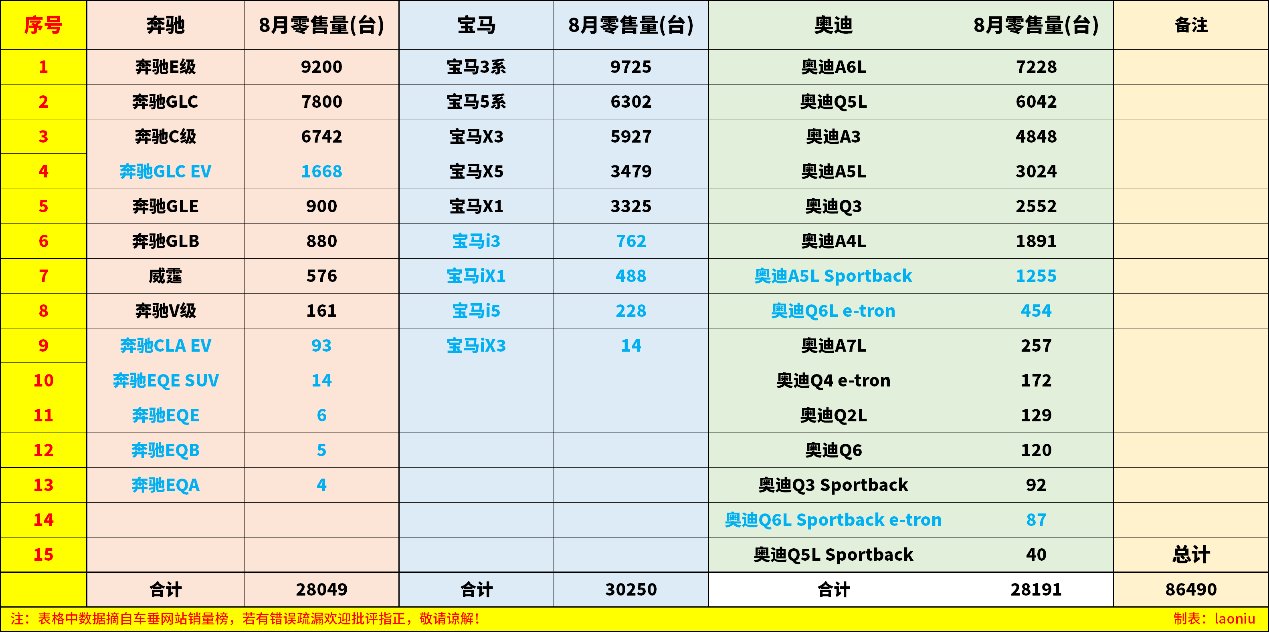
As the conversation went on, August auto sales became an open topic. Opening the sales rankings, Old Niu discovered that in August, none of the models under Mercedes-Benz, BMW, and Audi had monthly sales exceeding 10,000 units.
Mercedes-Benz had 4 models with monthly sales exceeding 1,000 units; BMW had 5 models with sales over 1,000, and Audi had 7 models with sales over 1,000.
【Mercedes-Benz Section】
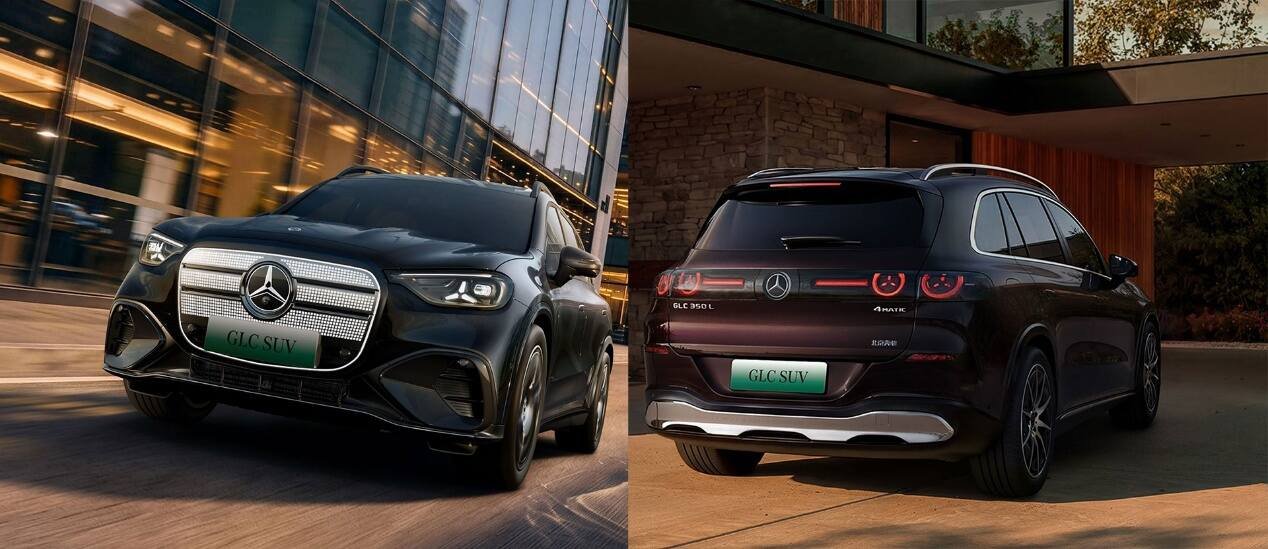
On the new energy vehicle front, the Mercedes-Benz GLC EV had monthly sales as high as 1,668 units in August. It seems that among the target customer base for Mercedes-Benz new energy vehicles, traditional car consumers may still make up a larger proportion, because the sales of Mercedes-Benz EQ series models were not better. Could it be that Mercedes-Benz took the wrong path in building new energy vehicle products?
When visiting a store in early September, there was a Mercedes-Benz EQE SUV with a discount of up to 300,000 yuan, but target customers were still hesitant. So in the new energy vehicle era, if traditional fuel luxury brands want to turn around, they may need to change their old strategy of high pricing followed by deep discounts.
However, judging from specific model sales data, in the mid-size fuel vehicle segment, Mercedes-Benz still has considerable appeal. For example, the Mercedes-Benz E-Class had monthly sales of nearly 10,000 units, the Mercedes-Benz GLC had monthly sales of nearly 8,000 units, and the Mercedes-Benz C-Class had monthly sales of nearly 7,000 units.
How to ensure continued hot sales of fuel models while also rapidly improving new energy vehicle sales performance has become a problem Mercedes-Benz must seriously consider and solve.
For consumers considering new energy vehicles, whether they buy or not does not really matter, but the author suggests taking the time to try new energy vehicles built by traditional luxury brands. Their driving and ride quality is still guaranteed, and this point is very important in the car-ownership process.
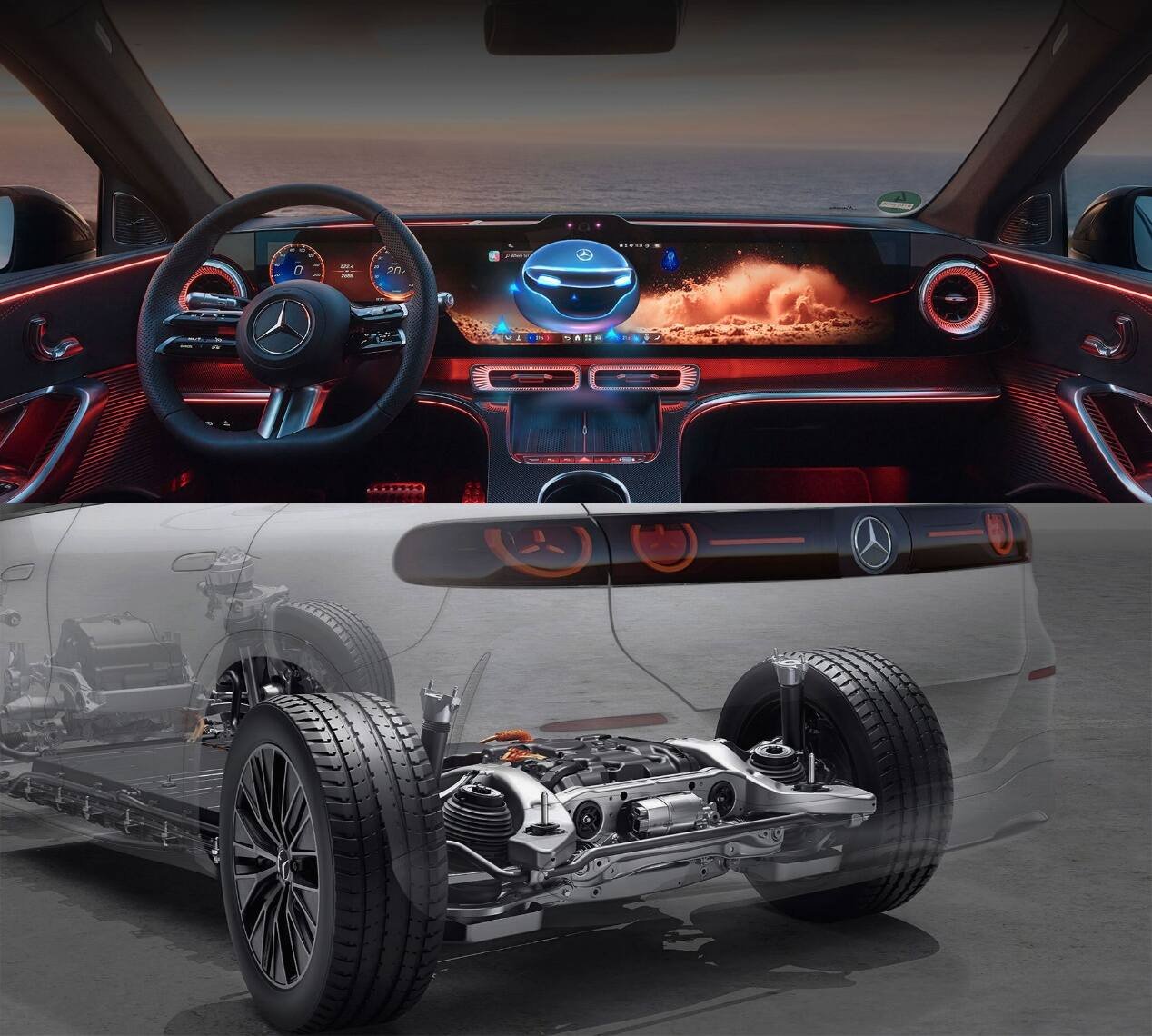
Why not rename the Mercedes-Benz EQ series? Still using the EQ series foundation, but naming them like the Mercedes-Benz GLC EV—Mercedes-Benz E-Class EV, Mercedes-Benz C-Class EV—might help boost Mercedes-Benz new energy vehicle sales, because from a sales pitch perspective, this makes them appear to have more "historical heritage."
【BMW Section】
Compared with Mercedes-Benz and Audi, BMW's current performance in the domestic auto market might make them envious. The BMW 3 Series, BMW 5 Series, BMW X3, and BMW X5 all have decent sales, and BMW has not adopted the strategy of having many children to fight more battles. With fewer models, management costs are relatively lower, making it easier to concentrate efforts on getting things done!
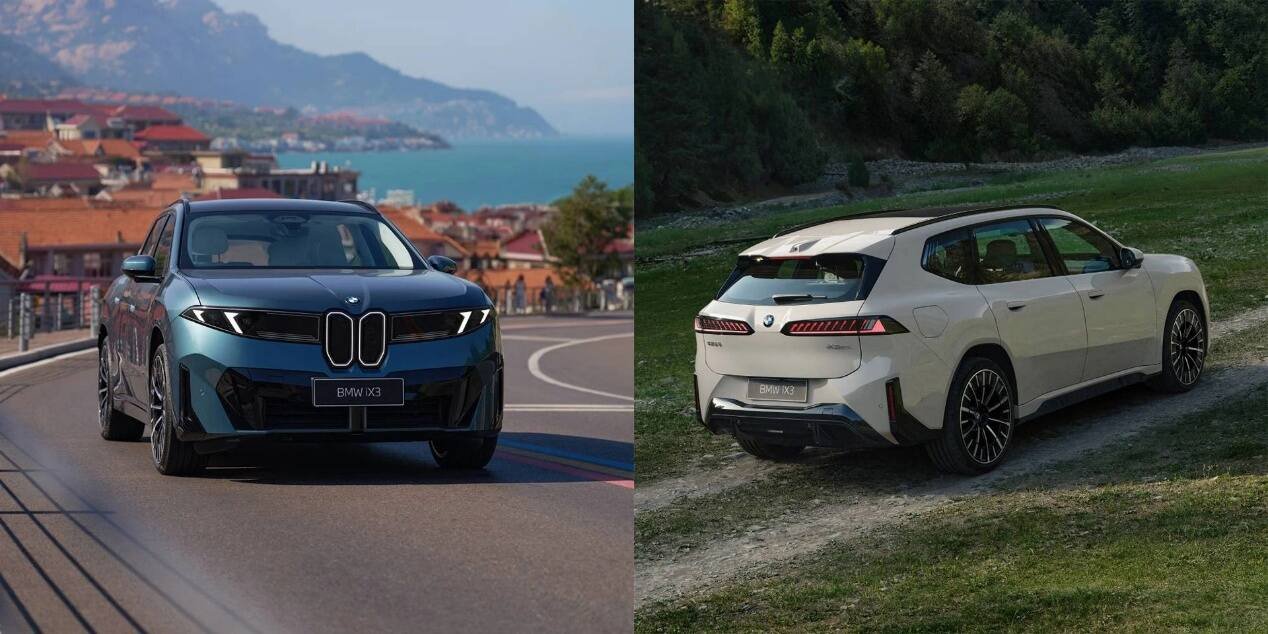
If exceeding 1,000 units counts as decent sales, then it seems BMW's new energy vehicle product team needs to work harder. Rumor has it that the pre-sale of the new-generation BMW iX3 has good buzz and order volume. It seems that as a first-tier traditional luxury car brand, if it wants to make a difference in the new energy vehicle segment, it may also need to take the mass-market route.
Because ever since the rise of domestic new car-making forces, the argument that "joint-venture new energy vehicles are off-brand" has persisted for several years, which may have led some consumers to believe that for luxury new energy vehicles, you still have to look at domestic brands. So advancing from "luxury in the fuel era" to "luxury in the new energy era" may still take a relatively long time.
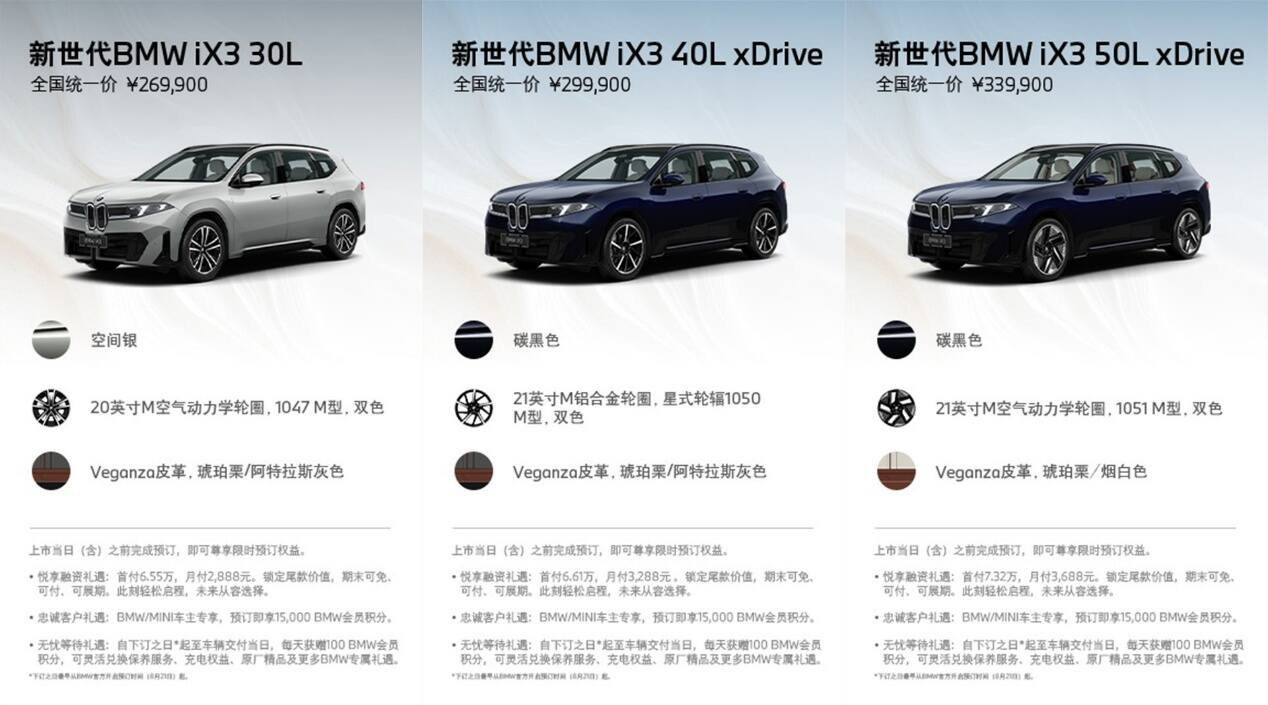
The new-generation BMW iX3 has a pre-sale price starting at 269,900 yuan. From a traditional perspective, such pricing is not high, but if benchmarked against similarly priced hot-selling new energy SUVs such as the Model Y, Li Auto i6, Xiaomi YU7, Datang EV, and other models, whether the BMW iX3 has an advantage in terms of product strength is still debatable, so the outlook is not optimistic.
The overturned cart ahead is a warning to the cart behind. The author believes that if the new-generation BMW iX3 receives a good response, BMW should offer even richer launch benefits, strive to win more orders as much as possible, and concentrate production capacity to speed up delivery, avoiding order holders changing their minds.
In terms of vehicle driving and ride performance, whether it is the new-generation BMW iX3 or new energy vehicles previously launched by BBA brands, there is basically little to criticize. It is merely that smart cockpits and driver assistance are not aggressive enough.
The new-generation iX3's product setup finally conforms to new energy vehicle consumption trends. For example, "CLTC comprehensive range of 919 km, 418 km of range replenished in 10 minutes, and 21 minutes to replenish energy in the 10%-80% high-efficiency charging range"—at least it is now on par with mainstream hot-selling new energy SUVs at that price point.
There is also a wheelbase of 3,005 mm. Chinese people like big cars when choosing vehicles. Cruising through congested urban traffic, spaciousness and comfort are more valuable than fun driving, right?
The trunk expands to a volume of up to 1,900 L. Target customers may not use this type of vehicle for hauling and transport, but sufficient space is a necessary condition for keeping up with domestic new energy SUVs at similar prices and similar classes. The front trunk volume is 58 L—better than nothing!
Dynamically, the author is not worried about the new-generation BMW iX3. BMW models having good driving and ride performance is basically standard operation. The author even believes it is easier to drive than new-force SUVs at a similar class.
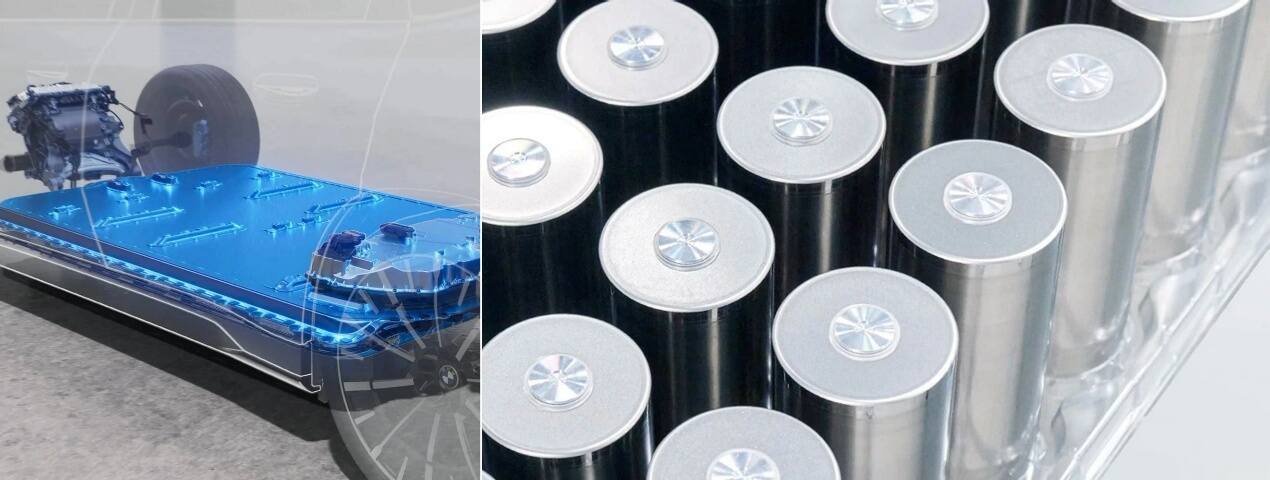
The 800V platform and large cylindrical battery may be one of the main advantages of the new-generation BMW iX3. Current online information shows that the 30L is equipped with a 77 kWh lithium iron phosphate battery, with the cell brand unknown;
the 40L xDrive is equipped with an 86.9 kWh CATL ternary lithium battery; the 50L xDrive is equipped with a 113.4 kWh EVE Energy ternary lithium battery.
Therefore, in terms of cell suppliers, at a time when the rhetoric of "de-CATLization" is surging, it may be beneficial for BMW iX3 sales to offer a CATL power battery option, and the 40L xDrive should also be the main sales model.
It is worth noting that for the new-generation BMW iX3, the official also stated that "both interior and exterior door handles are designed as an electric-physical two-in-one design, with triple safety redundancy. If the vehicle loses power, the doors can be opened through the mechanical structure of the door handle." In terms of driving safety, "the conservatism of traditional established automakers" may be more conducive to keeping users alive.
Interestingly, in the official promotion of the new-generation BMW iX3, statements such as "the new-generation BMW iX3 has undergone digital simulation and 'two winters and two summers' long-cycle extreme environment testing" also appeared. This may be a concrete manifestation of joint-venture cars launching a counterattack and emphasizing the "quickly built car theory."
【Audi Section】
The Audi A6L still has considerable appeal in the C-segment sedan market. The Audi Q5L and Audi A5L & hatchback version have good sales. This is also the confidence that keeps the three German luxury carmakers from being "frantic with anxiety." But if the "elephant turns around" more efficiently, Audi may be able to achieve good results quickly in the new energy vehicle era.
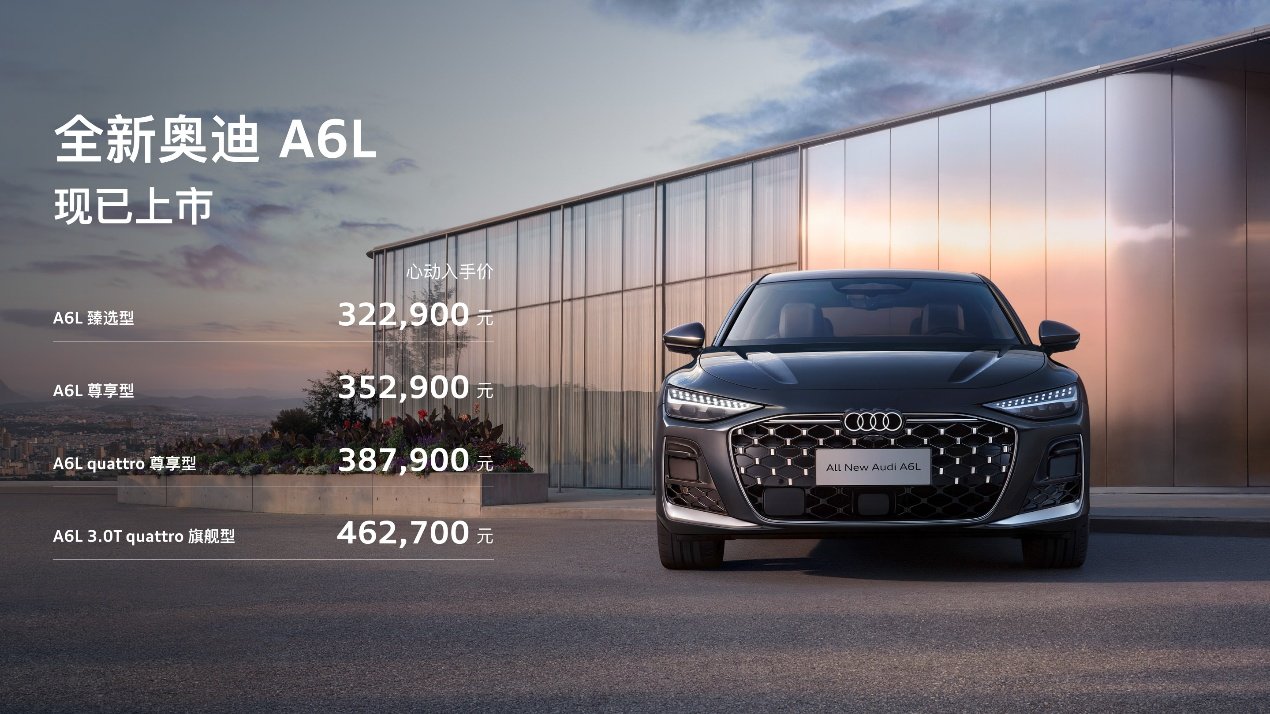
When the first-generation Audi e-tron was first launched, the author participated in a test drive. The vehicle's driving and ride quality was very assured, but unfortunately the main new energy vehicle consumer group at the time did not recognize it, and coupled with absurdly high pricing, it was also unwilling to lower itself in the automotive public opinion war and tear into the new car-making forces. As a result, Audi's new energy models never achieved particularly impressive market performance. In terms of product strength itself, this is a great pity.
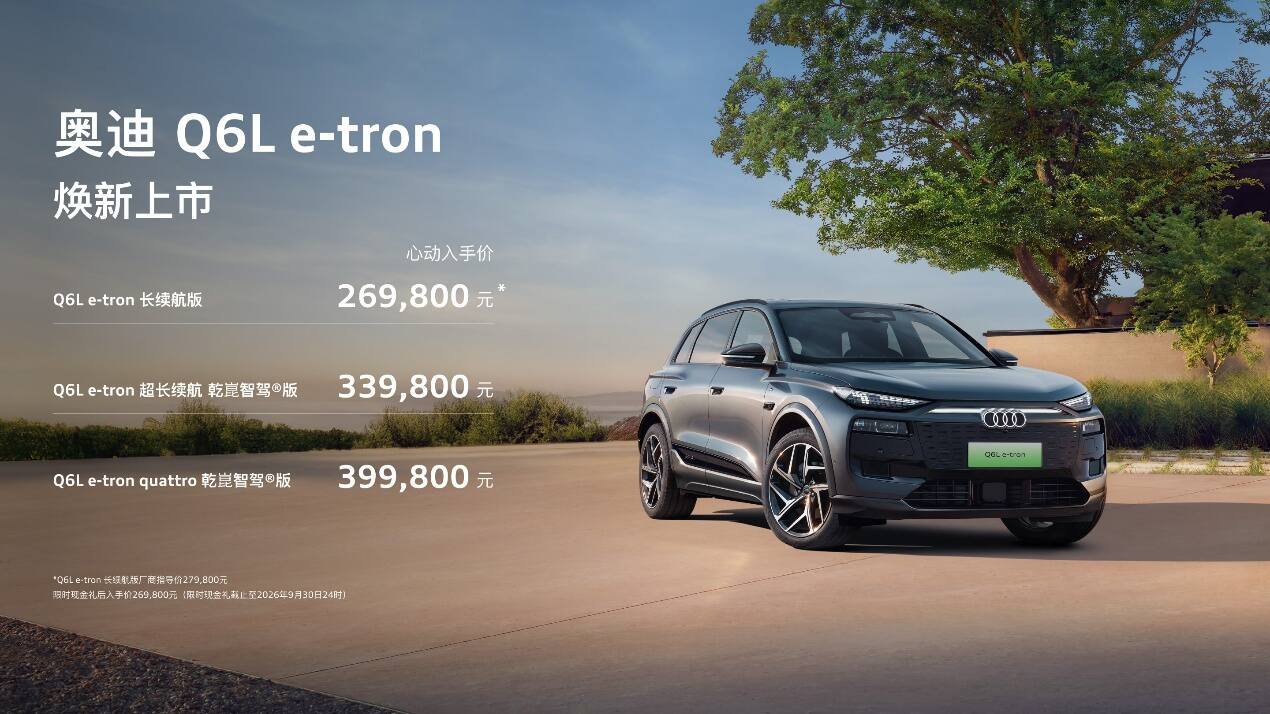
The author believes Audi should discontinue low-end models as soon as possible and devote most of its energy to the transition toward new energy. It is also suggested to rename them to maintain the reputation of "historical heritage," such as Audi A6L EV and Audi A5L EV. This may make it easier for Audi's target customers to accept Audi's new energy vehicles.
The current "e-tron" naming may sound awkward and unpleasant, and Chinese people may be relatively particular about such things. Seeking advantage and avoiding harm is human nature. For example, the gecko logo of "quattro" is very popular, possibly because of the homophonic association with "avoiding disaster."
When operating in the domestic auto market, the likes and dislikes of domestic auto consumers cannot be ignored.
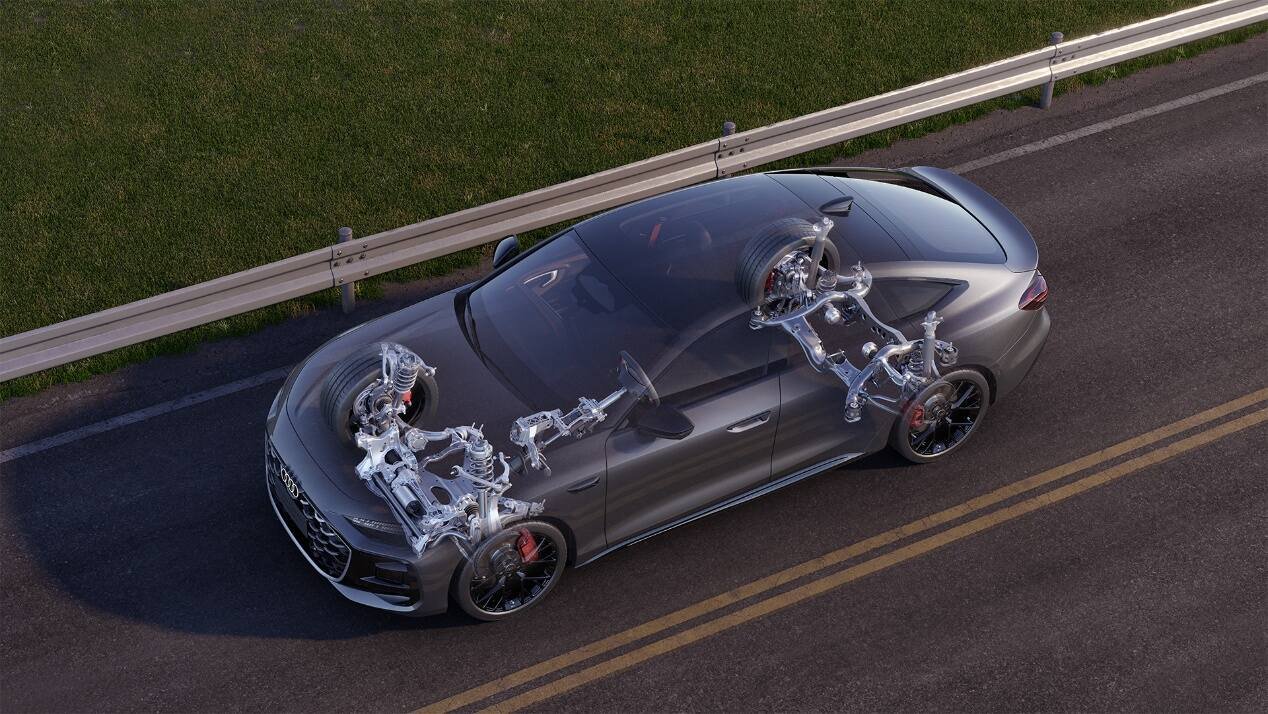
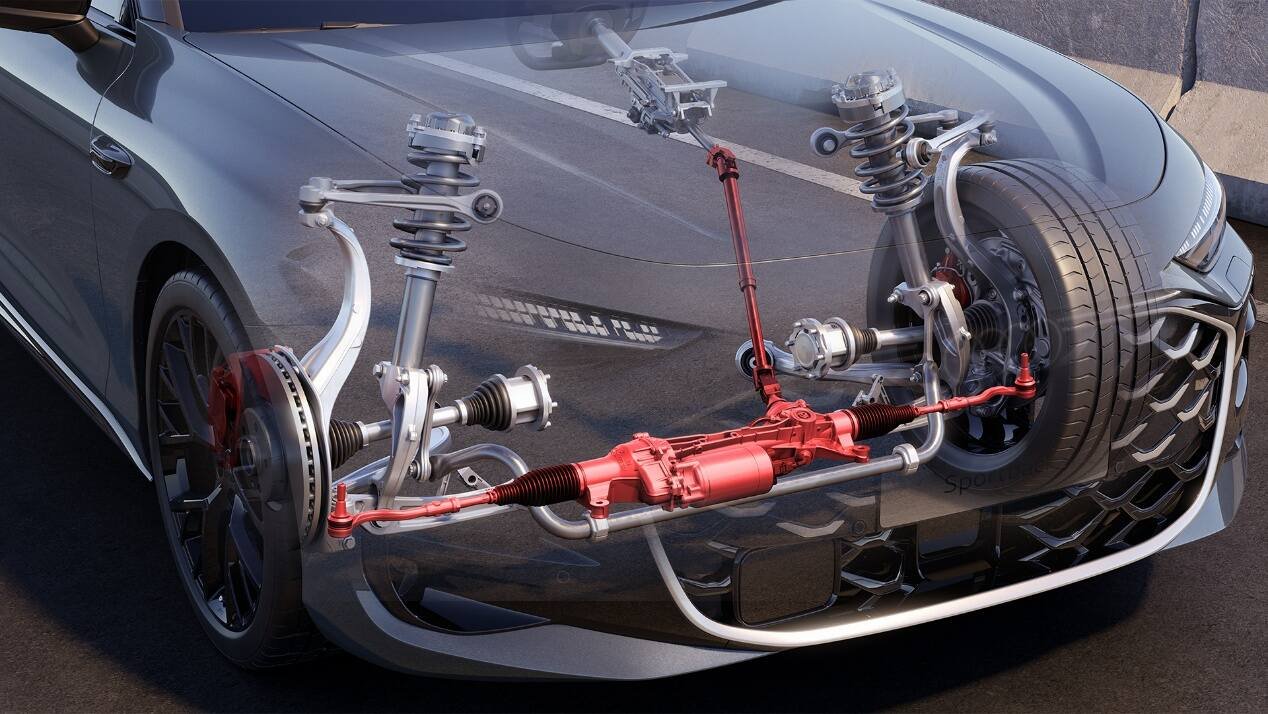
Audi models' driving and ride performance is likewise remarkable. Whether traditional fuel vehicles or new energy vehicles, after trying them several times, owners of new-force models may also be able to feel the advantages of new energy vehicles built by established automakers. How to attract target customers to experience one's own new energy vehicles is very important.
In the first half of the new energy vehicle era, the war of words became completely unruly, but this indeed affected most consumers' judgment. At the same time, joint-venture new energy vehicles were not as stable, durable, and reliable as traditional fuel vehicles, so even new energy vehicles built by traditional luxury car brands were labeled "off-brand."
However, at the time, whether constrained by propriety or because no one dared to step forward and risk taking responsibility, no traditional automaker stood in the new energy vehicle market and confronted the new car-making forces face to face.
Until March 2026, a female livestream host in BMW's livestream blurted out, "180-day quick-grown chicken can be eaten, but I dare not drive a car built in 180 days." This sparked heated discussion at the time, but it seemed BMW did not punish the host over the matter.
Afterward, the "quickly built car theory" burst onto the scene, and many joint-venture brands unanimously emphasized this point. The author believes that only then did joint-venture brands truly lower themselves to confront the new car-making forces head-on. After all, after several years of hot sales, the new car-making forces had also accumulated quite a few jokes, and these had become widely known to the public, so it was time to poke some fun at them.
Therefore, the author believes every joint-venture brand should thank this BMW female livestream host. Her voice allowed many joint-venture brands to find a path of counterattack in the middle phase of the new energy vehicle era. If all joint-venture brands can lower themselves and join the war of words in market competition, only then can the public "listen to both sides and be enlightened, while believing only one side leads to darkness." Afterward, the public can sort things out for themselves, "take the essence and discard the dross," and their car-buying decisions will become more rational.
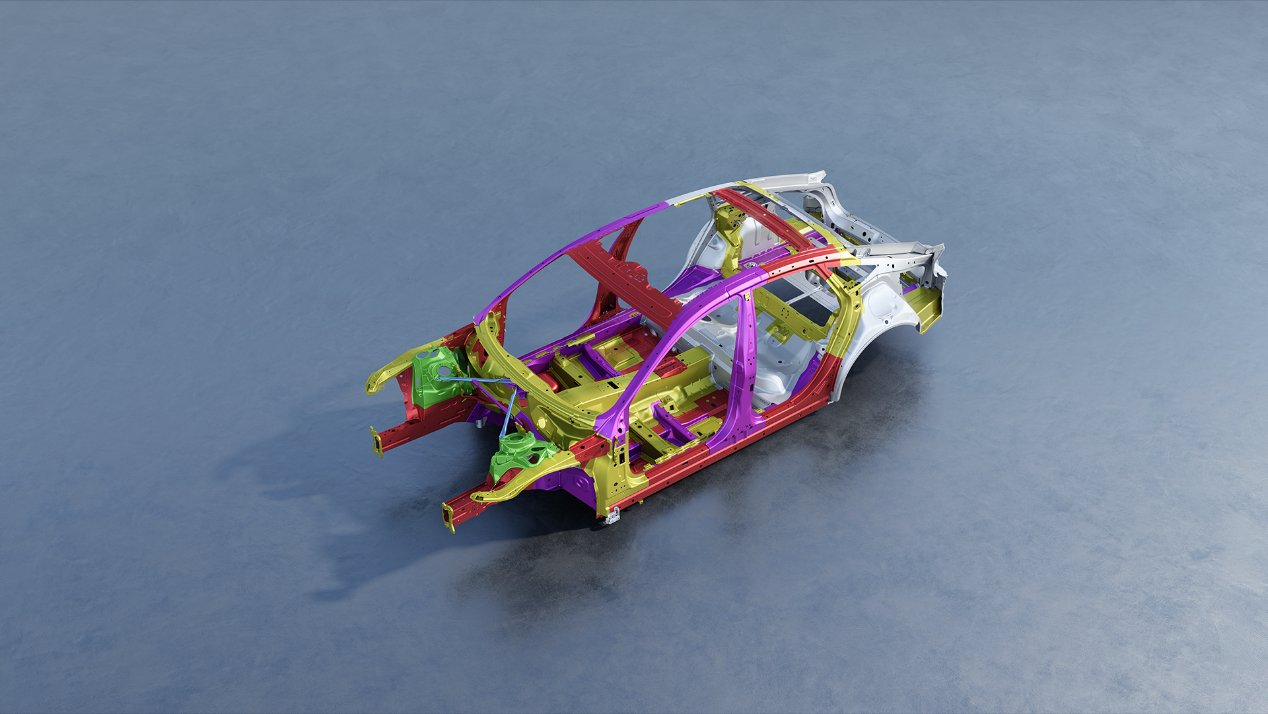
However, joint-venture new energy vehicles have now begun to enhance their product competitive advantages in the dimensions they are good at. For example, they have followed up with "smart parking backing guarantees," such as replacing rather than repairing power battery faults/degradation, and, except for external fire sources, free replacement with a new car if the power battery catches fire due to quality problems/scratches/collisions, covering both new and old owners.
This is one of the few ways traditional joint-venture brands can fight to a draw with new car-making forces in the new energy vehicle era, because traditional fuel brands have more advantages in good guarantees and service.
Summary:
Although the three German luxury carmakers still have decent sales performance in the mid-size/large mid-size vehicle segments, one must note the gradually declining trend of each model. The author casually opened the historical sales data of several models, and almost without exception, they are all on a downward slope.
If fuel luxury cars continue to decline while new energy vehicle sales fail to catch up, then in the future the market share of Mercedes-Benz, BMW, and Audi will still be eroded by various brands. Therefore, for Mercedes-Benz, BMW, and Audi, how to correctly build new energy vehicles, attract their original target customer base as well as the new generation of auto consumers, and also fight this era's war of words well—only then can they win more consumer recognition and choice.
The road ahead must be chosen by oneself!
Note: The images and data in this article are all from the internet and will be deleted if infringing! This was written impromptu and has not been proofread. Please forgive any errors or omissions, and criticism and corrections are welcome!


