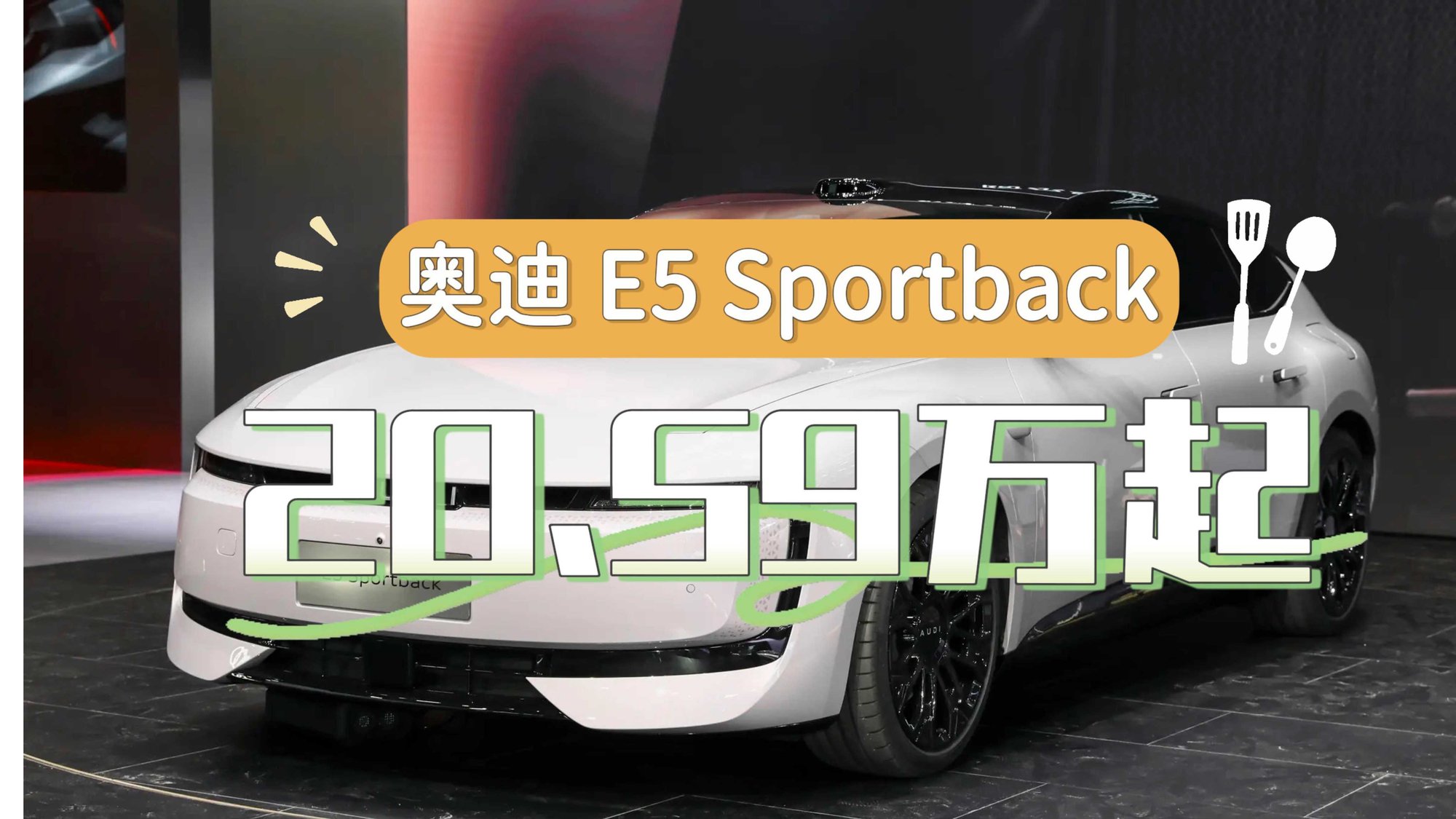
Recently, I’ve been planning to switch to a family-oriented all-electric mid-size car that can handle daily commuting, short weekend trips, and the occasional family pick-up and drop-off. After comparing multiple models, I focused on the Audi E5 Sportback Pioneer Edition, launched in September 2025. As an all-electric shooting brake coupe introduced by SAIC Audi, this car was priced pragmatically when it first went on sale. With current official promotions and subsidies in some regions, the entry threshold has dropped to 205,900 yuan, and the quattro version is 239,900 yuan after benefits, close to or even lower than the entry price of many mainstream all-electric mid-size sedans, bringing all-electric models from traditional luxury brands into the car-buying budget range of ordinary families.
During this period, I visited stores multiple times for static experiences, test drives on urban roads, and highway driving, and also talked with sales staff and users who were looking at cars at the same time. My overall impression is that it has not weakened its core equipment or driving quality because of the lower price. In terms of exterior design, space practicality, power and range, intelligent interaction, chassis handling, and basic features, it has made balanced adaptations around daily driving scenarios, with no obvious shortcomings. Against the backdrop of China-Germany economic and trade cooperation and automotive industry linkages, this car also reflects how traditional luxury brands are adjusting in their electrification transition to better fit domestic market demand and user habits. Below, I’ll objectively share my test-driving experience with everyone.
1. Passenger space and interior atmosphere: mid-size car standards, sufficient for family riding and loading
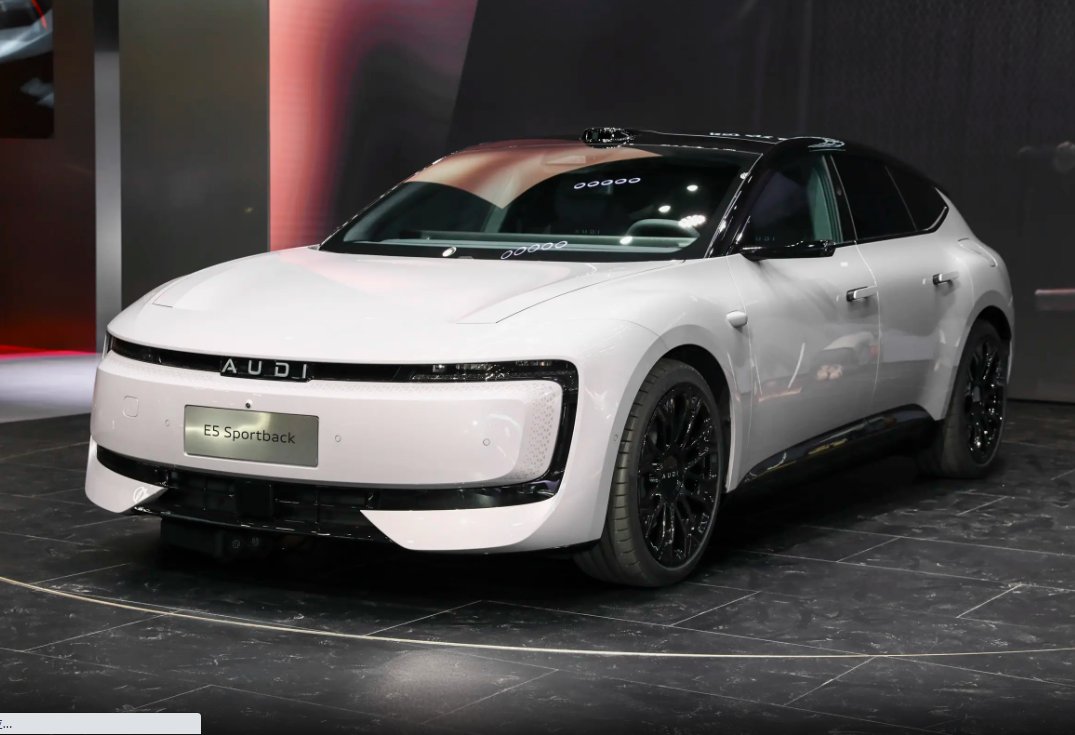
Let me start with the space and interior that I come into contact with every day. The Audi E5 Sportback is positioned as a mid-size all-electric shooting brake coupe, with body dimensions of 4881×1960×1479mm, a wheelbase of 2950mm, and a drag coefficient of 0.252. Its stance is low, stretched, and visually smooth and crisp, and its actual passenger performance also meets the usual standards of a mid-size car. I am 178cm tall. After adjusting the driver’s seat, front-row headroom is about one fist and three fingers, with ample legroom. The layout of the steering wheel, center console, and armrest is quite handy, and there is no feeling of constraint in the elbows or legs during daily driving. The rear-seat experience leans toward comfort and naturalness, with knee room maintained at about one fist and headroom around one fist and two fingers. The sloping roofline does not excessively compress headroom, so adults will not feel oppressed on short or long trips. Because the battery pack layout has been optimized, the rear floor is nearly flat, giving the middle passenger more foot space. When fully occupied by three people, the middle position can still maintain a relatively comfortable posture, making the ride experience friendly for daily family outings and trips with friends.
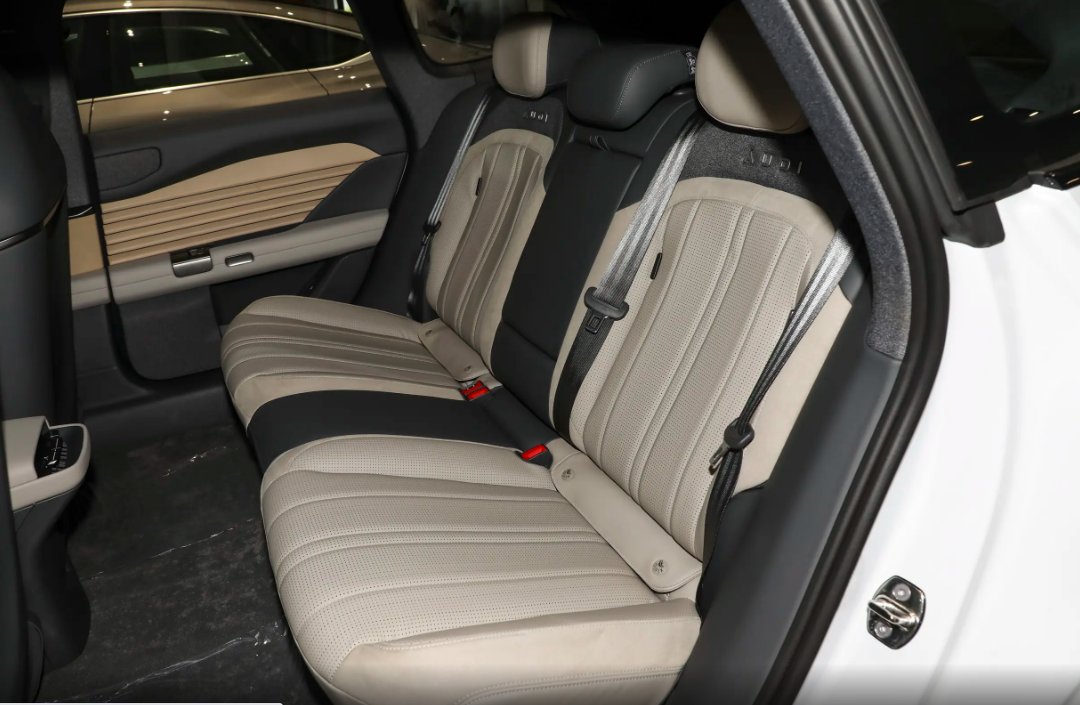
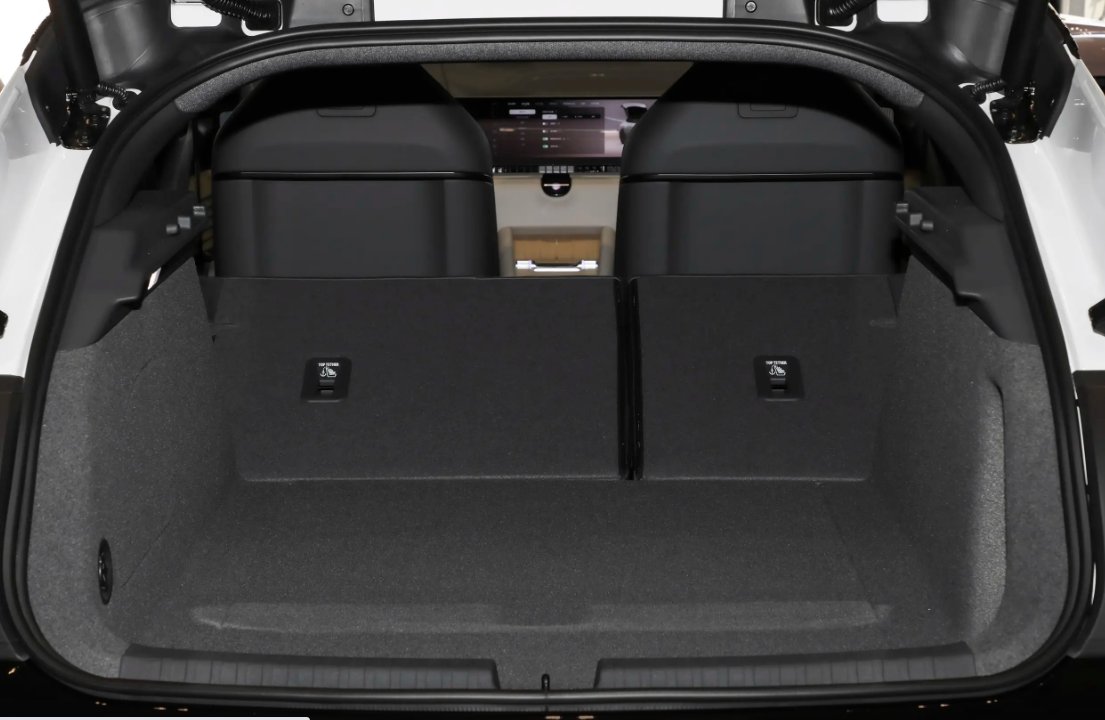
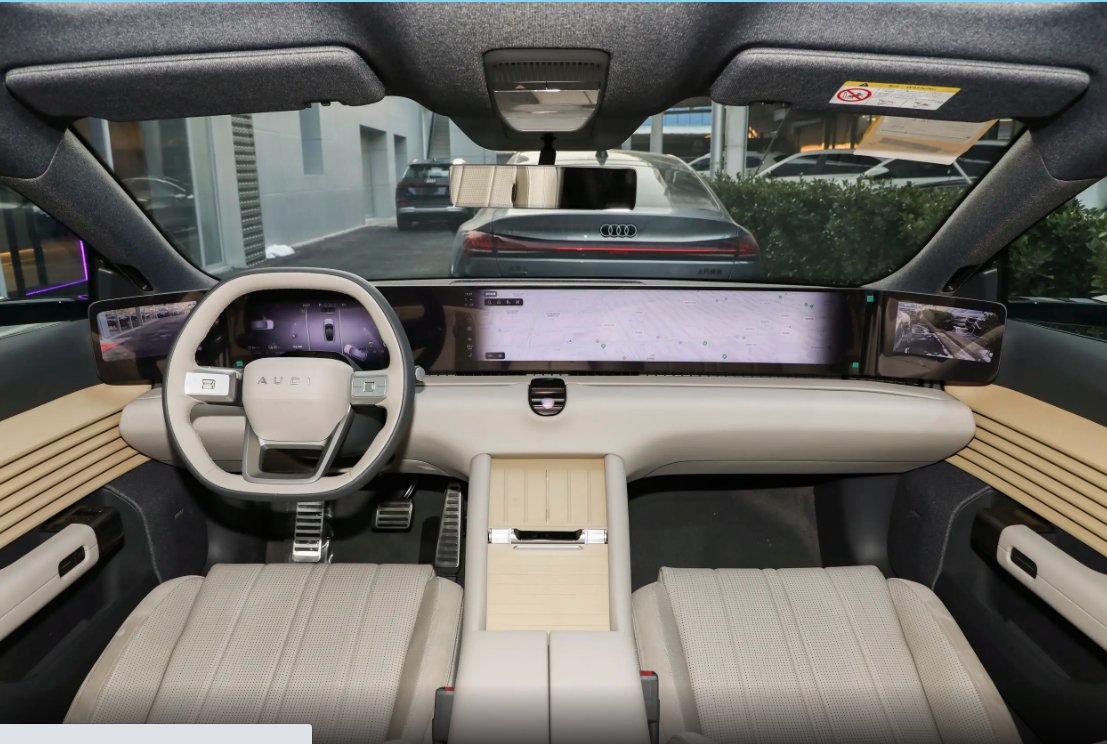
Storage and loading capacity fit household needs. The regular trunk volume is 347L, enough for weekend supermarket shopping, a carry-on suitcase, or a backpack. The rear seats support 40:60 split folding, and after folding, depth and volume increase noticeably, making it easy to load camping gear, folding bicycles, baby strollers, and small home appliances, suitable for multi-scenario family use. The door panels, armrest box, and area under the center console all have regular storage compartments, so small items such as phones, cups, wet wipes, and keys can be stored in an orderly way, and the cabin can stay tidy when traveling with children. The interior overall style is simple, balancing texture and practicality. The seats use faux leather material, with moderate support and softness. The front row is equipped with heating and ventilation, and the driver’s seat also has a memory mode, which helps reduce physical fatigue after long commutes and highway driving. The car is equipped with 30-color ambient lighting, dual-zone automatic air conditioning, air purification, a negative ion generator, and a fragrance system. Together with multi-layer soundproof glass, cabin quietness during daily driving is acceptable, and temperature regulation and air environment can meet the basic needs of family use. The 12-speaker audio system offers balanced sound quality, sufficient for basic entertainment needs such as listening to music, podcasts, or occasionally singing in the car.
2. Purchase price and model positioning: accessible pricing, suited to mainstream family budgets
The Audi E5 Sportback was officially launched in September 2025. The Pioneer Edition has an official guide price of 235,900 yuan. After current promotional policies and local subsidies, the actual entry threshold drops to 205,900 yuan. The quattro version has an official guide price of 269,900 yuan, and the price after benefits is 239,900 yuan. The overall price range is something ordinary families can seriously consider. Compared with some mainstream all-electric sedans in the same class, this car’s entry threshold is friendlier and gives more consumers a chance to experience an all-electric model from a traditional luxury brand.
From the perspective of product positioning, it is a shooting brake coupe oriented toward family use and daily driving. The exterior retains Audi’s classic sporty proportions while adding electric streamlined design. The closed front face is paired with a through-type light strip, and recognizability after lighting up is acceptable. The side has frameless doors and hidden door handles, with clean lines, while the small ducktail spoiler at the rear adds a touch of sportiness. With 19-inch front and rear tires of different sizes (front 245/45 R19, rear 275/40 R19), the visual sportiness is more prominent. When weaving through the city or cruising on the highway, the overall look is steady yet lively, balancing family-oriented composure with personal aesthetic needs. In today’s market environment with abundant new energy vehicle choices, this car does not take the route of stacking features and competing on specs. Instead, it combines brand craftsmanship, driving quality, localized intelligence, and practical features. Its pricing strategy is more down-to-earth and responds to domestic users’ comprehensive needs for luxury brand all-electric models in terms of value for money, practicality, and cost of ownership. For users with a budget in the low 200,000s who want brand quality and a balanced experience, it is an option worth experiencing in person.
3. Power, range, and charging: backed by an 800V platform, suitable for both daily commuting and long trips
Power and range are the core concerns for all-electric models. The Pioneer Edition adopts a rear-mounted single-motor layout, with a maximum power of 220kW (299Ps), peak torque of 420N·m, and an official 0-100km/h acceleration time of 6.1 seconds. In daily city driving, power output is linear and smooth, making starts, following traffic, and city overtaking all relatively effortless. During highway merging and acceleration, the power reserve also meets needs without a feeling of weakness. Whether for beginners or drivers used to fuel vehicles, it is quick to adapt to. For the battery, it uses CATL 76kWh lithium iron phosphate cells, with a CLTC pure electric range of 618km. In actual use, combined range is roughly in the 450-520km range, depending on driving habits, temperature, air conditioning use, load, and other factors. My daily commute is about 25 kilometers one way. With a full charge, charging once a week is basically enough. For short weekend trips and nearby self-driving, there is no need to worry frequently about range. For daily family use, the range performance is relatively practical.
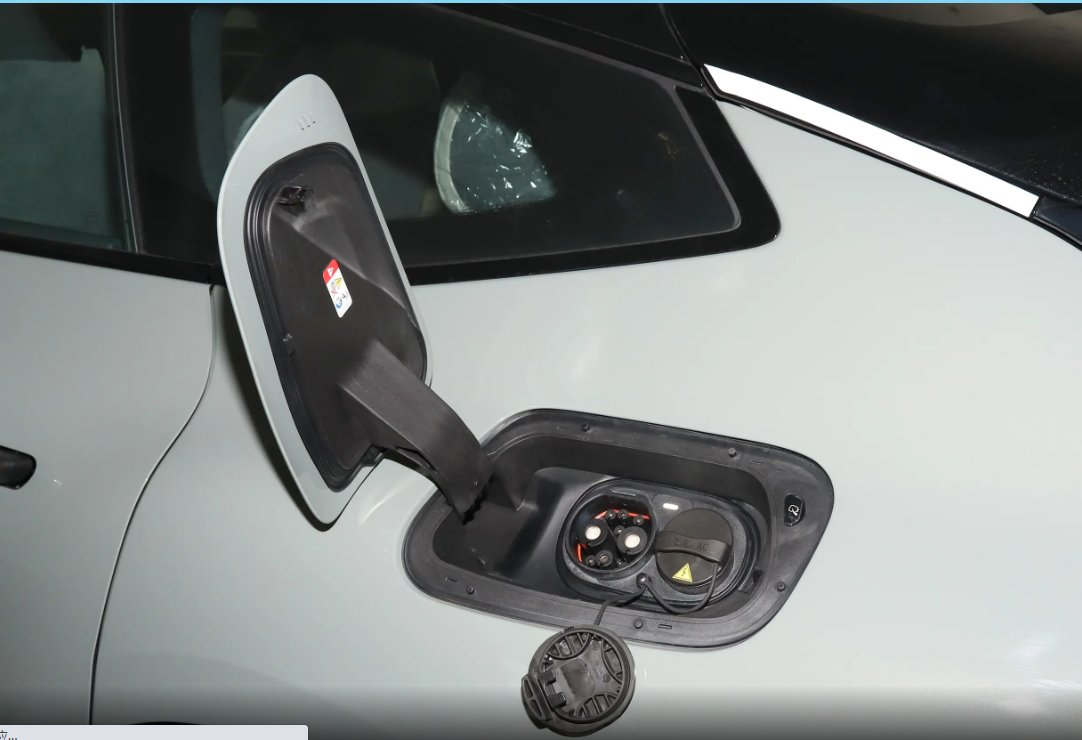
In terms of charging, relying on the 800V high-voltage platform, fast charging from 10% to 80% takes only about 0.22 hours. Charging efficiency is decent among models at the same price. A short stop at a highway service area or mall fast-charging station can quickly replenish the battery and reduce waiting time. The vehicle supports one-pedal mode, and brake energy recovery adjustment is clear. When following traffic in congested city sections, speed can be controlled relying on one-pedal driving, reducing the frequency of braking and making driving easier. It is also equipped with a VTOL external discharge function, with a maximum output power of 6.6kW. For weekend camping or outdoor picnics, it is convenient to connect an electric kettle, small appliances, or charge electronic devices, expanding usage scenarios.
4. Chassis handling and driving modes: tuning leans comfortable, stable adaptability across different road conditions
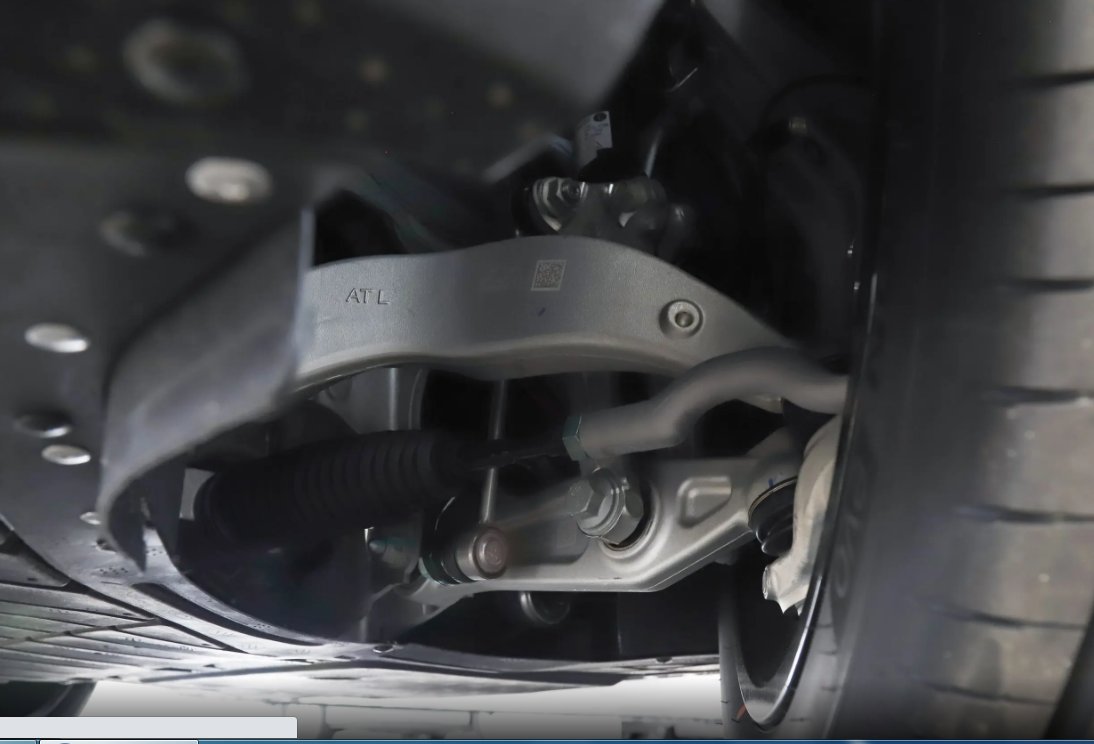
Chassis and handling are parts of this car worth noting. The Pioneer Edition adopts a rear-mounted rear-wheel-drive layout, with a front double wishbone + rear multi-link independent suspension structure, and the overall tuning leans toward balancing comfort and stability. In daily driving over speed bumps, manhole covers, and fine bumpy roads, the suspension can filter out most vibrations, and the amount of body movement in the cabin is controllable, giving a soft ride. During continuous cornering, body roll is properly controlled, without an obvious floating feeling. Steering feel is light, with clear directionality, making U-turns, parking, and weaving through the city relatively agile. It is also easy for female drivers and beginners to handle.
The vehicle offers five driving modes: ECO, Economy, Standard Comfort, Sport, and Individual. In different modes, accelerator response, steering wheel damping, and power output rhythm differ. Standard Comfort mode is suitable for daily commuting, smooth and easy to drive. In Sport mode, accelerator response is more active, steering wheel damping increases, and the pushback feeling is more obvious, so it can be switched to when occasionally wanting a more proactive driving feel. ECO and Economy modes lean toward energy consumption optimization, suitable for long highway trips and congested sections. Even though it is only a single-motor rear-wheel-drive version, on slippery roads and during continuous cornering, ESP and the traction control system intervene gently, without abrupt interference, and body stability is acceptable. The official team has conducted related tests in icy and snowy environments and also participated in a Guinness-related record challenge. This indirectly shows that the vehicle has a certain foundation in handling and stability tuning under extreme road conditions, giving drivers some peace of mind when driving in northern winters or on rainy, slippery roads.
5. Intelligent interaction and assistance features: localized adaptation, more worry-free daily operation
On the intelligent level, this car has made considerable localized adaptations, fitting domestic user habits. For assisted driving, it uses the Momenta solution, equipped with the NVIDIA DRIVE Orin-X chip with 254TOPS of computing power. Perception hardware includes 11 exterior cameras, 12 ultrasonic radars, 3 millimeter-wave radars, and 1 lidar, making the hardware configuration fairly complete. In actual use, functions cover full-speed adaptive cruising, lane centering, automatic lane changing, navigation-assisted driving (usable on both urban and highway sections), automatic parking, and memory parking, falling within the conventional practical scope. Under complex urban road conditions, the system recognizes and responds to traffic lights, pedestrians, and non-motor vehicles in a relatively timely manner, and control of following distance and lane-change timing is relatively natural, without stiff jerkiness. During long highway drives, assistance functions can reduce driving fatigue and make long drives easier.
The entire system prioritizes stability and practicality, without excessively pursuing complex scenarios, and has good adaptability to high-frequency daily use scenarios. Voice interaction integrates the Doubao AI large model, supporting wake-free operation, continuous dialogue, and “see and say,” with the wake word set to “Hello Audi.” Basic operations such as navigation, air conditioning, music, windows, and ambient lighting can all be completed using natural language. While driving, there is no need to frequently look down and touch the screen; one instruction can complete multiple operations. Response speed and understanding accuracy are stable, making operation safer while driving, and all passengers in the car can use it easily.
For the infotainment side, it is equipped with a 27-inch central control large screen with clear resolution and the built-in AUDI OS system. The chip is the Qualcomm Snapdragon 8295, and interface swiping, app switching, and navigation loading are all relatively smooth. It supports CarPlay, HUAWEI HiCar, Baidu Maps, 5G network, and OTA upgrades. The 12.3-inch full LCD instrument panel displays rich information, and the HUD interface logic is clear, making it convenient to check speed, navigation, battery level, and range in daily use.
6. Full-vehicle configuration and overall impression: solid entry-level equipment, balanced overall with no obvious shortcomings
In terms of configuration, even as the entry version, the Pioneer Edition is equipped with many practical functions and has no obvious cuts. Active safety features include lane departure warning, front and rear collision warning, active braking, blind spot assistance, fatigue monitoring, and DOW door opening warning, covering high-frequency daily travel scenarios and providing more comprehensive safety protection for family use and beginner drivers. Comfort, technology, and entertainment configurations are also relatively complete, without removing essential functions just to lower the price. A relatively complete car-use experience can be obtained from the entry version, without needing to pay extra for core options.
Of course, this car also has points that need to be weighed according to personal needs. For example, rear-seat heating is an optional configuration, while air suspension and higher-level comfort and handling configurations are concentrated in higher trim versions. For users with limited budgets who pursue basic practicality, the Pioneer Edition is already sufficient. For those who want a more comprehensive experience, higher-configuration versions can be considered. Based on multiple test drives, static experiences, and scenario simulations, the Audi E5 Sportback Pioneer Edition, at a price in the low 200,000s, delivers balanced performance in exterior design, space practicality, range and charging, intelligent interaction, chassis handling, and basic configuration. It does not lean excessively toward any single dimension, but balances technological experience with the driving quality and craftsmanship details of a traditional luxury brand.
In today’s fiercely competitive new energy market, Audi has made its products closer to ordinary consumer needs through more accessible pricing and localized technology cooperation (Doubao AI + Momenta), which is a relatively solid product adjustment for users. If your car-buying need is an all-electric mid-size car with brand heritage, practical configuration, sufficient range, easy and comfortable driving, and friendly pricing, balancing daily commuting and family travel, then this car is worth experiencing and test driving at a store. It does not excel in a single dimension, but its overall balance, daily usability, cost of ownership, and quality all have certain reference value at this price point.