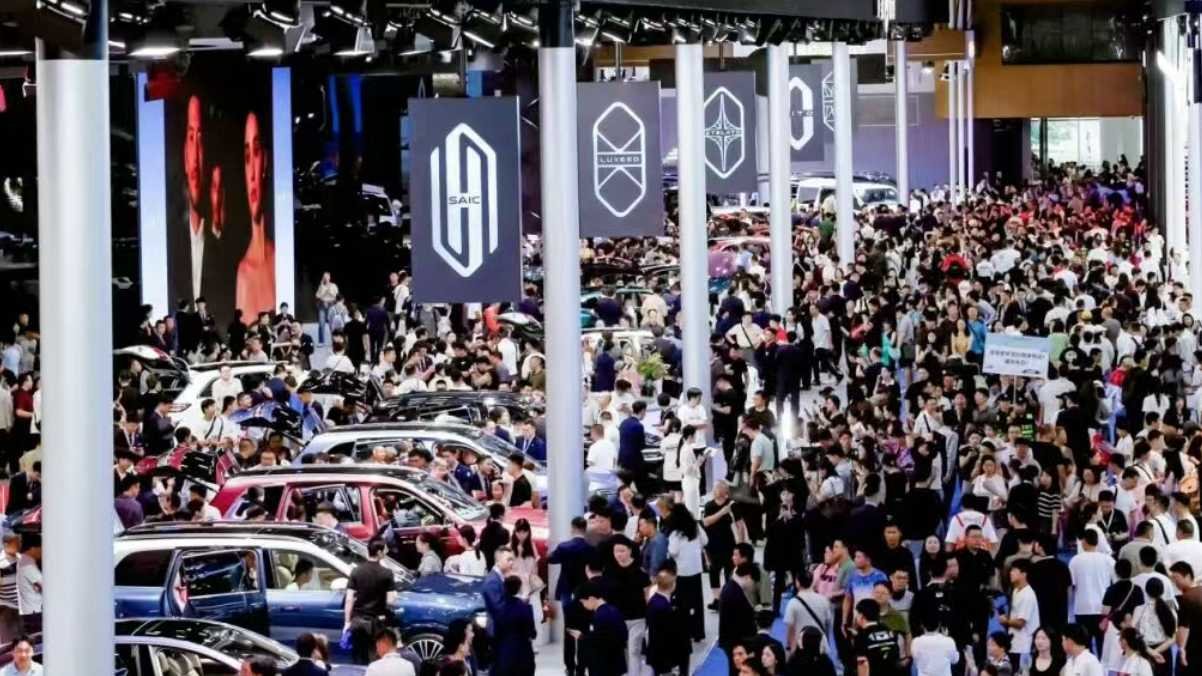
Lately, several friends around me have been asking me the same question: we just had a second child at home and want to buy a bigger SUV. Any recommendations?
My answer is always the same: if you're not in a hurry, wait a little longer.
Why? Because this market is just too chaotic right now.
A car that was hot a month ago may be unsellable now.
Let me tell you a true story first.
I have a friend who in September this year took a liking to a fairly popular seven-seat SUV. At the time, the salesperson told him, "If you order now, you'll have to wait in line, at least two months."
When my friend heard that, why wait? He quickly paid the deposit.
But when November came and it was almost time to take delivery, he went to the 4S store and found: several of that model were piled up in the store, and the salesperson's attitude had changed too, saying, "Ordering now comes with a bigger discount, and we'll throw in premium accessories."
My friend was stunned on the spot: what happened to the promised waiting line?
This is not an isolated case. This year's seven-seat SUV market is just that surreal.
Take NIO's ES8. When it first launched, it was indeed hot, selling more than 10,000 units in just over a month. Li Bin even posted a Weibo specifically, meaning, "See, the era of large pure electric vehicles has arrived."
But if you observe carefully, you'll find that many "hit models" that were still being hyped last month see their sales drop this month.
Why does this happen?
To put it plainly, there are too many cars, too many choices, and consumers no longer know which one to buy.
Fifteen models this year, thirty next year, this is a recipe for a fight.
You may not know that the newly launched large seven-seat SUVs on the market this year number at least 15.
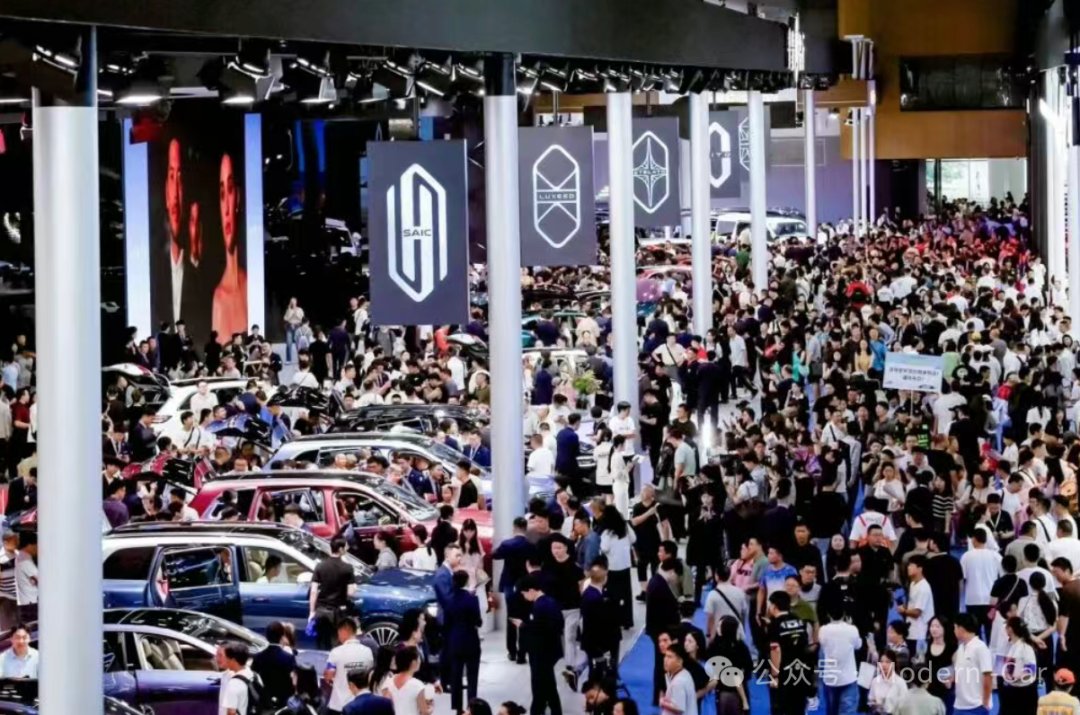
NIO, Li Auto, AITO, Zeekr, Lynk & Co, Galaxy, Denza...... almost every brand you've heard of is squeezing into this market.
Even more exaggerated, a friend at an automaker told me a couple of days ago, "Next year that number may double, probably around 30 models."
What does 30 models mean? It means on average two or three new cars hit the market every month.
Think about it: last month you had your eye on a car and were about to place an order; this month another new one comes out, with higher specs and a similar price; do you buy or not?
This is why I suggest you wait — buy now, and you may regret it next month.
Why do these cars all look so similar?
I don't know if you've had this feeling: when you go to look at seven-seat SUVs now, no matter how you look, they all seem the same.
Zero-gravity seats, onboard refrigerators, giant screens, massage and heating...... these are basically standard.
When the salesperson introduces it to you, the pitch is pretty much the same: "Our car has a big space, full features, and is comfortable to drive, especially suitable for family trips."
After hearing that, there's only one thought in your head: isn't that just stating the obvious? Whose seven-seat SUV doesn't say the same thing?
So you'll find that buying a car now is really too hard. It's not that there are no choices, but that there are too many choices, and instead you don't know how to choose.
Then don't these automakers know their cars have no distinguishing features?
Of course they know. But they have no way around it.
Because there really isn't that much technology that can truly create differentiation. Everyone uses similar batteries, similar motors, and the intelligent systems are also supplied by the same few suppliers.
You say you'll make a zero-gravity seat, and they can make one too; you say you'll add a refrigerator, and they catch up in no time.
In the end, it turns into an arms race of "whatever you have, I have too," and no one can pull ahead.
The price war has already started
When products can't be differentiated, what's left? Only competing on price.
When I went to look at cars last month, the salesperson quoted 350,000. I said it was too expensive and turned to leave.
The salesperson immediately pulled me back: "Don't rush, don't rush, this price can still be discussed. If you order today, I'll apply for a discount for you, 320,000 and it's yours."
320,000? A direct discount of 30,000?
I understood right then: these automakers have already started a "price war."
Even more aggressive, some brands, in order to grab sales, push prices extremely low. A car originally in the 400,000 range can now be bought for 350,000; a car originally 300,000 can be had for 250,000 after all kinds of discounts.
You might say, isn't that great? Consumers save money.
In the short term, yes. But in the long term?
When a brand cuts prices too hard, consumers will think, "Was this car not worth that much in the first place?"
Brand value gets diluted just like that.
Even more fatal is that once a price war starts, no one can stop. You cut, I cut too, and in the end nobody makes money. It all comes down to who can hold out longest.
In the end, it still depends on whether the brand name carries weight
Some friends may ask: then which one should I actually buy?
My advice is simple: choose a big brand with a good reputation.
Why?
Because when the products are all similar and the prices are similar too, the brand is the biggest difference.
If you buy Li Auto, NIO, or AITO, although it's a bit more expensive, at least after-sales service is guaranteed and resale value is higher. If something goes wrong with the car, big brands have more service locations, and repairs are more convenient.
On the contrary, some small-brand cars, although the features look very tempting and the price is cheap, do you dare buy one?
If the brand goes bankrupt two years later, who will you go to for repairs? Where will you buy maintenance parts?
This is no joke. This year, several new brands' seven-seat SUVs became unsellable not long after launch. At this rate, it's hard to say whether they'll even still be alive next year.
So when buying something as big as a car, don't just look at the price, you also have to see whether the brand is reliable.
There are two cars worth waiting for next year
If you really aren't in a hurry to buy a car, I suggest you focus on two new cars next year.
The first: the new version of Li Auto L9.
Li Auto hasn't had it easy these past two years, with sales continuously declining. But Li Auto definitely won't just concede defeat like that. I heard that next year it will launch a next-generation version of the L9.
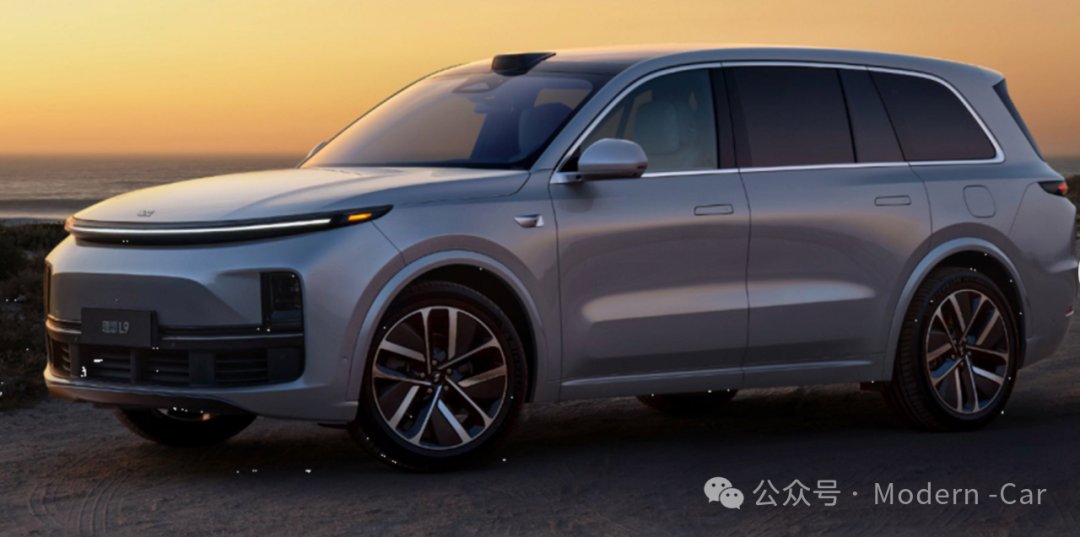
Given Li Auto's usual style, the new car will definitely be packed with features, and the price is expected to stay at the current level. If that's really the case, this car is still quite worth considering.
After all, Li Auto has been cultivating the seven-seat SUV field for several years, and its product maturity and after-sales system are relatively complete.
The second: Xiaomi's large seven-seat SUV.
Xiaomi's SU7 and YU7 launched this year sold like crazy, proving that this tech company really does have the strength to make cars.
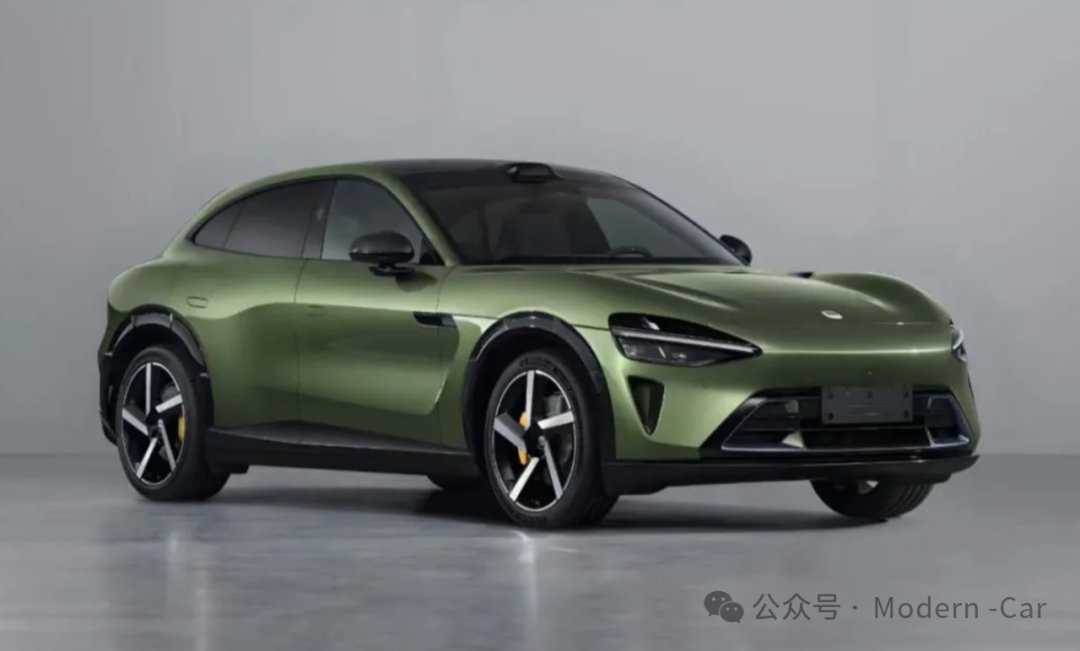
Next year Xiaomi will launch a large seven-seat SUV, the exact name is not yet decided. But following Xiaomi's usual playbook, this car's features will definitely be pushed to the extreme, and the price may be considerably cheaper than other brands.
If your budget is limited and you want high specs, this Xiaomi car is worth waiting for.
Of course, Xiaomi is still a new player after all, and its after-sales system is still being built. If you care about that, you may still want to wait and see.
Three pieces of advice for you
Having said all this, here are three practical suggestions for you:
1. If you're not in a hurry, wait a little longer
The market is too chaotic right now, with new cars launching every month. If you buy today, there may be a better choice next month.
If you don't urgently need a car, I suggest waiting until March or April next year before looking again. By then most new cars will have launched, you'll have more choices, and it'll be easier to make a decision.
2. Don't just look at specs, you have to test drive
Many people now buy cars by looking at parameters and specs online, and once they feel it's about right, they place an order.
But I suggest you definitely go for a test drive. Because many things only become clear once you sit inside and drive it.
Whether the seats are comfortable, whether the space is big enough, whether the handling is smooth...... you only know these by experiencing them yourself.
3. Choose big brands, don't buy small brands just to save money
A seven-seat SUV is a big purchase, often 300,000 to 400,000. For something this expensive, don't buy some unheard-of small brand just to save 10,000 or 20,000 yuan.
It's still the same saying: you can take your time choosing a car, but the brand must be reliable.
A few final words
A few days ago at the Guangzhou Auto Show, Li Bin said, "The era of range extenders is over, the era of pure electric has arrived."
But in my view, that conclusion is drawn too early.
The market is changing too fast now. Today's sales champion may be unsellable tomorrow. No one can say for sure now who will have the last laugh.
For ordinary consumers like us, there's no need to care about range extenders or pure electric, and no need to care about who said what.
Just remember one thing: choose what suits you, choose a reliable brand.
Leave the rest to time to verify.
After all, buying a car is to make life more convenient, not to make trouble for yourself.
Right?


