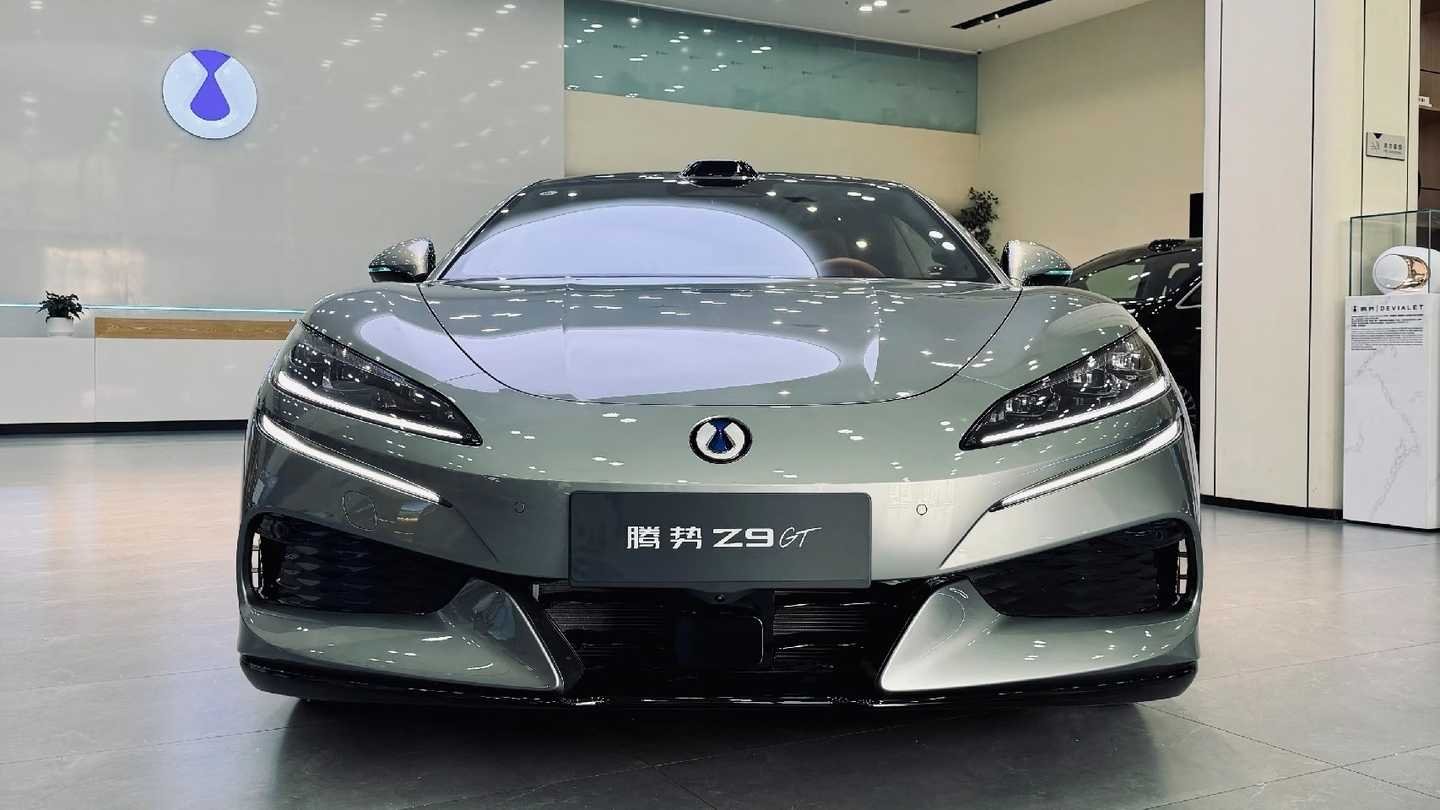
Recently, the hottest thing in the car world is none other than the launch of the Denza Z9GT. With a price range of 269,800 to 369,800 yuan, plus two exciting keywords—"second-generation blade battery" and "flash charging technology"—this shooting brake coupe has been pushed straight into the spotlight. In particular, the 1,036-kilometer pure electric range and the slogan "fully charged in 9 minutes" have made quite a few friends who just took delivery of a Zeekr 001 slap their thighs: Did I buy this car too early?
Today let's sit down, brew a cup of tea, and use plain language that ordinary people can understand to have a good talk about this all-new Denza Z9GT. Let's see whether it really has the goods, or whether it just talks a big game. And whether this starting price of 269,800 yuan is really something you can confidently jump on.
Let's start with the point everyone worries about most: range.
No matter how handsome your car is or how ferocious its acceleration, if it can't go far and charges slowly, that thorn in your heart will never come out. This time, the pure electric version of the Denza Z9GT directly reaches 1,036 kilometers (CLTC conditions). What kind of concept is that? Let's not deal in all those fancy abstractions. Just think about it: driving from Beijing to Nanjing, or from Guangzhou to Wuhan, starting with a full charge, you might not even need to look for a service area along the way—one press of the accelerator (oops, I mean the electric pedal) and you go straight to your destination. Doesn't that feel like the day you switched from a feature phone to a smartphone—completely saying goodbye to battery anxiety?

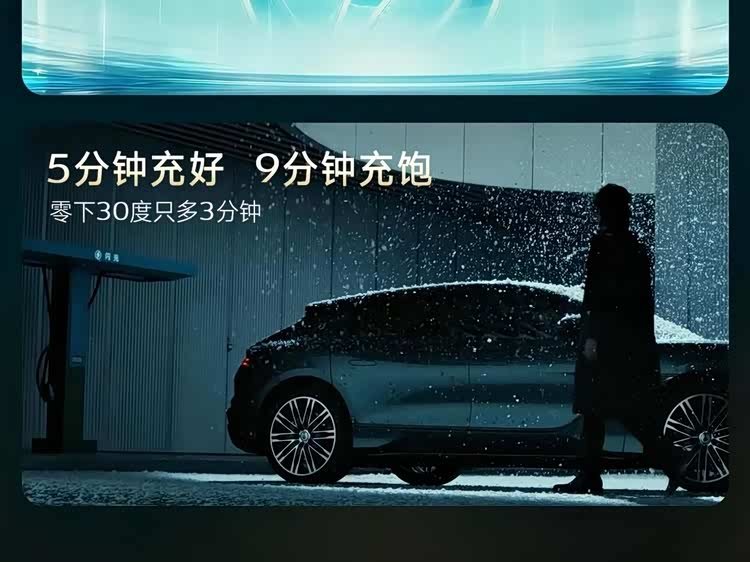
But going far alone isn't enough; it also has to recharge quickly. This is the real killer feature of this upgrade. The official claim of "charged up in 5 minutes, fully charged in 9 minutes" sounds a bit unrealistic, right? But the data is right here: from 10% to 70%, 5 minutes; to 97%, 9 minutes. Let me translate what that means for everyone: you drive a fuel car into a service area, line up, get out, go to the bathroom, buy a pack of cigarettes, dawdle a bit more, and get back to the car—and before you've even finished that whole routine, the Z9GT has already "drunk its fill" at the charging pile and rolled over to the exit waiting for you. If you happen to go to the Northeast in winter, in the extreme cold of minus 30 degrees, it only takes 3 extra minutes, done in 12 minutes. Those old tales about "electric daddies can't get past Shanhaiguan" really should be turned over this time.
What does it rely on to achieve this? The second-generation blade battery.
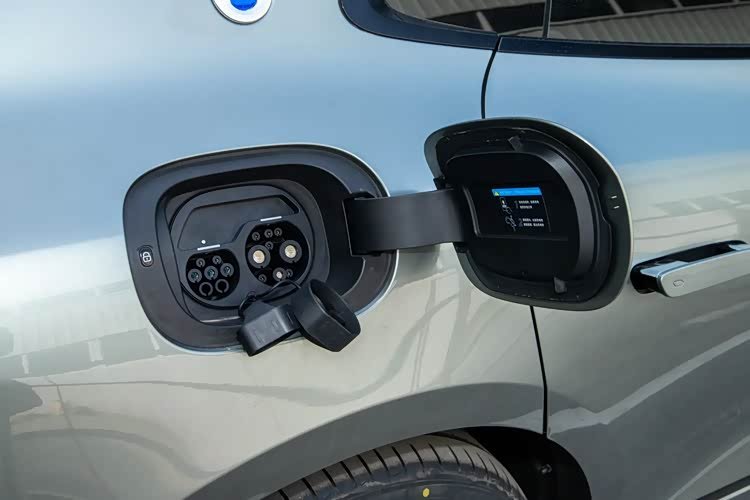
Simply put, BYD built a "high-speed channel" inside the battery so lithium ions can move without obstruction, and at the same time paired it with a smart "thermostat air conditioner" that dissipates heat in summer and heats up in winter, so it never throws a tantrum no matter how you charge. More importantly, it dares to promise free replacement if battery capacity falls below 77.5% within 6 years or 150,000 kilometers—just a tiny bit above the industry threshold of 75%. The attitude is clear: if you're worried that fast charging damages the battery, I'll back you up with a warranty.
After talking about the hardcore three electric systems, let's see how this car feels to drive.
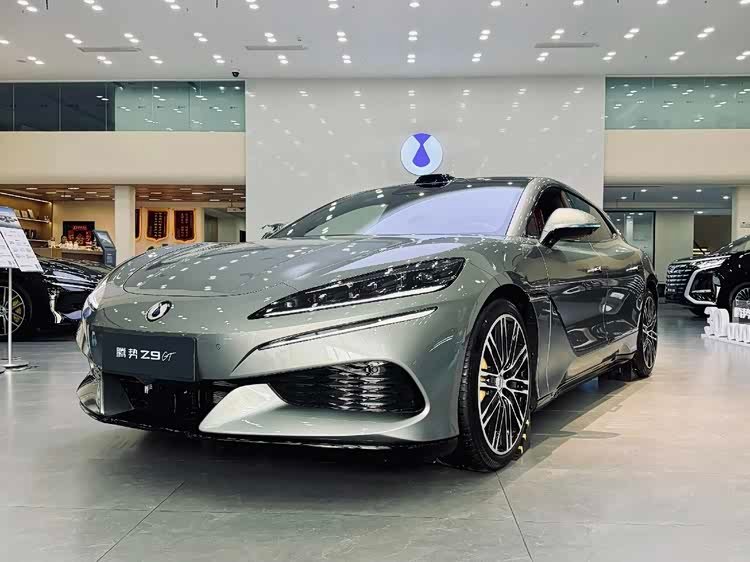
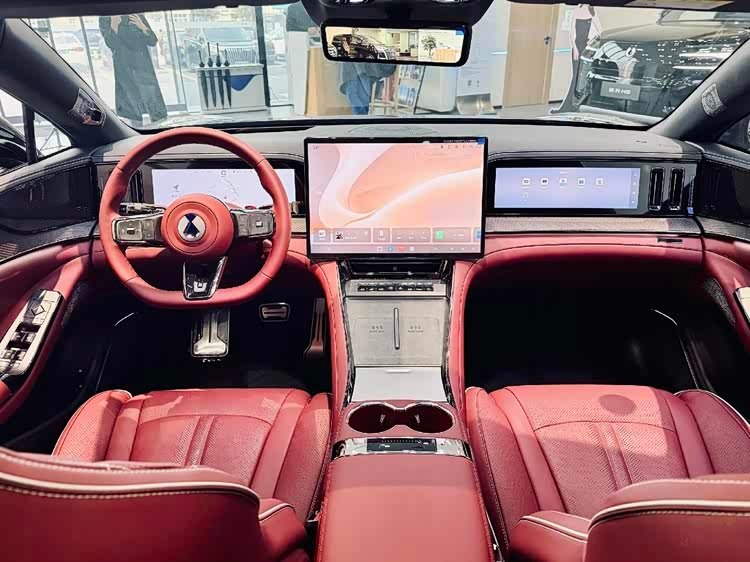
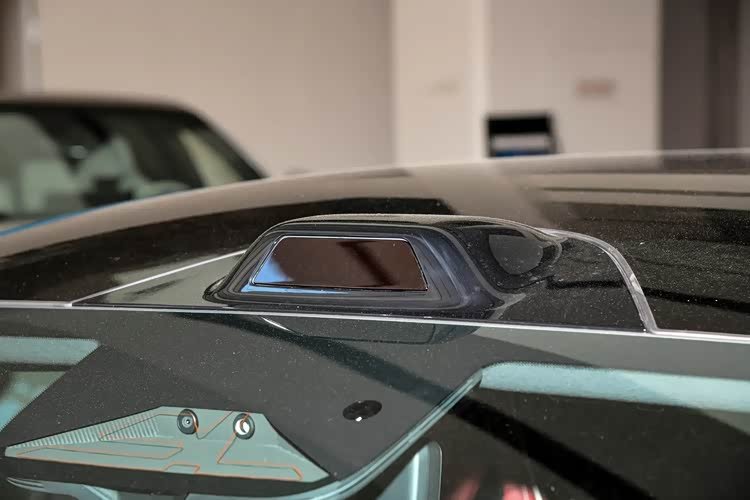
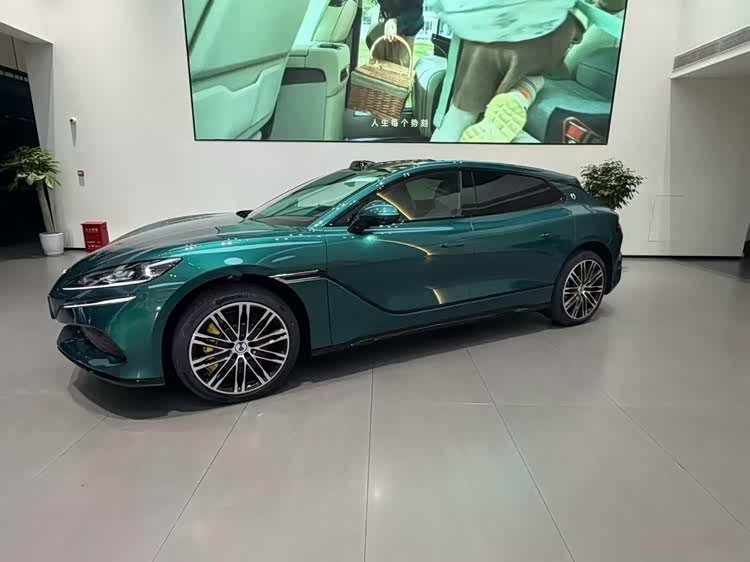
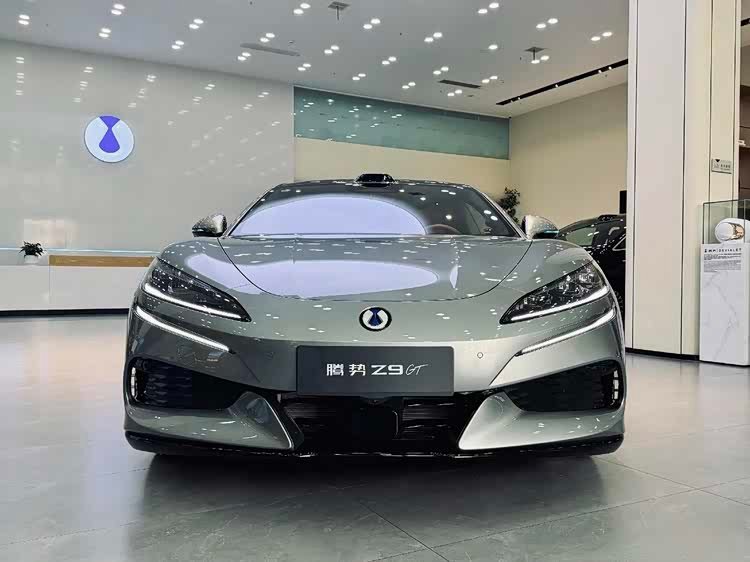
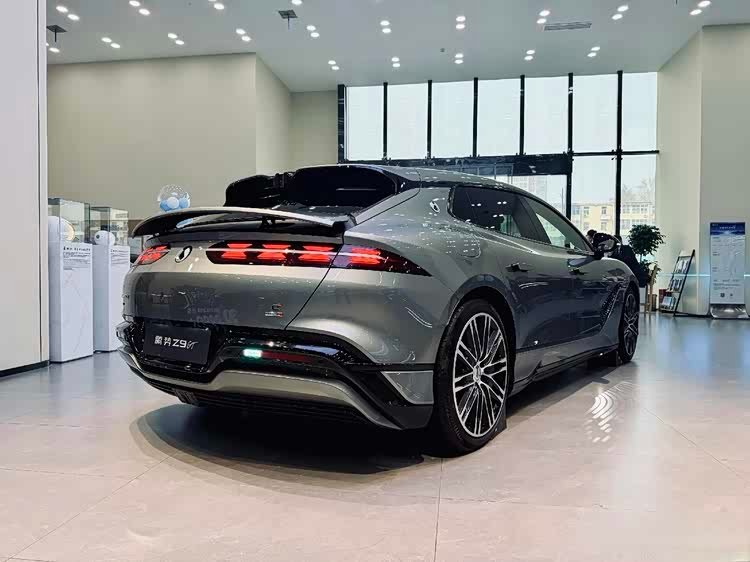
In terms of exterior, the shooting brake coupe foundation hasn't changed. The fastback styling and frameless doors are still there, and this time several bold new colors have been added: Crystal Blue Gray, Fjord Green, and Aurora Purple. The most obvious change is the roof: the lidar has been integrated into the front edge, like a "watchtower," making it look much more harmonious than before. Sitting inside, the triple-screen setup (17.3-inch central control screen + 13.2-inch instrument panel + 13.2-inch passenger screen) is still the visual focus, but the steering wheel has been changed to a new three-spoke design, and the gear shifter has also been switched to an electronic column shifter. The benefit of this column shifter is that the center console area is cleaner, there's more storage space, and it's easier to use.
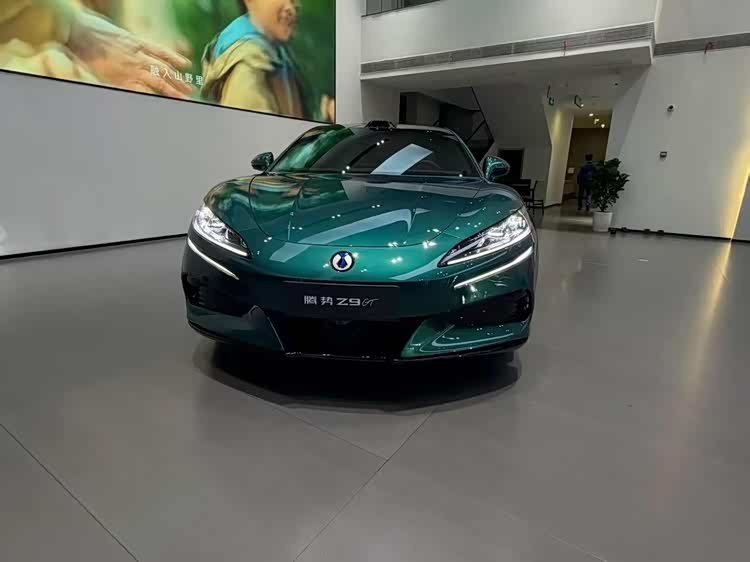
Fjord Green
For the interior, a new "Lava Red" color scheme has been added this time. Paired with sport seats, sitting inside really does make you want to give it a couple of presses. And the comfort features haven't been cut: the Yunian-A intelligent air suspension is standard across the entire lineup, which means no matter which version you buy, you can enjoy magic-carpet-like damping—going over a speed bump, before your butt even reacts, the car has already passed over it smoothly. The front and rear heating and cooling refrigerator and Devialet audio are also there. On long trips, if the kids in the back want something cold and you in the front are sleepy and want a sip of hot tea, this refrigerator is indeed practical.
Next, let's talk about the assisted driving everyone cares about.
This time, the "God's Eye 5.0" system is standard across the entire lineup, and the hardware is quite generous: a roof-mounted lidar plus multiple high-precision sensors around the vehicle, millimeter-wave radar, ultrasonic radar, and high-definition cameras—basically armed to the teeth. How does it perform in real use? Some media outlets did in-depth testing before launch. During urban morning and evening rush hours, when encountering a tricycle blocking the road or a pedestrian suddenly darting out, the system handles it quite calmly and won't panic-brake; on the highway, lane changes, overtaking, and entering or exiting ramps are also relatively smooth, like a veteran driver with many years of experience. There's also one detail: when assisted driving is activated, a small blue light turns on outside the car to tell people around that "this car is driving itself now," which both improves safety and makes the tech feel more down-to-earth.
Of course, when talking about cars, we can't just mention the strengths. We also have to hash out whether this 269,800 yuan threshold is really worth it. There's a saying that may not sound great, but it is indeed true: the 269,800 yuan Flash Charging Distinguished Model is like the discounted Kung Pao Chicken on a Sichuan restaurant menu—it looks cheap, but when it arrives you may find there are no peanuts in it. This entry-level version cuts the Yi Sanfang system that Denza is proud of, and the motor has also been changed to a single-motor rear-wheel drive setup. What is Yi Sanfang? Simply put, it's independent control of three motors, enabling tricks like tank turns and intelligent crab walking. It is the essence of the Z9GT. If you're buying this car precisely for that head-turning factor and ultimate handling, then the entry-level version may leave you a bit disappointed.
By contrast, for the Zeekr 001, you can get a four-wheel-drive version for around 250,000 yuan, and the equipment is quite complete. So the user profiles of these two cars are actually quite clear: if your budget is locked at 250,000 to 300,000 yuan and you value cost-effectiveness and handling reputation more, the Zeekr 001 is still a safe choice; but if your budget can reach a bit higher, to above 300,000 yuan, then the Denza Z9GT's Yi Sanfang Flash Charging Performance Version (369,800 yuan) and plug-in hybrid version are where it truly plays to its strengths.
Speaking of this, someone will definitely ask: so how exactly should one choose? Let me sort out the thinking for everyone.
If you're the kind of lazy person who "doesn't want to charge all the time after buying a car," or if you really have long-distance needs during holidays, I suggest going straight for the 299,800 yuan Flash Charging Flagship Model. A 1,036-kilometer range plus 9-minute flash charging basically bids farewell to range anxiety. And the equipment is complete: intelligent electric doors, zero-gravity front passenger seat, Devialet audio, and rear-wheel steering are all included, making it a "one-step到位, no regrets" choice.
If you just commute daily and take occasional spins around the suburbs on weekends, and want to keep your budget under 300,000 yuan, then the 269,800 yuan Distinguished Model is also enough. An 880-kilometer range still beats most electric cars, and flash charging, Yunian-A, and assisted driving are all standard. Apart from lacking those showy Yi Sanfang functions, it's not inferior at all for daily driving.
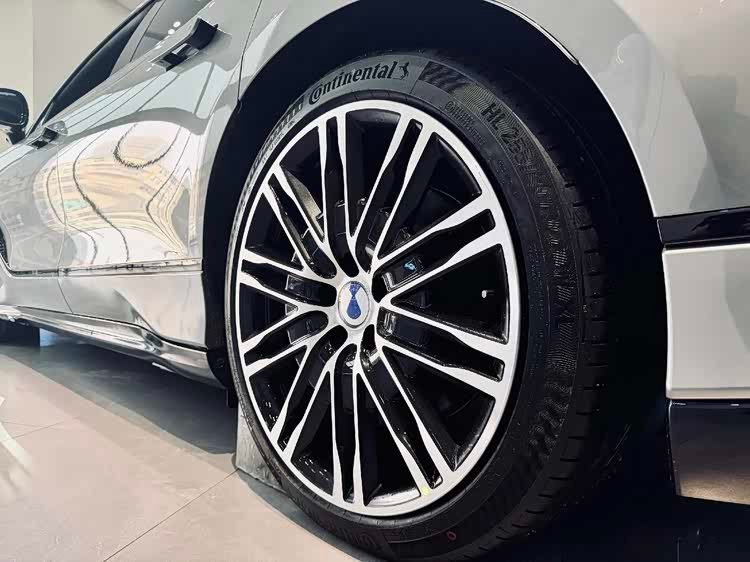
If you're simply chasing higher performance and want to occasionally hit the track and experience the push of a 2.7-second zero-to-hundred sprint, then go straight for the top-spec 369,800 yuan Performance Model. Carbon-ceramic brakes, six-piston calipers, and the full-blooded Yi Sanfang version—this setup would have started at a million in the fuel-car era.
Finally, let's talk about those friends who just took delivery of a Zeekr 001—should they really be slapping their thighs? I think there's no need at all. The handling reputation and cost-effectiveness advantages the Zeekr 001 has built up over the past two years cannot be wiped out just because a new car goes on sale. Moreover, the true volume-selling models of the Denza Z9GT are above 300,000 yuan, which actually staggers it from the Zeekr 001's main range. In other words, the two cars each serve different user groups, just like people who love hot pot and people who love Japanese cuisine—although both are called eating, they're not on the same track.
Overall, the launch of the all-new Denza Z9GT is more like setting a new benchmark for the new energy shooting brake market: it turns out pure electric range can exceed 1,000 kilometers, it turns out charging can be this fast, and it turns out these core technologies can be brought down to cars in the 300,000 yuan class. It may not suit everyone, but for those owners who want a car that can run long distances, turn heads, and occasionally let loose, this multiple-choice question has indeed become harder this time.
What about you? If you had a budget of 350,000 yuan, would you choose the Zeekr 001 or the Denza Z9GT? Let's chat in the comments.


