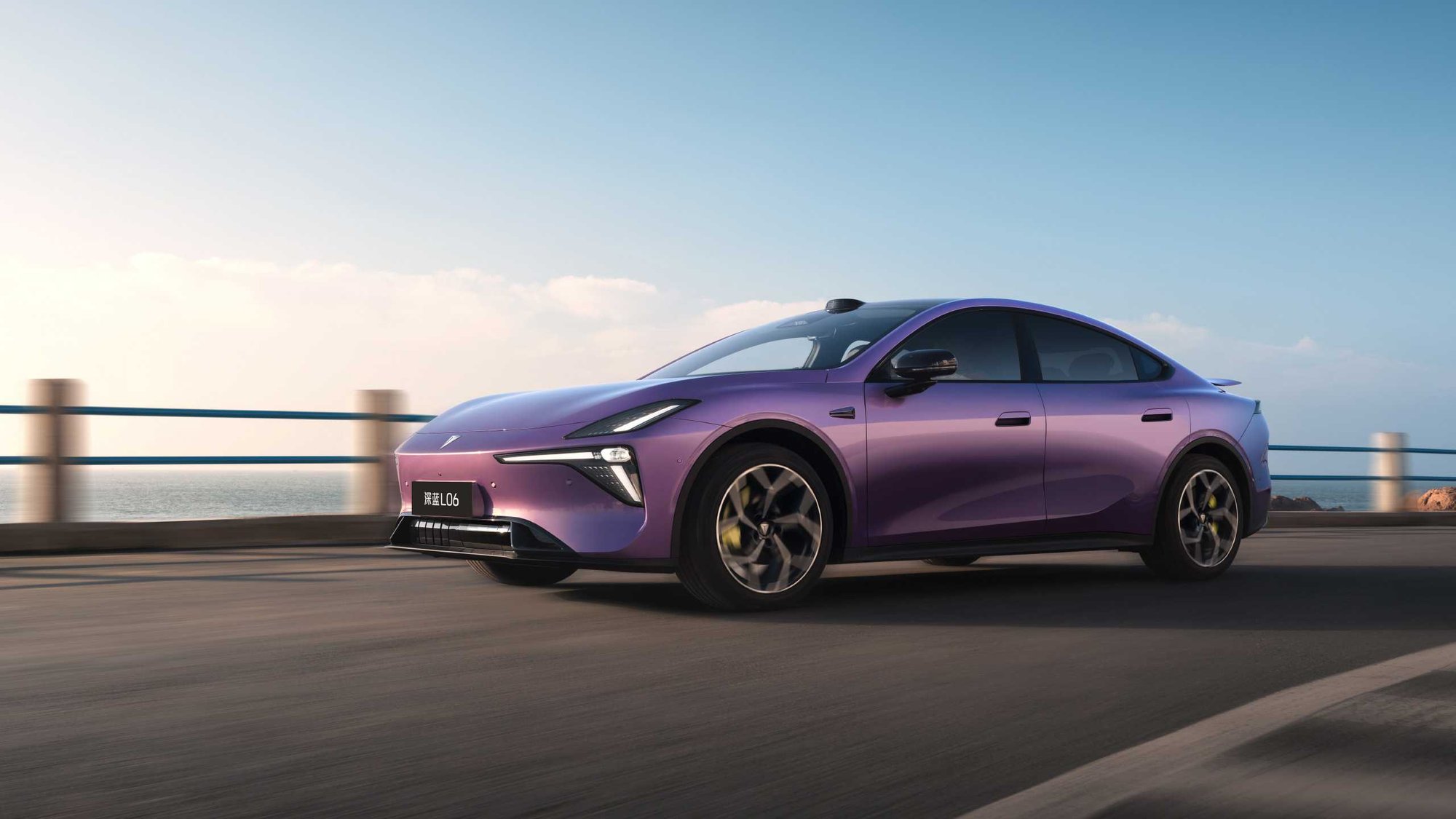
If we set aside the copywriting and emotions for now and look at this car purely from an engineering perspective, the information content of the Deepal L06 is actually quite "solid":
Mid-size pure electric vehicle dimensions: 4830×1905×1480mm, wheelbase 2900mm
Power: 200kW single motor, 560km / 670km two CLTC range options
Chassis: Fourth-generation MagneRide® magnetorheological active suspension
Active safety: CATARC moose test 85.6km/h
Intelligence: Standard lidar across all trims + 3nm automotive-grade cockpit chip + AR-HUD
Now let's break down the "spec stacking" and examine, item by item, from the logic of engineering implementation, what problems it's actually solving.
I. Vehicle positioning: the "dislocated design" of dimensions and price
1. Dimensions and platform orientation
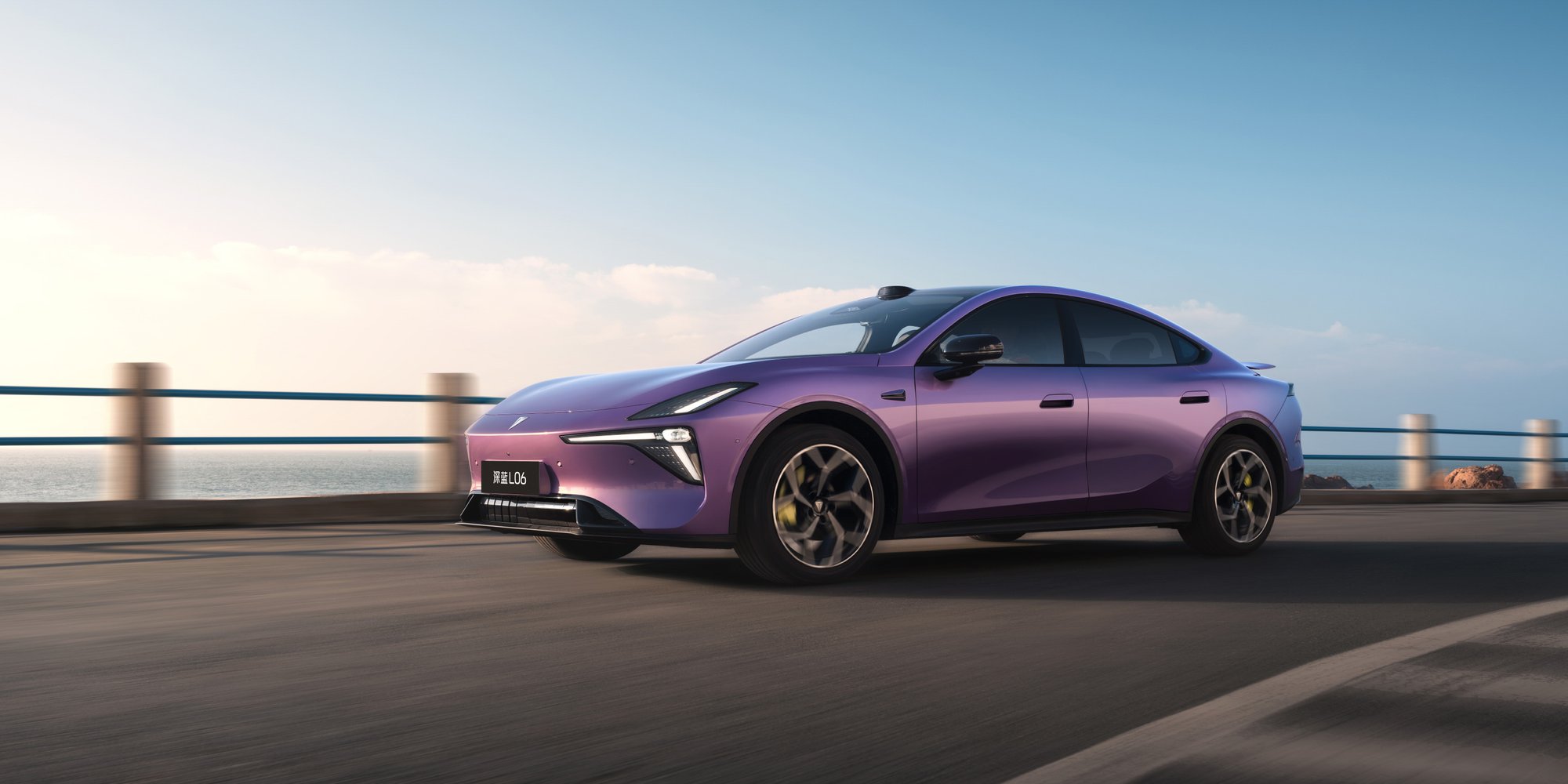
4830mm body length + 2900mm wheelbase — these figures already fall squarely within the B-segment/mid-size electric sedan range.
The direct constraints on the engineering side are twofold:
Greater body inertia:
As body length and wheelbase extend, yaw inertia increases accordingly, which is unfavorable for steering response and lane-change agility. This requires the chassis and steering systems to compensate in calibration (steering gradient, assist curve, roll stiffness distribution, etc.).
More generous packaging space:
The spatial allocation of the battery pack, passenger cabin, and trunk becomes easier to achieve in a "balanced solution," allowing a balance point to be found between range and luggage space.
2. Unconventional pairing of price and hardware
The limited-time price of 13.29–15.49万元 would theoretically correspond to:
Simplified chassis structure
Reduced high-cost sensors
Cockpit SoC one to two generations old
But the L06 brings in lidar, magnetorheological active suspension, and a 3nm chip — these high-cost, high-complexity components. Essentially, it's doing one thing:
Using a mid-size car's volume + mid-to-high-end car's key hardware, compressed into the A+ segment price band.
The demand this places on the back-end engineering team becomes: use economies of scale in supply and a platformized architecture to amortize the cost of this hardware suite, rather than continuously subtracting through front-end "cost-cutting."
II. Powertrain and energy system: balancing 200kW + two battery capacities
1. Electric drive system: 200kW single motor
200kW for a mid-size electric sedan is a fairly healthy calibration:
On one hand, power density and cost are manageable — no need to stack an oversized motor, inverter, and cooling system for extreme performance;
On the other hand, combined with the motor's instantaneous torque output (specific torque not yet disclosed), 0–100km/h and mid-range acceleration already have obvious "redundancy" in household scenarios, leaving calibration engineers considerable tuning latitude — it can be tuned for smoothness or for a more direct, sporty response logic.
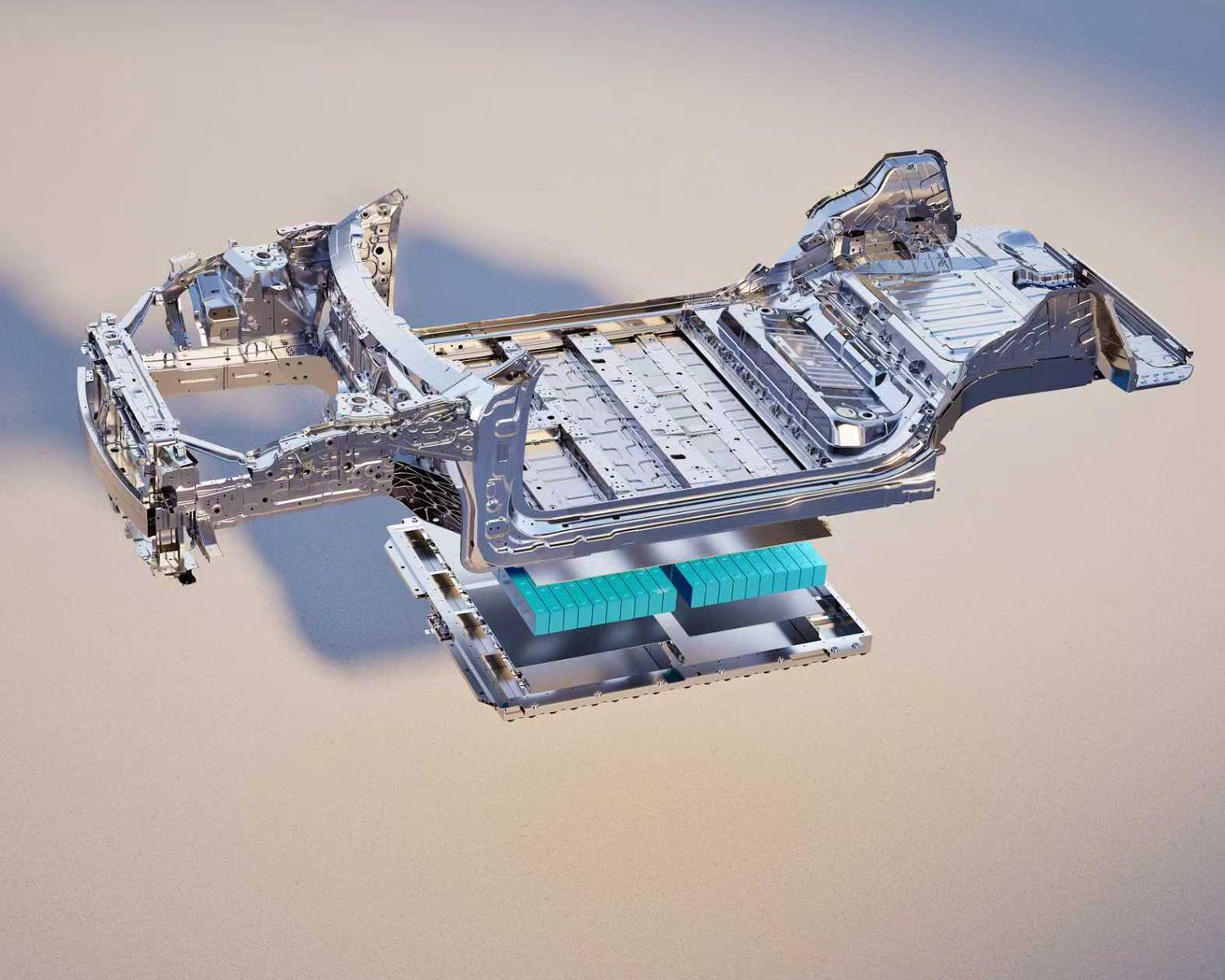
2. Battery capacity: 56.12kWh / 68.82kWh
The two capacities correspond to 560km / 670km CLTC range. The engineering logic is roughly:
56kWh option:
Lighter battery weight, beneficial for handling, energy consumption, and cost control;
Suited for urban commuting + nearby trips, with slightly higher charging frequency, but more agile dynamic performance.
69kWh option:
Greater range margin, suitable for users with a higher proportion of highway/long-distance driving;
Increased vehicle weight places higher demands on suspension and brake system calibration, requiring rebalancing of comfort versus roll and pitch control.
From an engineering perspective, this is a **"dual energy version under the same chassis"** strategy — covering different usage scenarios through different battery capacities while reusing the vast majority of structural components, reducing overall development and manufacturing complexity.
III. Chassis core: Fourth-generation MagneRide® + 85.6km/h moose test
This is the focal point of the vehicle's engineering.
1. Technical logic of magnetorheological active suspension
The fourth-generation MagneRide® magnetorheological active suspension consists of three core parts:
The magnetorheological damper itself
Internally uses damping fluid containing magnetic particles; under a magnetic field, the fluid's viscosity can increase instantaneously;
By energizing a coil to control magnetic field strength, damping force is precisely adjusted.
Electronic control unit (ECU) and control algorithms
Real-time data collection through body and wheel sensors (acceleration, vehicle speed, steering angle, yaw rate, etc.);
Control frequency is typically in the millisecond range (specific values not disclosed), far exceeding conventional electronically adjustable dampers.
Whole-vehicle collaborative calibration
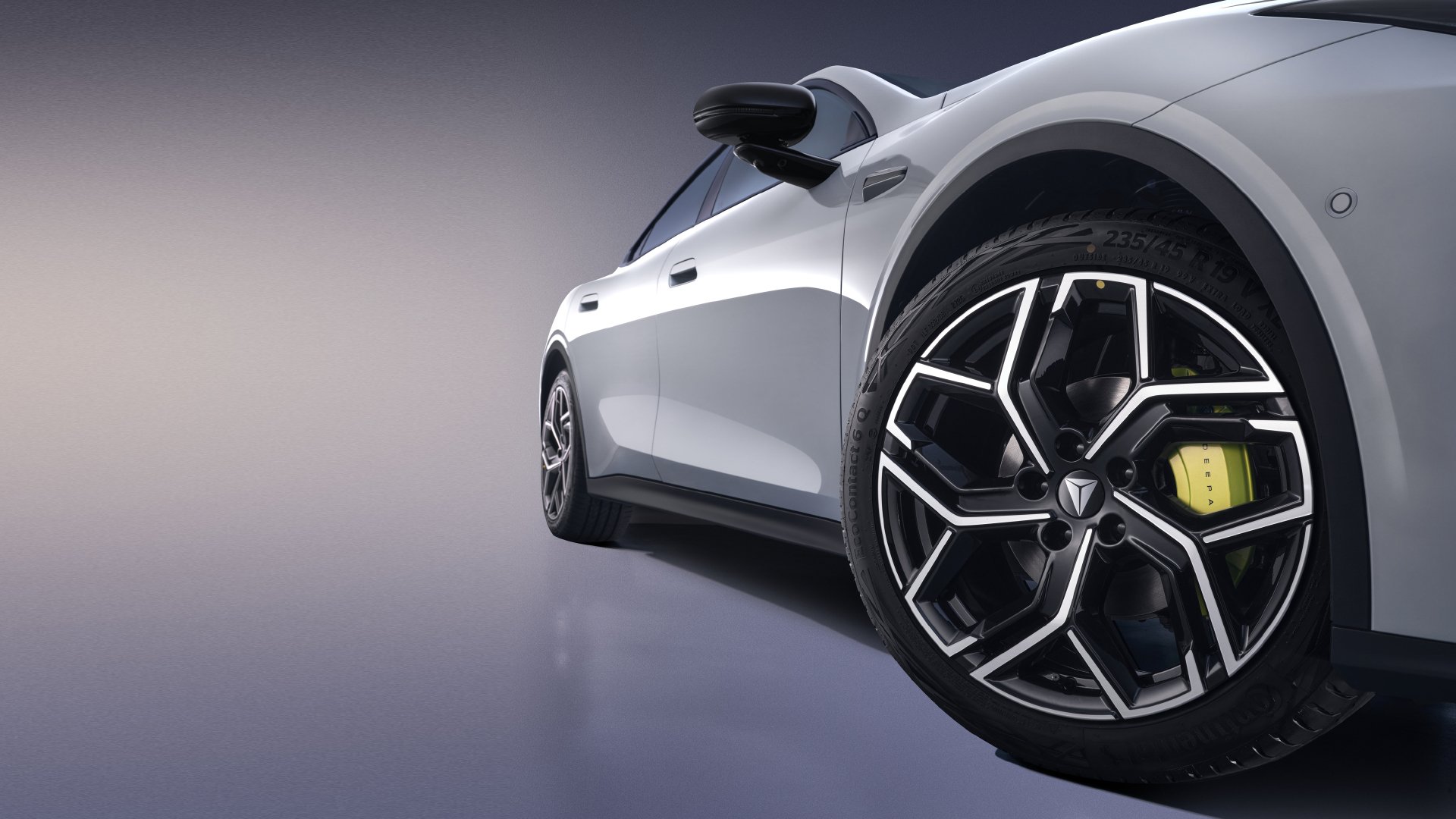
Suspension damping must be matched with spring stiffness, anti-roll bar stiffness, and tire specifications;
Simultaneously coordinated with steering assist curves and ESP/ESC algorithms to ensure phase margin and handling consistency under limit conditions.
Simplified understanding:
Conventional suspension is "pre-set from the start"; magnetorheological suspension, with structure fixed, widens the suspension's operating window through "real-time damping adjustment."
The direct result perceived by users:
Over small bumps, it can be soft, filtering more delicately;
During sharp steering or emergency lane changes, it can instantly stiffen, suppressing roll and posture changes.
2. Engineering significance of the 85.6km/h moose test
The moose test is essentially a comprehensive examination of a vehicle's limit lane-change capability and stability:
It assesses yaw response, roll control, tire grip limits, ESP intervention logic, etc.;
A result of 85.6km/h indicates that under standard test conditions, during rapid left-right lane changes, this car maintains a stable rear end, controllable roll, and reasonable electronic stability system logic.
Several engineering inferences (all based on reasonable deduction from the result itself, not official data):
Suspension damping calibration leans toward "support":
To maintain body posture during high-speed rapid lane changes, the suspension's damping and roll stiffness in the mid-to-large stroke range won't be too "soft and sagging."
Tire grip and matching are reasonable:
If tires were too low-rolling-resistance with insufficient grip, the moose test limit would be determined prematurely by tire side-slip;
A result of 85.6km/h indicates that lateral adhesion margin is made relatively sufficient.
ESP logic leans "linear":
Under limit conditions, if ESP intervenes too aggressively or too frequently, the car gives an unnatural "being dragged along" feeling and also affects achievable speed;
A higher result typically means the yaw rate and sideslip angle control algorithms are relatively mature.
To summarize in one sentence:
For engineers, this result isn't for "bragging" — it demonstrates that in limit obstacle-avoidance scenarios, the safety boundary of this chassis + electronic system combination is relatively wide.
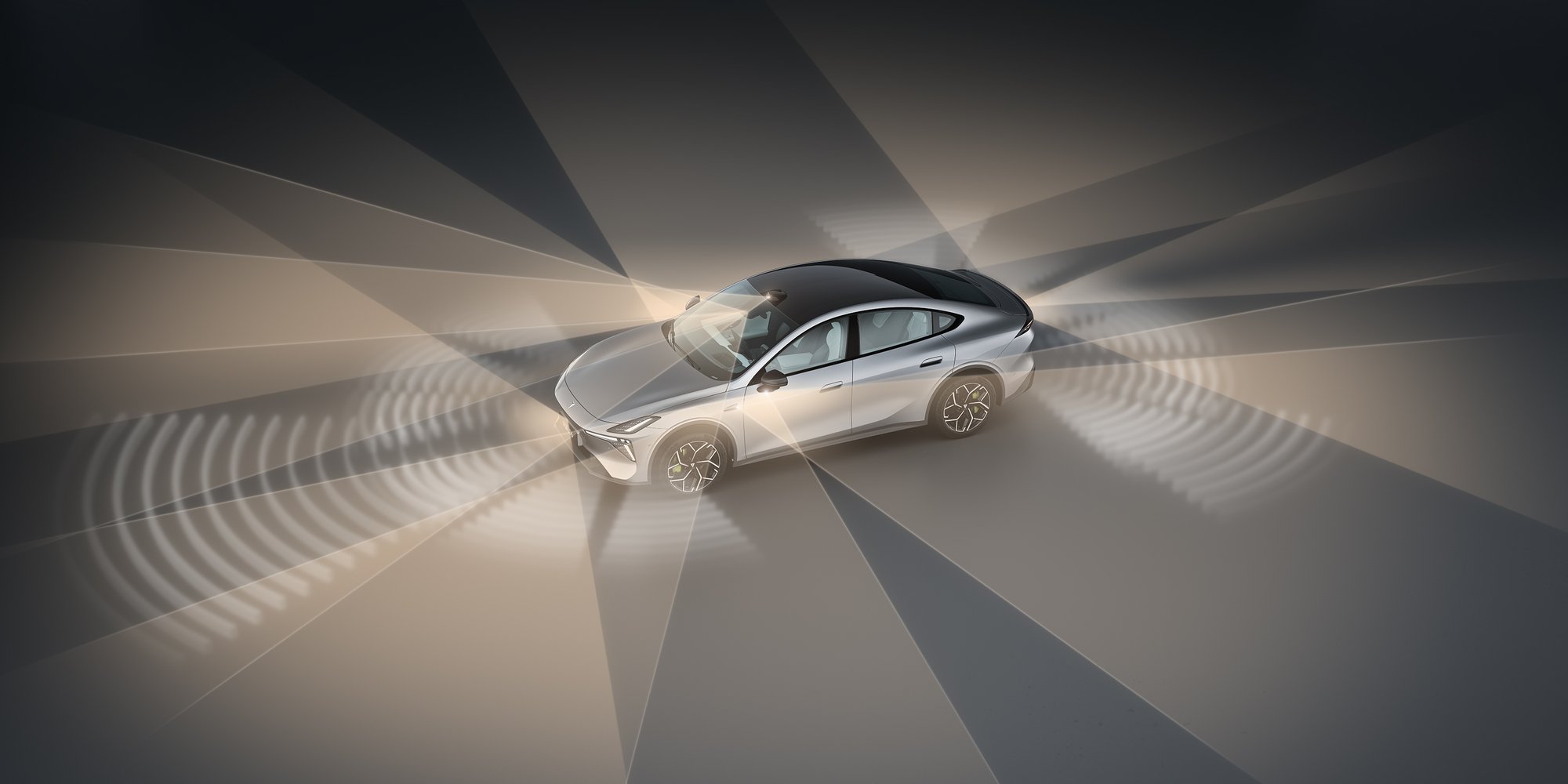
IV. Intelligence and electronic architecture: the combination of lidar + 3nm chip + AR-HUD
Standard lidar across all trims: reserving perception "ceiling" in advance
Standard lidar across all trims has two layers of engineering significance:
Current functions:
On top of traditional cameras + millimeter-wave radar, adds high-precision 3D spatial grid perception capability;
Provides clear reinforcement for small object recognition and obstacle detection in nighttime/rain/fog environments.
Future OTA headroom:
Once sensor hardware is reserved in place, subsequent capabilities in complex scenarios — urban environments, merging/exiting ramps, narrow-road passing, pedestrian crossing — can be continuously improved through algorithm upgrades;
For platformized development, this lidar can also be used in a unified software stack for other models in the future.
From an engineering perspective, what's more critical is: setting the perception hardware "ceiling" high first, to avoid the software team being constrained by "hardware bottlenecks" in the future.
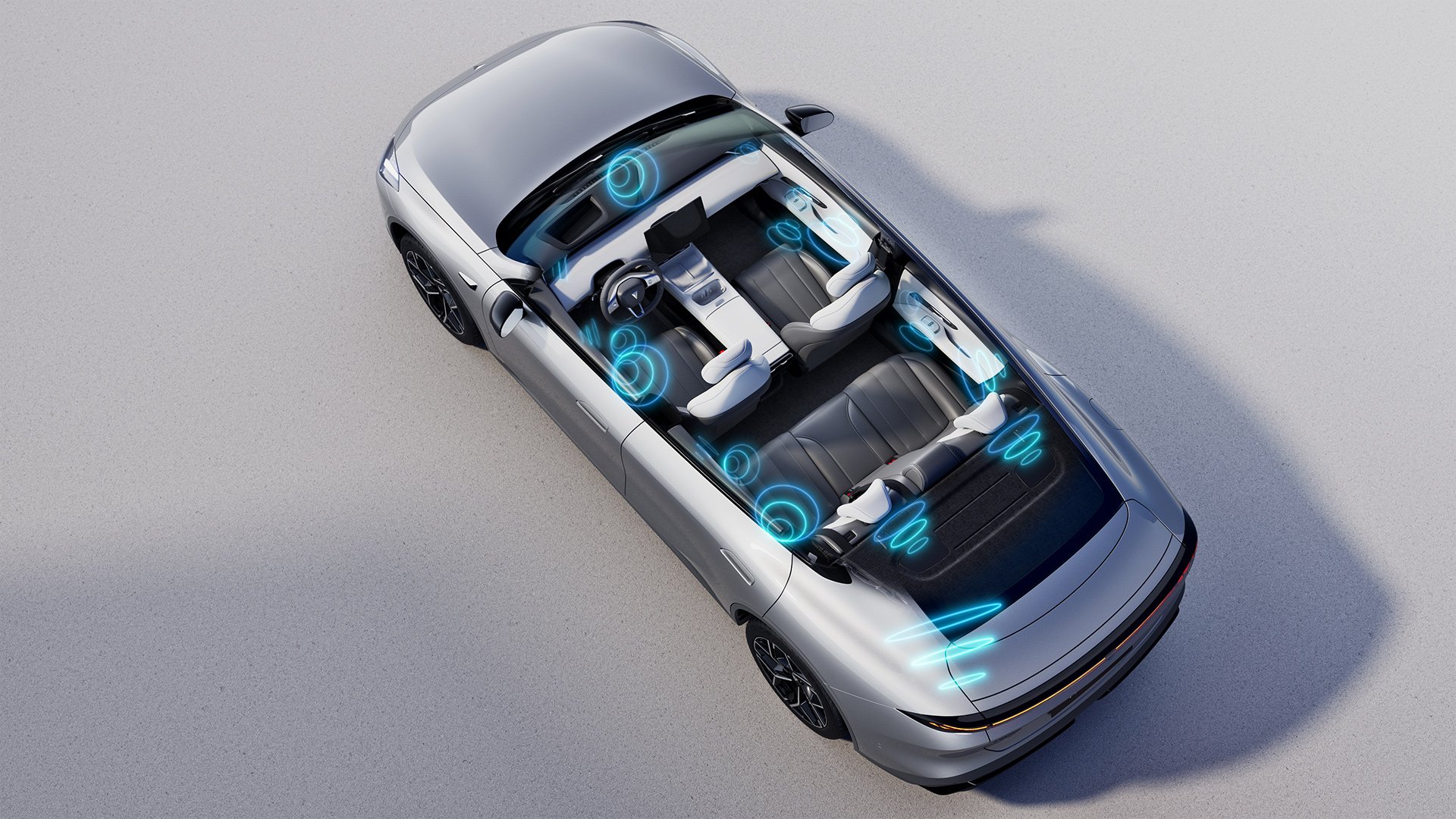
3nm automotive-grade cockpit chip: the balance point between compute and power consumption
The advantages of a 3nm process chip are fairly intuitive:
Higher compute/power ratio:
When simultaneously running UI rendering, voice recognition, navigation computation, and in-car apps in the cockpit domain, improves concurrency capability;
Controllable heat dissipation and stability:
Automotive environments have stringent requirements for high temperature, vibration, and other conditions; low power consumption benefits both thermal design and reliability.
For the engineering team, this means:
Reserving headroom at the hardware level for more complex cockpit interactions and multi-domain fusion;
Enabling the introduction of more complex UI effects, 3D maps, and in-cabin multimedia applications in subsequent iterations, without worrying about "running out of compute."
50-inch AR-HUD: a shift in HMI strategy
Making a large-size AR-HUD the core information outlet has two engineering orientations:
Reducing gaze shift:
Speed, navigation, lane-line assistance, and other information are raised to the forward field of view, reducing frequent switching of eye focus/gaze from the road to the instrument cluster;
Helps with fatigue levels and safety during long-duration driving.
Information layering:
Key status (speed, speed limit, navigation guidance) placed in the HUD;
Secondary status and settings (AC, multimedia, vehicle settings) sink to the central control screen;
This is a typical ergonomic layering strategy, preventing the head unit from "dumping all information onto the screen at once."
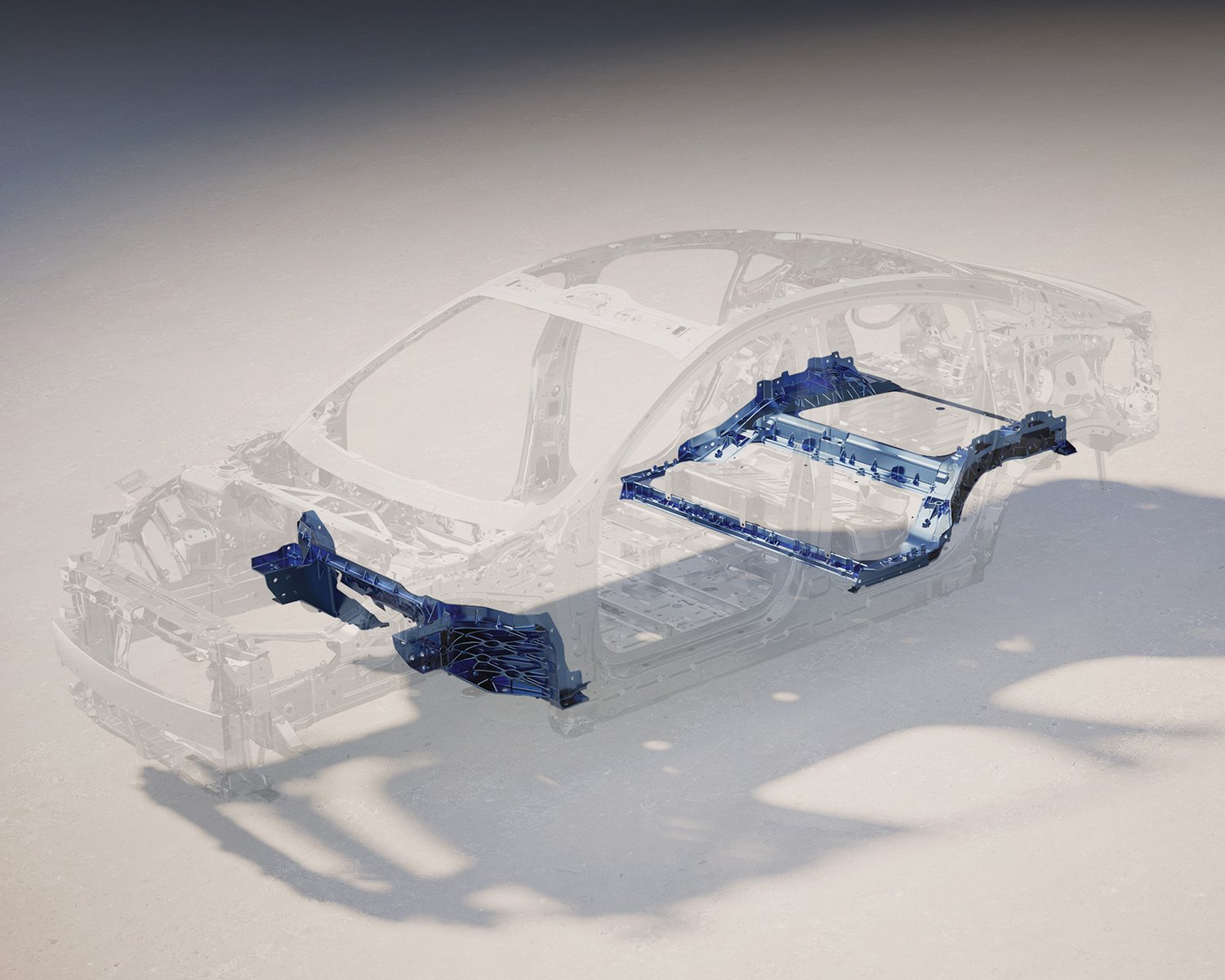
V. Body and styling: the compromise between aerodynamics and structural rigidity
Although official figures such as drag coefficient have not been provided, several engineering orientations can be inferred from the styling and dimensions:
Low-slung stance + ducktail + diffuser
Helps control the body's high-speed lift tendency and improves rear airflow separation patterns;
In crosswind and lane-change conditions, helps improve body posture stability.
Vehicle width 1905mm
A wider body benefits roll control and lateral stability;
Simultaneously improves interior lateral space, beneficial for seat layout and ride comfort.
Detail treatment of headlights, mirrors, and taillights
The shaping of light clusters and exterior mirrors is not just a design issue — it directly affects wind noise and local vortices;
Mirrors mounted on the door panel area are typically a compromise among visibility, wind noise, and structural strength.
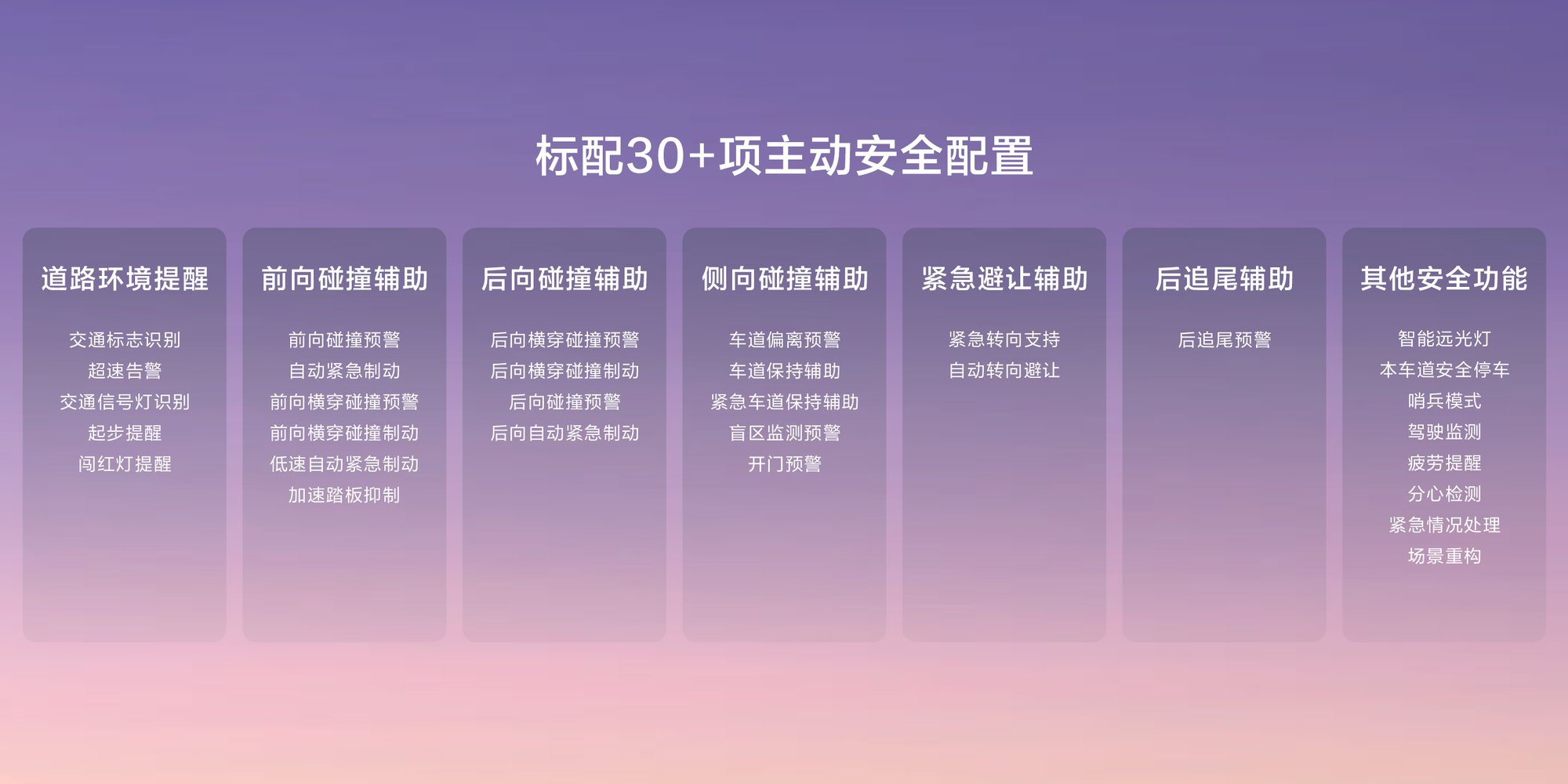
VI. Engineering perspective summary: what "specific problems" is this car solving?
If we summarize the Deepal L06 purely in engineering language:
Vehicle dynamics problem:
Through magnetorheological active suspension + high-level moose test result, provides a compromise solution with higher limit stability and daily comfort.
Perception and computation problem:
Standard lidar + 3nm cockpit chip across all trims reserves the hardware foundation for future high-level assisted driving and complex cockpit applications.
Energy management problem:
The combination of 200kW single motor + two battery capacity options covers different needs from urban commuting to medium-long distance travel, while balancing cost and performance.
HMI and usage burden problem:
Large-size AR-HUD + central control screen information layering reduces information processing load during driving and improves interaction efficiency.
From this point of view, the Deepal L06 is not simply making a product that "looks like it has high specs" — it is attempting, across multiple key engineering dimensions, to cascade mid-to-high-end car technical solutions down to the 13–15万元 segment.
You can look at it from aesthetics, brand, or price, but if you break it down from an engineering perspective, it's more like a:
Mid-size pure electric sedan that takes "hardware redundancy" and "dynamic safety boundary" as prerequisites before discussing intelligence and comfort experience.


