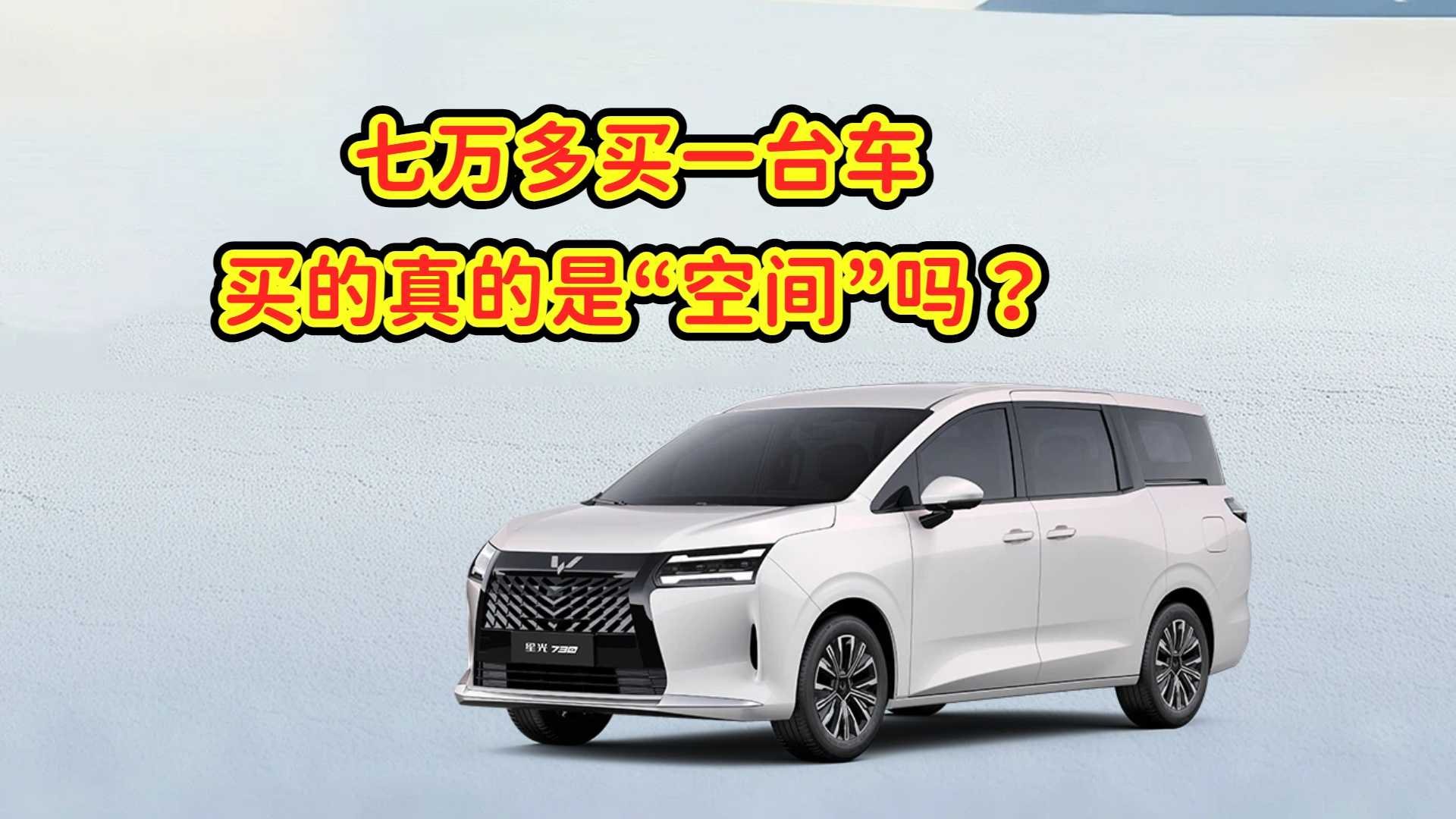
Spending over 70,000 on a car—are you really buying "space"?
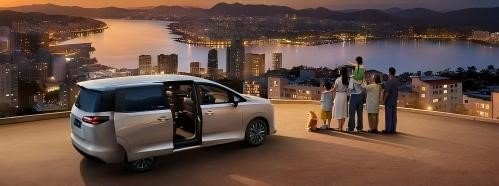
— Written on the occasion of the launch of the Wuling Starlight 730
Seeing the news "Wuling Starlight 730, starting at 73,000 yuan," many people's first reaction is probably:
"Alright, another cheap large seven-seater."
Price, features, specs — we've long been trained to be very proficient:
a 2910mm wheelbase, genuine 2+2+3 seven seats, 4910mm vehicle length, three powertrains — 1.5T gasoline, 125km plug-in hybrid, and 500km pure electric —
like weighing produce at a market, one glance is enough to judge roughly where it stands in its class.
But if you slow down just a little, you'll find that a car like this actually harbors quite a few questions about "space, relationships, and choices" — well worth discussing.
I. Space isn't just about "fitting in" — it's about "being seen"
The most surface-level and easiest selling point of the Starlight 730 is its "large space."
The official figures are straightforward:
Length × width × height: 4910×1850×1770mm
Wheelbase: 2910mm
Effective vehicle length: 3331mm
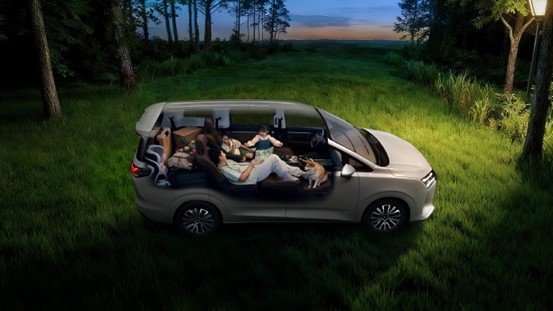
Genuine "2+2+3" seven seats
Rear space utilization rate: 88%
Maximum seat spacing between second and third rows: 1780mm
Maximum aisle width in second row: 230mm
This string of numbers sounds quite "engineering," but translated into everyday language, it's just one sentence:
"The person sitting in the third row is no longer the one who gets sacrificed."
In many traditional seven-seaters, the third row is by default a "kids' zone" or "make-do zone":
legs must be tucked in, back must be bent, and you always feel pressure on top of your head.
You're clearly sitting in the car, yet you always have this feeling of "I'm present, but I don't matter."
The Starlight 730's spatial logic is actually making a very simple choice:
— even the person sitting in the last row should be treated as a "complete passenger."
The 1780mm seat spacing isn't meant to look good on a poster;
the 230mm aisle is so that when an adult walks to the third row, they don't have to suck in their belly and squeeze sideways.
This experience of "not having to physically compromise" is, plainly put, a form of respect.
In a family, the most comfortable seats are usually reserved for those with "more say."
And when a car starts taking the third row seriously, it's actually reminding us:
the "center" of a family doesn't necessarily have to belong only to the first two rows.
II. Electric sliding doors: from "easy to use" to "one fewer argument"
Another eye-catching point of the Starlight 730 is:
a rare-in-its-class electric sliding door, with the rail hidden beneath the window line.
From a feature standpoint, its selling points are easy to summarize:
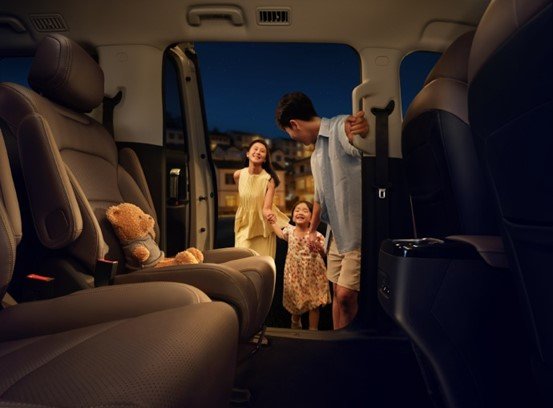
door opening height of 1145mm, a low threshold, and an assist grip on the B-pillar — making getting in and out easier.
But if you shift your perspective to "the mood when a family goes out together," the significance becomes more concrete.
Imagine a very common scenario:
An underground parking garage, the space is narrow, and next to you is a brand-new SUV.
You're driving a traditional side-opening seven-seater, worried about scraping someone else's car while also worried your kid might suddenly shove the door open,
and without realizing it, your voice speeds up and sharpens:
"Nobody move! Wait until I say before getting out!"
Almost every family with a car has acted out this scene.
And how would a sliding door rewrite this picture?
You just need to tell your kid: "Just pull the door gently and get in yourself."
Elderly family members grab the B-pillar handle and slowly get in, without worrying about being caught by a closing door.
In a narrow parking space, even if the car next to you is expensive, you're not as nervous — you won't spend the whole day blaming each other over "a scratch in the paint."
Functionally, it's just "a door that can be powered";
but from a relationship standpoint, it genuinely helps you reduce a lot of unnecessary tension and temper.
We often say "technology is neutral,"
and what truly determines what it's used for is people.
But sometimes, the very form of a tool quietly changes our emotions and behavioral patterns.
When a car's design can help you scold your child one less time, or have one fewer fight with your partner,
it's no longer just a cold means of transportation.
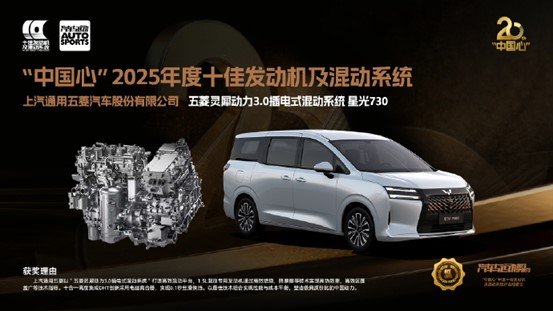
III. Three powertrains, actually three attitudes toward "uncertainty"
The Starlight 730 has a very interesting setup:
within the same body, three completely different powertrain logics are packed in —
Gasoline version: 1.5T engine, 130kW — the typical "just refuel" mindset
Plug-in hybrid: 1.5L engine + electric motor, 125km pure electric, 1100km combined range
Pure electric: 60kWh Shenlian battery, 500km range, 200km replenished in 15 minutes
You can understand this as "more choices, easier to sell cars,"
or you can look deeper:
this is three ways of coping, prepared for ordinary families in an uncertain era.
1) Gasoline: for those who prefer certainty
Those who choose gasoline mostly believe in a simple logic:
"No matter what you say, gas stations are more reliable than charging piles."
Gas prices rise and fall, but the rules are stable —
fill up a tank, roughly how many kilometers you can drive, you have a good idea.
From a mindset perspective, this is a choice leaning toward "traditional order":
the world can change, but I want to stand on the side that changes the least.
2) Plug-in hybrid: finding balance between reality and ideals
Those who choose plug-in hybrids are more like the group that wants "both sides":
commute on pure electric as much as possible, maybe even just slow-charging at home once a week is enough;
on holidays for long trips, the engine takes over, no need to stare at battery levels and charging piles anxiously.
This is the typical stance of a "realistic idealist":
valuing usage cost while not wanting to sacrifice travel radius.
You acknowledge the world is very uncertain,
but you're willing to design a relatively compromise path for yourself.
3) Pure electric: for those willing to take the first step
Those who choose pure electric are making a more forward-looking decision: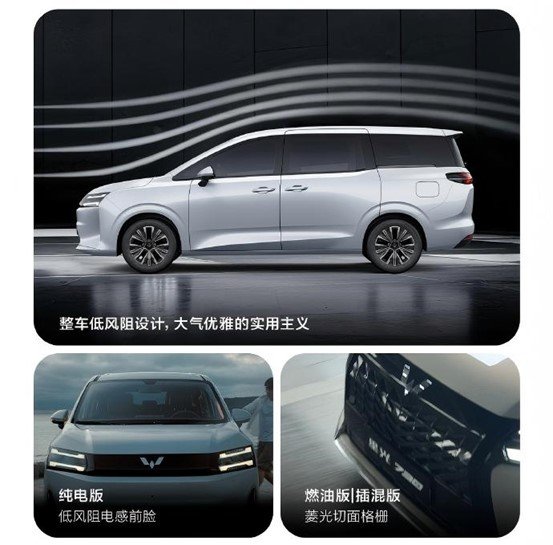
IV. From just over 70,000 to just over 100,000: cheap, or a kind of "having been considered" dignity?
The Starlight 730's price structure is simple:
73,000–83,800 yuan: two gasoline versions
103,800 yuan: plug-in hybrid
109,800 yuan: pure electric
In the context of consumerism, we're all too familiar with the formula "expensive = face."
But the family MPV category is a bit different —
its very reason for existing isn't for your individual face,
but for the dignity of the entire family.
There's a very subtle difference here:
"Face" is more about how others see you;
"dignity" is about how you treat the people around you.
A seven-seater, if the third row forces people to be unable to hold their heads up,
if elderly family members have to struggle to grip the door frame getting in and out, if kids always curl up their legs and can't find a place to put their feet —
then no matter how shiny the badge or how high the price, those physical discomforts are real.
A car like the Starlight 730 can't be called "luxurious,"
but you can see that it made a very plain and also very important decision in many details:
spend the limited cost as much as possible on places that "truly change the experience" —
hide the rail, so the sliding door doesn't look so much like a "minibus";
make the threshold a bit lower, so calves and knees feel more at ease;
make the aisle a bit wider, so when you walk to the third row, you're not so awkward.
This is a very "down-to-earth" design philosophy:
not trying to make you look more high-end,
but letting you and your family truly be more comfortable in the car.
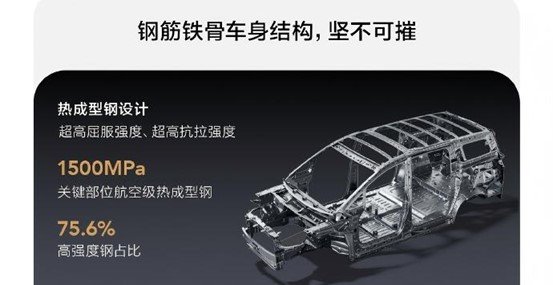
V. A car is an object, but also a "container of relationships"
Heidegger said that humans are "being-in-the-world."
It sounds very abstract, but it really just means:
we are not isolated individuals, but always living within concrete relationships and scenarios.
For many Chinese families, a car like the Starlight 730
is rarely treated as a toy, but more as a "container" for life:
On weekends, taking the kids to the suburbs to fly kites, the trunk piled with folding tables, chairs, and snacks;
During Spring Festival trips back home, briefly stopping at a highway service area to rest, the grandparents in the third row can comfortably stretch their legs;
Occasionally at night, the family goes to the outskirts to watch fireworks, the ambient lighting dimmed, and the little one dozes off in the second row.
Those conversations, silences, arguments, and reconciliations that happen on the road
all layer bit by bit within this limited space, becoming **"family memories."**
So when we discuss a car, ultimately,
we're not just discussing the machine itself,
but discussing —
in what way do we want to carry our family and move together through this world.
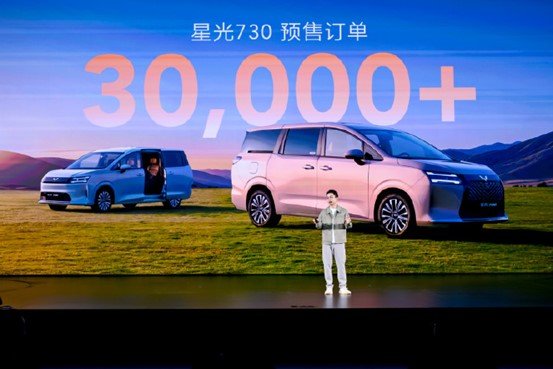
Conclusion: Before actually going to see the car, ask yourself three questions
By this point, you've probably realized
that "is the Starlight 730 worth buying" is no longer the only important question.
Before you walk into the dealership and touch the actual car,
you might as well ask yourself these three questions:
In my family, who is most likely to sit in the third row?
What kind of experience and respect am I willing to give him/her?
Do I value "certainty" more,
or am I willing, for lower usage costs or newer technology,
to proactively adjust a bit of my own habits?
Do I buy a car so others can see me,
or so the people around me can live a little more easily?
When you've thought these questions through,
then look back at the Starlight 730's price, powertrains, and features,
you won't just be comparing specs and doing math,
but seriously judging:
can this car truly become a trustworthy "partner" in your life story?
From just over 70,000 to just over 100,000,
what you buy isn't just a steel box that can move,
but also, when facing family, the future, and uncertainty,
that little bit of a choice that is both practical and gentle.


