Leapmotor D19: Fully Loaded Second Row Is Just an Appetizer, the Real Showstopper Is Cabin-Driving Integration and 1000V
If you understand the Leapmotor D19 as a "stacked-flagship" exercise, you may miss its most critical ambition: it is not about luxury in isolated points, but about trying to align the experience through a complete flagship system—cabin comfort, intelligent computing power, energy-replenishment efficiency, and chassis refinement, all pulled onto the same line.
On December 22, 2025, Leapmotor released the official interior images of the D19; the new car had already opened blind reservations on November 1, with a 999 yuan intent deposit corresponding to priority production scheduling, a limited-edition founder's signature car model among 2,000 units, and other benefits. The official line is launch and delivery in the first half of 2026; some media information says it may launch and deliver in April 2026.
Interior: This time it is not a "luxury ornament," but a stage centered on the second row
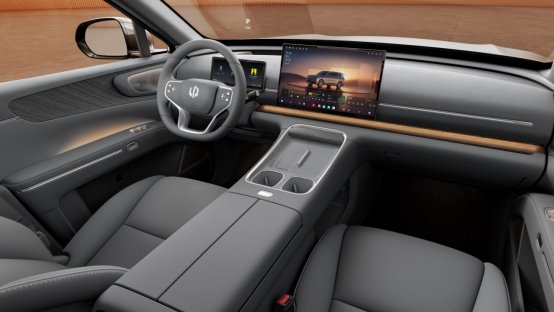
Judging from the official images, the D19 cabin adopts a more "modern flagship" design language: an independent instrument screen + central control screen + large-size HUD head-up display, making the driver's information and interaction zones clearer; the central area provides a wide armrest, a wireless charging panel, and open storage space below—these details are very practical and clearly aimed at "high-frequency family car scenarios."
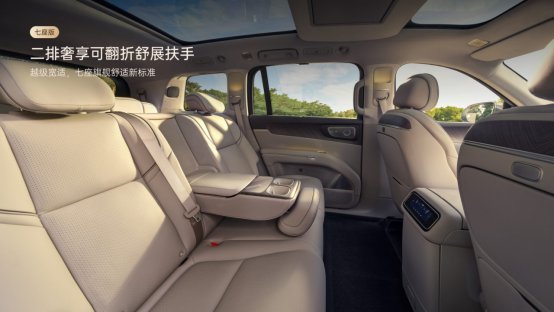
The real highlight is the second row: zero-gravity seats, (dual) folding tables, an overhead entertainment screen, a refrigerator, and a function control screen are all provided, while B-pillar grab handles are also set up to make it easier for children and elderly passengers to get in and out. The third row is not meant to be "makeshift" either: dual armrests, one-touch electric folding, and seat heating are all included.
In one sentence: the D19's interior does not use "leather + wood grain" to pile up atmosphere, but instead uses the second-row experience to define its flagship character—this better matches the real needs of today's large-car users.
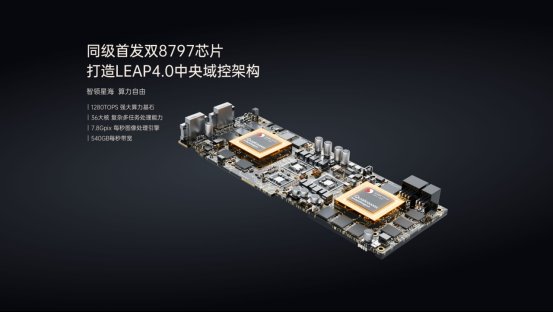
Intelligence: Dual 8797 + 1280 TOPS, focusing on a "cockpit-driving integration" route
On the intelligent level, the D19 has put forward very direct specifications: the world's first launch of Qualcomm Snapdragon dual 8797 chips, with total computing power of 1280 TOPS, and emphasis on a cockpit-driving integrated central domain controller and VLA assisted driving system.
For users, do not rush to be led by the rhythm of "TOPS"—what matters more is whether this architecture can do two things well:
1) Room for continuous OTA upgrades of functions;
2) Stability and consistency of coordination between intelligent driving and the cockpit in complex scenarios.
If these two points hold true, the D19's "flagship feel" will be more like long-termism, rather than a brief burst of excitement at a launch event.
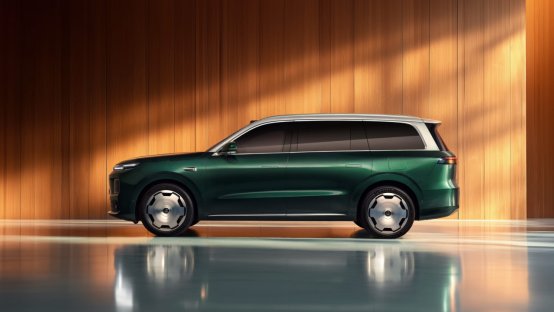
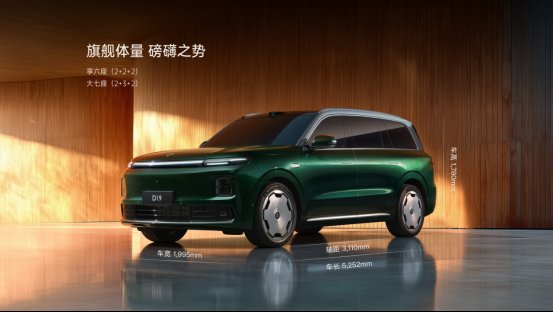
Exterior: Projection headlights + interactive light curtain, turning "outward expression" into product strength
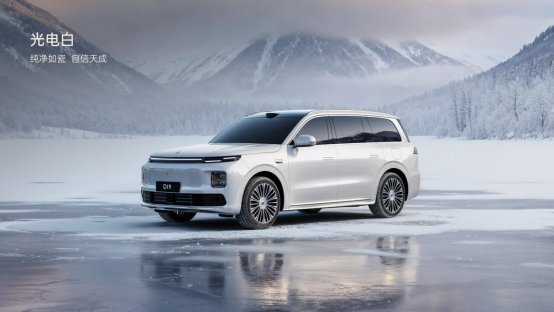
In terms of design, the D19 continues the family language, with the front face adopting the "Cosmos" design and equipped with million-pixel DLP projection headlights, supporting ADB adaptive high beam, dynamic light carpet, welcome light language, and more; there is also an AGS active grille shutter. Colors offered include Pine Valley Green, Liquid Silver, Metallic Black, Sky Gray, and Photoelectric White.
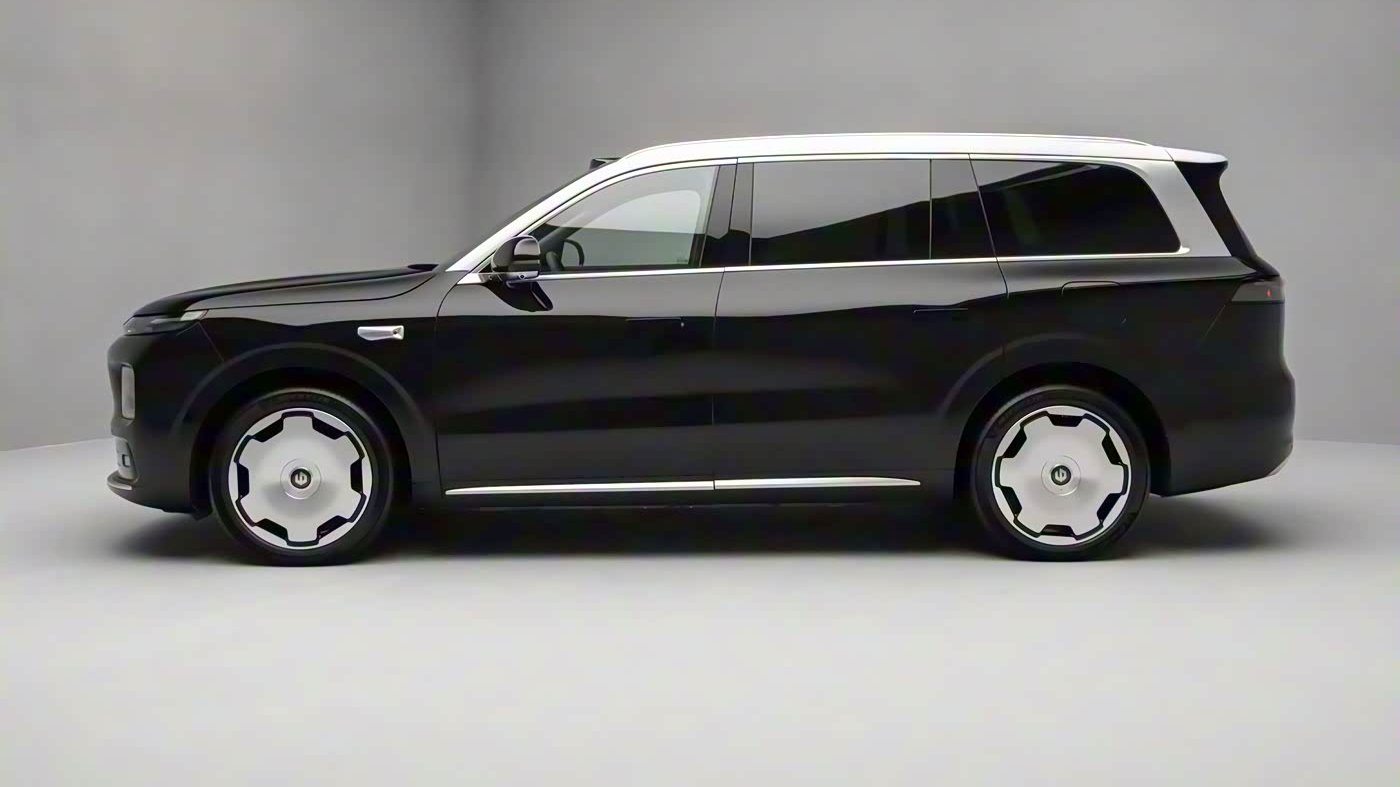
The side emphasizes the "Sky Mirror flush side windows" (the claim of R&D investment as high as 20 million yuan is also a strong talking point), plus 21-inch wheels and Michelin high-performance quiet tires, giving the whole vehicle a temperament more inclined toward "restrained large proportions." The rear is finished with a through-type taillight + ISD smart interactive light curtain: the light curtain is 1958 mm wide with 11,025 LED beads, and the license plate frame has been moved down to the bumper area, bringing out a stronger sense of layering.
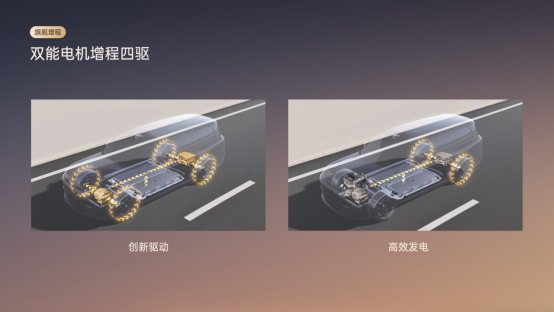
Power: Range extender with an 80.3 kWh "absurdly large battery," pure electric 1000V pushing both performance and energy replenishment
The D19 is built on Leapmotor's flagship D platform and offers both pure electric and range-extended powertrains.
Range-extended version: range-extender CTC battery technology, system combined power 400 kW, wheel-end torque 7850 N·m, equipped with an 80.3 kWh large battery, pure electric range up to 500 km, and equipped with intelligent all-wheel drive and 800V fast charging.
Pure electric version: full-stack 1000V three-electric system, combined power 540 kW, wheel-end torque 8770 N·m, equipped with a 115 kWh battery, CLTC range 720 km, and equipped with a 34-in-1 super thermal management module.
You can see it: the D19's strategy is not "let's do both powertrains a bit," but rather making both routes into clear product personalities—the range extender solves coverage radius, while the pure electric version pursues performance and energy-replenishment efficiency.
Chassis and handling: Air suspension + CDC, paired with three-motor vectoring, targeting "both stable and easy to drive"
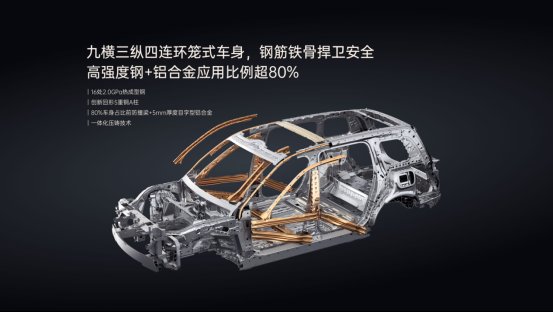
In terms of driving control, the D19 claims to be equipped with 3-motor vector control, 0-100 km/h acceleration in the 3-second range, along with functions such as dual-wheel blowout stability and tank turn; the chassis uses dual-chamber closed air suspension + CDC damping, with body torsional rigidity of 50,500 N·m/deg.
Put together, these configurations point to a higher-order "flagship character": what a large car needs is not excitement, but stability at high speed, smoothness through corners, no sway over undulations, and no nose dive under braking. If subsequent test drives can deliver on the calibration prowess of this hardware suite, the D19 will be very formidable.