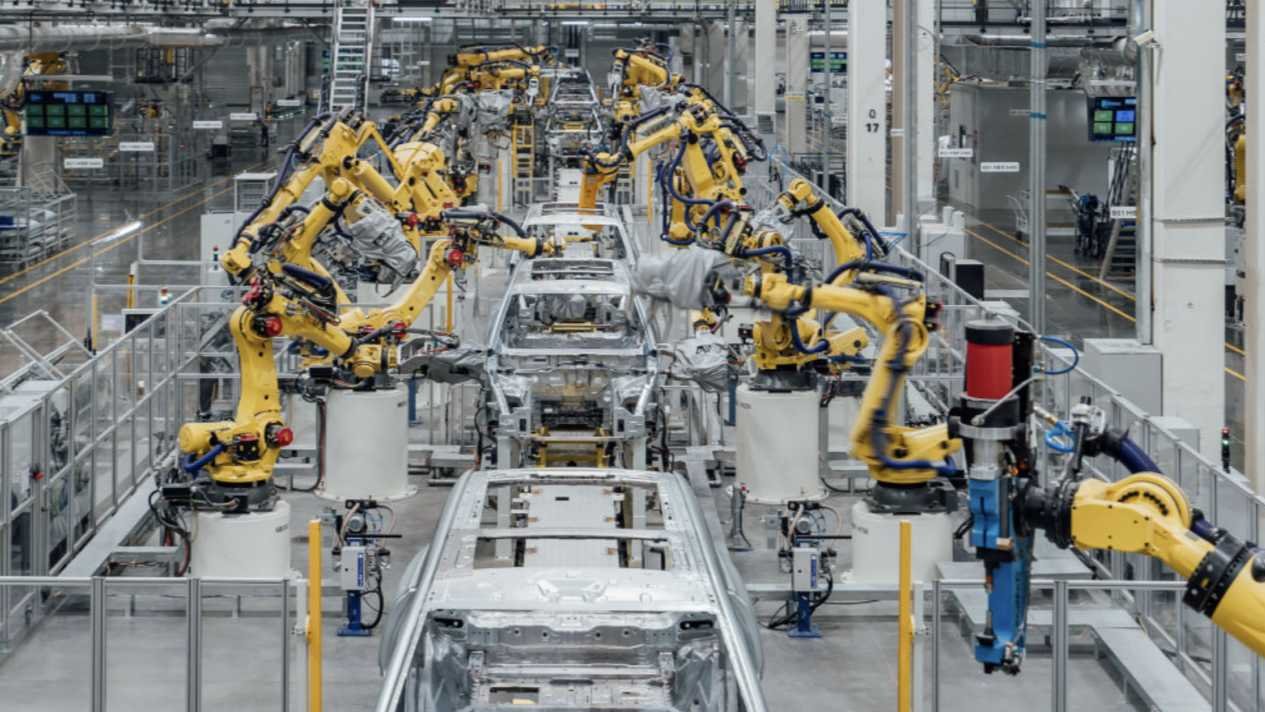
Since the beginning of this year, the "price war" in the auto market has gradually receded, and reflection within the industry on low-price competition has also increased. Recently, an auto company executive said in a media interview that companies cannot rely on price wars for the long term, and once the low-price limit is breached, industry operations will harbor huge risks. What the auto industry truly needs to compete on is technology, service, quality, brand, and corporate social responsibility.
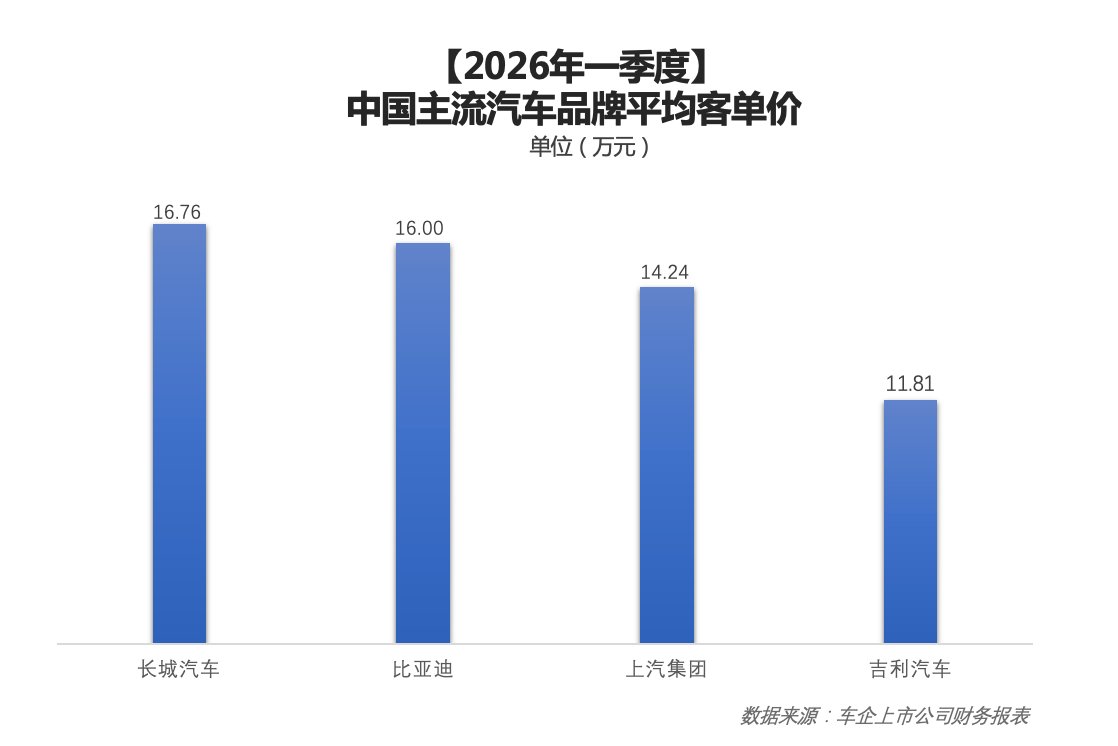
This judgment echoes the current changes in competition in China's auto market. In the first quarter of 2026, among the average transaction prices of China's mainstream auto brands, Great Wall Motors was 167,600 yuan, BYD was 160,000 yuan, SAIC Motor was 142,400 yuan, and Geely Automobile was 118,100 yuan, all higher than 2025 levels. However, through the average transaction price data for the first quarter, one can intuitively feel the strategic differences in industry pricing and also clearly answer the core question of "who is holding the line on pricing."
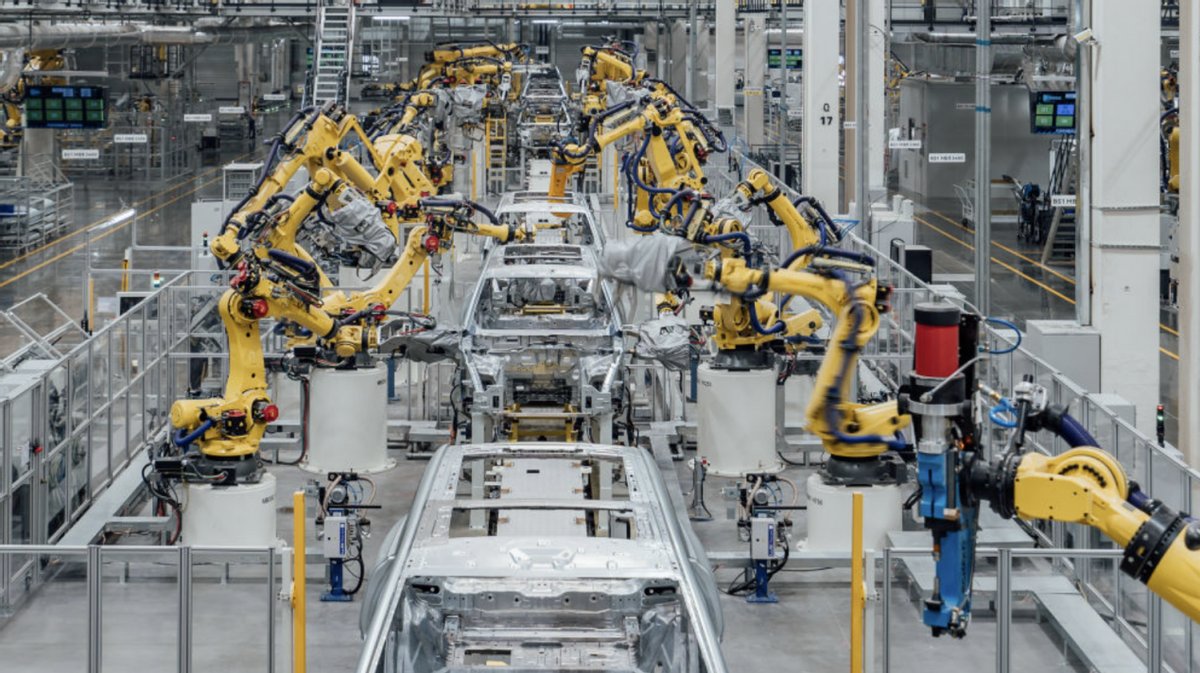
In the past few years, price wars were once the most direct means of competition in the auto market. In the short term, price cuts can stimulate demand and boost sales, but as the industry enters a stage dominated by new energy, consumers' judgments about vehicles are also changing. Whether range is solid, whether charging is convenient, whether assisted driving is reliable, and whether after-sales service is complete are influencing more and more users' car-buying decisions.
More realistic pressure is also emerging. Since April, the retail penetration rate of domestic new energy passenger vehicles has broken through the 60% mark. After new energy vehicles moved from an incremental market into the mainstream market, the room to compete for users by relying on price cuts is narrowing. At the same time, the overall profit margin of the auto industry in the first quarter was only 3.2%, and many automakers have adjusted prices and tightened terminal discounts. Continuing the price war has become increasingly unrealistic.
Compared with sales volume, average transaction price better reflects an automaker's product tier and market recognition. Being able to maintain stable per-vehicle prices while achieving scale growth means the company has a certain foundation in product strength and brand strength, and is also more capable of continuing to invest in technology, quality, and service.
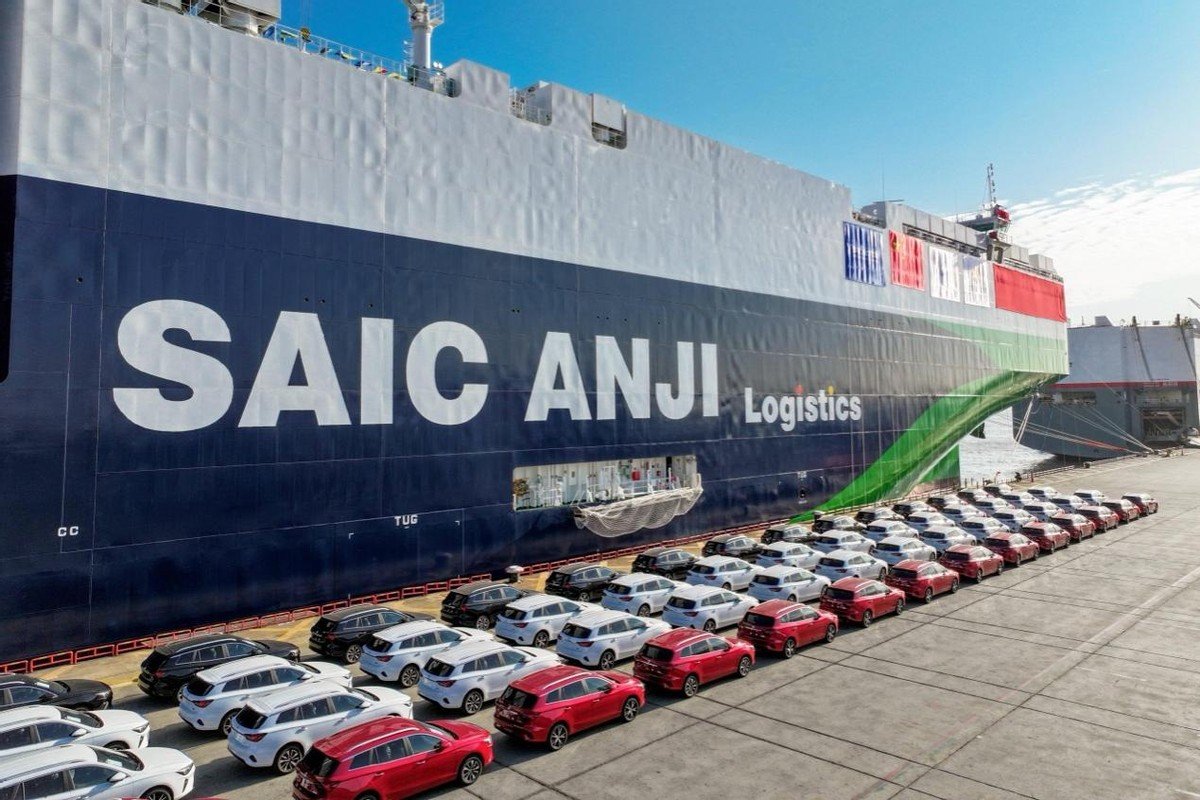
From the first-quarter data, the growth in per-vehicle prices of different automakers corresponds to different supporting factors. Great Wall Motors' average transaction price reached 167,600 yuan, related to its continuous promotion in recent years of product layouts such as off-road vehicles and high-end new energy vehicles. BYD's average transaction price in the first quarter was about 160,000 yuan. While maintaining a high scale, technologies such as the second-generation blade battery, flash charging technology, and the God's Eye assisted driving system are being installed at a faster pace, continuing to improve the experience around range, charging, and intelligent driving safety. SAIC Motor's average transaction price in the first quarter was about 142,400 yuan. The coordinated efforts of its own brands, new energy, and overseas markets became the three carriages driving its price performance. Data shows that in the first quarter of this year, SAIC Motor's cumulative sales in overseas markets were 325,000 vehicles, a year-on-year increase of 48.3%.
From this perspective, average transaction price is no longer just a number in financial statements, but has also begun to become a dimension for observing automakers' operating quality and market recognition. After the price war recedes, competition among automakers has not weakened; only the logic of competition has changed. If one blindly seeks sales through strategies of following technology, benchmarking products, and grabbing the market with low prices, it is in fact overdrafting the company's long-term capabilities. Only by making product value solid and truly translating technology, quality, and experience into user recognition can a company remain steadily at the table and pass through this shallow water.


