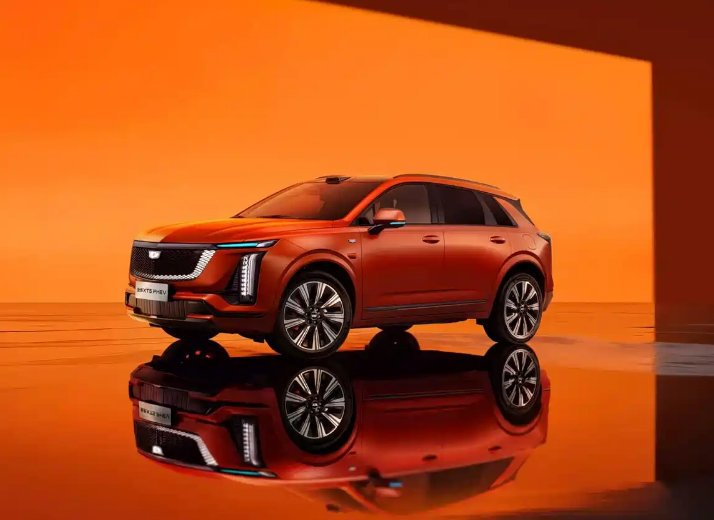
On October 16, Cadillac will launch a new variant of the XT5 PHEV. It has been just over a month since the first two models hit the market on September 7. Deliveries began on September 24, with about 3,000 units delivered in the first three weeks on sale—a figure that is respectable among joint-venture luxury fuel vehicles, but in the brutal arena of domestic plug-in hybrids, SAIC-GM clearly feels it is not enough.
The specific configuration and price of the new model have not yet been announced, but the direction is most likely to lower the entry threshold or fill out the product lineup. The current XT5 PHEV actually has a solid foundation: a 1.5T plug-in hybrid with a P1+P3+P4 three-motor setup, standard all-wheel drive across the range, a combined output of 385 kW, 0-100 km/h in 4.8 seconds, and 5.4 seconds under depleted battery conditions. CLTC pure electric range is 215 km, combined range is 1,360 km, fuel consumption under depleted battery conditions is 6.05 L, and it runs on 92-octane gasoline. It comes standard with a lidar and the Momenta R7 world model, with advanced driver assistance unlocked immediately upon delivery.
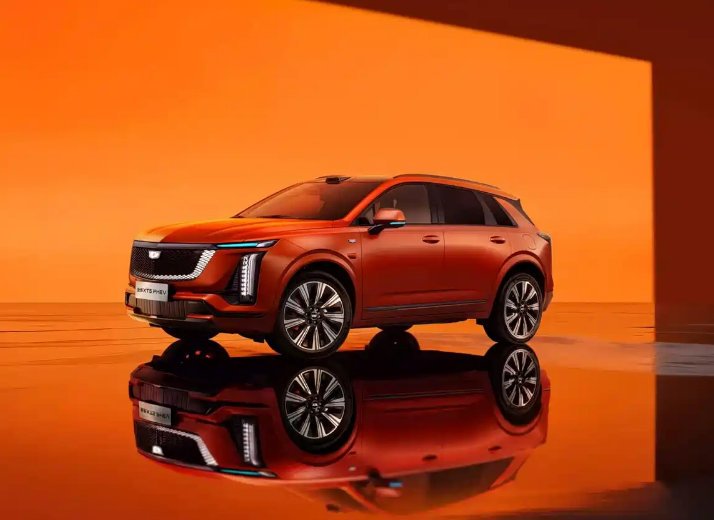
The problem lies in the pricing logic. The current model is priced at a flat 279,900 to 299,900 yuan, with an effective price of 259,900 to 279,900 yuan after subsidies. At this price point, consumers are faced with the Li Auto L6, the AITO M7, and even its own gasoline XT5, which may be cheaper after discounts. A luxury plug-in hybrid SUV wearing the Cadillac badge, equipped with lidar, and eligible for a green license plate, selling for 260,000 yuan—it does not sound expensive, but between "not expensive" and "want to buy" lies a gap in brand perception.
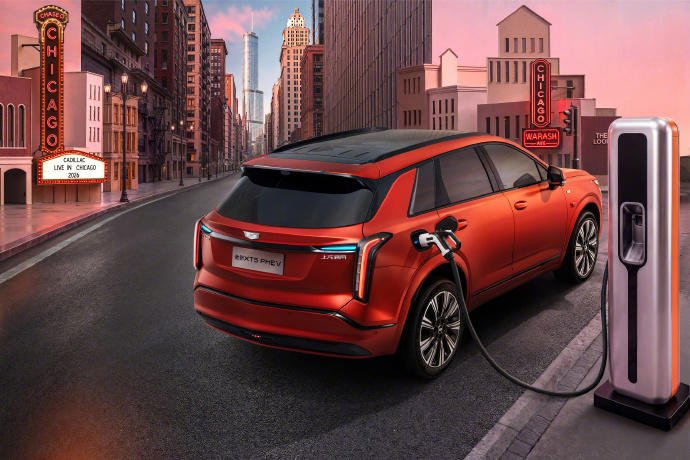
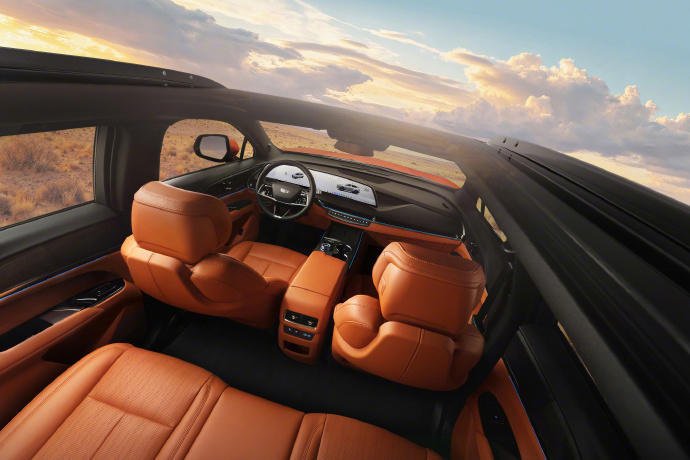
What is truly worth discussing about this car is actually its "lack of weaknesses." A 33-inch 9K curved screen, AKG audio, Qualcomm 8775P chip, Doubao AI large model—the cabin has everything it should. With a CLTC pure electric range of 215 km, it can be driven as an EV for daily commuting; with a combined range of 1,360 km, there is no anxiety on long trips. Fuel consumption under depleted battery conditions is 6.05 L, it uses 92-octane gasoline, and ownership costs are lower than expected. It is not the kind of car that dominates with one standout spec, but rather an "all-rounder" that scores 80 in every category and has no obvious shortcomings.
Launching another new model within a month shows that SAIC-GM is using a dense product cadence to test market reaction. For consumers still agonizing over whether a luxury-brand plug-in hybrid is really worth it, it is worth visiting a store after October 16—if the new model can push the threshold down a bit further, the value-for-money logic of this "all-rounder" will become much clearer.


