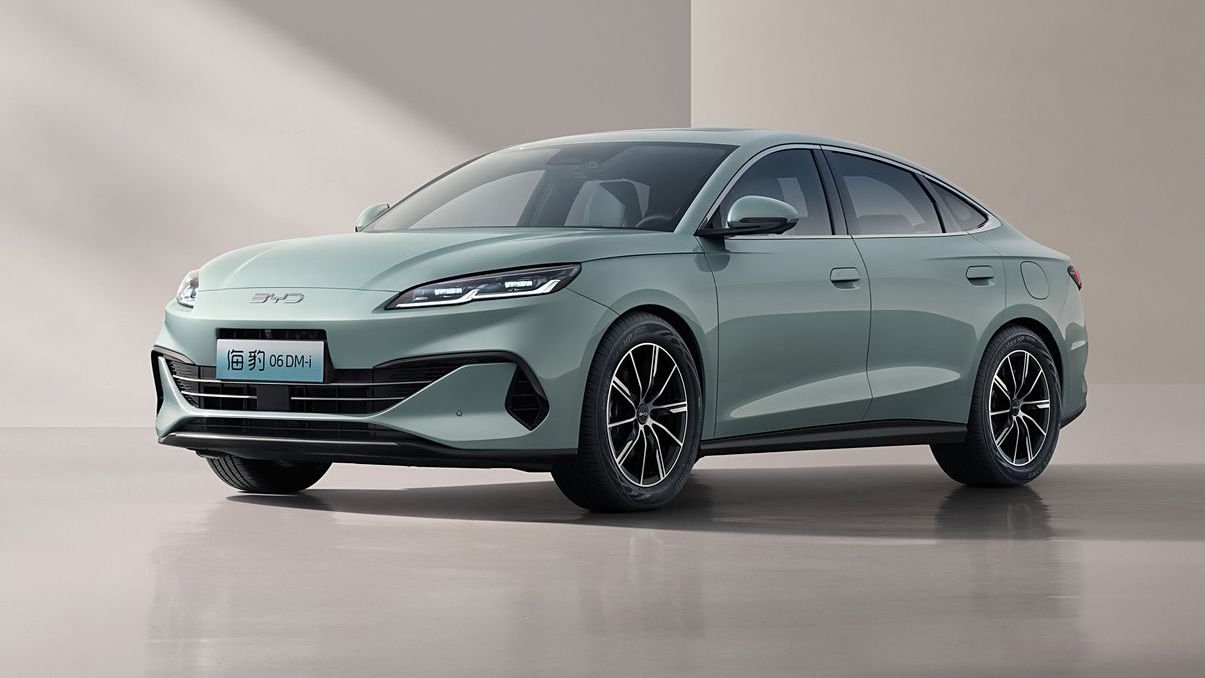
In the mid-size car market, the BYD Qin L and Seal 06 are two major forces, constantly chasing and challenging their peers in the same class, with sales that make many big players green with envy. As twin products, their product strength is almost identical, but from a young person's perspective, I recommend the Seal 06 even more—not only for the smart driving system that comes standard with equal rights, but this car also has many highlights.
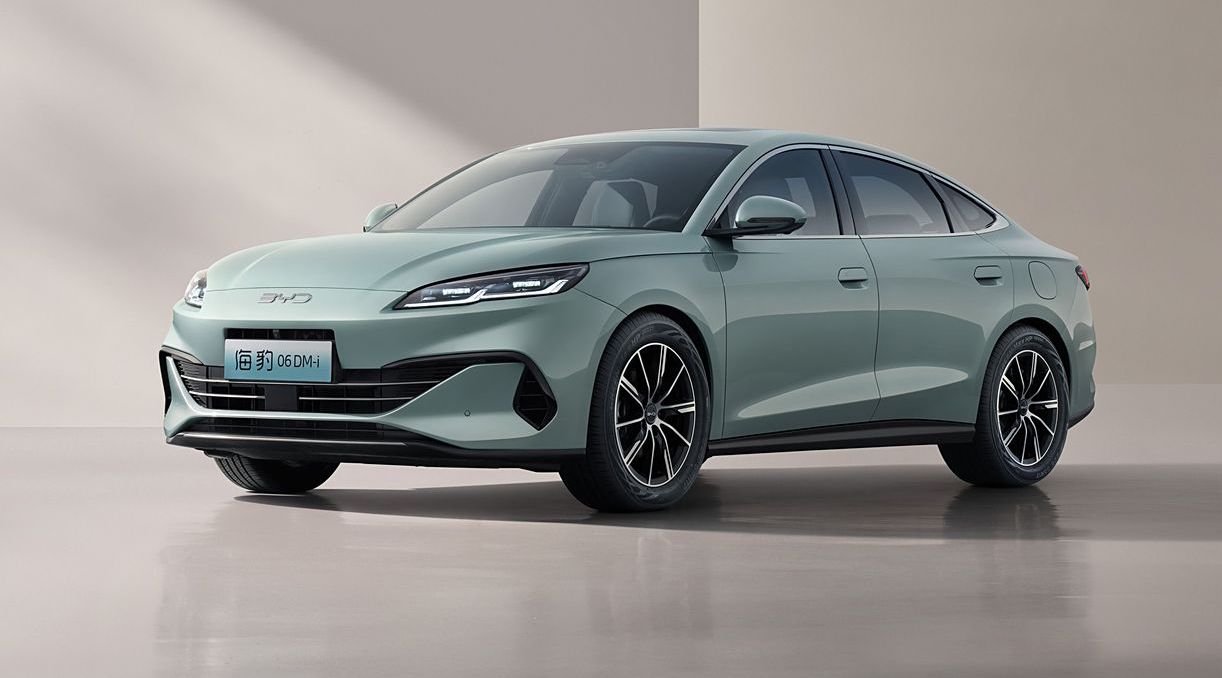
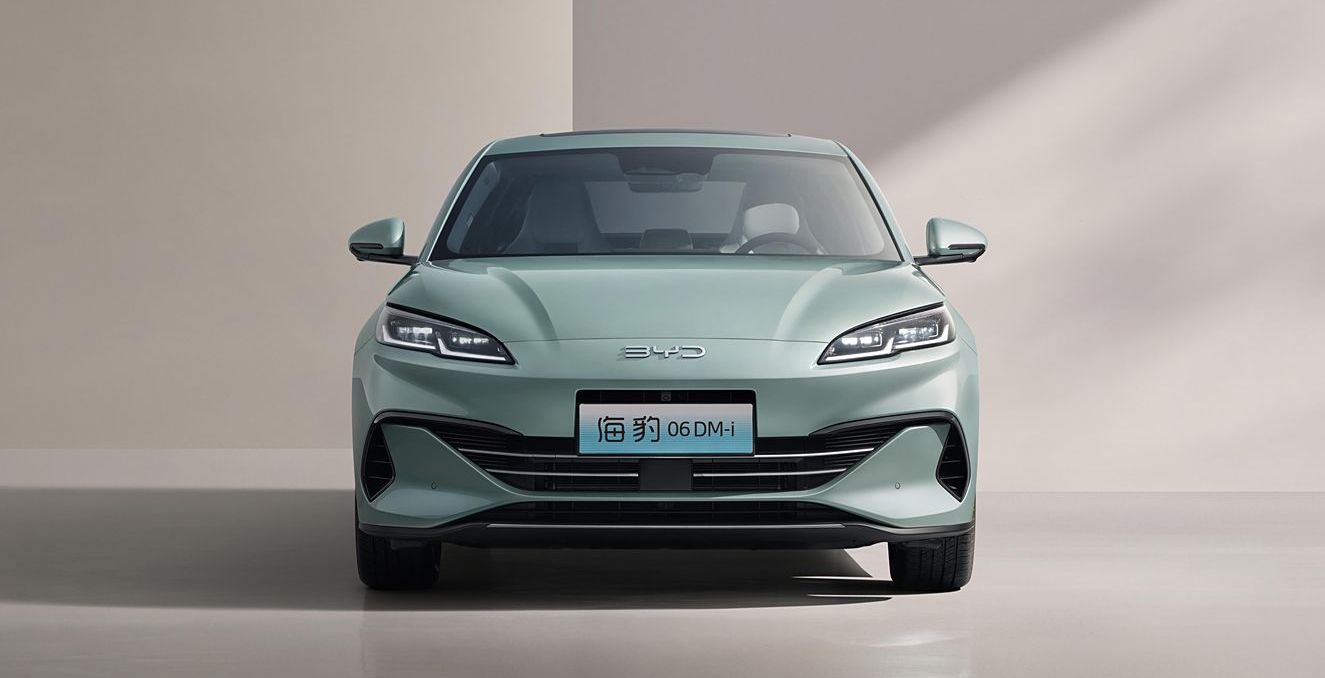
First, in terms of stylishness, the Seal 06 undoubtedly has an advantage over the Qin L. The Ocean Network's consistent soft and graceful design can better highlight the temperament of a mid-size car. The coordination of various points, lines, and surfaces makes this Seal 06 look harmonious and possess a certain sporty feel.
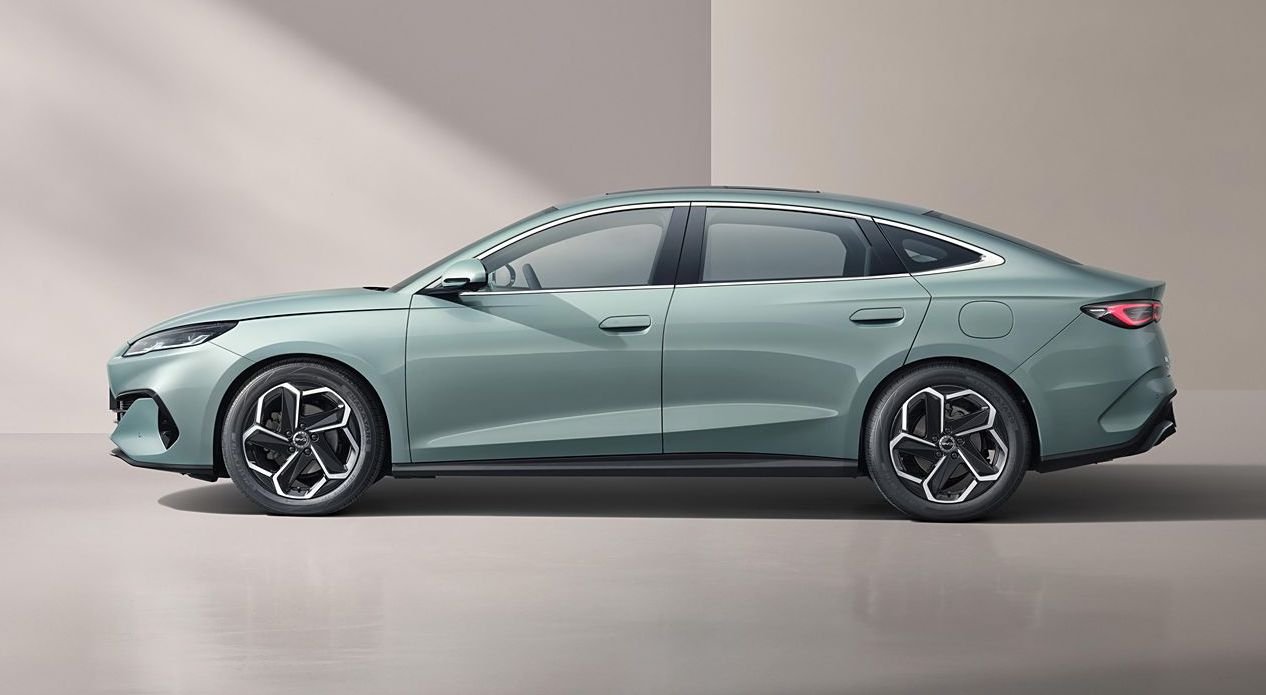
Of course, calling it a mid-size car, many people won't accept it, since the 2790mm wheelbase is somewhat of a stretch, even less than the Xingrui, which is positioned as a compact car with a 2800mm wheelbase. But personally, I think the manufacturer's positioning of the class is just for reference, no need to overthink it—as long as it suits you, that's fine.
The key point is the cost-effectiveness. You can buy a mid-size car for under 100,000, and it even comes standard with the equal-right God's Eye C smart driving system—this was unimaginable before. BYD has really taken cost reduction and efficiency improvement to the extreme, so people say the Seal 06 and Qin L are industrial miracles. Setting aside the hype, there's really nothing to criticize about the cost-effectiveness.
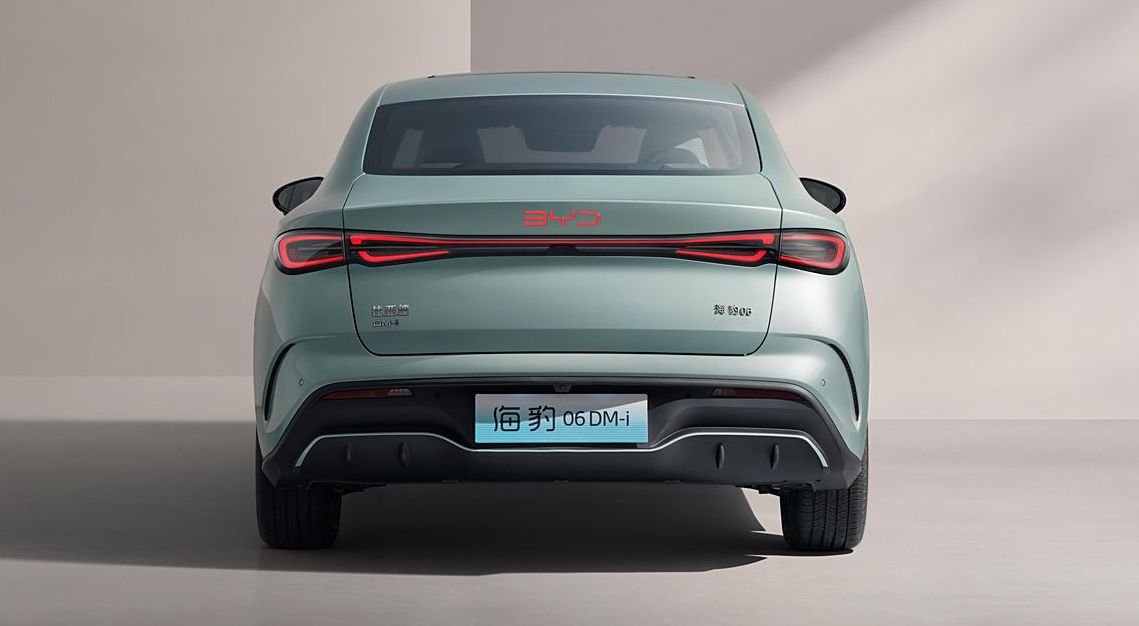
In terms of the interior, the Seal 06 is also more stylish and graceful compared to the Qin L, and personally I think it appeals more to young people. Although the 998 entry-level model's cost-effectiveness is very attractive, you need to accept drawbacks like manual seat adjustment, no sunroof, no digital tire pressure display, no driver's vanity mirror and passenger lighting, and no dual-zone climate control. If you can accept these, the cost-effectiveness is unbeatable.
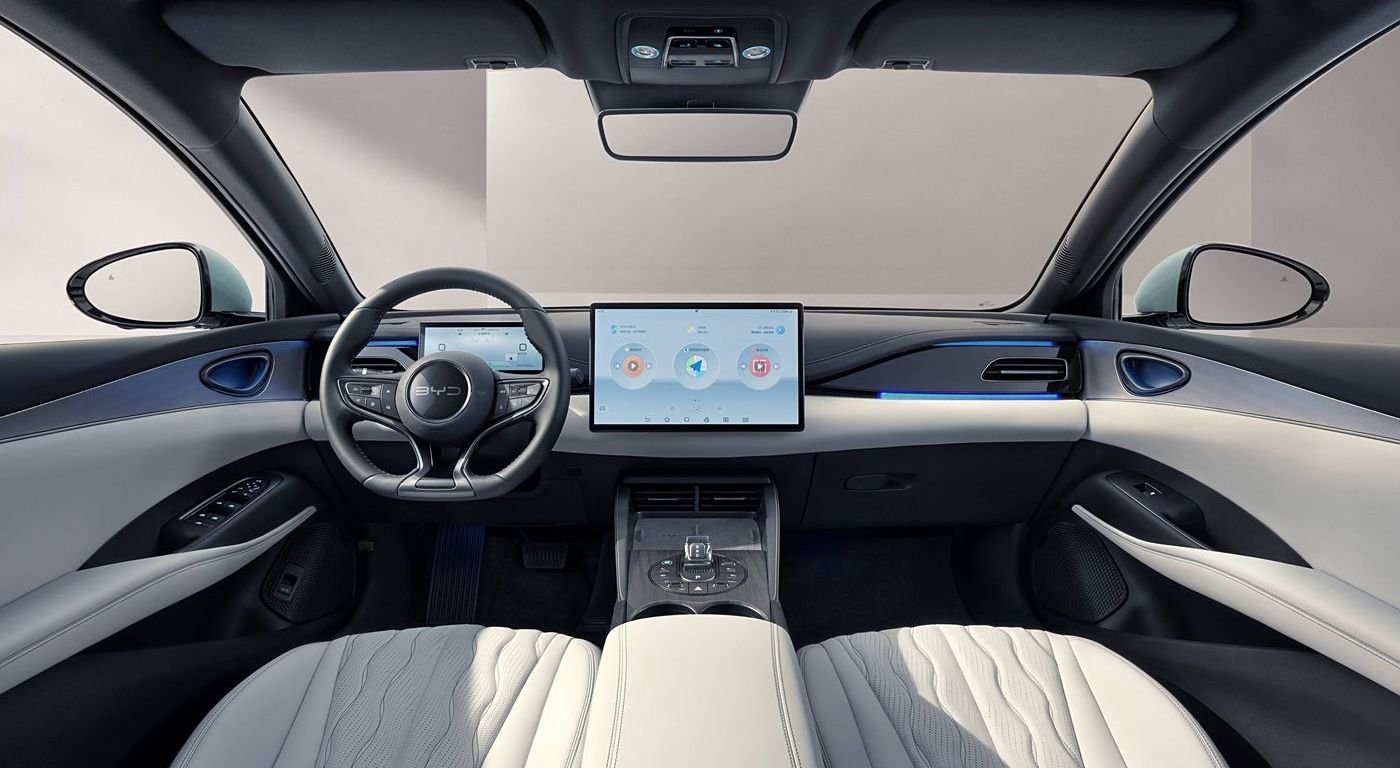
In terms of smart driving, this car's God's Eye C is generally in a very usable state. Its performance on urban expressways and highways can generally be given positive reviews, after all, the price is what it is. It's not without flaws—for example, it often slightly wanders in the lane, and when handling emergencies it sometimes reacts excessively or sluggishly, which may improve with version updates. In short, smart driving is an auxiliary means; as a driver, you still need to take the initiative and maintain the bottom line of safety.
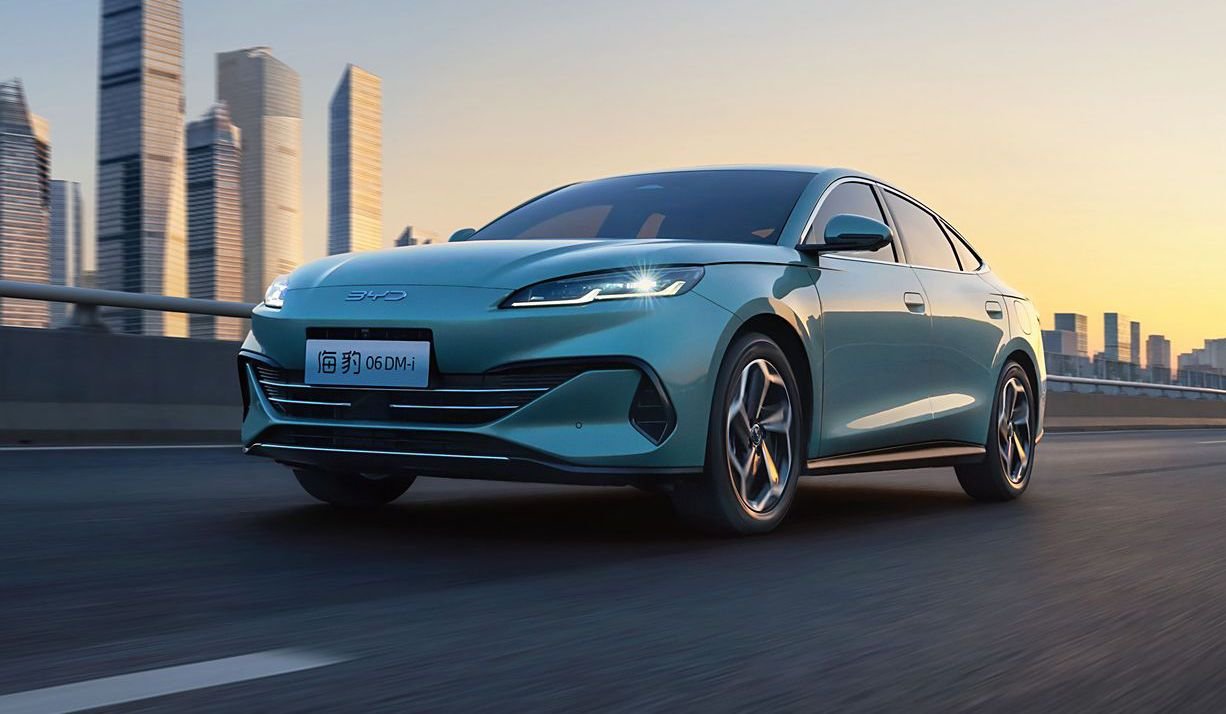
As for this Seal 06, calling it an industrial miracle isn't really forced praise—this car itself does have some skills, able to deliver such a class-leaping experience for under 100,000, thanks to the advantages of scale. It's just that its competitors in the same class must be feeling nervous right now—how should they respond to this hand?


