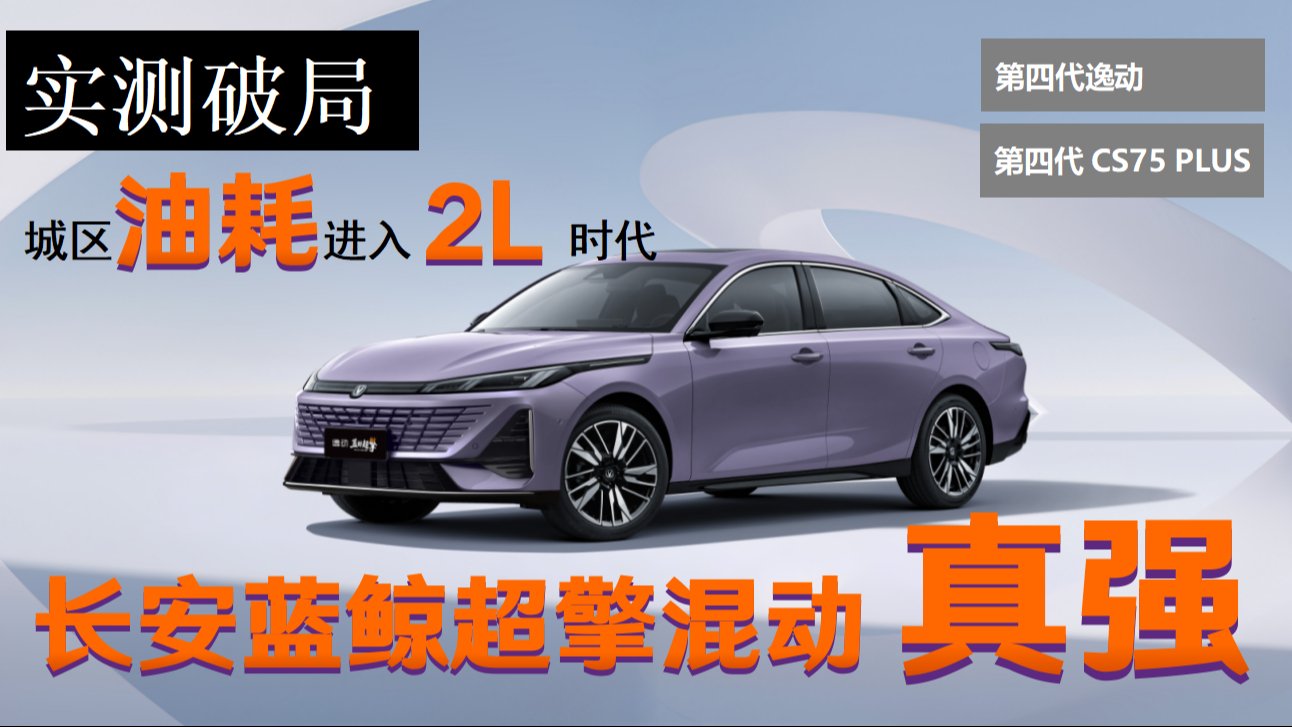
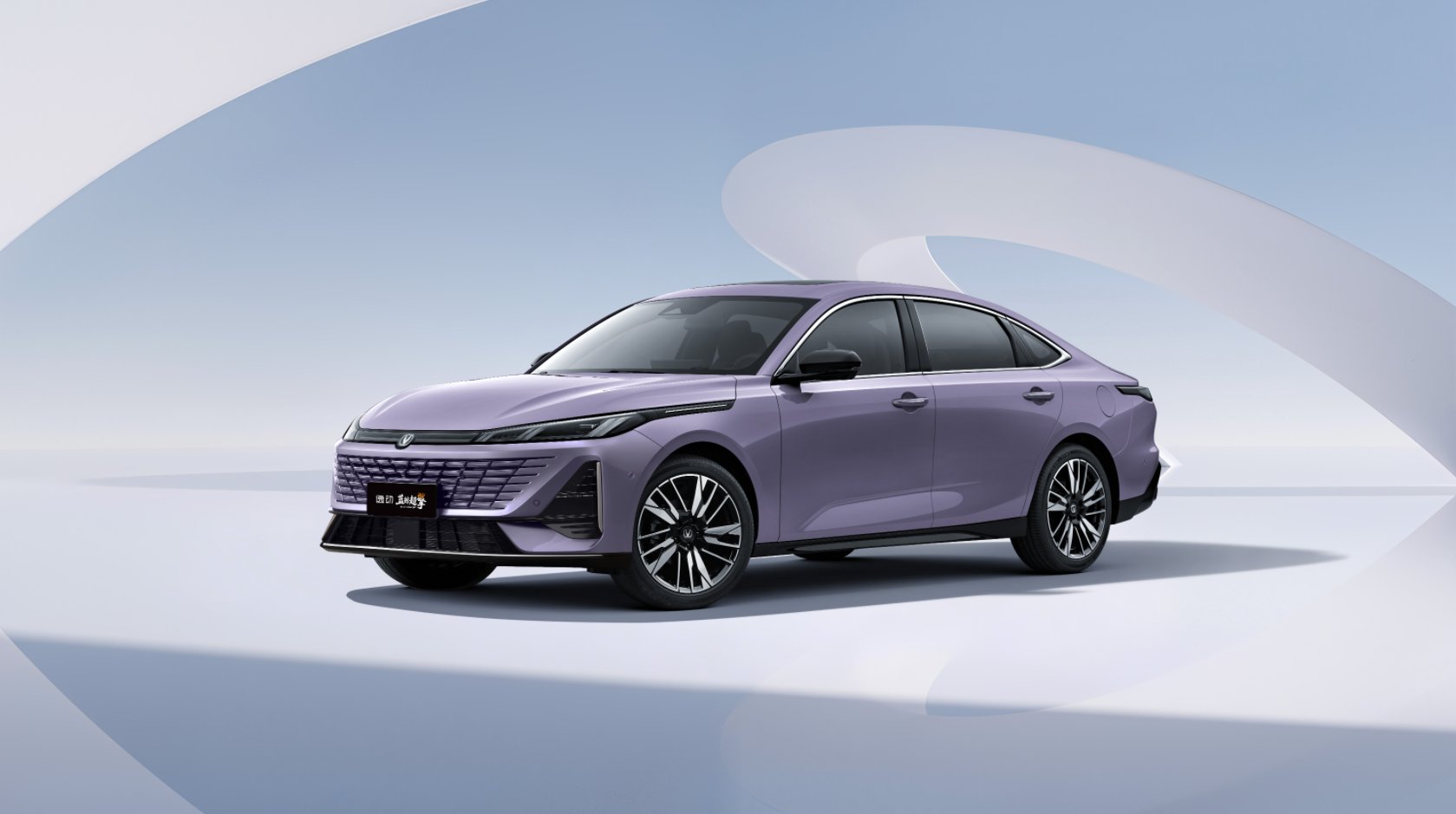
In 2026, China's hybrid market has entered a critical period of technological explosion, with numerous independent brands successively releasing new HEV solutions. From high-thermal-efficiency engines to intelligent energy management, each brand is trying to break through the balance limit between fuel consumption and power, which has left consumers dazzled but also worried: are these figures real or fake? On March 30, just when many brands' hybrid solutions were still stuck at the PPT stage, Changan Automobile officially released "Blue Whale Super Hybrid," bringing consumers a set of implementable and verifiable solutions with a leapfrog new hybrid model of "equal emphasis on oil and electricity, intelligent integration," and it has already completed the test production stage. The fourth-generation Eado and fourth-generation CS75 PLUS equipped with this hybrid technology have already arrived at stores. Dynamic test results from large-scale media and real owners show that urban fuel consumption performance is excellent, bringing blue-plate HEV fuel consumption into the "2L era" and completely breaking the industry misconception that "hybrid fuel consumption is only about paper figures."
Build trust in fuel savings with real measurements
At a time when hybrid technologies are being released in clusters, what consumers worry about more is "whether the official fuel consumption can actually be trusted." Some brands like to announce peak thermal efficiency and ideal-condition fuel consumption, yet avoid real urban scenarios with congestion, slopes, and frequent stop-starts—which is exactly the driving environment most users face every day. Changan Blue Whale Super Hybrid, however, has not taken the old path of "release first, verify later." Instead, it places "real-measurement verification" at the core and responds to doubts with real road data.
As for the official claim of "blue-plate sedan urban fuel consumption 2.98L/100km, blue-plate SUV urban fuel consumption 3.98L/100km," this is not an ideal value on a laboratory bench, but a comprehensive real-measurement calibration value based on full scenarios such as urban congestion, ring roads, traffic lights, and slopes. Since its release, many industry media outlets and first-batch owners have carried out multiple rounds of dynamic real tests on the fourth-generation Eado Blue Whale Super Hybrid and the fourth-generation CS75 PLUS Blue Whale Super Hybrid, covering different urban road conditions in Chongqing, Beijing, Shanghai, and other cities. The results all point to the same conclusion: the measured fuel consumption can not only reach the official standard, but is even lower under some conditions.
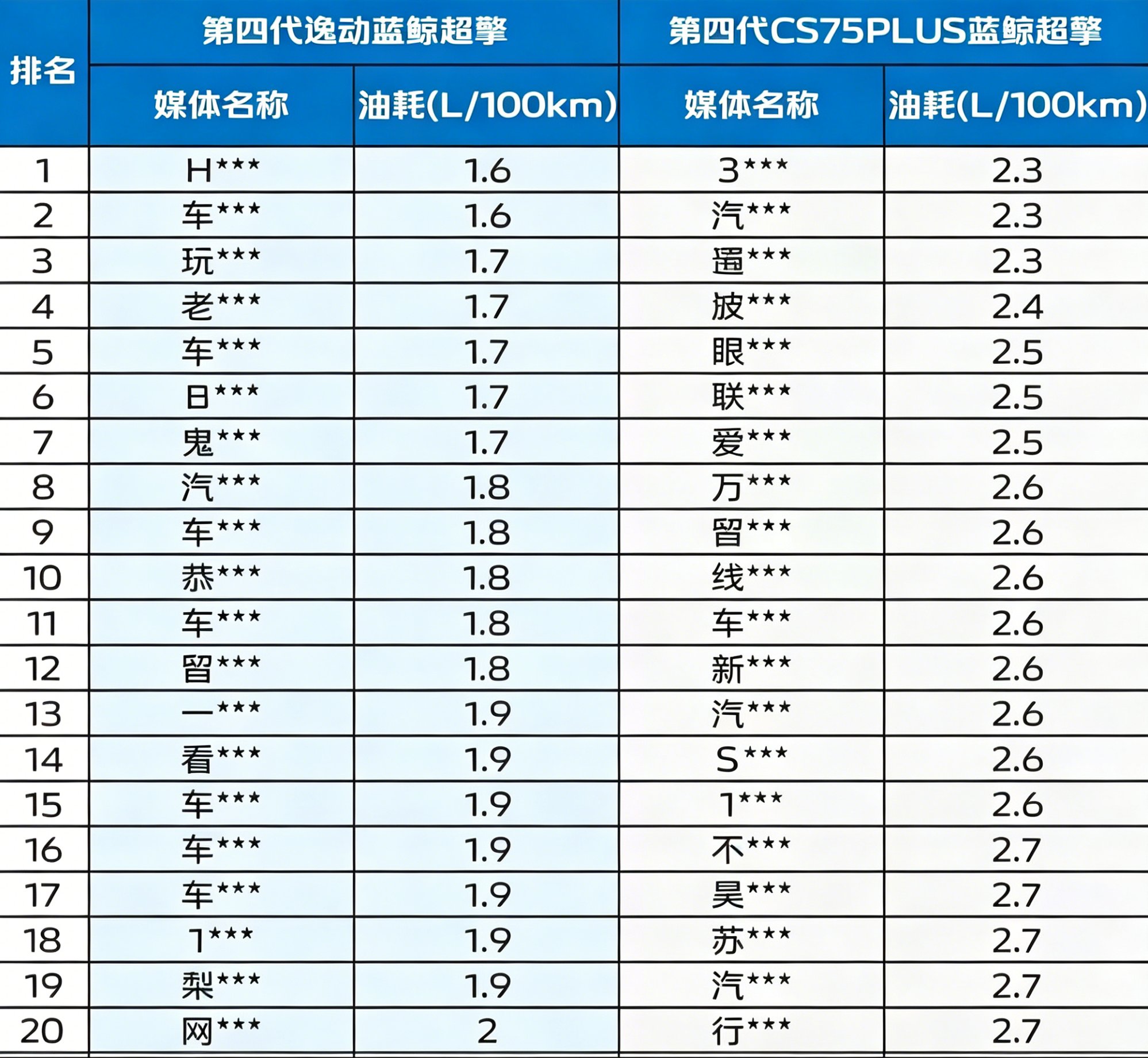
Specifically, during a morning rush hour real test in Chongqing's core urban area, the whole route included long periods of congestion, frequent stop-starts, and short-distance commuting. The fourth-generation Eado Blue Whale Super Hybrid achieved 2.7L/100km; the fourth-generation CS75 PLUS Blue Whale Super Hybrid, under comprehensive urban road conditions including elevated roads, ring roads, and congested sections, had measured fuel consumption stable at around 3.8L/100km, both better than the officially published baseline values. Feedback from ordinary owners' daily use also confirms this: in real scenarios such as daily commuting, picking up and dropping off children, and short weekend trips, many owners' fuel consumption is basically stable within the official range, with no gap like a "buyer show versus seller show." This performance of "measured ≥ official" verifies that the fuel savings of Blue Whale Super Hybrid are driven out by users every day, not calculated.
Three misunderstandings to avoid when choosing a hybrid
Facing a wide variety of hybrid solutions on the market, many consumers are easily misled by "luxurious data" and end up buying a car that "looks fuel-efficient but is expensive to drive." Based on the real-measurement logic of Blue Whale Super Hybrid, we summarize three core misunderstandings that must be avoided when choosing a hybrid, helping consumers return to rational judgment.
Misunderstanding one: focusing on official nominal values and ignoring real road tests
Many consumers do not know that some brands' fuel consumption data are measured under ideal bench conditions of constant temperature, no wind, constant speed, and no load, completely unrelated to the congestion, air conditioning use, load, and driving habits users face every day. So after buying, the actual experience falls far short of the officially advertised fuel consumption level. But for most consumers, the cost of changing cars is still very high, so they can only accept it helplessly. The 2.98L/3.98L per 100km of Blue Whale Super Hybrid itself is calibrated based on real urban scenarios and then verified through media and owner real tests. This kind of "reproducible by real measurement" fuel consumption is the real fuel savings users can enjoy.
Misunderstanding two: looking only at peak thermal efficiency and not at the high-efficiency coverage range
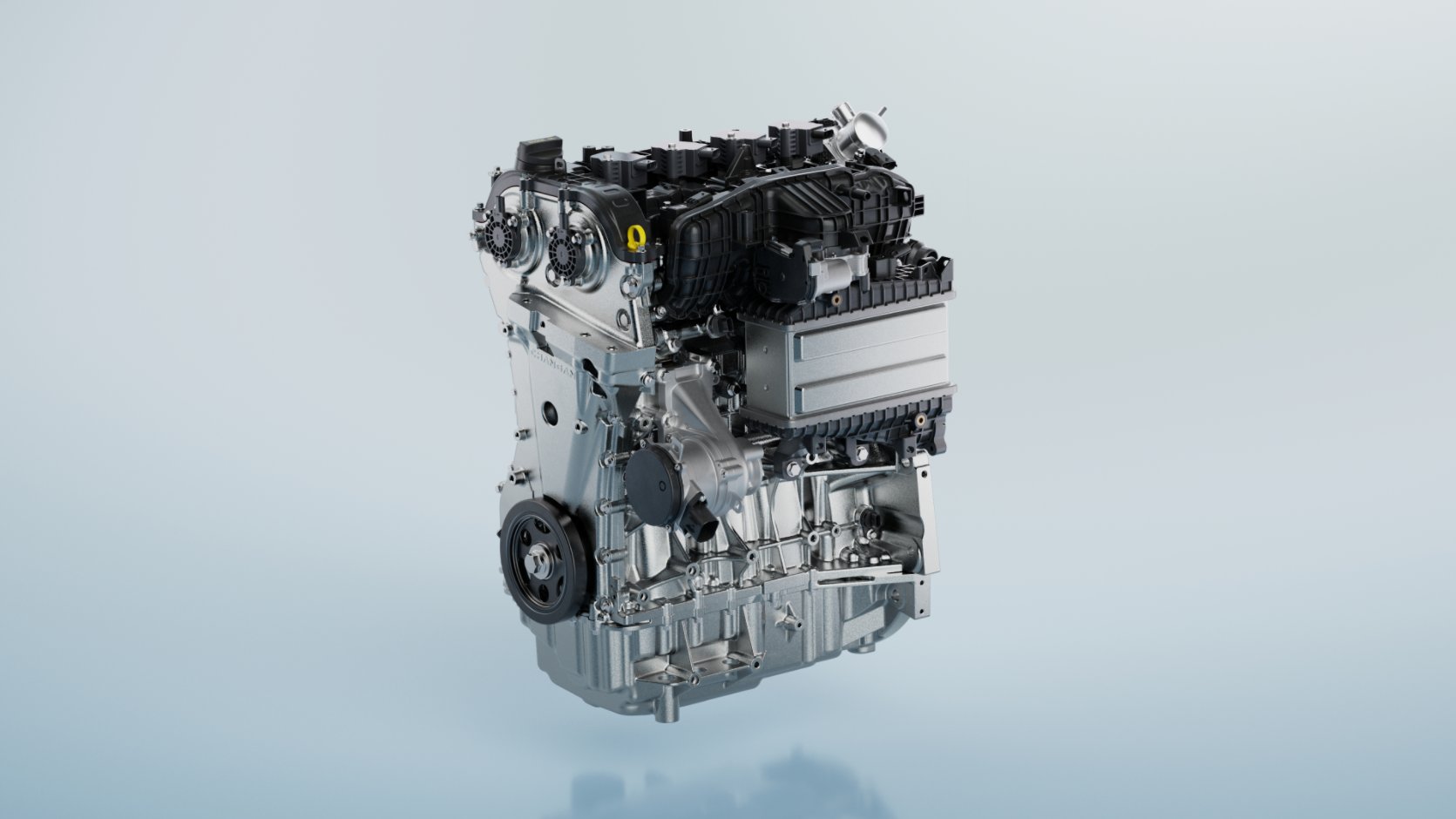
Many brands advertise "engine thermal efficiency 45%+." Under such promotion, some consumers mistakenly believe that the higher the thermal efficiency, the more fuel-efficient it is. But the truth is: peak thermal efficiency can only be achieved at a specific speed and specific load. For 90% of daily driving time, the engine is not in this range, so the width of the high-efficiency range has a huge impact on fuel consumption. The hybrid-specific engine of Blue Whale Super Hybrid not only has a relatively high thermal efficiency level, but more importantly, its high-efficiency range covers a wide area and its efficiency under commonly used conditions is high. It is also paired with precise scheduling by AI Cloud Intelligent Control, keeping the engine always operating in the high-efficiency range, rather than only achieving it in the laboratory.
Misunderstanding three: only listening to PPT technical descriptions and not looking at real vehicle rollout and system coordination
Many hybrid solutions pile up technical terms at launch events, making consumers in the audience excited, thinking the new technology is very impressive. But after the real car arrives at stores, the internal system coordination is poor and fuel consumption performance is unstable, because some terms remain concepts on PPT. The four major highlights of Blue Whale Super Hybrid—"fuel-saving, powerful, quiet, reliable"—are all based on real vehicle verification: the real-time scheduling of AI Cloud Intelligent Control, the seamless switching between oil and electric dual power, and the efficient use of energy recovery are all things users can intuitively feel while driving, rather than marketing rhetoric.
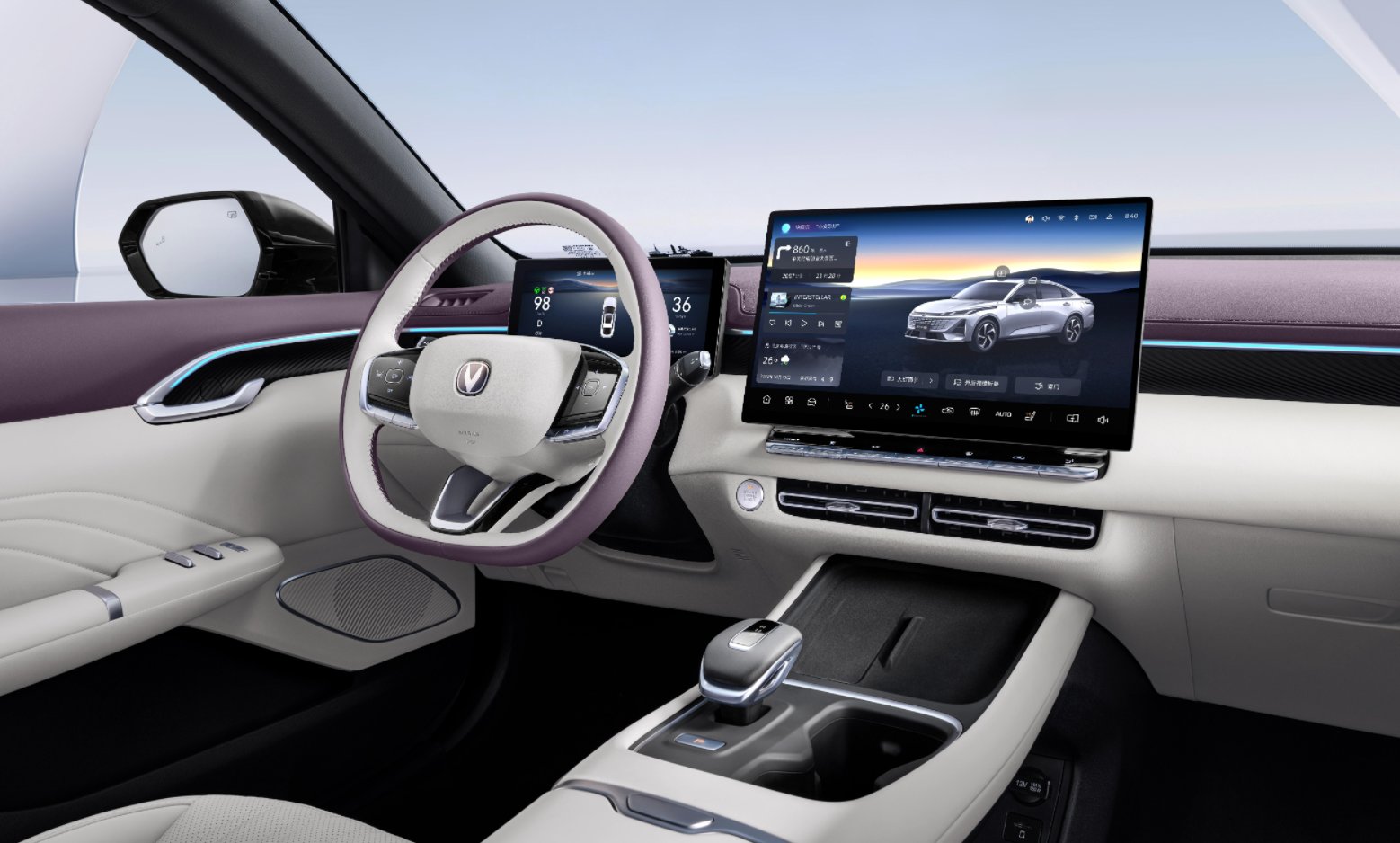
With the support of AI Cloud Intelligent Control, Blue Whale Super Hybrid has a smart brain
Today, AI technology is deeply empowering the automotive hybrid field. The "AI Cloud Intelligent Control" carried by Changan Blue Whale Super Hybrid, as the core command hub, can fully unleash hardware potential and balance fuel savings with comfort. It is called the user's "invisible exclusive driver."
Its core includes three major technologies: the AI adaptive fuel-saving algorithm relies on big data to predict road conditions in real time, intelligently adjust power and energy recovery, and optimize energy consumption in scenarios such as congestion and long downhill sections, reducing comprehensive fuel consumption by 5%~10%, with real measured values as low as 2.7L/100km. The class-leading unique acceleration closed-loop control and driving style self-evolution can precisely match driving intent, respond faster during overtaking, reduce pedal operation by 60%, and automatically adapt to an exclusive driving mode. At the same time, it is equipped with class-leading ANC active noise cancellation and PSC imperceptible start-stop, effectively reducing noise and weakening startup vibration and jerk.
AI Cloud Intelligent Control integrates the advantages of energy saving, driving control, and quietness, with intelligent optimization in the background, making travel more fuel-efficient, easier to drive, and more comfortable.
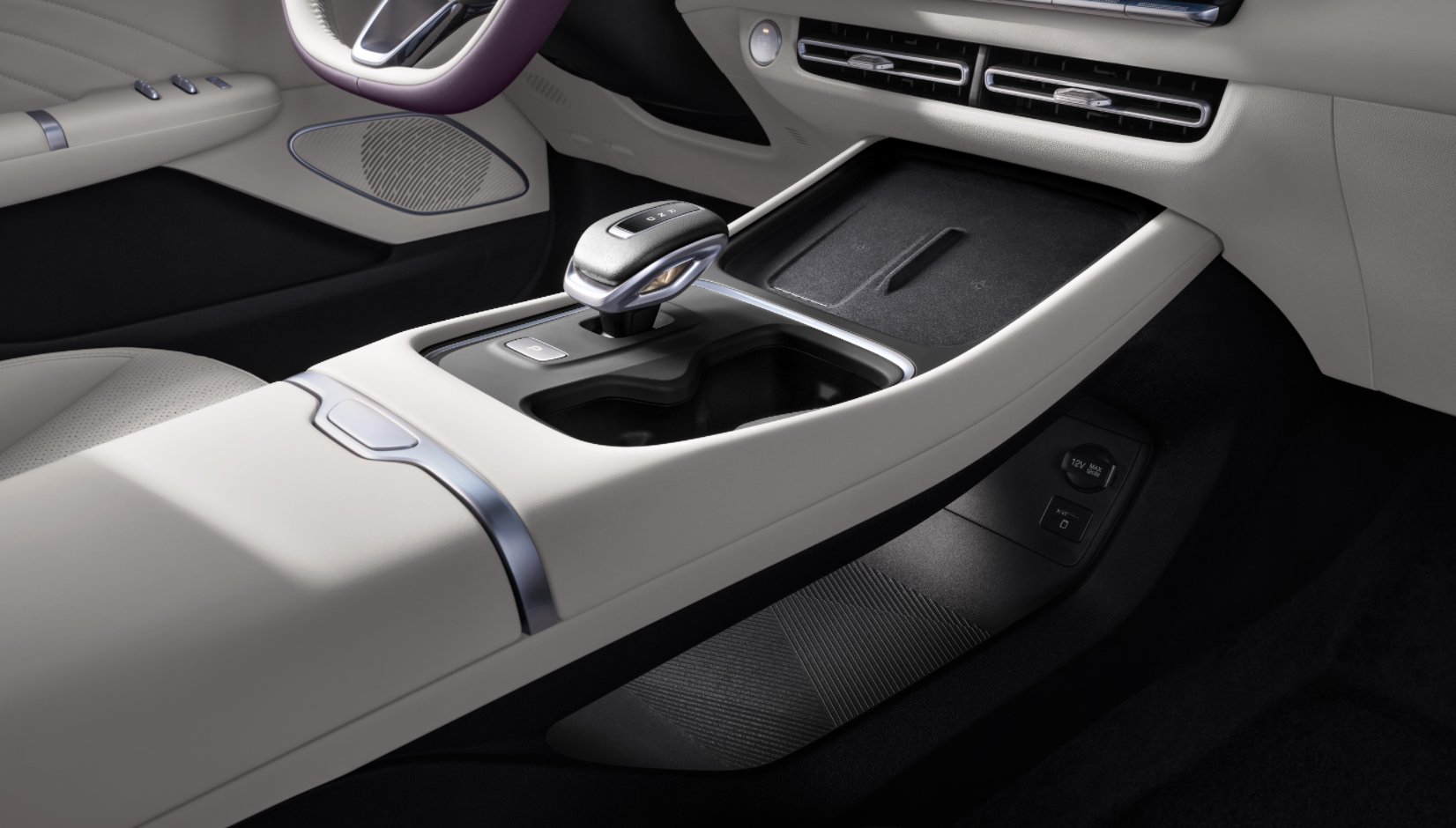
Breaking the deadlock through real measurement: Blue Whale Super Hybrid leads a "new trend"
At present, China's hybrid market technology is developing rapidly, and competition should return even more to real user experience. The launch of Changan Blue Whale Super Hybrid leads the industry to abandon PPT comparisons and turn toward a new trend of real driving experience.
From the fourth-generation Eado to the fourth-generation CS75 PLUS Blue Whale Super Hybrid, the two main models have fully arrived at stores and undergone large-scale real testing, making fuel savings no longer marketing rhetoric but a real advantage users can perceive and reproduce. It uses technology to break misunderstandings, uses AI to improve experience, and sets a new benchmark for Chinese hybrids.
Consumers choosing hybrids do not need to struggle over paper parameters, but should pay more attention to real fuel consumption, intelligent experience, and reliable quality. With outstanding real-measurement performance, Blue Whale Super Hybrid puts "fuel-saving, powerful, quiet, reliable" into practice, driving Chinese hybrids from a period of technological explosion toward a mature period truly recognized by users. In the future, as more scenarios are verified, its true value will further emerge, and it will also become an important step for Chinese hybrid brands from following to leading.
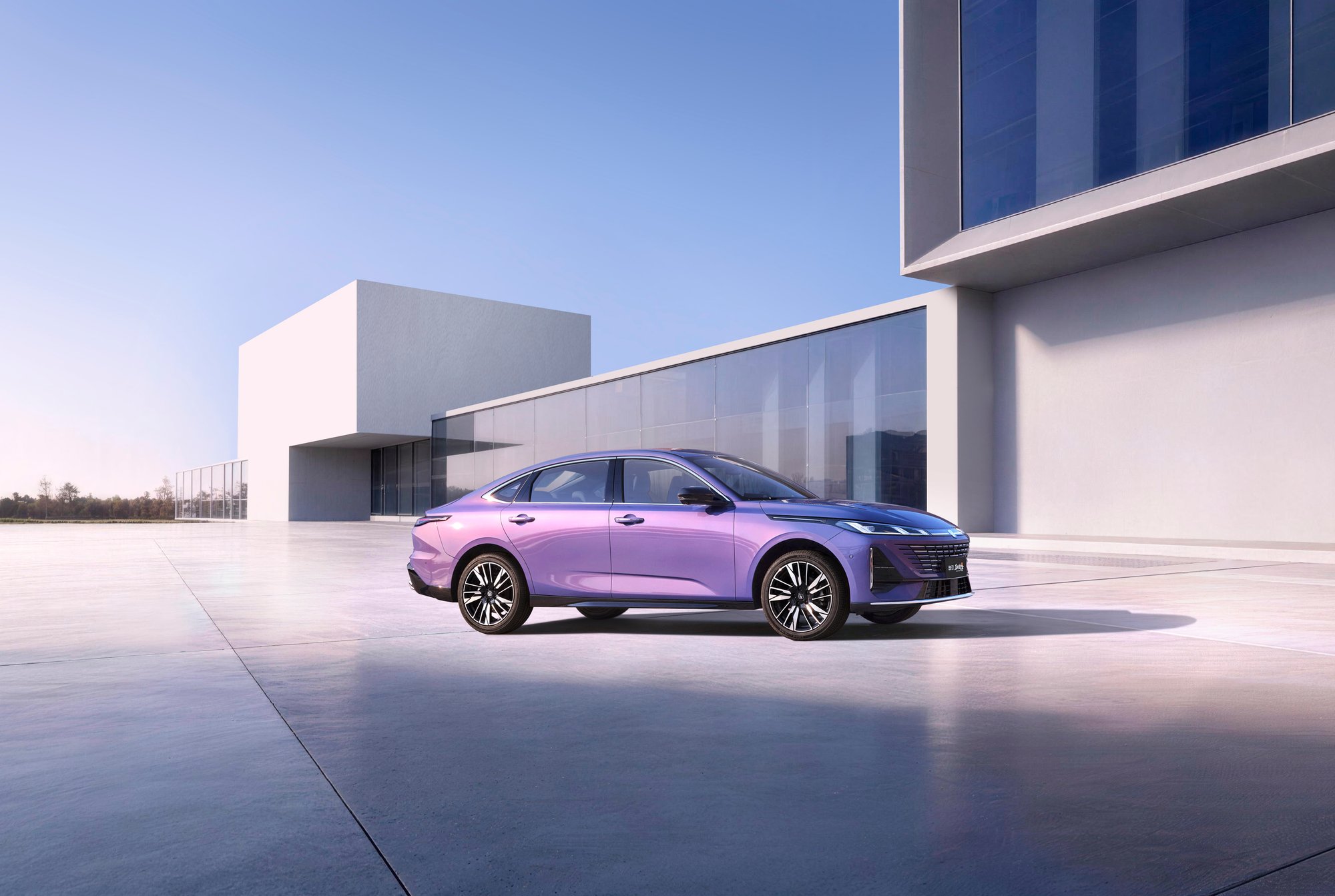
#ChanganBlueWhaleSuperHybrid
#FourthGenerationEadoBlueWhaleSuperHybrid
#FourthGenerationCS75PLUSBlueWhaleSuperHybrid
#ChanganEado
#ChanganCS75