#Hyper Aion July sales up 32% year-on-year#
#Aion's 10th year#
#Aion launches all-new Ray vehicle series#
The domestic new energy vehicle circle is now fiercely competitive. Facing changes in consumer demand and adjustments in automotive policies, competition among major automakers is becoming increasingly brutal. Many brands can only rely on cutting configurations and lowering prices to grab temporary sales; meanwhile, we car buyers are becoming more and more rational, not only looking at price, but also considering build quality, whether after-sales service is reliable, whether smart features are easy to use, and whether personalized needs can be met. With both sides combined, the market keeps reshuffling. In this market environment, Hyper Aion has achieved all-around transformation through BU system reform, dual-brand renewal, product iteration, and all-domain user operations, completely completing its C-end transition. July 2026 should have been an off-season for car buying, yet its sales instead surged upward, and it has already achieved double-digit year-on-year sales growth for five consecutive months. In the first half of this year, private car buyers accounted for 81% of total sales, solidly proving that ordinary people are willing to pay. Moreover, the all-new Ray series models have officially debuted, specifically filling in model choices suited to young people.
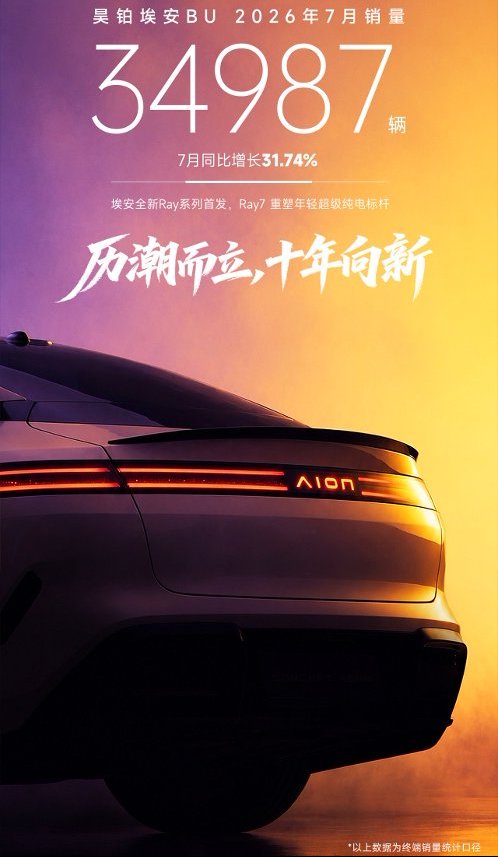
Let's first talk about the solid sales data. Every year in this season, the auto market is relatively sluggish, but Hyper Aion has performed exceptionally well, with July terminal sales reaching 34,987 units, up 31.74% year-on-year and up 3.87% month-on-month. Five consecutive months of double-digit year-on-year growth is not the result of short-term marketing hype, but an intuitive reflection of the brand's long-term accumulation, strong product strength, and accumulated user reputation. Even more valuable is that the brand's C-end private users accounted for 81% in the first half of the year, completely tearing off the inherent label of "operational ride-hailing" and completing a fundamental optimization of its user structure. Several popular models performed impressively. The Aion i60, a compact family electric car, steadily sold over 10,000 units per month, and among the family users who bought it, people aged 26 to 35 accounted for 42%; the Aion N60 installed the same laser radar assisted driving found in high-end models on cars priced 100,000 to 150,000, and most buyers were young people aged 25 to 35, accounting for 79.8%, making it the best-selling electric car with laser radar in the same price range. It can be seen that ordinary families and young users are now the main force supporting sales. This automaker is less affected by market fluctuations, and the quality of its sales has improved greatly.
Once, Aion became a mainstream choice in the ride-hailing market thanks to high cost-effectiveness and reliable range, and because of this, many consumers formed the fixed perception that it was "mainly an operational vehicle model." But the latest terminal data shows that the combined monthly sales of the AION Y and AION S, two models previously focused on the operational market, have fallen below 3,000 units, while the brand's overall sales continue to rise, clearly proving that C-end consumer power has fully taken up the banner of brand growth. This key user-structure innovation relies at its core on Hyper Aion's full-chain system reshaping. The BU organizational structure reform implemented at the end of 2025, combined with the two major systems of IPD research and development and IPMS full-process management and control, opened up the entire industry chain from R&D, supply chain, production, sales, to after-sales, greatly shortening the decision-making chain, enabling the brand to quickly capture user needs, iterate products, and adjust market strategies, laying a solid systemic foundation for deeply cultivating the C-end market.
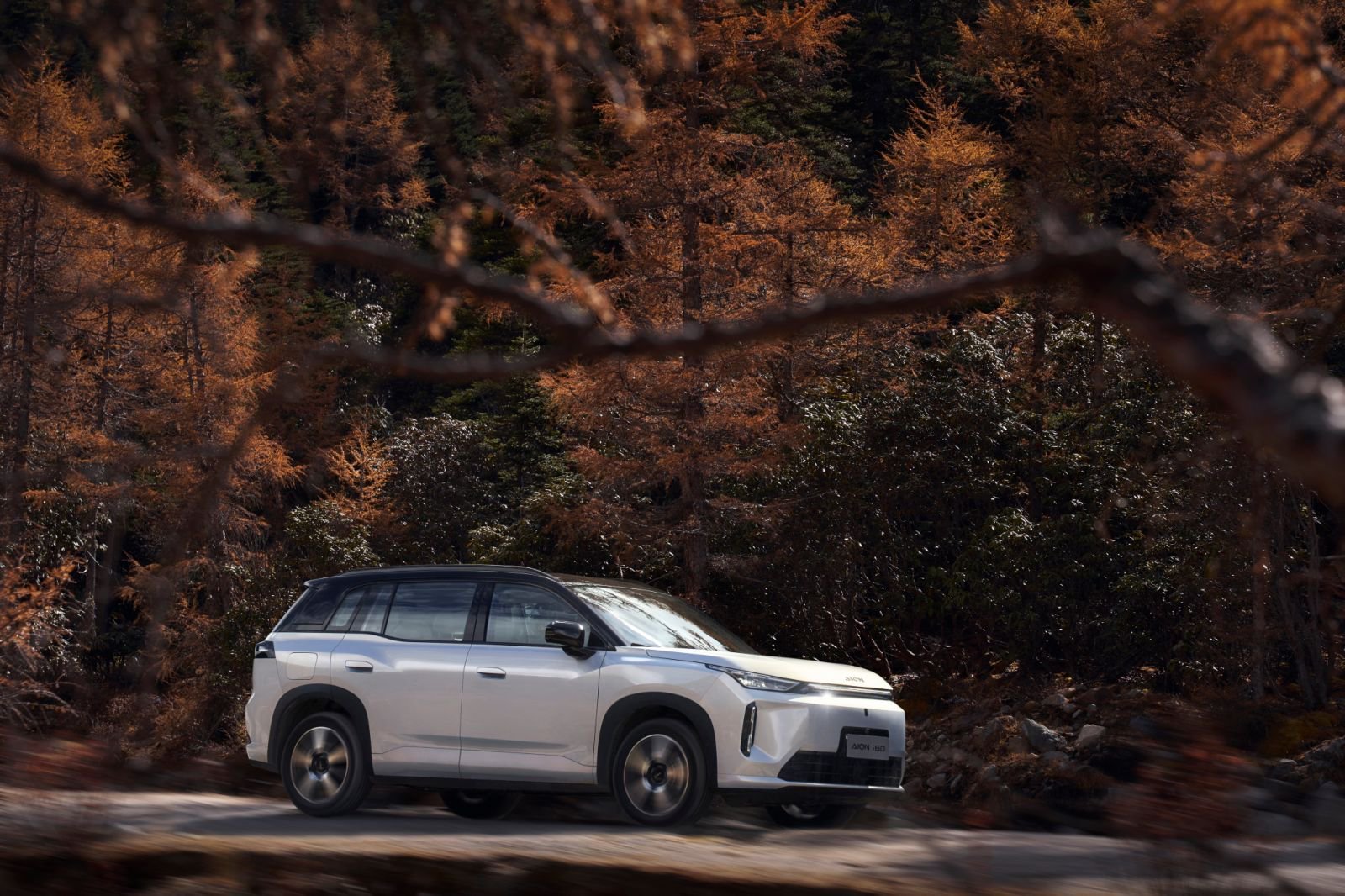
At the same time, the two brands Hyper and Aion have clear positioning, different routes, and complement each other. Hyper focuses on high-end intelligent mobility, suitable for people pursuing high-quality car use; Aion focuses on being easy to drive and inexpensive, suitable for daily commuting and family travel. The two brands develop separately, so their own models do not compete for customers with each other, achieving full coverage from high-end family use, affordable commuting, to personalized models favored by young people. No matter what the needs of ordinary consumers are, they can basically find something suitable. Relying on a rich model lineup, the Aion i60 and Aion N60 have become the main volume drivers, and with multiple models such as the Aion UT and Aion RT, they can adapt to most daily household and young commuter use scenarios, firmly grasping the private car owner market.
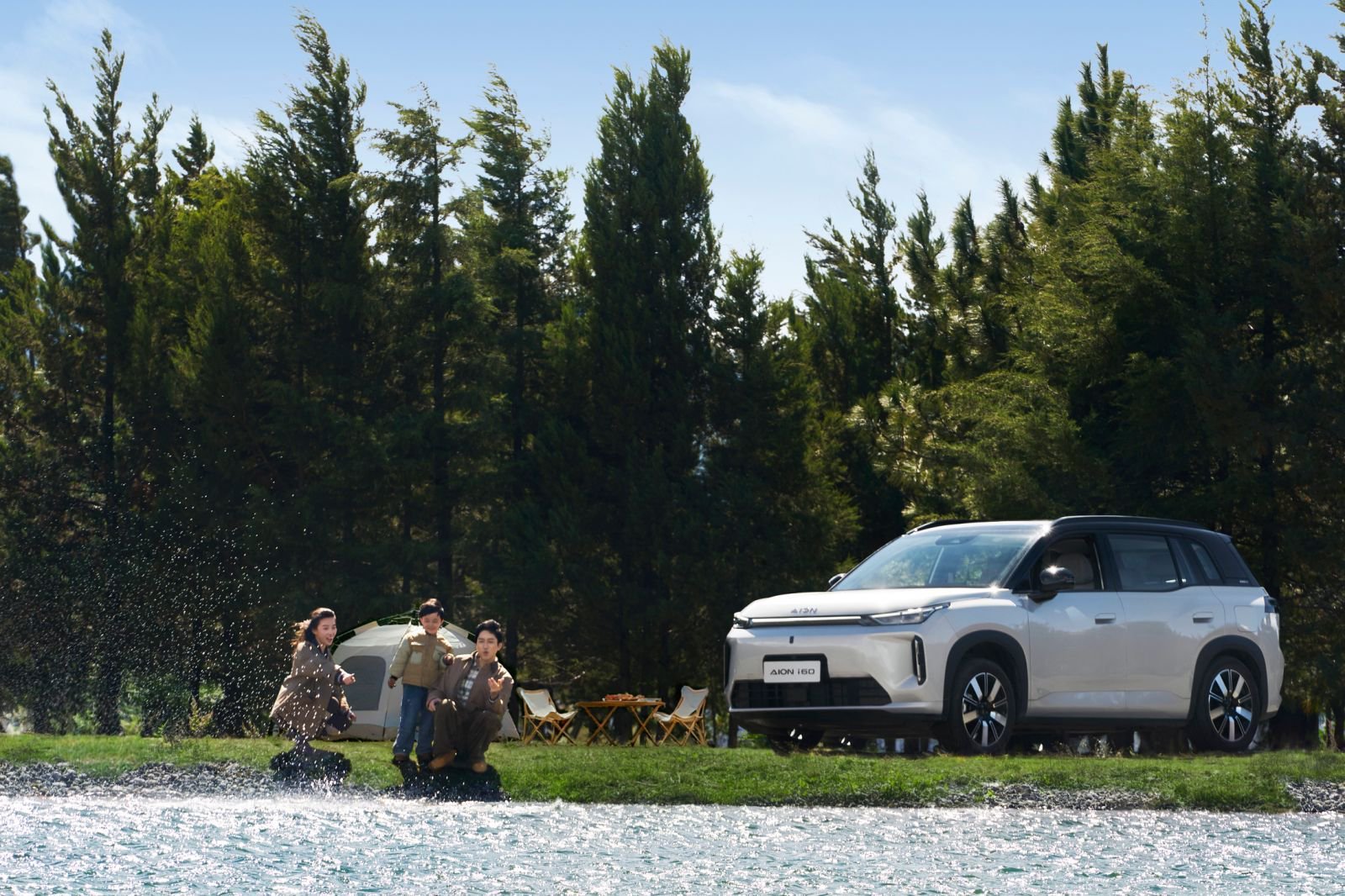
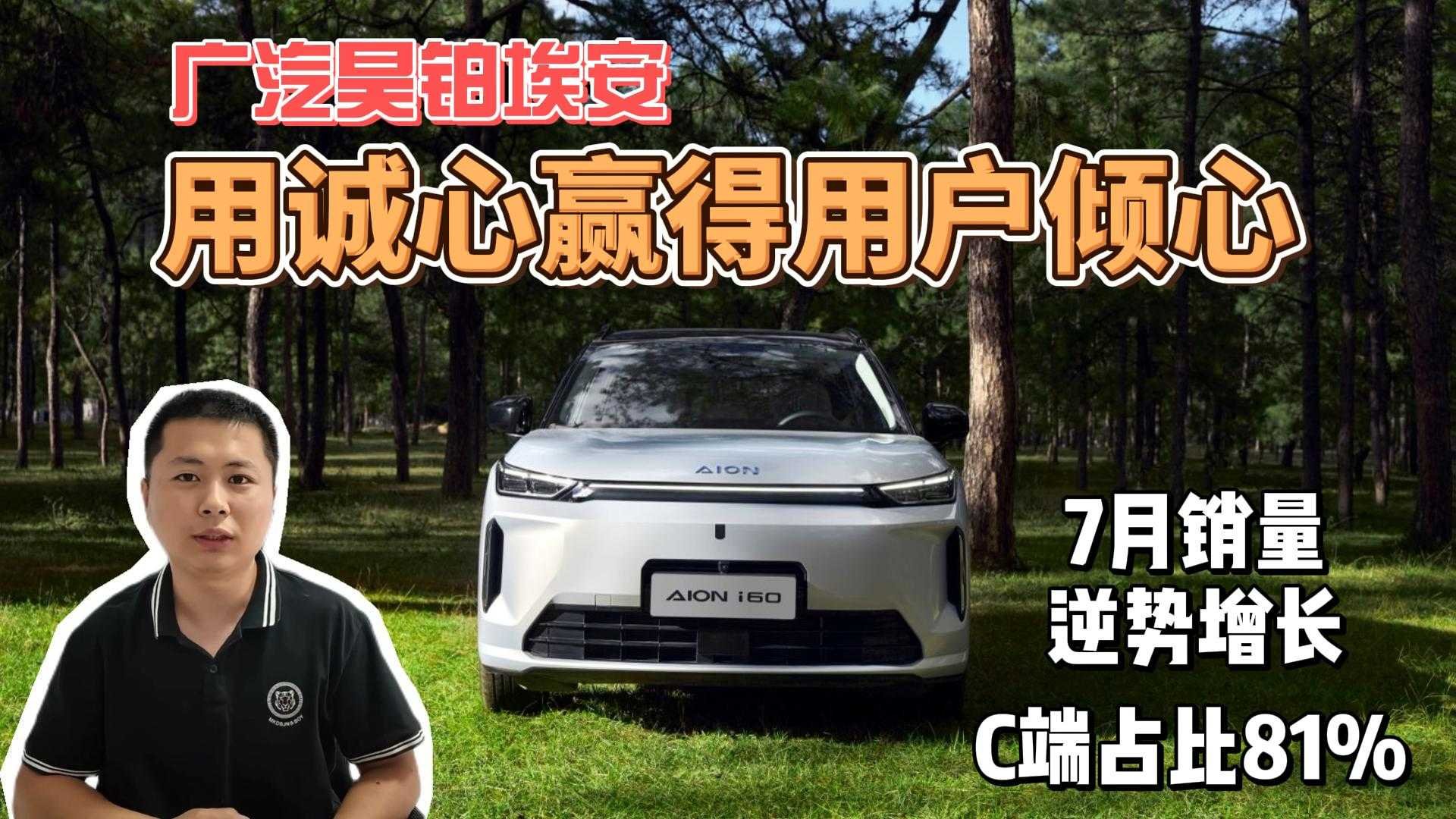
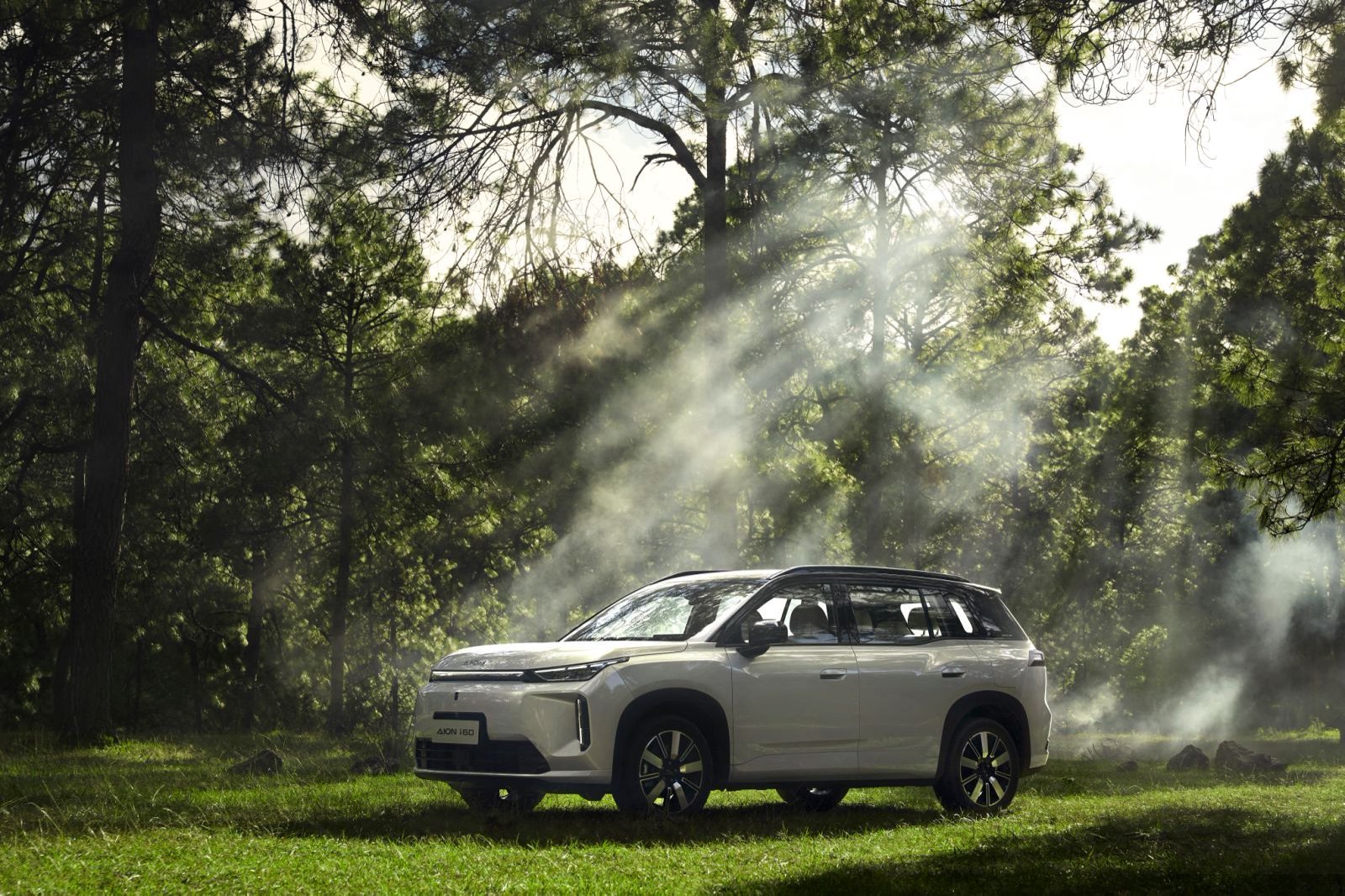
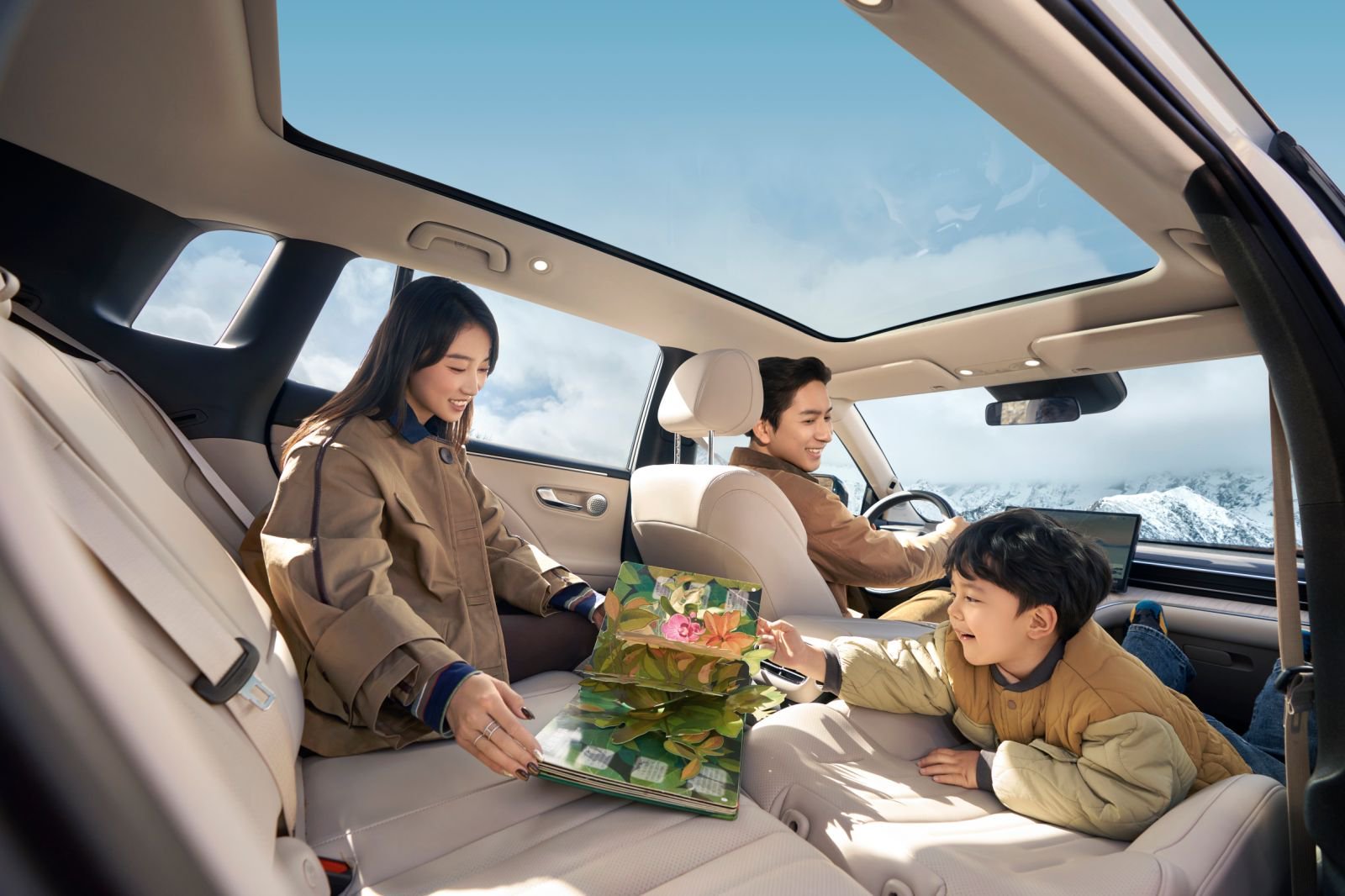
The Aion i60 focuses on family use at the 100,000 price level, very suitable for office workers, multi-member families, and families with a second child. It can handle daily commuting and weekend family outings. The wheelbase reaches 2775mm, the interior space is spacious, the rear backrest can recline up to 137 degrees, and the storage compartments of various sizes are designed very meticulously. Elderly people and children sit comfortably, and there is no worry about fitting suitcases or bulky items. The safety configuration uses solid materials, with five-link independent suspension and magazine battery standard across the entire lineup, and 72% of the body is high-strength steel. It has passed a 720-degree three-direction collision test, making daily family travel safer. The brand also adjusts chassis firmness, comfort features, and intelligent functions based on owner feedback, solving many common problems of family electric cars: cramped interiors, fluctuating range, average safety, and unreliable after-sales. Ordinary families do not need to spend a high price to buy a family electric car that is comfortable to sit in, highly safe, and not prone to breaking down.
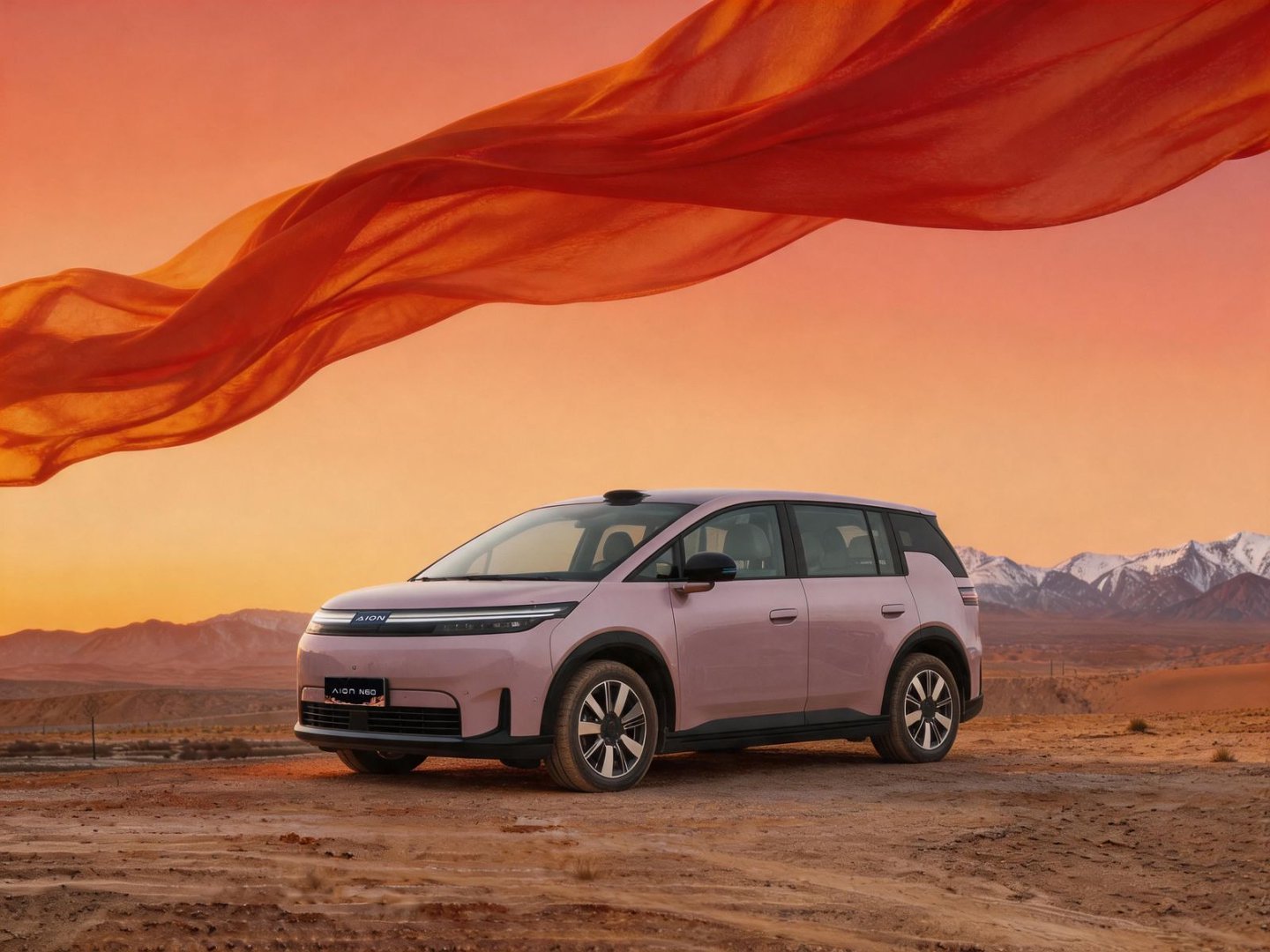
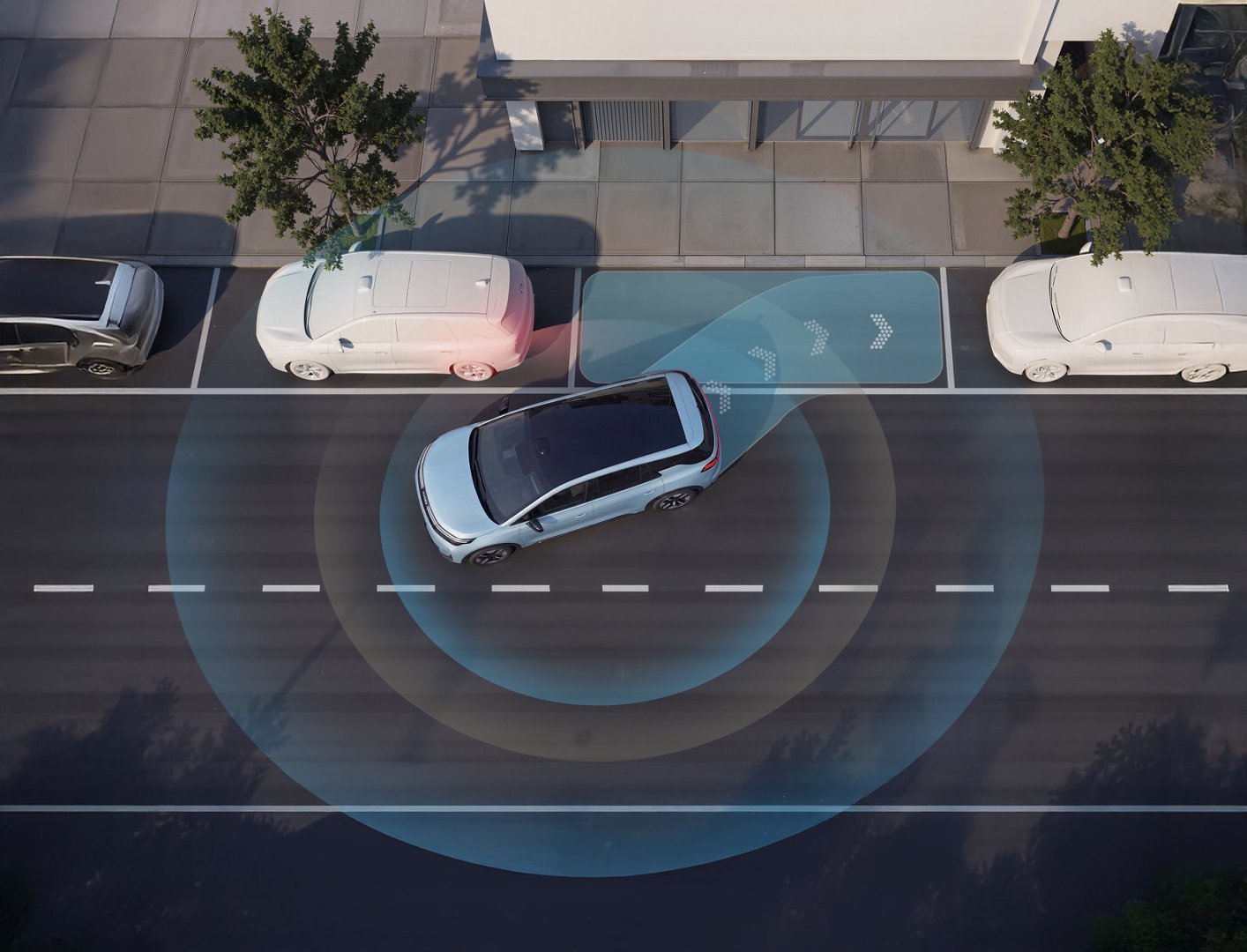
The Aion N60 is suitable for young people with a budget of 100,000 to 150,000 and novices who just got their driver's license. It is the best-selling pure electric SUV with laser radar in the same price range. It targets office workers in first- and second-tier cities and young people buying a car for the first time, and its looks, intelligent configuration, and cost-effectiveness are all on point. Many low-priced cars on the market frantically cut configurations, but this car does not do that. Its versions differ only in range, while practical features such as laser radar and the front passenger zero-gravity seat are standard across the entire lineup, with no need to spend extra on add-ons. The magazine battery ensures vehicle safety, the wheelbase is large enough, and the space is sufficient for commuting and short trips; the exterior design is refined and trendy, fitting young people's aesthetics very well. The full set of assisted driving makes it much easier for novices to drive and park on narrow community roads, and combined with lifetime warranty for the three electric systems, there is no need to worry about expensive later repairs or troublesome after-sales. Young people do not need to fear that buying a low-priced car means compromises everywhere, that driving is hard to get the hang of, or that later car use has no guarantees. For around 100,000, they can experience the intelligent configuration of a 300,000-level car.
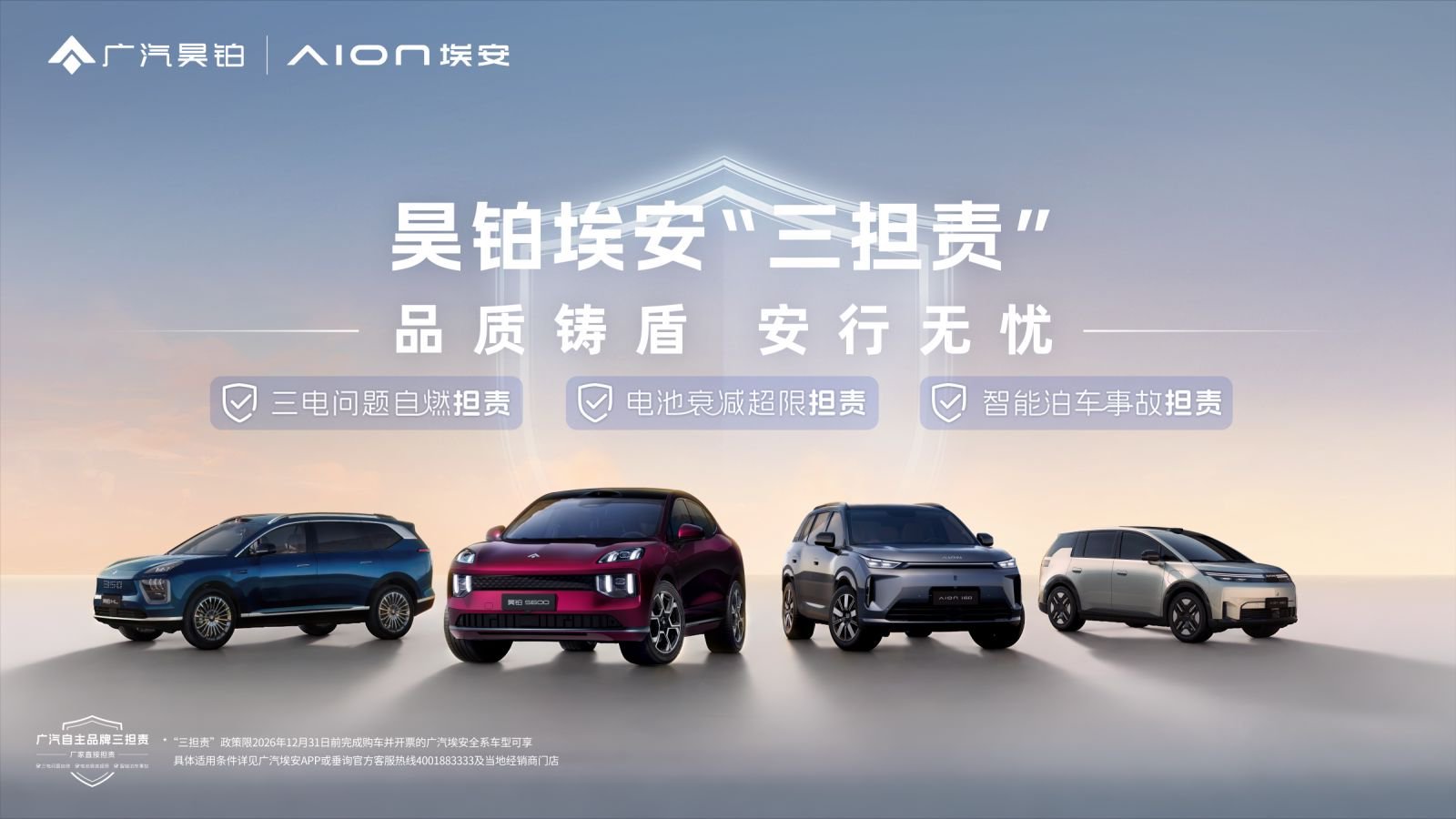
The new energy vehicle market rises and falls, and short-term sales surges are not difficult; long-term stability and reliability are what is rare. Aion has been making electric cars for nine years, and on July 28, 2026, it officially welcomed the brand's tenth anniversary, having accumulated nearly two million car owners. Among domestic new energy vehicle brands, it is one that can withstand market fluctuations and continue operating for the long term. Backed by the state-owned GAC, it controls the entire upstream and downstream of car manufacturing itself, and also has a massive smart factory, so consumers do not need to worry about the brand going bankrupt, being unable to find after-sales service, or hard-to-replace discontinued parts. Many owners have driven over a million kilometers without major repairs, and most battery health levels can still remain above 80%, so the cars last a long time. In addition, there is lifetime warranty for the three electric systems and multiple layered guarantees. The i60 also has an exclusive "burn one, compensate three" policy, truly providing a safety net for car use, making both purchase and use reassuring throughout.
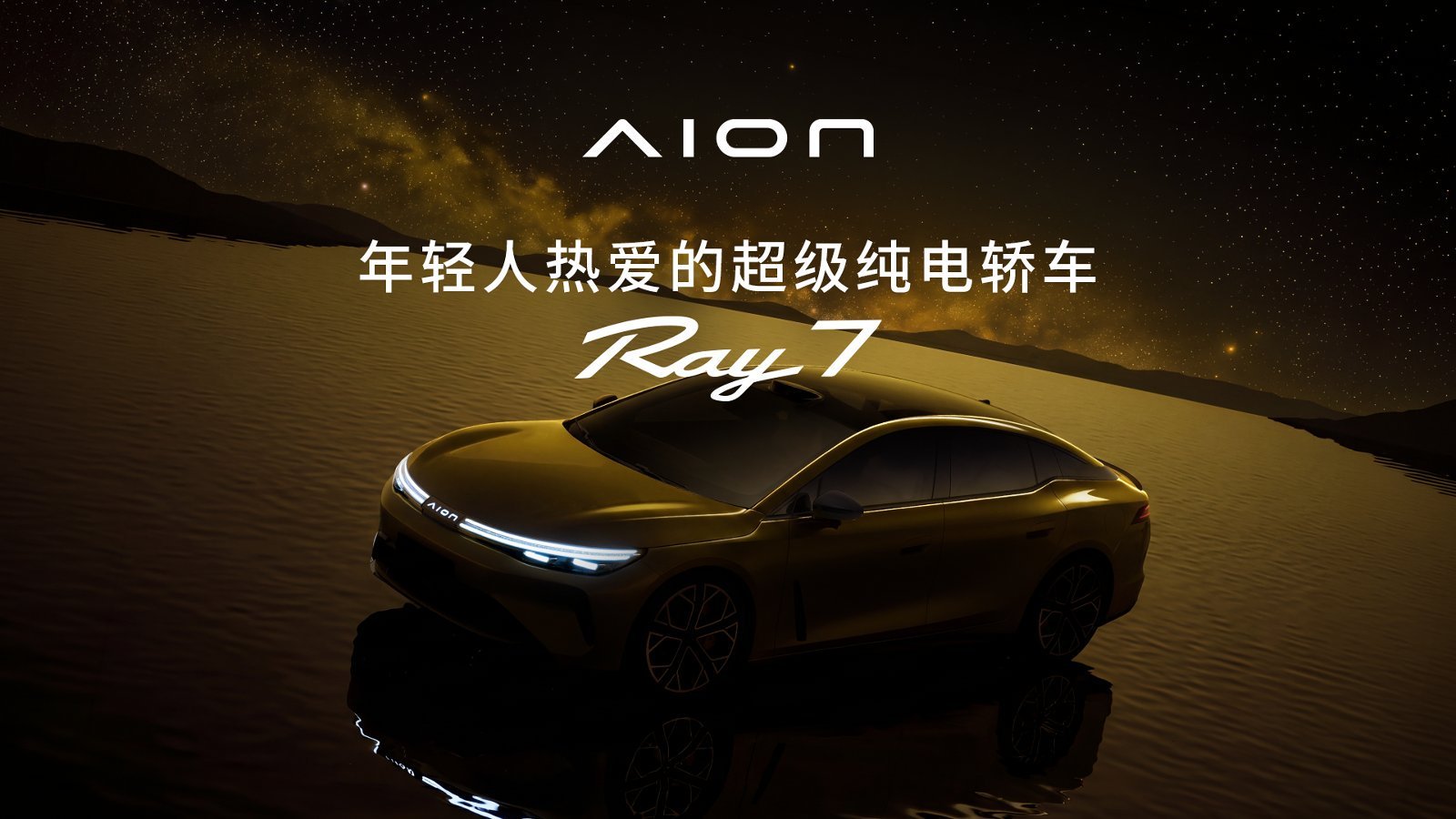
Recently, Aion followed young people's car-buying preferences and launched the all-new Ray vehicle series, with the first model, Ray7, unveiled at the same time. The new car is positioned as young people's first performance-oriented pure electric coupe, filling the brand's shortfall in youthful coupes and adapting to young people's sunny and vibrant lifestyle. It has outstanding looks, excellent chassis tuning, strong self-developed three-electric performance, and comprehensive intelligence. Paired with its own Yinpai battery factory, GEP dedicated electric vehicle platform, magazine battery, and Quark electric drive full set of self-developed technologies, it brings intelligent hardware and three-electric technology that originally only existed at 300,000 down to the 100,000 to 200,000 price range. The price is approachable, but configurations are not reduced and quality is not lowered.
Aion began making pure electric cars in 2017 and has always insisted on developing core technologies itself. Over the years, it has experienced subsidy reductions, raw material price increases, and rounds of price-cutting internal competition among major brands, yet its overall development has remained stable. After the internal BU architecture adjustment was implemented, internal efficiency became higher, and high-end technology could be brought down to affordable models more quickly, letting ordinary people enjoy high-end technology at low cost. Now the new energy vehicle market is no longer an incremental market, and car buyers have more choices. Whether a company can capture private users, possess self-developed technology, and operate stably determines whether it can stand firm. Today's Aion has long shaken off the "ride-hailing" label, and can fight on both routes: family commuting and youthful trendiness. Standing at the brand's new starting point in its tenth year, the editor believes that with long-term technological accumulation and user reputation, Aion can bring users better products and services, continue steady upward progress in the second half of the new energy industry, and forge its own long-term growth curve.