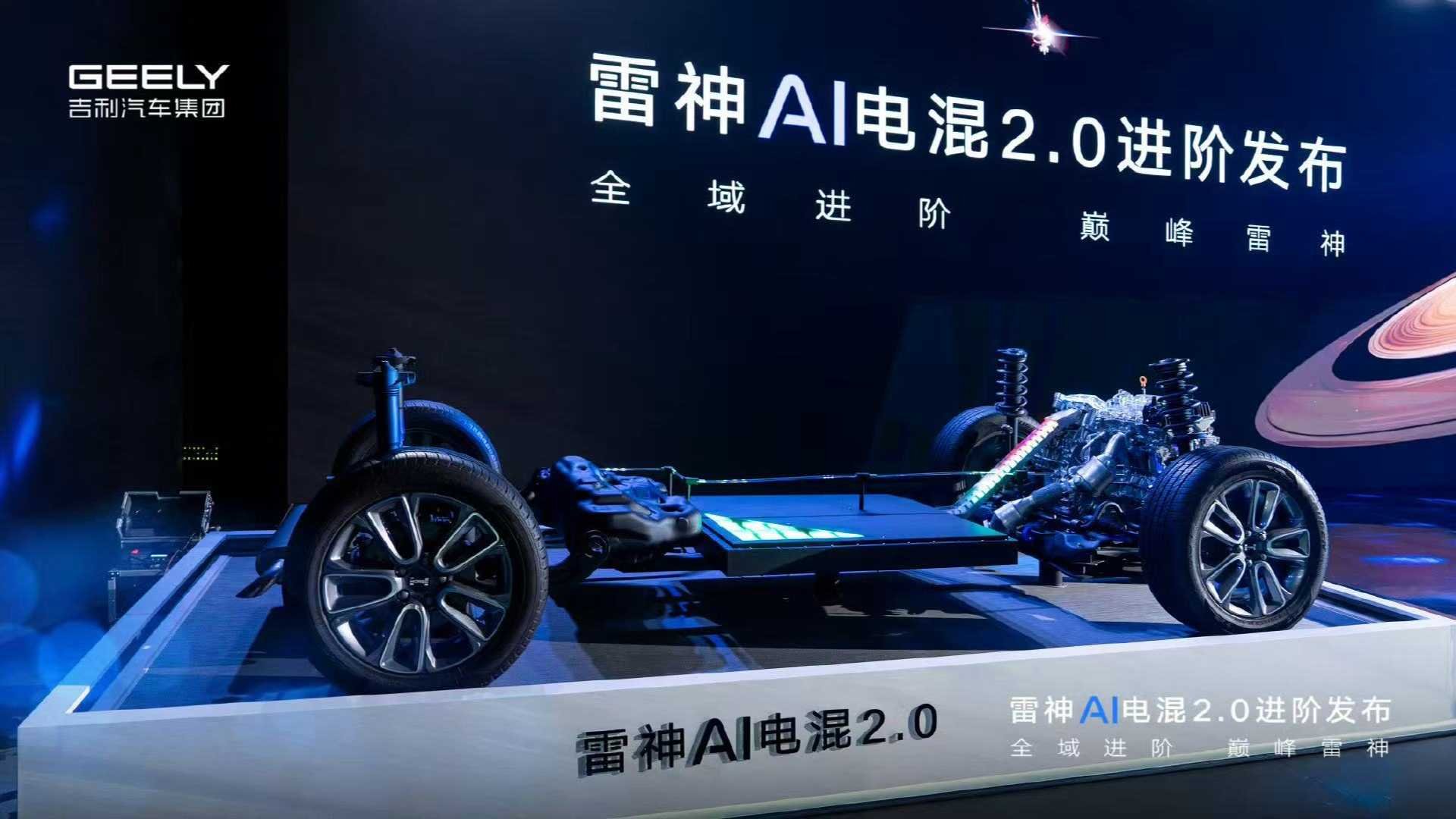
If you're looking at hybrids, especially in the around 100,000 price range, then Geely's Thor EM-i and BYD's DM-i are two technology systems you'll definitely focus on. Although both systems belong to hybrid technology, they still differ considerably in technical direction, real-world performance, and pricing positioning, so how should you choose? Code Jun will put together a comparison summary.
⚙️Technical Route and Intelligence
Thor EM-i:
AI-driven: the system comes with "smart energy management," which can make real-time adjustments based on road conditions, navigation, and driving habits, such as automatically reducing how often the engine intervenes in congested sections, and storing battery power in advance on long trips to handle climbs.
Redundant safety design: the first to make the engine and P1/P3 motors mutually backup, so the vehicle can still drive normally if a single component fails, reducing the risk of high-speed power loss.
BYD DM-i:
Simple and reliable structure: the single-speed DHT structure is mature, and power output is smooth, but the level of intelligence is somewhat weaker, with oil-electric switching relying more on preset logic.
Outstanding battery safety: the Blade Battery passed the nail penetration test and performs excellently in thermal runaway protection.
Summary: Thor EM-i is more advanced in intelligent anticipation and power redundancy, while DM-i wins on mature structure and a good battery safety reputation.
⚡Performance
Urban road conditions:
Thor EM-i has 140 km of pure electric range, low electricity consumption in congested sections (about 12 kWh/100 km), and relatively good engine startup noise control.
BYD DM-i has 120 km of pure electric range and fuel consumption in congestion of about 3.5 L/100 km, but the noise is slightly more noticeable when the engine intervenes.
High-speed scenarios:
Thor EM-i has high-speed direct-drive fuel consumption of 4.2 L/100 km, and AI can store battery power in advance to handle climbs.
BYD DM-i has high-speed fuel consumption of 4.5 L/100 km, and later-stage acceleration appears slightly weak.
🛡️Safety and Reliability
Thor EM-i:
Power redundancy design + ShenDun short blade battery (passed the "8-needle simultaneous puncture" test), with outstanding safety performance.
BYD DM-i:
Relies on the high safety of the Blade Battery, but has not disclosed a power redundancy mechanism, and system stability depends on electronic control.
💰Price and Market Positioning
Thor EM-i:
Focuses on cost-effectiveness, with representative models such as the Galaxy L6 EM-i starting at 79,800 yuan, featuring rich equipment including L2 intelligent driving and seat massage.
BYD DM-i:
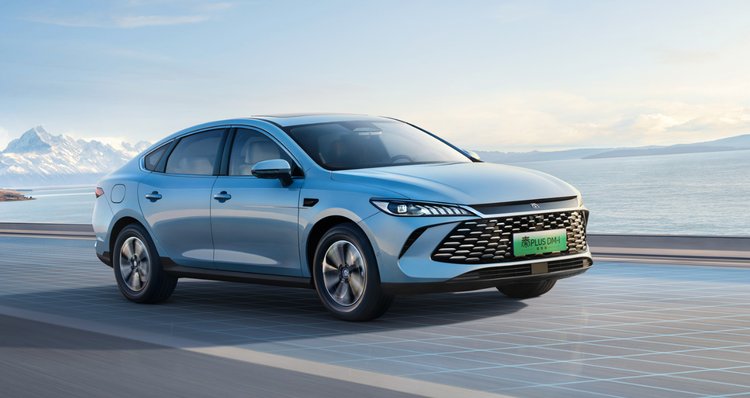
Has obvious brand premium, with the Qin PLUS DM-i starting at 99,800 yuan, but more than 5,000 after-sales outlets, giving it an advantage in value retention and maintenance convenience.
💎Code Jun's comment: How to choose more suitably?
Choose Thor EM-i if:
You pursue extreme fuel savings (especially with a lot of long-distance commuting); ✅
You are budget-sensitive and want high equipment at a low price; ✅
You value the sense of security brought by AI anticipation and power redundancy; ✅
Recommended model: Galaxy L6 EM-i, the king of cost-effectiveness in the 100,000 class.
Choose BYD DM-i if:
You trust mature technology and market reputation more; ✅
You value nationwide warranty service and used-car value retention; ✅
You have extremely high requirements for battery safety; ✅
Recommended model: Qin PLUS DM-i, with million-level sales and zero maintenance anxiety.


