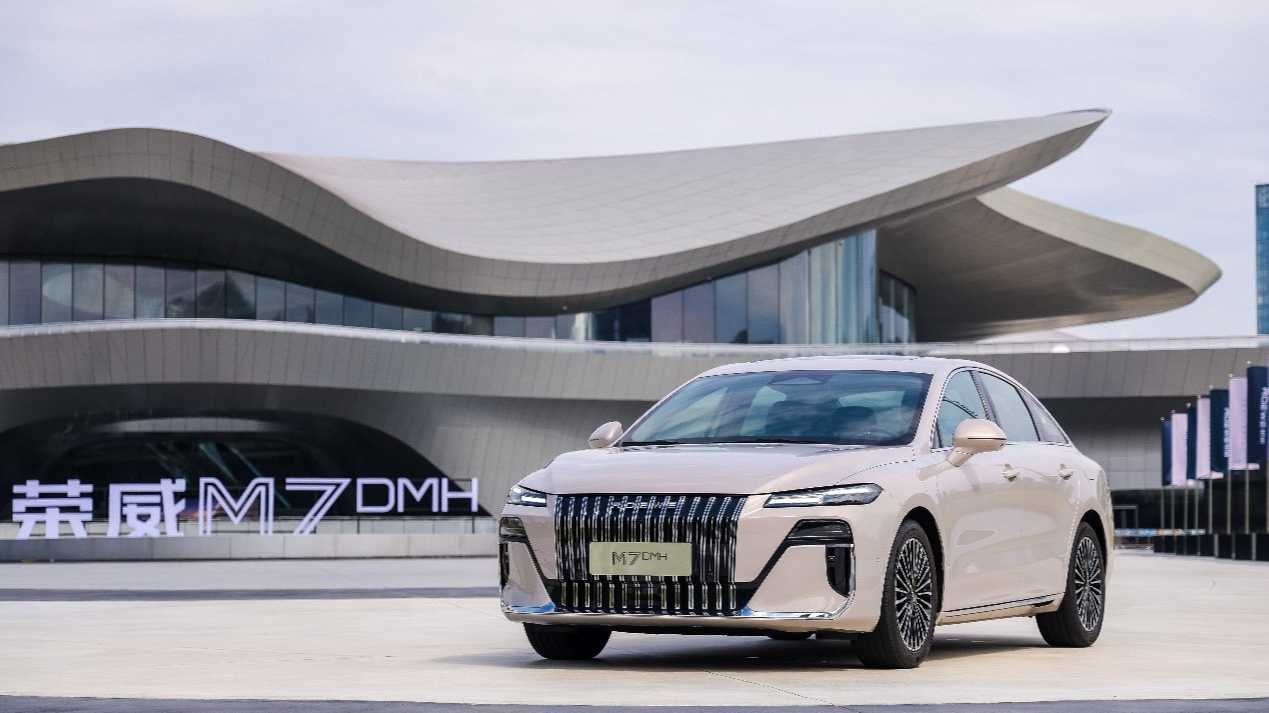
After being announced and pre-sales opened at the Chengdu Auto Show, the Roewe M7 DMH quickly became a highly talked-about model in the 100,000-yuan new energy family sedan market. On September 17, the Roewe M7 DMH was officially launched, with a limited-time special price starting at 85,800 yuan. We also conducted an in-depth road test drive of this car at the first opportunity. Today, let's set aside the data on those spec sheets and talk about how it actually drives.
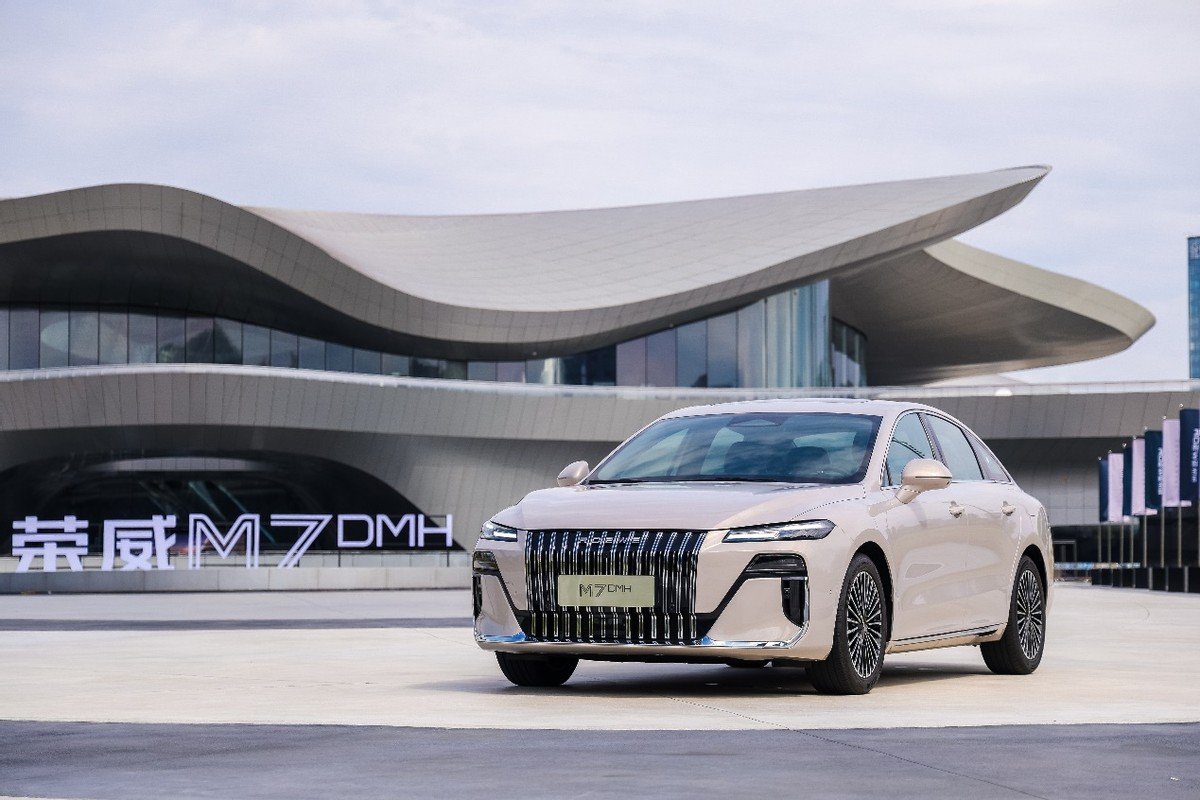
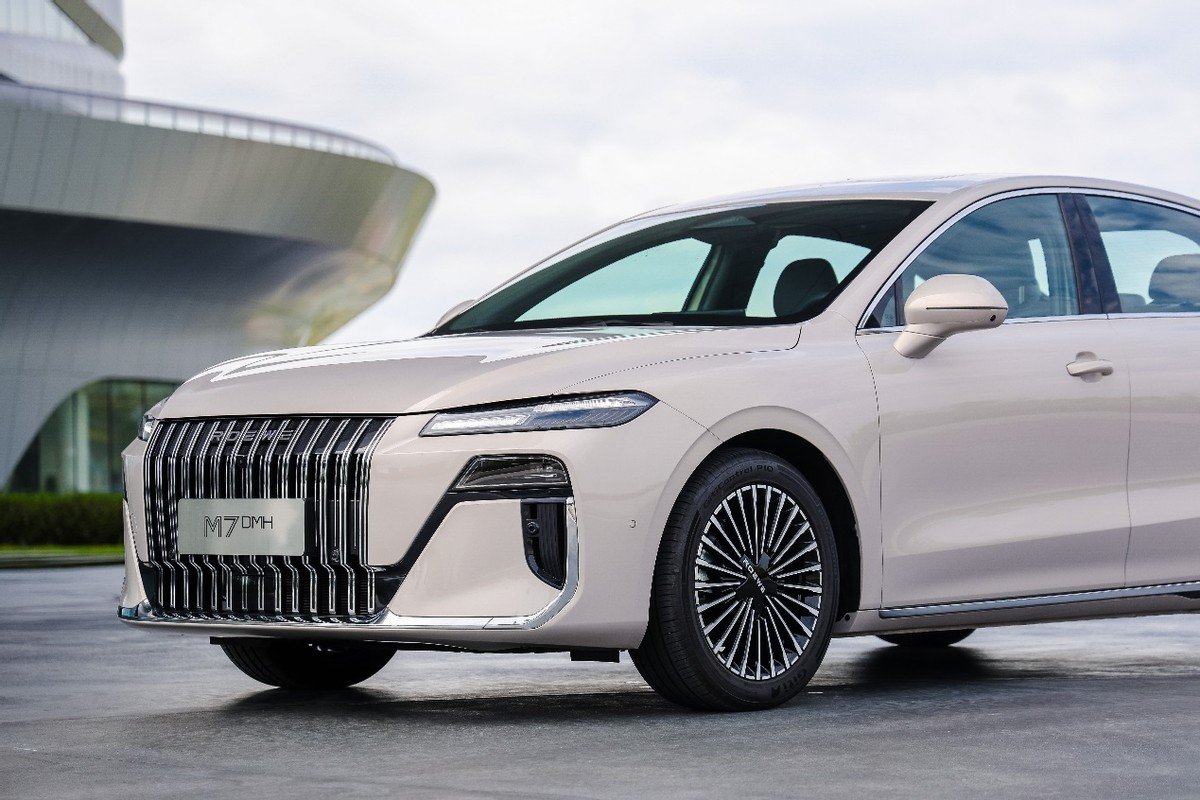
Power performance: smooth and plentiful, balancing all scenarios
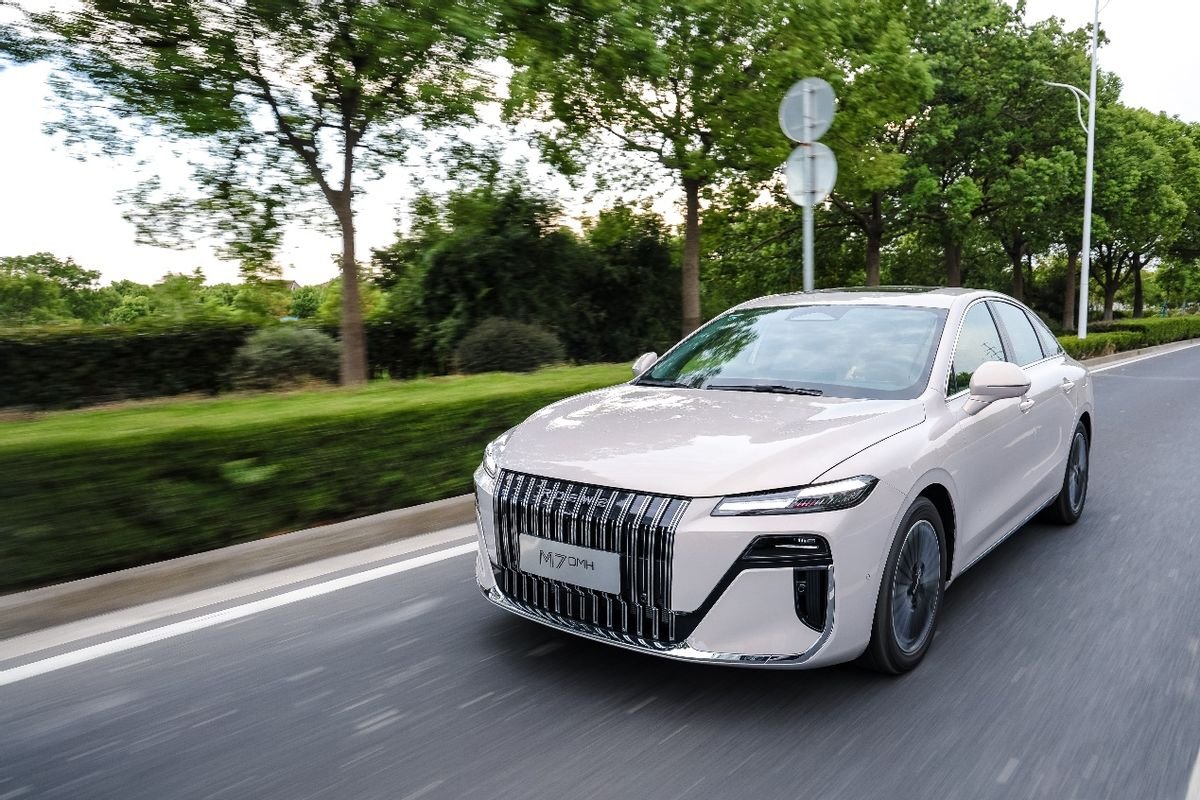
Starting the vehicle, the first thing you notice is the power delivery style of this DMH 6.0 super hybrid system. The system is based on a 1.5L hybrid-dedicated engine, and the electric motor's maximum torque reaches 330N·m, which is no effort at all for propelling this B-segment sedan. At low and medium speeds in the city, the power response is brisk and direct, the output is steady, and the accelerator follows the pedal closely, without the surging sensation that many pure electric models tend to have. In Sport mode, the power response is a bit more eager, but overall it still prioritizes smoothness, which suits its positioning as a family sedan. Entering highway sections, mid-range acceleration remains effortless, and the power reserve is more than enough for daily use. It is worth mentioning that even at a low state of charge, the vehicle's overall power output does not show obvious degradation, which is very important for the actual user experience of a plug-in hybrid model.
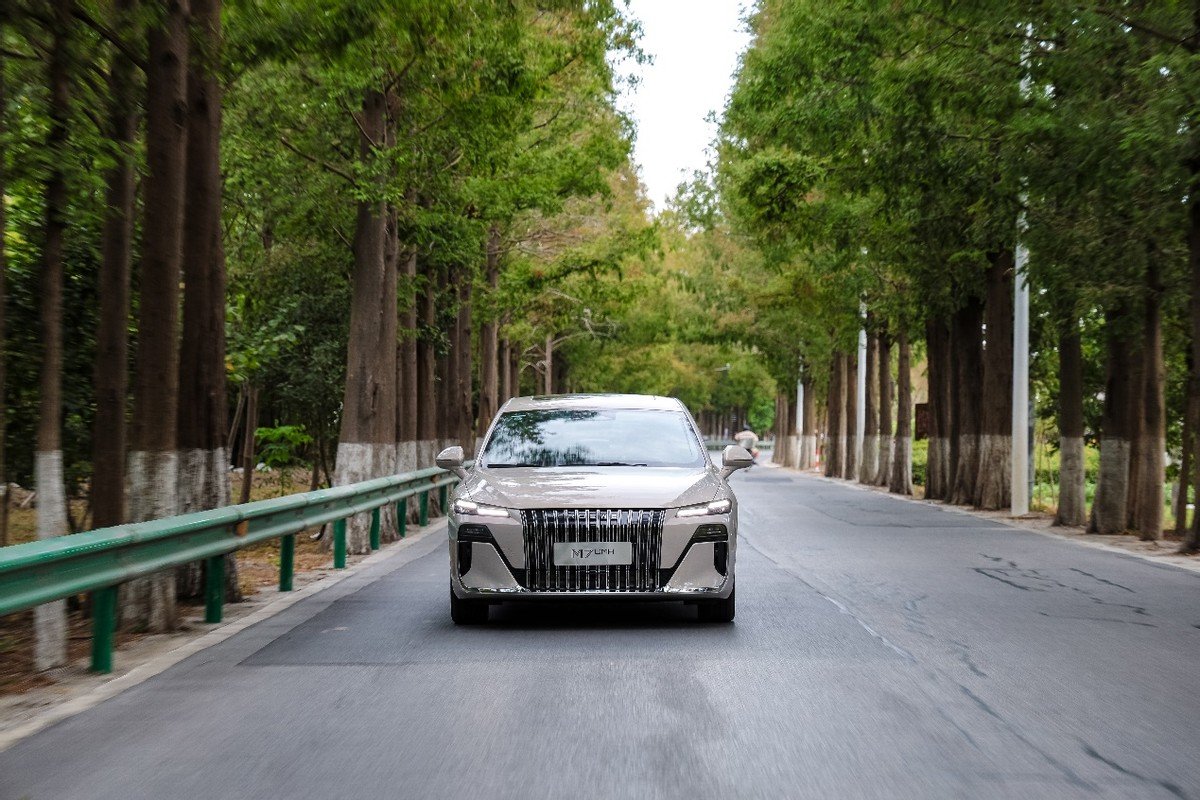
Chassis feel: class-leading comfort, intelligent adaptive
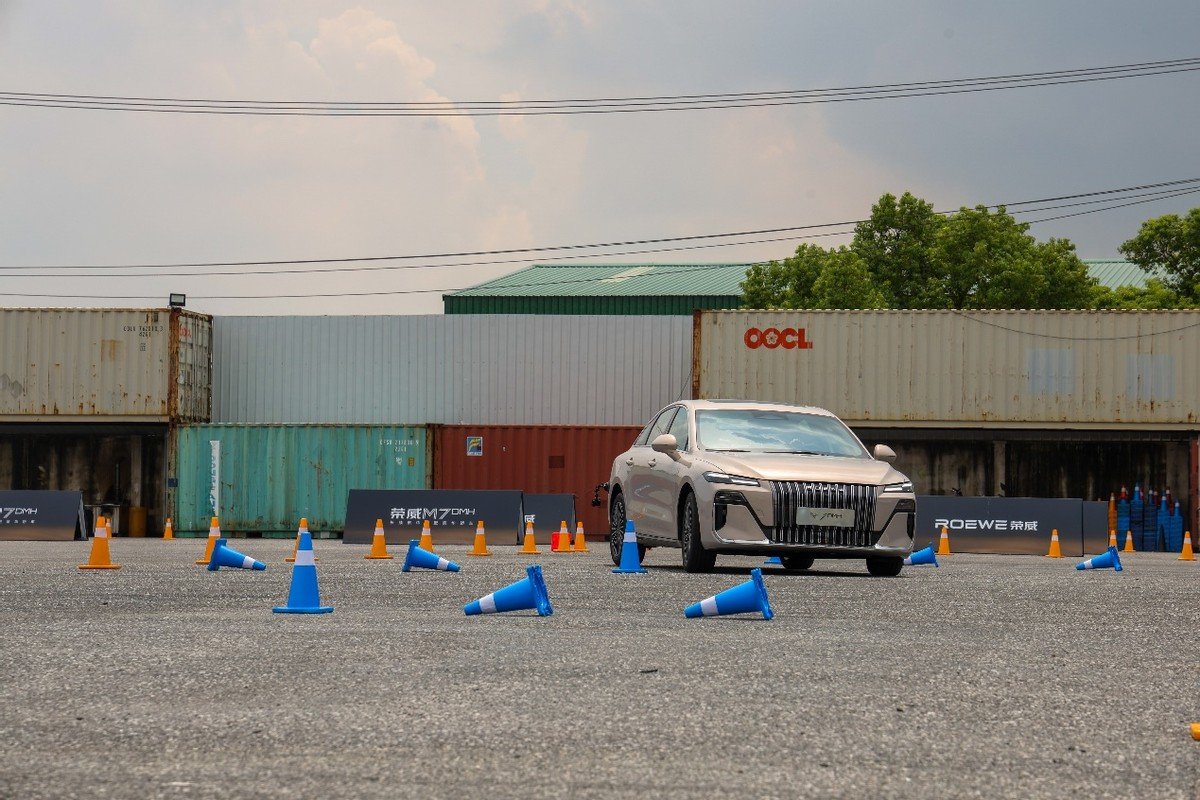
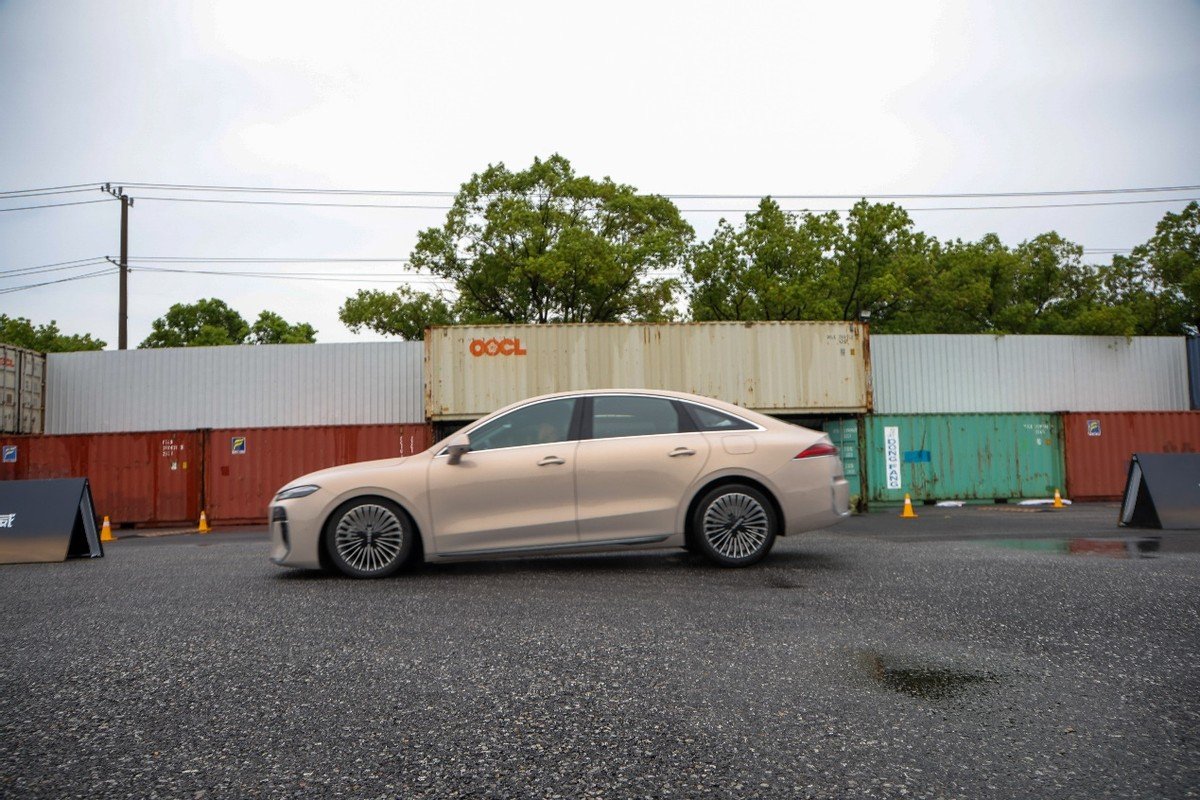
What is truly surprising is the chassis performance. The Roewe M7 DMH adopts a front MacPherson and rear multi-link suspension layout, and the top-trim model we test drove is also equipped with mCDC intelligent damping-adjustable suspension. In actual driving, the chassis handles the road surface quite maturely, filtering out fine vibrations very cleanly. When passing over broken pavement or speed bumps, the suspension system absorbs impacts steadily, the body has no excessive sway, and the overall sense of solidity is strong. In corners, the suspension provides sufficient support, body roll is kept within a reasonable range, and it gives the driver good confidence.
mCDC system: AI preview, intelligently handling complex road conditions
The addition of the mCDC system further improves the chassis's adaptability. In Comfort mode, the suspension is more inclined to absorb road irregularities and provide a soft ride; after switching to Sport mode, the damping clearly becomes firmer, road feel is clearer, and the body's dynamic response is also more active. In actual experience, when passing over continuous uneven surfaces at low speed, the AI preview function perceives the road undulations in advance and adjusts the damping, making the body more stable and the impacts softer. Of course, when passing at higher speed, its advantage is less obvious.
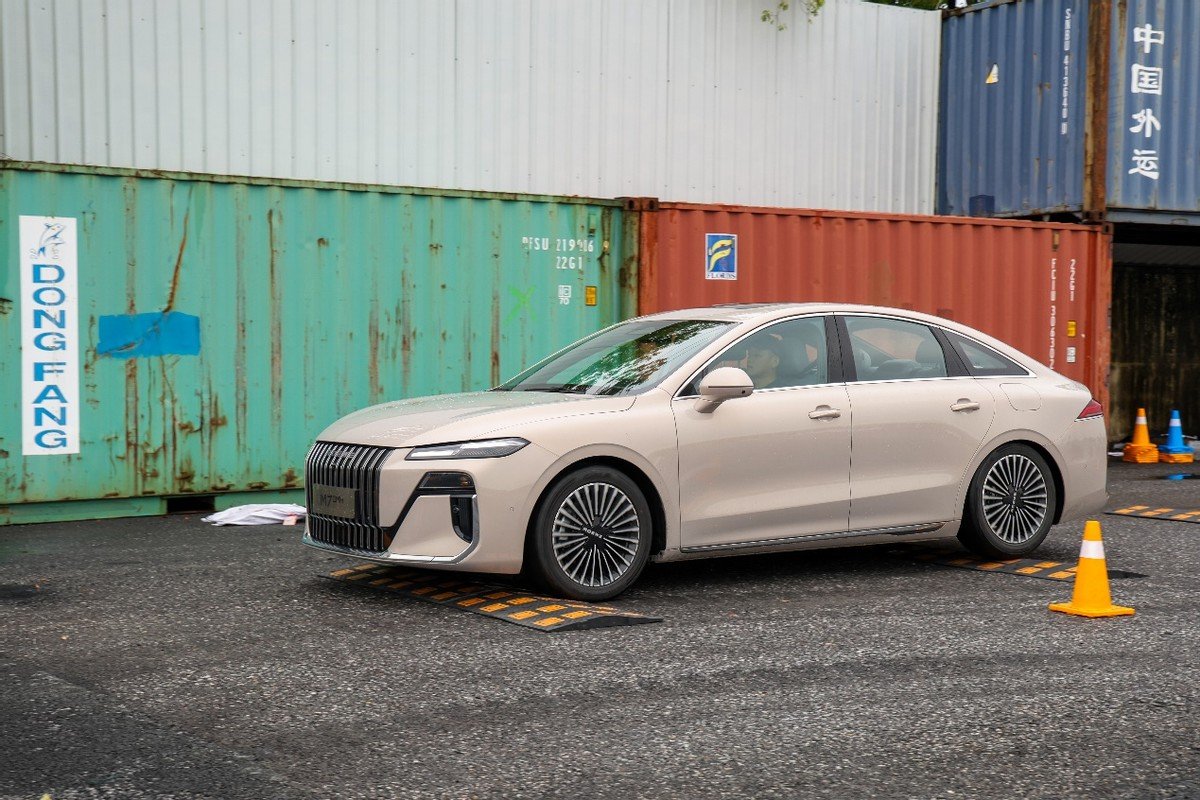
Steering feel: light and precise, comfort-oriented for family use
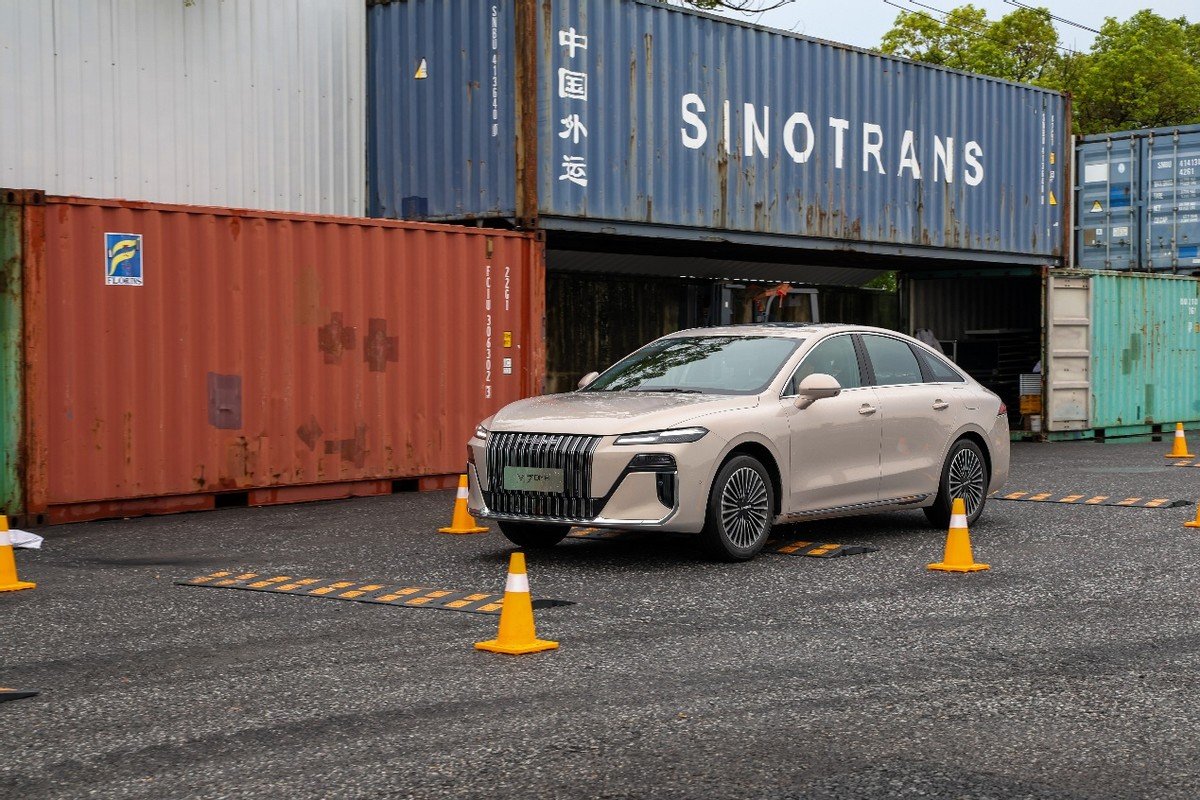
The steering system is clearly tuned toward a family-comfort style, with light and uniform effort, making daily driving easy and effortless. Although steering precision is not sport-oriented, the front end responds promptly and the body follows well, so it does not feel cumbersome to drive.
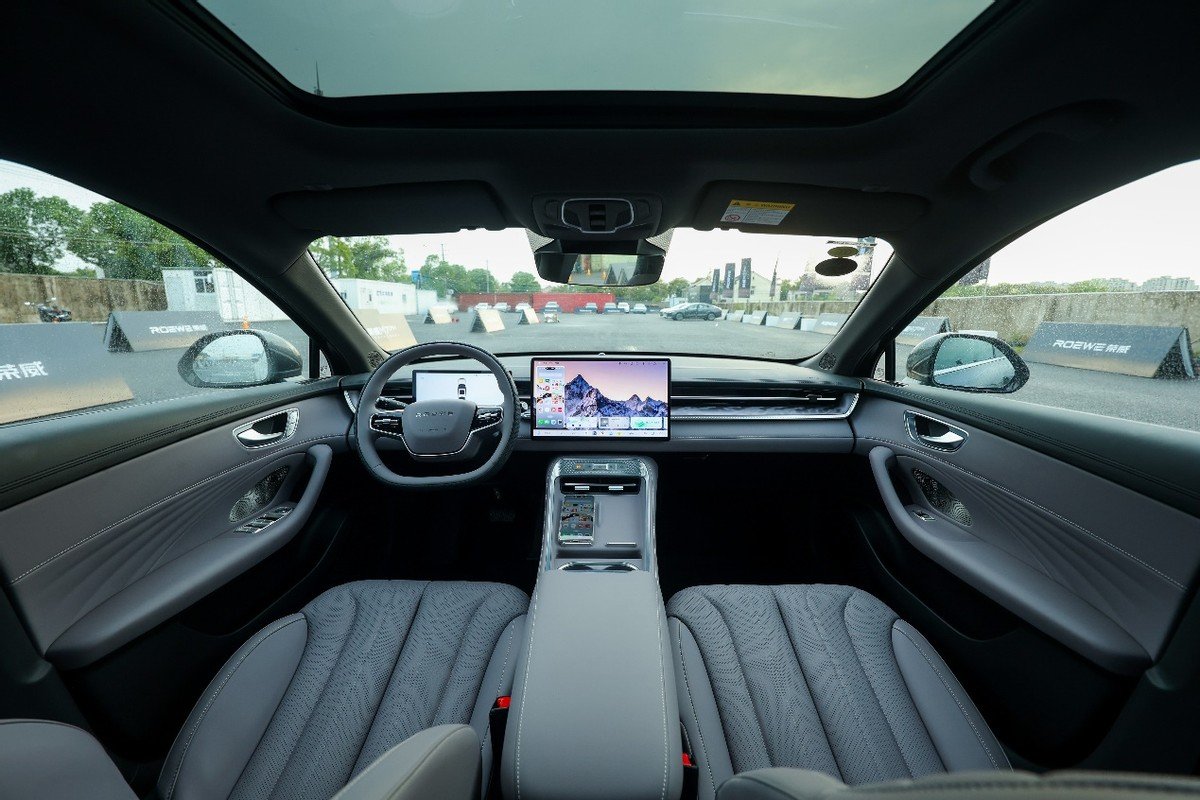
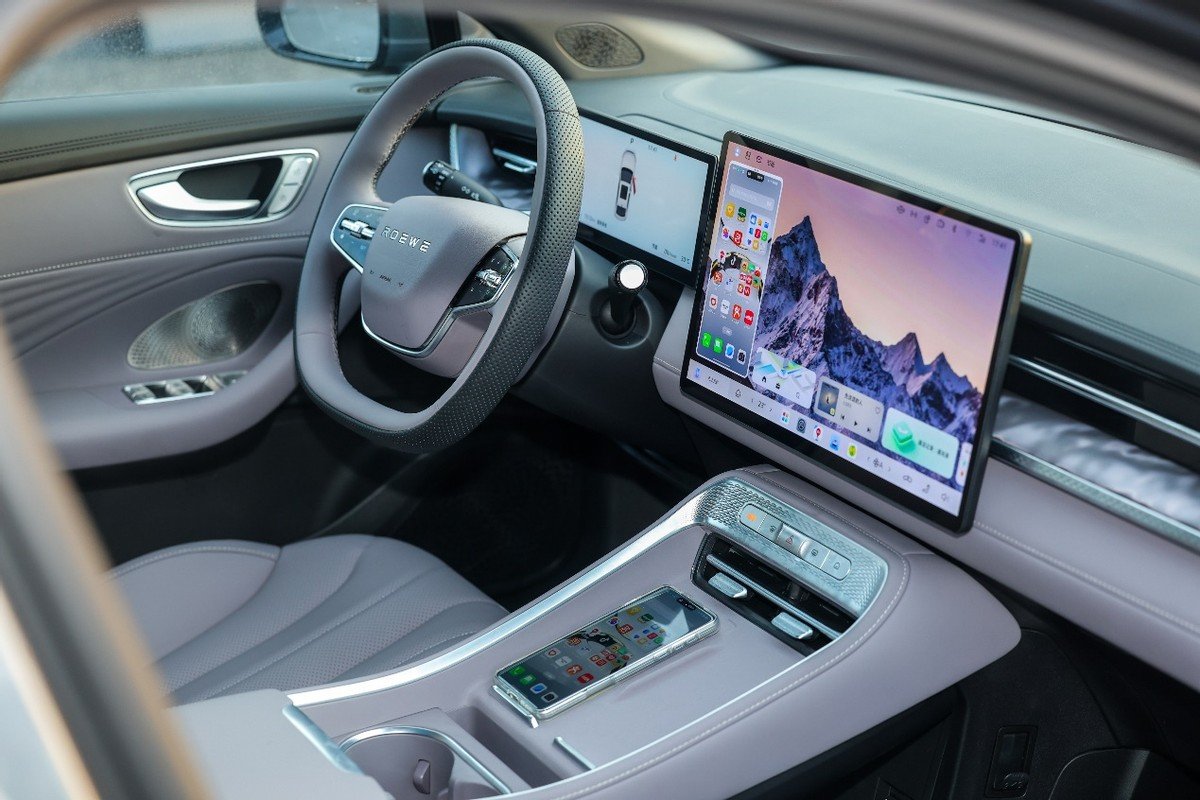
NVH performance: quiet cabin, comfortable ride quality
The vehicle's overall NVH performance is also commendable. On city roads and during highway cruising, wind noise and road noise are both kept at low levels, and the vibration and noise isolation when the engine starts are also quite good. The cabin always maintains good quietness, providing passengers with a comfortable environment for conversation and rest.
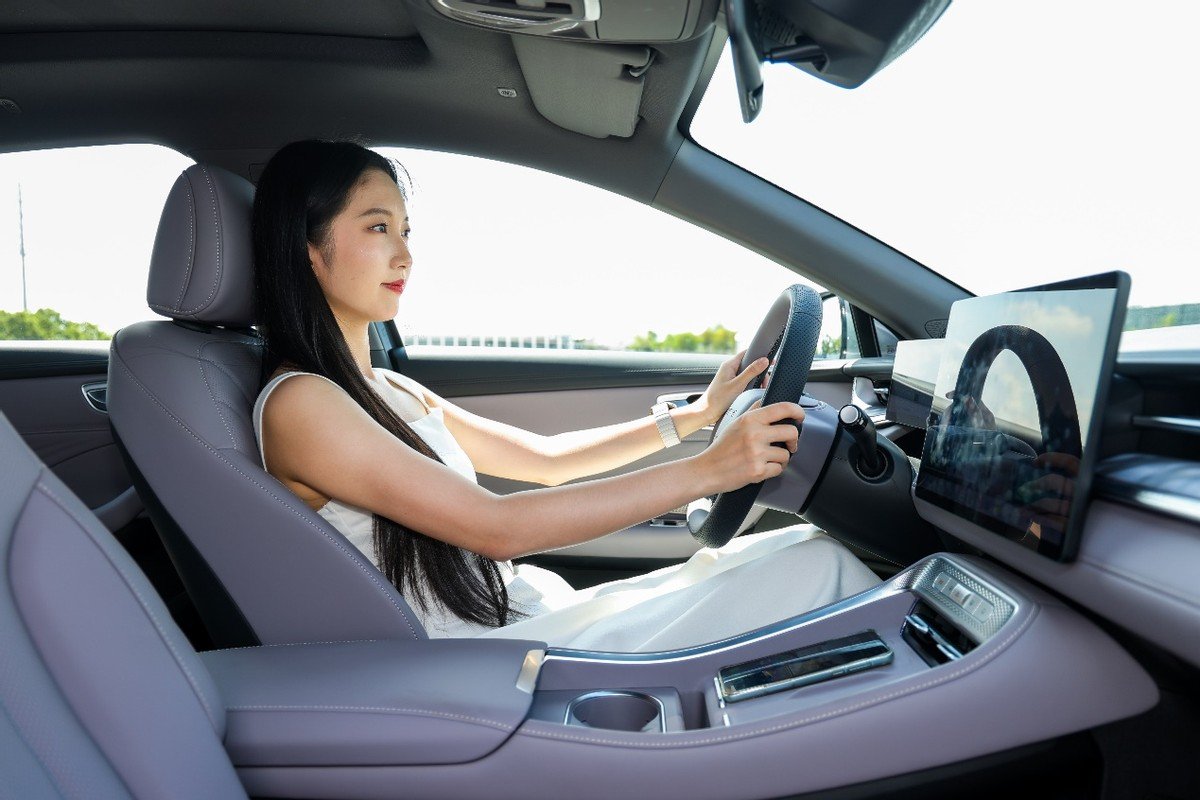
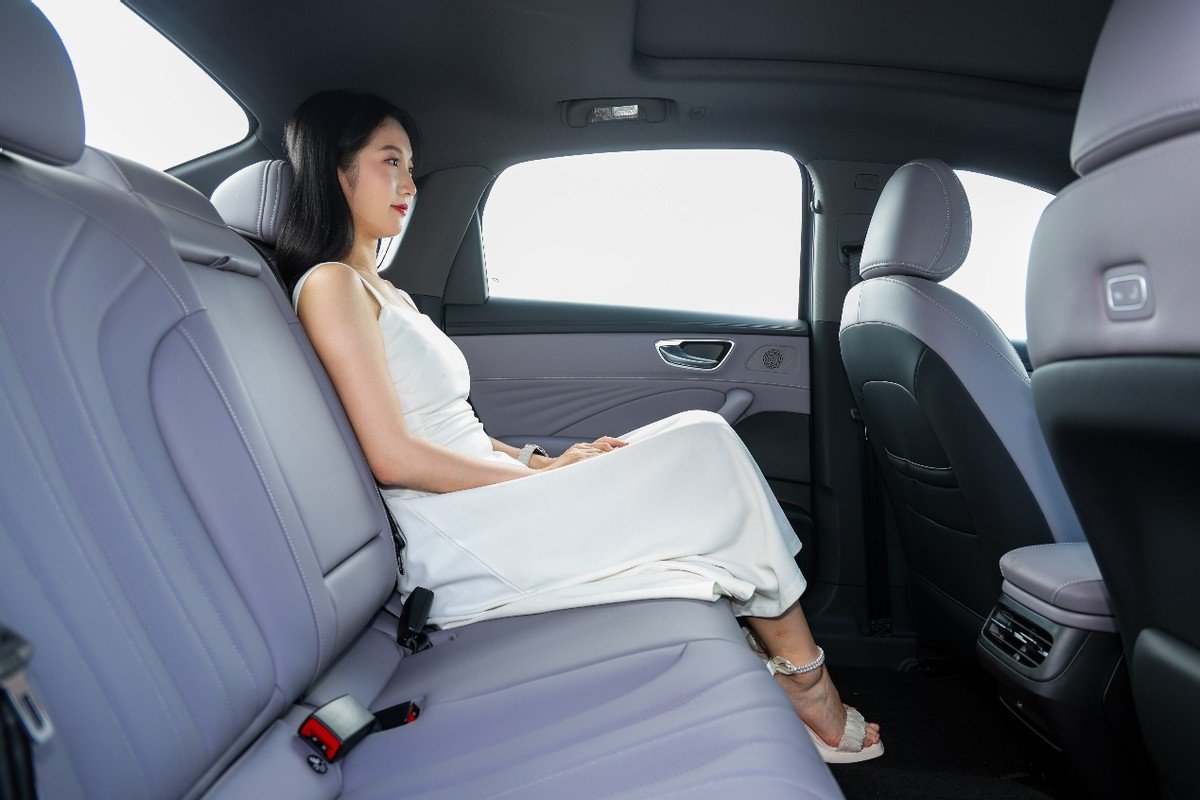
Static experience: comfortable seats, convenient car-machine connectivity
There are also a few points in the static part worth mentioning here. The seat comfort is very satisfying, with padding that is moderately soft and firm, offering sufficient support and making long rides less tiring. The design that allows the front passenger seatback to fold forward is a highlight, providing rear passengers with more flexible seating options. The car-machine system operates smoothly, voice recognition success rate is high, and cross-device connectivity also covers mainstream phone brands. The actual user experience is worthy of recognition.
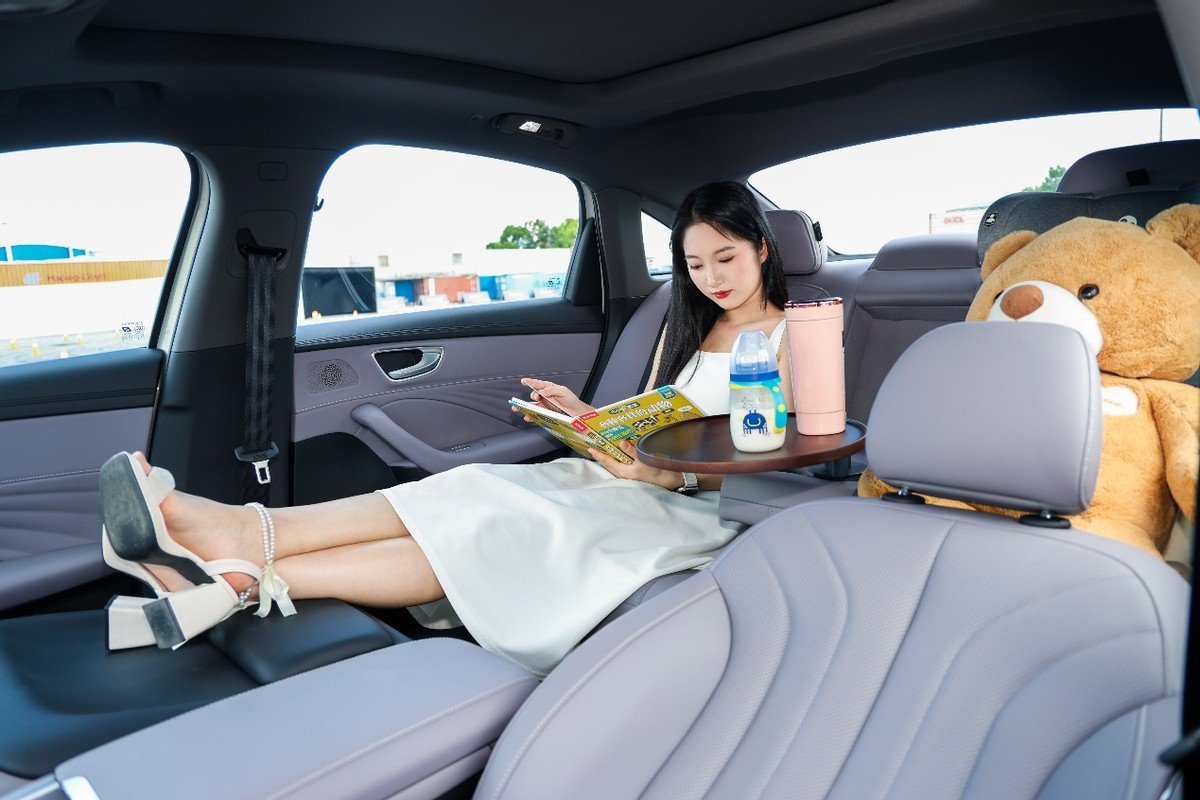
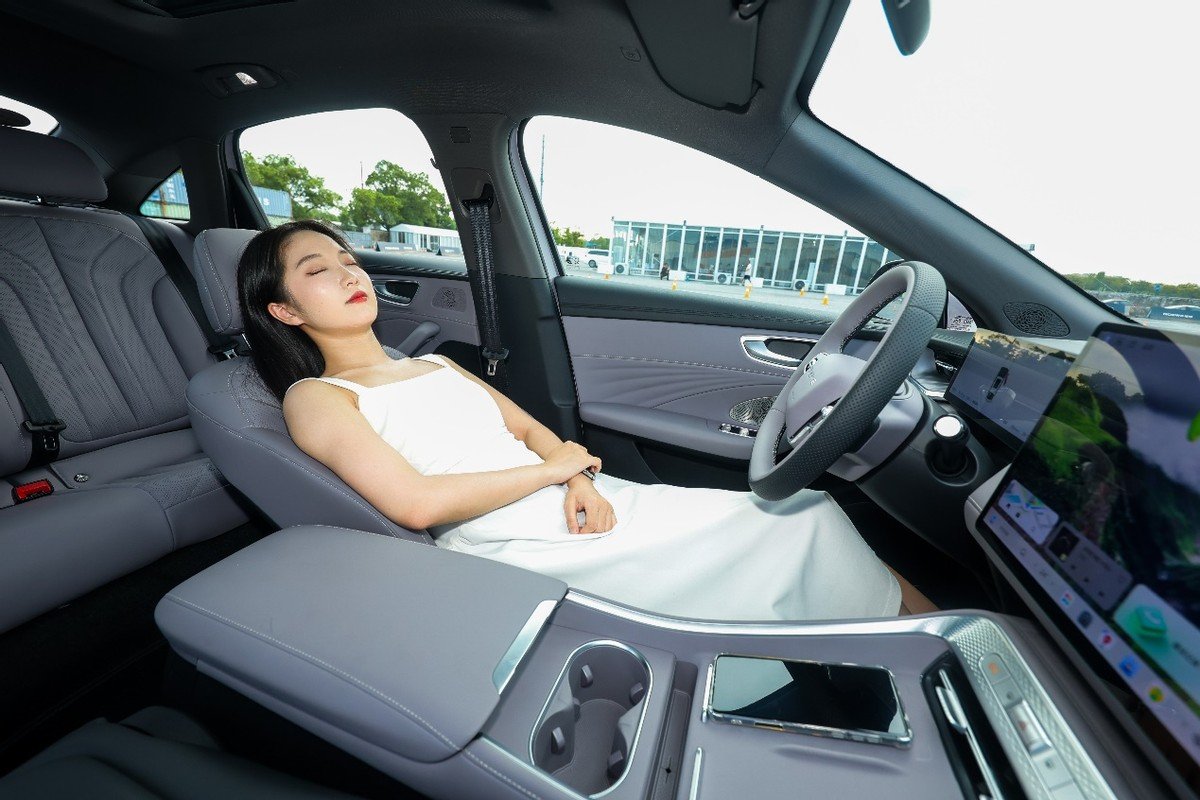
Dada review: balanced strength, a new choice among plug-in hybrid family sedans
After a comprehensive test drive, the deepest impression left by the Roewe M7 DMH is its balanced product strength and class-leading driving quality. It does not deliberately pursue extreme performance in any one area, but instead finds a good balance among power performance, energy efficiency, ride comfort, and driving quality. If you are looking for a plug-in hybrid family sedan in the 100,000-yuan class and value comfort and quality in daily use, then the Roewe M7 DMH may be worth a visit to your local 4S store for a test drive.


