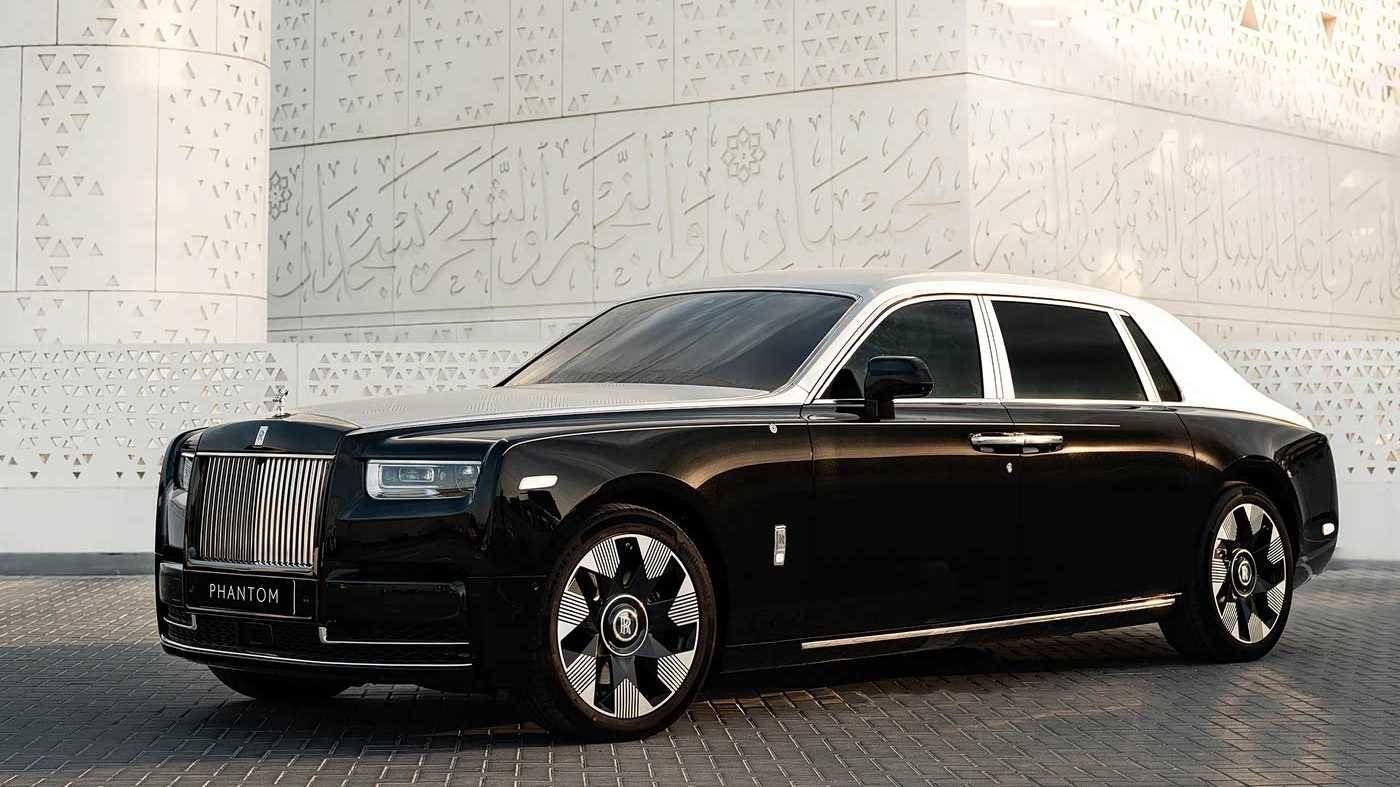
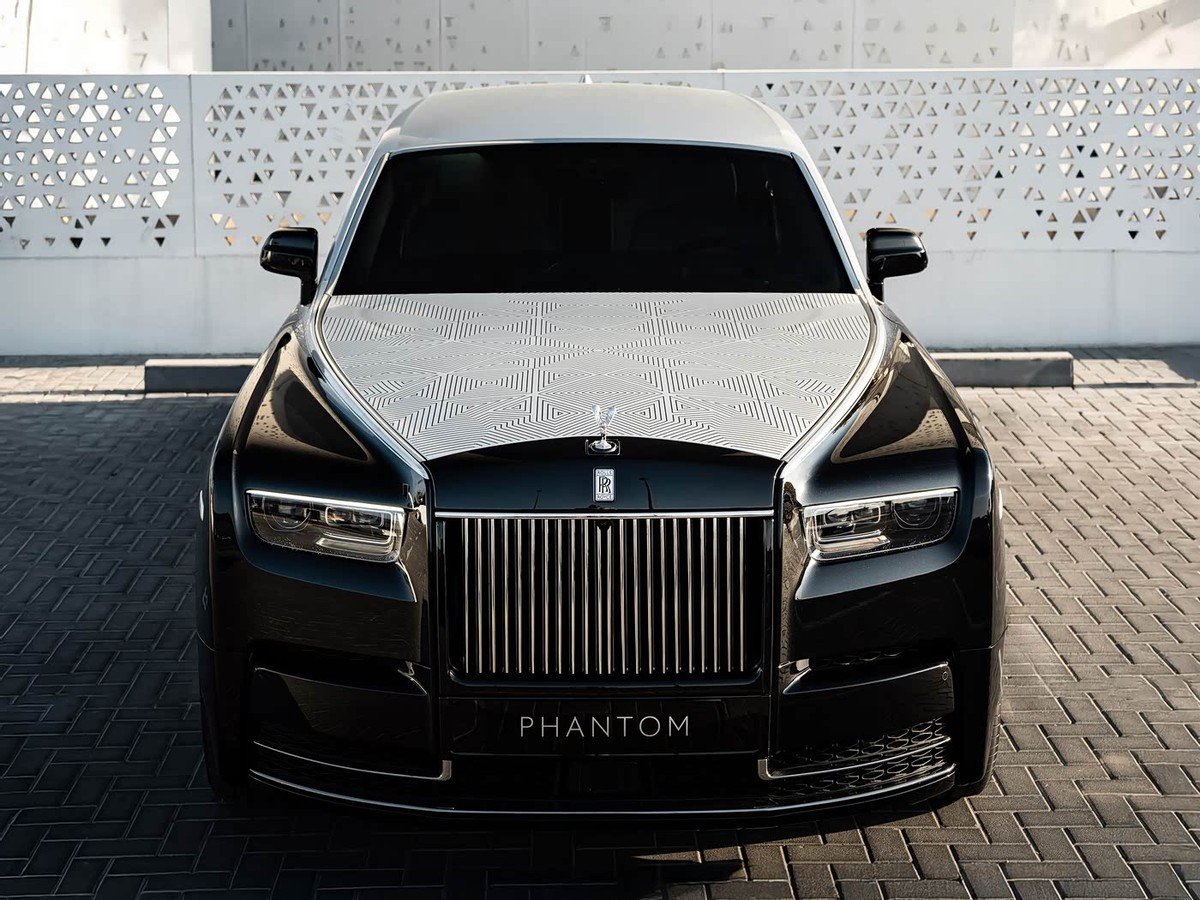
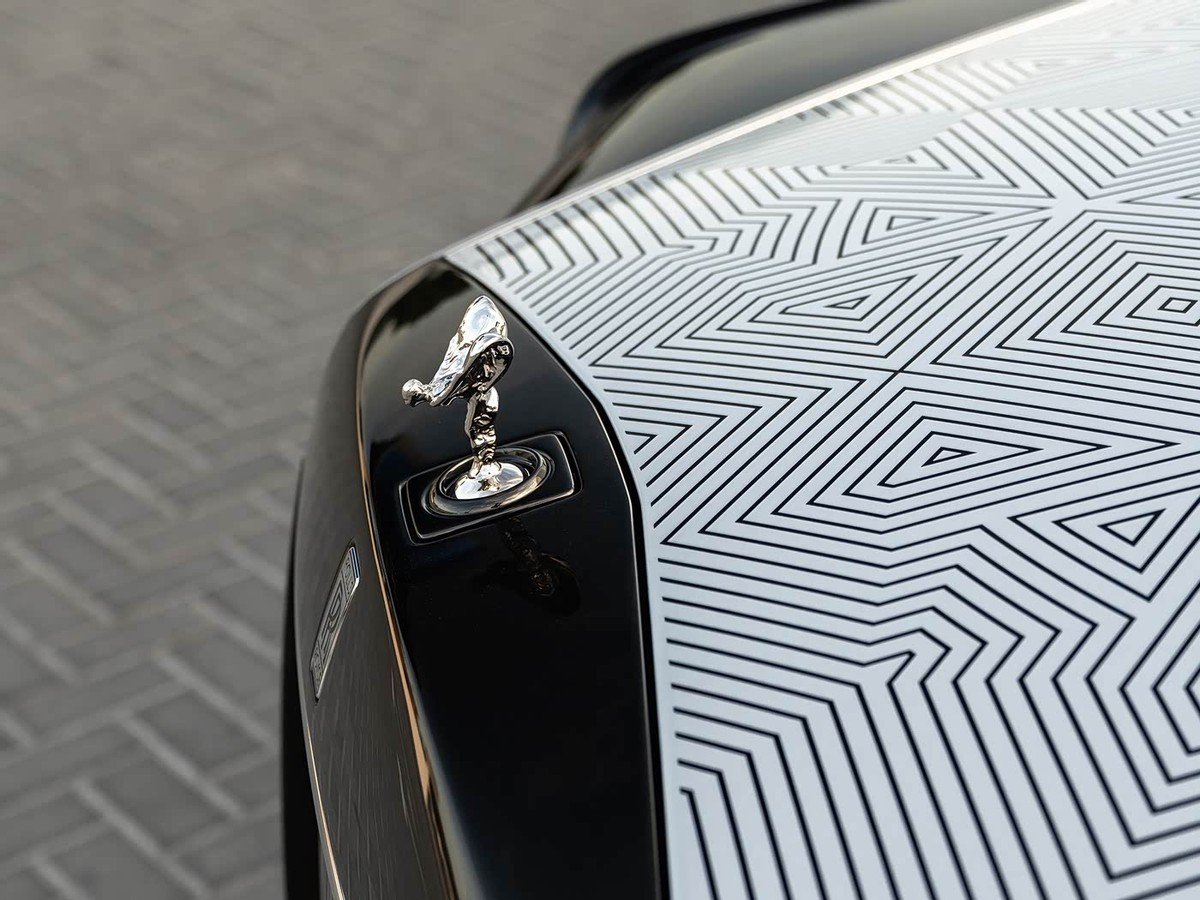
Recently, the Rolls-Royce Phantom Arabesque, designed by the Rolls-Royce Dubai Private Office, was officially unveiled. The new car is built on the Rolls-Royce Phantom Extended Wheelbase and features laser engraving on the hood, with the engraved pattern paying tribute to the vine and geometric decorative patterns in Middle Eastern architecture. The car has now been delivered to a customer in the Middle East.
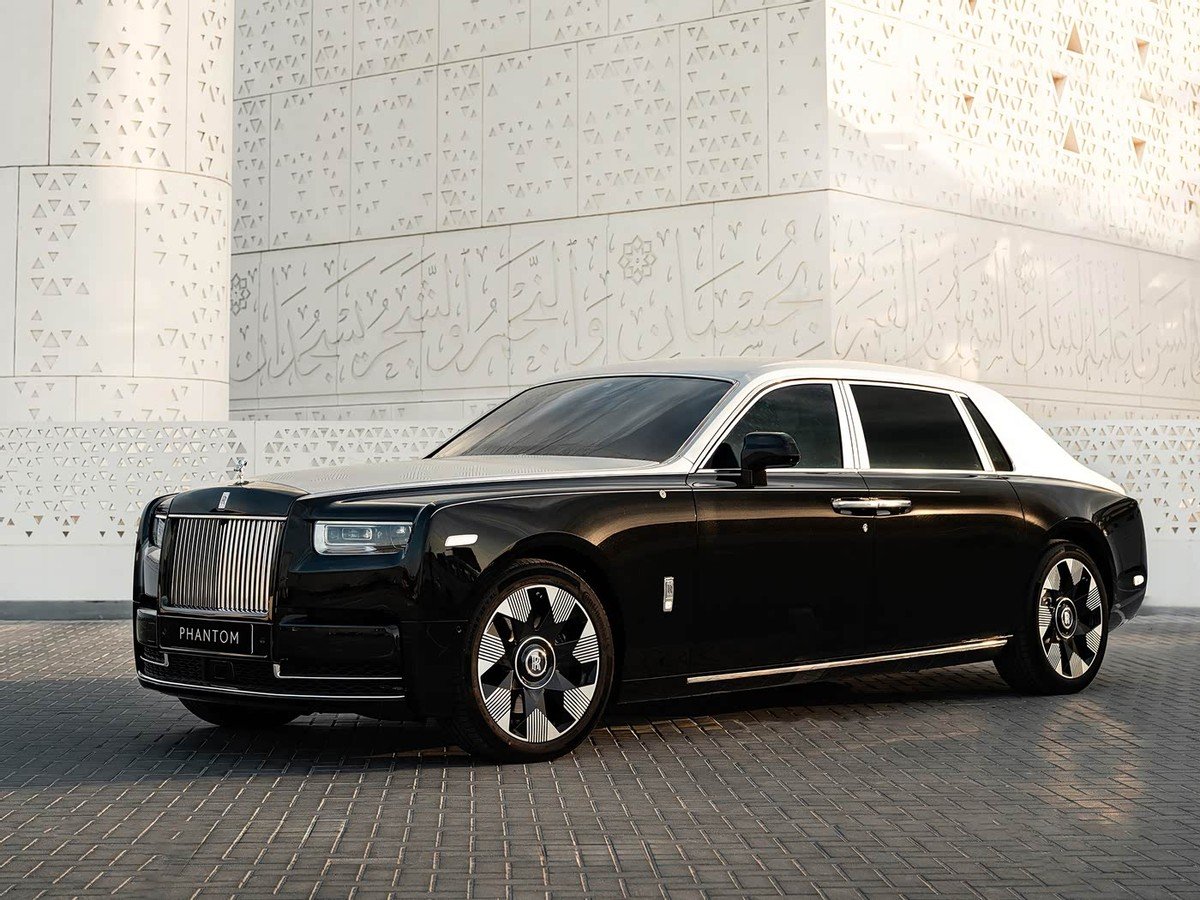
In terms of exterior, the new car features a two-tone body with silver on top and black below, and the color scheme of the wheels is similar to that of the body. The laser engraving process on the hood of the new car took Rolls-Royce five years to develop, and the inspiration for the pattern comes from the Middle Eastern Mashrabiya art, a pattern commonly seen in traditional Middle Eastern houses, palaces, and courtyards.
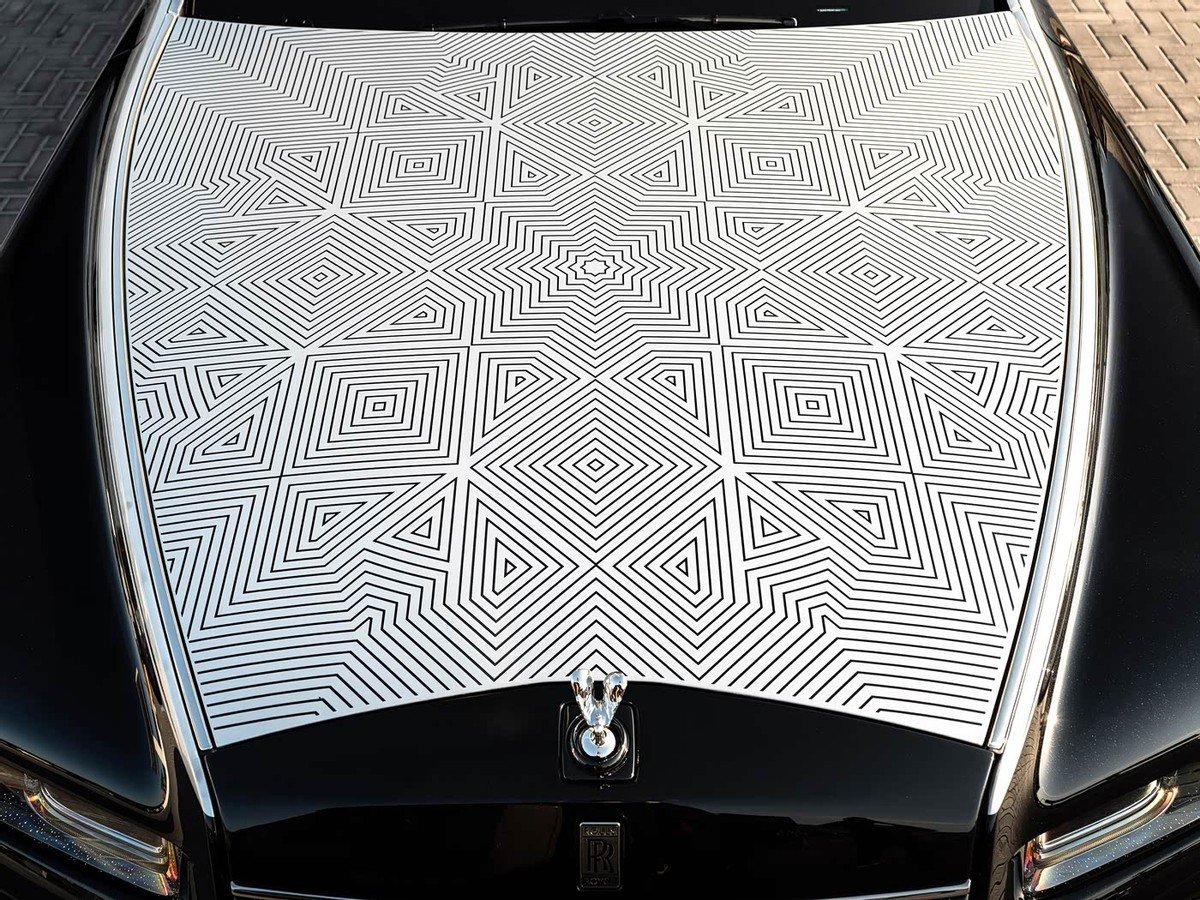
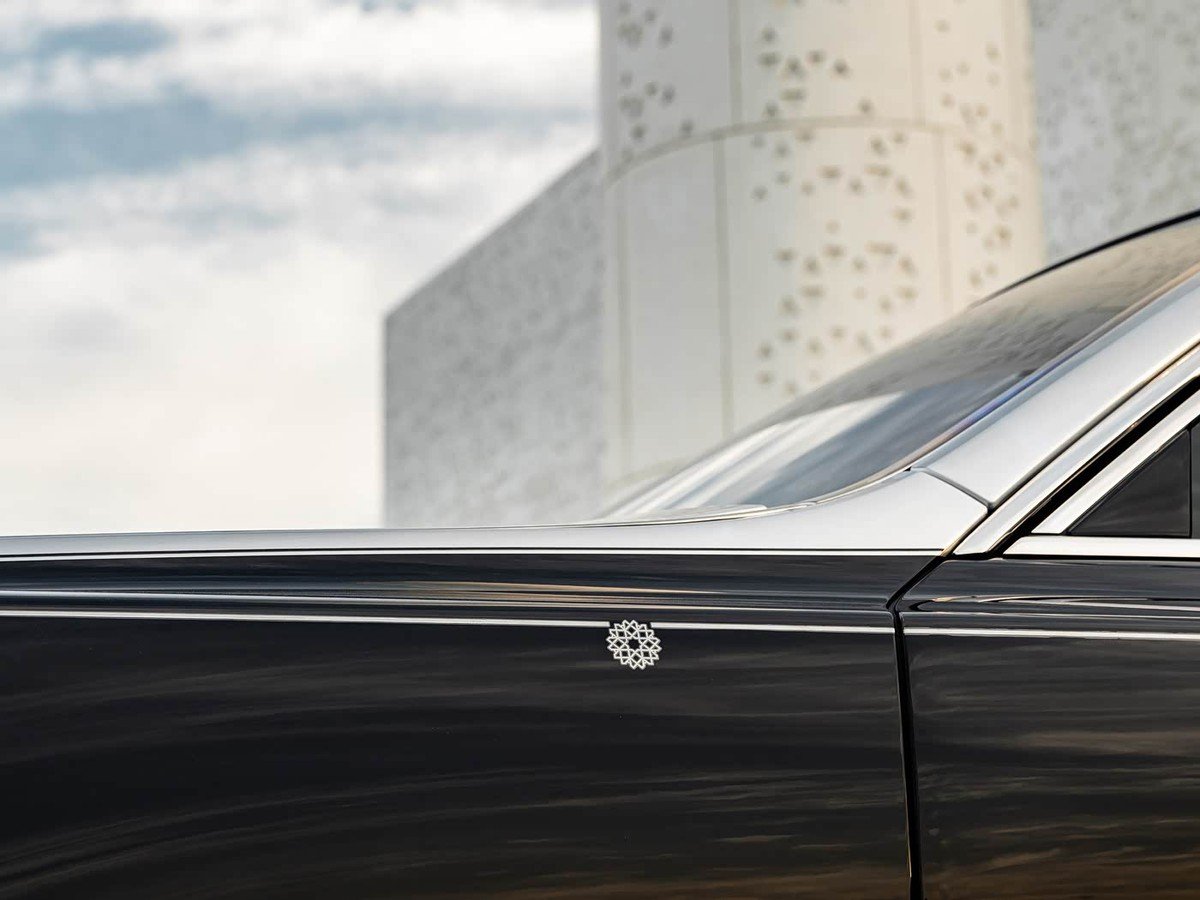
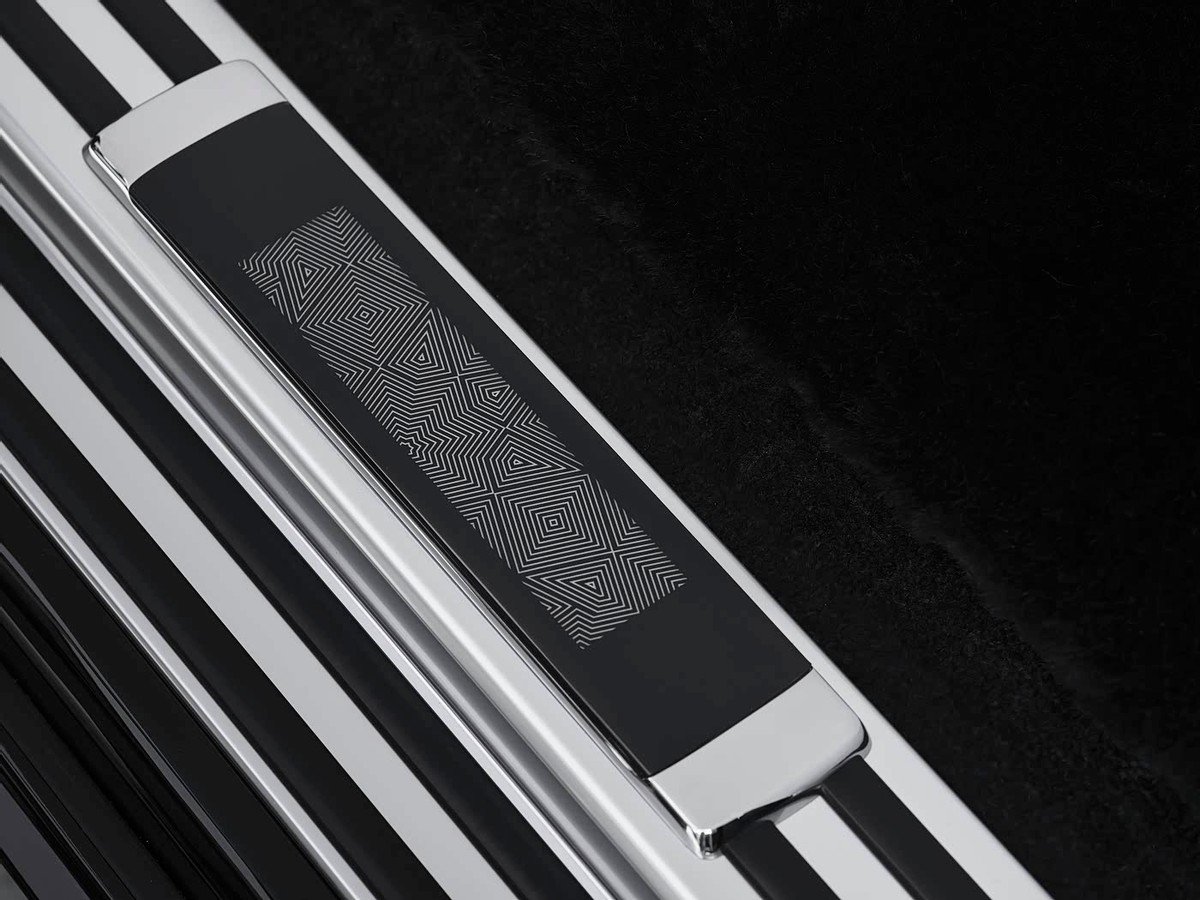
In terms of interior, the new car's interior is mainly finished in gray and black leather, and the Mashrabiya pattern also appears on the door sills, echoing the pattern on the hood.
In terms of power, the Rolls-Royce Phantom is equipped with a 6.7T twin-turbocharged V12 engine, with a maximum power of 420 kW and a peak torque of 900 N·m, and the Extended Wheelbase version accelerates from 0-100 km/h in 5.4 seconds.
Dada Review: The Rolls-Royce Phantom is the brand's flagship ultra-luxury sedan and is known as "the best car in the world." Rolls-Royce Phantom provides customers with exclusive customization services, and each special edition model is built for a specific customer. The Arabesque model unveiled this time was created for a Middle Eastern customer and became the first model in automotive history to use a laser-engraved engine hood. Arabesque does not refer to a single building; it includes decorative elements such as Islamic-style vines and geometric patterns. This element is widely used in traditional Middle Eastern architecture and functions to provide shade while also allowing ventilation, light transmission, and privacy protection, making it the essence of traditional Middle Eastern architecture.


