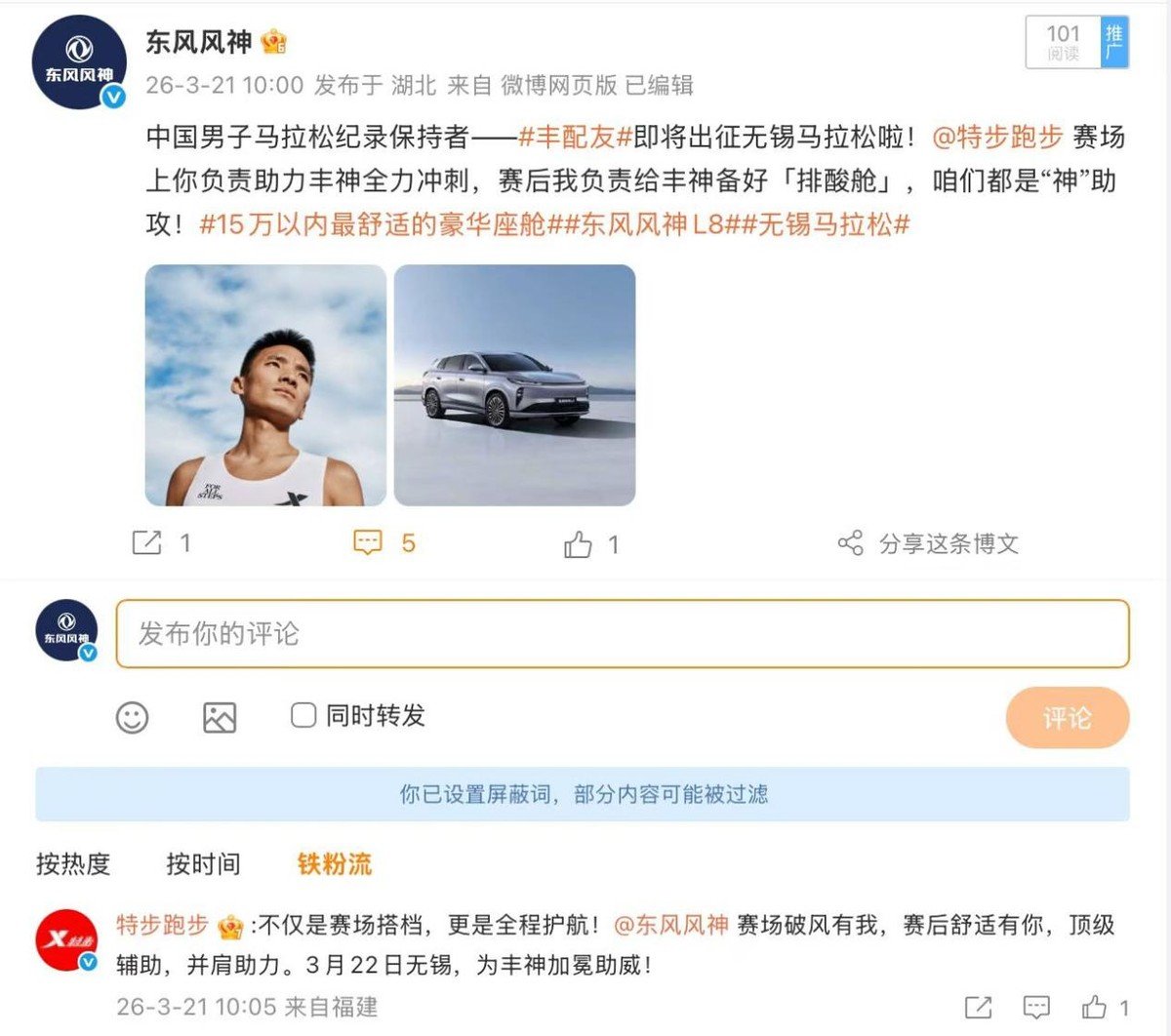
On March 22, at the Wuxi Marathon, Feng Peiyou finished in 2 hours, 8 minutes, and 10 seconds. It was not his personal best—after all, just over a month earlier in Tokyo he had run 2 hours, 5 minutes, and 58 seconds to set a national record—but the highlight of this race was not the time, but the role: for most of the race, he paced his junior teammate Mao Jinhu, setting a steady rhythm, blocking the wind, and handing him water, only letting go at the very end so the young man could sprint.
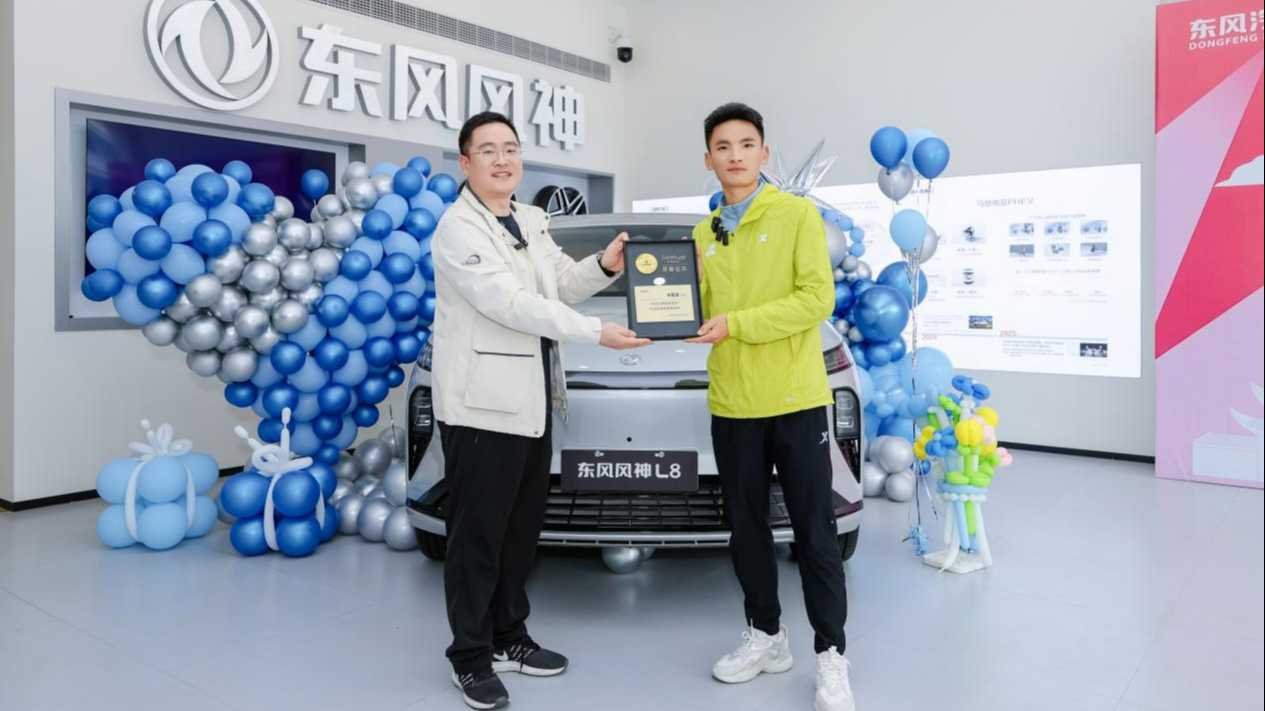
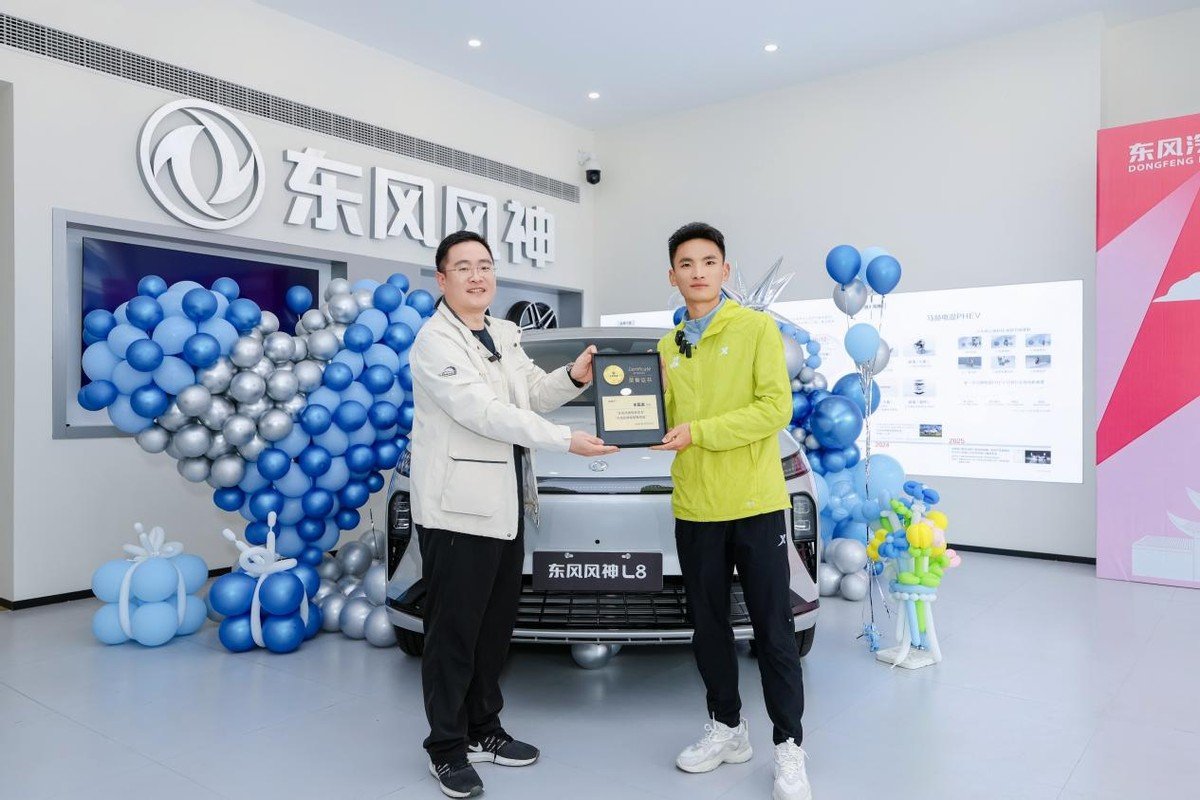
After the race, an Dongfeng Aeolus L8 picked him up outside the venue. In front of the livestream cameras, Dongfeng Aeolus brand general manager Deng Liuchao handed him the keys. Feng Peiyou officially unlocked his status as the newest owner of a Dongfeng Aeolus L8.
For consumers, what car a champion chooses is often more useful as a reference than advertising copy. Athletes are far pickier about products than ordinary people, especially marathon runners—they spend year after year in a cycle of high-intensity training and recovery, and their bodies are extremely sensitive to their environment. So what did Feng Peiyou see in this car?
Feng Peiyou mentioned a detail in the livestream: the first time he sat in the new Aeolus L8, he did not smell any odor. To him, this was no small matter. Marathon runners place a heavy load on their heart and lungs, and their respiratory tracts are more sensitive than those of ordinary people. Before races, during recovery after races, and when traveling between cities for competitions, he has to spend long periods in the car, and driving with the windows closed the whole time is the norm. If cabin air quality is not up to standard, it directly affects his respiratory condition, which in turn interferes with training and competition.
The Aeolus L8 has received the China Automotive Technology and Research Center's "zero formaldehyde" vehicle certification. This certification is equally meaningful for ordinary families—if there are elderly people, children, or family members with allergies at home, cabin air quality is a hard criterion when choosing a car. Not everyone has a champion's physical fitness, but everyone needs a space where they can breathe safely.
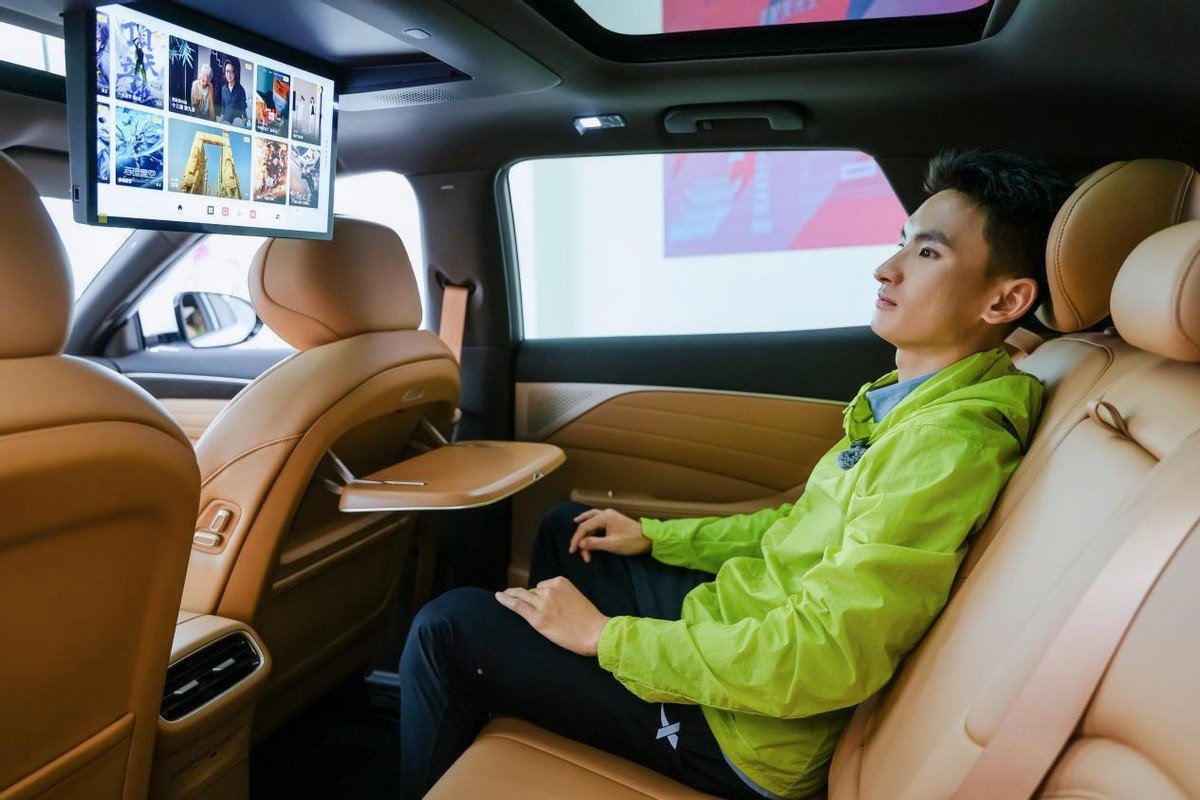
Post-race muscle acid clearance and nervous system relaxation are key to professional athletes' recovery. Feng Peiyou lay straight down in the car after the race, and that action itself says it all.
He mentioned several specific points: the ergonomic design of the seats can take the burden off the muscles of the lower back, back, and legs after high-intensity running; the in-car massage function offers 24 modes to choose from, allowing precise relaxation of the core muscle groups used for power; and the NVH performance reaches library-level quietness, with outside noise shut out once the door closes, helping him calm his mind before a race and relax quietly after it.
For ordinary users, these functions apply to different scenarios but follow the same logic—long periods of sitting during daily commutes and fatigue on long road trips also require a seat that can relieve physical pressure and a cabin environment that can help people settle down.
Feng Peiyou frequently travels between training bases and race venues, often covering thousands of kilometers across cities. He has two core requirements for a car's power and range: first, smoothness, with no jerkiness, otherwise it adds extra burden to an already exhausted body; second, solid range, so that frequent energy replenishment does not interrupt the trip.
The Aeolus L8's Mach hybrid system uses the world's first 4-speed DHT technology. Feng Peiyou's assessment was: starting and acceleration are gentle and linear, like the steady pacing rhythm of a full marathon. The China Automotive Technology and Research Center measured a combined range of 2,245 kilometers and combined fuel consumption of 2.4L/100km. What do these two figures mean? From a high-altitude training base to a race venue in another province, a single full tank and full charge can cover the trip, with no need to find a charging station or gas station midway.
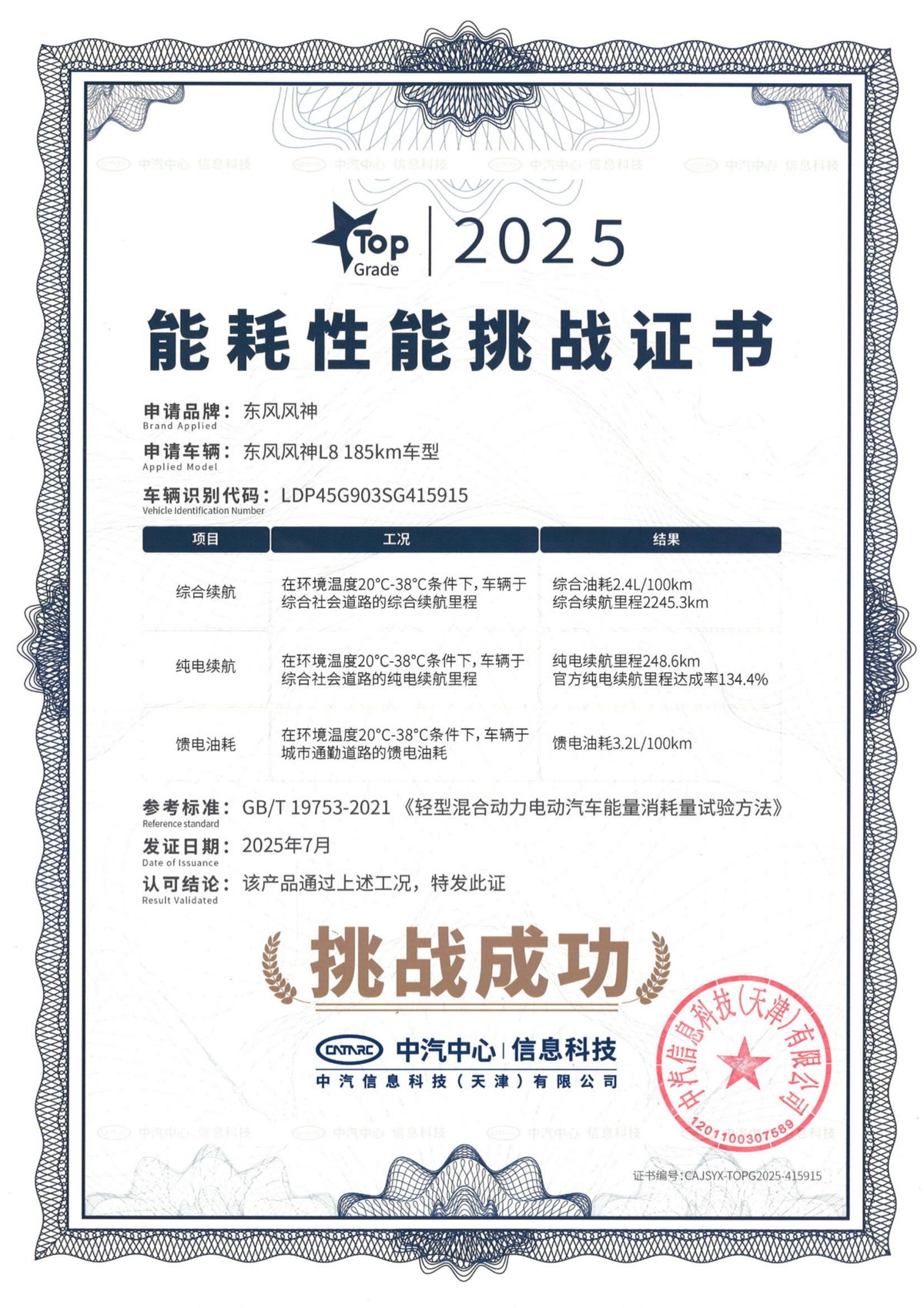
For ordinary families, the practical value of this powertrain is: fuel savings and lower costs for daily commuting, no range anxiety on long trips, and no shortcomings in full-scenario use.
Feng Peiyou's car use falls into two categories: first, personal professional needs, with the trunk needing to hold running shoes, training supplies, and recovery equipment; second, family travel, where the rear seats need to be spacious when taking his parents and family, and suitcases, camping gear, and hometown specialties need to fit easily.
The Aeolus L8's trunk is well organized, and the rear passenger space is sufficient. This kind of spatial design is not flashy, but it is practical. For family users, a car is not a tool for one person, but a carrier for the whole family's travel. Being able to simultaneously accommodate the convenience of daily commuting and the spontaneity of weekend outings is what makes a qualified family car.
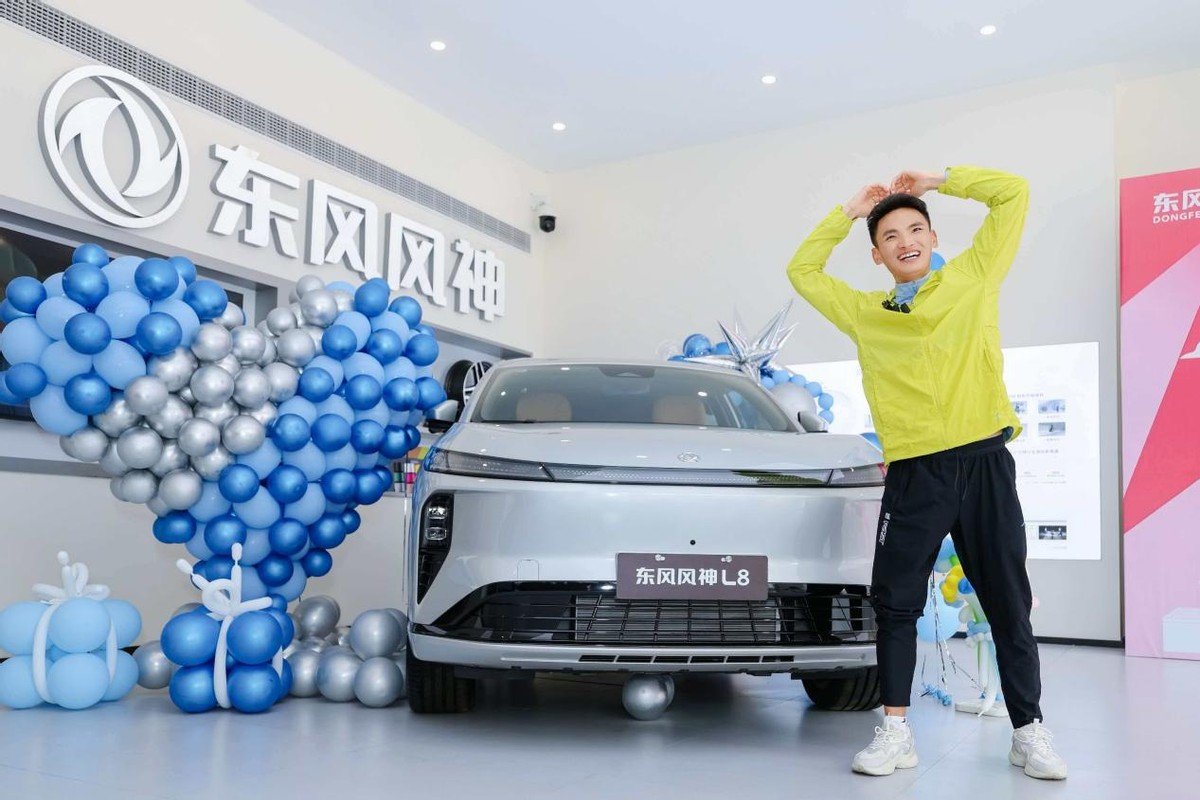
In the Wuxi Marathon, Feng Peiyou took second place domestically, but the junior teammate he led, Mao Jinhu, ran into the 208s. The logic on the track is "group army operations," pacing each other and achieving success together. Off the track, two domestic brands, Dongfeng Aeolus and Xtep, also carried out a similar linkage—the Aeolus car owners' club and the Xtep running tribe interacted across boundaries, generating considerable buzz both online and offline.
For consumers, the significance of this cooperation lies not in brand marketing itself, but in this: a professional athlete who is extremely picky about products chose a car, and every reason he chose it is also key to consumers' daily car use.


