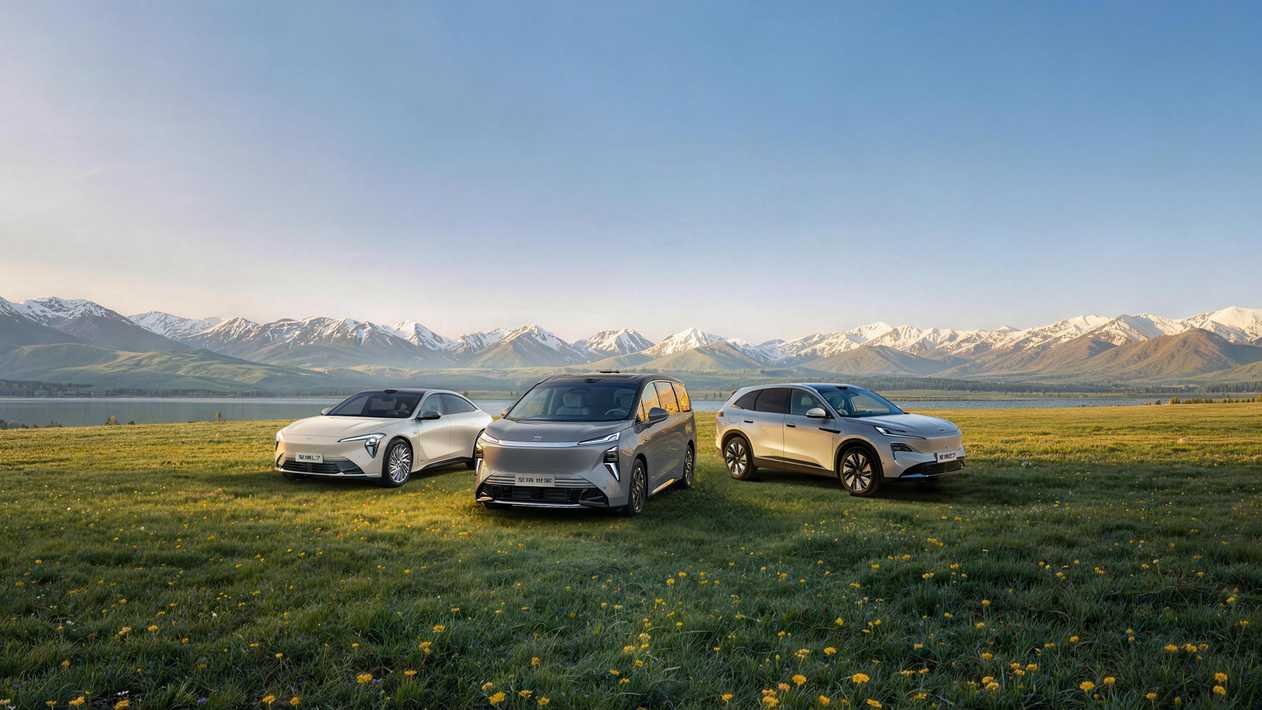
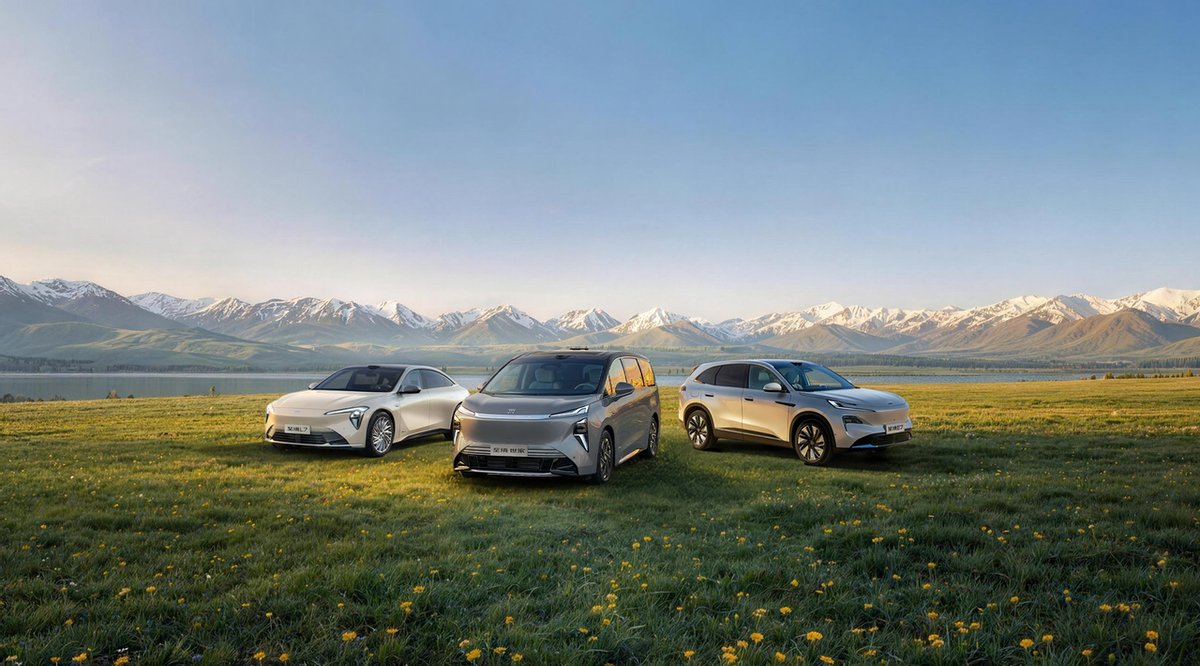
At the 2026 Beijing Auto Show, the Buick brand presented a interim answer for its own new energy era with the first complete gathering of three models from the "Zhijing" family—Zhijing E7, Zhijing Shijia, and Zhijing L7. Compared with the single-product trial when the brand was just born a year earlier, Buick Zhijing now covers the three mainstream categories of sedans, SUVs, and MPVs, forming a relatively comprehensive product matrix.
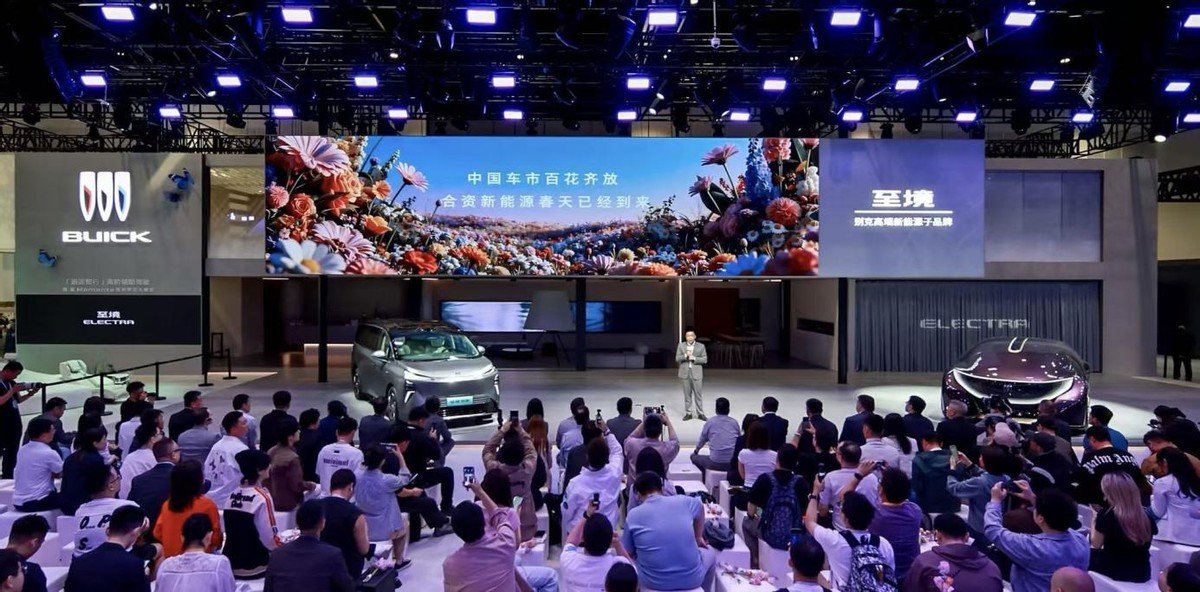
From a market perspective, the appearance of this "complete brand form" is not simply a stacking of product numbers, but a real response by a traditional joint venture brand after China's new energy competition has entered deep waters: it no longer merely follows trends by competing over range and figures on the specification sheet, but instead tries to return to two essential needs that users have always cared about—comfort and quality.
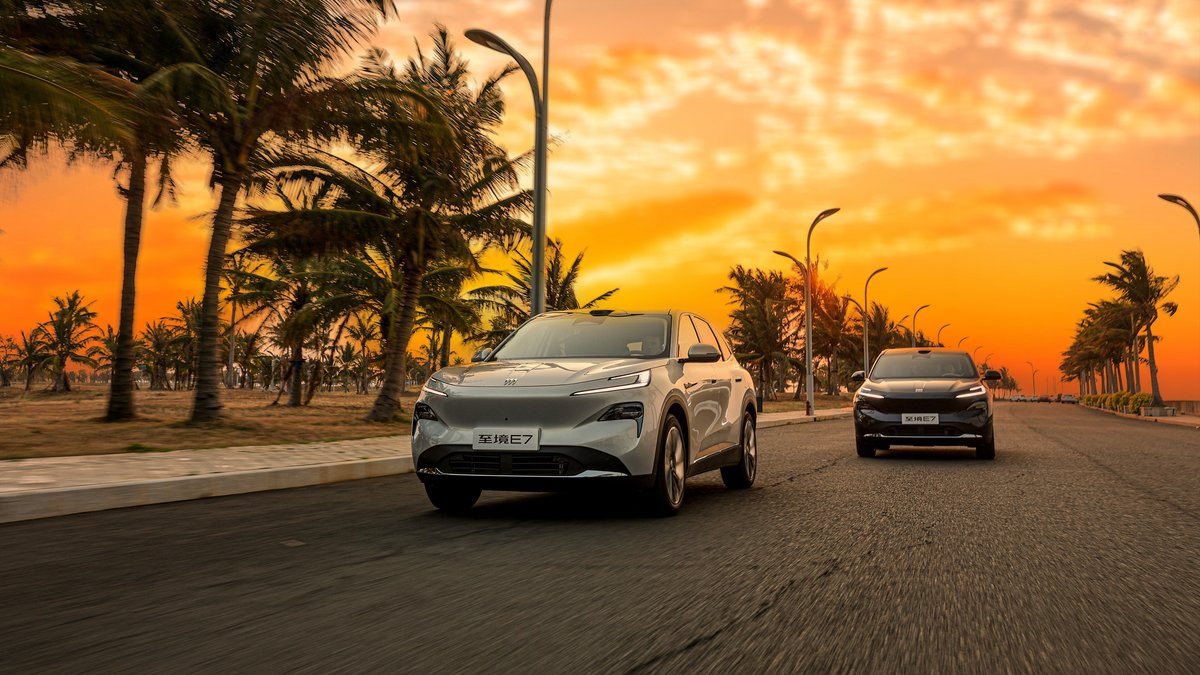
Judging from actual market feedback, the comfort-oriented strategy of the Zhijing family has indeed won recognition in some segmented markets. For example, Zhijing Shijia has long maintained a high share in the luxury MPV market above 400,000 yuan; features such as the "Five Constant" wellness cabin and "villa"-level space configuration have created differentiated appeal for high-net-worth families. Zhijing L7, meanwhile, has gained a good reputation among younger consumer groups by virtue of its extended-range solution, preview-type suspension chassis, and other equipment. At the same time, the newly launched Zhijing E7 focuses on "fully equipped from the entry level," with more than 10,000 orders in 90 minutes after launch and family users accounting for over 90 percent. This shows that in the mainstream family SUV market, appropriate feature democratization and a clear comfort positioning are still effective ways to drive sales.
What novel and practical product experiences can Buick Zhijing bring to consumers next? Judging from the information released at this auto show, there are several directions worth watching.
The first is the concrete upgrading of the "comfort" standard. In the era of fuel vehicles, Buick was known among domestic users for its "American-style big sofa"; after entering the new energy stage, this concept has been systematized into the "Five Constant Healthy Cabin" (constant temperature, constant humidity, constant oxygen, constant cleanliness, and constant quietness). For family users, especially the elderly, children, and people with sensitive constitutions, this quantifiable cabin environment control is more practical than simply promoting a "luxurious interior."
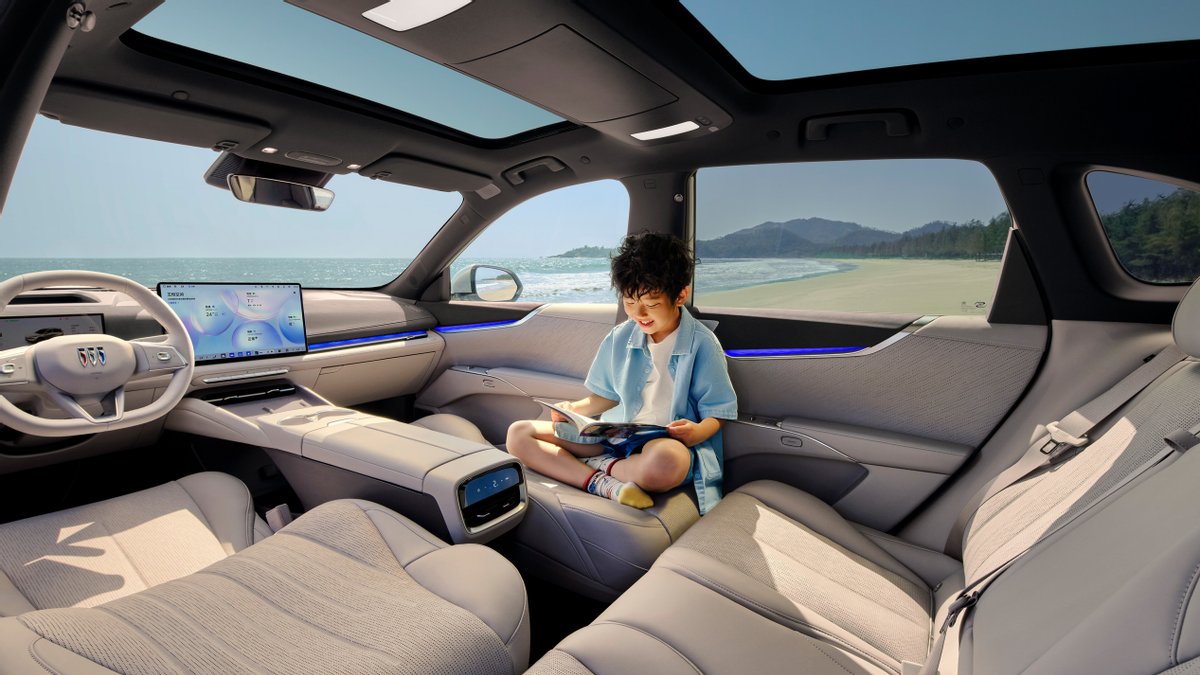
The second is the pragmatic advancement of intelligent cooperation. Compared with some new forces in the auto industry that develop full-stack intelligent solutions in-house, Buick has chosen deep implementation cooperation with Momenta in the field of autonomous driving while also bringing AI large models "on board." The advantage of this cooperation model is that the technology maturity cycle is relatively controllable. For consumers, it means that intelligent driving assistance and cabin interaction experiences will place more emphasis on stability and actual usability, rather than pursuing a conceptual "far ahead." For daily commuting and long-distance travel, a reliable and unobtrusive driver assistance system is often more valuable than a system with piled-up functions but crude tuning.
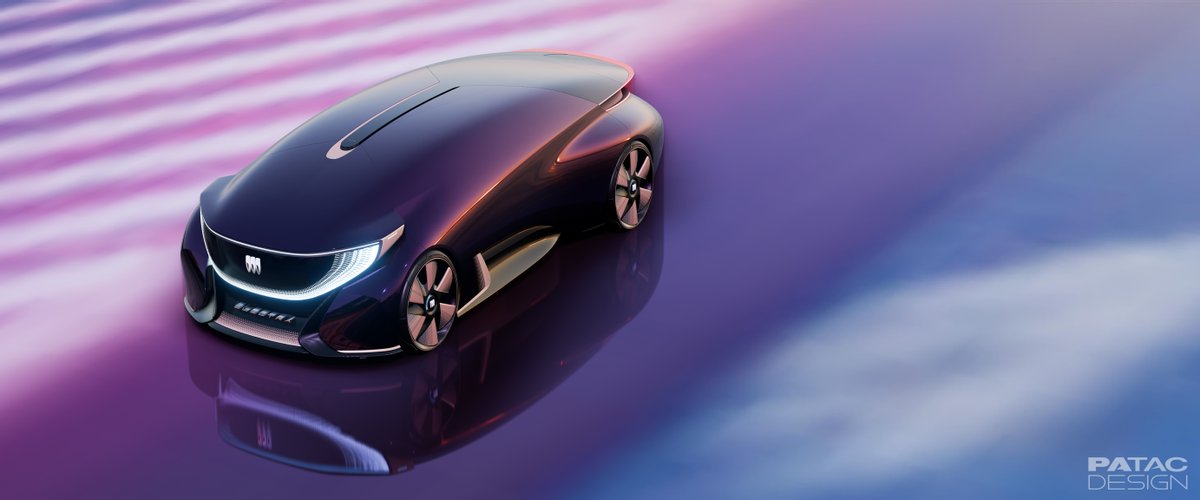
The third is the attempt to implement the concept of mobile space. The "Zhijing Mobile Space Intelligent Body" concept car released this time showcases designs such as a 5D immersive cabin and a transformable interior (a crystal folding fan turning into a round table or screen). Although the concept car is still some distance from mass production, it conveys a clear signal: future Buick models will pay more attention to scenario-based free switching in the cabin. For example, during family trips, the rear row can become a parent-child interaction area; during solo commuting, it can switch to focus or rest mode. This approach of optimizing space and interaction around real vehicle-use scenarios is closer to users' daily feelings than simply competing over the number and resolution of screens.
Buick has announced an investment of tens of billions of yuan over the next three years, focusing on developing a new generation of ultra-luxury MPVs and more new energy models. This means that in MPVs, an area where Buick has traditionally been strong, more extreme comfort-oriented products will be launched in the future; at the same time, the SUV and sedan product lines will also be further enriched. For consumers, both the increase in choice and the gradual democratization of high-end features are tangible benefits.
Dada review:
The route Buick Zhijing has chosen in the new energy era is not disruptive radical innovation, but rather continuing to dig deeper into the "comfort" strength it has cultivated for more than a hundred years, while making up for shortcomings in intelligence through pragmatic external cooperation. Although this approach is not stunning, in the current new energy market, which is severely homogenized and excessively caught up in parameter competition, it may instead provide a relatively down-to-earth choice for family users who are tired of parameter battles and want to return to the essence of car use. As for whether this strategy can stand firm in longer-term market competition, it will still depend on quality control in subsequent product deliveries, whether the service system keeps up, and the coordination of pricing strategy.


