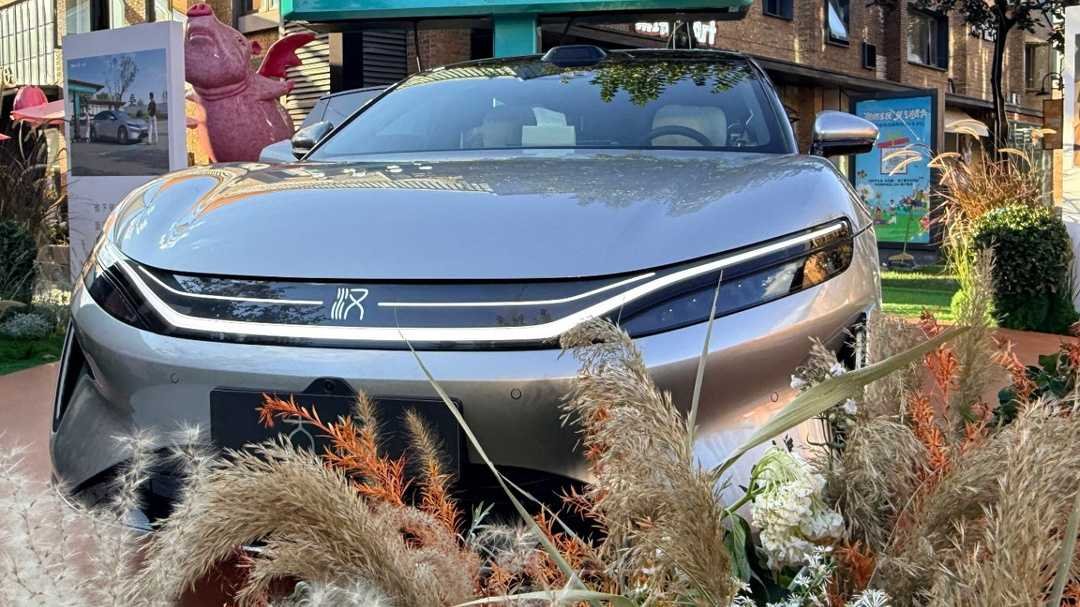
On the evening of October 13, BYD's Dahan was launched in Beijing. Three models, priced from 235,900 to 275,900 yuan.
Answer Bro took two laps around the display car on site. The most surprising thing was the U-turn—a D-segment sedan just over 5.2 meters long, with a turning radius of only 4.95 meters. I tried a turn on open ground, and the rear end swung right around.
The configuration list is bold too. 196 items standard across the range, 1,008 km range, 5-minute flash charging, rear-wheel steering, Yunian-A dual-chamber air suspension, God's Eye B laser version—not a single one missing even on the entry model. How to choose among the three and where it stands in its class—more on that in the buying guide at the end.
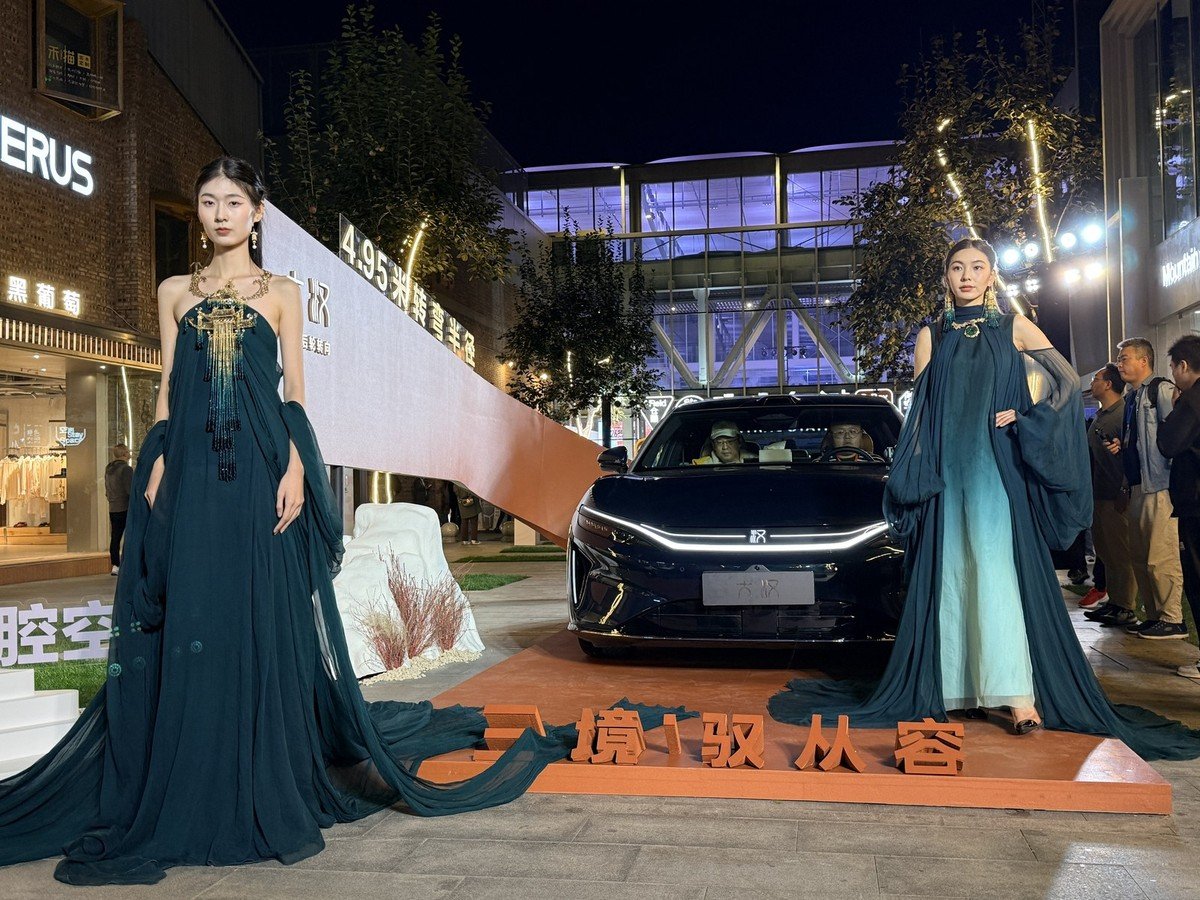

01 Exterior and Dimensions: A 5.2-Meter Body, a 4.95-Meter Radius
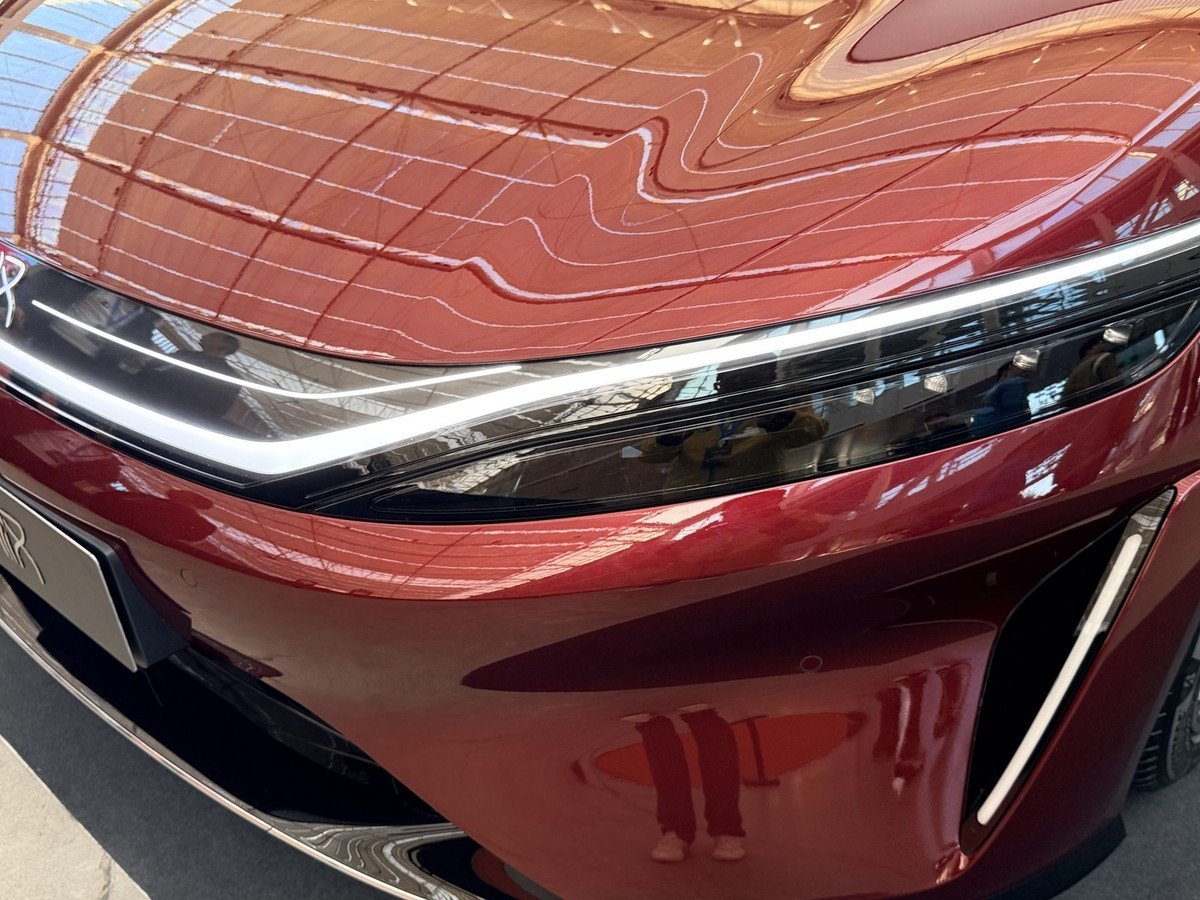
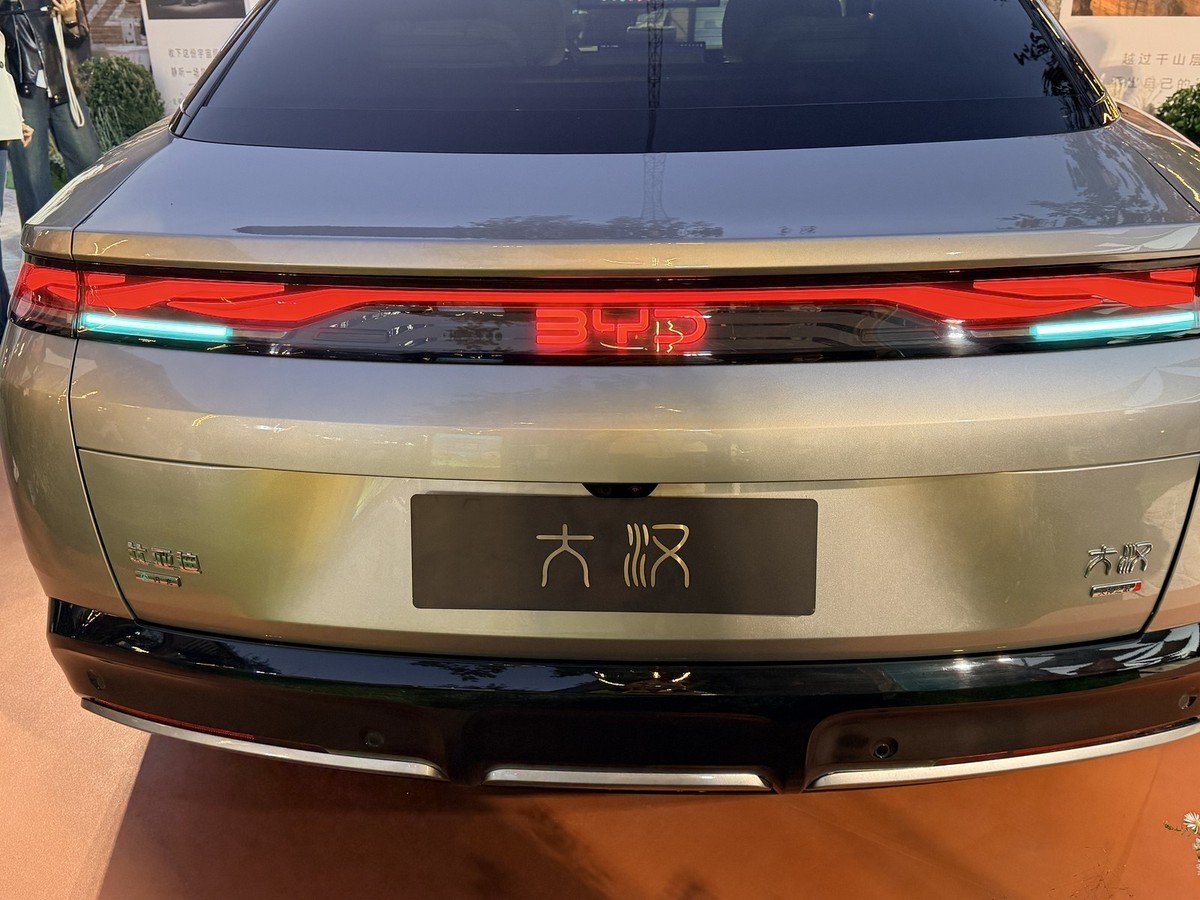
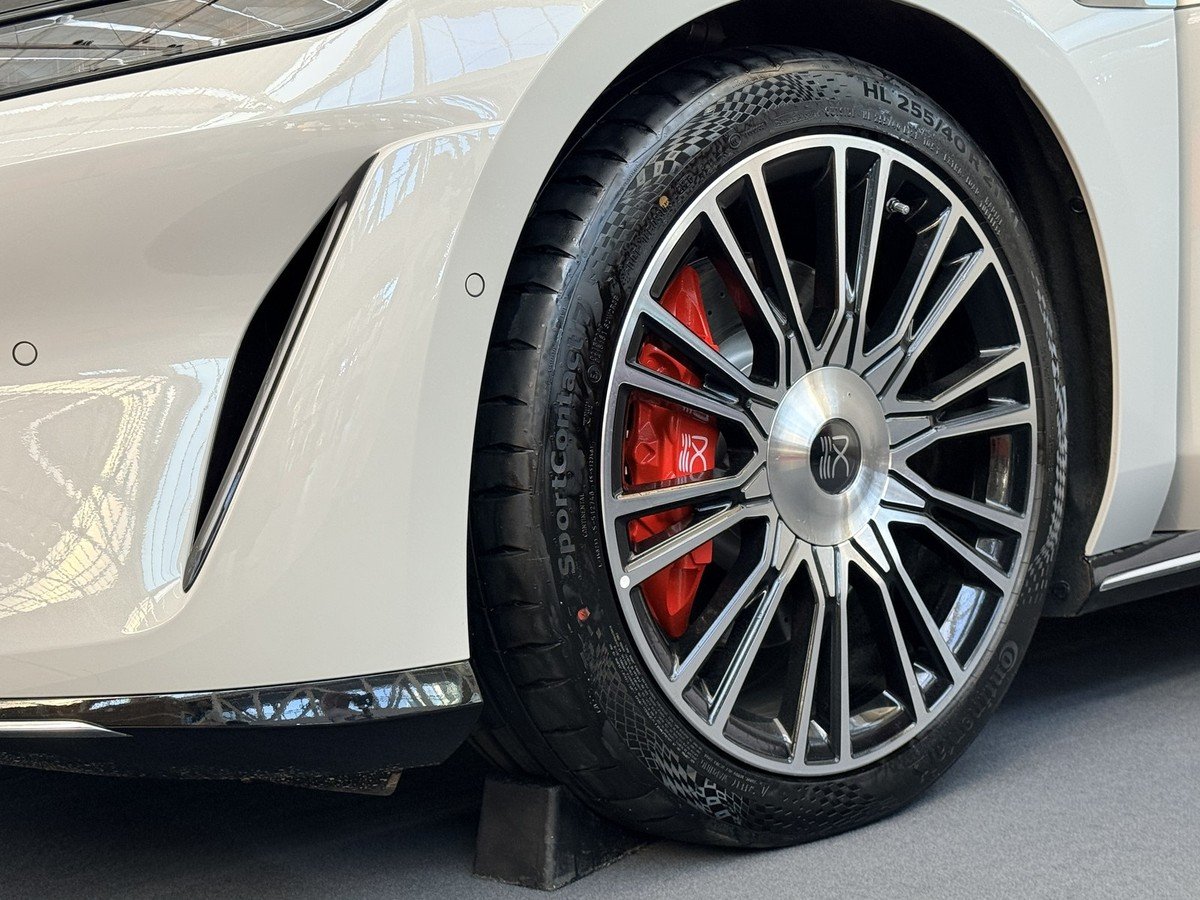
Let's start with the dimensions: over 5.2 meters long, over 3.1 meters wheelbase—a true D-segment flagship physique. In terms of design, the most recognizable element is the 2.41-meter one-piece through-type daytime running light. The official claim is that it's the longest on any production car globally. When the light strip on the Chidi Red display car lit up, it was recognizable from half an exhibition hall away. 21-inch Shanhe Mingjing wheels paired with red calipers. The "Han" character in the floating wheel center cap always stays upright while driving.
Four two-tone color options plus five solid colors are offered.
Chidi Red is the most eye-catching. But whether it looks good—no consensus was reached on site.
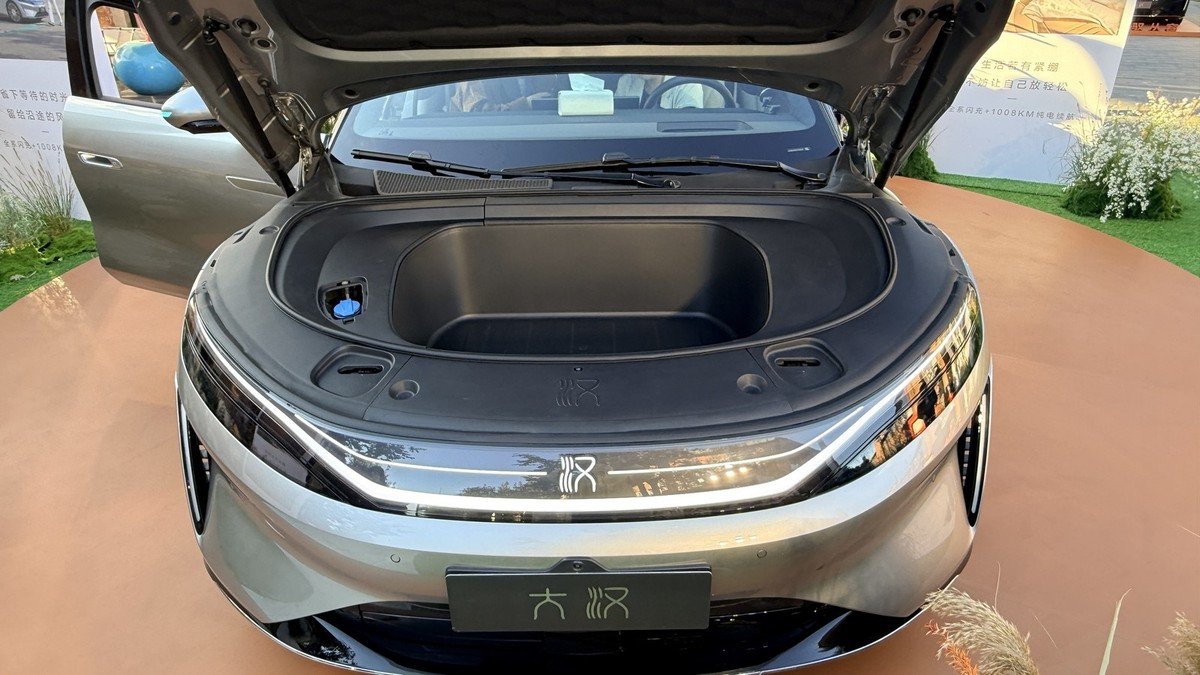
The welcome sequence when getting in could be verified step by step on site: phone Bluetooth proximity auto-unlock, welcome lights come on, seats and steering wheel automatically move back when the door opens, soft-close doors engage. The whole sequence was indeed smooth. The frunk lid on the display car was propped open at the time. Answer Bro estimated it could fit two carry-on suitcases—officials didn't provide volume figures, so I won't go further on this.
02 Interior: 90.8% "Space Efficiency," and a Piece of Wood Worth Nearly 20,000 Yuan
The on-paper numbers inside are bold.
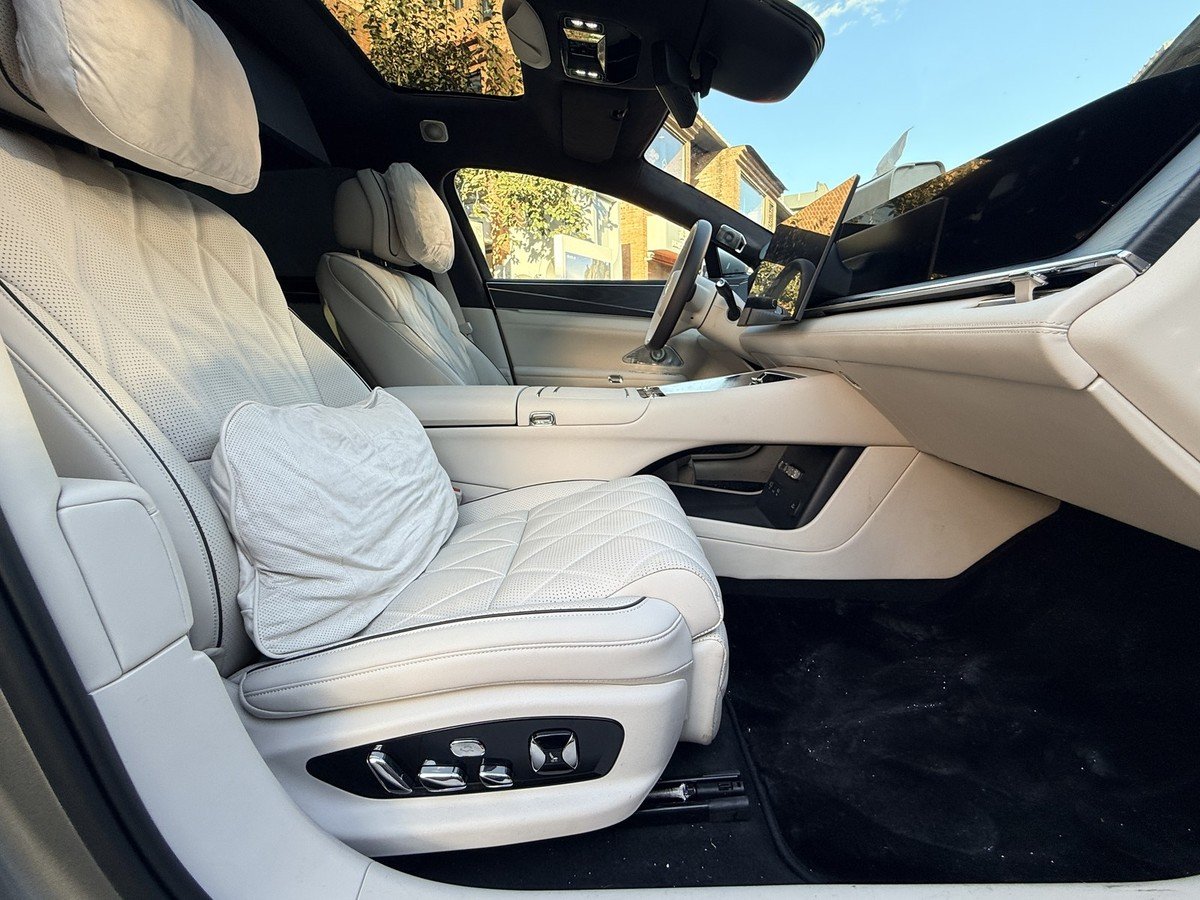
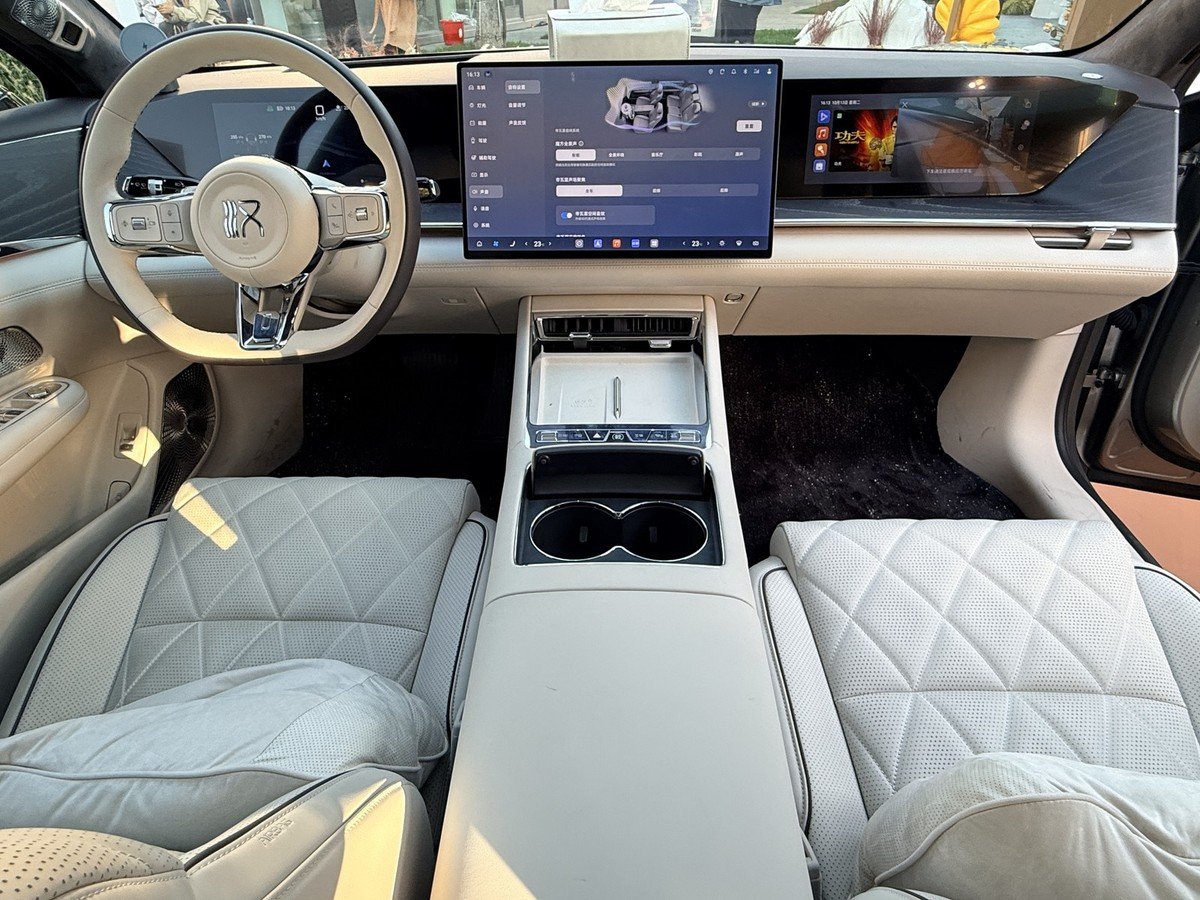
90.8% space efficiency, officially claimed as best in class. Dual zero-gravity front seats are standard, with white ash solid wood trim hand-polished. Officials say a single piece of raw material costs nearly 20,000 yuan, and every piece has a unique grain pattern. I looked closely at the grain on site—it genuinely has the look of solid wood, not veneer.
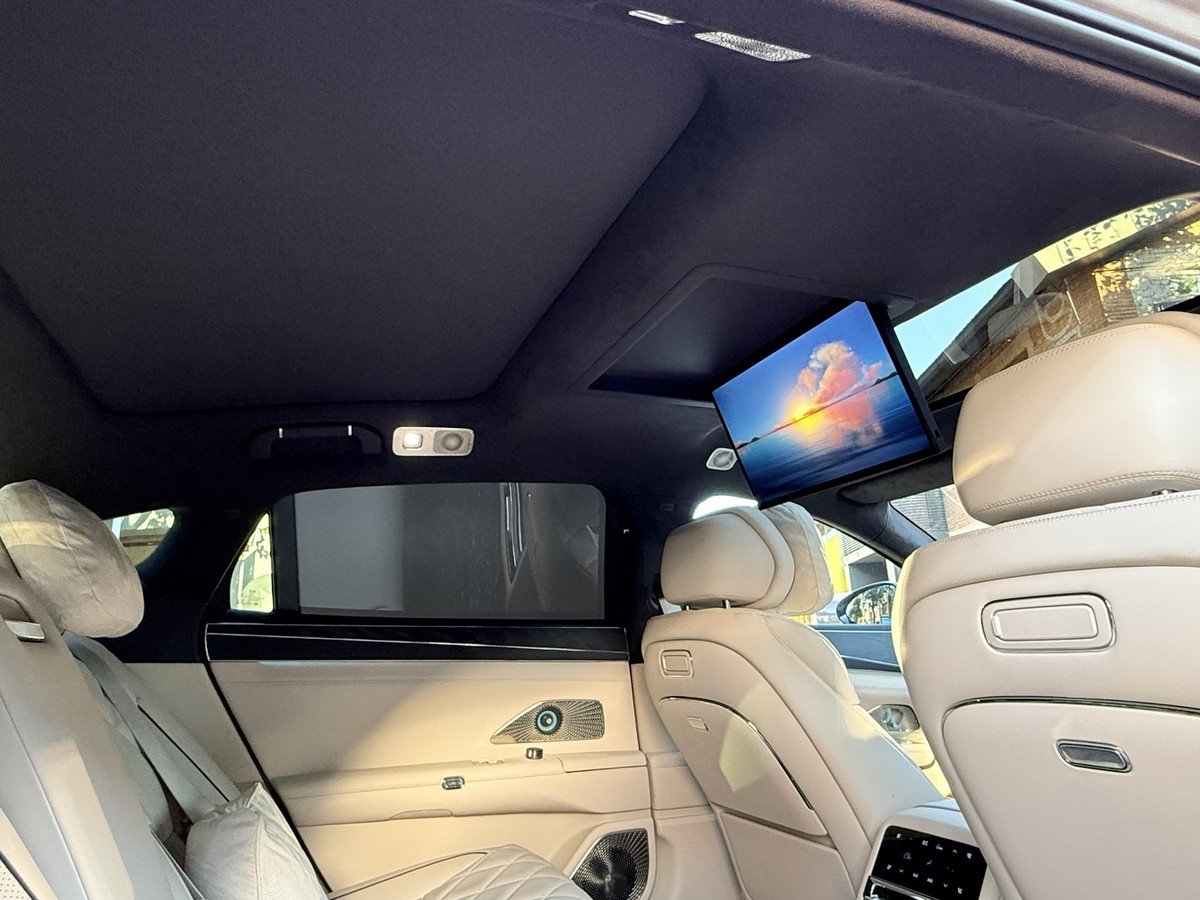
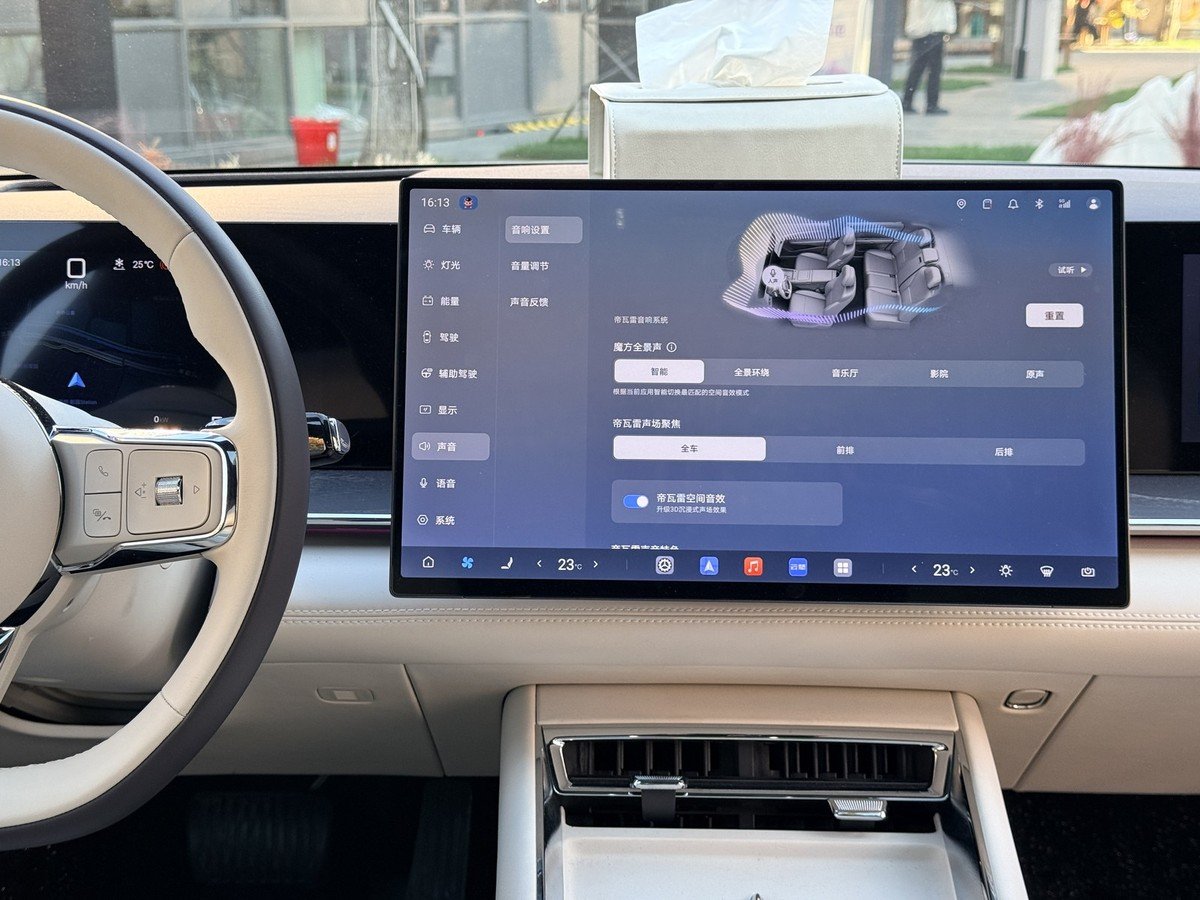
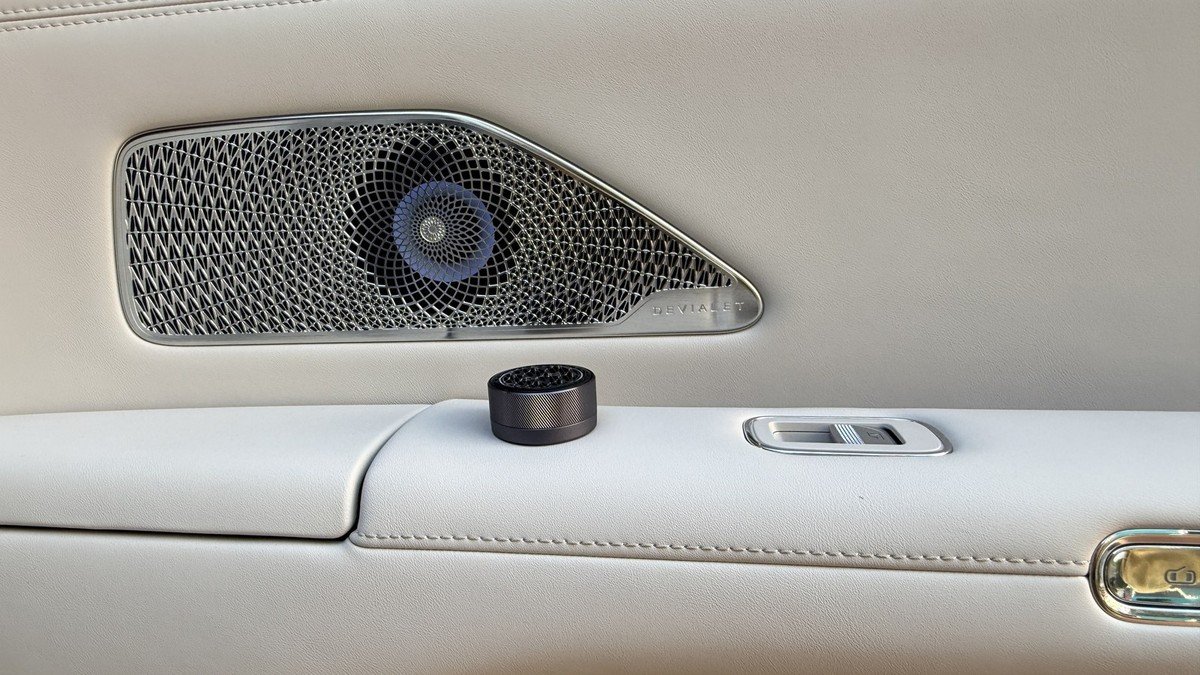
Sound is handled by 31 Devialet speakers, 7.1.4 channel surround. Eight screens in total: a 40-inch AR-HUD plus 12.3-inch front passenger screen, a 17.3-inch rear ceiling screen, and 8 independent headrest speakers each doing their own thing.
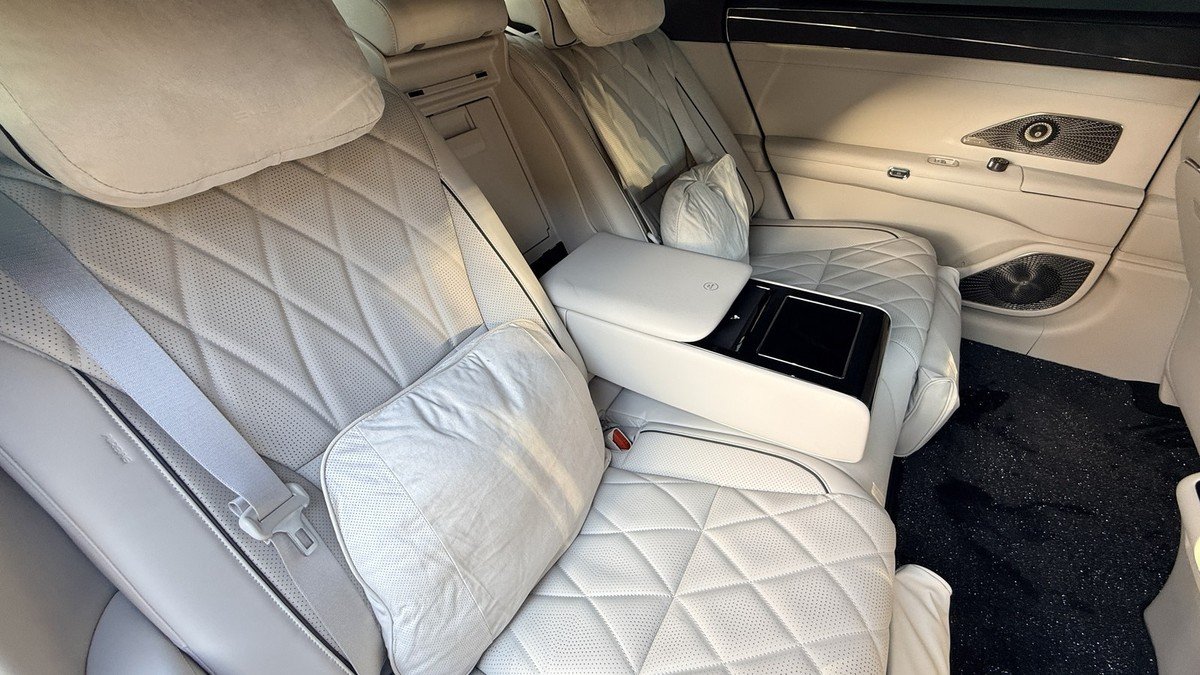
Business needs are concentrated in the right rear "President's Seat": four-way leg rest, 90-degree footrest, 12-degree power-reclining backrest, paired with the same PDLC dimming glass and privacy sound shield—one touch to switch from transparent to frosted. Answer Bro sat in and tested the leg rest travel—knees could still stretch out in a semi-reclined position. That 3.1-meter wheelbase isn't for nothing.
03 Range and Charging: Beyond 1,008 km, Focus on Flash Charging
Range first.
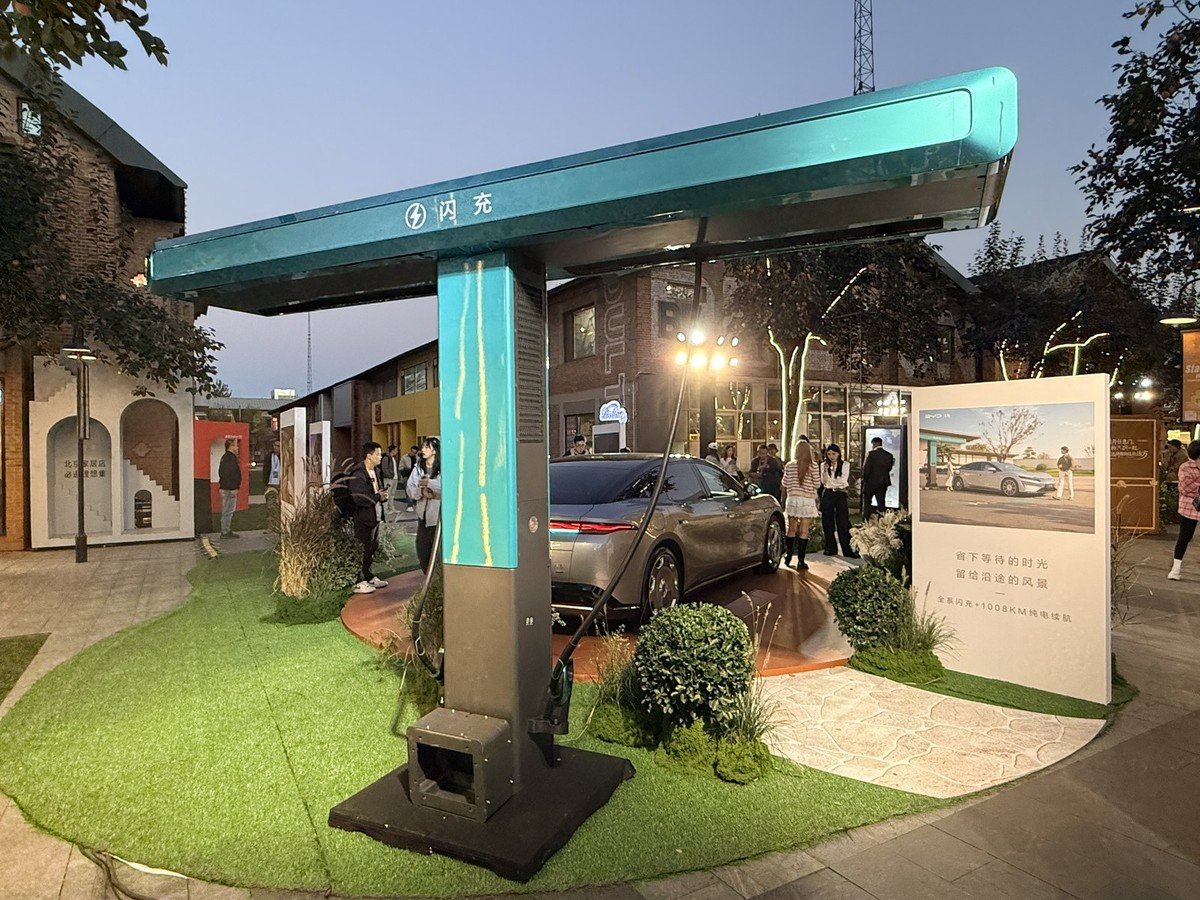
The second-generation Blade Battery pushes CLTC range to 1,008 km, officially claimed as the longest among D-segment pure electric sedans. A drag coefficient of 0.197 earned it the 2026 Automotive Aerodynamics Committee's "Annual Low Drag Model." Beyond the numbers, Answer Bro values the charging claim more: flash charging is standard across the range, 10% to 70% in 5 minutes, to 97% in 9 minutes, and in minus 30°C extreme cold, charging time increases by only 3 minutes.
5 minutes, 10% to 70%.
Expectation management is done upfront too. 1,008 km is CLTC cycle—how much it drops in winter and how fast the year-end target of 20,000 flash charging stations materializes both directly affect daily experience. BYD flash charging stations are still in the rollout phase. Before buying, it's recommended to check coverage along your regular routes. This varies by city—Answer Bro can't give a universal answer.
04 Chassis, Smart Driving, and Safety: These Are All Standard
The 4.95-meter turning radius comes from ±7-degree rear-wheel steering. A 5.2-meter body handled like an A0-segment car when making a U-turn. Yunian-A dual-chamber air suspension is also standard across the range, with 100mm of free height adjustment—body motion is noticeably more stable over speed bumps and rough roads.
Smart driving is standard across the range with God's Eye B assisted driving laser version.
Highway and urban navigation assist, full-scenario smart parking are all included. Users also get smart parking safety backing and a 1-year urban navigation backing. In the parking demo at the launch event, it slotted into a narrow spot in one go without a second steering correction.
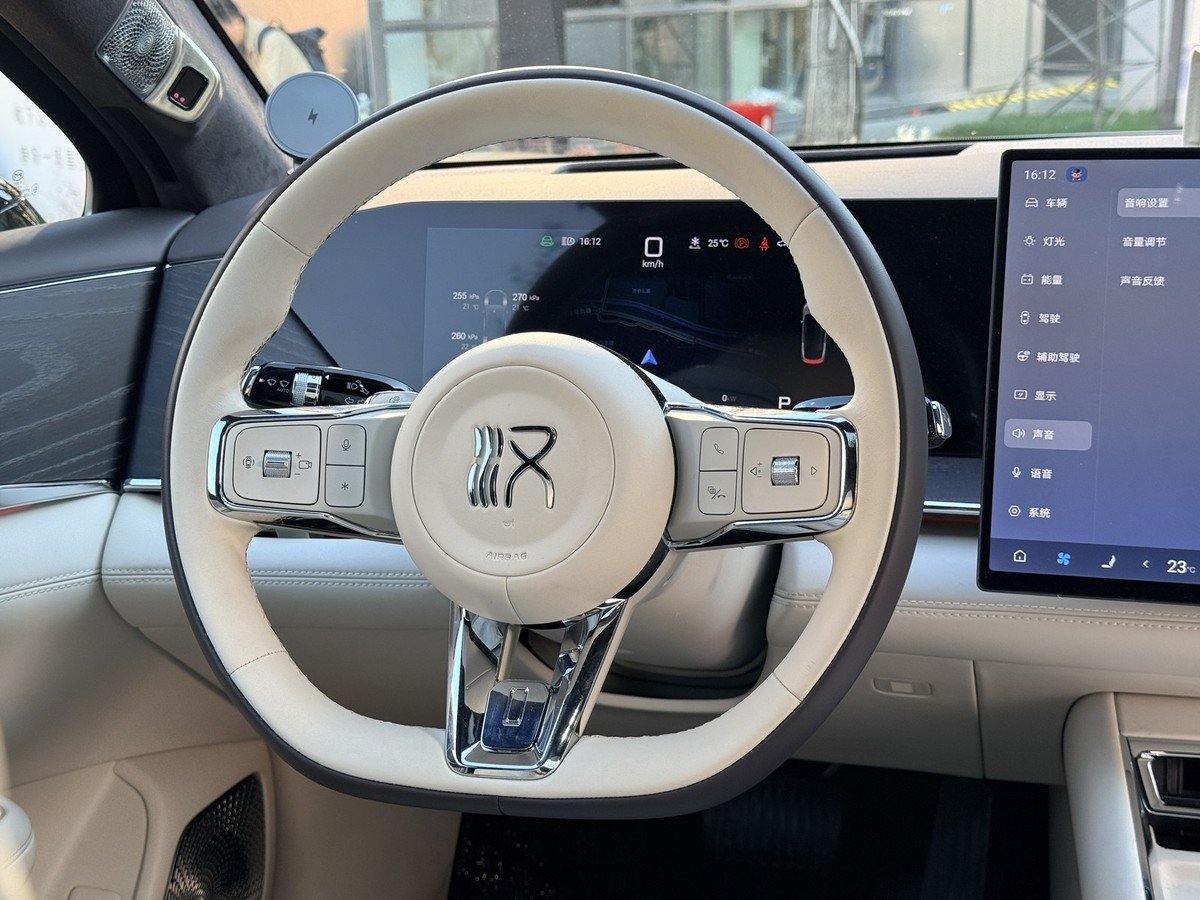
There's also an AI super agent "Didi Xia" on board that remembers preferences, books hotels, and works with self-developed smart buttons—one press, one twist to control the car. Whether it's actually useful will need long-term testing.
Performance and safety figures are given together: rear-drive version 0-100 km/h in 4.9 seconds, all-wheel-drive version in 3.3 seconds, braking distance from 100 km/h at 32.83 meters. The TBC high-speed tire blowout stability system supports blowout stability control at 200 km/h in a straight line and 150 km/h in curves. 11 key crash zones use 2,000 MPa hot-formed steel, 11 airbags throughout, plus a heavy rain parking guard that detects rising water levels and actively raises the suspension and reminds you via phone app to move the car.
05 Small Details: The Ones You'll Use Every Day
Answer Bro tested the password glovebox on site. Set a password on the center screen, say "Xiaodi" and it opens electrically—contracts, documents, wallet all safe inside. 36 storage spaces throughout plus 14 expansion points. A hook on the passenger side holds coffee without spilling, and a jewelry box in the door panel has dedicated spots for glasses and coins.
Two more things easily overlooked: the exclusive car key is custom-molded, with a full curved surface that feels warm and substantial in hand; the ADB smart headlights actively adjust when encountering oncoming vehicles, and illumination distance follows speed changes.
All small-ticket items, but you'll use them every day.
06 Buying Guide: How to Choose Among the Three, and What It Compares To
Conclusion first: this generation Dahan's configuration strategy is "entry trim = fully loaded." God's Eye B, Yunian-A, rear-wheel steering, and flash charging are all standard across the range. The only two variables to choose between are—range and all-wheel drive. For mostly urban daily use with occasional long trips, the two 1008KM rear-drive models can be chosen based on budget and comfort features. If budget is maxed out and you want 3.3 seconds and full AWD capability, go straight for the 880KM AWD Flagship. Specific price differences and configuration details among the three trims should be based on the official website configuration table—I won't make that call for the officials here.
Who is it for? Three categories: business reception—look at the right rear President's Seat; frequent long-distance drivers—look at 1,008 km plus flash charging; those wanting a refined daily commuter will appreciate details like the password glovebox.
Brief comparison: starting at 235,900 yuan for a D-segment pure electric sedan over 5.2 meters long—currently there's rarely a second option at this price point. Dahan wins on size, hands down. The in-house Han EV takes the 200,000-yuan mainstream mid-to-large sedan route—the two don't directly compete. Similarly positioned Stelato S9 and NIO ET7 have higher starting prices—Dahan essentially pushes the D-segment threshold down a notch. How to choose among the three specifically—Answer Bro will write a separate detailed comparison later.
Downsides should also be put on the table.
Dahan is pure electric only—those wanting a plug-in hybrid or range-extender safety net need to look at Han DM; the AWD version's 880 km range is 128 km less than the rear-drive—northern users need to do their own winter math; the two-tone color options and the "Dahan" naming—opinions on site were split. Suggest seeing the actual car in store before deciding.
Answer Answer's Review:
From Han to Dahan, BYD has brought "flagship features trickled down as standard" to the other end of the price spectrum. The 235,900-yuan entry model has lidar, dual-chamber air suspension, and rear-wheel steering—not one missing. The pressure this configuration strategy puts on the class is real.
But there are a few calculations you need to do yourself.
Pure electric means no gas station fallback—flash charging station coverage is a prerequisite; the AWD version trades 128 km of range for 3.3 seconds—whether that's worth it depends on personal usage; 90.8% space efficiency is an official claim—Answer Bro confirms the actual seating space, but take "best in class" type statements with a grain of salt.
The harder test for this car comes after delivery—D-segment size at a 200,000-plus price, whether it can get new elite buyers beyond the million Han owners to open their wallets depends on real owner reviews in the first three months, not applause at the launch event. As for whether it's worth it, Answer Bro's personal lean is: for those with heavy business needs or frequent long trips, the configuration density justifies the price; for pure urban commuting with barely two long trips a year, the Han EV is still more cost-effective.


