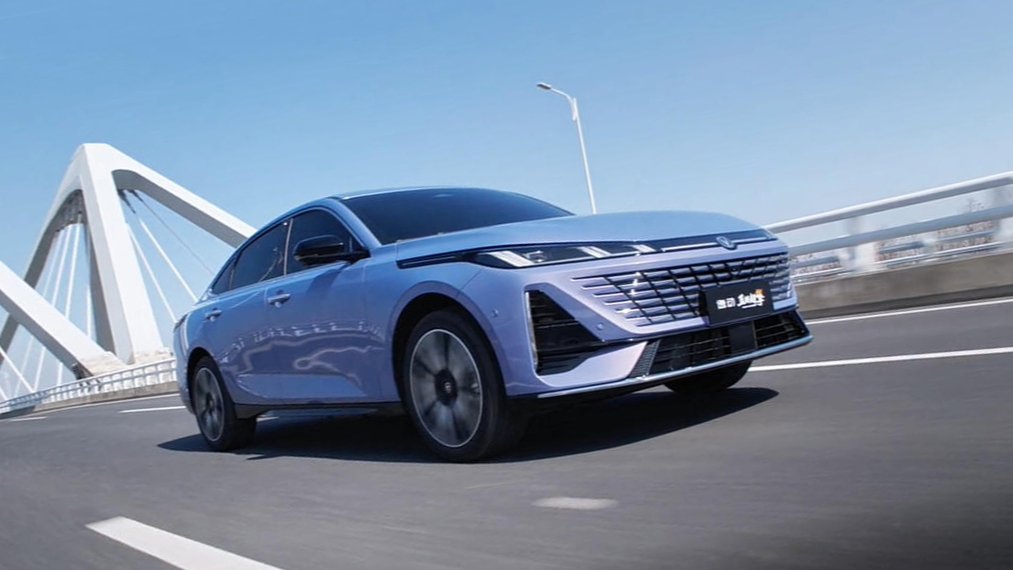
In the past, when we talked about hybrid technology, we would always envy our neighbor, that small country. Now, in the hybrid world's game of Dou Dizhu, we have become the landlord—you may not yet know just how amazing our domestic brand Changan's gasoline cars are at saving fuel!
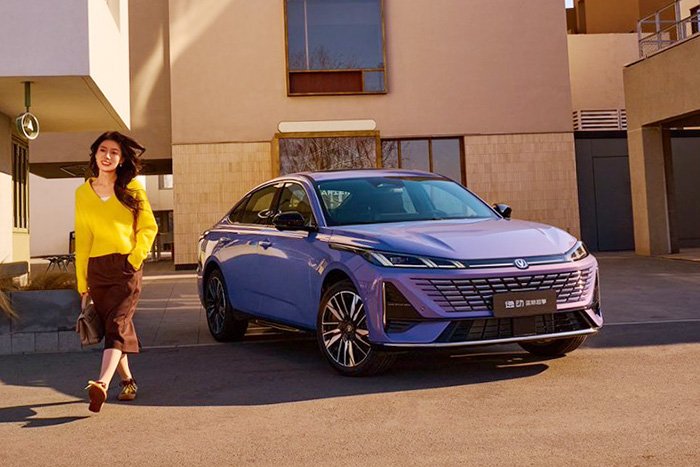
Recently, Changan Blue Whale Super Hybrid's dynamic real-world test results have freshly come out. Urban fuel consumption has entered the "2L" era, and the lowest test figure was as low as 1.6L. Let me emphasize again that this fuel consumption is not ideal data produced in a laboratory, but hardcore strength verified through real-road dynamic testing recently, which cannot but inspire admiration.
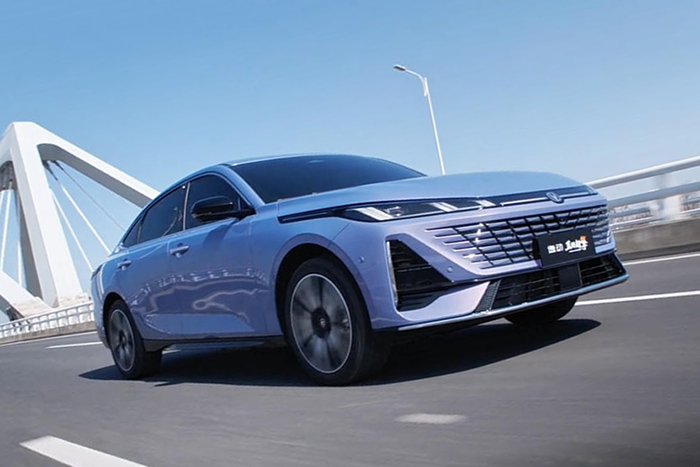
At the end of last month, Changan Automobile released China's solution for global hybrids—Blue Whale Super Hybrid technology. This technology empowers traditional fuel vehicles with electric technology, breaking the traditional fuel-era hybrid technology route led by Toyota, which is mainly oil-based, and innovatively embarking on a new leapfrog hybrid model of "equal emphasis on oil and electricity, intelligent integration," rewriting the global hybrid landscape and opening a new chapter for the next fuel era.
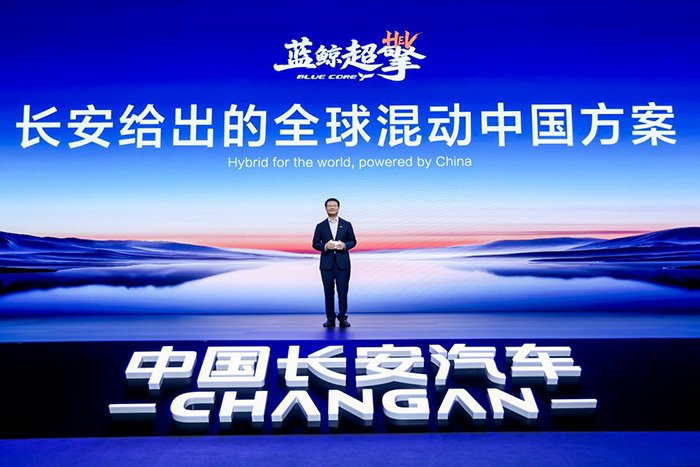
At the event, Changan officially not only disclosed that Blue Whale Super Hybrid has already been equipped on newly released gasoline cars such as the fourth-generation Eado and the fourth-generation CS75PLUS, but also announced that Changan Blue Whale Super Hybrid urban fuel consumption has entered the "2L" era, achieving "blue-plate sedan urban fuel consumption of 2.98L/100km and blue-plate SUV urban fuel consumption of 3.98L/100km." This impressive figure instantly became a hot topic online.
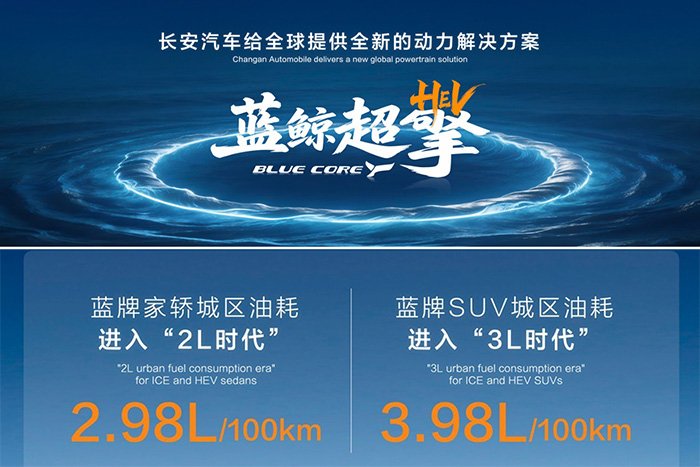
Friends who own cars all know that for a gasoline car, an average fuel consumption of five or six is already considered excellent. Veteran drivers understand even better that congested urban sections are relatively more fuel-hungry. So if a car dares to use urban roads for a real, no-holds-barred dynamic test showcase, then it is either out of its mind or it is an industry leader.
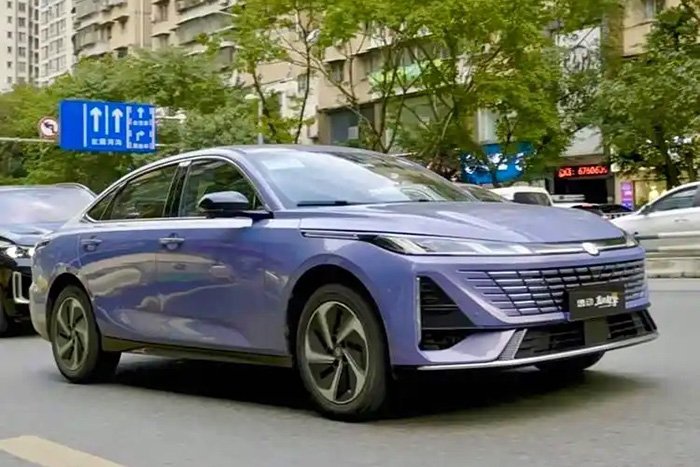
In order to verify that Changan Blue Whale Super Hybrid is not just an empty reputation, in early April, Changan Automobile organized industry media and new-car users to carry out public dynamic real-world test activities for the fourth-generation CS75PLUS Blue Whale Super Hybrid and the fourth-generation Eado Blue Whale Super Hybrid. According to the data, during the event, the fuel consumption data measured by many media outlets was indeed as excellent as the official data, with fuel consumption per 100 kilometers reaching 2.3, 2.4, 2.5, and 2.6, placing it in the "2L" era. Many media outlets even disclosed that the measured fuel consumption was even lower than the official data, with the lowest reaching a terrifying 1.6L.
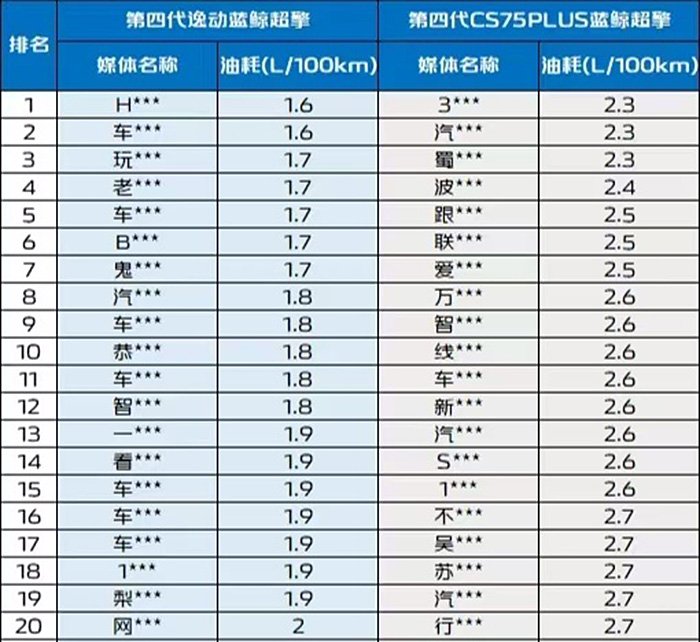
Let us temporarily set aside this low figure of 1.6L. Taking the higher measured figures of 2.3, 2.4, 2.5, and 2.6, this also means that with one tank of fuel (calculated at a 60L capacity), one can easily drive 1500km+. If this range is centered on Wuhan, the thoroughfare of nine provinces, going north can reach the "Imperial Capital," going east can reach the "Magic Capital," going south can reach the "Science Capital," and going west can reach the "Leisure Capital." In a word, one tank of fuel can almost take you across China. Why would you still need to line up for a long time to refuel along the way?
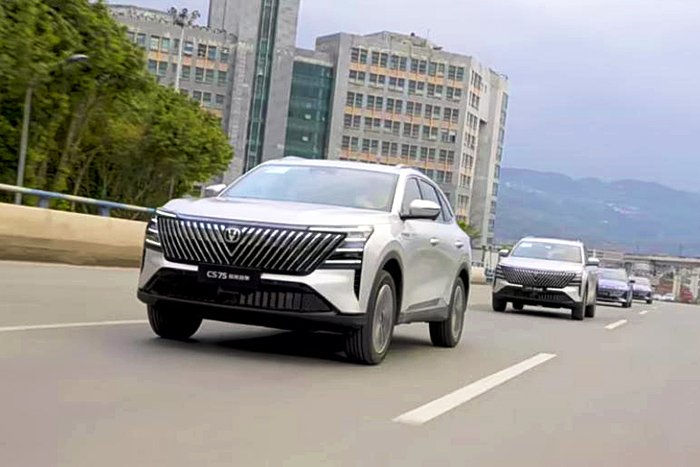
What is even more thoughtful is that with fuel now expensive, Changan Blue Whale Super Hybrid is nothing less than timely rain of "huge fuel savings, no anxiety" for gasoline-car friends. Let us first not mention the even better data measured by the media. Taking one step back and using the official conservative figure of "blue-plate sedan urban fuel consumption 2.98L/100km," and calculating at 8.57 yuan/liter for No. 92 gasoline, the fuel cost per kilometer is only 2 mao 5 fen. If we further calculate based on a family's medium-frequency travel of 15,000 km per year, the annual fuel cost is only just over 3,800 yuan.
By comparison, calculating at 6L fuel consumption per 100 kilometers for traditional fuel vehicles of the same class, one can save 3.02L per 100 kilometers, and in a year of travel one can burn 453L less, equivalent to nearly 3,900 yuan. In other words, for the same driving, the fuel money others spend in 1 year can let you drive for 2 years.
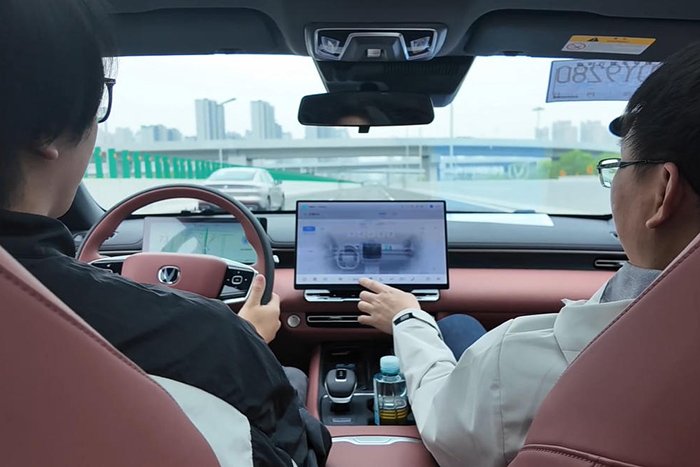
Precisely because of this, in this urban fuel consumption dynamic real-world test, whether it was the fourth-generation CS75 PLUS or the fourth-generation Eado, media friends who drove the new cars described their common advantage as "not only possessing the reliability of a fuel car and the enjoyment of an electric car, but also huge fuel savings!"
So why is Changan Blue Whale Super Hybrid so impressive? Where is the secret behind its fuel efficiency?
In summary, Changan Blue Whale Super Hybrid mainly has the following leading fuel-saving "black technologies."
First, this Super Hybrid is equipped with a 500Bar ultra-high-pressure direct injection engine. Veteran drivers who understand automotive专业知识 all know that the injection pressure of mainstream direct injection engines in the industry is generally around 350Bar. For example, luxury brands such as Porsche and BMW are currently only at 350Bar, and as for Toyota, it still uses 250Bar. This ultra-high injection pressure, globally debuted by Changan Automobile, is 42% higher than the industry mainstream level. Frankly speaking, this has already achieved a generational transcendence.
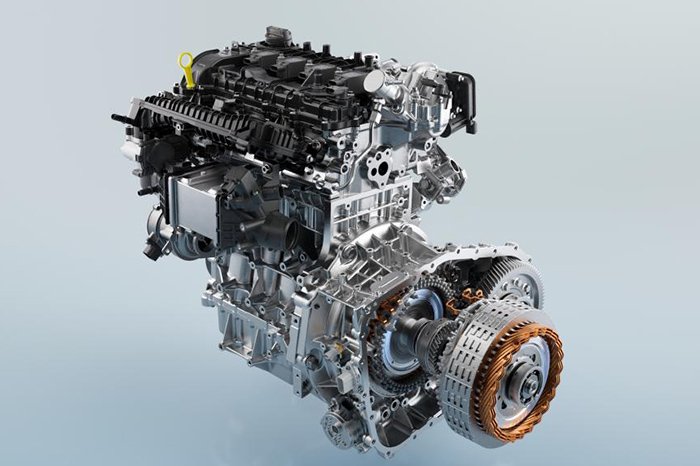
Where is this 500Bar more advanced than 350Bar? To put it plainly, 500Bar injection pressure can make engine fuel atomization more sufficient and combustion more complete.
It is equivalent to the pressure at a depth of 5,000 meters in the deep sea, and can reduce the fuel spray particle size to as low as 6.3 microns (equivalent to one-twentieth of a hair strand). And finer fuel atomization can mix better with air, thereby enabling every drop of fuel to burn more fully and squeezing fuel efficiency to the limit.
In addition, this dedicated engine also has the world's first 150mJ high-energy ignition technology, the industry's highest 1.45 ultra-long stroke-to-bore ratio, the industry-leading 30% EGR rate, and the industry's highest 16:1 ultra-high compression ratio. This five-in-one industry-leading "black technology" works closely together, thereby achieving a thermal efficiency of nearly 45% for this engine. This technological achievement breaks the technical shackles of traditional gasoline engines and reshapes the energy efficiency ceiling of gasoline engines.
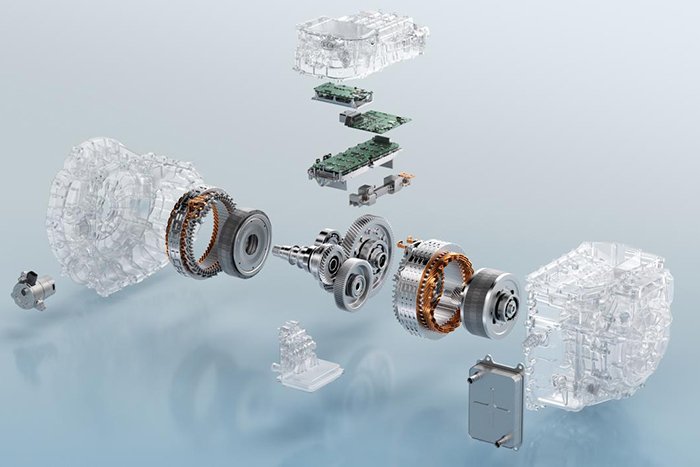
On the basis of being equipped with 500Bar ultra-high-pressure direct injection technology, this Super Hybrid is also matched with a hybrid electric drive featuring "high integration, high power, high efficiency, high computing power, and high gold content," thereby achieving a comprehensive efficiency as high as 92.8%. This figure is currently also in an absolutely leading position in the HEV field.
Coupled with the high-safety, high-performance battery equipped on the new car, as well as the deep integration of electrification and intelligence brought by Ai cloud intelligent control, while greatly reducing the new car's urban fuel consumption, it also brings a stronger, quieter, and smoother new driving and riding experience. This is precisely an important point that many media friends praise endlessly about the new car.
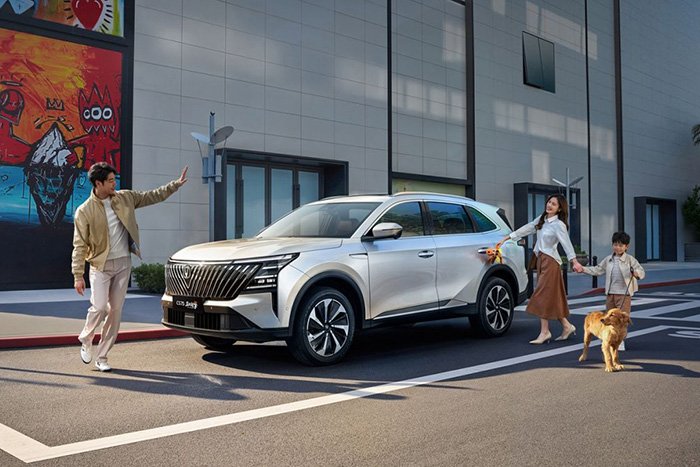
At present, new cars such as the fourth-generation Eado and fourth-generation CS75 PLUS equipped with Changan Blue Whale Super Hybrid have successively arrived at stores nationwide. Friends preparing to buy a car are advised to go to offline stores nationwide to personally test-drive and experience them. Such a model that highly encompasses the respective advantages of fuel cars and electric cars, does not need charging, is safe and reliable, can be driven as soon as you refuel, and achieves ultra-long range and huge fuel savings—I believe no one would not be tempted.


