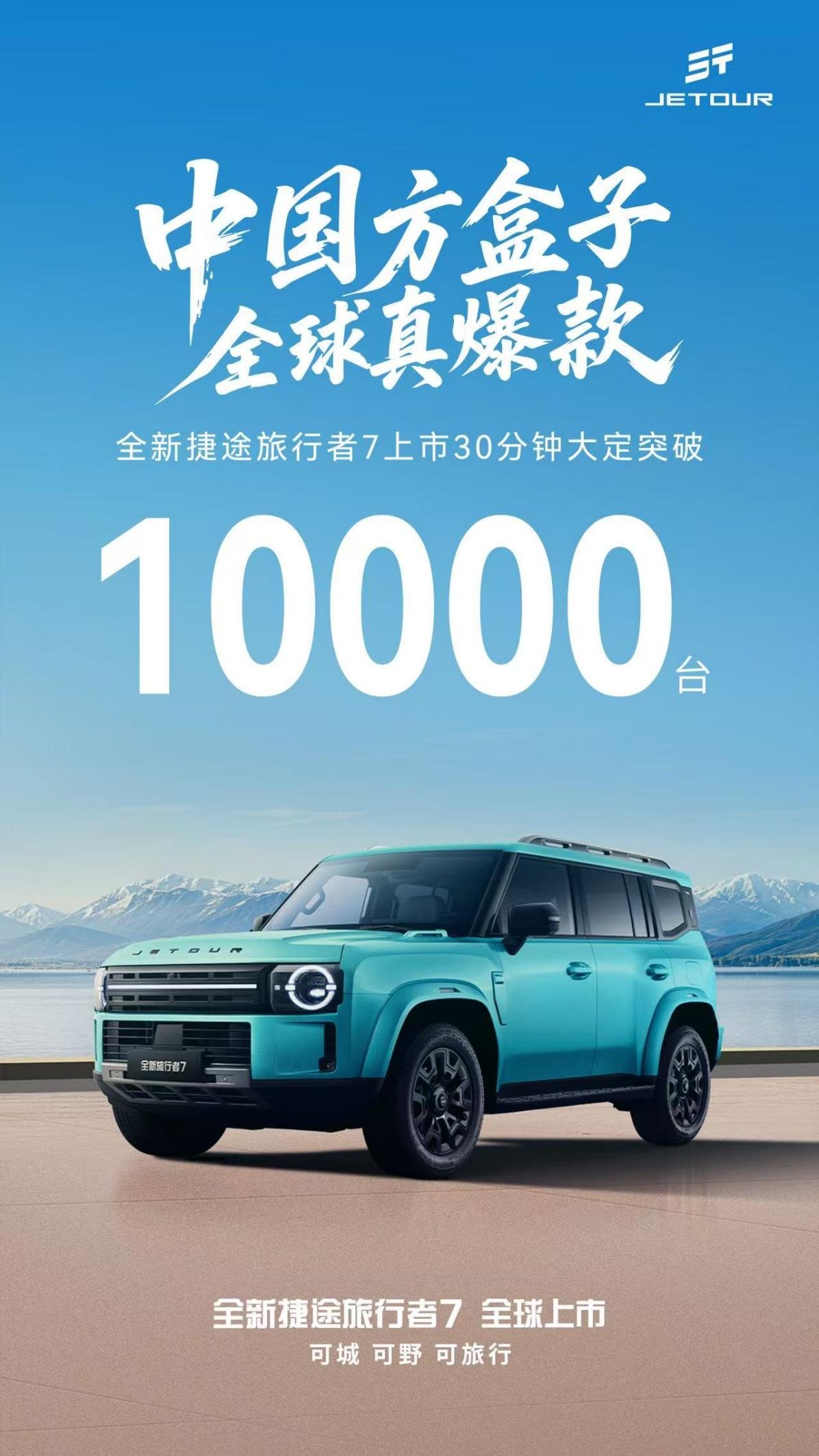
On October 14, the Jetour Traveler 7 launched globally, with a price starting at 125,900 yuan. On the night of the launch, firm orders exceeded 10,000 units in 30 minutes.
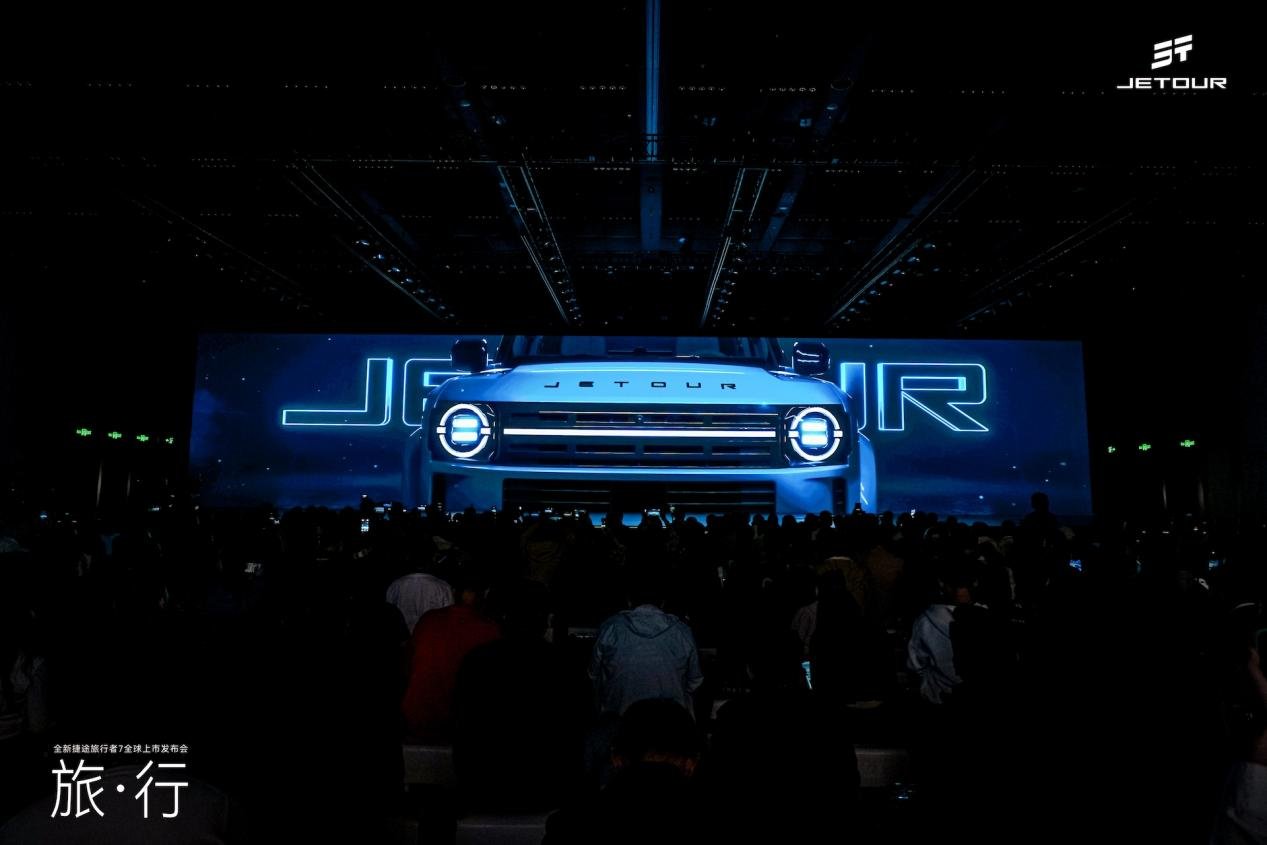
With this start, Jetour truly has reason to feel confident. The Traveler series has sold for three years, with cumulative sales of 600,000 units and monthly sales above 10,000 for 31 consecutive months. The first batch of orders rushing in quickly was something to be expected.
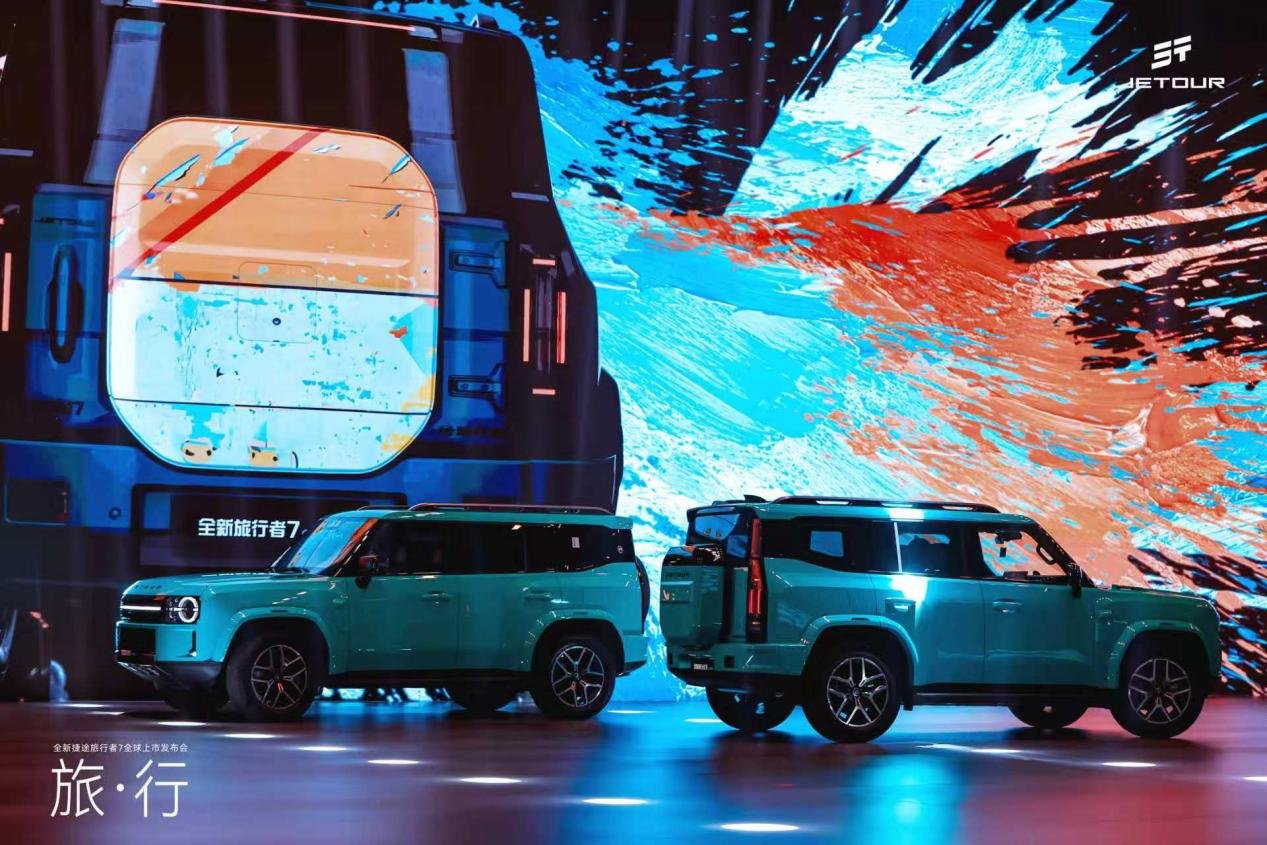
In the end, this is a "boxy" vehicle, but it does not play the same game as Tank.
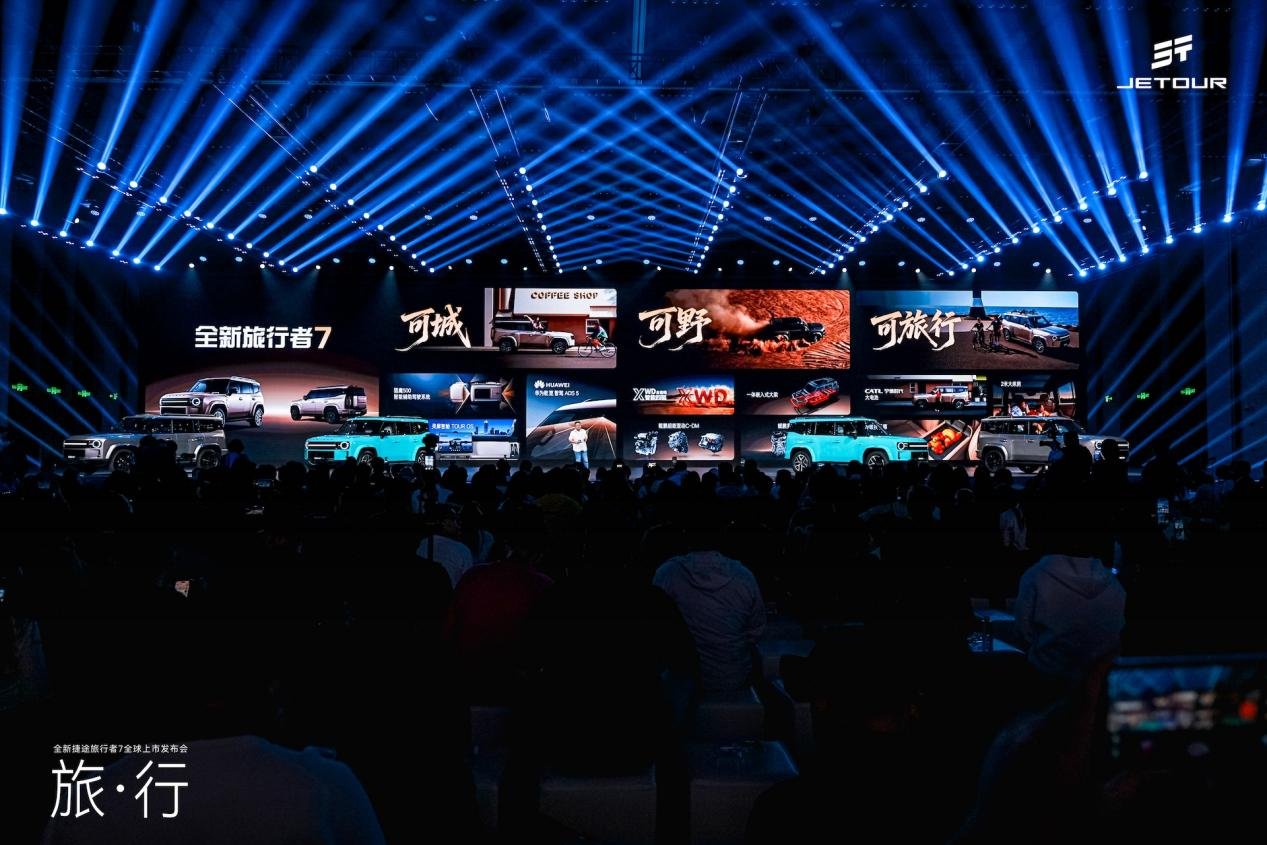
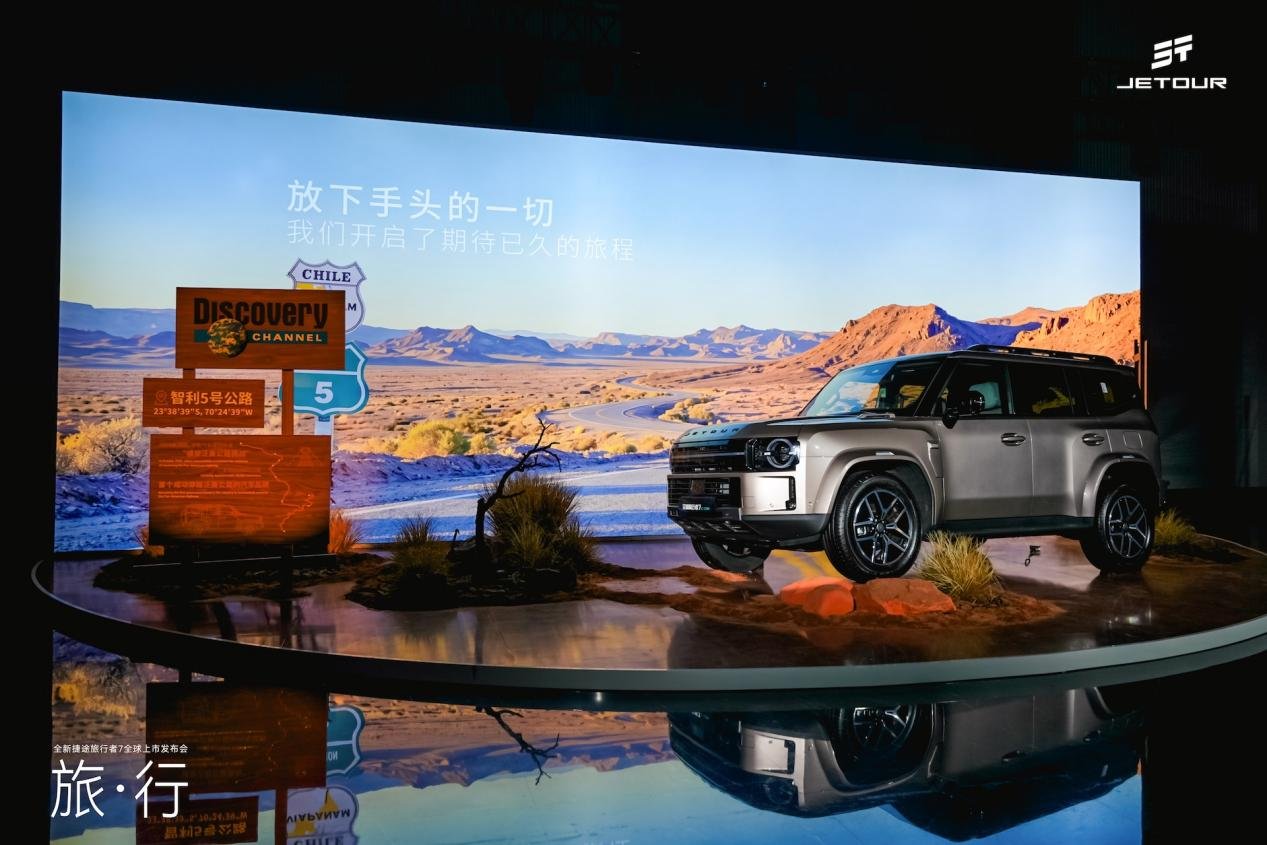
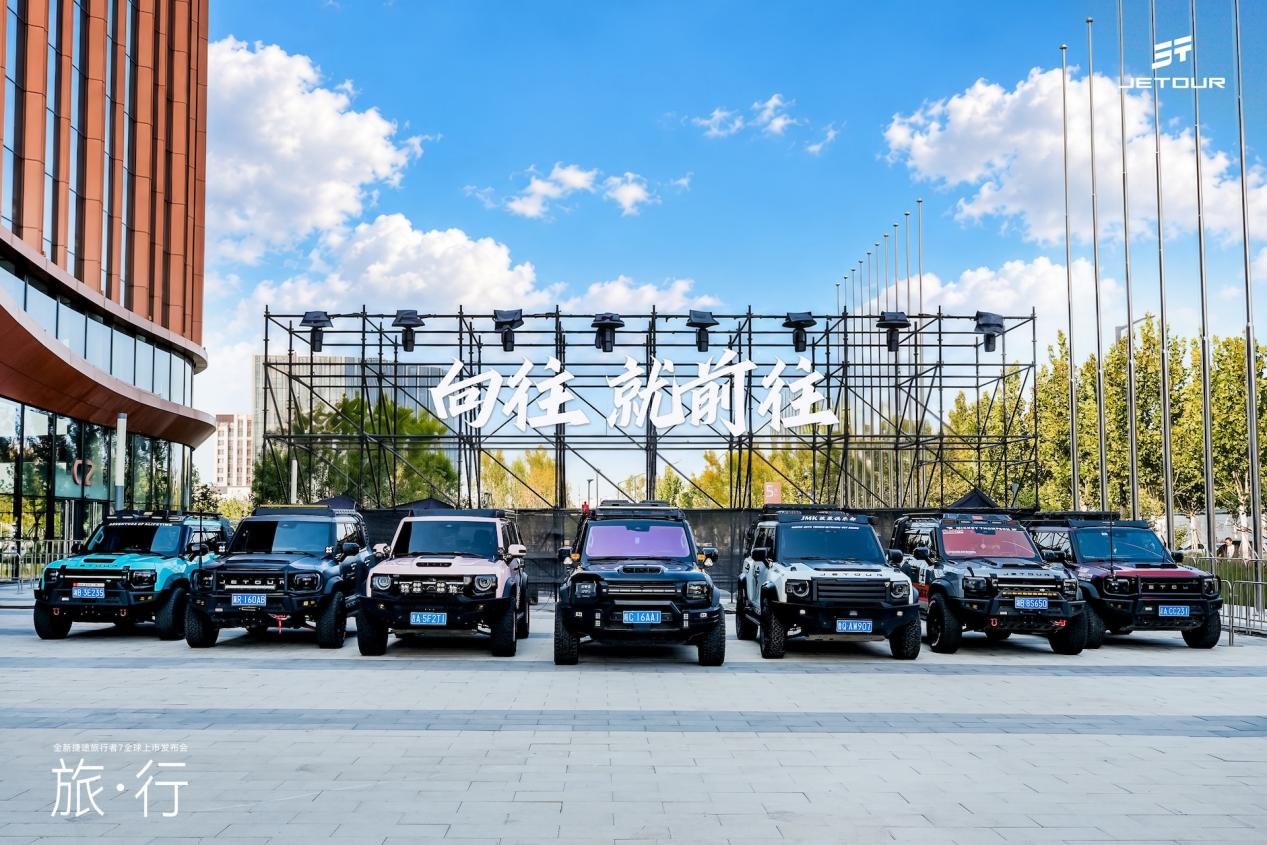
With its square body and round light clusters, this retro boxy styling has already become familiar in the Traveler series. The Traveler 7 pushes the wheelbase to 2,800 mm, so three adults in the rear seat are not cramped, and the rear seats can be folded flat to make a bed. This is where it sets itself apart from city SUVs at the same price.
The chassis is the key point. The XWD fully automatic intelligent four-wheel drive plus an integrated embedded ladder frame is the hidden card that lets it claim it can go off-road. Note the wording: it is "embedded," not "body-on-frame." At its core, it still follows the unibody approach, just embedding the ladder frame in to improve torsional rigidity. The frame is less likely to deform on rough roads, but it is not a hardcore off-roader with rigid axles that can take you into no man's land. In terms of positioning, it is a compromise between "mainly for city commuting, with occasional wild fun." This needs to be made clear.
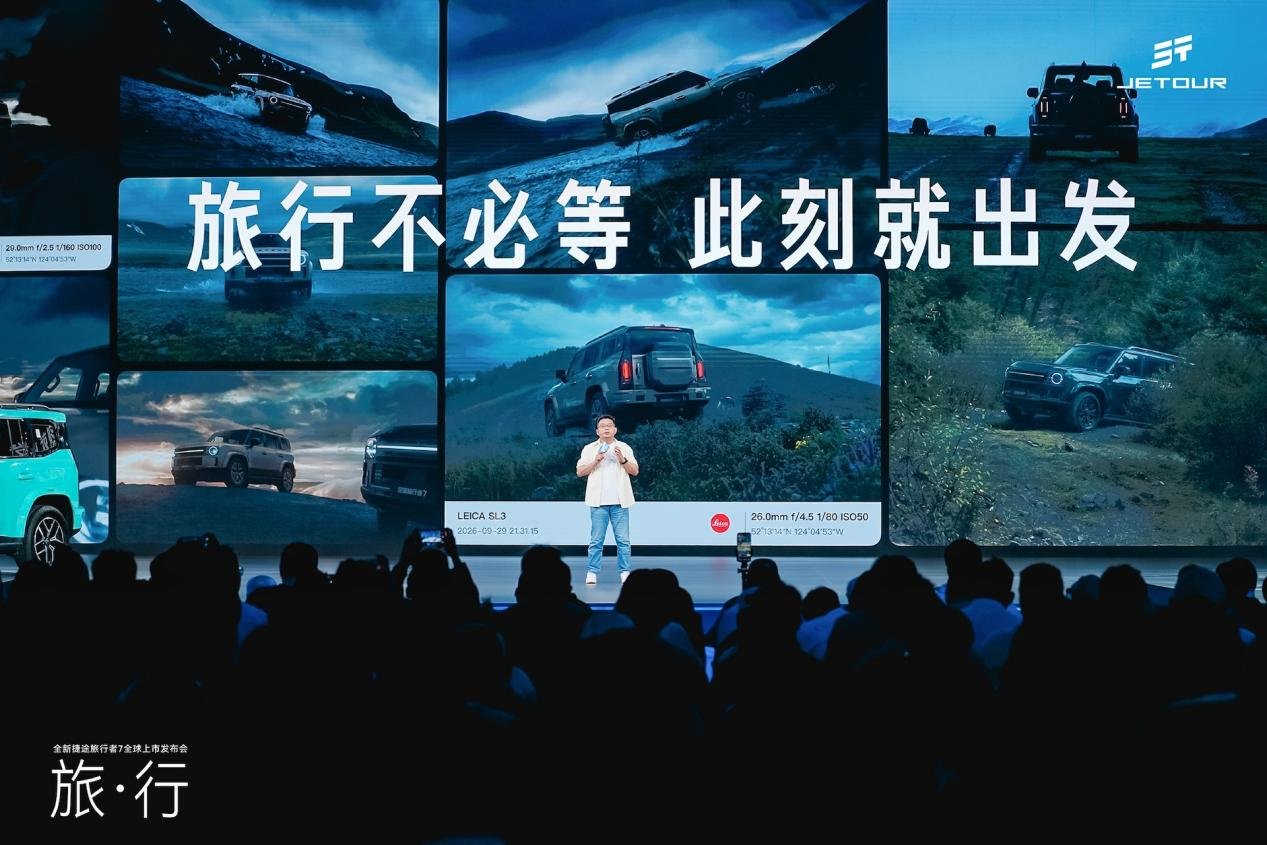
Two powertrains are offered: the gasoline version with a 2.0TGDI paired with an 8AT, producing 187 kW and 390 Nm, placing it in the upper-middle range among same-class 2.0T engines. The C-DM hybrid version has a three-motor hybrid four-wheel-drive system with 575 kW of system power and 835 Nm of torque, and the figures are quite intimidating. For off-road novices, there is a "7+X" one-touch off-road mode that automatically recognizes mud, snow, and sand. Whether this function actually works well will have to wait for real-world testing; many systems on the market that claim to "automatically recognize terrain" still require manual intervention in truly complex conditions.
On safety, there is an 81% high-strength steel cage body, 7 airbags, plus lifetime warranty for the entire vehicle. Jetour is not the first to offer a lifetime warranty, but for off-road vehicles it truly hits a pain point: what off-road vehicle buyers fear is not being unable to afford one, but being unable to afford repairs and never finishing repairs. However, the details of the terms (first owner, non-commercial use, whether in-store maintenance is required) are often hidden in the appendix, and it is worth reading them one by one before buying.

Intelligence and comfort are where this generation of boxy vehicles has made the most aggressive catch-up.
The gasoline version gets Falcon 500 advanced intelligent driving, while the C-DM version goes directly to Huawei Qiankun ADS. The cabin features a Snapdragon 8255 with 24 GB of RAM and 256 GB of storage, and the Lingxi smart cockpit is paired with the iFlytek Spark large model. In plain terms: the infotainment system is not laggy, voice control can get things done, and navigation, air conditioning, and windows are all just a sentence away.
The seats use 12-layer Shuyun construction, with front-row memory, heating, ventilation, and massage; the audio system is Boya Sound with 23 speakers. These features were unimaginable in boxy vehicles three years ago, and now they have entered the standard-price range. This is a dividend created by industry-wide competition.
The C-DM version deserves separate accounting: a 45.12 kWh CATL battery, emphasizing dust, water, and impact resistance; CLTC pure electric range of 251 km. If you have a charger at home, one charge a week is enough for commuting; if not, just drive it as a gasoline car and do not force the idea of "driving it as an EV in the city." If charging is inconvenient, no matter how long the range is, it is just a number on paper. In addition, CLTC itself is optimistic, and an actual 20% discount is the norm.
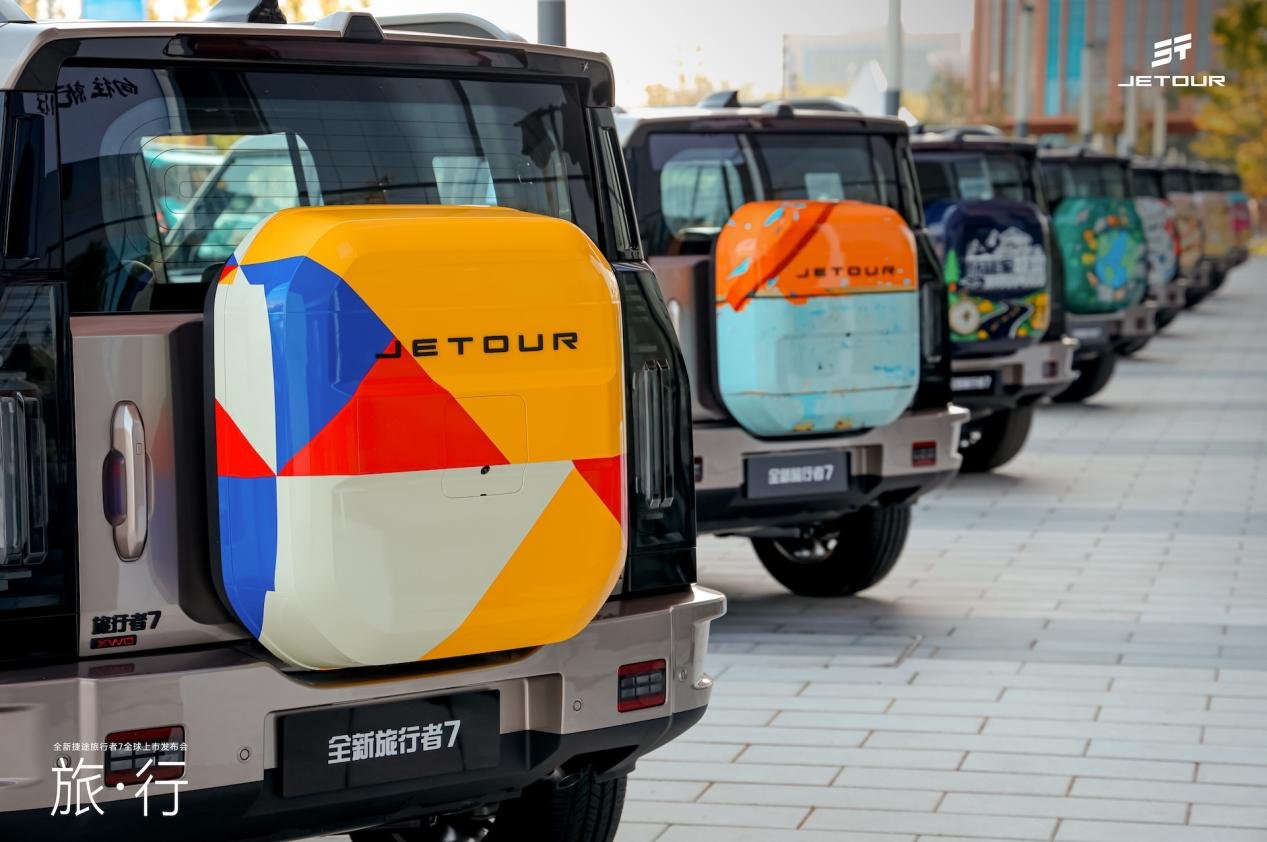
On the travel ecosystem, more than 3,000 stations, over 600 benefits, and official trendy modification plans are bonus points, but not a decisive reason to buy the car.
Back to the market, I have three judgments, which may differ somewhat from the official tone.
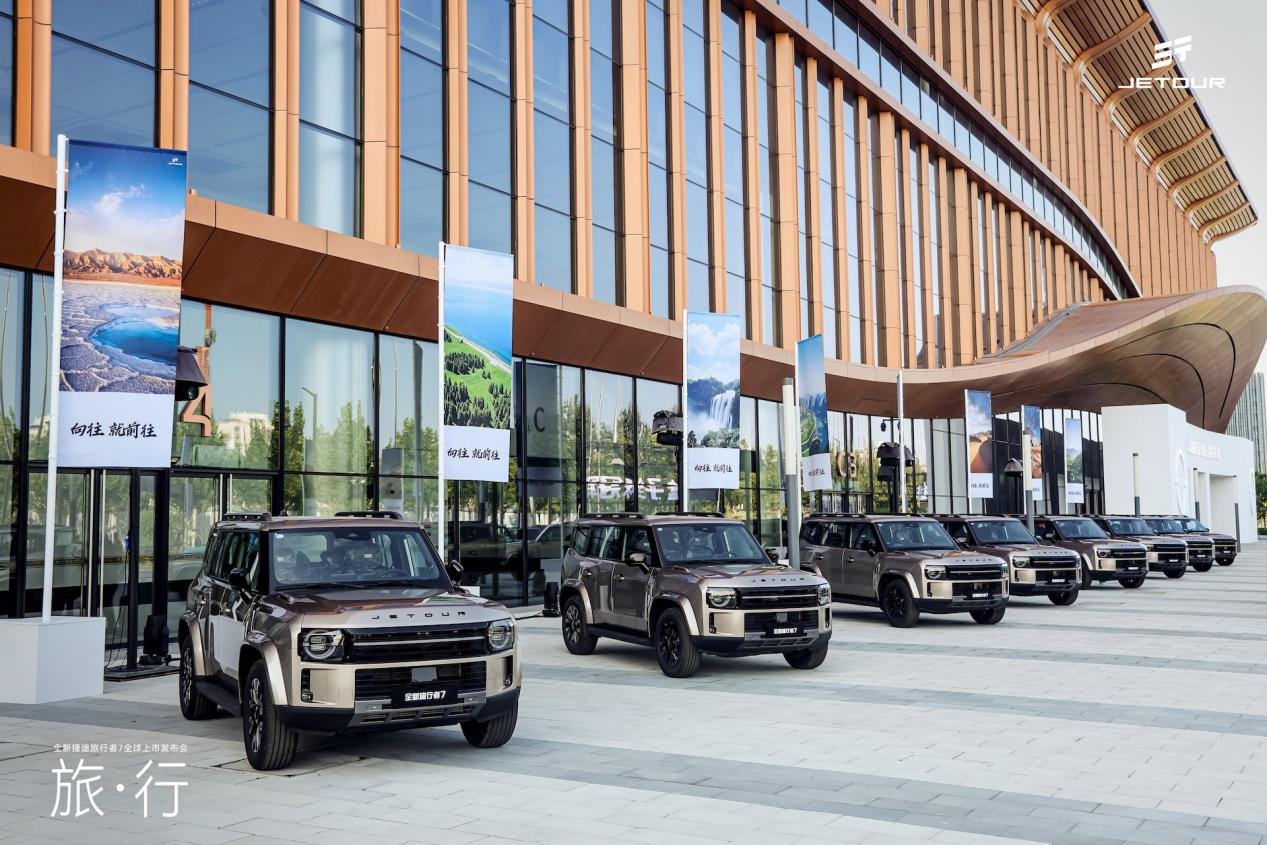
First, the price is pressed hard. Starting at 125,900 yuan, with 8 class-exclusive features, 20 class-leading features, and 58 standard features across the range packaged in, boxy vehicles at this price have never played it this way before. For comparison, Tank starts above 170,000 yuan, Fangchengbao is over 200,000 yuan, and the Traveler 7 cuts directly into the price band of city SUVs like the Song PLUS DM-i. It is here to grab business from hybrid city SUVs, not just to fight in the off-road circle. If what you are comparing are the Song PLUS and Haval Raptor, then the Jetour Traveler is a choice you cannot avoid;
Second, the stereotype that "hardcore means not smart and not comfortable" is indeed being diluted, but it is still too early to say it has been completely overturned. Among hardcore SUV users, some specifically want roughness and a mechanical feel, and an intelligent cockpit is actually a minus for them. The Traveler 7 is not trying to please professional off-roaders, but users who have light off-road needs and can still drive it to and from work every day.
Third, "city-capable, off-road-capable, travel-capable" is no longer a niche experiment. The Traveler series has cumulative sales of 600,000 units and monthly sales above 10,000 for 31 consecutive months, showing that demand is a real and stable base. Jetour has cumulative global sales of 2.56 million units, over 800,000 boxy vehicles, and has taken first place in light off-road in countries such as Saudi Arabia, the UAE, and Oman. The numbers are impressive, but they also show one problem: a large part of its main battlefield is overseas and in the Middle East. Whether it can withstand pressure from competitors in China still depends on whether subsequent monthly sales remain stable.
After the styling dividend of the "boxy vehicle" is divided up by all brands, from 100,000 to 500,000 yuan all being boxes, why should it make people continue to pay? Is it intelligence? Is it hybrid range? Or is it that travel ecosystem?
My answer is very straightforward: it depends on whether it can do a solid job with "service." When people buy a car, sometimes what they buy is not necessarily the product itself; it also includes brand reputation, product quality, and especially the service process at the store. Retaining people may be the beginning of high sales.


