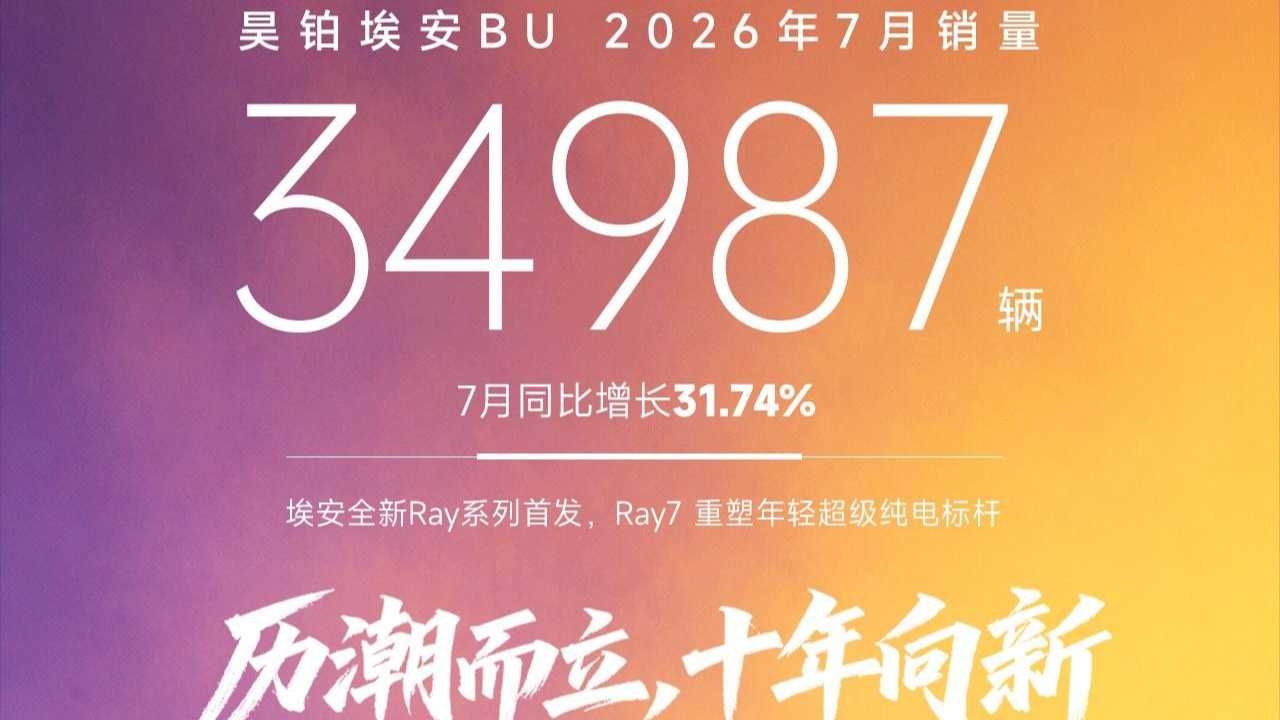
In July's new energy vehicle market, the data is a bit painful: retail sales are expected to fall 16.8% year-on-year. Amid this cold wave, Hyper Aion delivered a scorching report card: July sales of nearly 35,000 vehicles, a year-on-year surge of 31.74%, marking five consecutive months of double-digit growth. Smart EV News believes this is not simply luck, but the foundation accumulated over nine years of long-distance running, an inevitability of thick accumulation and thin release.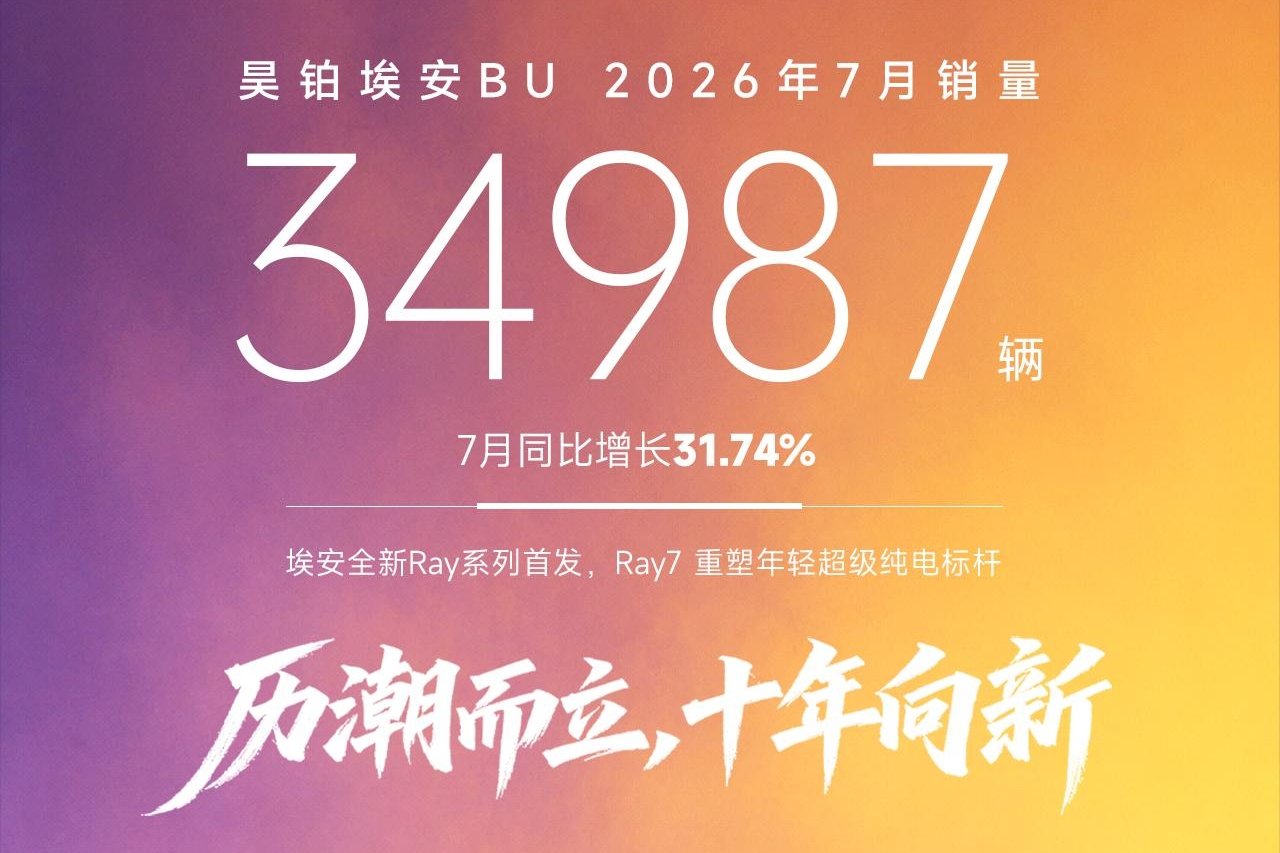
To be fair, after all these years, some people still hold stereotypes about Aion. However, the latest data has completely overturned perceptions: in the first half of 2026, Aion's proportion of C-end individual users has soared to 81%. What does this mean? It shows that the main models have shifted from the AION Y and AION S series of the past to a host of new products such as the Aion i60 and Aion N60.
Behind this, the main credit goes to the BU system reform, relying on the two major systems of IPD and IPMS to connect the entire chain of R&D, production, sales, and service, while simultaneously carrying out dual-brand renewal and reconstructing market perception. The results prove that on this path of transformation, Aion has succeeded. While some brands are still relying on channel stuffing to stay alive, Aion has already used the hit-product logic of "users have the final say" to steadily build "good cars for the people" that everyone can afford and use well. The aforementioned Aion i60 and Aion N60 are the most representative.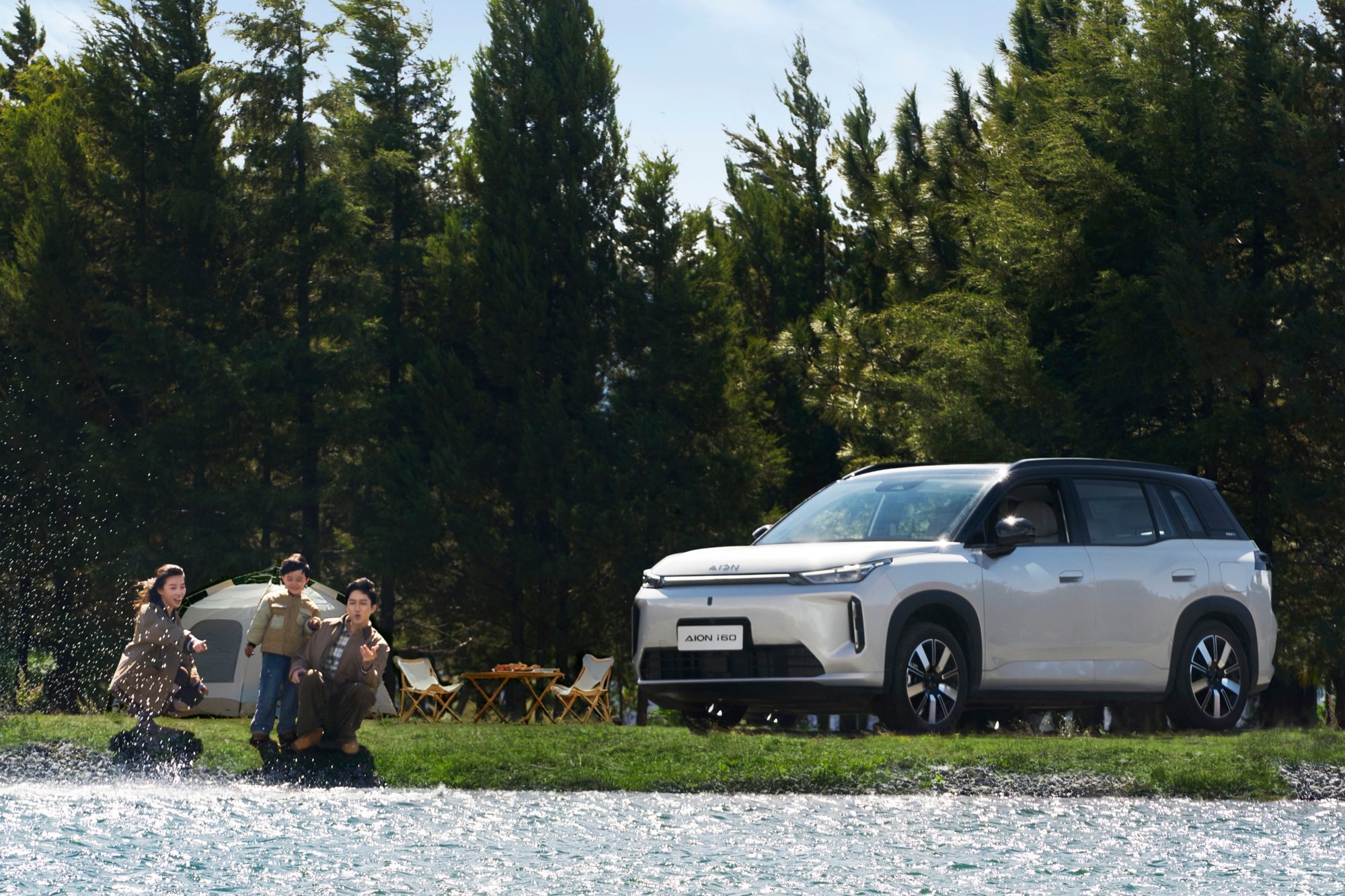
What makes the Aion i60 special is that it is affectionately called a "raised-by-users blockbuster single product": when users complain that the navigation is not good, the next OTA optimizes it; when they want extended range, dual power is offered; when users feel the threshold is too high, the "Ma Dao Cheng Gong Edition" is launched. This kind of "responsive" rapid iteration has kept its monthly sales steadily above 10,000, with users aged 26-35 accounting for 42%, making it the A-class new energy SUV that best understands Chinese families.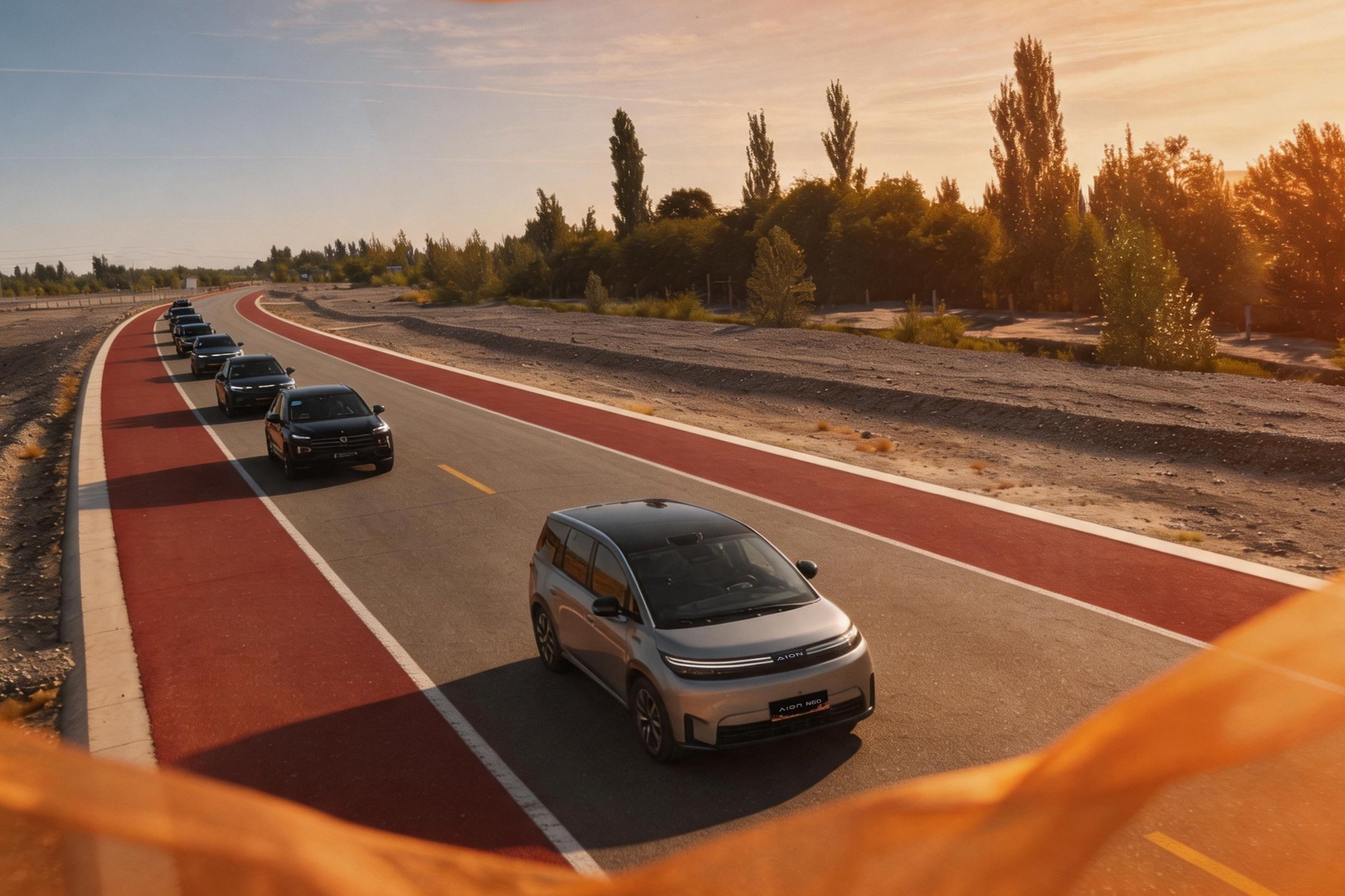
Now let's look at the Aion N60. This car is even more of a dimensional strike: although priced in the 100,000-yuan class, it comes standard across the lineup with LiDAR + WeRide L4 same-origin algorithms. For young people, spending the money of a mainstream family car to enjoy a 300,000-yuan-class assisted driving experience is truly great value. This has also given it a 73.3% share of the 100,000-150,000 yuan segment with LiDAR, with users aged 25-35 accounting for nearly 80%.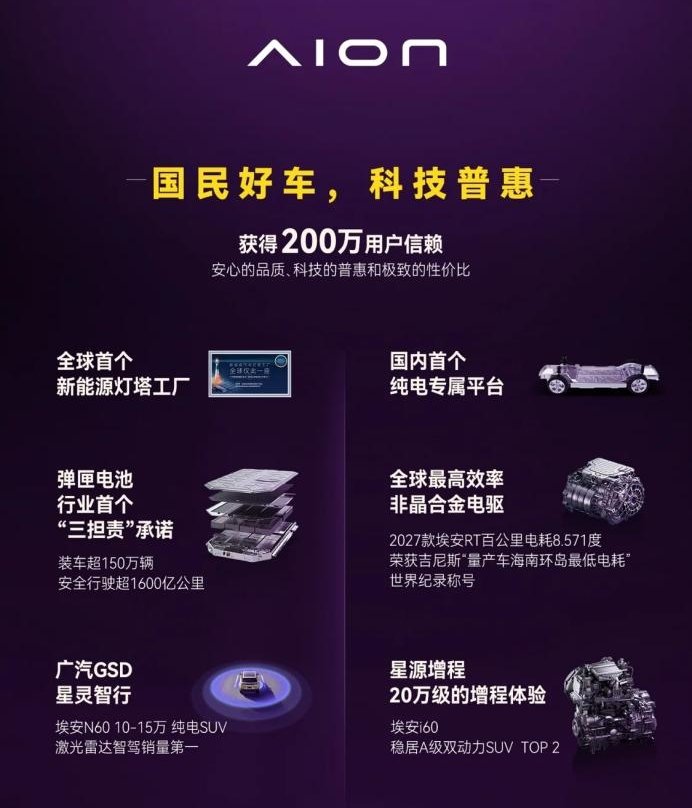
On July 28, Aion entered its tenth year. How brutal has the new energy elimination round been during this period? New energy vehicle manufacturers nationwide have "shrunk" from nearly 500 to just dozens today, and those that can cross cycles and steadily rise to survive ten years are few and far between. Relying on GAC's state-owned platform and a supply chain worth over 100 billion, Aion has weathered subsidy reductions, battery price increases, and round after round of price wars, becoming a reliable choice consumers can trust.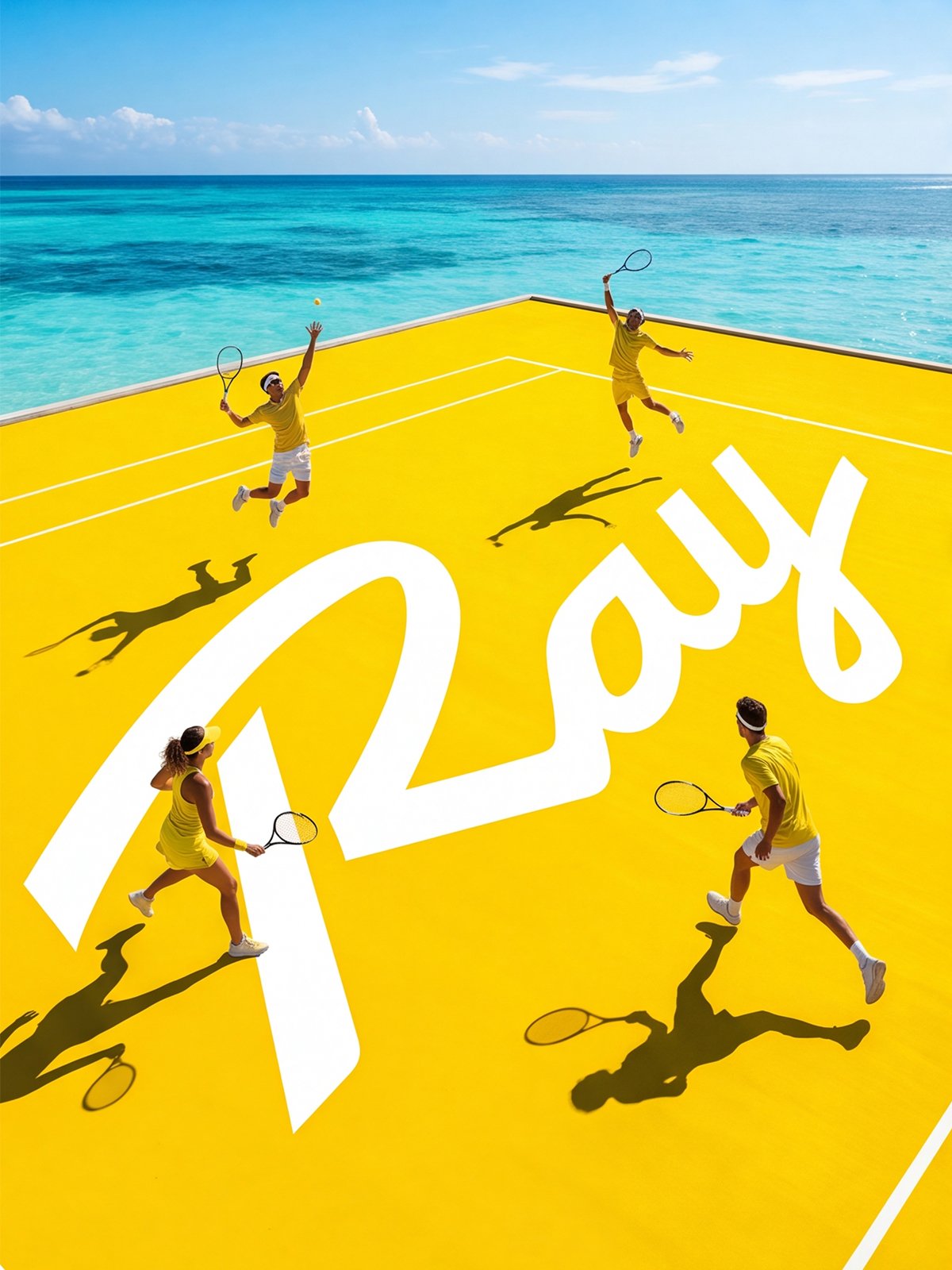
Now, in the second half of the new energy era, there is a saying that rings true: whoever wins young people wins the world. As it enters its tenth year, Aion has seized the moment to launch the all-new Ray vehicle series, with the first model, Ray 7, positioned as "young people's first super pure electric car." A 5-meter-class low-slung wide-body coupe, a chip-level drive-control integrated chassis, and L4 same-origin LiDAR assisted driving—Aion's transformation path is already clear. This is not just the launch of a new product, but a strategic strike to open up a second growth curve.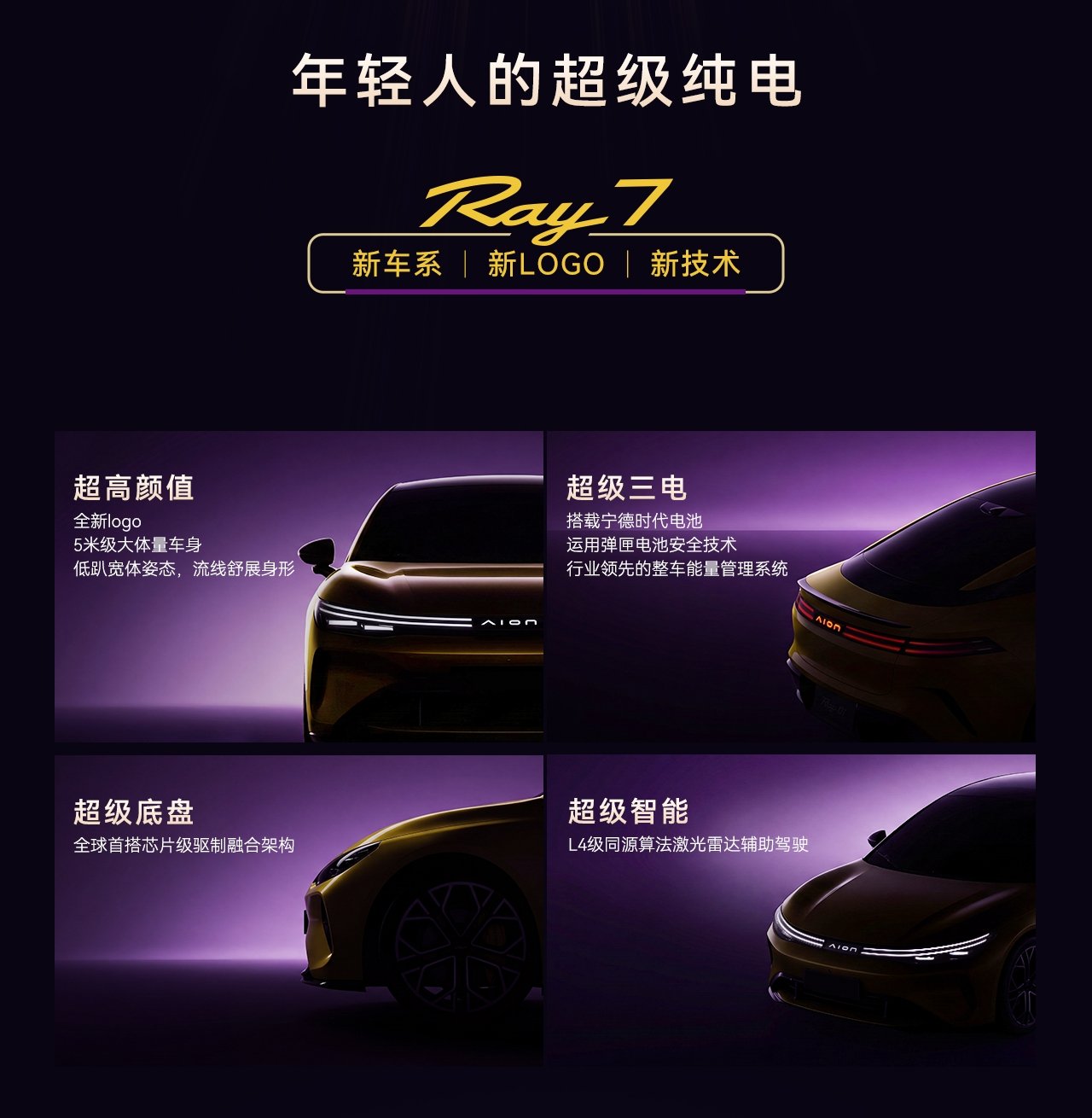
There is currently a strange cycle in the industry: once a brand pivots to youthfulness, it frantically cuts specifications. But Aion has broken this curse. Where does its confidence come from? Not from cutting corners—the answer is the thick accumulation of years of full-stack self-development, with the pure electric dedicated platform, Magazine Battery, and Quark Electric Drive all landing one by one. With the scale effect of 2 million users, technology costs have been diluted to the extreme, achieving "technology inclusiveness," letting everyone enjoy high-end technology, and letting young people both afford it and use it well.
Written at the end
These days, when buying a new energy vehicle, what people fear most is not exaggerated range, but a brand that suddenly disappears. In just a few years, more than 23 automakers have gone bankrupt, and 850,000 car owners have tragically become "after-sales orphans." Hyper Aion, in its tenth year since founding and with 2 million users accumulated, has already outperformed the vast majority of its peers. Standing at the starting point of the next decade, Hyper Aion uses the Ray 7 to extend an invitation to young people, and the future is even more worth looking forward to.
Hyper and Aion Are No Longer the Hyper and Aion They Once Were!
Related Stories

funnytechnology
Shenzhen Takes Off, China's Denza Soars! APEC Official Designated Vehicle First Batch Delivery Ceremony Grandly Held

ZXKC20200214
Geely Auto Appears at 2026 Sustainable Global Leaders Conference, Empowering Sustainable Development with Technological Innovation

StarCoreLabs
Hybrid sedans under 150,000 yuan: Seal 06, Volkswagen ERA 5S, MG 07 PHEV — how to choose?