The 2025 pickup market is destined to be anything but calm. As the automotive industry accelerates its transition toward new energy, pickups—once regarded as mere work vehicles—are now gaining new vitality with the support of plug-in hybrid technology. In the new year, as major players such as Great Wall, Ford, JAC, and Zhengzhou Nissan roll out their plug-in hybrid pickup flagship models one after another, a fierce battle is about to begin. What exactly is the situation? Let's take a look.
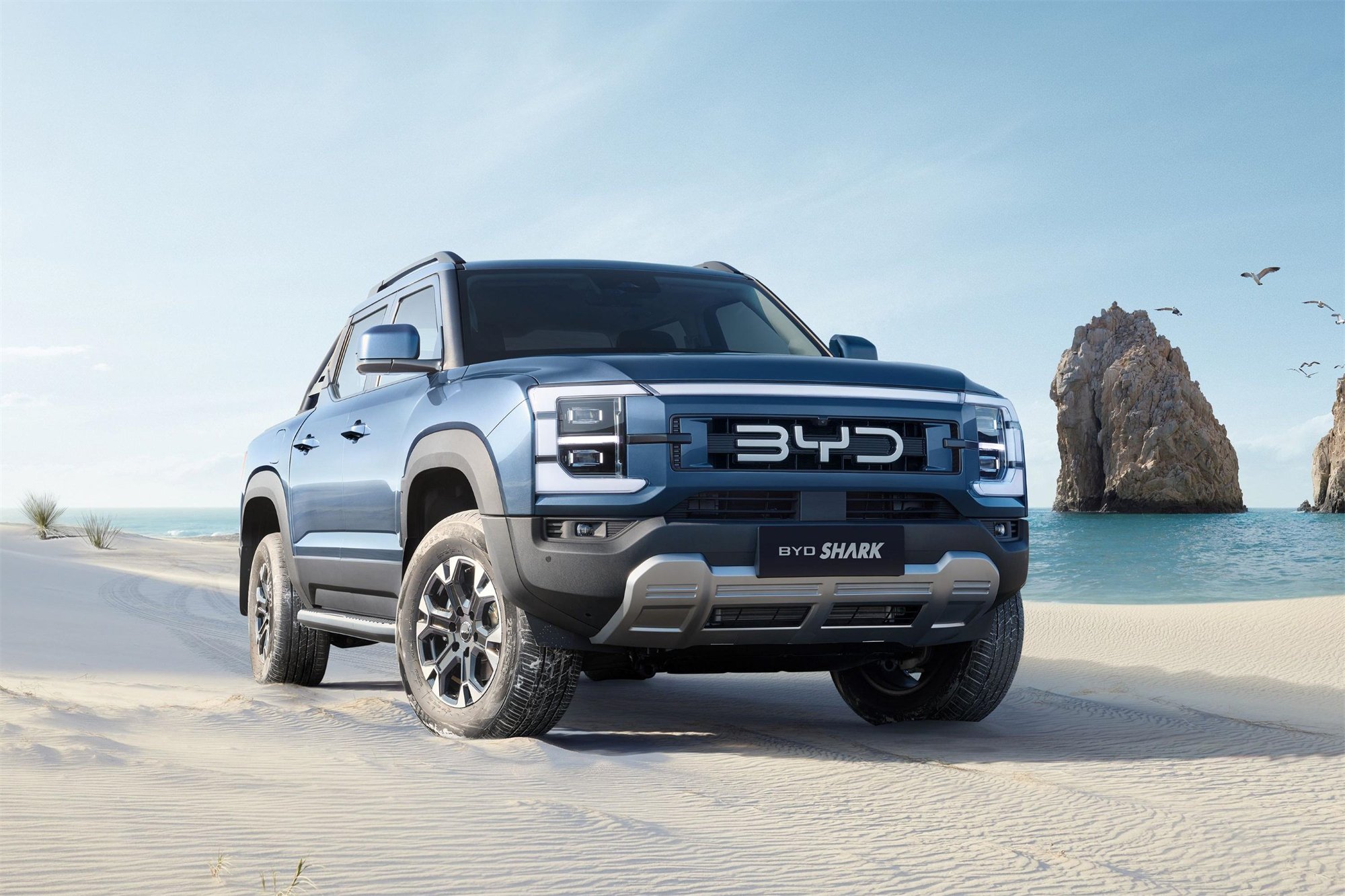
In 2024, China's new energy vehicle market was in full swing, with sales exceeding 12 million units and market penetration surpassing 40%. Among them, plug-in hybrid (PHEV) models surged by more than 60% year-on-year, and plug-in hybrid pickup sales more than tripled year-on-year. Clearly, the "plug-in hybrid wave" has reached the pickup sector. Plug-in hybrid pickups have not only ended the traditional pickup's "gas guzzler" image, but have also quickly become market stars thanks to advantages such as strong power, high practicality, and diverse application scenarios. 2025 is destined to be anything but calm.
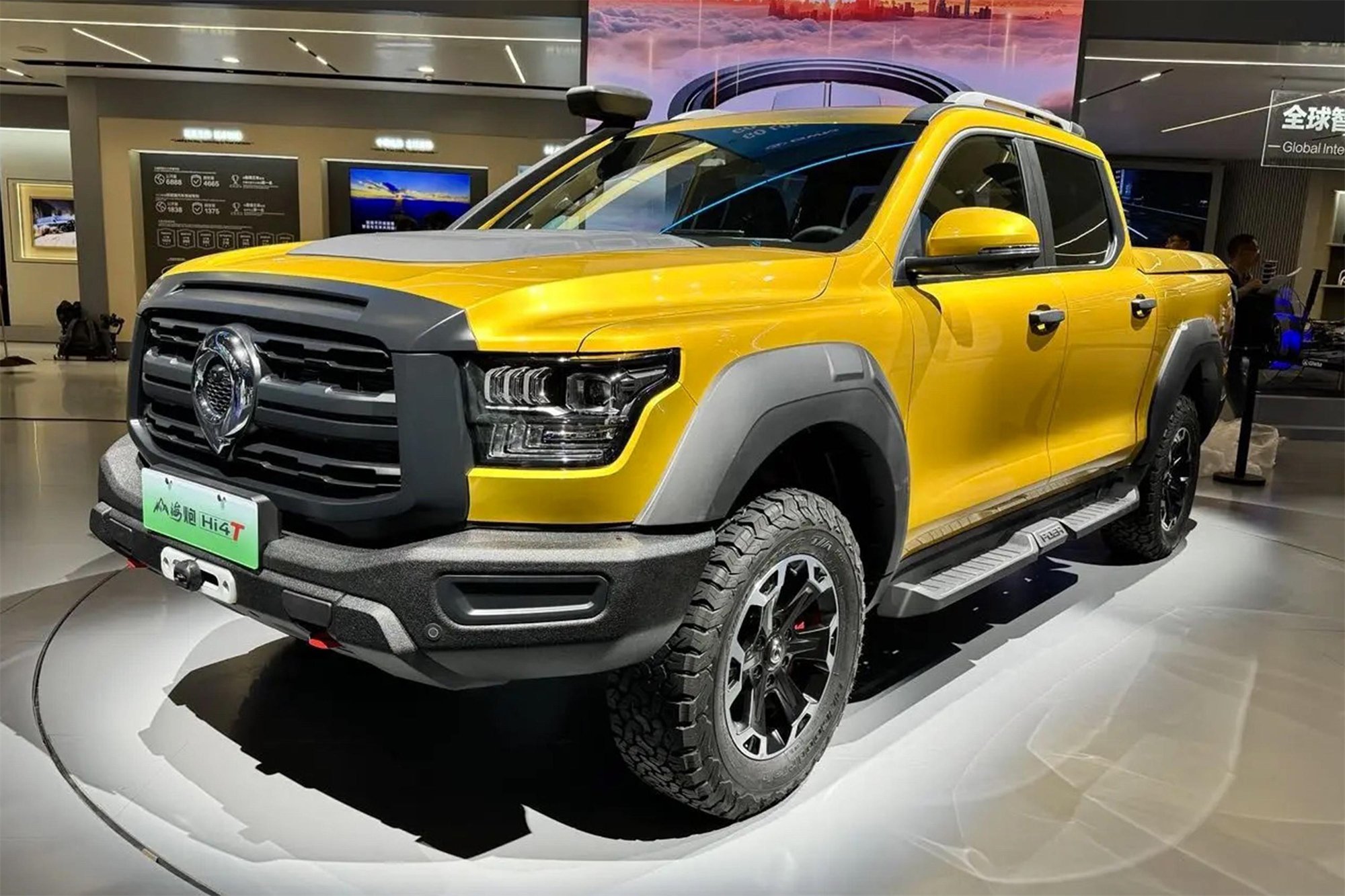
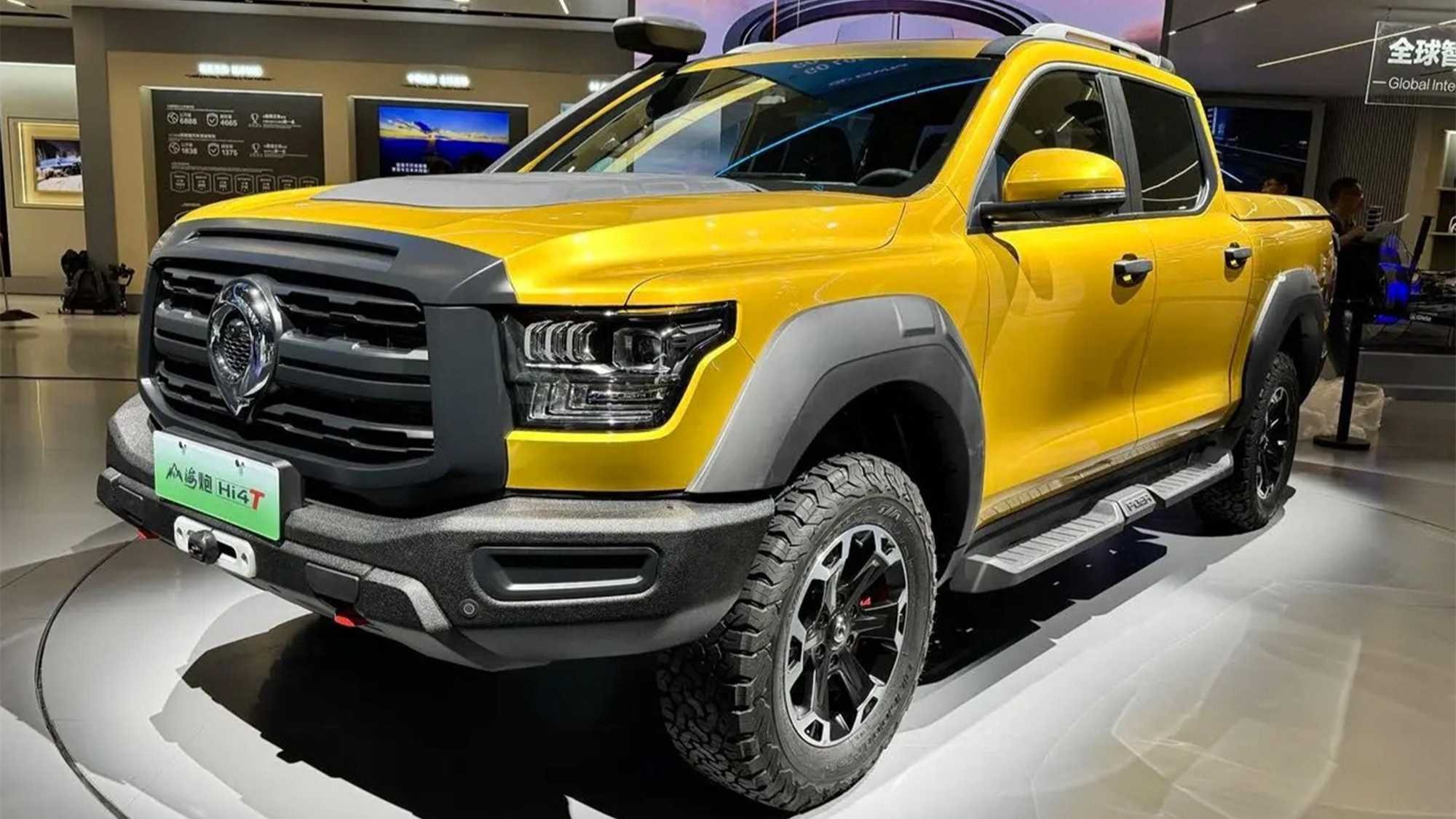
The Great Wall Shanhai Cannon Hi4-T, a pickup that shone brightly at last year's Beijing Auto Show, is equipped with the same Hi4-T off-road hybrid system as the Tank series, with a combined power of up to 300kW, peak torque soaring to 750N·m, and a 0-100km/h acceleration time of just 6.9 seconds. Its formidable performance figures have driven off-road enthusiasts and users pursuing the ultimate driving experience crazy. Add to that a pure electric range of 115 kilometers and a declared fuel consumption of 1.7L per 100 kilometers, and the Shanhai Cannon Hi4-T is undoubtedly the best choice for urban commuting and short suburban trips.
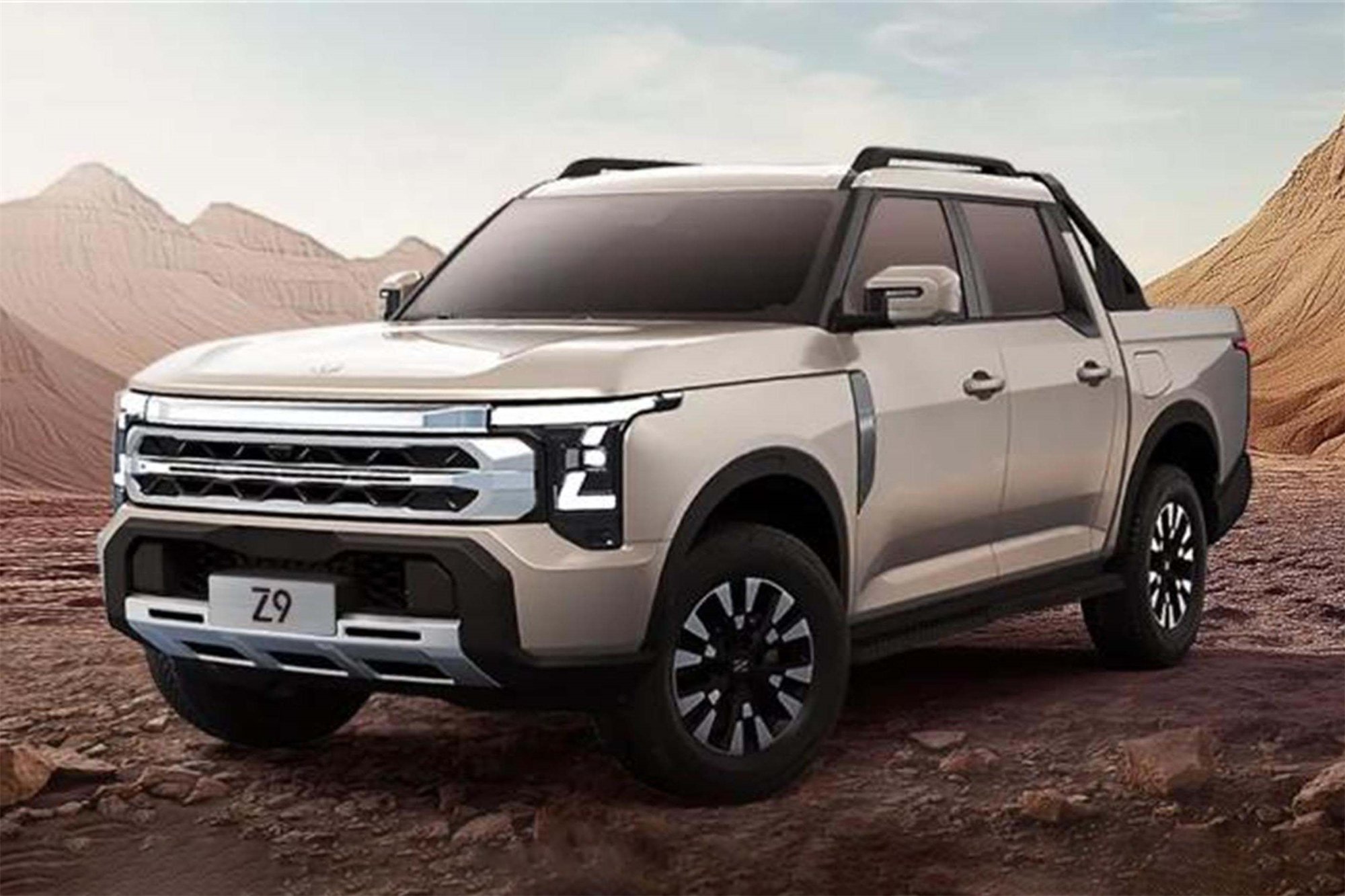
However, Great Wall is not fighting alone. The diesel version of the Zhengzhou Nissan Z9 pickup has officially debuted, and a PHEV version will be launched in the future. This pickup is highly tech-forward in its design language, with a luxurious and imposing interior, extensive use of leather wrapping, and body dimensions that place it in the mid-to-large pickup category, offering spacious interior room and strong multi-purpose expansion capability. Although specific parameters have not yet been disclosed, it is foreseeable that the vehicle will deliver outstanding dynamic performance and adopt a longitudinally mounted rear-wheel-drive layout, matched with a front and rear dual-motor four-speed hybrid DHT architecture. The hybrid engine will most likely use Dongfeng's Mach Power, giving the product enormous potential.
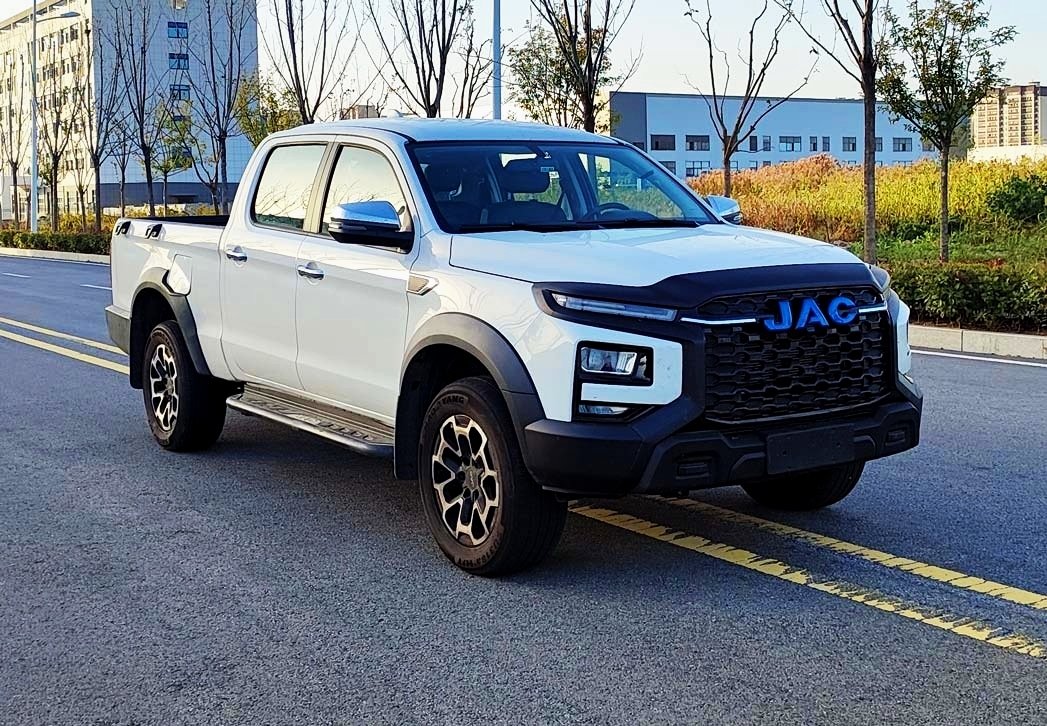
Of course, there is another model that cannot be ignored: the JAC Hunter PHEV. This vehicle is equipped with a dual-motor four-wheel-drive system, with maximum output power of the front and rear motors at 130kW and 150kW respectively, and the 2.0T engine's maximum output power reaching as high as 160kW. It offers both standard-wheelbase and long-wheelbase body sizes, with dynamic performance aimed directly at the high-end market, making it an ideal choice for off-road enthusiasts and individual business owners.
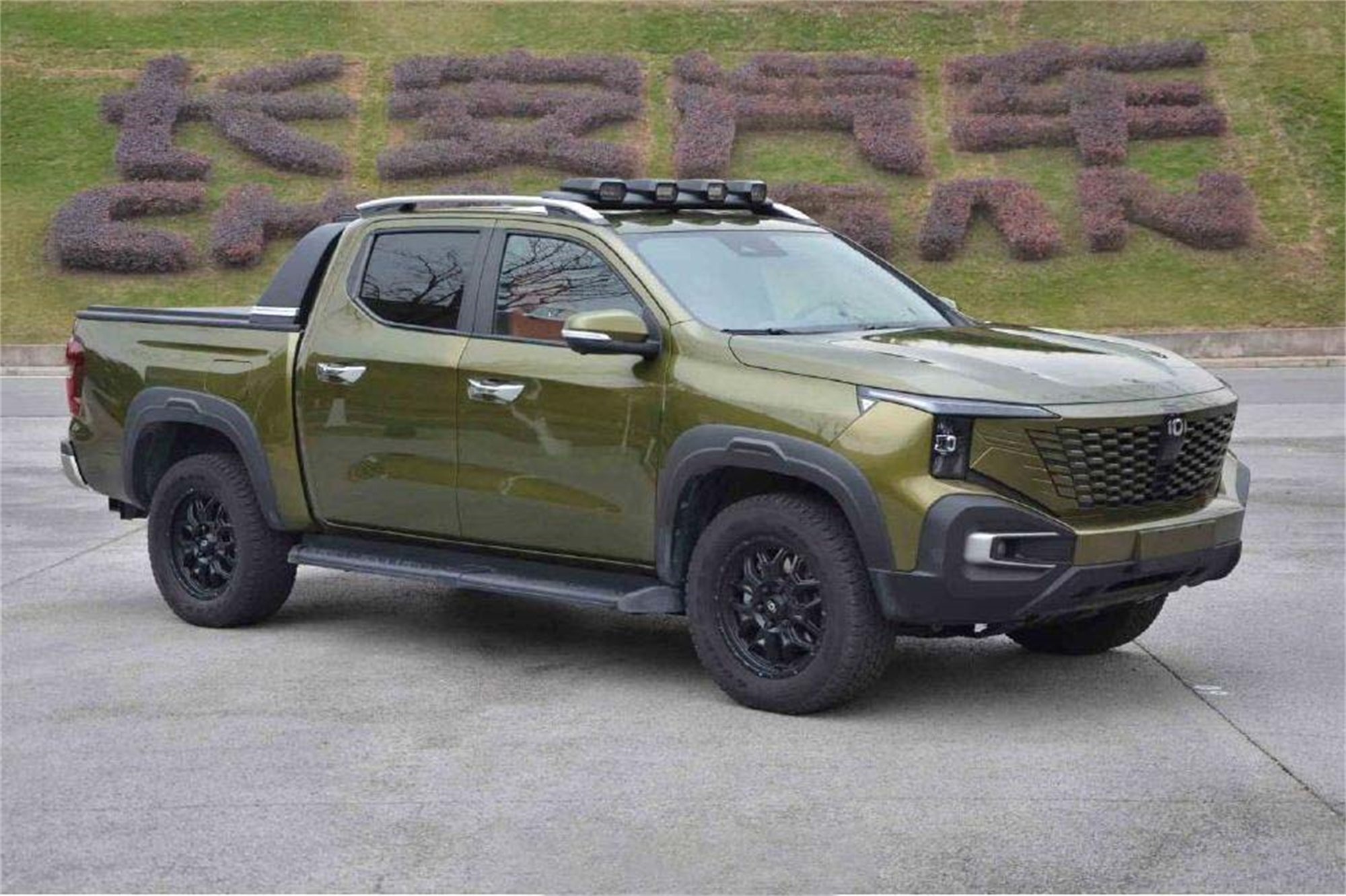
In addition to the above plug-in hybrid pickups, Changan Automobile's passenger vehicle sub-brand "Qiyuan" has also launched its first pickup model, the K50. However, this is a range-extender pickup. In exterior design it inherits the rugged style of the Changan Hunter, but after switching to the Qiyuan exclusive badge, it is clearly more fashionable. The K50's range-extender hybrid system consists of a 2.0T range-extender engine plus a front and rear dual-motor combination. In pure electric mode, it can run over a hundred kilometers on a single charge, while combined fuel consumption is as low as 1.6L/100km, making it very suitable for urban commuting and light off-roading. Changan's deep accumulation in the field of intelligent technology also makes the K50 quite attractive to family users.
Editor's Note
It is not hard to see that the rise of plug-in hybrid pickups is already unstoppable, but that said, their future is not entirely smooth sailing. Insufficient charging facilities, bottlenecks in battery technology, and user acceptance are all gaps that must be crossed. Of course, with a good start, plus favorable policies and rapidly advancing technology, plug-in hybrid pickups are bound to have a promising future. So here is the question: in this plug-in hybrid battle, who do you think can become the MVP? Feel free to leave your answer in the comments.