
In October in Qingdao, there was a bit of chill in the sea breeze, but the sunlight was just right.
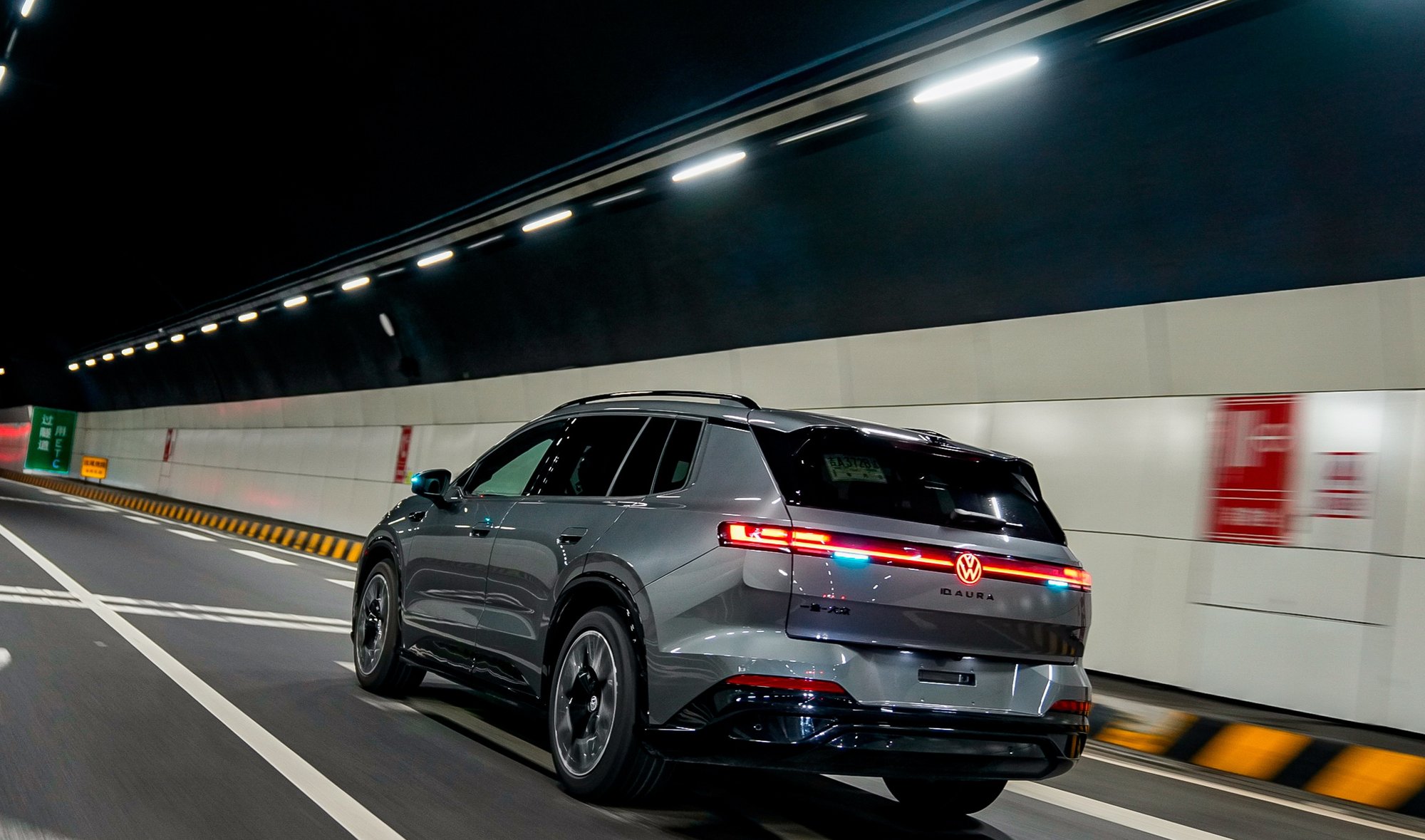
FAW-Volkswagen arranged the ID. AURA T6 appreciation journey in this coastal city, with a route from the urban area to the coastal avenue and then to the ring-sea highway, packing almost every road condition a family SUV would encounter into a half-day itinerary. As the brand's first product in the Smart Electric 2.0 era, this car carries high expectations. The FAW-Volkswagen ID. AURA T6 is positioned as a "smart and stable all-electric SUV for the whole family," priced at 129,900 to 166,900 yuan, with more than 30,000 orders placed during the presale period.
The model is valued by the manufacturer and highly anticipated by the market, but whether it drives well, rides comfortably, and has solid range—you have to take it for a spin yourself to know.

Intelligent driving like an "experienced driver": calm when others cut in, clears narrow roads in one go
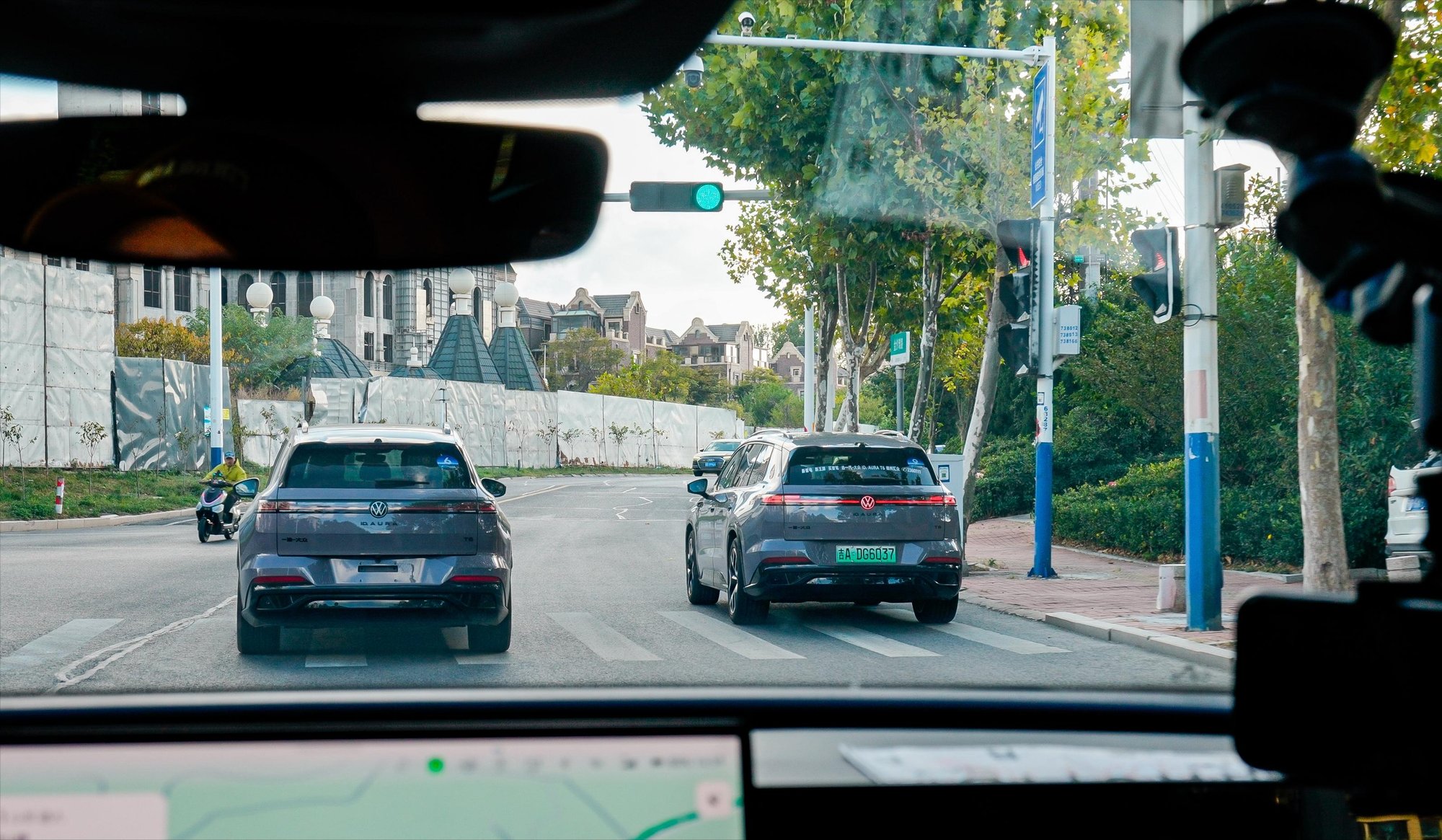
The convoy set off from downtown Qingdao and drove onto the coastal avenue.
The most intuitive impression was—this car is "very smart." The ID. AURA T6 is equipped with the Xingyun Intelligent Driving system, debuting the Horizon Journey 6H chip with 420TOPS of computing power, paired with a 192-line high-performance LiDAR for 720° all-around perception. In the 150,000-yuan class of joint-venture EVs, this hardware setup is fully loaded.
The urban navigation performance was quite seasoned. Qingdao's old town road conditions are not exactly friendly: many hills, lots of ups and downs, narrow roads...
The ID. AURA T6's decision-making logic is not like some intelligent driving systems that are "jumpy," but more like an experienced local driver—neither impatient nor rash, yielding when appropriate, changing lanes when needed. During highway navigation, lane keeping was precise, lane changes decisive and smooth, with almost no need for human intervention.
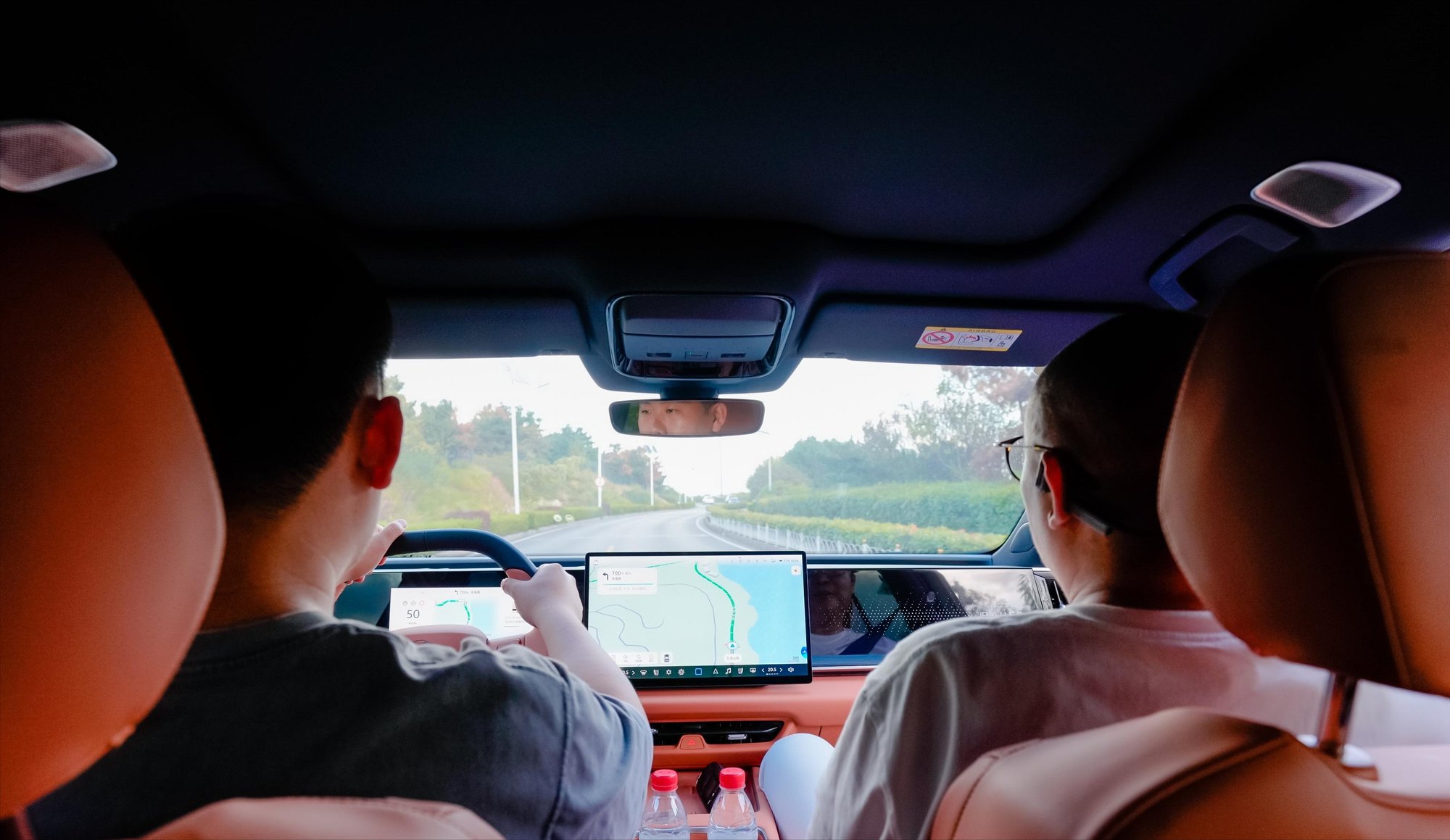
One detail left a deep impression: when making a U-turn on a narrow road in the old town, the 4.75-meter class-smallest turning radius came into play. A 4.8-meter-long SUV could make the turn in one go, as effortless as an A0-class small car.
You won't want to get out once seated: queen passenger seat + 1.8-meter flat bed
Stepping inside, the ID. AURA T6's spatial performance exceeded expectations.
Body dimensions of 4811/1879/1648mm, wheelbase of 2836mm, and an interior space utilization rate of 85.3%—the intuitive manifestation of these figures: this 1.8-meter-tall writer sat in the back row and could cross his legs without hitting the front seat. The second-row entry door is 881mm wide, making it effortless for elderly and children to get in and out. There are 38 storage spaces throughout the vehicle, so the child's backpack, the wife's bag, umbrellas, and cups all have fixed places.
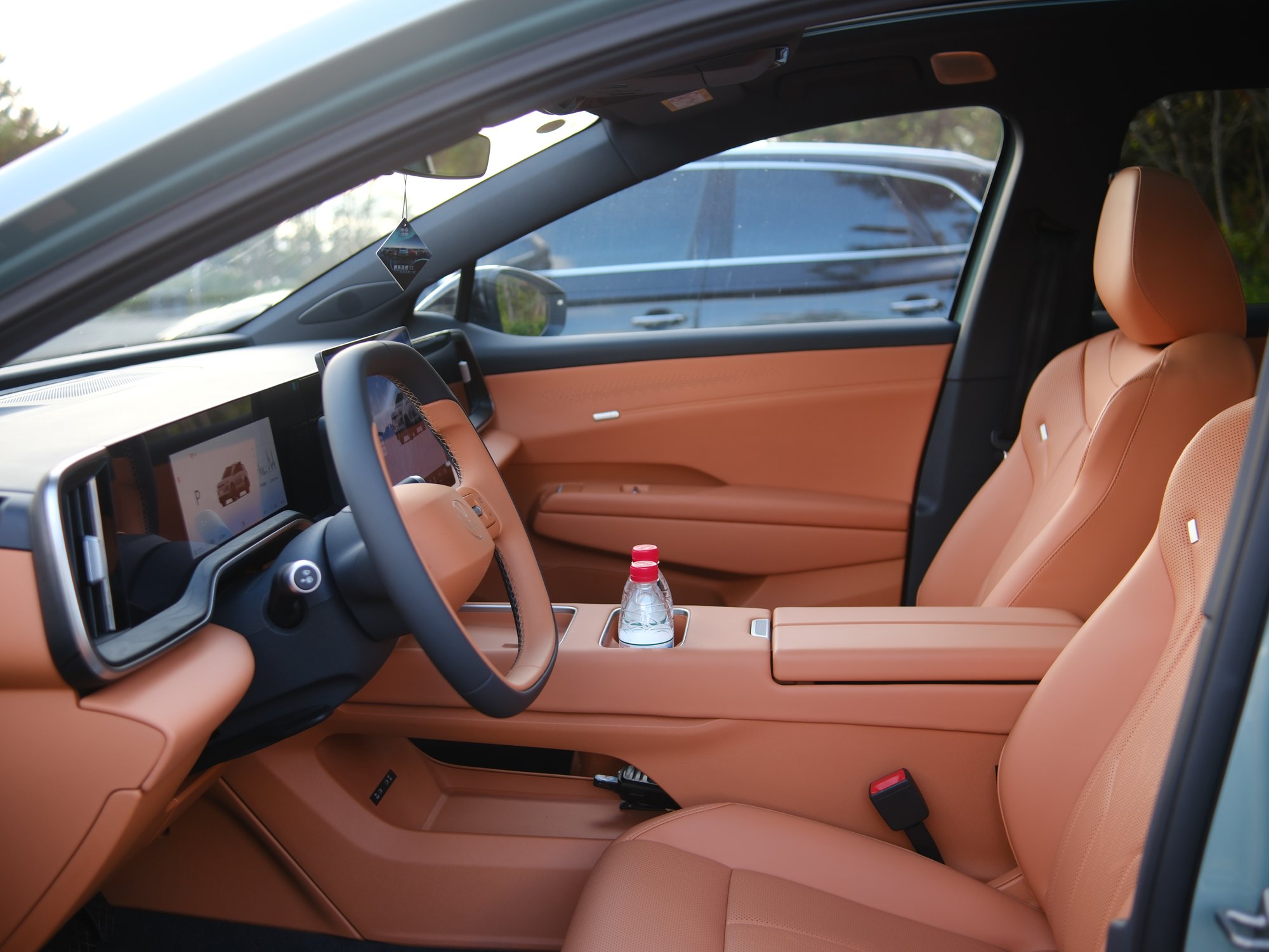
The front passenger seat is the new car's "highlight." The queen seat features 12-way electric adjustment, ten-point massage, ventilation and heating, and an electric leg rest—after a long drive, a fellow media professional in the car exclaimed how comfortable it was. The front seats can be folded flat with one touch, aligning with the rear seat cushion to form a 1.8-meter flat space—during a midday nap, opening the sunroof lets the sea breeze flow through, which is very pleasant.
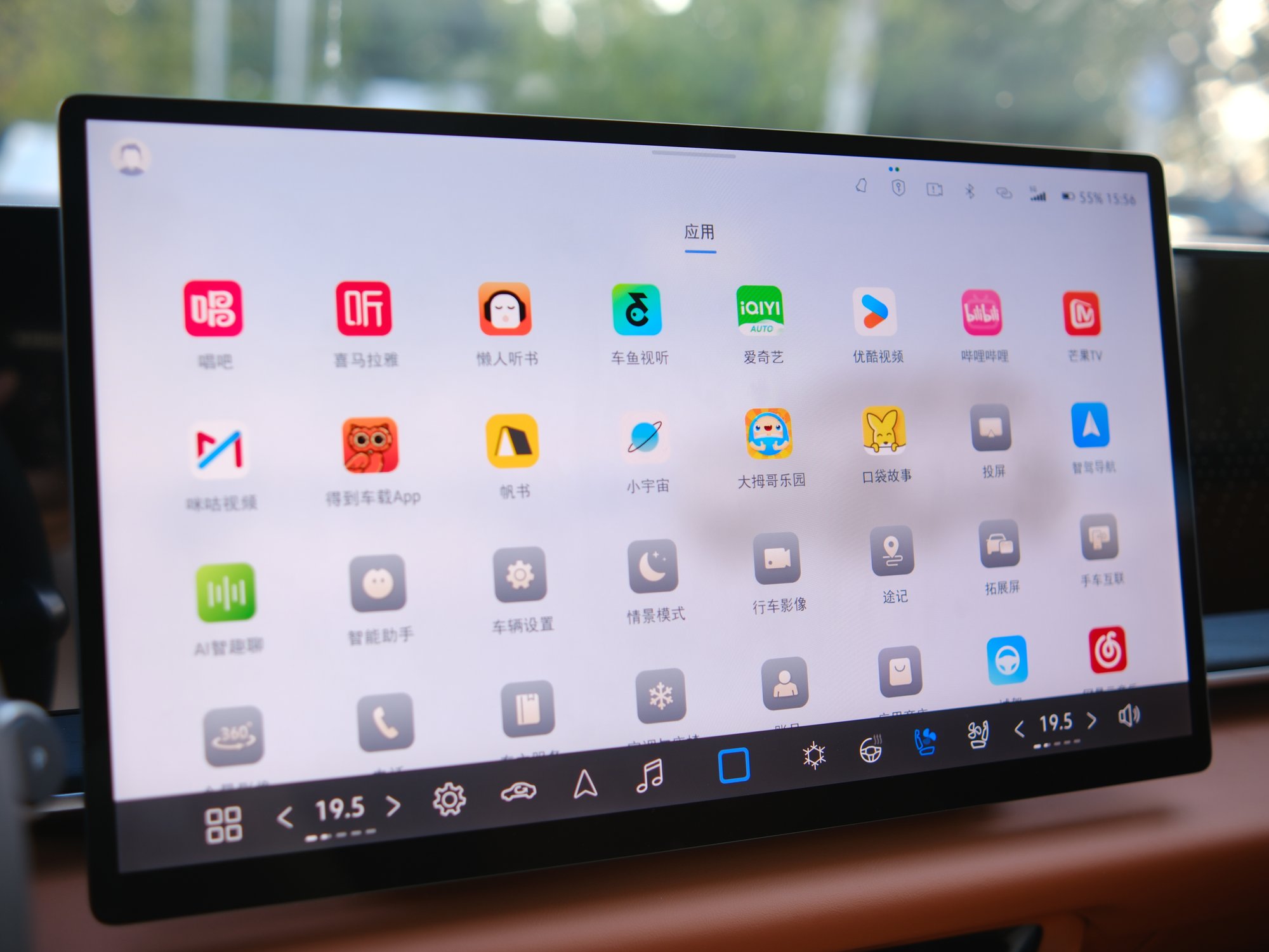
The rear row is equally thoughtful. The seats support two-angle backrest adjustment at 27°/32°, and with the ultra-stable small table and 220V external discharge interface, it's quite practical for temporary work or giving kids snacks and toys. On the infotainment side, the Yunqi Smart Cabin is based on the CEA electronic and electrical architecture, powered by a 4nm automotive-grade chip, with a 15.6-inch 2.5K central control screen that responds smoothly, supporting four-zone voice interaction and recognition of nine dialects—during the test drive, a media friend used Qingdao dialect to set navigation and switch music, and the recognition rate was quite good. The whole family can "use their mouths instead of their hands," which is rare among joint-venture brands.
It's worth mentioning that the ID. AURA T6 also comes equipped with an 18-speaker Dolby Atmos sound system (external amplifier 920W), a 25.8-inch AR-HUD, an AI vehicle assistant (capable of detecting fatigue and children left behind), and three optional packages: Parent-Child Enjoyment, Queen Premium, and Family Comfort—including a 360° rotating child seat, magnetic makeup mirror, smart fragrance, inflatable mattress, and in-car pet bag, considering the "little joys" of family scenarios very thoroughly.
The "stability" of the German chassis is something you feel by driving
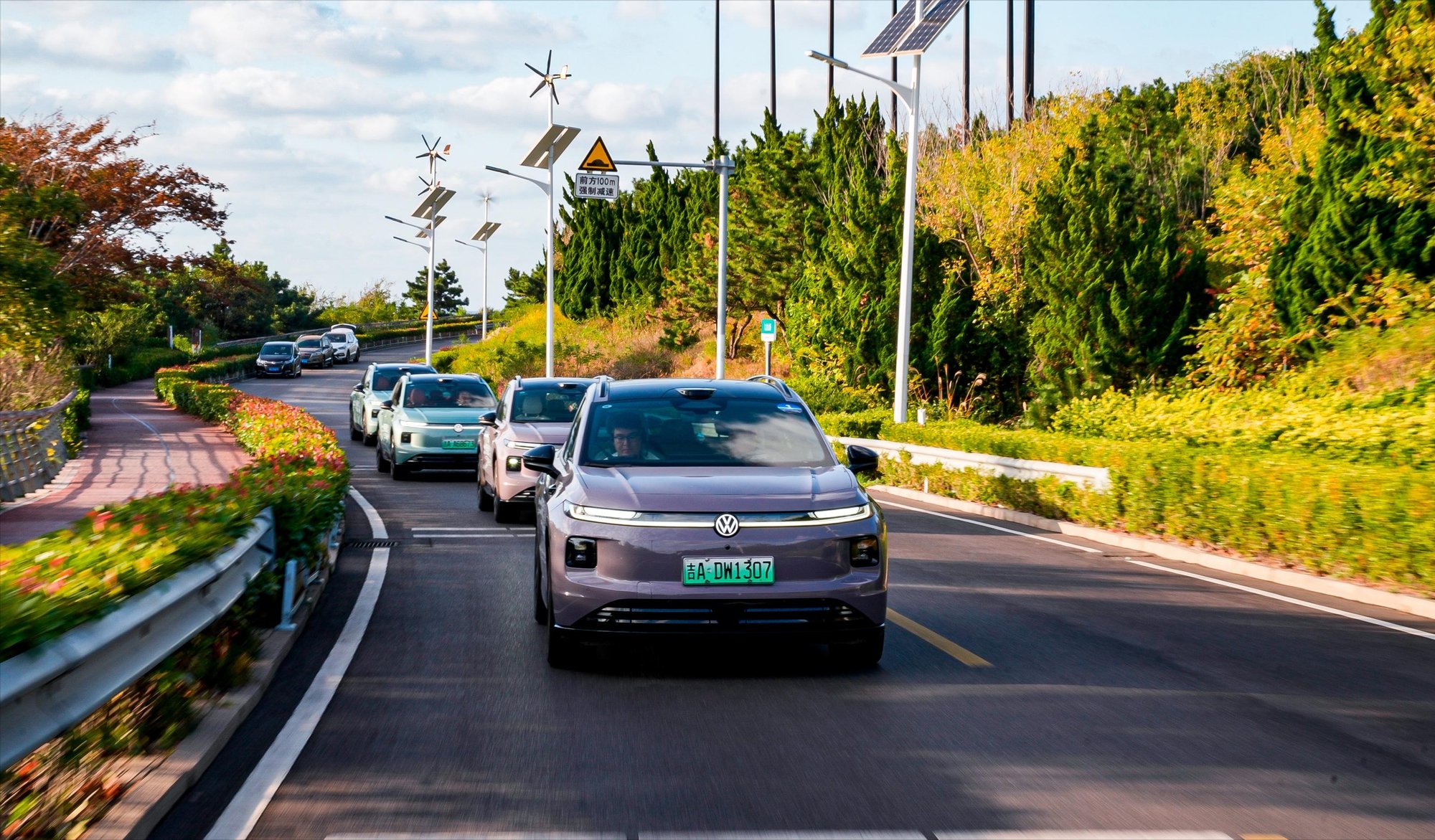
Leaving the urban area, the convoy drove onto the winding ring-sea highway, and the ID. AURA T6's chassis competence was on full display.
Front MacPherson and rear five-link independent suspension, combined with the FSO variable damping shock absorption system, strengthens body support at high speeds, flexibly filters fine bumps at low urban speeds, and controls body posture quite steadily through corners. The ultra-wide tire combination of 255mm front / 265mm rear provides ample grip, and with the near-50:50 golden axle load ratio and front compartment stabilizer bar, the driving feel is as solid as a German sedan, not a traditional "family SUV."
The most impressive feature was the intelligent anti-motion sickness mode. Addressing the pain point that EVs easily make people carsick, the ID. AURA T6 optimized the kinetic energy recovery logic and power output smoothness. Throughout the entire test drive, no one in the car felt uncomfortable—for family users, this is a real bonus.
The "stability" of the German chassis can't be written on a spec sheet; the "German feel" is something you only know after driving it.
660 km of range, solid without inflated claims
The ID. AURA T6 is equipped with CATL power batteries, with a maximum CLTC range of 660km and a base version of 540km. The long-range version features a 77.5kWh lithium iron phosphate battery, combined with a nine-in-one electric drive system (CLTC efficiency 90%) and a nine-source heat pump air conditioner, with energy consumption as low as 12.5kWh per 100 kilometers.
During the test drive, the range performance was quite solid. For charging, going from 30% to 80% takes only 22-24 minutes—the time for a cup of coffee and you're "fully revived." Whether for urban commuting or long-distance road trips, mid-journey charging hardly disrupts the rhythm of the trip.
Even more reassuring is battery safety. The ID. AURA T6's battery pack has cumulatively completed over 400 safety tests, approximately 8 times the national standard requirements—fire, nail penetration, extrusion, immersion, salt spray, sled collision... almost every extreme condition imaginable has been tested. After a single cell experiences thermal runaway, the battery pack does not catch fire or explode, and after the alarm, at least a 120-minute golden escape window is reserved. The BMS battery management system ranked first in overall score at the first National Power Battery Safety Warning Algorithm Competition, with anomaly identification accuracy exceeding 99%.
This "invisible sense of safety" may be exactly what family users need most.
Those "invisible" German engineering efforts
In the technical sharing session after the test drive, engineers discussed some things that don't appear on spec sheets:
Body safety: nine-horizontal four-vertical cage structure, high-strength steel accounting for over 80%, hot-formed steel at 29%, vehicle torsional rigidity of 38,100N·m/°, roof capable of withstanding 4.45 times the vehicle's curb weight (about 9.2 tons);
Crash testing: 65km/h frontal pole impact, 45km/h side pole impact, standards higher than national requirements; up to 7 airbags, e-call automatic alarm after emergency collision with positioning error of only 2 meters;
Extreme environment validation: -40°C extreme cold, 50°C extreme heat, 5,000-meter high-altitude real vehicle testing; 42-day salt spray test (7 times the national standard), simulating northern de-icing salt and coastal salt spray corrosion;
Vehicle durability: extreme rain exposure totaling 1,600 minutes (equivalent to twice the annual rainfall of a major city), ESC cold-region durability cumulatively activated over 38,000 times, simulating ten years and 300,000 kilometers of operating conditions.
These "invisible efforts" are the true foundation of German precision engineering.
Final thoughts
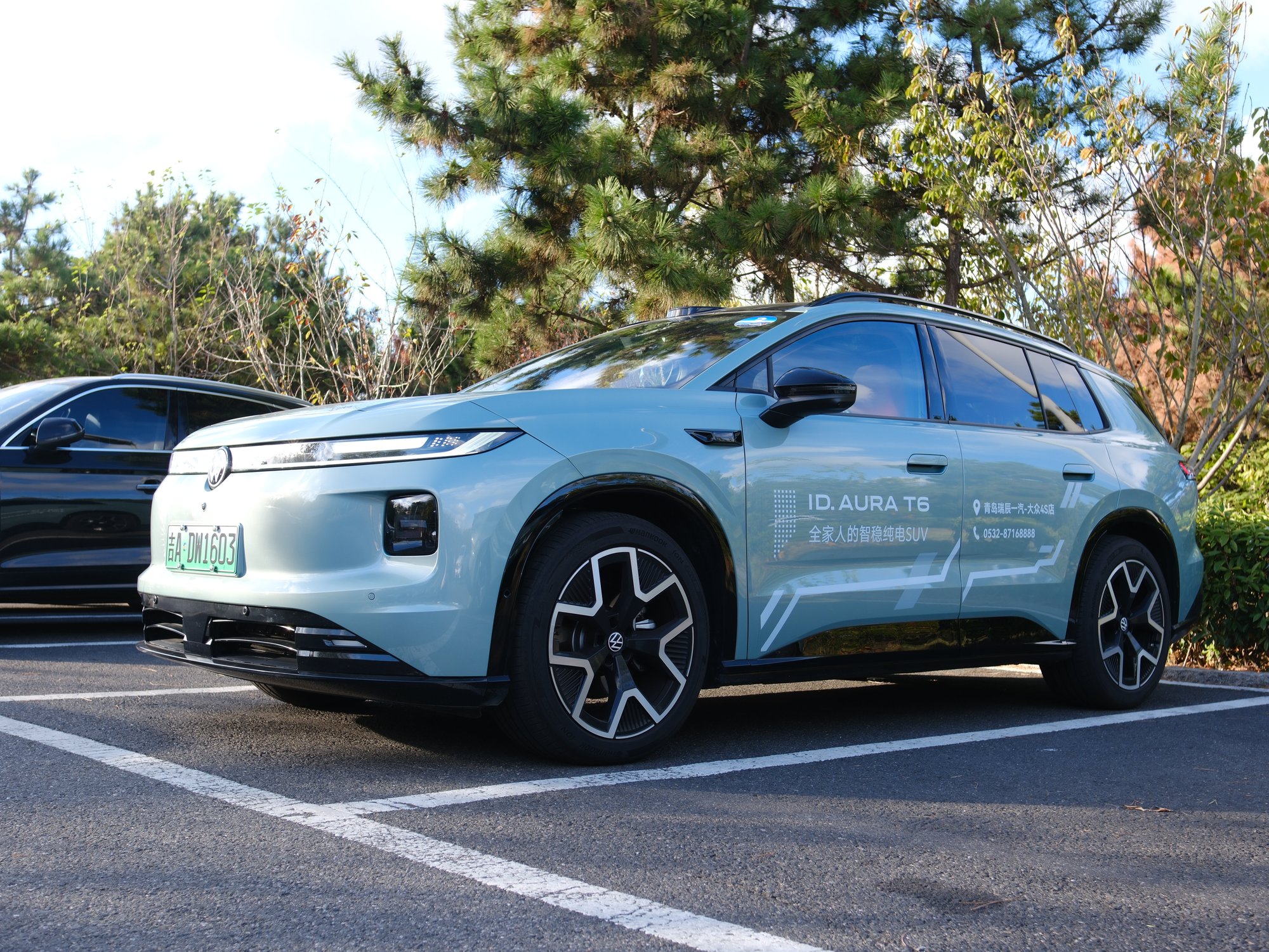
From Qingdao's bustling urban area to the winding coastal highway, the ID. AURA T6 proved its positioning as a "smart and stable all-electric SUV for the whole family" with solid product strength.
It's not the kind of car that stuns at first glance, but the more you drive it, the more you like it; the more you ride in it, the more reassured you feel. At a price of 129,900 to 166,900 yuan, with 192-line LiDAR + urban NOA, 660km range, German chassis tuning, and 400+ battery safety tests—in the 150,000-yuan class of joint-venture all-electric SUVs, it's hard to find a second one with such a configuration combination.
More importantly, FAW-Volkswagen also offers "3 lifetime, 4 responsibility, 3 free" benefits: first-time owners enjoy lifetime warranty on the entire vehicle and three electric systems, lifetime warranty on original spare parts, and lifetime free roadside assistance; responsibility for three-electric spontaneous combustion and battery degradation beyond limits; backed by a nationwide service network of over 900 locations.
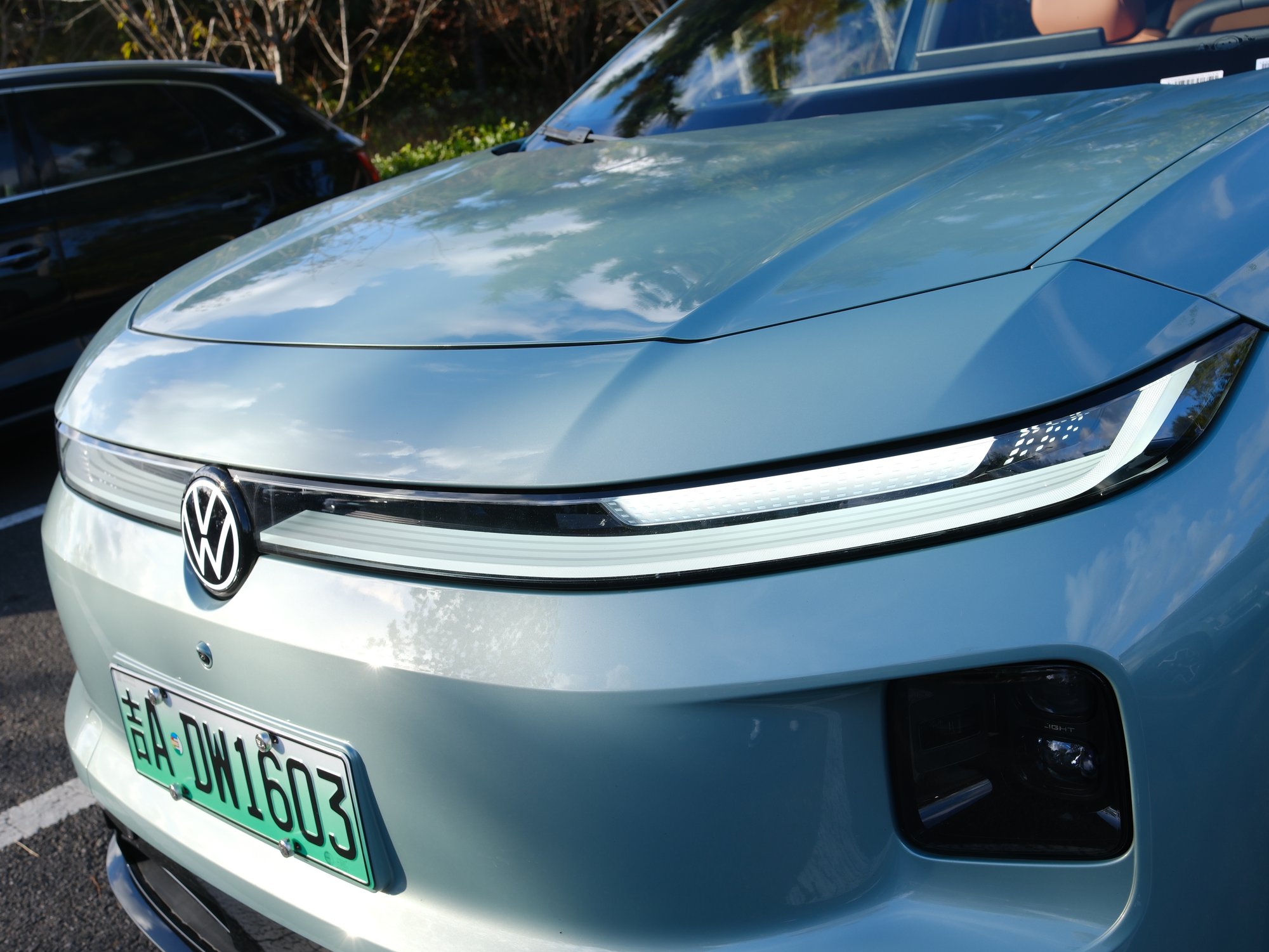
For family users, when buying an all-electric SUV, what they fear most is not insufficient features, but "feeling unsettled." The ID. AURA T6 delivers this "peace of mind" through German precision engineering and solid safety testing.
This may be exactly the choice Chinese family users need most—not relying on gimmicks, but on product strength.


