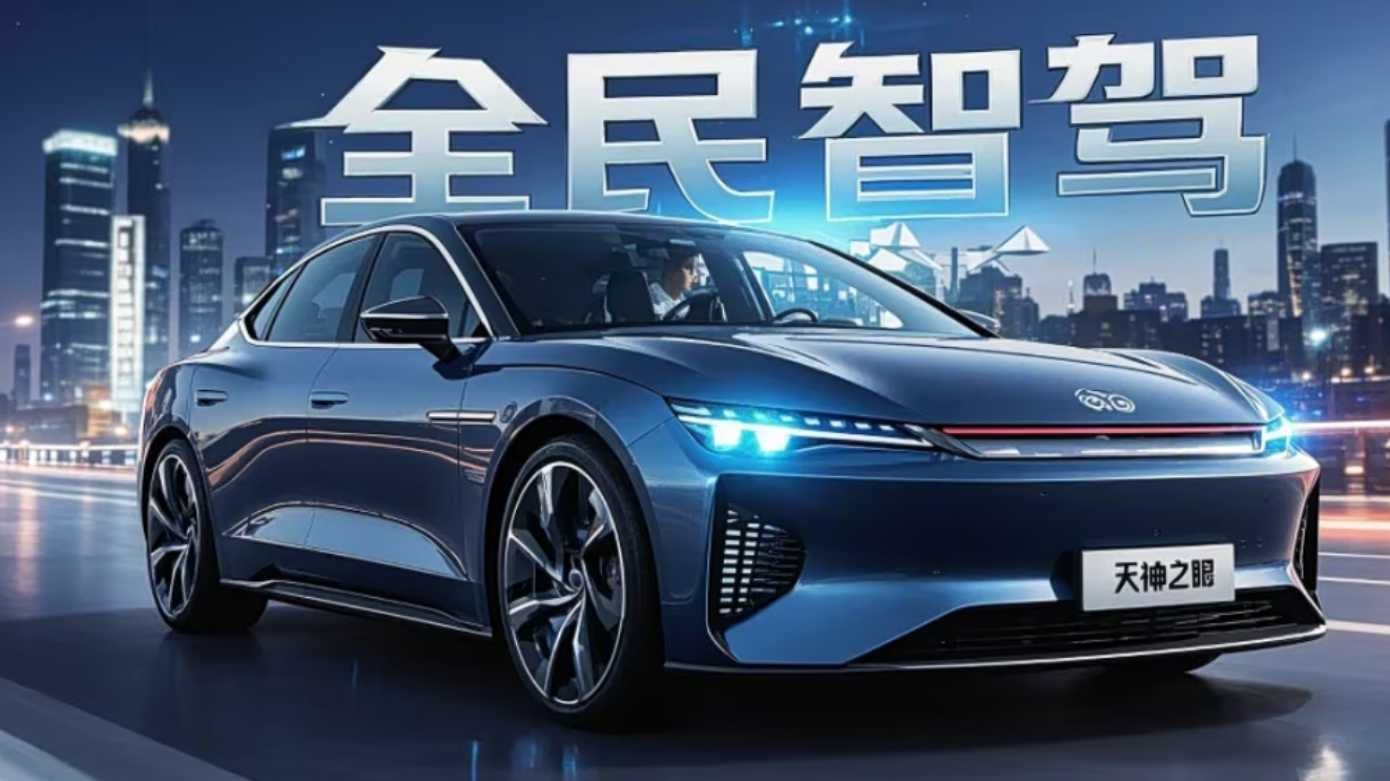
In 2025, domestic intelligent driving systems are experiencing a full-scale boom. Leading automakers and technology companies are driving the popularization of advanced intelligent driving from high-end models to the mass market through technological iteration, cost reduction, and policy adaptation.
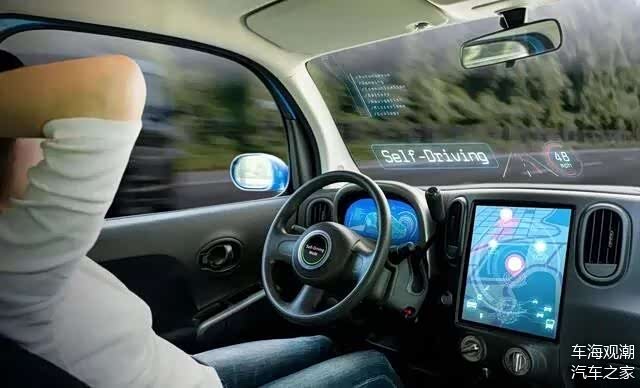
Huawei ADS 4.0: Map-free full-scenario navigationHuawei Qiankun Intelligent Driving has completely eliminated its dependence on high-precision maps. Through the GOD (General Obstacle Detection) + RCR (Road Topology Reasoning) network, it achieves "parking space to parking space" zero-intervention driving across highways, urban areas, townships, and underground garages nationwide.
The core of Huawei ADS 4.0 is the WEWA architecture, divided into a cloud-based "World Engine" and an vehicle-side "World Behavior Model." The cloud uses AI diffusion models to generate 1,000 extreme road conditions per second, such as "phantom pedestrian" scenarios and sudden braking by the vehicle ahead, with 600 million kilometers of simulation testing covering dangerous situations that a human driver would never encounter in a lifetime. The vehicle-side model fuses visual, radar, and audio data to predict trajectories like a human.
XPeng XNGP 4.0: Benchmark for urban navigationThe XPeng G6 (parameters | inquiry) 2025 model is equipped with XNGP 4.0, with hardware including dual Orin-X chips (508 TOPS of computing power), 2 LiDAR sensors, and 12 cameras, with urban NOA covering over 90% of urban roads nationwide. In real-world testing, the system can precisely complete high-level tasks such as unprotected left turns and complex roundabout navigation. Highway NGP adds functions such as proactive overtaking and automatic ramp merging, delivering an experience close to that of an experienced human driver. XPeng plans to expand urban NOA to 50 cities by the end of 2025 and continuously optimize algorithms through OTA.
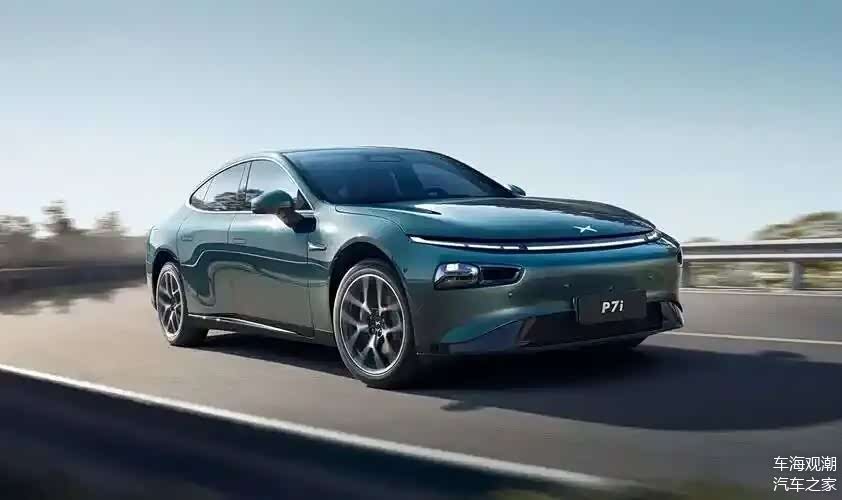
BYD God's Eye: Pioneer of inclusive intelligent drivingBYD, through a "differentiated high and low configuration" strategy, extends advanced intelligent driving across its full model lineup:
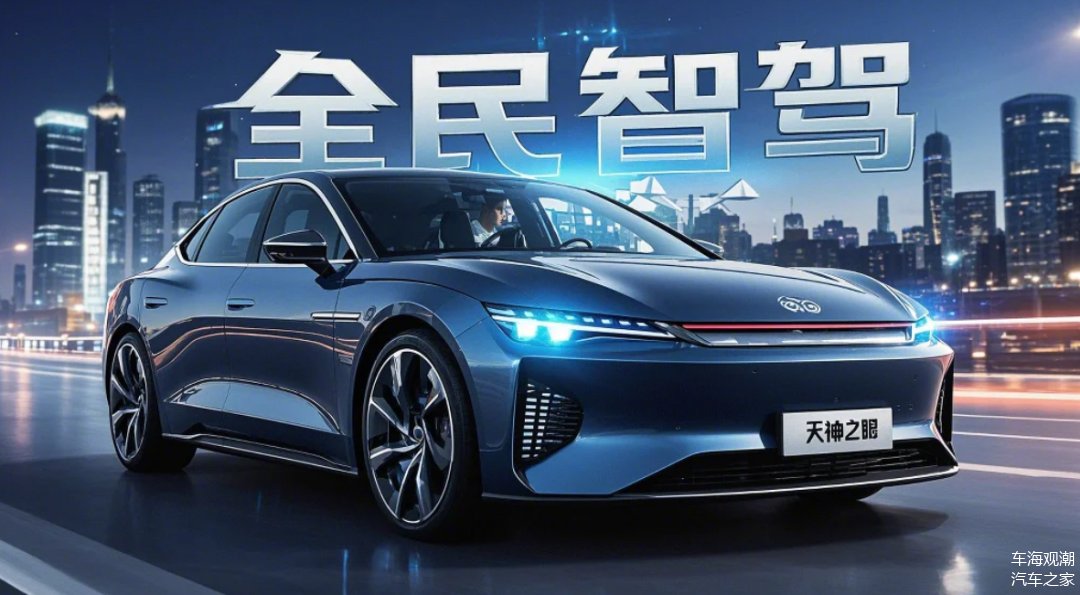
DiPilot 600 (triple-LiDAR version): supports full-scenario NOA, with hardware costs of approximately 12,000 yuan, equipped on high-end models such as the Han EV;

DiPilot 100 (triple-camera version): achieves highway NOA through a pure vision solution, with costs reduced to under 5,000 yuan, standard on 100,000-yuan-class models such as the Seagull and Dolphin. BYD plans to produce 5 million new vehicles in 2025, with more than 60% standard-equipped with advanced intelligent driving, promoting industry-wide "intelligent driving equality."
Geely Qianli Haohan: L3-level technology pre-embeddedGeely has released the Qianli Haohan intelligent driving system covering L2++ to L3 levels. The H9 solution is equipped with dual NVIDIA Thor chips (1,400 TOPS of computing power), 5 LiDAR sensors, and 13 cameras, supporting centimeter-level positioning in network-free environments.
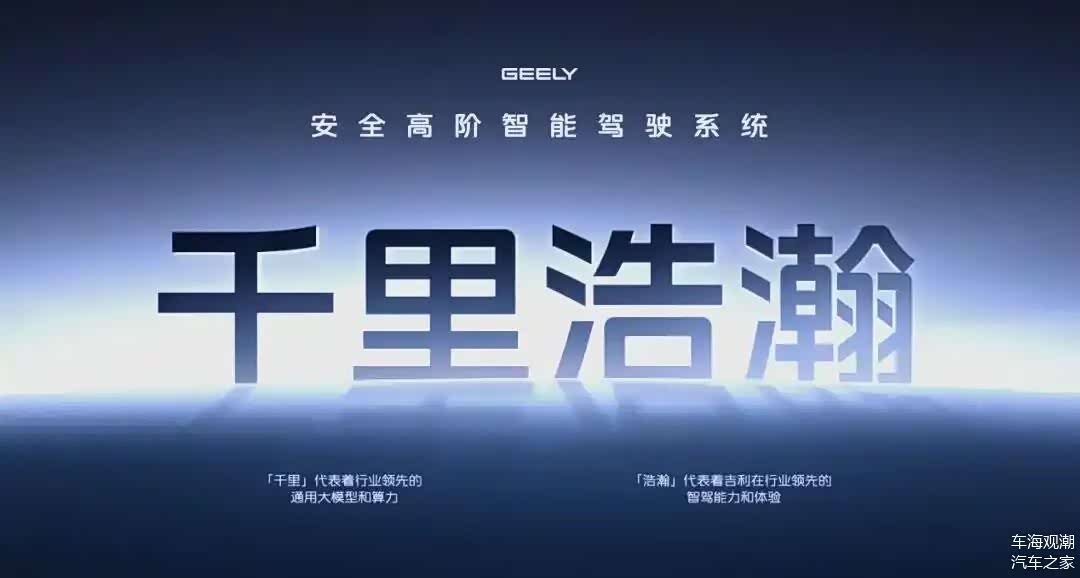
The Zeekr 9X光辉版, as the first mass-production model, has pre-embedded L3 hardware and can unlock functions via OTA after regulations take effect in 2026. The H7 solution (L2++ level) is standard on models such as the Zeekr 001, supporting functions such as cross-floor parking and valet charging, with an intervention rate of only 5 times per 100 km in congested sections.
Chery Falcon 900: Featuring "full-scenario end-to-end" as its hallmark, it integrates perception, decision-making, and control into a single model for faster response. However, the 900 version has not yet been officially installed in vehicles; the already-deployed 500/700 versions mainly cover the Exeed brand, and user anticipation is high.
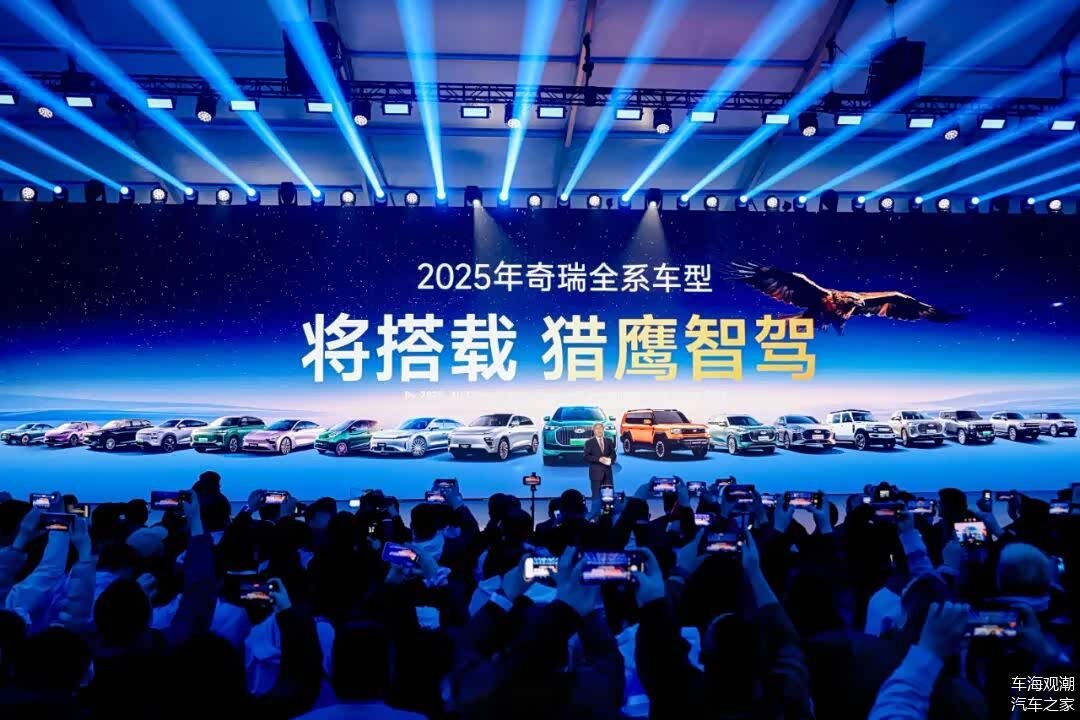
2025 is a pivotal year for China's intelligent driving "from quantitative change to qualitative change." Leading enterprises are driving advanced intelligent driving from "exclusive to high-end" to "available to all" through technological innovation and cost control. Huawei plans to extend ADS Ultra to 200,000-yuan-class models, Chery promises "standard Falcon intelligent driving across the full lineup," and Geely and BYD are also accelerating the coverage of intelligent driving configurations in mid-to-low-end models.


