Oil-electric SUVs around 300,000 yuan have advantages such as lower fuel consumption and better power performance, but they also have disadvantages such as higher prices and unstable resale value. In low-speed driving scenarios such as urban commuting, oil-electric SUVs at this price point can use pure electric mode, avoiding the engine operating in inefficient ranges and thereby greatly reducing fuel consumption. Oil-electric SUVs usually combine the power output of an engine and an electric motor. The instantaneous torque characteristics of the electric motor make the vehicle more rapid when starting and accelerating.
Such models generally offer multiple driving modes such as pure electric, pure-electric priority, and intelligent hybrid, allowing drivers to switch at will according to their own needs and road conditions to meet driving needs in different scenarios.
Specific models mainly include the following:
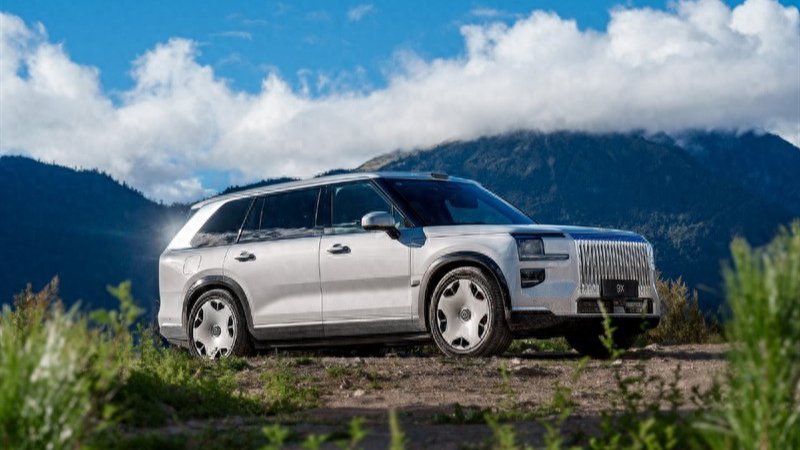
Denza N8L
The "large six-seat safe luxury SUV" is offered in two variants, the Distinguished Edition and the Flagship Edition, with official guide prices of 299,800 yuan and 329,800 yuan. The Denza N8L comes standard across the lineup with Easy Tripartite and Yunian-A technology, achieving comprehensive iteration in space, luxury, and intelligence, attempting to find a new balance between household comfort and performance capability, and together with the Denza N9 forming the Denza brand's unique flagship luxury "Twin Stars" matrix.
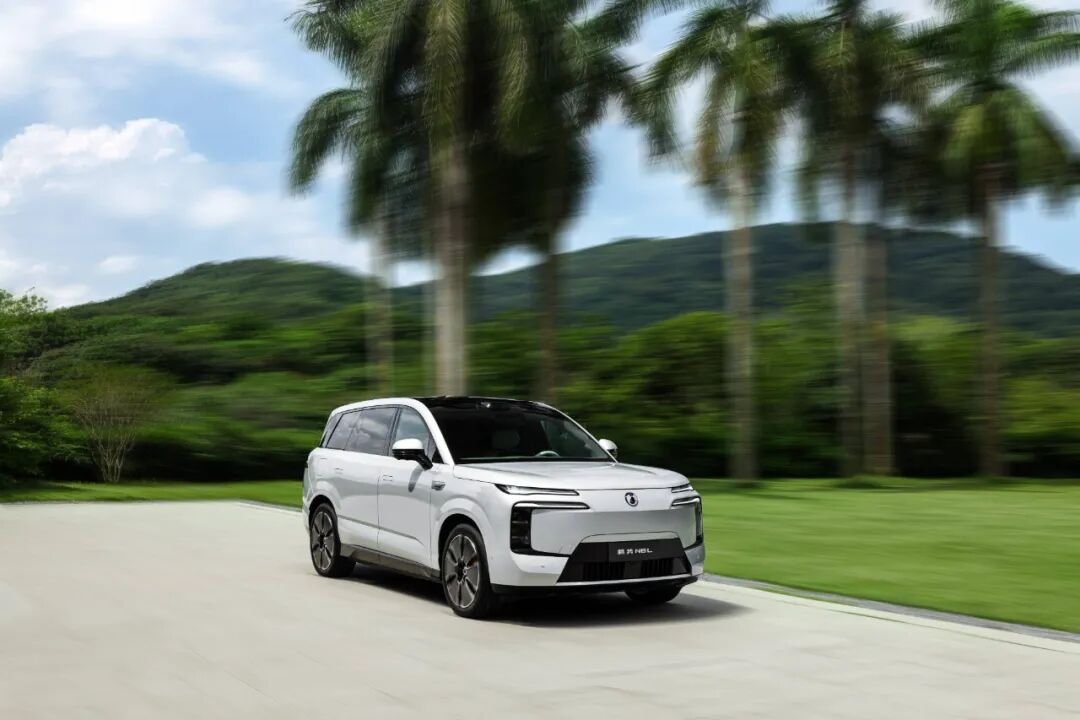
Li Auto L8
The Li Auto L8 is a mid-to-large six-seat SUV positioned for family users, with a starting price of 321,800 yuan. The 2025 Li Auto L8 has Pro, Max, Ultra, and other versions, with official guide prices of 321,800-379,800 yuan.
The 2025 model year comes standard across the lineup with ATL all-weather LiDAR. The Pro version is equipped with the Horizon Journey 6M chip, while the Max and Ultra versions are equipped with the NVIDIA Thor-U chip with 700 TOPS of computing power. All support highway NOA navigation-assisted driving and continue to iterate through OTA.
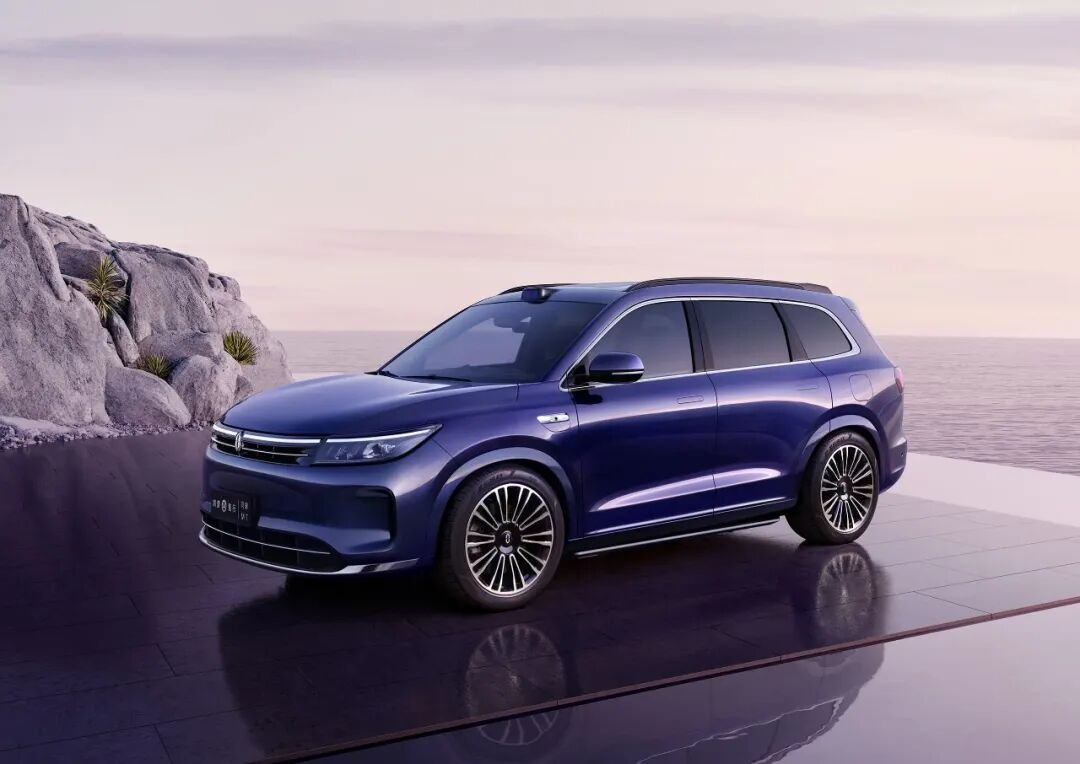
AITO M8
The six-seat extended-range version of the AITO M8 is priced at 369,800-449,800 yuan. Its advantages mainly lie in a more mature driver assistance system and a more premium brand image, but the price is relatively high, and some driver assistance functions also require additional payment.
Volvo XC70
The all-new Volvo XC70, at a limited-time promotional price, has been reduced to 269,900-349,900 yuan. As a mid-to-large luxury plug-in hybrid SUV, it features L2-level intelligent driver assistance, adaptive high and low beams, and a 92-inch HUD head-up display.
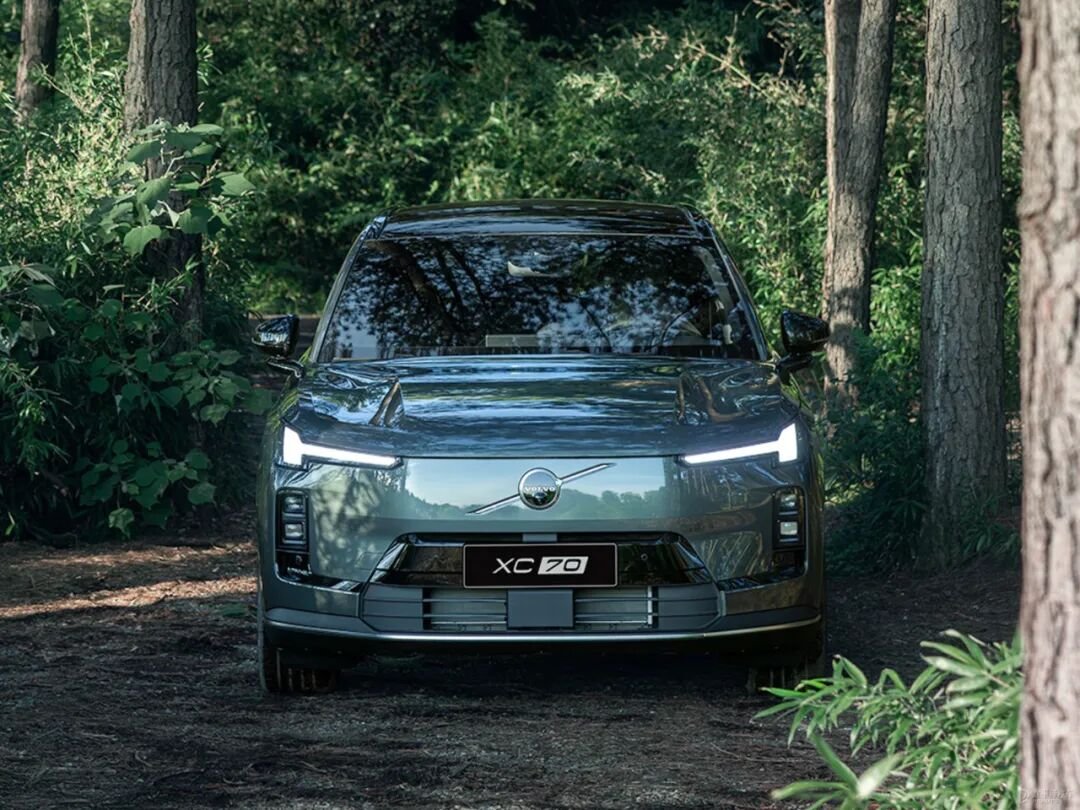
In terms of power, all models in the lineup are equipped with a 1.5T engine and a plug-in hybrid system, matched with a 3-speed DHT dedicated hybrid transmission. The four-wheel-drive version accelerates from 0 to 100 km/h in 5.3 seconds, with a maximum pure electric range of 212 km. With a full tank and full charge, the comprehensive range can reach 1,200 km.
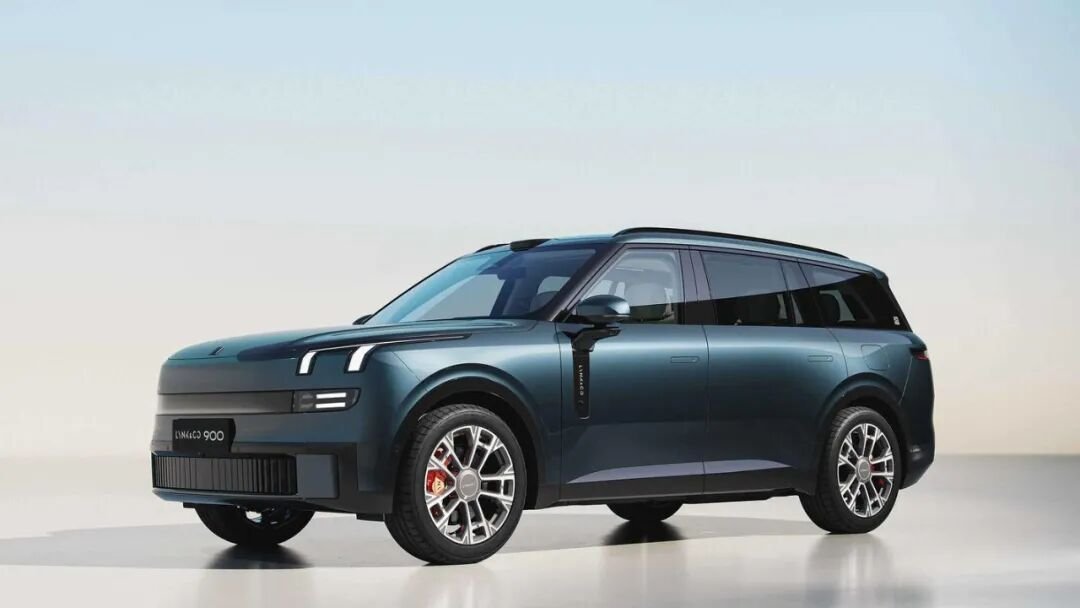
Lynk & Co 900
The Lynk & Co 900 adopts plug-in hybrid technology and is priced at 309,900-416,900 yuan. Its advantages lie in better materials and configurations, for example, the entire lineup has Nappa leather seats and a 95-inch AR-HUD
.
The Lynk & Co 900 has three powertrain configurations: a 2.0T engine + three motors, a 2.0T engine + dual motors, and a 1.5T engine + dual motors. The system's comprehensive maximum power is 630 kW, 540 kW, and 530 kW respectively, with a 0-100 km/h acceleration time in the 4-second range.
So, what disadvantages exist at this price point? First, the price is relatively high. Compared with traditional fuel
SUVs of the same class, oil-electric SUVs around 300,000 yuan have higher costs due to the inclusion of electric drive systems and batteries and other components, resulting in relatively higher prices.Second, range and charging issues. Although oil-electric SUVs have an advantage over pure electric SUVs in comprehensive range, the pure electric range of some plug-in hybrid models is limited, generally around 80-120 kilometers. Without convenient charging facilities, their energy-saving advantages may not be fully realized.
Furthermore, later maintenance costs are high. The powertrain of oil-electric SUVs is relatively complex, involving the maintenance of components such as batteries and electric motors, and later repair costs may be higher than those of traditional fuel vehicles. In addition, the battery may need to be replaced after a certain number of years of use, which is also a considerable expense.
Finally, resale value is unstable. At present, the oil-electric SUV market is developing rapidly, with frequent model updates and replacements, and continuous progress in battery technology, resulting in the resale value of some oil-electric SUVs being less stable than that of traditional fuel vehicles.


