Think about it carefully—when you buy a car, do you value the brand, the technology, or the service level?
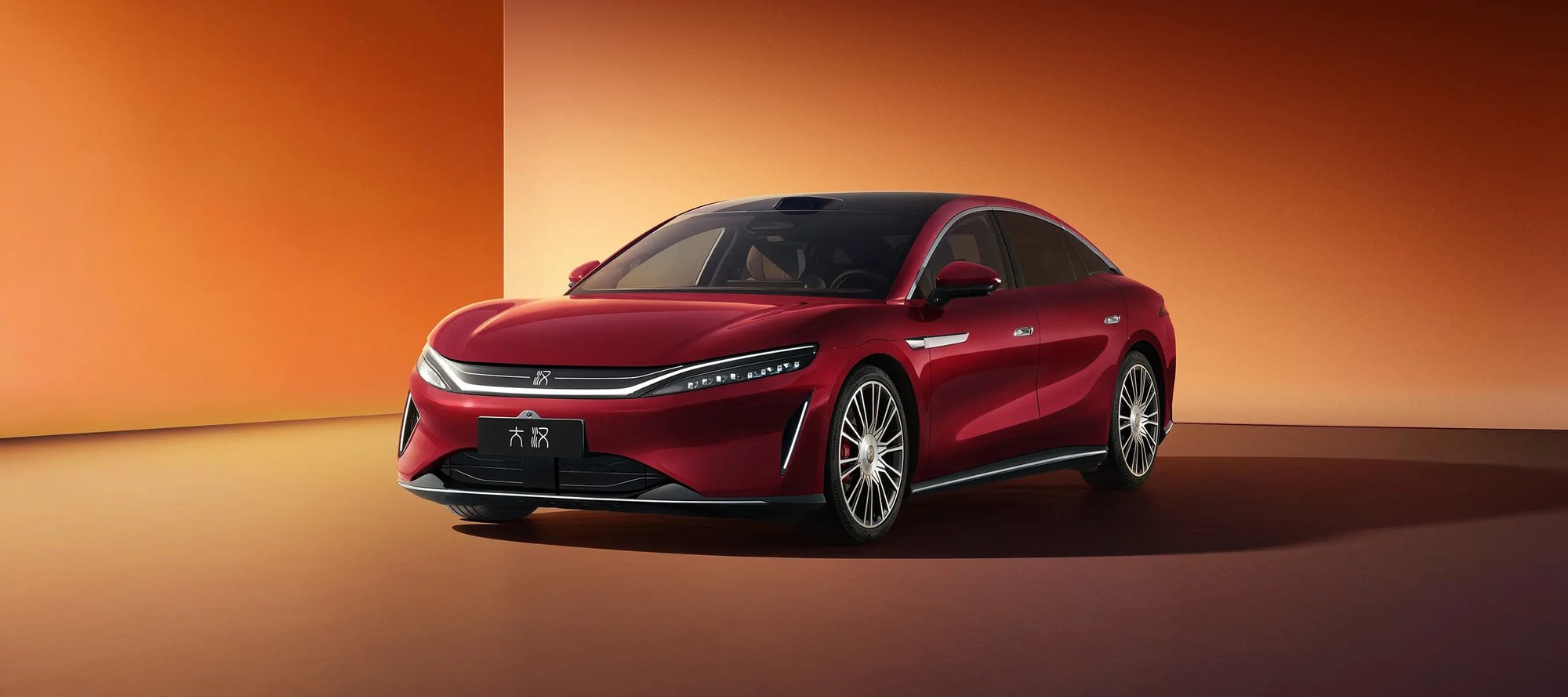
The launch of the Dahan EV may make many owners who bought higher-priced models feel they have been played for suckers. Simply put, it drags the "value of luxury cars" down from the altar, especially from the dimension of product strength.
[Three-electric technology]
Product strength boils down to two points: 1. technical level; 2. functional equipment.
In these two aspects, the Dahan EV can basically pull most luxury cars in the several-hundred-thousand price range down from the altar.
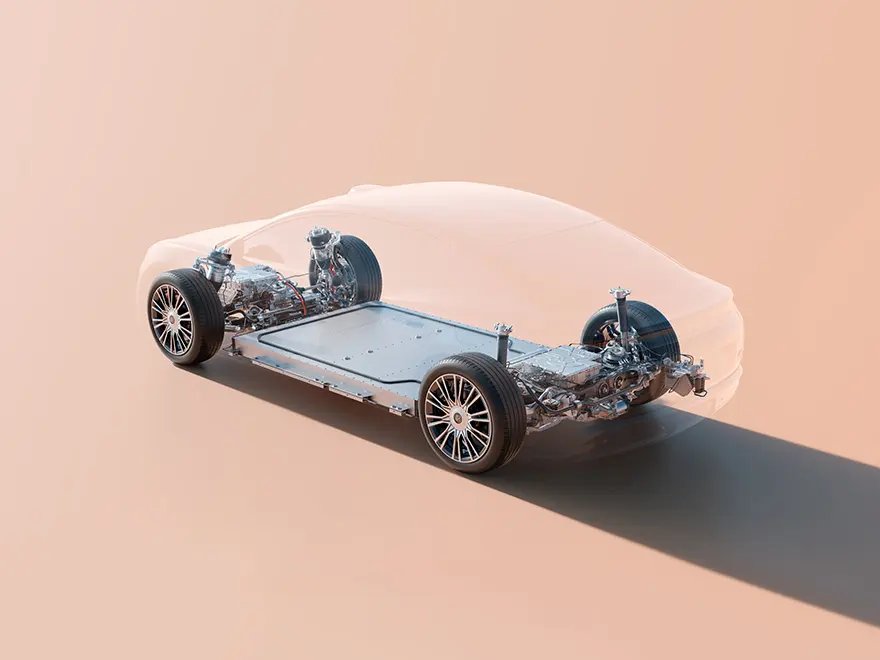
For example, at the technical level, from the pure electric dimension, the entire lineup has flash charging—charged in 5 minutes, fully charged in 9 minutes. Who else on the market can do that?
Also, I wonder if you have noticed that now BYD's slightly more expensive cars no longer emphasize "hundreds-of-volts platforms," because with such fast charging speed, emphasizing "hundreds-of-volts platforms" is meaningless. Perhaps BYD also does not want to put too much pressure on its peers.
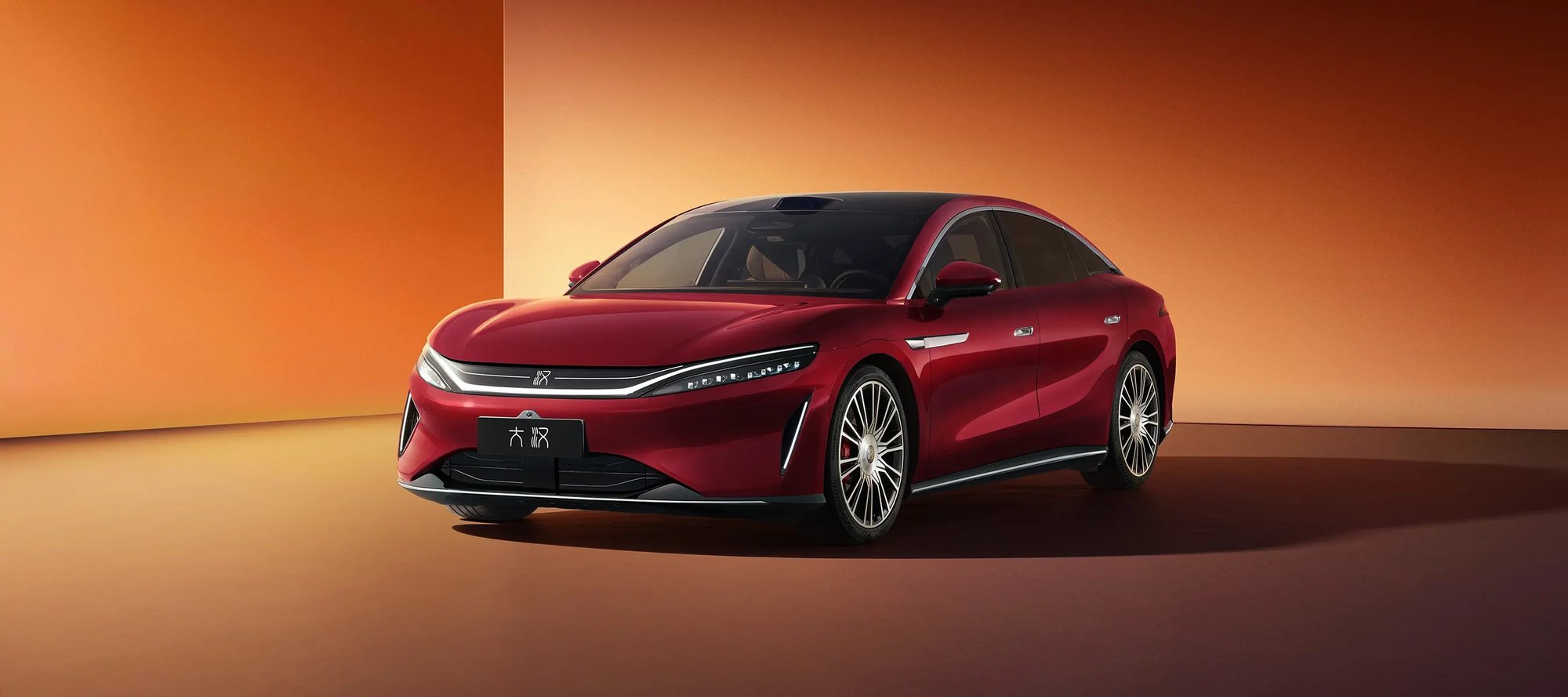
What works with flash charging is mainly the power battery. The second-generation blade battery may currently be considered unmatched, because flash charging currently has no rival.
There is another indicator for evaluating whether a power battery is good: the output power of the drive motor. The two rear-wheel-drive versions have a total drive motor output of 370kW and total torque of 500N·m, with 0-100 acceleration of 4.9 seconds for both;
the four-wheel-drive version has a total drive motor output of 570kW and total torque of 910N·m, with 0-100 acceleration of 3.3 seconds. So at the power output level, there are also few rivals at similar price points.
There is another technical indicator for assessing the level of the three-electric system: the Dahan EV rear-wheel-drive version achieves power consumption of 11.5kWh per 100 kilometers, and the four-wheel-drive version 13.1kWh. Based on the vehicle class, weight, and acceleration indicators, being able to maintain such power consumption—I think car enthusiasts who know even a little about current mainstream pure electric models should know what level this is!
[Executive rear seats]
To assess a "luxury car," reverent rear-seat enjoyment is a prerequisite. The high-trim rear-wheel-drive and four-wheel-drive versions are all equipped with dual small tables on the front seatbacks, a front passenger "gentleman key," power-adjustable rear seatbacks, power rear thigh supports, rear seat memory, a right-rear boss footrest, a rear central armrest screen, and front and rear seat ventilation/heating/massage (entry version only front row). Basically, most "four-seat luxury cars" in the several-hundred-thousand price range are like this.
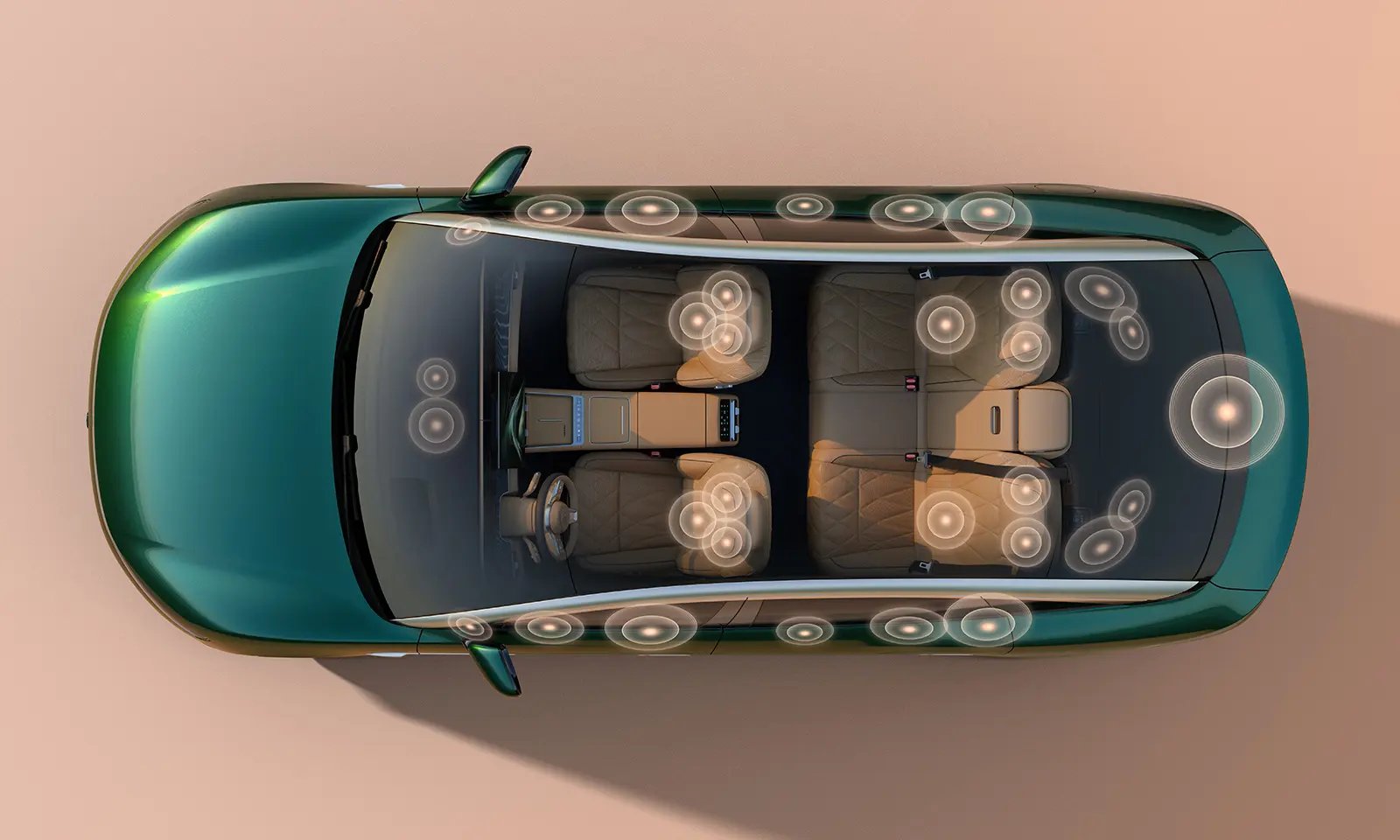
Let us also look at what is standard across the lineup: four-door silent soft-close doors, a panoramic skyroof with electric sunshade, heat-insulating/double-layer soundproof glass for the entire front windshield + four doors, privacy glass for the rear doors and rear window (the top trim has intelligent dimming privacy glass), a rear multi-function touchscreen, a Devialet in-car 7.1.4 surround sound system (the entry version has 25 speakers, and both high trims have 31 speakers), Dolby Atmos, Magic Cube panoramic sound, Magic Cube microphone, microphone-free karaoke, a heat pump air conditioner, three-zone independent control automatic constant-temperature air conditioning, a CN95 air-conditioning filter, plus BYD's earlier-developed remote high-temperature disinfection and sterilization mode, and a suede-like headliner. So in terms of luxury, if you tally it up, luxury cars under a million basically only have this much.
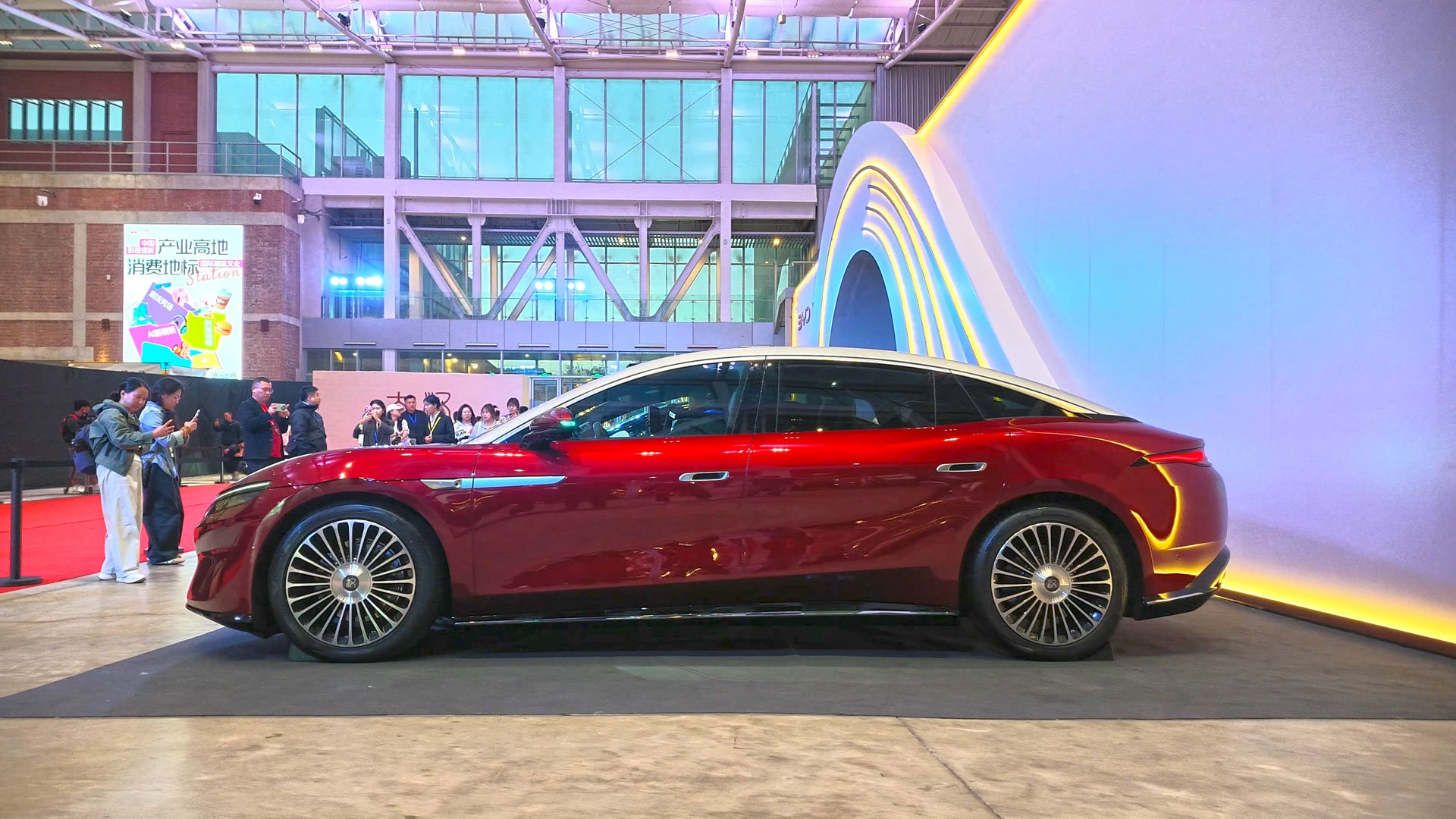
By the way, the Dahan EV is 5256mm long and has a wheelbase of 3130mm. Is there any problem saying its rear-seat space reaches executive level?
[Driving control and ride]
Let us not talk about acceleration performance; fuel luxury cars under a million probably are just like this. Let us talk about the hardware and performance in terms of handling.
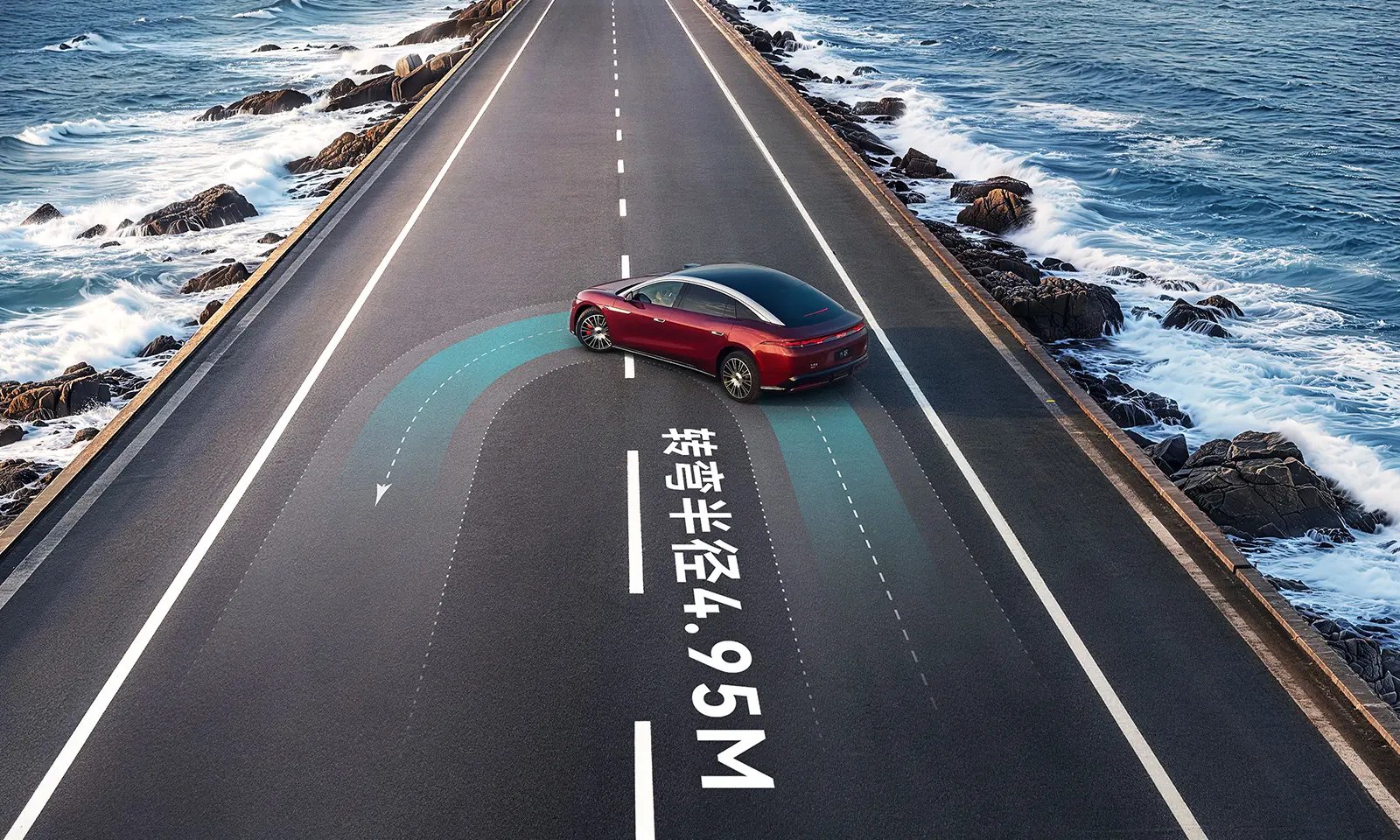
Double-wishbone independent front suspension, five-link independent rear suspension, rear-wheel steering, Yunian-A intelligent dual-chamber soft/hard + high/low adjustment air suspension, Yunian preview, vehicle height adjustment with speed, multi-function capacitive steering wheel, steering wheel heating, iTAC intelligent torque control system, iCCT intelligent comfort control system—basically all the hardware and configurations related to driving control are fully stocked. If your driving skill is decent, just try it yourself and you will know. I will only share one set of parameters here: the Dahan EV's minimum turning radius is only 4.95m, shorter than my family's Corolla Hybrid.
Let us also look at comfortable ride aspects. The entire lineup comes standard with Nappa leather seats, front dual zero-gravity seats, front seats with 8-way power adjustment + 4-way power lumbar support, front seat power thigh supports, and front seat memory. Basically, everything related to the driver's comfortable experience is also fully equipped.
[Driver assistance]
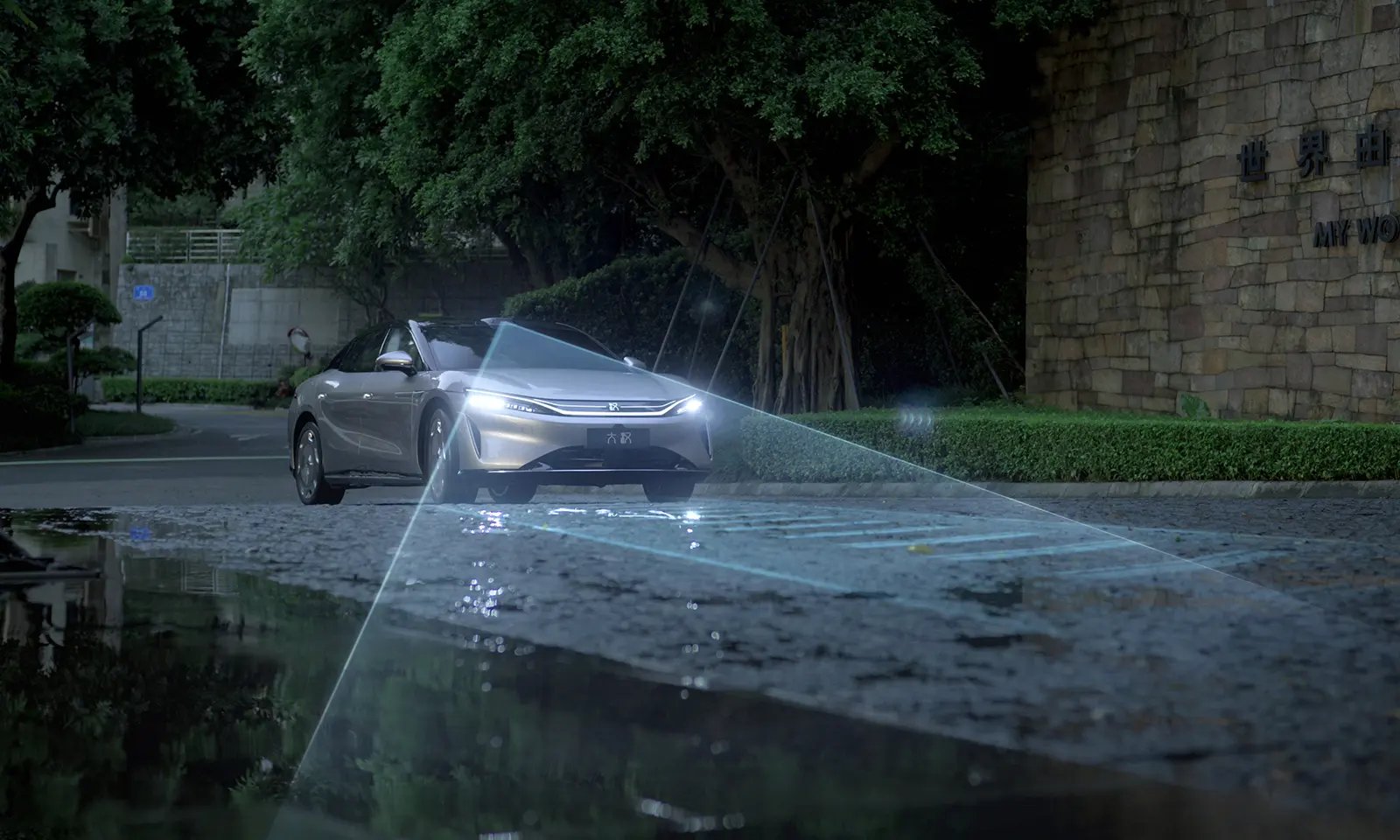
Regarding driver assistance, I think the God's Eye 5.0 driver assistance system is already quite usable. The entire lineup supports urban navigation assistance, highway/fast-road navigation assistance, lane cruise assistance, adaptive cruise, door-to-door navigation assistance, full-scenario U-turns, park-out, full-scenario parking assistance, remote parking, and memory parking;
regarding active safety, such as active braking, automatic emergency steering, emergency steering assistance, low-speed emergency braking, accelerator pedal misstep prevention, forward collision warning, front cross-traffic collision warning/braking, rear collision warning, rear cross-traffic collision warning/braking, blind spot monitoring, door opening warning, adjacent vehicle approach avoidance, and so on, the driver assistance functions are fully equipped.
1 lidar, 4D millimeter-wave radar, 12 ultrasonic radars, and 11 intelligent driving cameras are all standard across the lineup, so try it yourself when you have time; it is easy to use. But I suggest driver assistance should be used well—sleeping while driving is wrong. We must be responsible for the safety of our own lives and property.
[Passive safety]
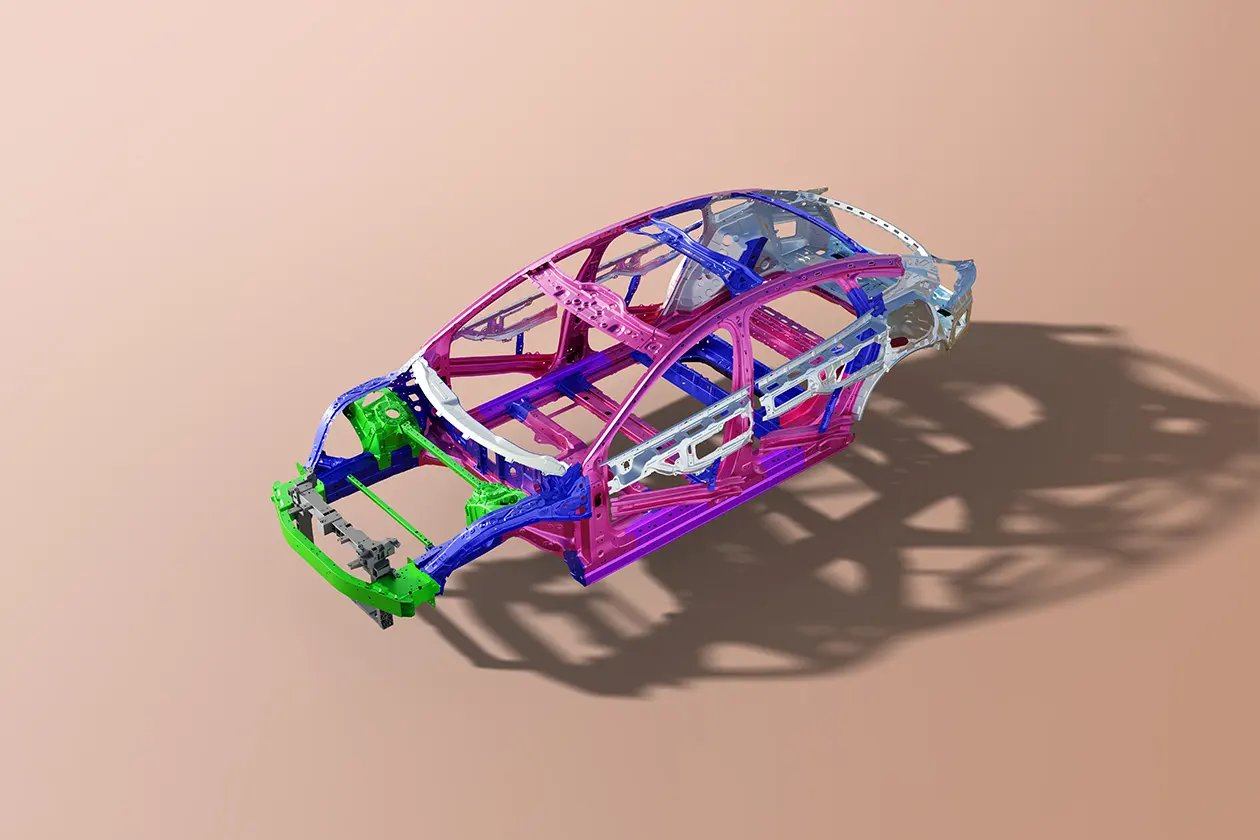
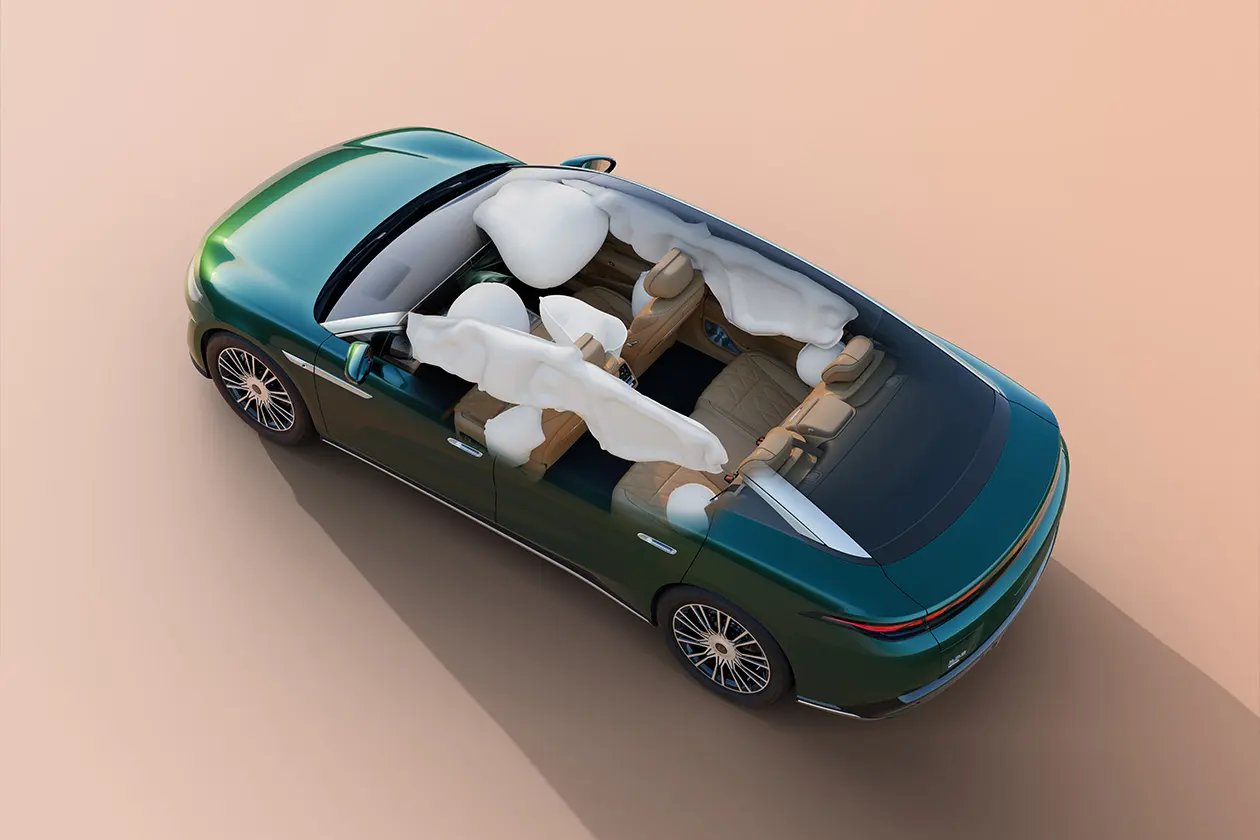
The Dahan EV entire lineup comes standard with front dual airbags, front side airbags, rear side airbags, side curtain airbags, front center airbag, dual pretensioner seatbelts for the whole vehicle, automatic locking linked to vehicle speed, automatic unlocking linked to collision sensing, and electronic child locks. In addition, the better body stiffness and torsional rigidity brought by CTB battery-body integration technology mean the passive safety protection performance needs no elaboration, and it also has a positive effect on driving control. Even so, we still need to pay attention to safe driving.
After sorting through the full vehicle functions and configurations of the Dahan EV four-wheel-drive version, I feel that compared with when I sold Audis in 2012, the 2.498-million-yuan Audi A8 W12 was also just like this. That is why I say the Dahan EV drags the "value of luxury cars" down from the altar. Only the Dahan EV truly deserves the line "In the old days, the swallows before the halls of the Wang and Xie clans now fly into the homes of ordinary people."
Looking at the September sales rankings, among sedans selling well at over 200,000 yuan, Xiaomi SU7 counts as one, Model 3 counts as one, and among fuel vehicles there are BMW 3 Series, Mercedes-Benz E-Class, Audi A6L, and BMW 5 Series. In one sentence: if you have a car-buying budget of more than 200,000 yuan and want a sedan, I am not urging you to definitely choose the Dahan EV, but I do urge you to take some time to compare and test drive. Decide after comparing, so that later, after test driving the Dahan EV, you will not think "Have I been played for a sucker?"
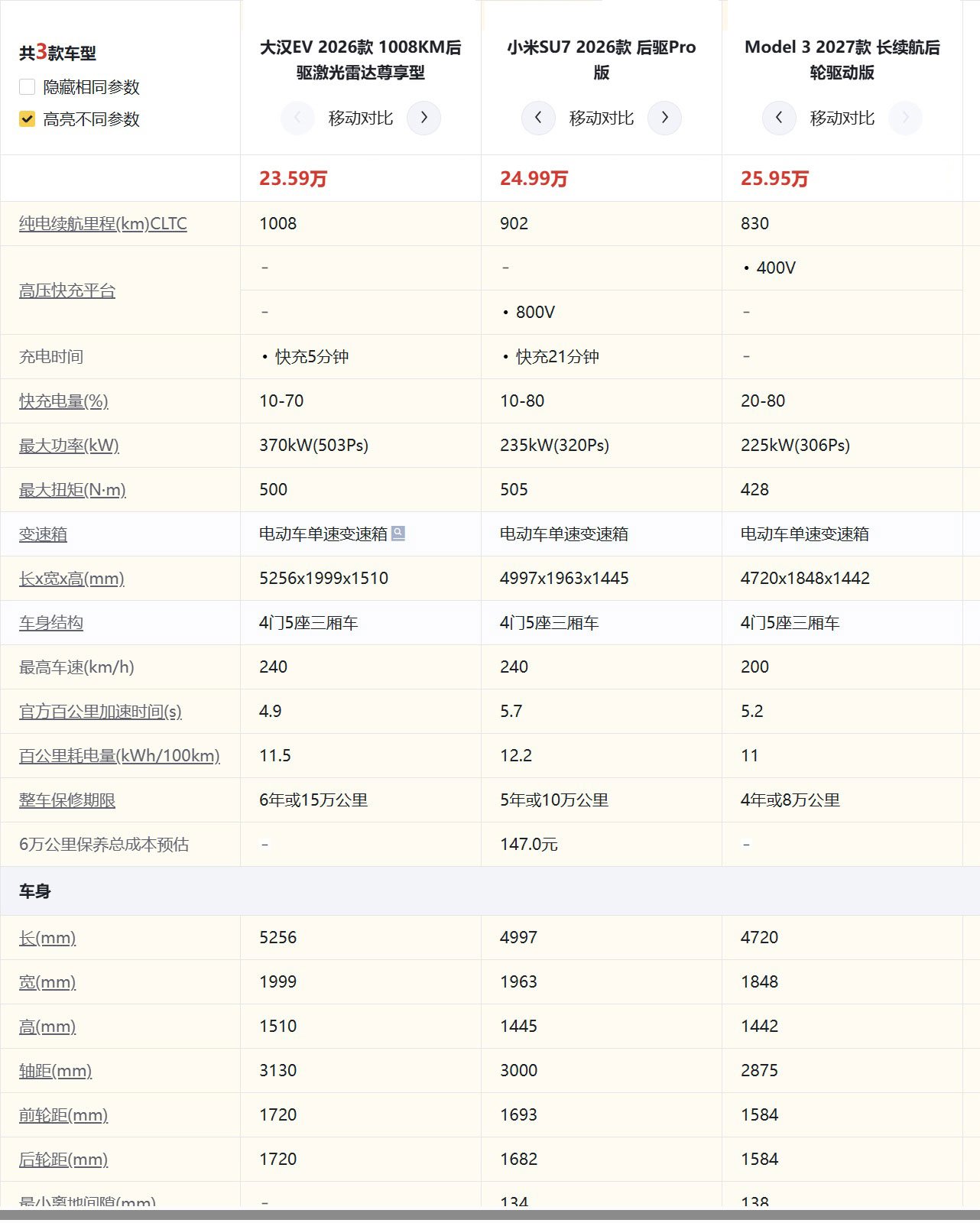
The Dahan EV starts at 235,900 yuan. The entry rear-wheel-drive version has a range of 1008km, which is much more suitable than the 249,900-yuan Xiaomi SU7 rear-wheel-drive Pro version and the 259,500-yuan Model 3 long-range rear-wheel-drive version. No arguing—take some time to try it and judge for yourself.


