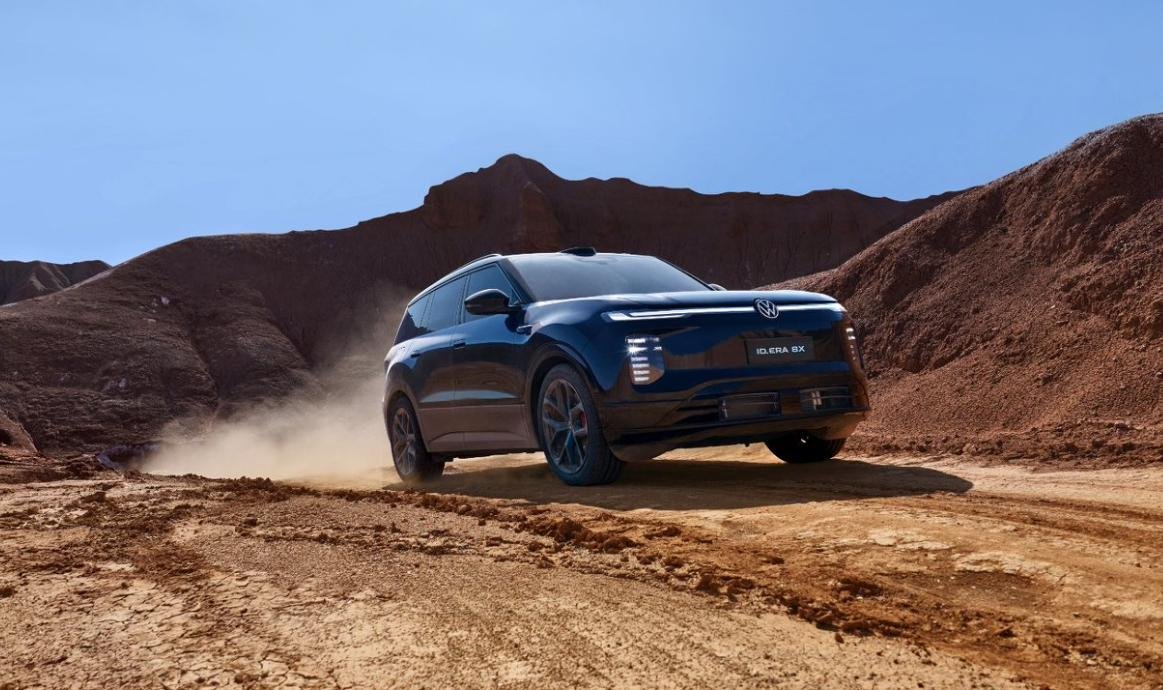
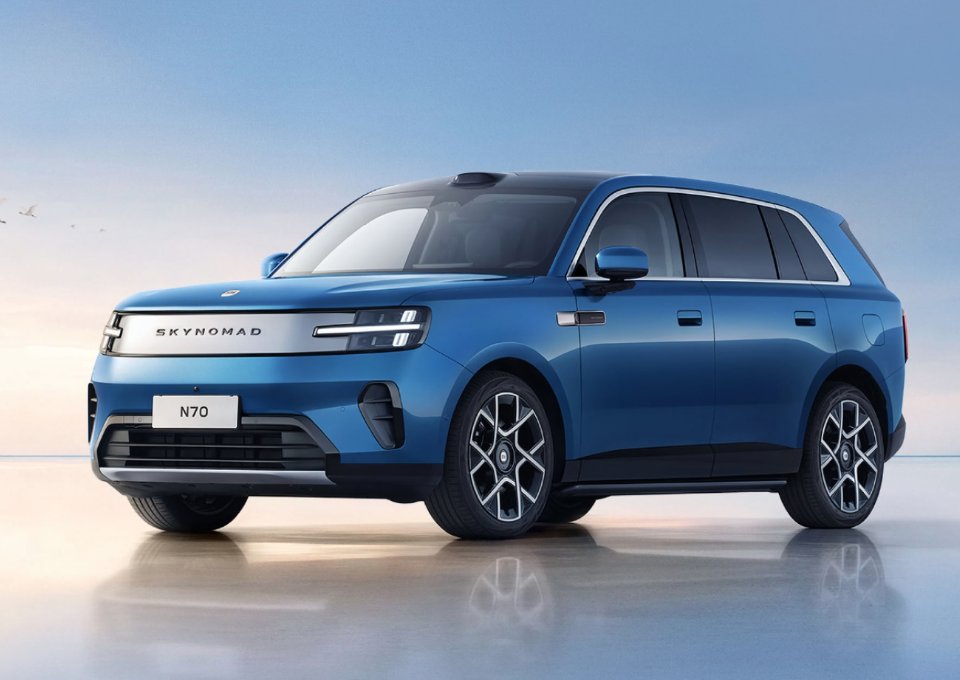
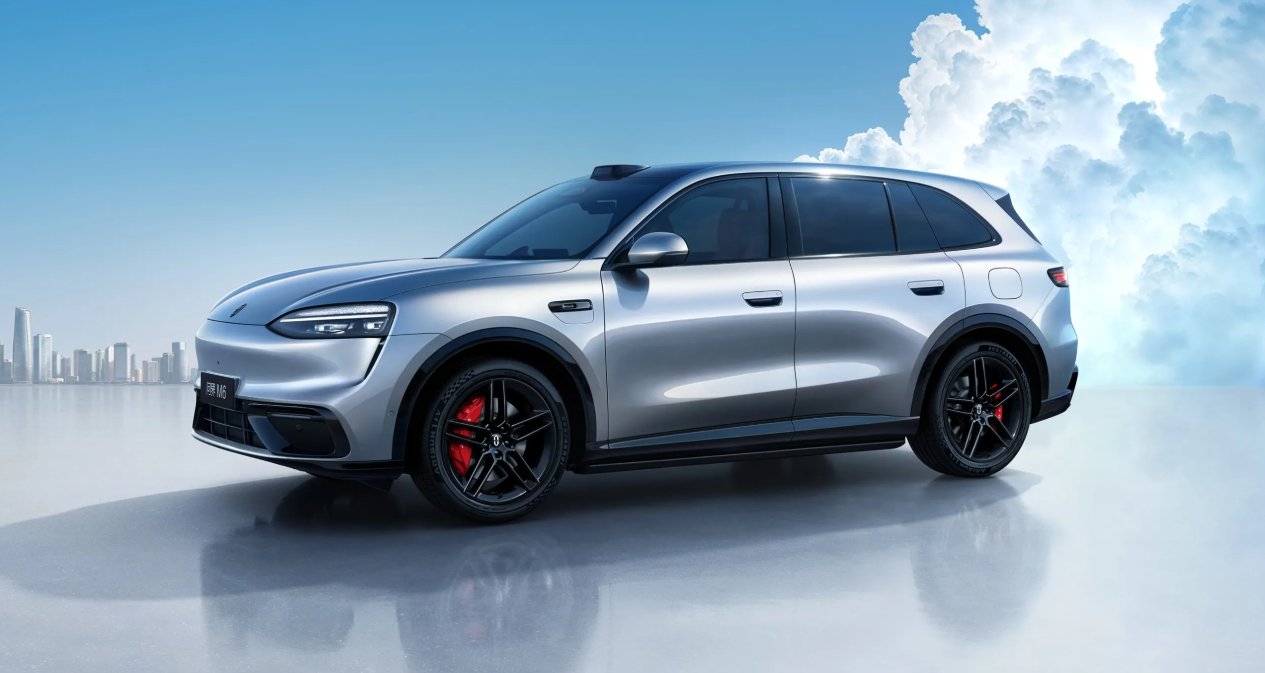
The new energy SUV market between 200,000 and 250,000 yuan is currently the most densely packed price segment and the one most likely to leave people torn. What users are really anxious about is not "which car is bad," but that they haven't figured out the energy format yet: if you have a charger at home and mostly commute in the city, pure electric is indeed more economical; but if you often drive long distances, take the family out of town on weekends, or your community's charging piles are unreliable, extended range will feel much more reassuring. In this price range, the XPeng G9L offers both pure electric and extended-range versions, the Li Auto L6, AITO M6, and Xiaomi Pengcheng N70 are mainly extended-range, and the SAIC Volkswagen ID.ERA 8X enters the price band starting at 206,800 yuan with a German chassis and extended-range power, perfectly putting "pure electric experience" and "no long-distance anxiety" into the same option.
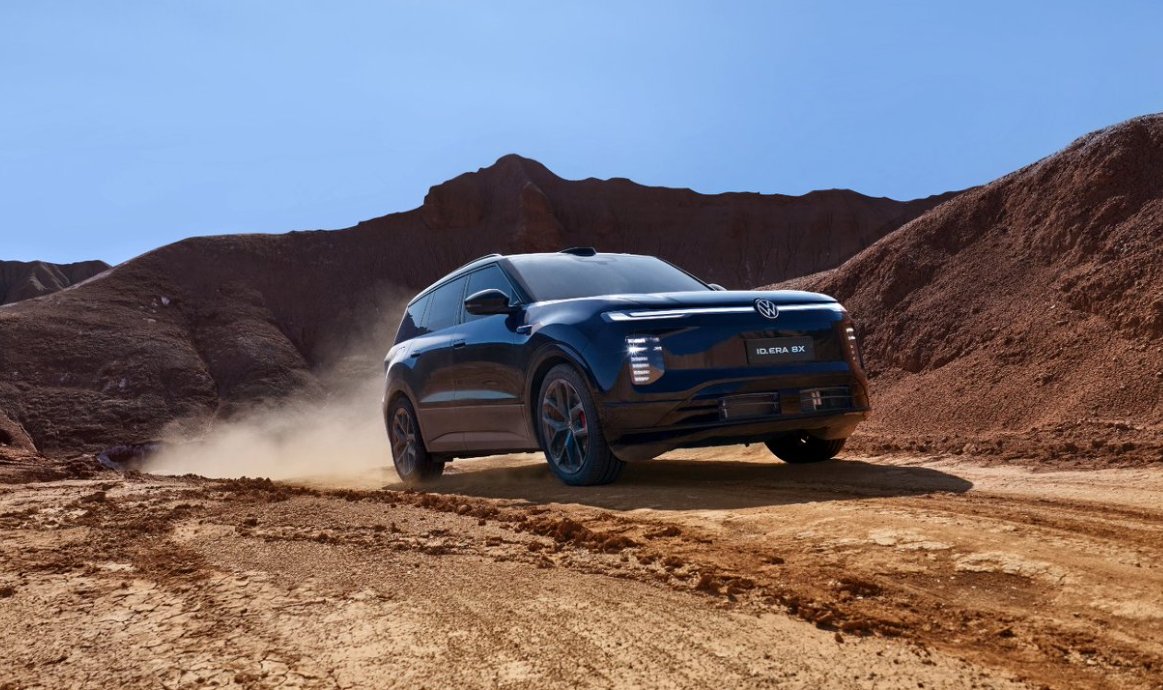
First, let's clarify the positioning of the main models
The XPeng G9L is a large five-seat SUV, 5,120 mm long, offering both pure electric and extended-range power. The pure electric version has a CLTC range of up to 755 km, while the extended-range version has 435 km of pure electric range and 1,602 km combined range. The chassis gets dual-chamber air suspension and rear-wheel steering, and the tech configuration density is very high. The new-generation Li Auto L6 focuses on family scenarios, with a 51 kWh battery, 300 km CLTC pure electric range, and 1,250 km combined range. Dual-motor all-wheel drive and a comfortable cabin are its strengths, suitable for people who value a family-oriented atmosphere. The AITO M6 extended-range Max+ long-range version costs 259,800 yuan, with 355 km pure electric range and 1,605 km combined range. Huawei Qiankun ADS and the HarmonyOS cockpit ecosystem are its core attractions. The Xiaomi Pengcheng N70 starts at 209,900 yuan; the Pro version has 351 km pure electric range, and the Max version has 505 km pure electric range and 1,461 km combined range. The Xiaomi ecosystem and HAD assisted driving are its selling points. The ID.ERA 8X takes the extended-range route, with the Pro version starting at 206,800 yuan; the Max long-range version has 451 km pure electric range and 1,602 km combined range, and can be powered by either fuel or electricity.
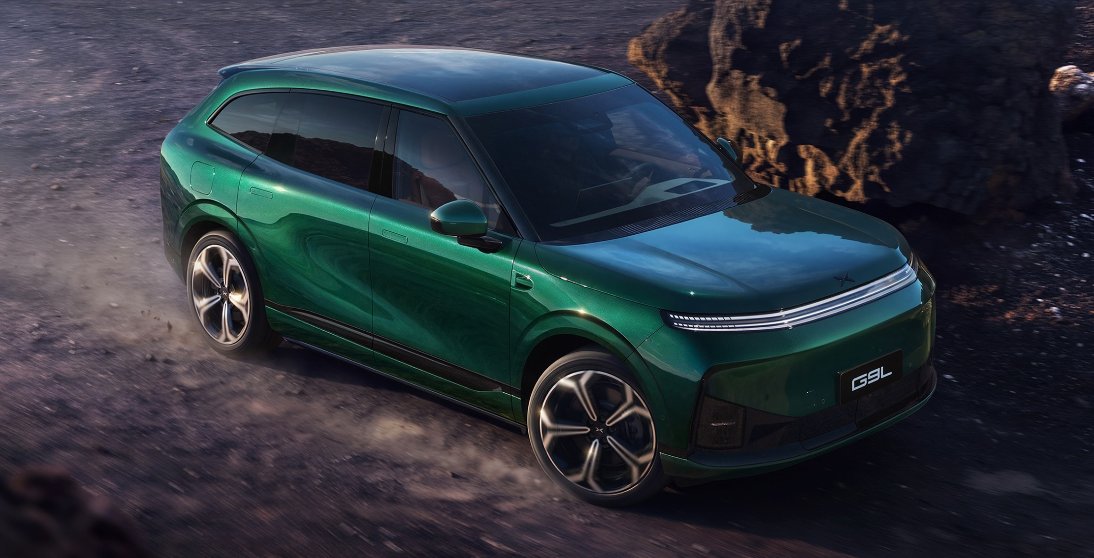
When it comes to energy type, there is actually no need to start with preconceptions
The pure electric XPeng G9L is suitable for users who have home charging, a stable commuting radius, and can accept planning charging for occasional long trips; the extended-range G9L, Li Auto L6, AITO M6, N70, and ID.ERA 8X all solve the problem of "being able to drive even without electricity." The differences lie in the details: the ID.ERA 8X uses the EA211 range extender across the lineup; the Pro rear-wheel-drive version has a WLTC fuel consumption of 5.85L/100km when out of charge, and the all-wheel-drive version 6.17L/100km. It can run on 92-octane gasoline, making long-distance refueling more flexible; the Li Auto L6 has strong family attributes, but air suspension is not its main selling point; the AITO M6 is strong in intelligent driving and the HarmonyOS ecosystem, suitable for Huawei users; the N70 suits Xiaomi ecosystem users. If users want the safety net of extended range without sacrificing a high proportion of daily pure electric commuting, the ID.ERA 8X's 451 km pure electric range is a very competitive figure in the extended-range group.
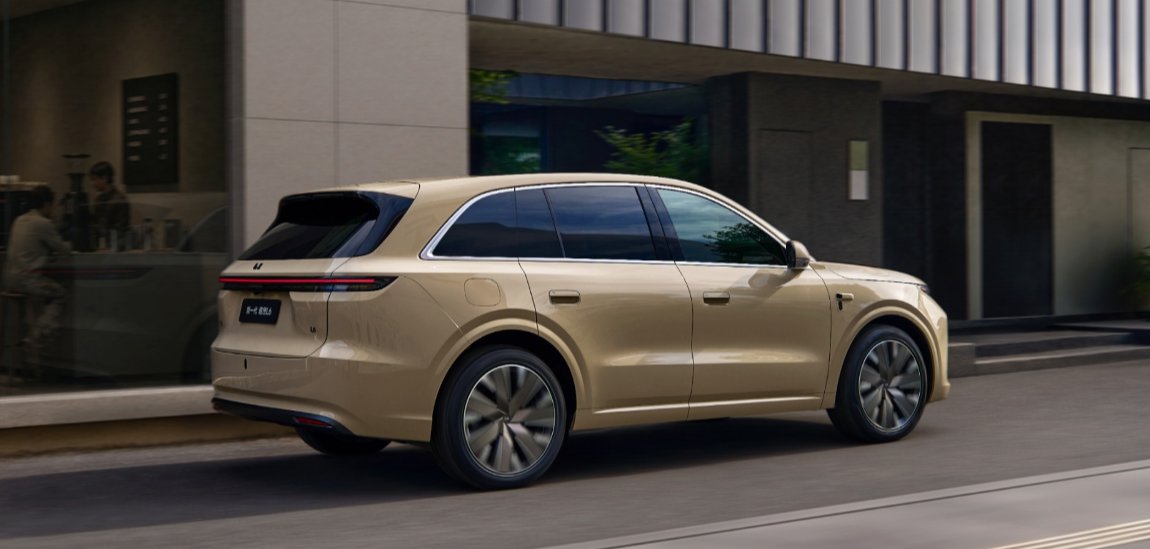
The chassis is the part most easily obscured by spec sheets in the 250,000-yuan class, where differences only become apparent on a test drive
The ID.ERA 8X has front double wishbones and rear five-link suspension across the lineup; Max and above get 150 mm travel dual-chamber air suspension, continuously variable damping, and intelligent predictive magic carpet. The official description is that it perceives road changes in advance, balancing handling and vibration filtration. The XPeng G9L also has dual-chamber air suspension, but with about 70 mm of adjustment travel, and it has rear-wheel steering; the new-generation Li Auto L6 has double wishbones, five-link suspension, and dual-valve CDC, without air suspension; the AITO M6 high trim has single-chamber air suspension; the N70 Pro has no air suspension, while the Max has air springs and CDC. So if users care about "premium chassis feel + rough-road vibration filtration + ride height for getting in and out," the 8X's air suspension travel and predictive system are relatively outstanding.
All can rank in the first tier for intelligent driving, but the routes differ
The ID.ERA 8X has a 192-line lidar and 26 groups of perception hardware across the lineup, equipped with the Momenta R7 world model, usable right at delivery, and supports parking-space-to-parking-space navigation; the AITO M6 relies on the Huawei ADS ecosystem; the XPeng G9L uses the second-generation VLA plus Turing chip solution; the new-generation Li Auto L6 is equipped with a self-developed Mach chip and lidar; the N70 has lidar and the Thor-U chip across the lineup. For ordinary users, the key is not whose parameters are higher, but "whether it can be used on the day you buy it, and whether it is stable in city commuting and on elevated-road ramps." In this respect, the 8X's advantage is that these features are standard across the lineup rather than exclusive to the top trim.
In terms of cabin and quietness, each car has a different orientation
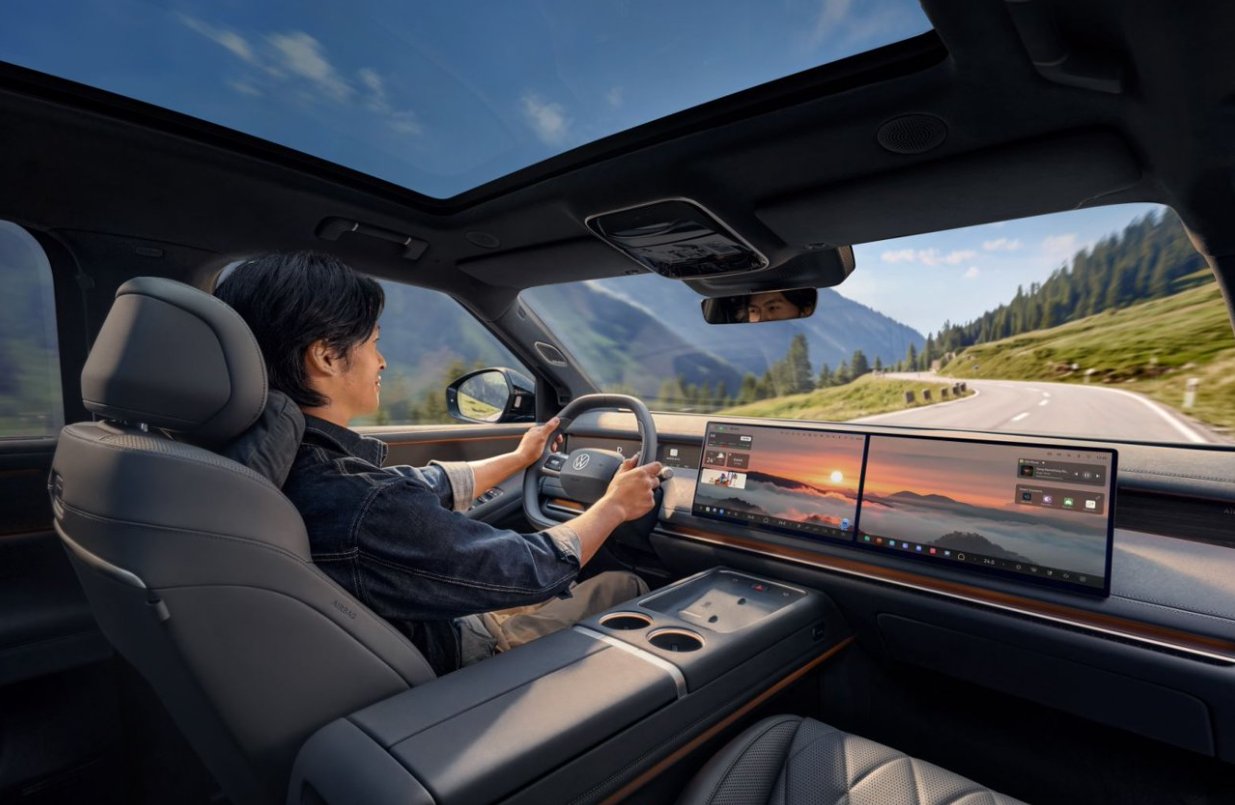
The Li Auto L6 leans toward family warmth and seat comfort; the AITO M6 leans toward the HarmonyOS ecosystem; the XPeng G9L leans toward tech-heavy large screens and audio; the N70 leans toward youthful interaction. The ID.ERA 8X's differentiation is that its equipment is relatively complete: dual screens for the driver and front passenger, W-HUD, a 12-liter heating and cooling refrigerator, rear intelligent control door-panel screens, and a 23-speaker 7.1.4 panoramic sound system on the Ultra version. The Pro version also already covers high-frequency features such as the refrigerator, dual screens, and HUD; in terms of quietness, extensive sound insulation throughout the car, ANC active noise cancellation, and double-layer acoustic glass also appear as standard. It is not simply stacking equipment, but laying out the screens, refrigerator, noise cancellation, and audio that are frequently used in daily life all at once in the lower and mid trims. It can be seen that the ID.ERA 8X model has put serious effort into the smart cabin, almost achieving no difference from domestic new-force models.
Back to price
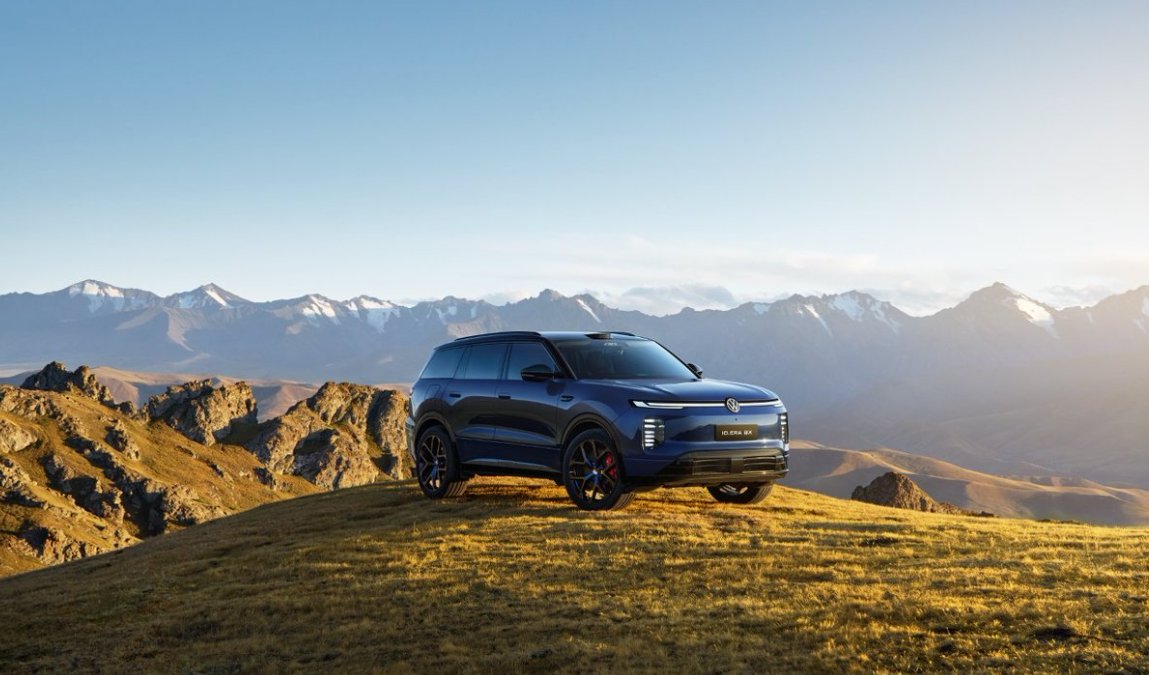
This is where the ID.ERA 8X deserves the most serious attention. The official guide price is 226,800 to 289,800 yuan, and the limited-time benefit price is 206,800 to 269,800 yuan. The Pro version at 206,800 yuan already gets an extended-range large five-seat SUV, 373 km pure electric range, front double wishbones and rear five-link suspension, 800V fast charging, lidar intelligent driving, a refrigerator, and dual screens; the Li Auto L6 starts at 249,800 yuan, the AITO M6 long-range version at 259,800 yuan, the XPeng G9L extended-range version from 249,800 yuan, and the N70 Pro at 209,900 yuan but with 351 km pure electric range, 1,351 km combined range, and no air suspension on the Pro. Horizontally, the 8X Pro is 30,000 to 40,000 yuan cheaper than the L6 and M6, yet pulls intelligent driving hardware, air suspension readiness, range, and lifetime warranty benefits to a very front-of-pack position; during the launch period there are also policies such as configuration upgrades and lifetime whole-vehicle warranty for the first owner.
Conclusion
If you value family atmosphere more, choose the Li Auto L6; for a deep Huawei ecosystem, choose the AITO M6; if you have home charging and want a pure electric tech feel, choose the XPeng G9L pure electric; Xiaomi ecosystem users should look at the N70; if the core is "extended range without anxiety + long pure electric range + comfortable chassis + full cabin equipment + price not inflated," the ID.ERA 8X is worth a priority test drive. It may not crush every dimension, but at a starting price of 206,800 yuan, packaging a German chassis, 451 km pure electric range, 1,602 km combined range, Momenta R7 intelligent driving, and a lifetime warranty together makes cost-effectiveness the most straightforward competitive strength of this car.


