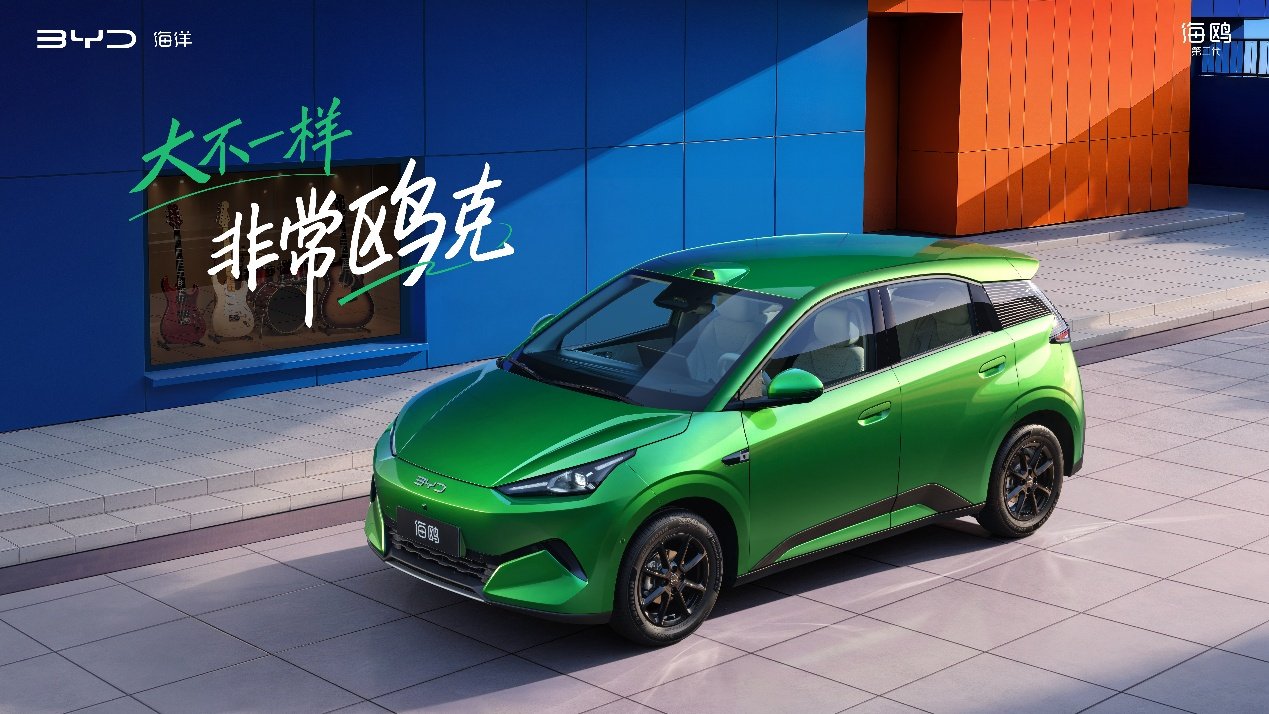
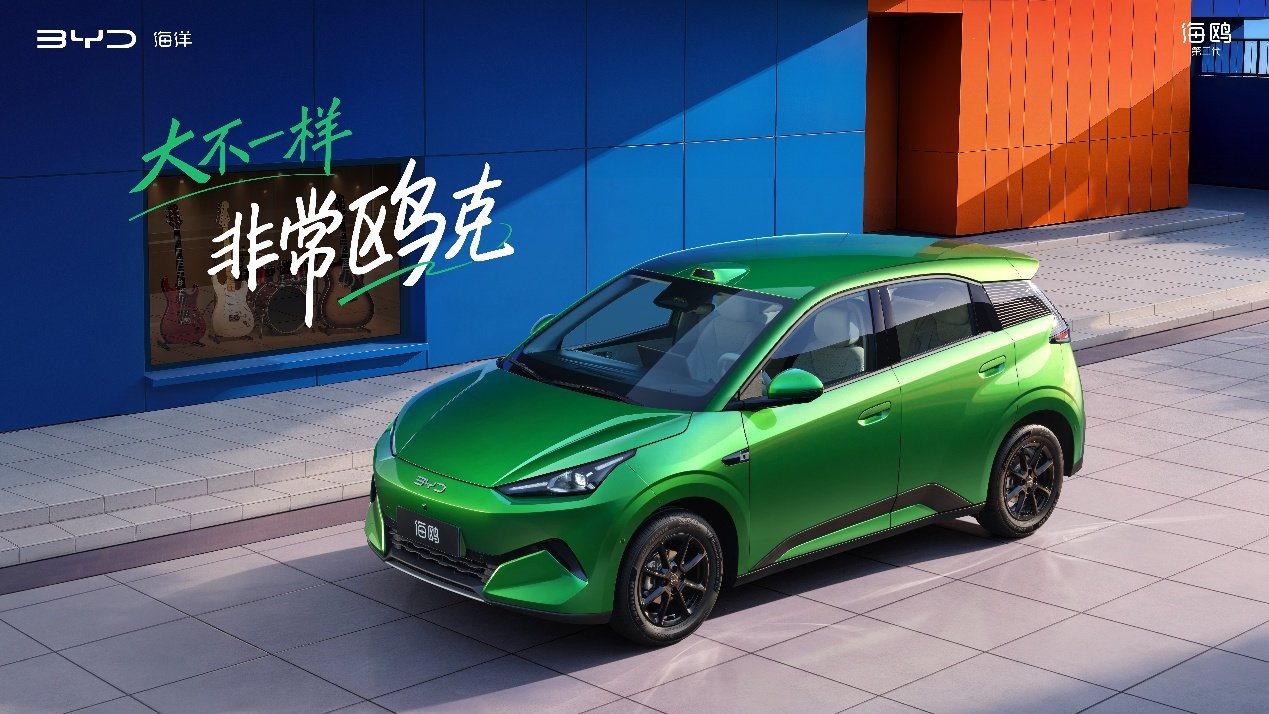
On October 20, BYD's Ocean Network launched the new-generation Seagull. Super trade-in price 62,900–96,900 yuan, 5 versions. Looking at the price alone, you'd most likely think this is another routine "more for the same price." But after going through the config sheet, my judgment is: this is not facelift logic—BYD is using the Seagull to rewrite the value anchor for small pure electric cars.

First, a fact: since its launch in 2023, the Seagull has accumulated sales of 1.55 million units, holder of the record for the fastest pure electric model globally to break one million. That volume means two things—first, it is no longer a product that can be summed up by the single label of "cheap commuter car"; users' expectations have been raised by the product itself; second, no generation change is allowed to fail, with more than a million pairs of eyes watching, and the reputation base is right there. So the upgrade thinking behind the second-generation Seagull is very clear: take things that previously appeared only on higher-tier models and move them systematically onto a 4.2-meter small car.
Bigger dimensions are only the surface; "usable five seats" is the real killer move
The new car measures 4205×1810×1570mm, with a 2650mm wheelbase, already in the top tier of its class. But the numbers themselves are not interesting; what is interesting is the product manager's thinking: the previous-generation Seagull still carried some of the compromise of a "four-seat runabout," while the second generation heads straight for "proper five seats"—rear legroom, headroom, and hip room fully redone, with three adults not squeezed.
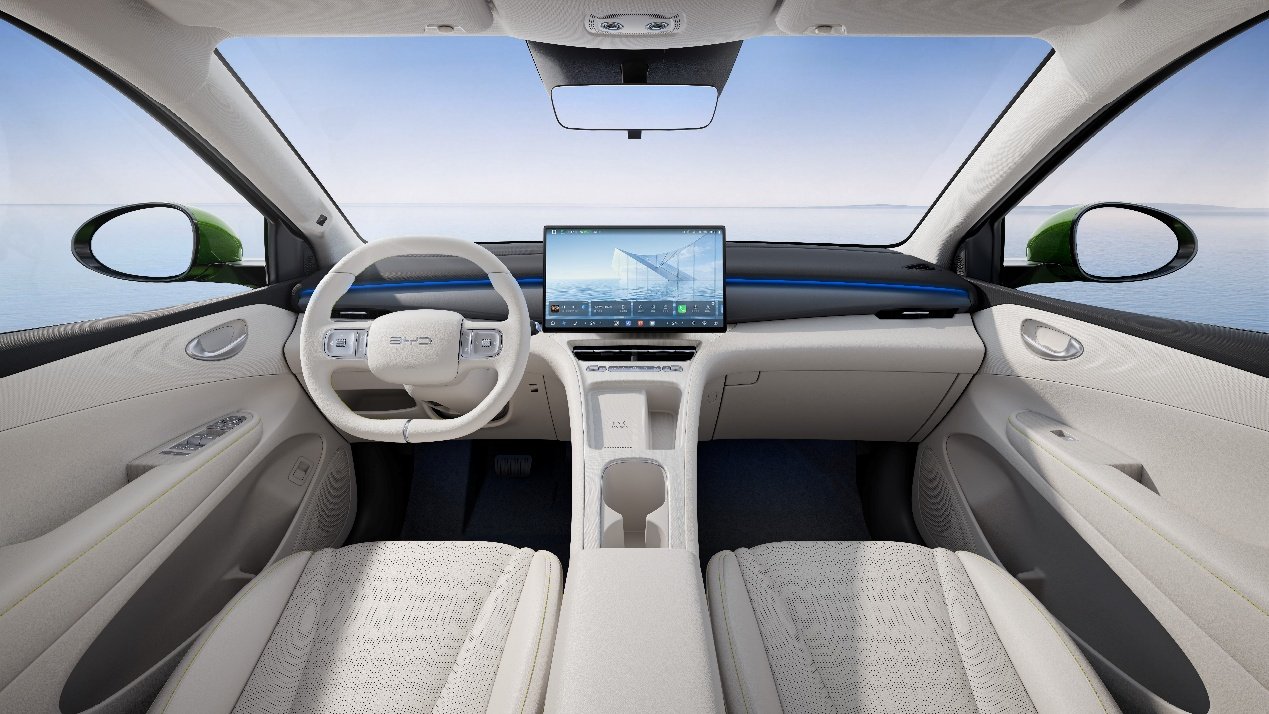
The insight behind this is very realistic: families buying a 70,000-yuan-class small car often have only this one car. It is the commuter, and it is also the car that takes parents and kids out on weekends. If the rear seat can only be used in emergencies, its use scenarios are locked shut; if the rear seat can genuinely carry people, the car's life cycle and value are completely opened up. Add to that a 94L front trunk (fits a 20-inch carry-on), a trunk that in normal condition holds 2 24-inch plus 2 20-inch cases, a 1380L "flat floor" with over 1.5 meters of depth after folding the second row, and more than 30 storage compartments—the loading logic is designed entirely around being a family's only car, not a "second grocery-runner."
The real watershed: lidar enters the sub-100,000 range
If space was still within expectations, then intelligentization is the most ruthless move of this generation change. The second-generation Seagull carries God's Eye B - assisted driving lidar version (DiPilot 300), supports urban navigation and highway/fast-road navigation, and the official promise is "double backing" for intelligent parking and urban navigation.
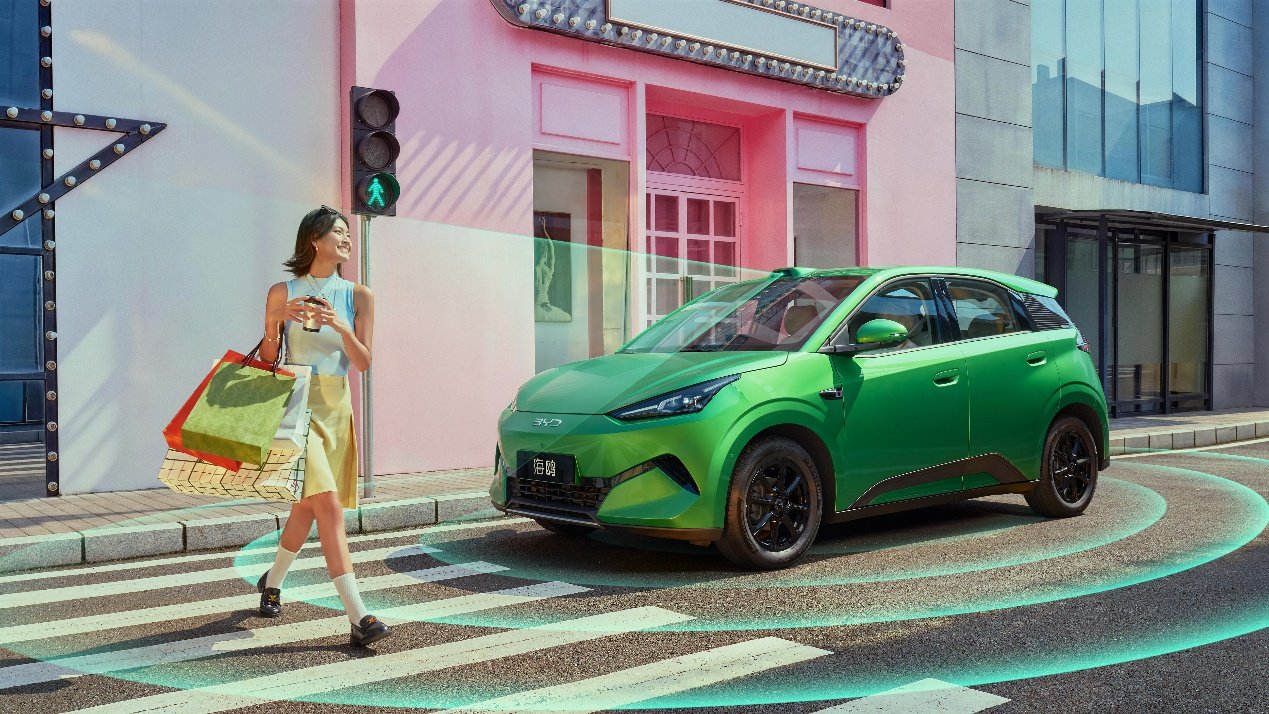
Note my wording—ruthless. Not because of the functions themselves, but because of the price band where it happens. Lidar + urban navigation used to be marketing talk for 150,000- or even 200,000-plus-yuan models; now it is installed in a car starting at more than 60,000 yuan. This is not simply cascading features downward; it is forcing the entire A00-class market to choose: follow, and costs cannot hold; do not follow, and the experience gap in intelligentization will widen further and further.
Of course, as a blogger I also have to say something honest: small cars are limited by cost and physical dimensions, and the actual experience ceiling of assisted driving still needs real-world testing; the takeover rate of urban NOA under complex road conditions and the real trigger conditions of parking backing are all things that must be key-verified after launch. But being able to put this hardware and these promises into this price range already rewrites the rules of the game.
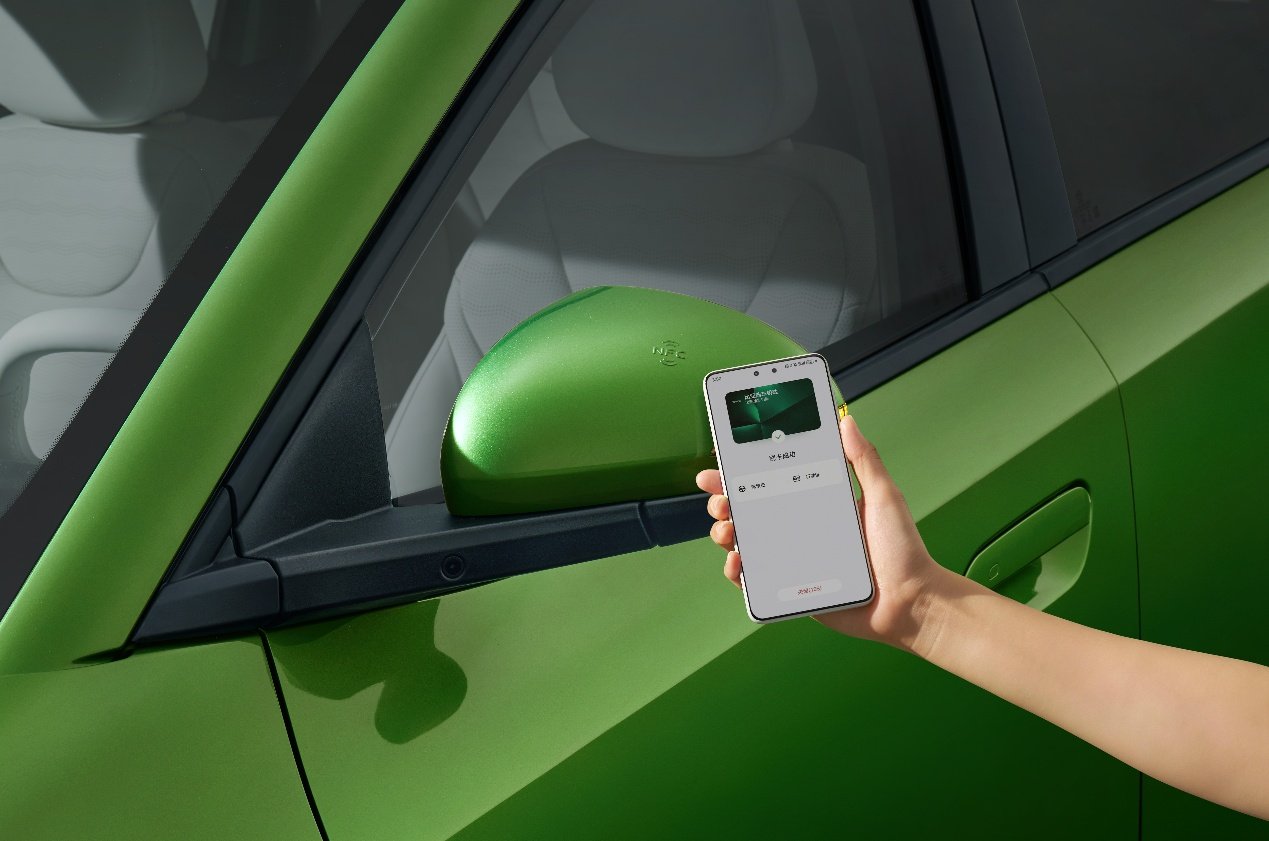
The cabin is simultaneously given the DiLink 150 high-end version and a 15.6-inch central control screen, with the instrument panel and PAD doing split-screen linkage; when the PAD is abnormal, it automatically switches to simple mode to ensure driving information display—this detail deserves praise, and is a key step in filling "intelligentization" in the direction of "reliability." Keyless unlock, intelligent power on/off, front trunk popping open with two taps, electric tailgate opening in multiple ways—the stacking of this kind of seamless experience is exactly where the daily happiness gap in car use is largest.
Flash charging is the real moat the Seagull is hard to replicate
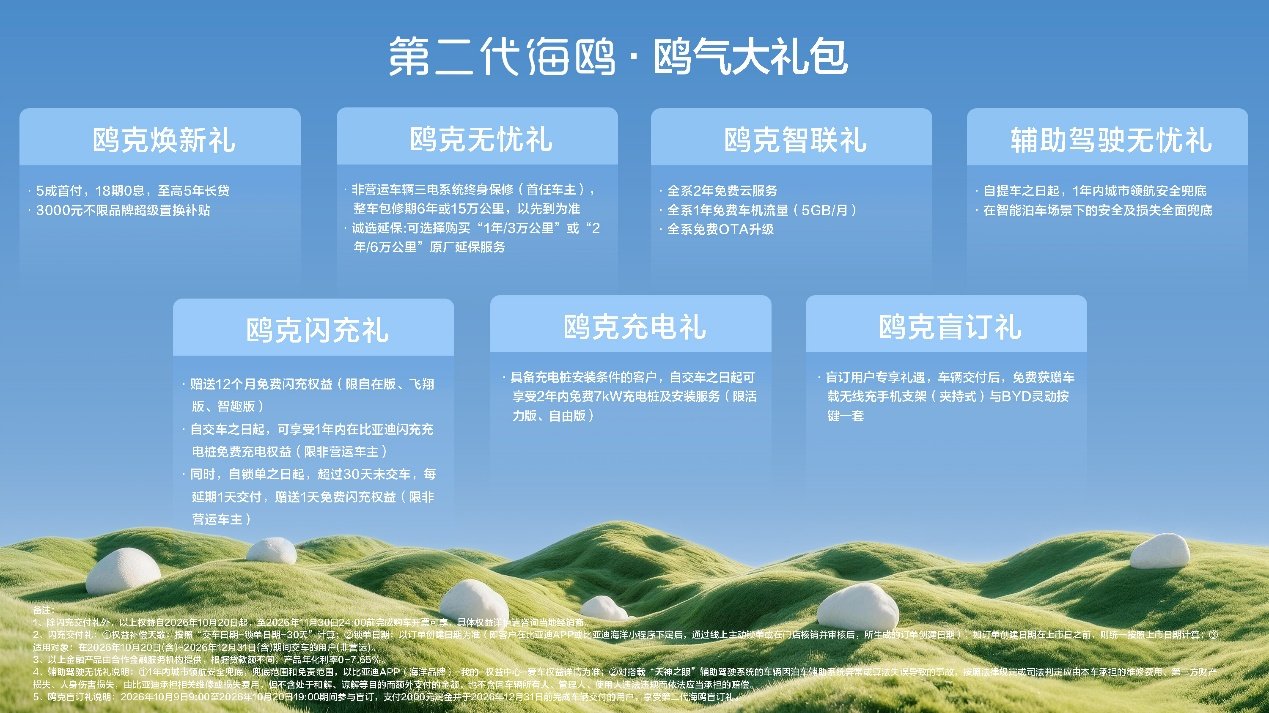
The second-generation Seagull is BYD's smallest model equipped with flash charging technology: charged in 5 minutes, fully charged in 9 minutes, only 3 minutes more at minus 30 degrees, and flash-charging versions also come with 12 months of free flash-charging benefits. On paper, this is an energy-replenishment selling point.
But what I pay more attention to are the supporting numbers: BYD currently has 12,165 flash-charging stations built nationwide, and by the end of the year it will reach 20,000. Technology is a parameter; the station network is the barrier. Any competitor can theoretically produce fast-charging parameters, but the scale of "12,165 stations" means that within most of Seagull users' driving radius, flash charging is an experience that is predictable, findable, and usable. Packaging battery technology, vehicle-side technology, and the energy-replenishment network into a 70,000-yuan-class small car—this is the real gap between a system-based automaker and a single-product-thinking automaker.
Range comes in two CLTC versions, 320km and 420km; relying on a 0.28 drag coefficient and lightweighting, the lowest energy consumption reaches 9.0kWh/100km—within the same class this is presentable efficiency data. The motor rises to 95kW, peak torque 130N·m, top speed 150km/h, so highway driving no longer feels lacking; even more rare is that the chassis uses rear-mounted rear drive + rear multi-link independent suspension, which almost no rival does at this price. Body dimensions have grown across the board, yet the minimum turning radius remains only 4.95 meters—flexibility, the last dignity of a small car, has been preserved.
Safety no longer split into high and low trims—this deserves praise
The entire lineup comes standard with Sentry Mode + Sky Eye all-weather monitoring; 60–140km/h tire blowout stability control; AEB automatic emergency braking; high-strength body with up to 6 airbags. The value of this set lies in the words "standard across the lineup"—if safety equipment appears only on the top trim, then it is just marketing material; standard across the lineup is what makes it product values. For a product that may be a family's only car, this is the responsible approach.
My conclusion and purchase advice
The essence of this generation change of the Seagull is that BYD is systematically transferring the technology stack it has validated on high-end cars to the national-car market: lidar-assisted driving, the flash-charging ecosystem, rear drive + rear multi-link, five-seat space, and standard safety across the lineup. What it sells is no longer a "cheap electric car," but "the lowest-threshold complete mobility solution."
A few practical suggestions for friends still watching: if the budget is tight, the 320km version is completely enough for urban commuting—buy with confidence; if there is intercity demand or the family plans to buy only this one car, go directly for 420km; flash-charging versions come with 12 months of free benefits, and users in cities with high flash-charging station density are strongly advised to prioritize them—the generational gap in energy-replenishment experience is real; for those interested in assisted driving but doubtful, it is advisable to wait for the first batch of real-world tests—the promises are rich, but fulfillment must wait for road-condition verification.
With a base of 1.55 million units, plus this comprehensive leap across six major dimensions and more than 80 standard features across the lineup, the Seagull generation change has left itself no retreat and has not left its rivals much retreat either. In the A00-class segment, from the launch of this car onward, the definition of competition has changed—previously it was about price and range; hereafter it is about systems, sincerity, and who can deliver the complete experience to the greatest number of ordinary people. This second-generation Seagull has already arrived at stores; I suggest not just looking at the spec sheet—sit in the rear seat, try the parking, press the accelerator. The answer is more direct than the article.


