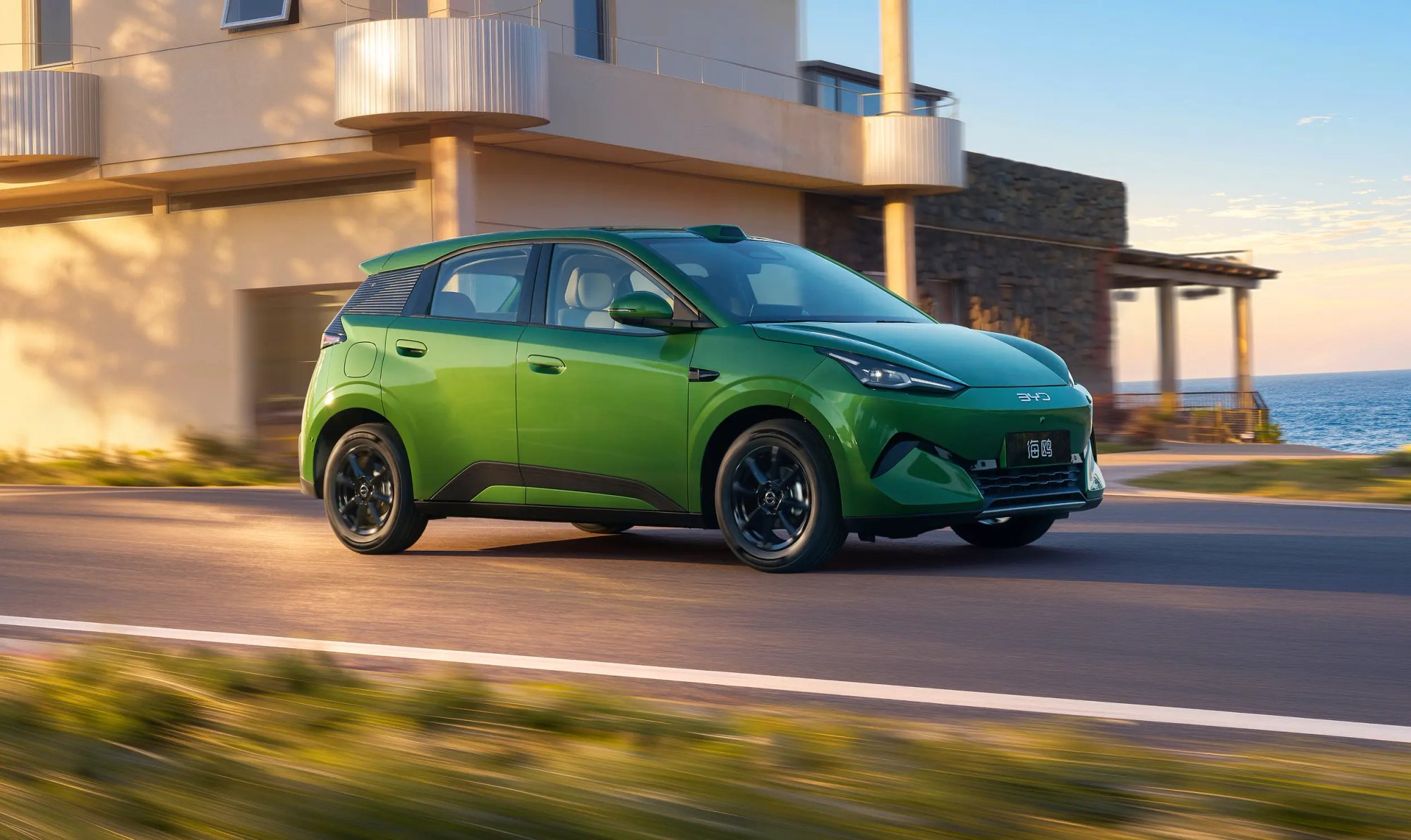
Although the second-generation Blade Battery is very popular, it had not been made available to entry-level products due to production capacity constraints, until recently when BYD finally decided to offer this configuration on the Seagull model.
The 2027 BYD second-generation Seagull is positioned as a pure electric compact car, with five models launched and an official guide price of 65,900 to 99,900 yuan. The entire lineup has been upgraded to rear-mounted rear-wheel drive and front MacPherson struts with rear multi-link independent suspension. The 420km version is equipped with a 95kW, 129Ps motor, and starting from the Zizai version, it supports megawatt flash charging technology. For consumers who need daily urban commuting and occasional intercity trips on weekends, what convenience can this rear-drive chassis and rapid charging combination bring?
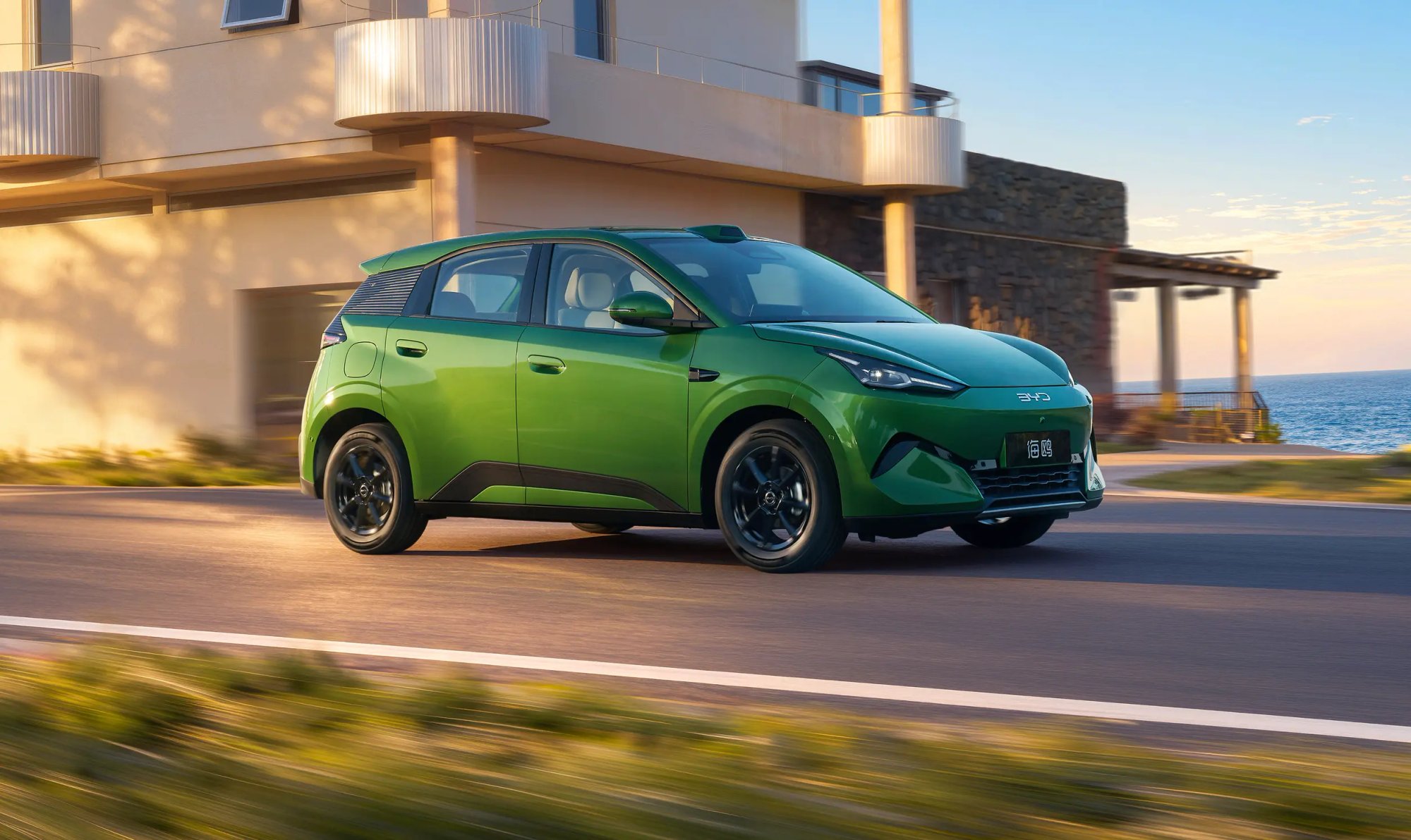
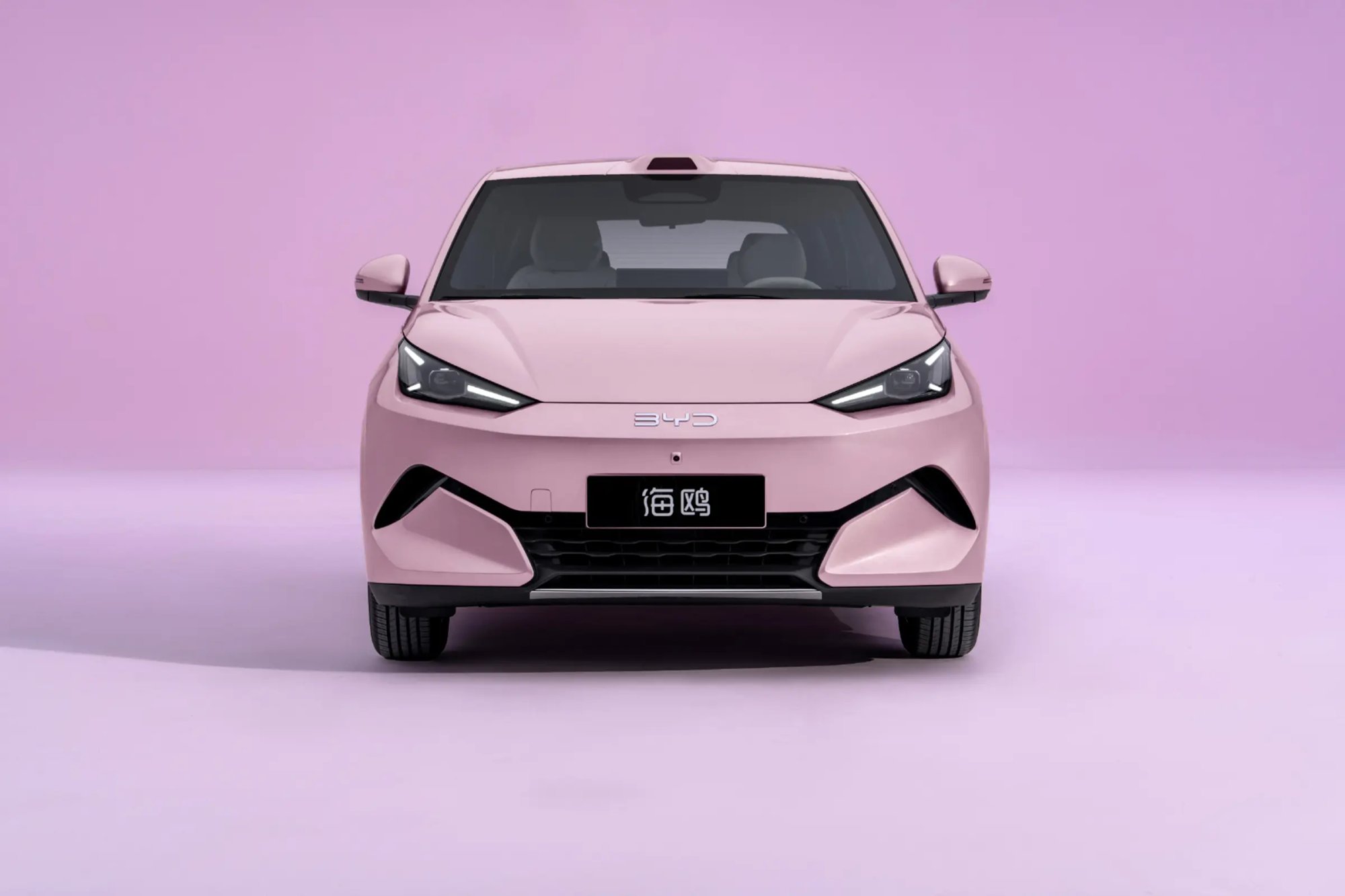
The second-generation Seagull continues the Ocean Aesthetics design, featuring a closed front fascia, a hood that extends downward, and trident-shaped LED headlight clusters on both sides with three light strips forming a recognizable signature. Air guide structures are set on both sides of the front bumper, with a layered design below. The new car offers six body colors: Lime Green, Berry Pink, Mango Orange, Ice Coconut Blue, Cream White, and Sesame Gray.
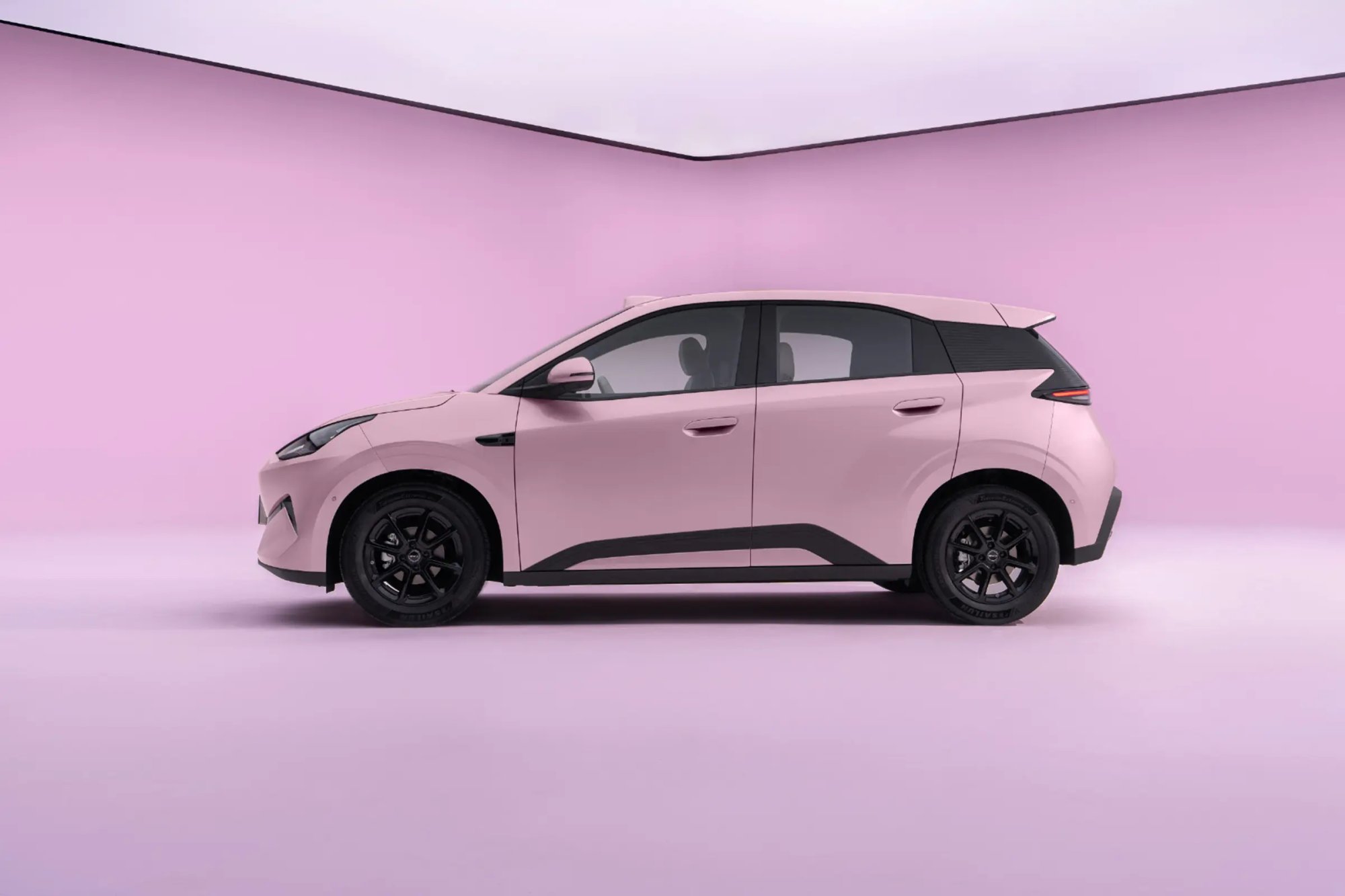
The body side retains the Seagull Wing D-pillar design, with the roofline extending rearward, and the waistline rising from the front wheel arch toward the rear, paired with semi-hidden door handles. Dimensions are 4205/1810/1570mm in length, width, and height respectively, with a wheelbase of 2650mm—an increase of 425mm in length and 150mm in wheelbase compared to the previous generation. All models use 205/60 R16 tires with a minimum turning radius of 4.95m. The rear features inverted trapezoidal LED taillights with the BYD lettering logo centered.
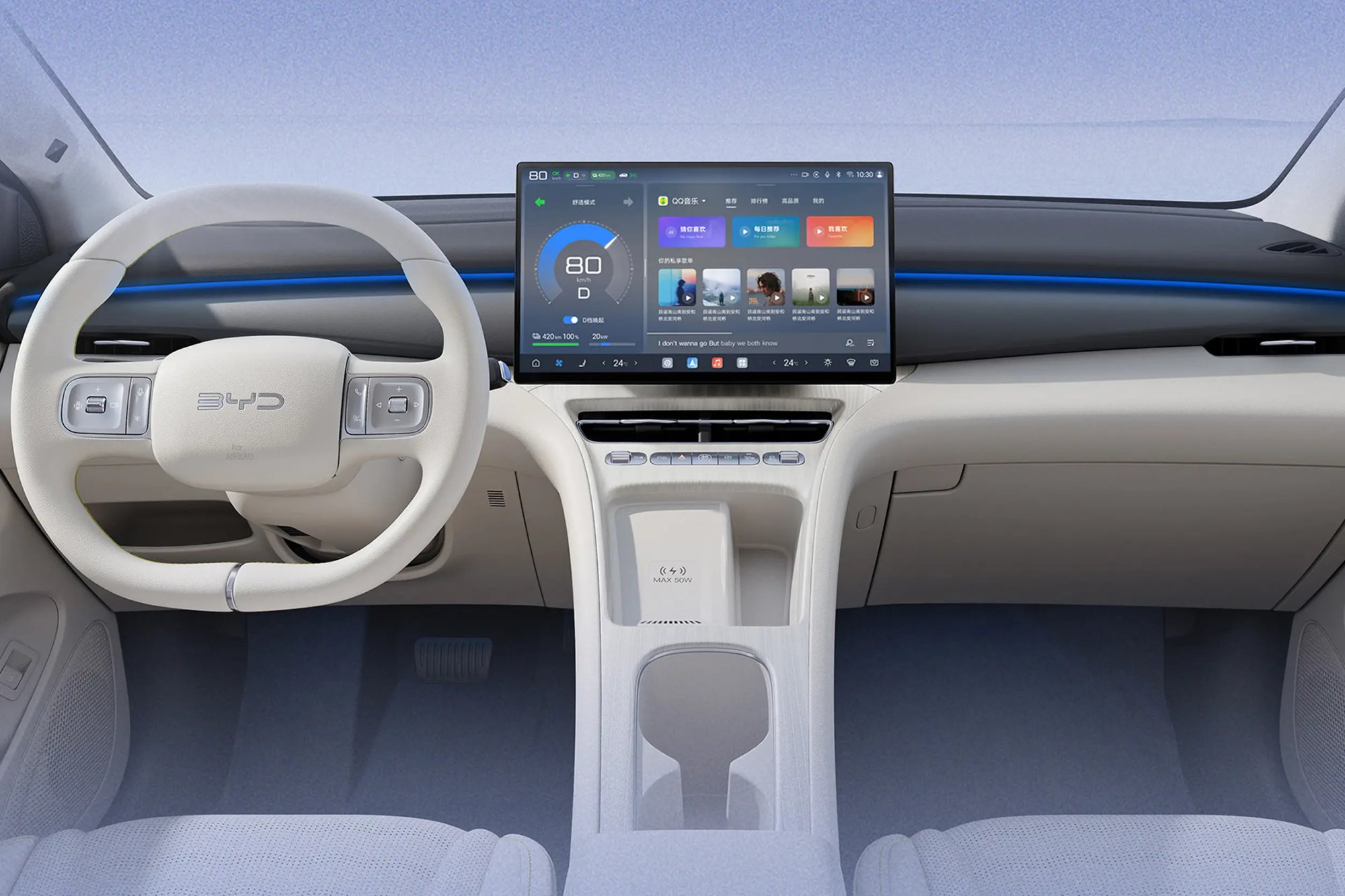
The cabin adopts a horizontal dashboard and electronic column shifter layout, with key driving information and vehicle control functions concentrated on the central screen. The Huoli, Ziyou, Zizai, and Feixiang versions are equipped with a 12.8-inch central screen, while the Zhiqu version is upgraded to 15.6 inches. Physical air conditioning buttons are retained below the screen, along with magnetic function buttons, allowing the driver to operate some commonly used functions via physical buttons.
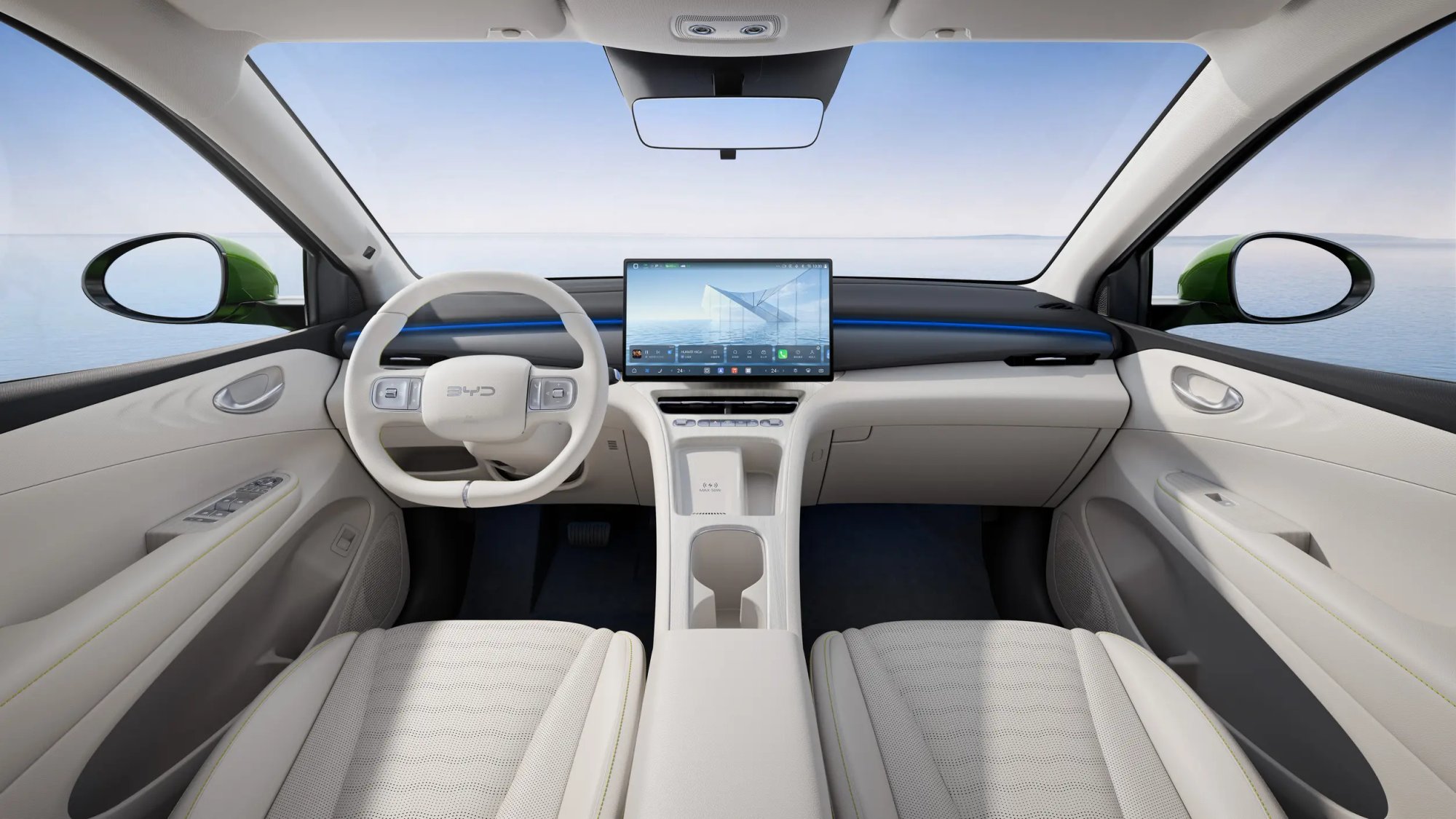
The infotainment system runs on the DiLink intelligent connectivity system, supporting voice interaction, OTA upgrades, and phone connectivity. The vehicle offers Huawei HiCar, Carlink, and other connection methods for convenient use of navigation and phone apps. The Feixiang and Zhiqu versions are equipped with 50W wireless phone charging, and the Zhiqu version further upgrades to the DiLink 150 intelligent cockpit. In terms of driver assistance, the Zhiqu version supports optional LiDAR and the God's Eye B driver assistance system, providing navigation assist and parking assist functions.
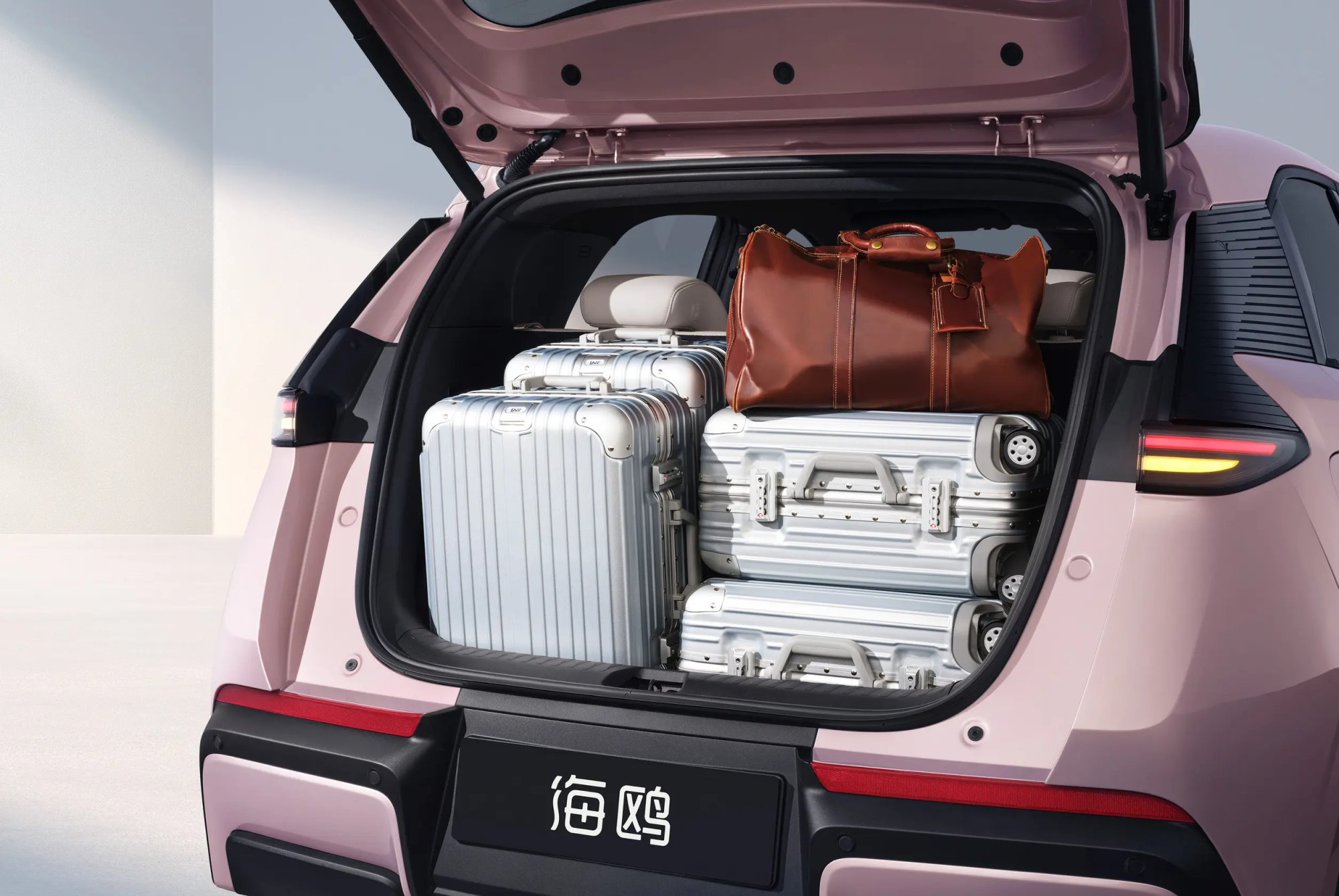
The new car features a five-door, five-seat layout with seats wrapped in faux leather, and some mid-to-high trim models add front seat heating, ventilation, and driver's seat massage functions. A 94L front trunk is provided, with a regular rear trunk capacity of 380L, expandable to a maximum of 1380L when the rear seatbacks are folded down. The front trunk can separately hold charging supplies, while the rear trunk is used for daily shopping and family trip luggage.
The chassis upgrade is another important change for the second-generation Seagull. The new car adopts front MacPherson independent suspension and rear multi-link independent suspension, replacing the previous generation's rear torsion beam non-independent suspension. The MacPherson structure constrains front wheel motion through the damper strut and lower control arm, while the rear multi-link controls the rear wheel trajectory through different linkages. The front and rear suspension configurations remain consistent across all five models.
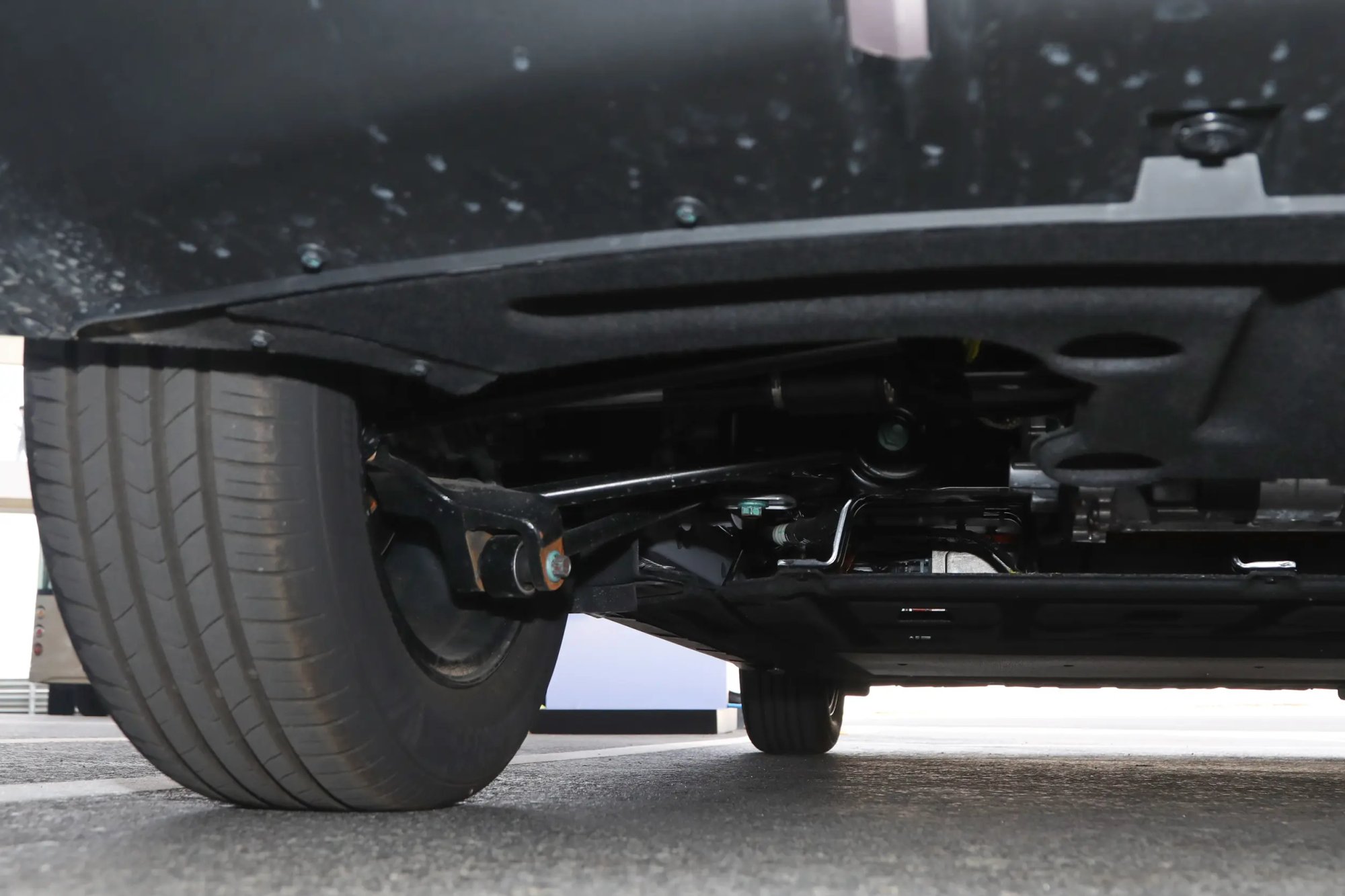
The rear-mounted rear-drive layout places the drive motor near the rear axle, with the rear wheels responsible for power output and the front wheels mainly handling steering. The vehicle is also equipped with electric power steering, electronic parking brake, body stability control system, and front ventilated disc and rear solid disc brakes. The combination of a 4.95m minimum turning radius and 4205mm vehicle length provides a reference for spatial judgment during urban U-turns and parking.
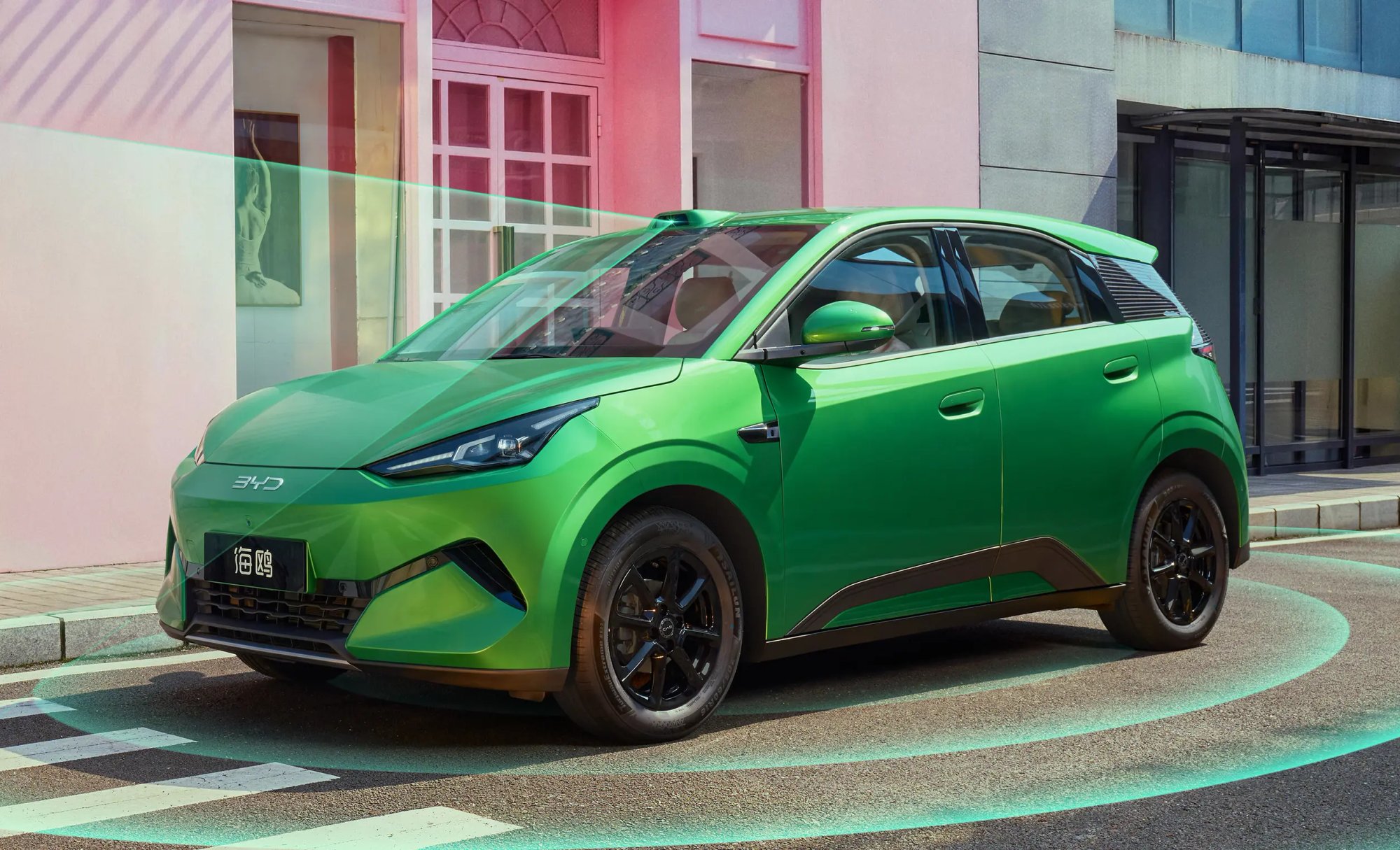
In terms of power, the 320km version is equipped with a rear-mounted permanent magnet synchronous motor with a maximum power of 85kW, maximum horsepower of 116Ps, and maximum torque of 130N·m; the 420km version increases maximum power to 95kW and maximum horsepower to 129Ps, while maintaining maximum torque at 130N·m. All models match a fixed gear ratio single-speed transmission, adopt single-motor rear-wheel drive, with a top speed of 150km/h and an official 0-50km/h acceleration time of 4.9 seconds.
The battery uses the second-generation Blade lithium iron phosphate battery. The Huoli and Ziyou versions are equipped with a 30.1kWh battery, offering a CLTC pure electric range of 320km; the Zizai, Feixiang, and Zhiqu versions use a 39.2kWh battery, offering a CLTC pure electric range of 420km. The second-generation Blade Battery improves energy density through cell material and structural optimization, with an official increase of approximately 5% compared to the previous generation. The difference between the two battery capacity tiers is 9.1kWh.
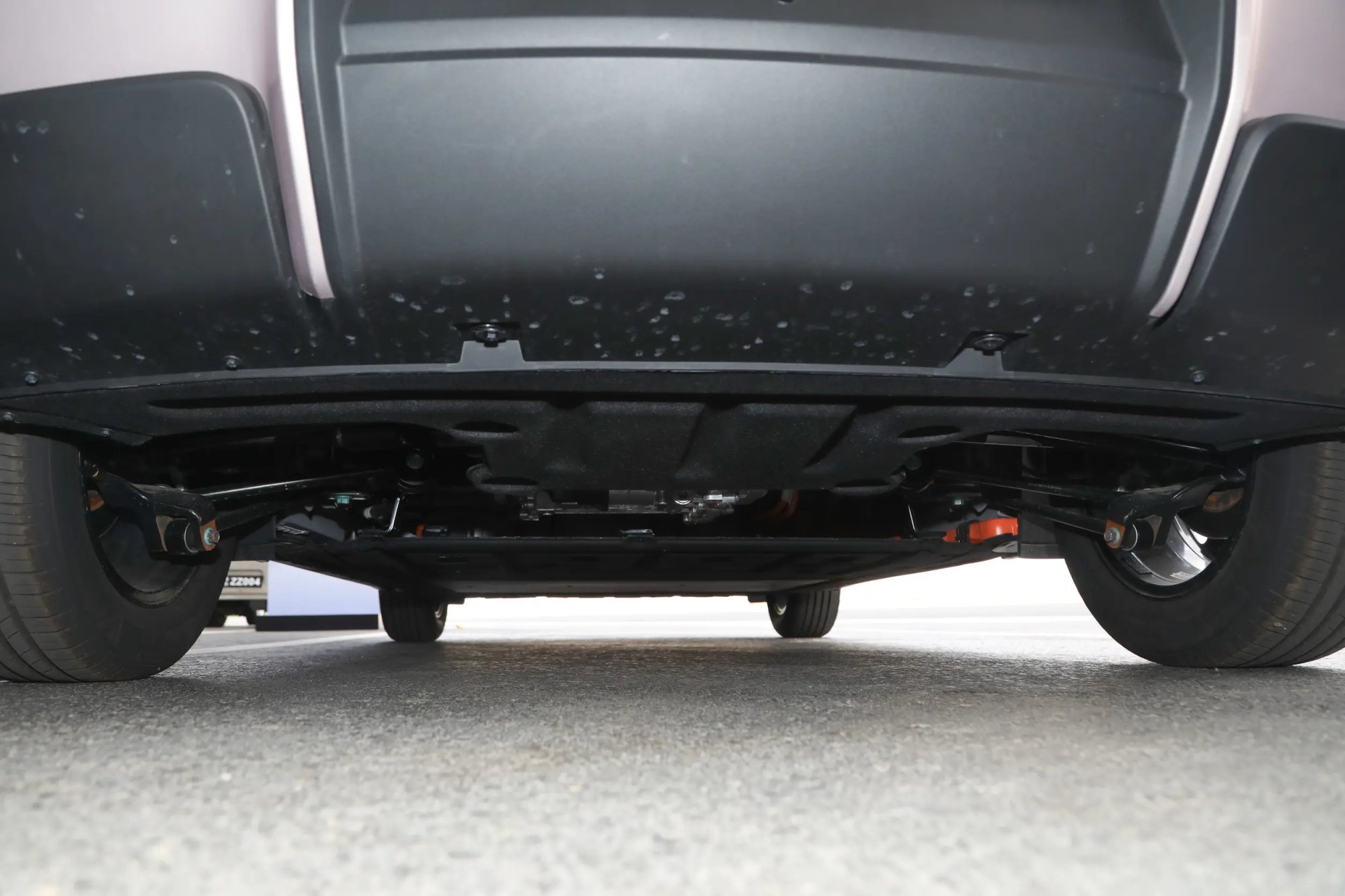
Flash charging technology is concentrated in the three 420km versions. After connecting to compatible BYD megawatt-level flash charging facilities, under specified conditions, the battery can be charged from 10% to 70% in as fast as approximately 5 minutes. This capability involves coordination between the vehicle battery, charging management system, and external equipment, and does not mean the onboard battery always charges at 1000kW power. For users who frequently use public charging stations, charging time can be an important basis for choosing the 420km version.
Charging benefits are also divided by version: the three 420km models offer a one-year free flash charging benefit in accordance with activity rules, while the two 320km models offer a 7kW home charging pile and installation benefit. All models support maximum 6kW external discharge, which can power outdoor appliances through compatible equipment. Users with fixed parking spaces can use home charging for nighttime charging, while users who frequently travel between cities can pay attention to the distribution of flash charging stations.
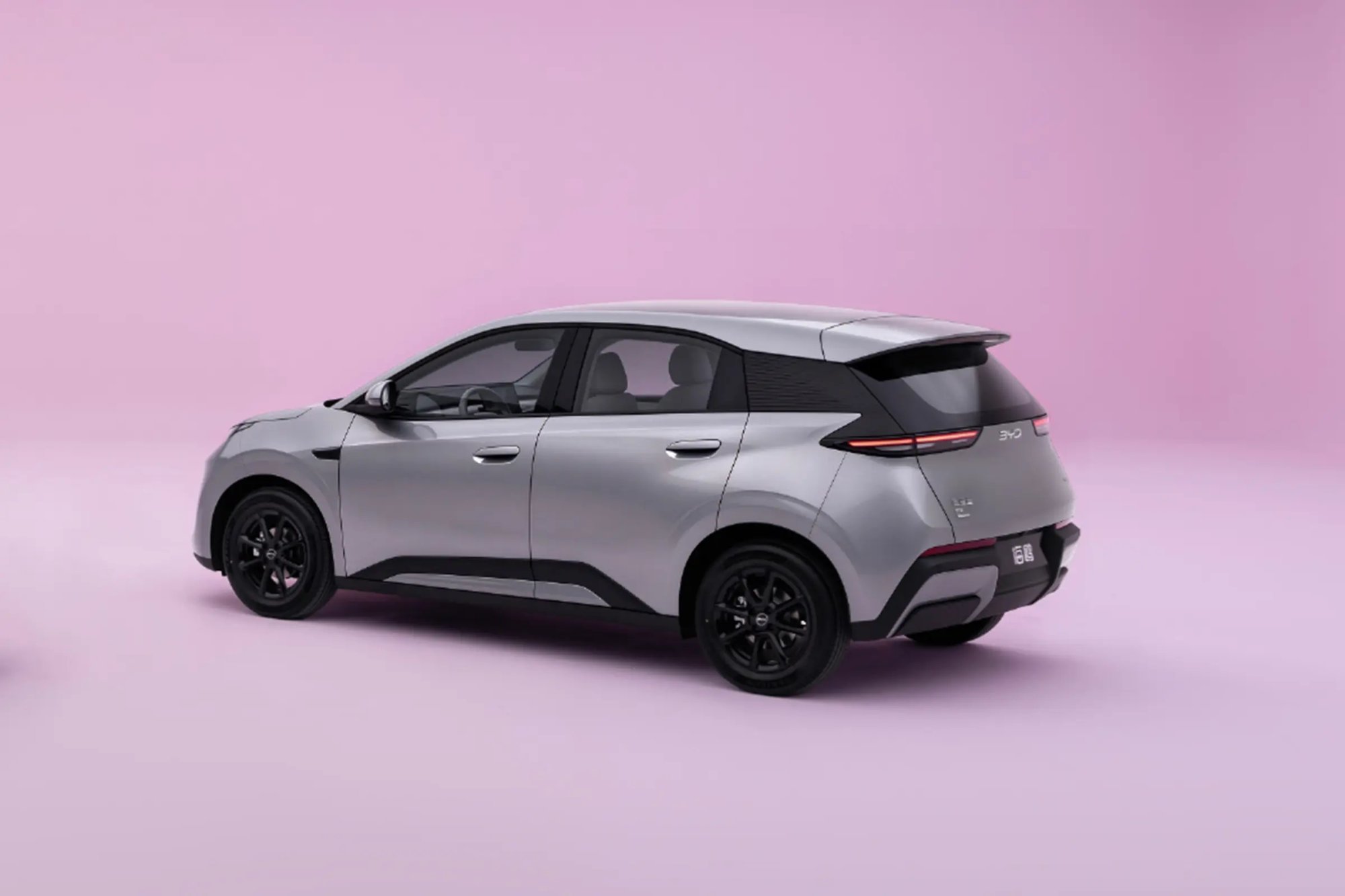
The second-generation Seagull applies rear-mounted rear-drive, front MacPherson, and rear multi-link independent suspension across the entire lineup, with the 420km version additionally offering a 129Ps motor and megawatt flash charging support. The two configuration tiers correspond to different travel needs: the 320km version focuses on fixed-route commuting, while the 420km version balances longer journeys with rapid charging. For consumers who need to drive on highways several times a month, do you value the mechanical configuration of rear-drive independent suspension more, or the flash charging capability of 10% to 70% in 5 minutes?


