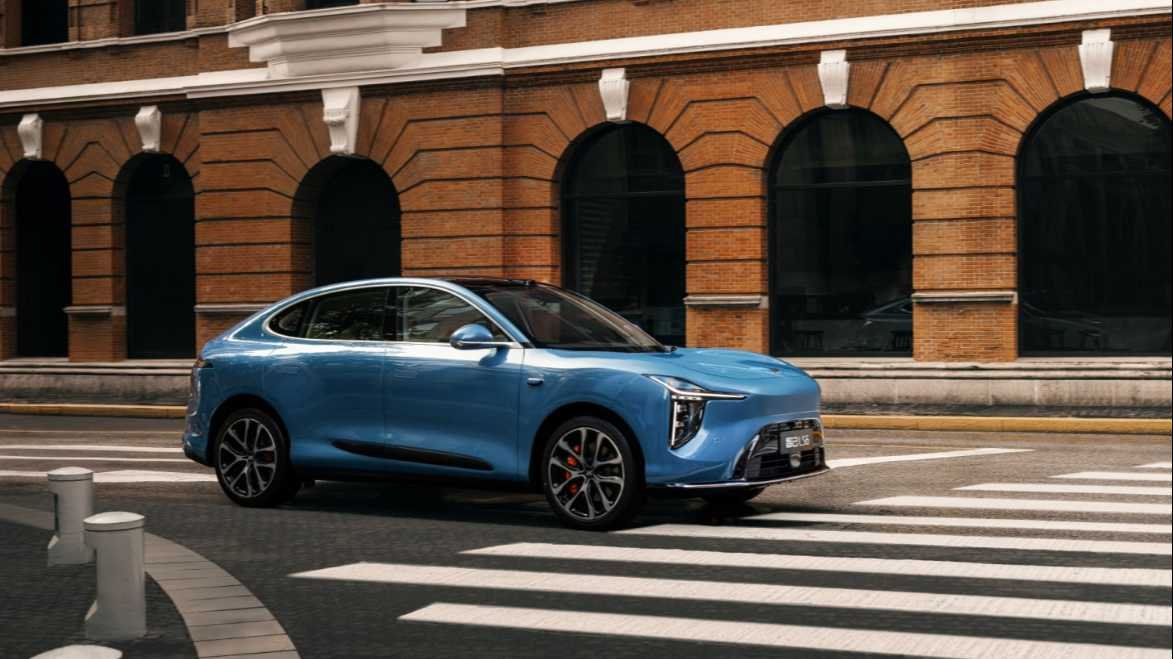
Any car enthusiast who knows even a little about the domestic new energy vehicle market should be aware that the 200,000-yuan class pure electric SUV segment is incredibly competitive, but now a "super extended-range" IM LS6 has suddenly charged in, making it even more crowded.
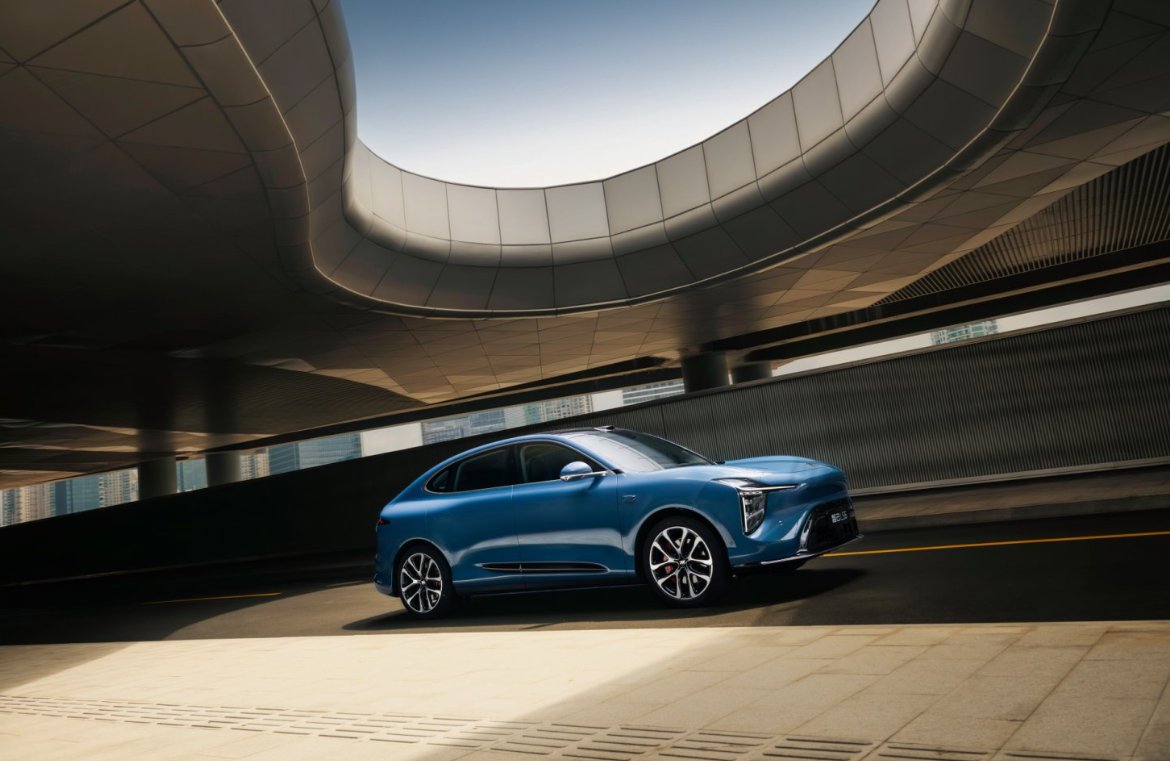
What's surprising is that it immediately pushed the price down to start at 197,900 yuan—what do you call this from IM? Calling it flipping the table!
And what's the biggest selling point of this car? "An electric car that comes with its own supercharging pile"—that's an interesting way to put it.
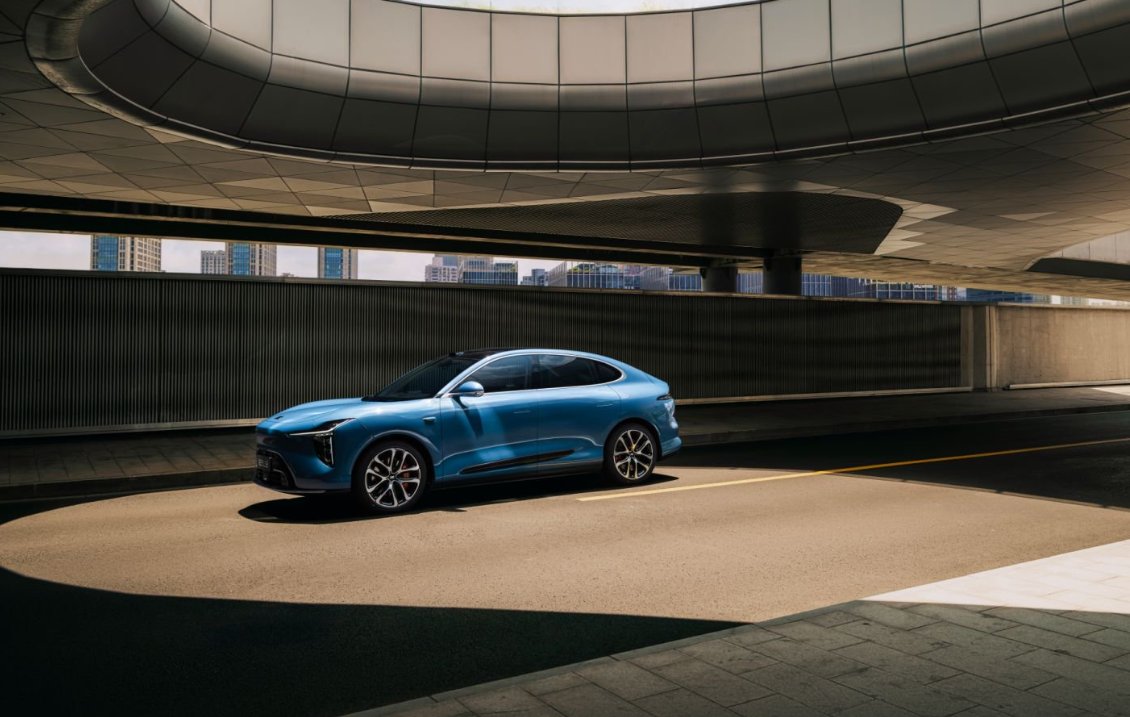
In plain terms, they give you a large battery with 450 kilometers of pure electric range for daily commuting, which is enough for the vast majority of people to charge once a week.
Then, they add a range extender to solve long-distance anxiety. The combined range is rated at 1,500 kilometers—although we all know real-world conditions will discount that, the number really does inspire confidence.
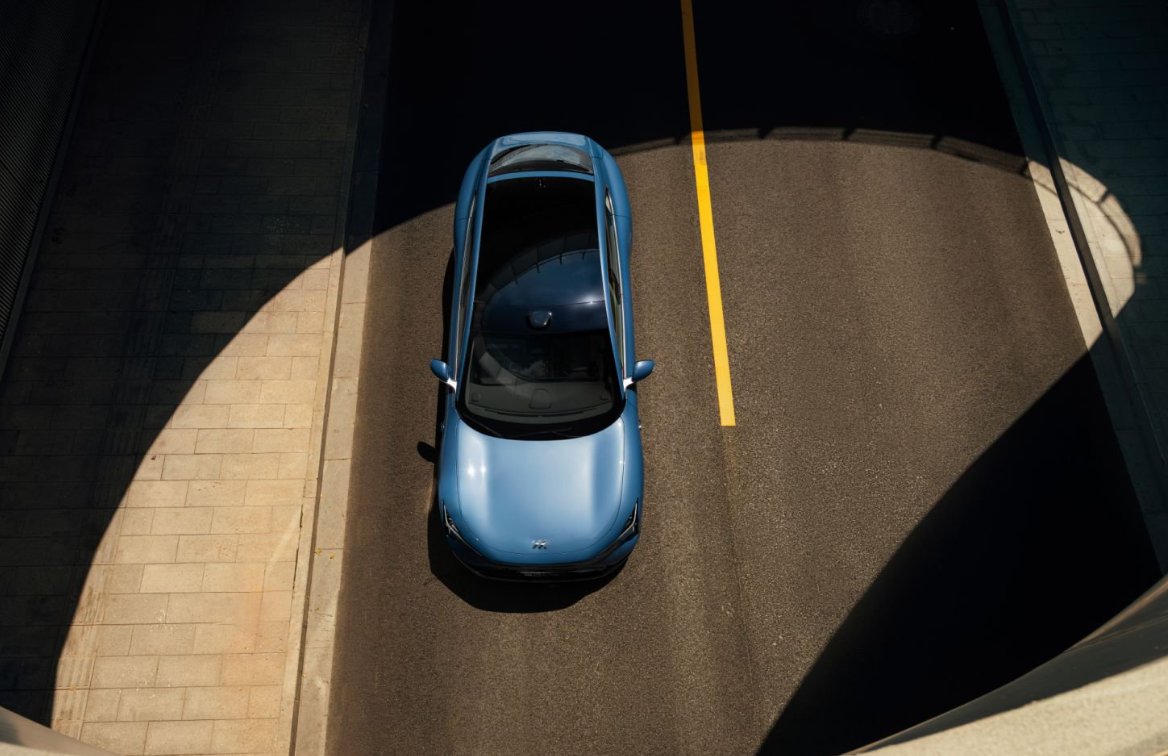
Honestly, this approach is aimed squarely at potential users who don't have a charging pile at home or who have concerns about pure electric range.
Especially in northern winters, battery degradation is an unavoidable topic, and extended-range is indeed a realistic solution—bar none.
Now let's talk about how it drives.
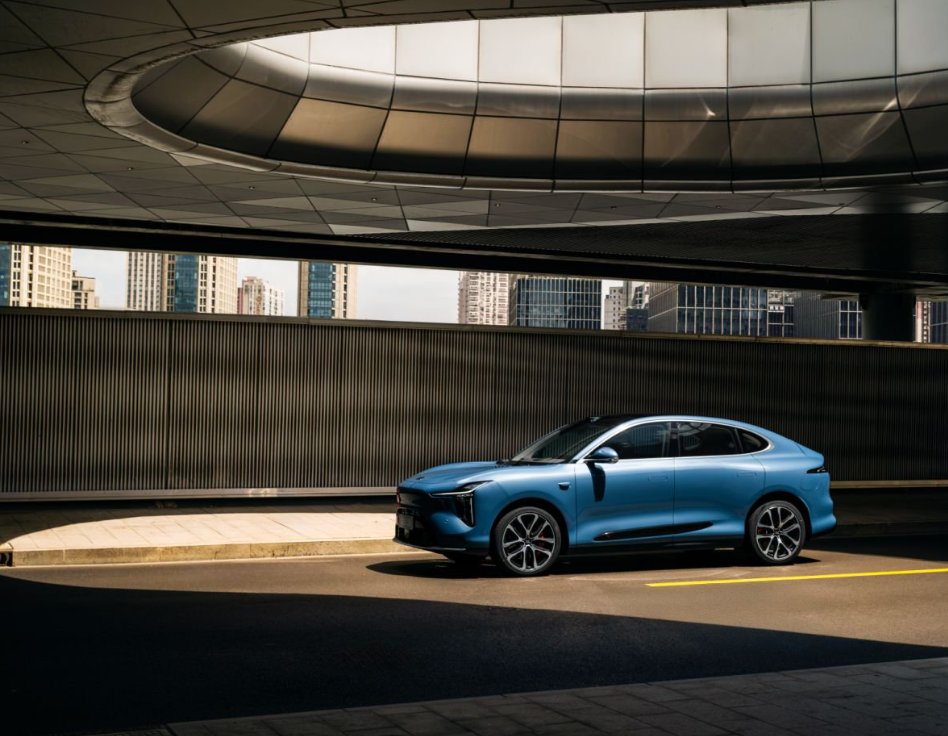
IM has always emphasized their chassis, and the "Lizard Digital Chassis" is their killer feature.
However, bringing four-wheel steering down to this price point deserves praise from me.
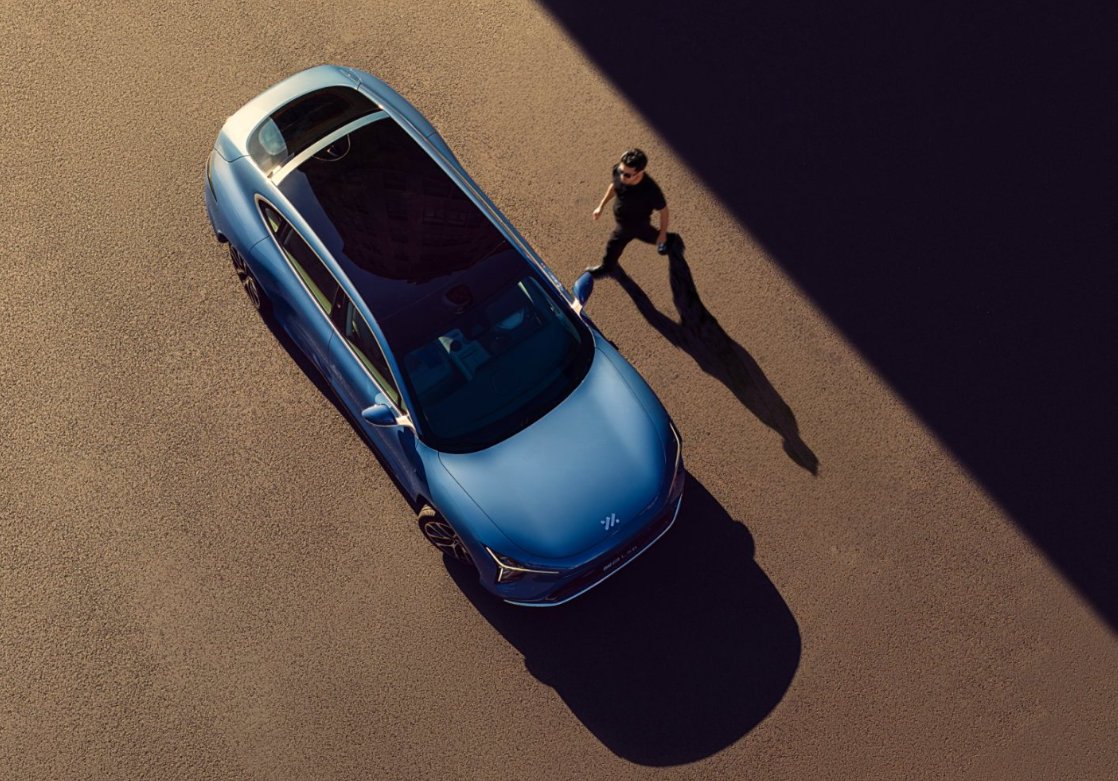
A large five-seat SUV with a turning radius of 4.49 meters—similar to a small car—makes U-turns and parking in the city genuinely convenient.
There are also safety features like tire blowout stability control and active rollover prevention—things you don't notice normally but that can save your life at a critical moment. I hope everyone never needs them, but having them is always better than not.
Additionally, space is genuinely a major selling point of this car. The rear legroom is exaggerated—even with two burly men sitting in the back without moving the front seats, there's still a huge gap between their knees and the front seats.
Their "super right row" design is a good idea. The front passenger seat can fold forward to free up an enormous space in the rear, allowing family members to take care of children in the back or stretch out their legs to rest—this scenario was thoughtfully considered.
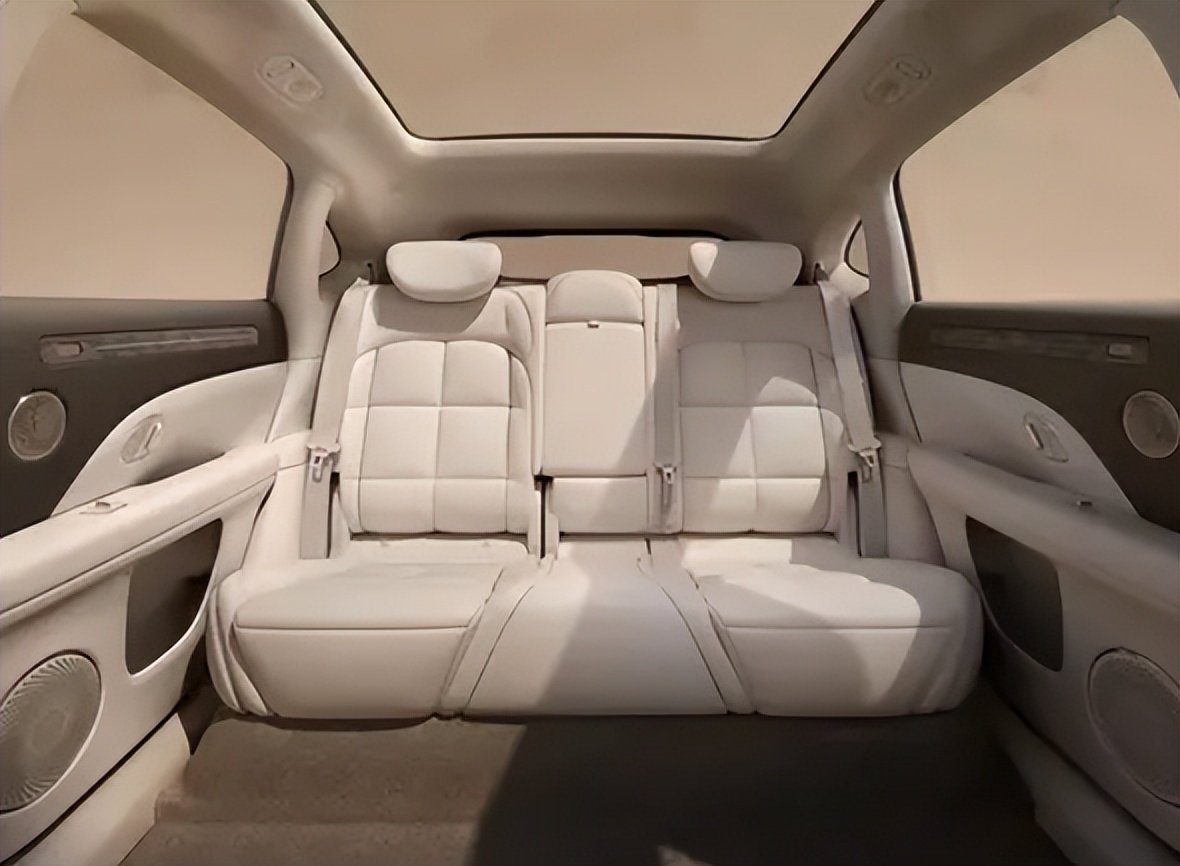
Zero-gravity seats, a dual-door refrigerator, a front passenger entertainment screen... IM has been very generous with these comfort features. You can tell they really want to nail the "the whole family rides comfortably" point.
On the smart features front, everyone is competing hard these days, and IM is naturally no exception.
IM AD's mapless urban NOA claims to "work anywhere in the country," but you'd have to actually drive it on the road to know how it really performs. Assisted driving is one thing in marketing and another thing in actual experience.
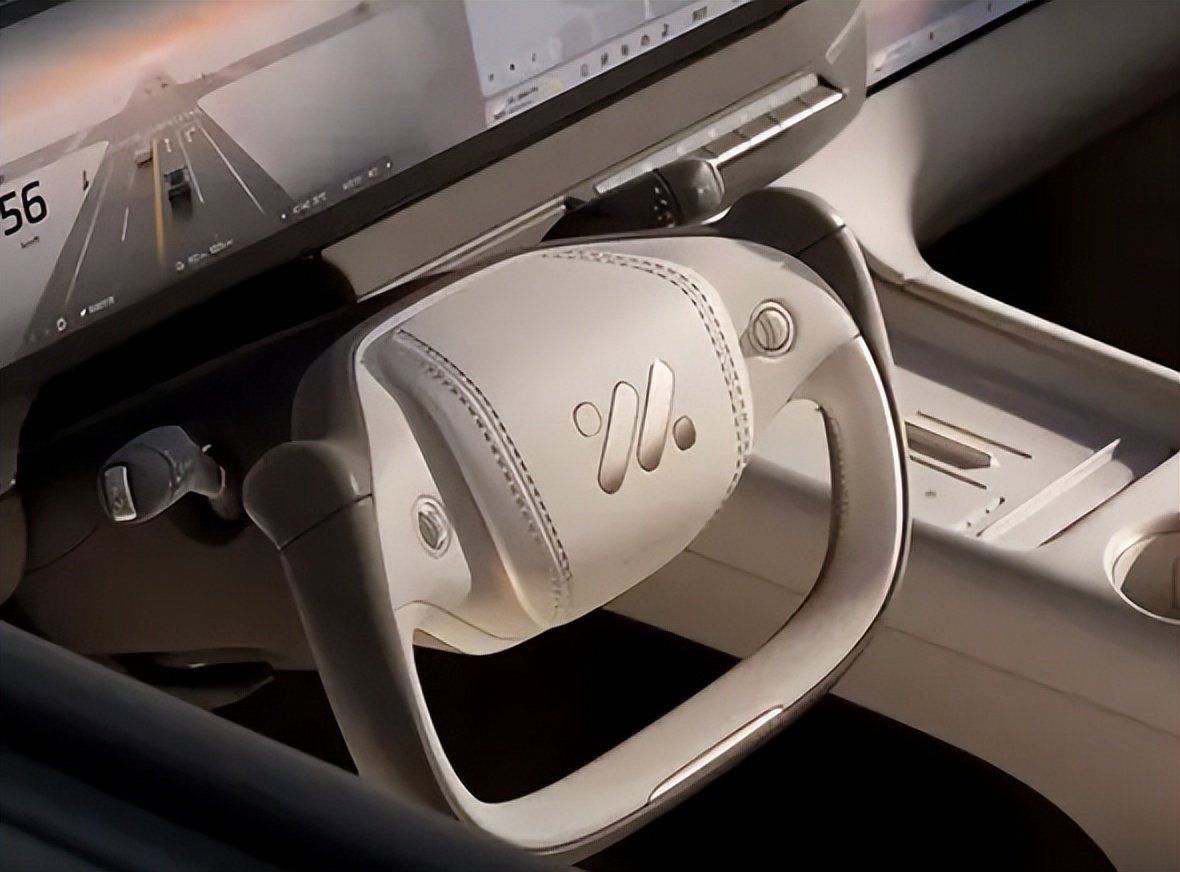
That said, the hardware is well-equipped—NVIDIA Orin X chip, with optional lidar—at least leaving plenty of room for future upgrades.
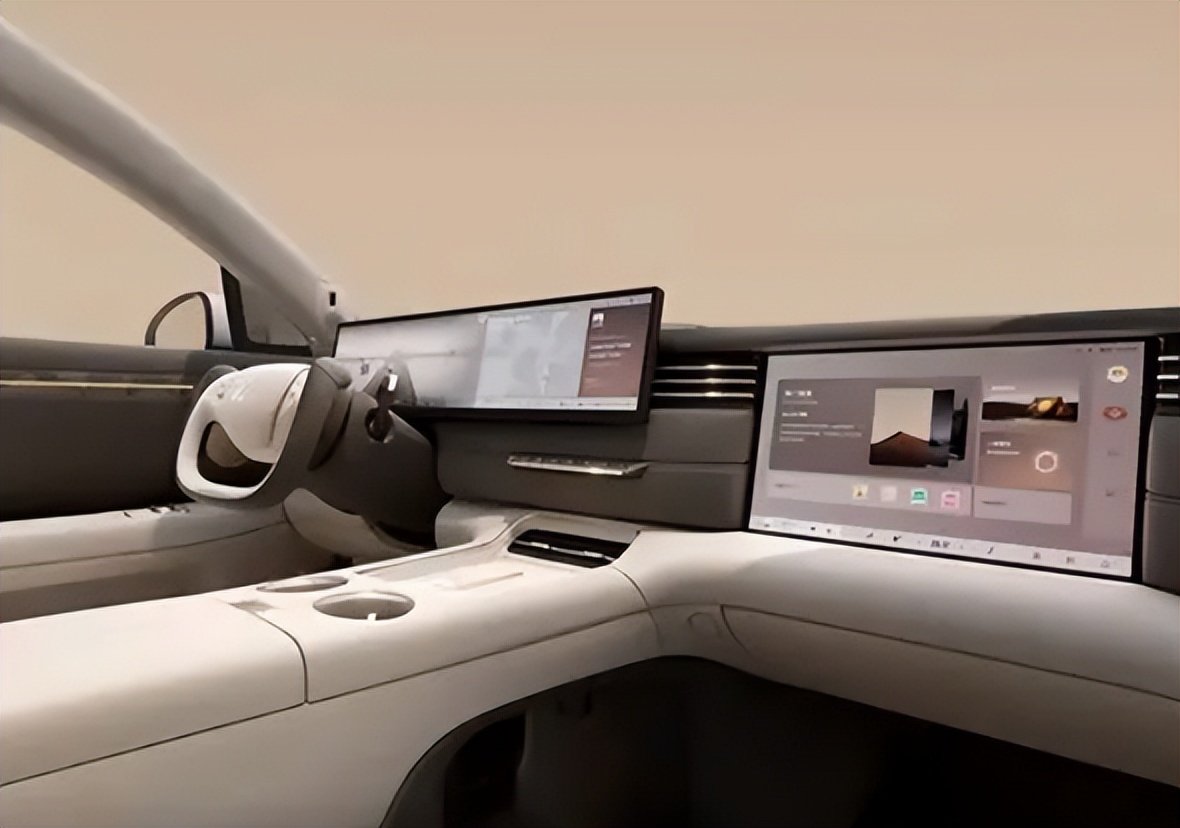
They've built an AI assistant into the infotainment system and integrated the WeChat ecosystem for things like parking payments and food delivery. The direction is right—just hope it runs smoothly in practice and isn't more trouble than using your phone.
Finally, let's come back to the price.
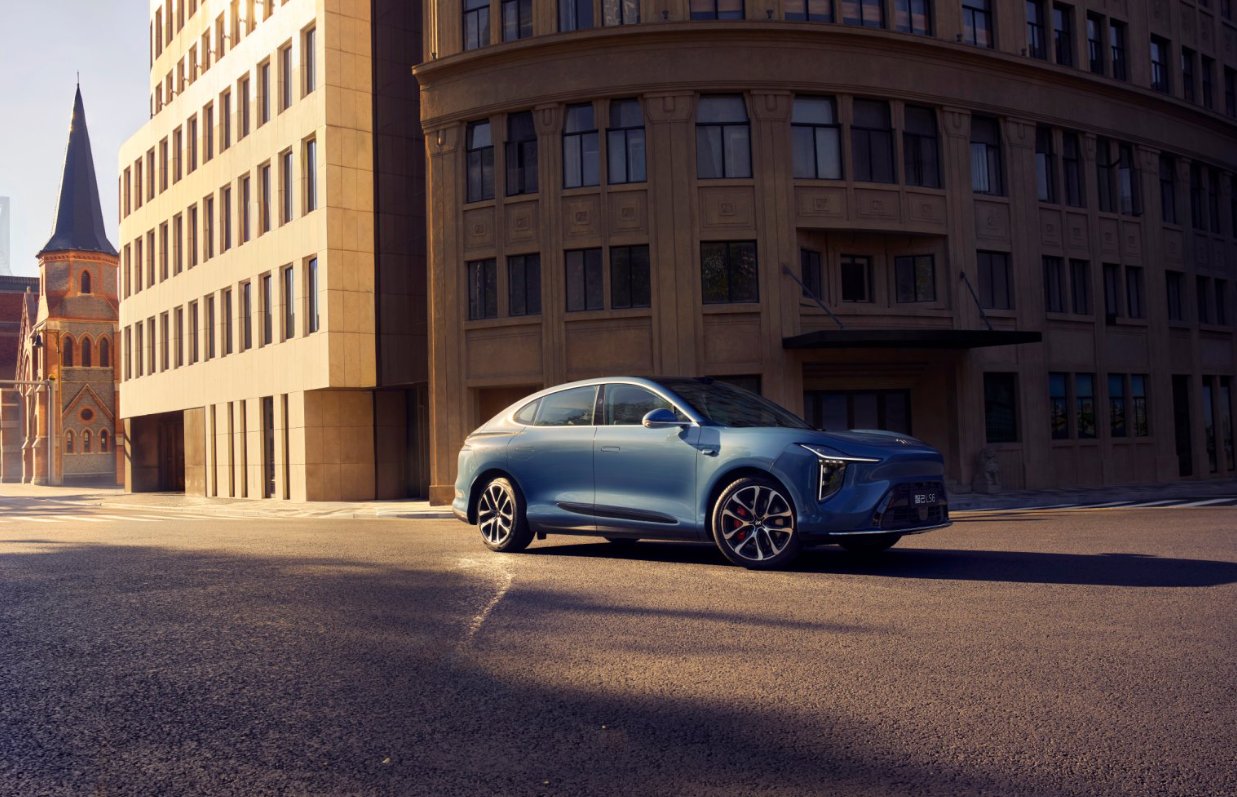
The Pro version is under 200,000 yuan, and the Max version fully equipped with zero-gravity seats, four-wheel steering, and those features is just over 210,000 yuan.
Honestly, with this level of equipment at this price, the value proposition is genuinely strong. IM has brought many technologies and features that were previously only available on high-end models down to their volume-selling cars.
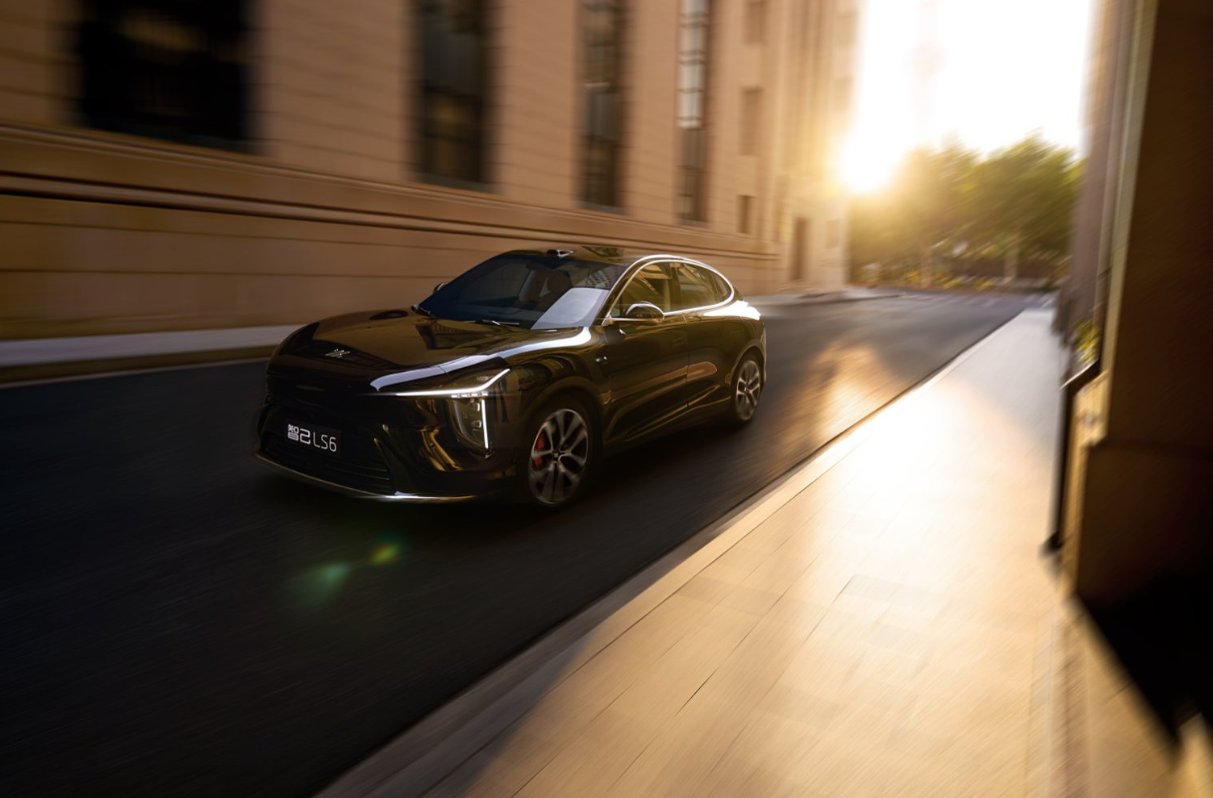
This approach is certainly good for consumers.
Using "super extended-range" to solve range and charging anxiety, chassis technology to ensure driving fun and safety, and large space plus comfort features to take care of the family.
So here's the question: with a budget of 200,000 yuan, would you be tempted by this "super extended-range" large five-seat SUV? Or would you stick with pure electric or a traditional hybrid?


