Have you ever thought that on Germany's speed-limit-free autobahns, the car overtaking you might be a Volkswagen made in Anhui? On the streets of Paris, your neighbor's newly purchased electric car might come from Shenzhen. This is not the future—it is reality happening right now. Chinese automobile exports to Europe have reached their most "delicate" moment.
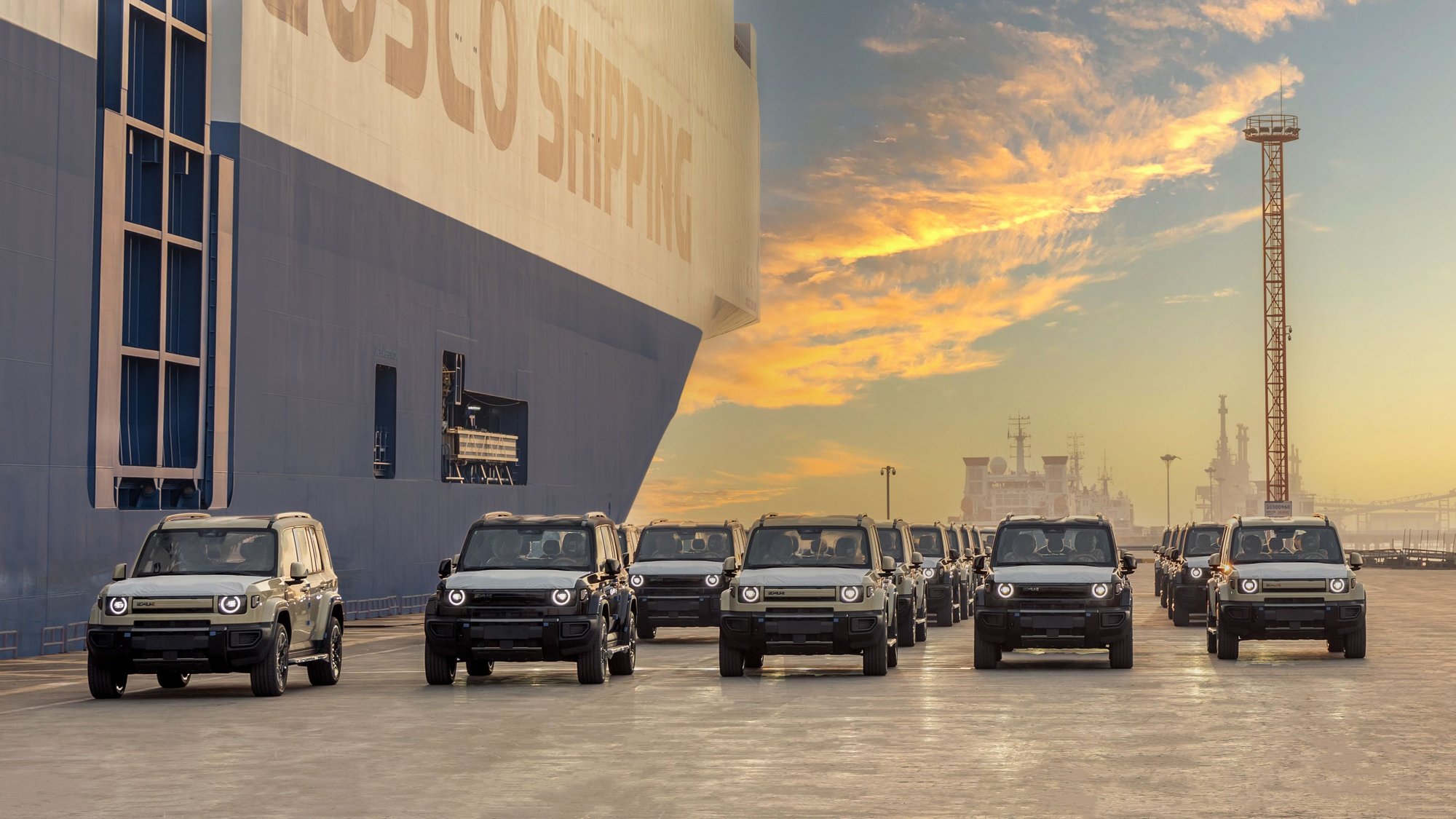
First, look at a set of highly contradictory data. After Europe and the United States wielded the stick, the local share of Chinese pure electric vehicles dropped from 22% to 17%. It looks like it worked, but in fact, in the first half of the year, the passenger car registrations of four major Chinese automakers in the EU doubled year on year. In other words, Chinese brands came in through the window.
How did they get in through the window? Volkswagen Anhui set an example for everyone. It used attractive import prices, import volume restrictions, and investment in Europe in exchange for an exemption from countervailing duties. Simply put, it was "I won't fight you head-on; I'll negotiate cooperation with you," successfully defusing this difficult problem.
On September 1, the Ministry of Commerce, the Ministry of Industry and Information Technology, and the State Administration for Market Regulation jointly issued the "Guidelines for Overseas Competitive Behavior and Compliance Construction in the Automotive Industry," which also devoted a separate chapter to "localized compliant operations." In translation: don't just think about selling cars at low prices; you must learn to take root locally.
So why is Germany anxious? Because it "hurts." Germany's passenger car exports to China have been declining all the way since peaking in 2011, and the shortfall has recently grown larger and larger. In the first half of this year, Germany's trade deficit with China expanded by 30.1% to 52.7 billion euros. The automotive industry accounts for one fifth of Germany's manufacturing value added, so the pressure is easy to imagine.
Even more stinging is the share of German-brand cars in China. Since 2024, Porsche's market share in China has fallen by nearly half, while BMW and Mercedes-Benz have dropped by nearly 30%. Volkswagen's supervisory board just approved a new round of restructuring on September 3, planning to cut about another 50,000 positions and significantly compress models and domestic production capacity in Germany.
But what is interesting is that Germany did not choose "decoupling," but instead sat down to talk properly. Volkswagen Anhui's price commitment is a living example: the two sides can negotiate market access around prices and local investment. This is not a zero-sum game; it is bargaining.
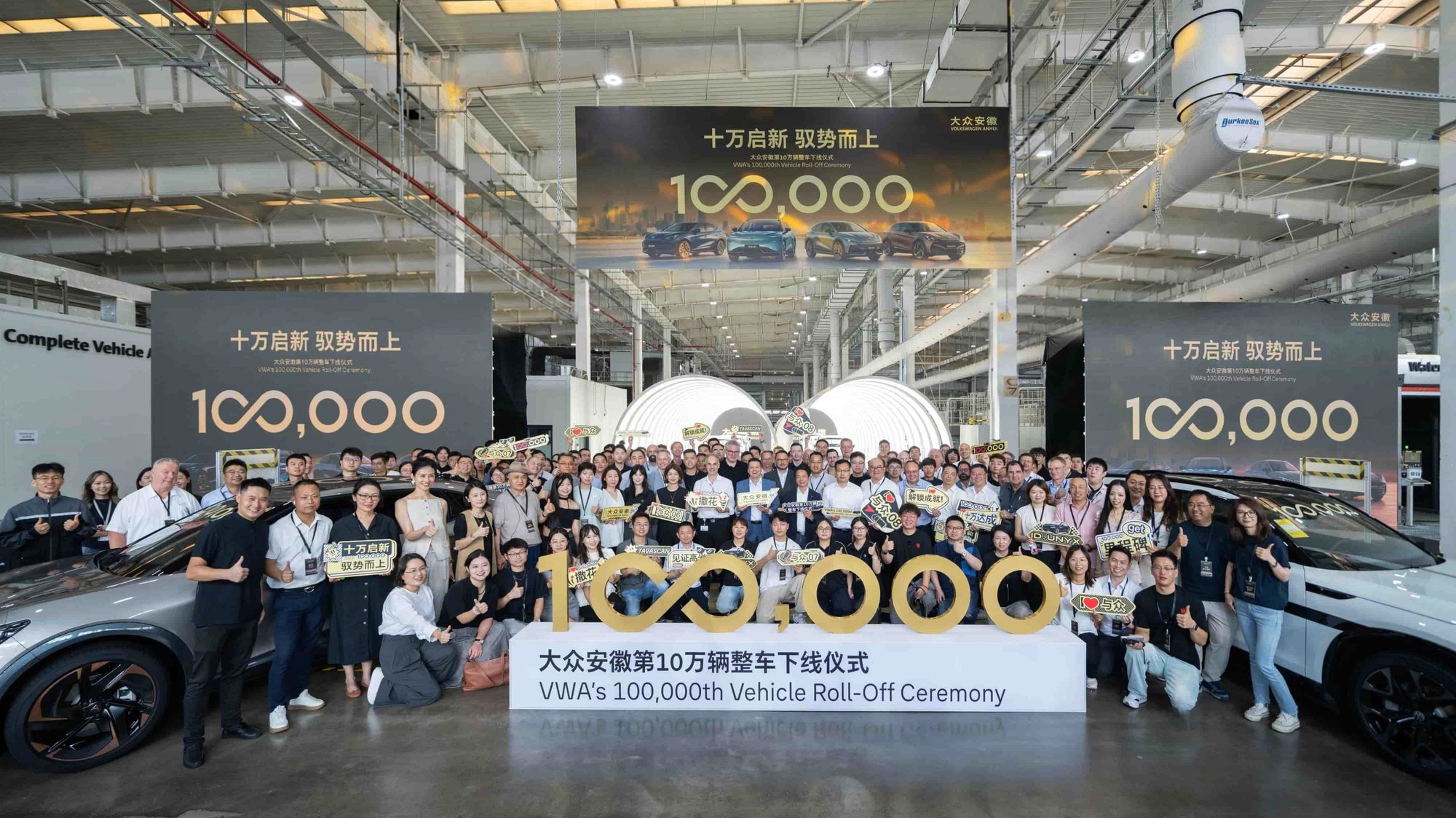
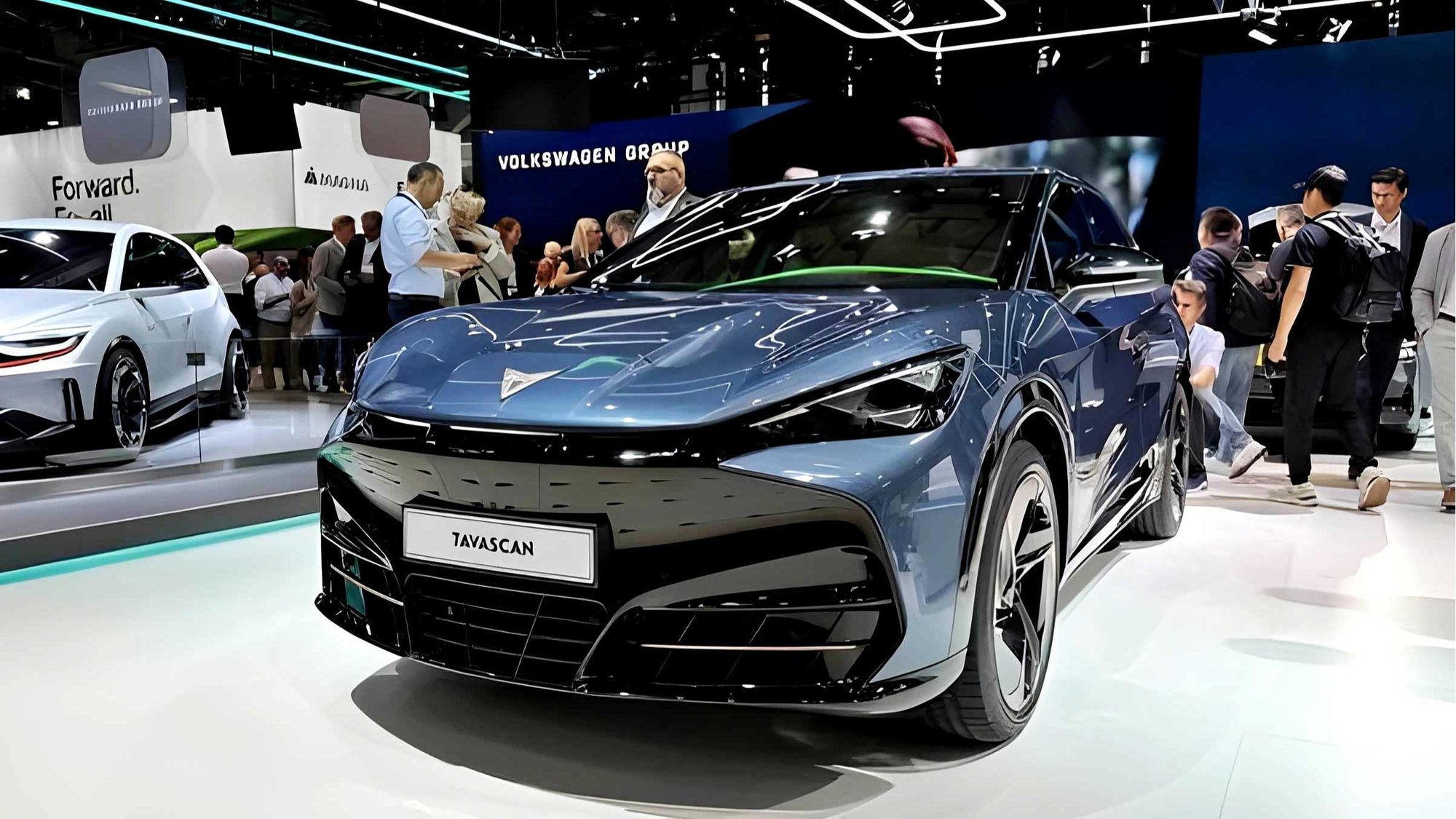
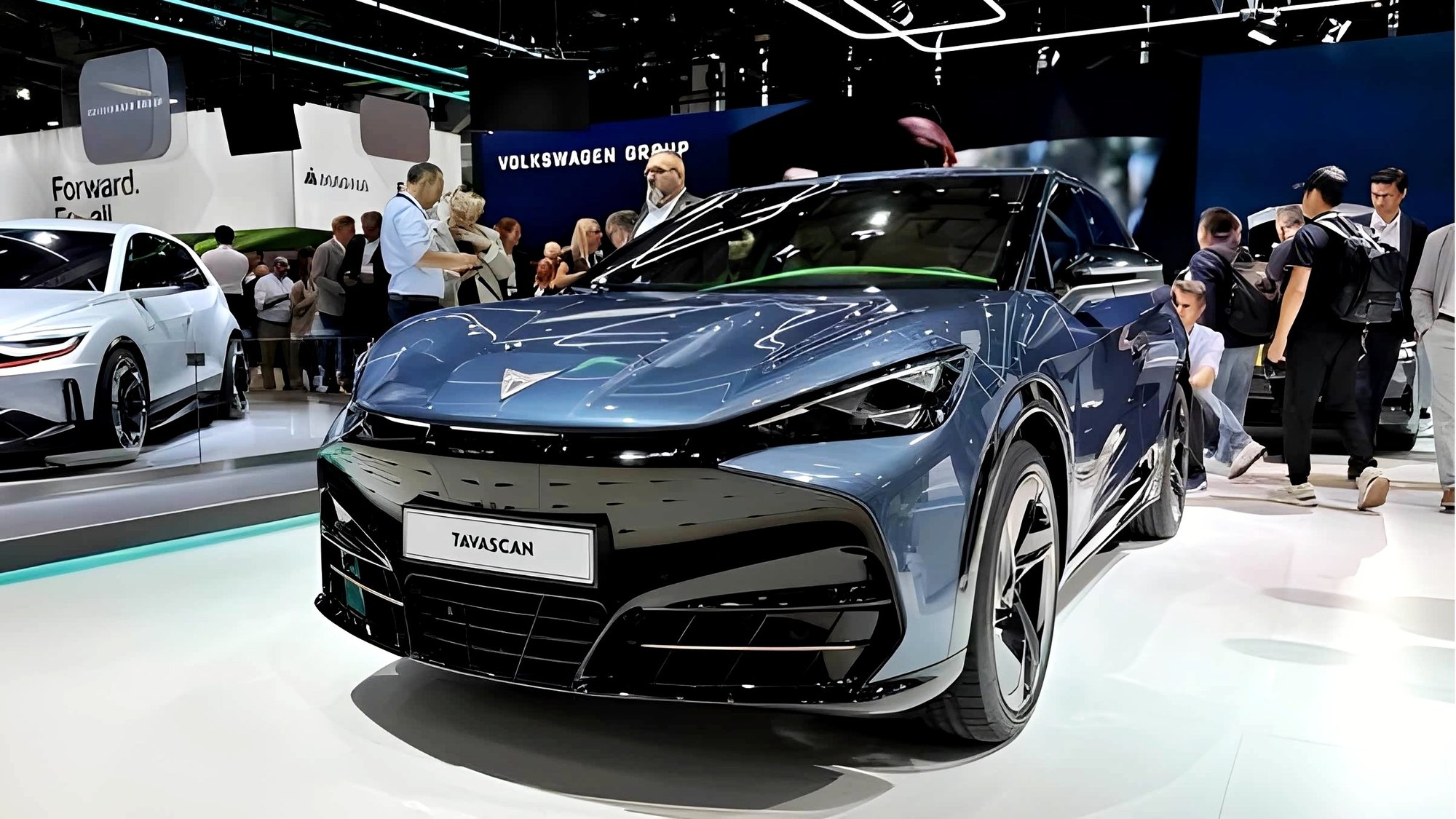
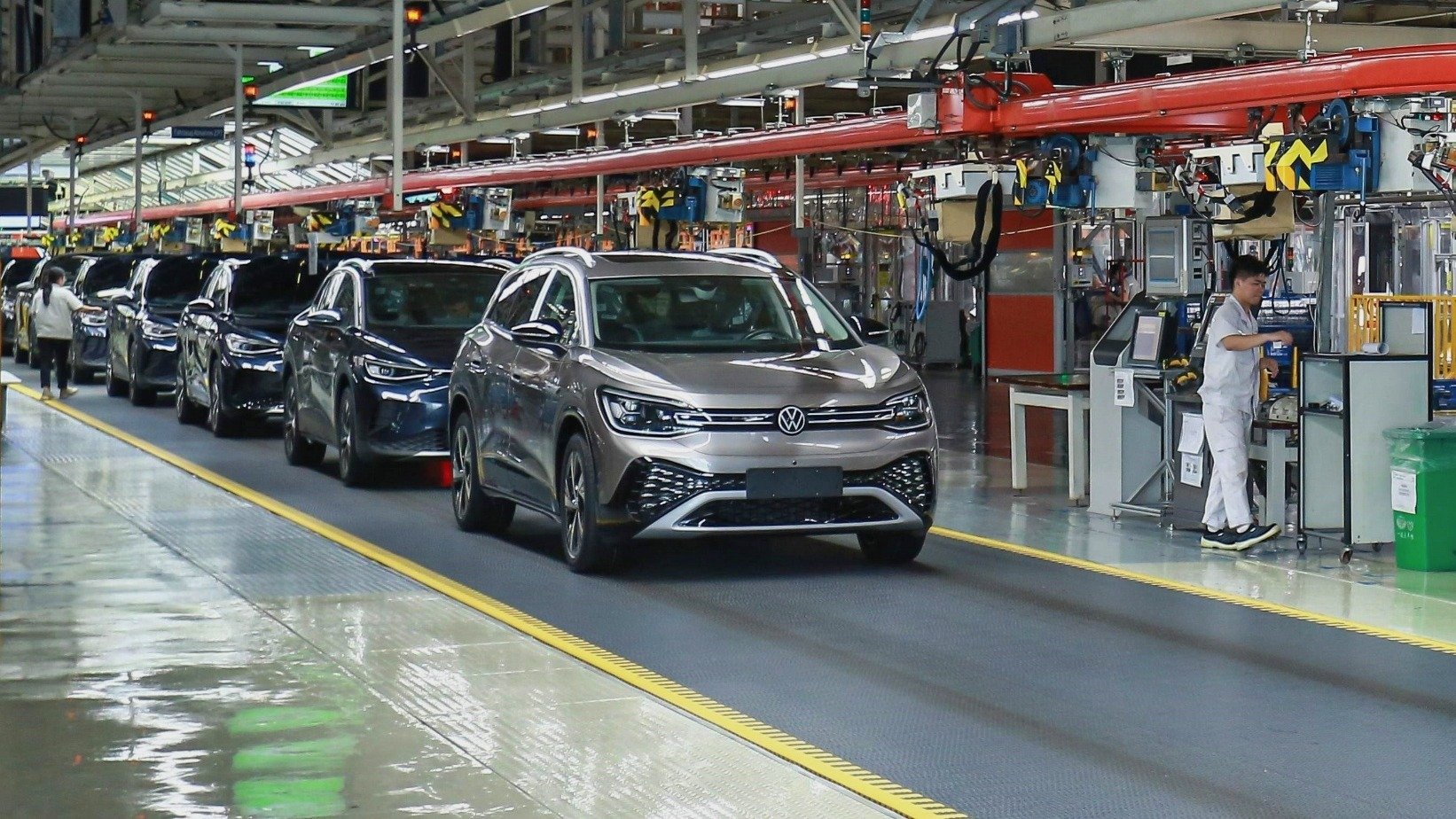
On August 18 this year, the 100,000th complete vehicle of Volkswagen Anhui officially rolled off the line. It took just over two years to surpass 100,000 units, mainly thanks to the CUPRA Tavascan, a sister model of the ID.UNYX 06. This model is dedicated to the European market and is a bona fide star model.
With the sales cornerstone of exports, Volkswagen Anhui will also gradually emerge in the domestic market. At present, Volkswagen Anhui has mass-produced the ID.UNYX 06, ID.UNYX 07, ID.UNYX 08, ID.UNYX 08 Falcon Edition, and ID.UNYX 09. Its product matrix is increasingly rich, and consumer recognition is gradually rising.
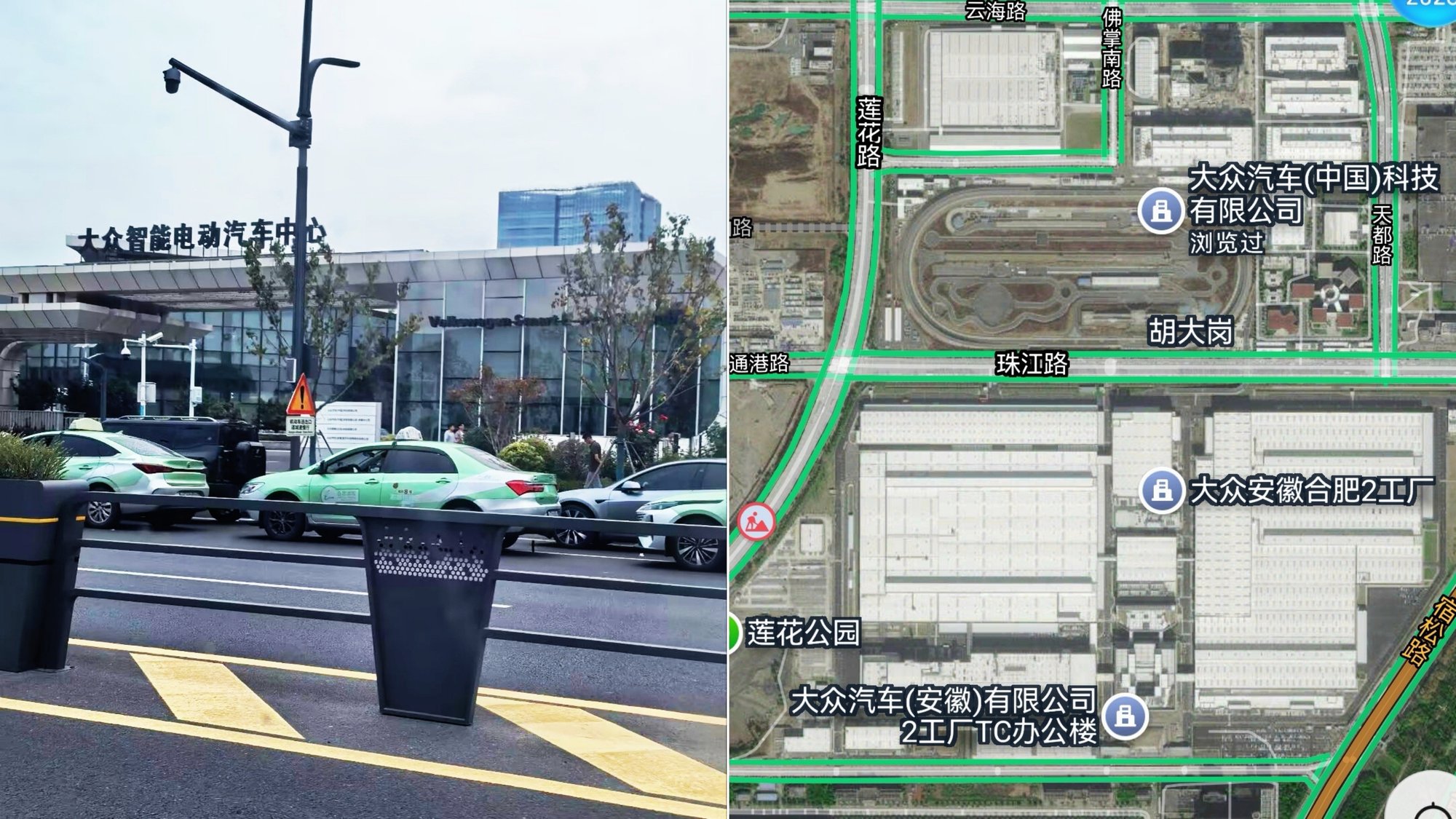
In fact, Volkswagen Automotive (Anhui) Co., Ltd., located on Zhujiang Road in Hefei, has been renamed the "Volkswagen Intelligent Electric Vehicle Center" and will assume more important functions for the Volkswagen Group. Across the street, the old factory buildings of Rongsheng Machinery have become Volkswagen Anhui Hefei Plant 2, and the future is promising.
Written at the end
As the birthplace of the automobile industry, Europe makes Chinese automobile exports more complicated than imagined, which is entirely expected. But no matter what, nothing can change the determination of Chinese brands to go out, go in, and move up. For companies like Volkswagen Anhui, if they properly handle the two required courses of "compliance" and "localization," they will certainly leave more tire tracks on Europe's roads.


