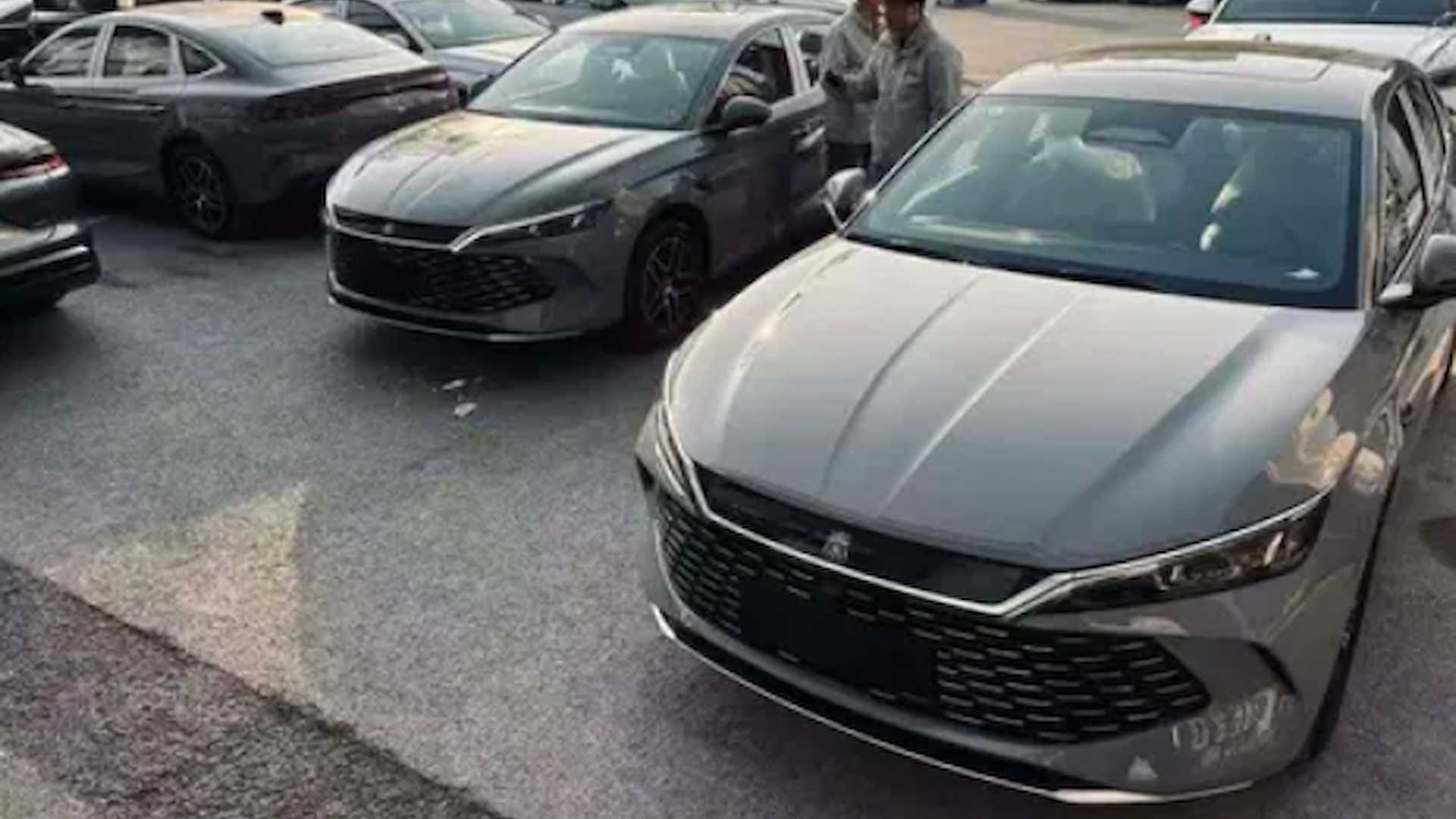
Last time we just finished talking about the 2026 Qin PLUS DM-i long-range version, and Nianhan saw quite a few comments from car friends in the backend urging for more, asking me to quickly analyze the 2026 Qin L DM-i long-range version.
Among them, I saw one comment: "The Qin PLUS already has 210 kilometers, so what about its big brother, the Qin L? Isn't it even more fierce?"
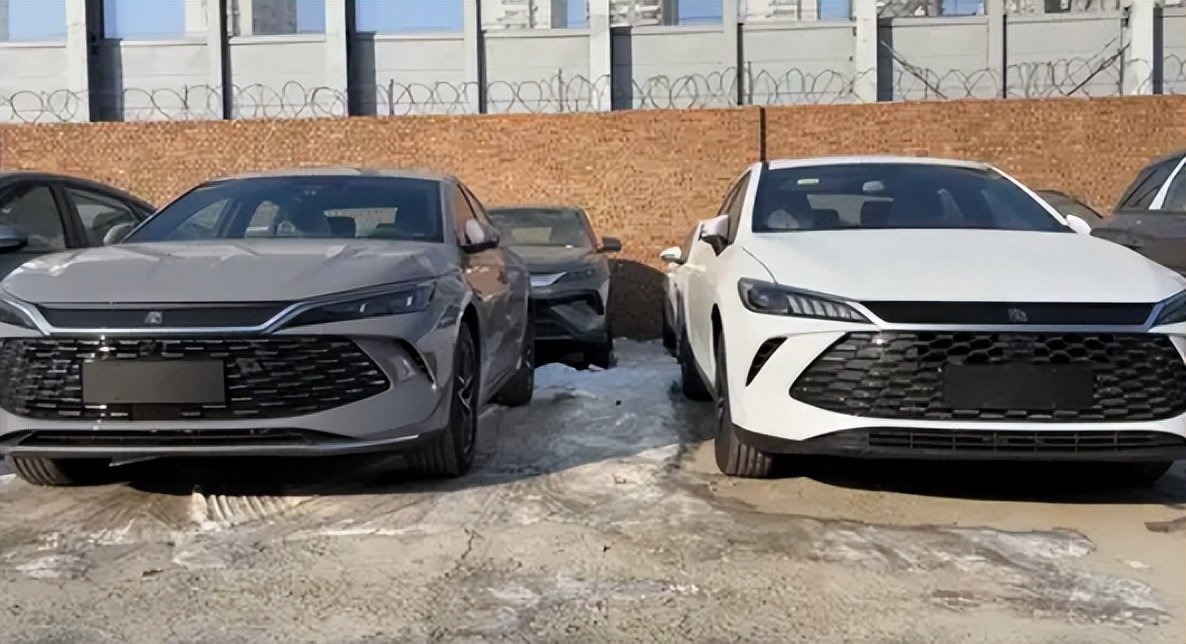
Oh my, you little smarty, you actually guessed right! On January 8, the 2026 Qin L DM-i long-range version will also be launched simultaneously.
Actually, just like the Qin PLUS, the core change of the Qin L is the range improvement, with pure electric range also reaching 210 kilometers (CLTC conditions).
I know some car friends will definitely ask: "Nianhan, the Qin PLUS already has 210 km, and the Qin L also has 210 km. As the big brother, doesn't that make it a bit embarrassing?"
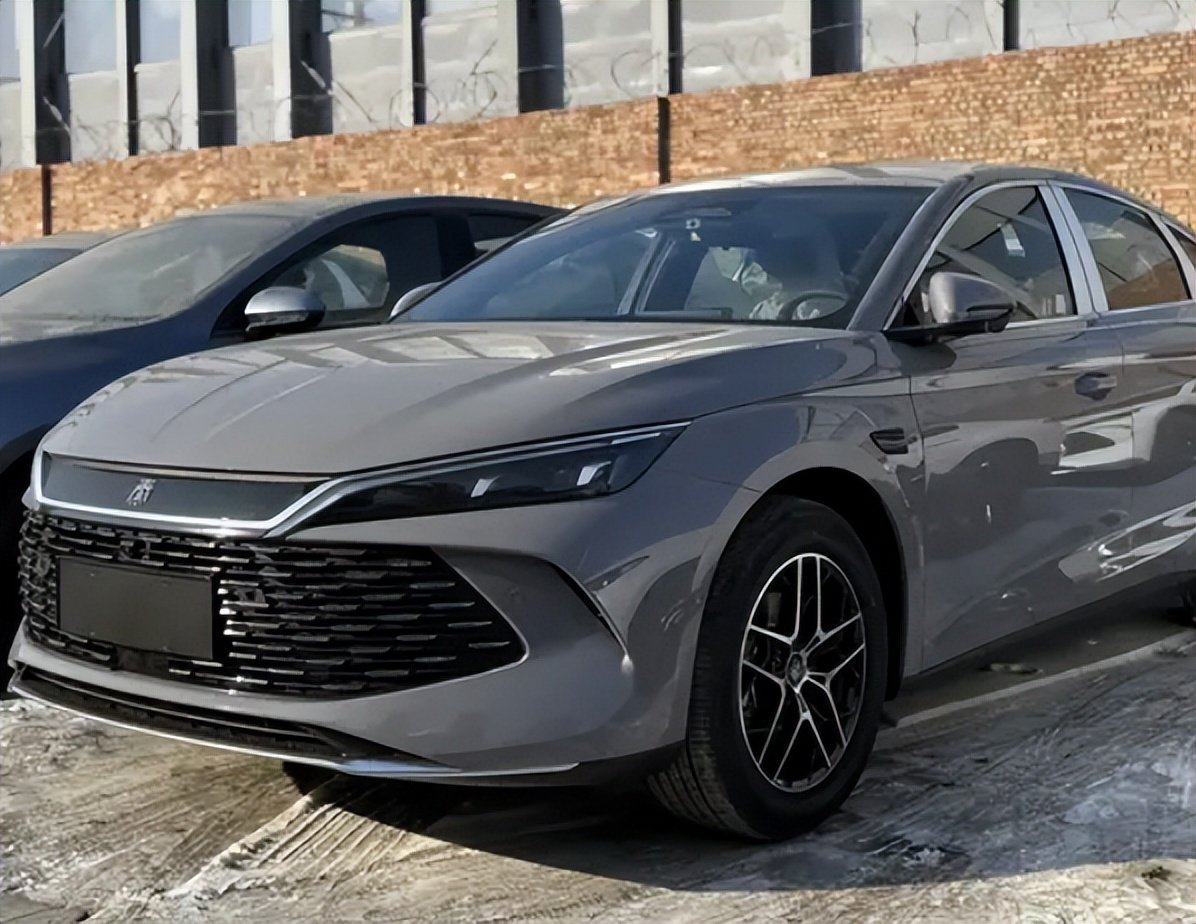
Oh, you can't calculate it that way! Let me ask you one thing: what is the Qin L? This is a proper B-segment car, and just its wind resistance and curb weight are much greater than the Qin PLUS.
So being able to achieve the same 210 km pure electric range on such a large car shows that its energy management and battery energy density must have reached another level.
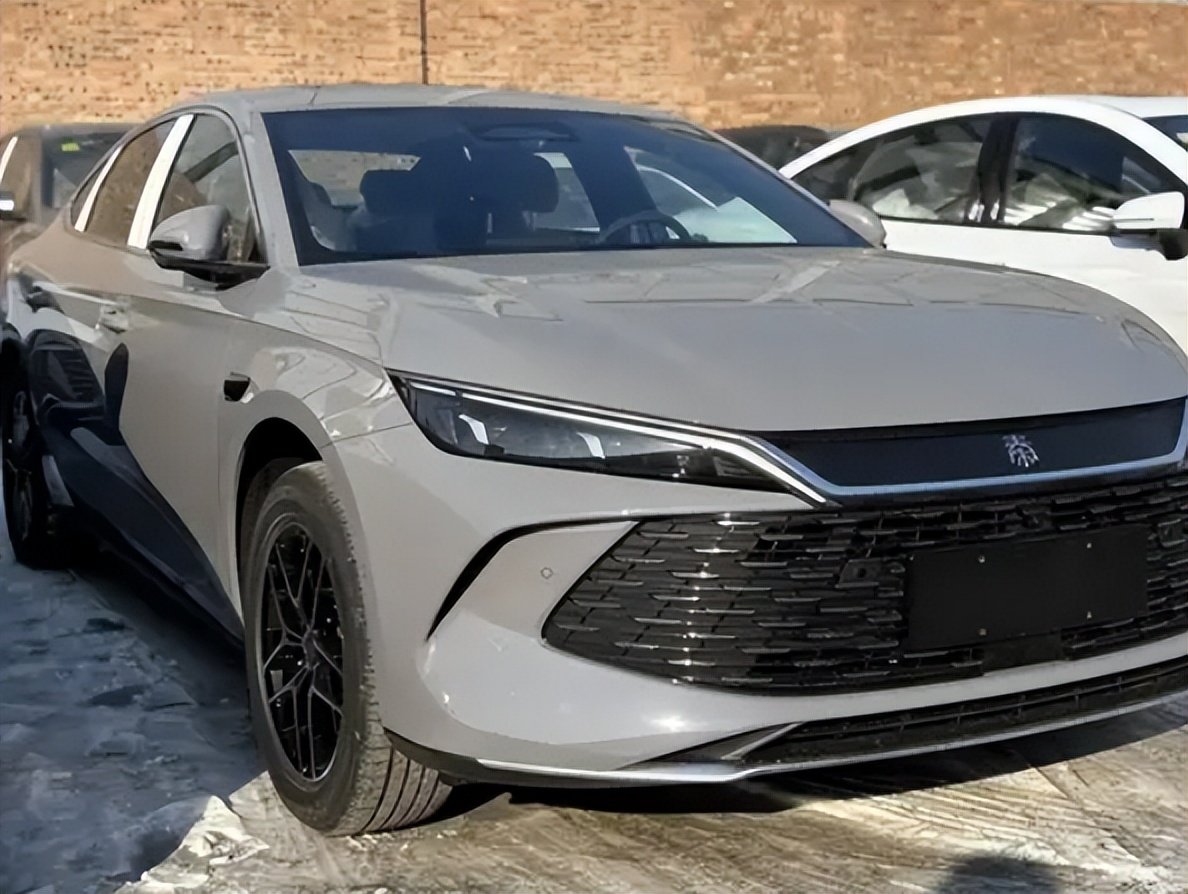
So for many potential users who want to buy a B-segment car for family use and also want to drive it as a pure EV, this 210 km pure electric range is indeed very tempting.
To put it bluntly, even if winter heating cuts it by a discount, running 120-140 kilometers is still easy, and one charge per week for city commuting is completely doable.
Next, let's talk about something even more explosive, and also the biggest highlight of this Qin L facelift.
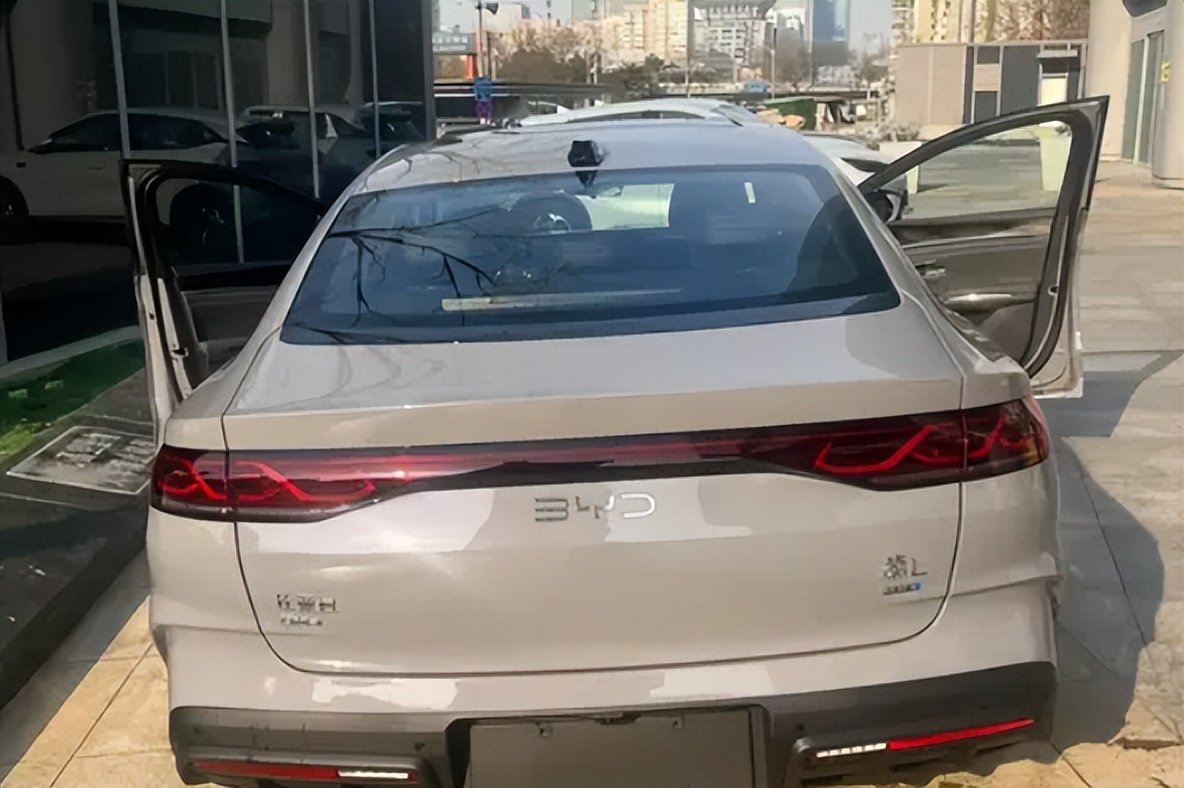
According to reliable information, the top-trim model of the 2026 Qin L DM-i long-range version is expected to be equipped with the DiSus-C intelligent damping body control system!
Some car friends may not know what DiSus-C is? Actually, it can adjust damping stiffness in milliseconds according to road conditions. That was a feature previously available only on the Han, Tang, and even Denza models!
We all know that although the current Qin L uses a rear four-link independent suspension, which is much better than the Qin PLUS's "torsion beam," quite a few owners still complain that the chassis feels a bit fragmented and that there is too much residual vibration when going over large potholes, making the ride experience not very good.
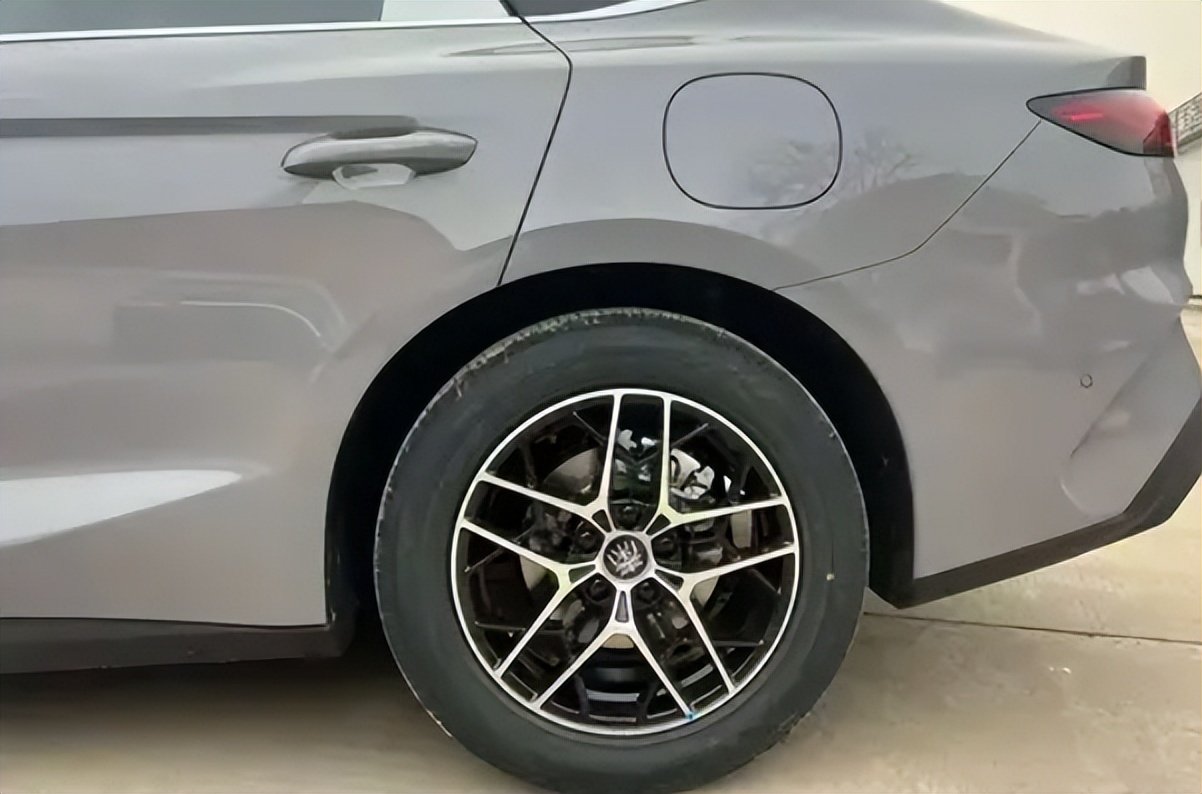
If DiSus-C is really added, then the chassis quality can absolutely be described with the four words "completely transformed."
As for the exterior and interior, just like the Qin PLUS, it basically continues the current new national trend dragon-face aesthetic design.
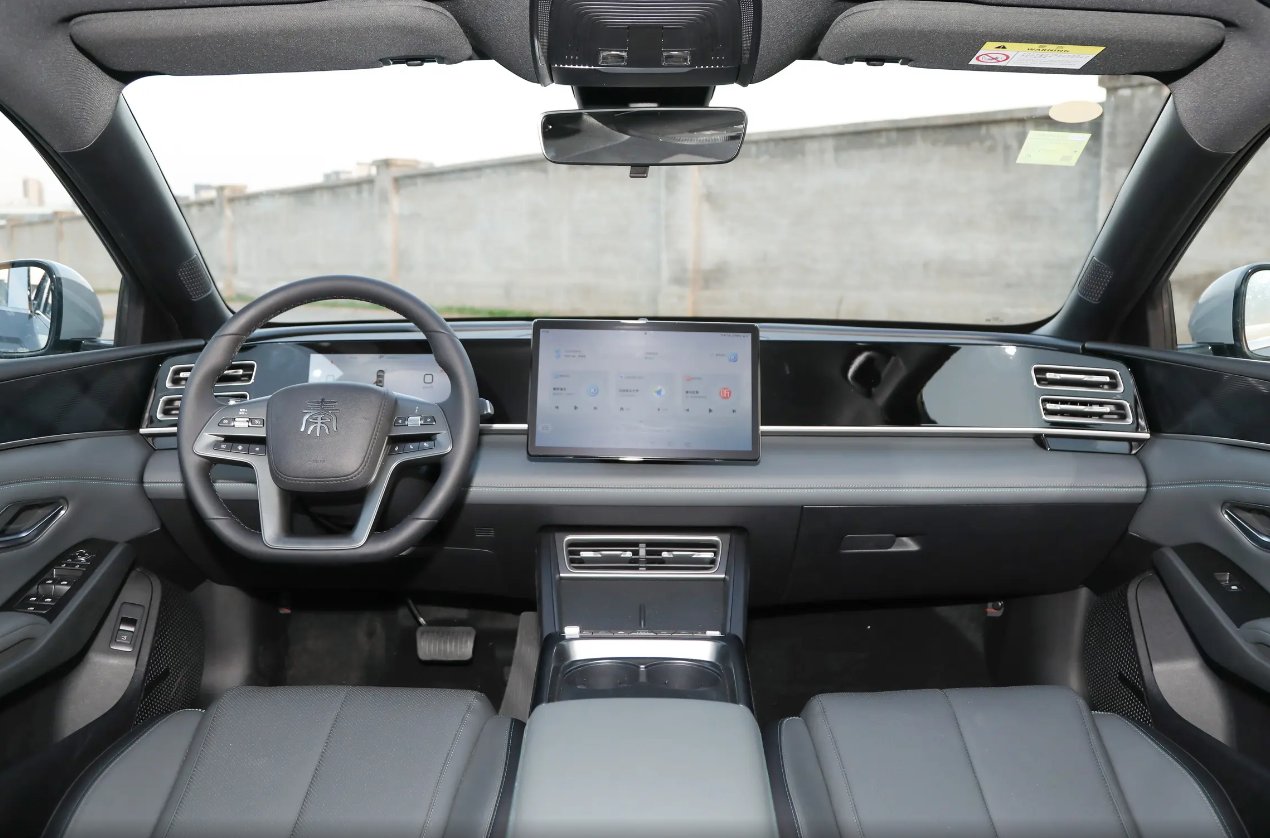
However, I have to complain on behalf of the vast number of car friends: may I ask if that piano black lacquer center console panel can be changed?
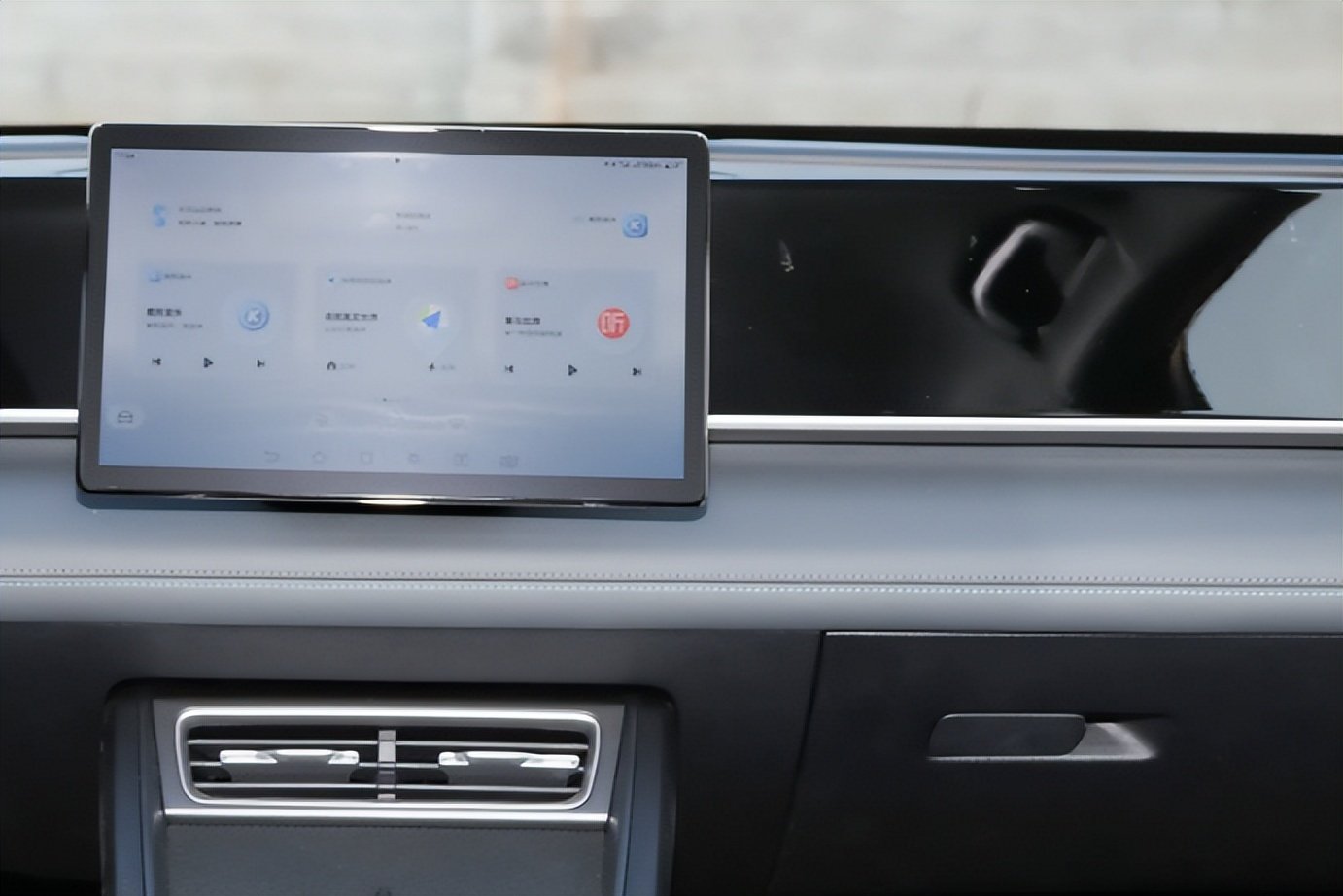
It cannot be denied that it looks good, but it really is a fingerprint collector! I saw many owners in the backend complaining about this issue and having to buy screen protectors themselves to apply.
So here, I hope BYD's designers can hear our voices and switch to a matte wood grain or brushed panel, which is not only more dirt-resistant but also enhances the texture.
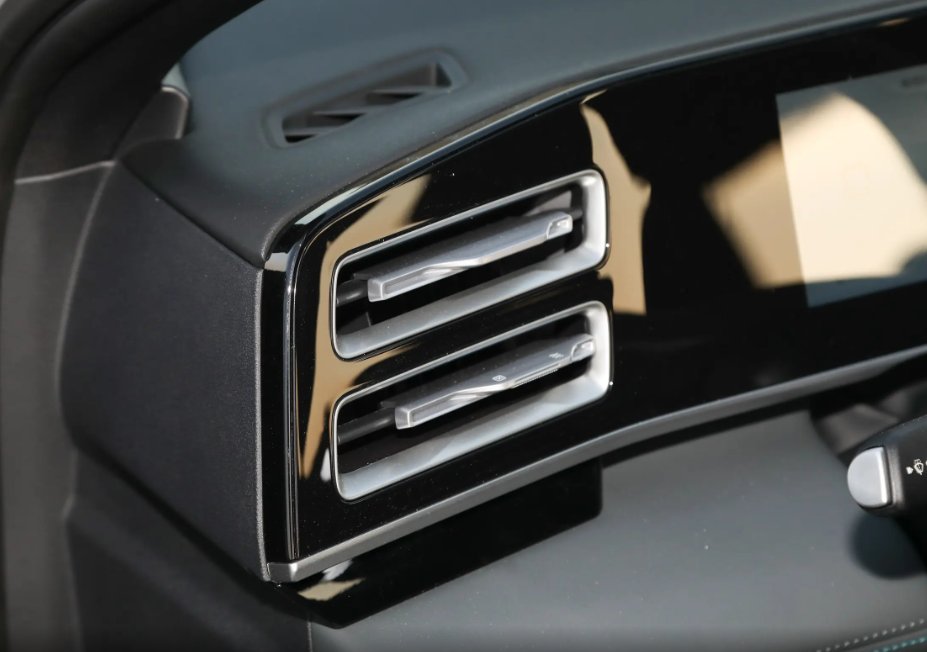
There is another detail: this time the infotainment system has been upgraded to DiLink 6.0, and its smoothness is beyond reproach.
But I suggest everyone pay attention to the tires. The current model, in order to save fuel, is equipped with tires that have only average grip and relatively high road noise.
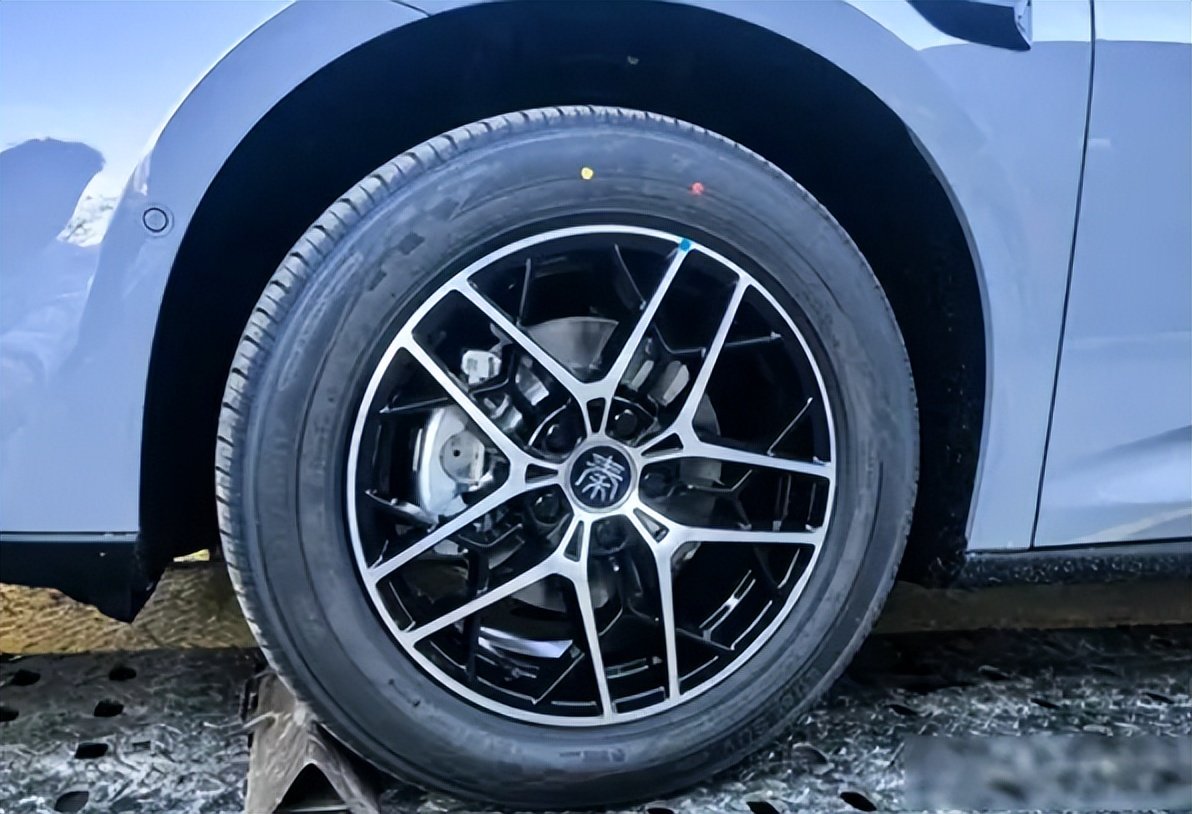
Since long-range capability and DiSus-C have both been added, I hope the manufacturer can be more generous this time and equip quiet comfort tires, even if they are optional, right?
As for the price, referring to the current starting price of 99,800 yuan, plus this battery enlargement and configuration upgrade, I think the price of the long-range version may be in the 120,000-140,000 yuan range.
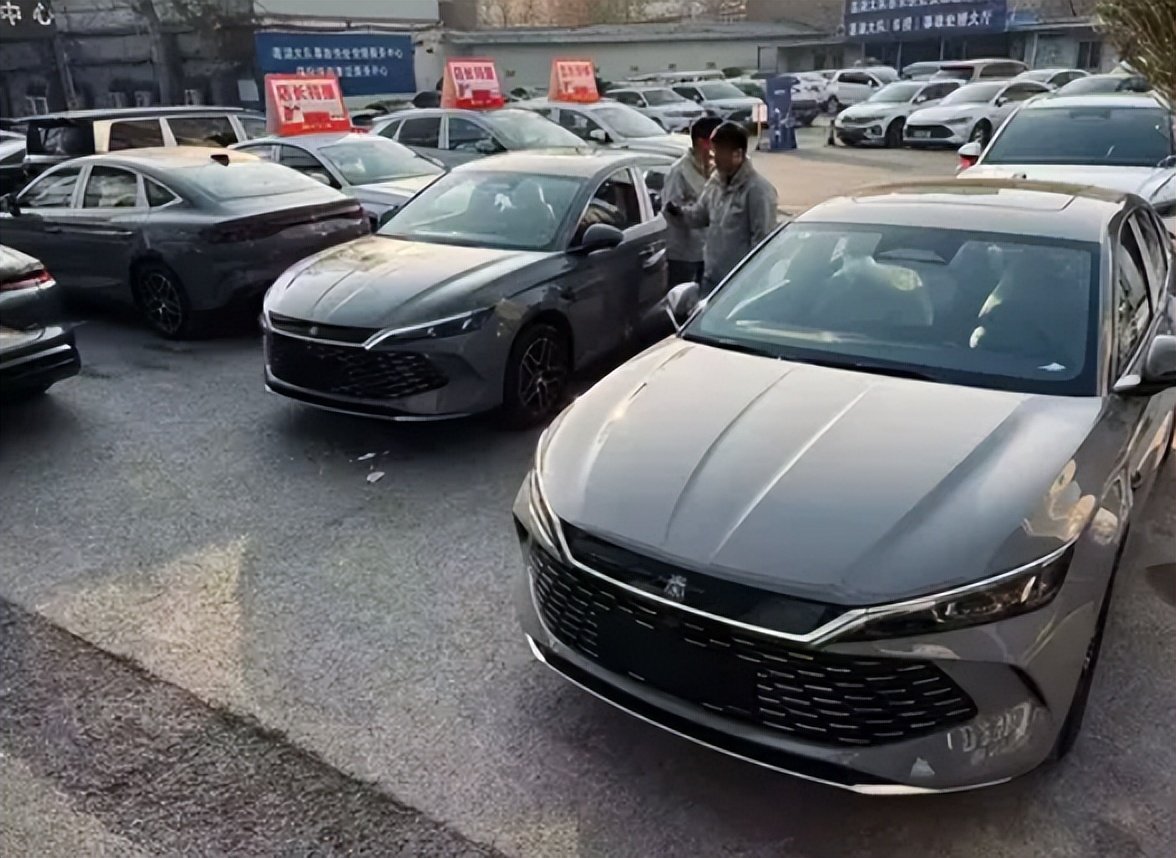
If the top trim with DiSus-C can be kept within 150,000 yuan, then it really will be unmatched, and you can just go for it with your eyes closed!
Finally, Nianhan wants to ask everyone: with the same 210 km range, would you choose the cheaper Qin PLUS, or spend tens of thousands more for the Qin L for DiSus-C and B-segment space?


