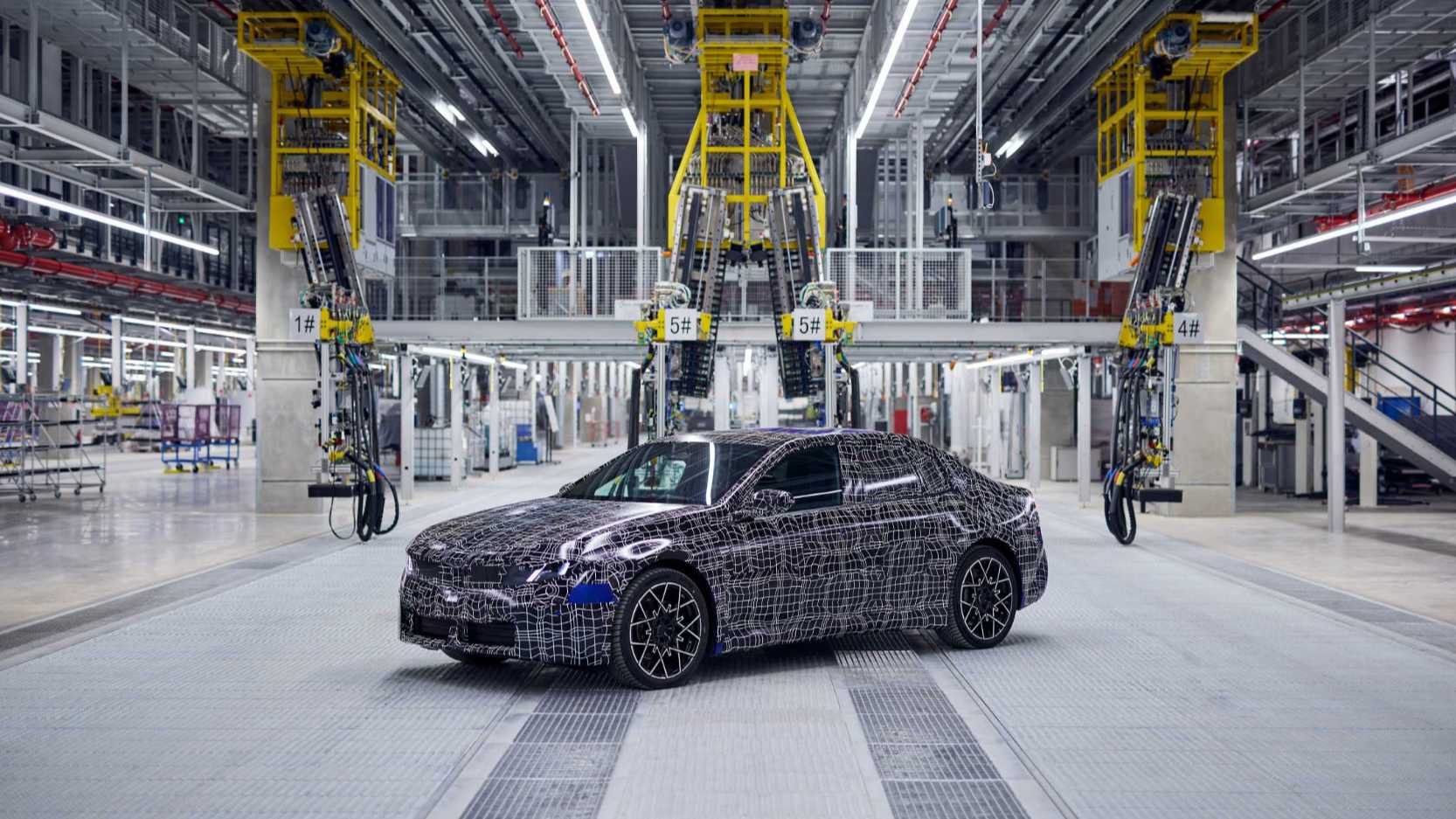
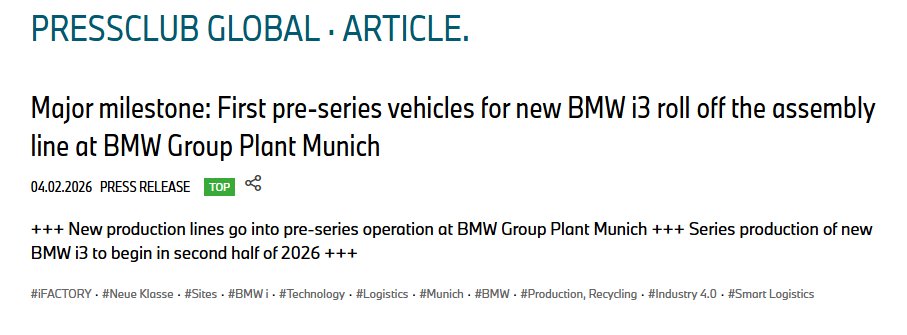
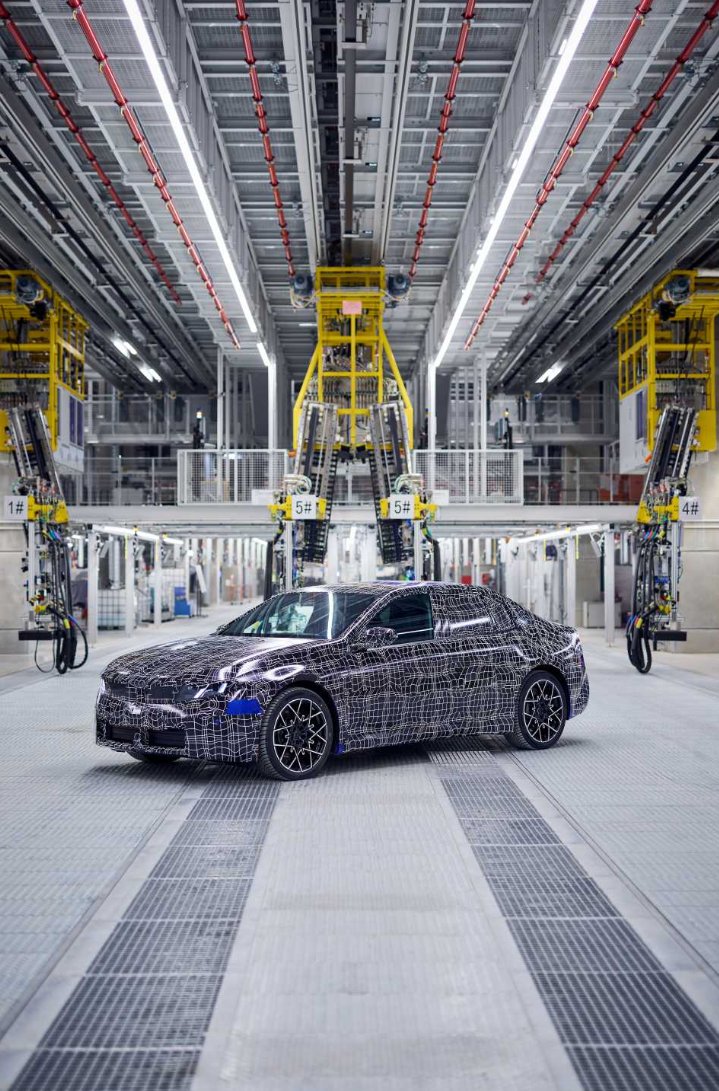
News has come in from Munich: the new-generation BMW i3 pre-production vehicle has rolled off the line.
What's baffling, however, is that this car won't actually be delivered to customers until 2027.
In today's EV market where new models drop like dumplings, a one-year wait is enough time for many competitors to go through two full model cycles.
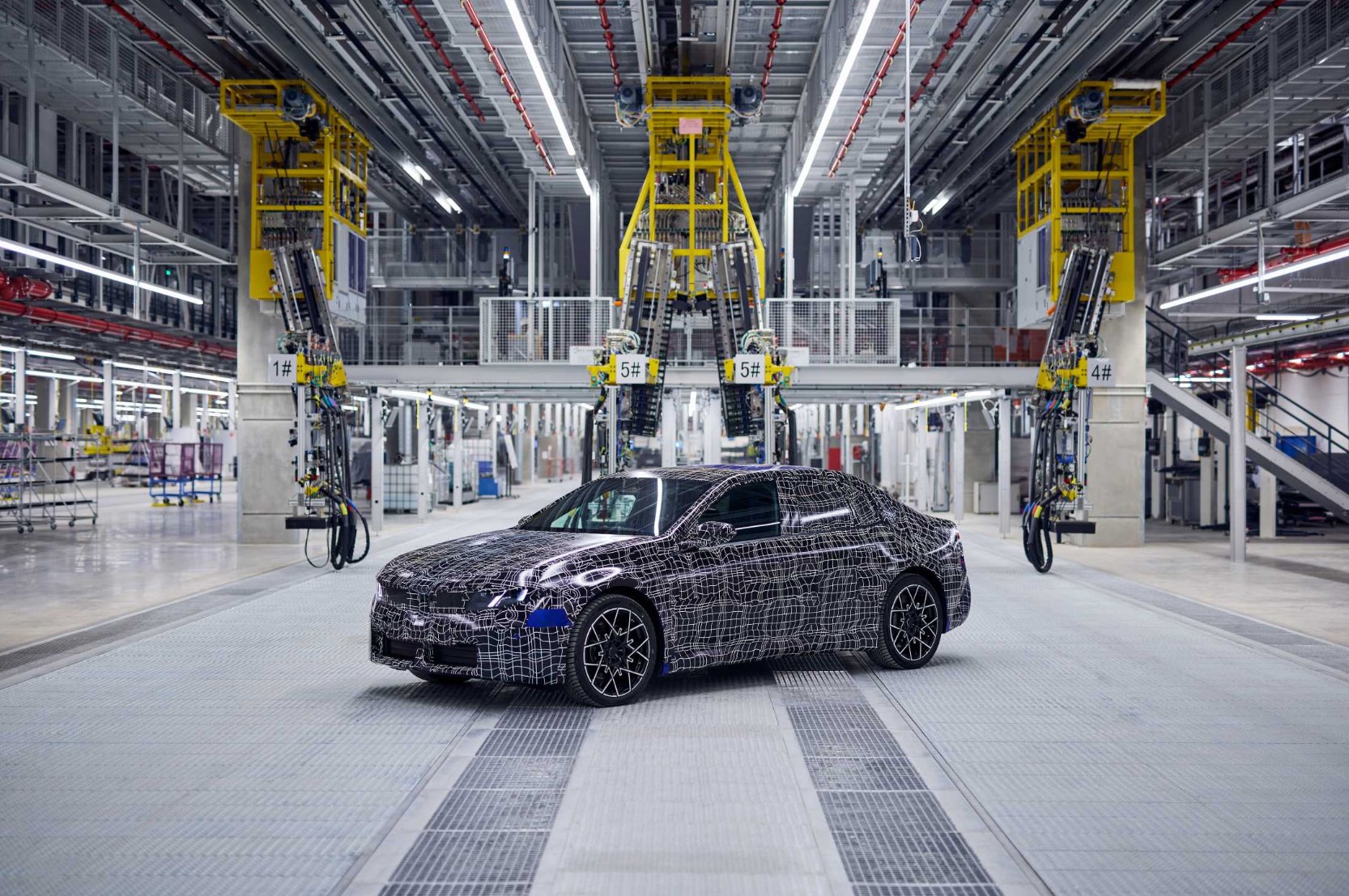
First, let's sort out this car's name. The i3 badge has been a split personality throughout BMW's history.
It started as a little carbon-fiber bun, then became a China-only converted ICE 3 Series, and now it's finally the turn of this proper Neue Klasse platform product.
BMW has this time thoroughly separated combustion from pure electric—the ICE 3 Series continues on the CLAR platform with patches and fixes, while the pure-electric i3 jumps straight into the NK platform's new pit.
I appreciate this resolute attitude—at least they're no longer fooling people by stuffing batteries into an ICE chassis.
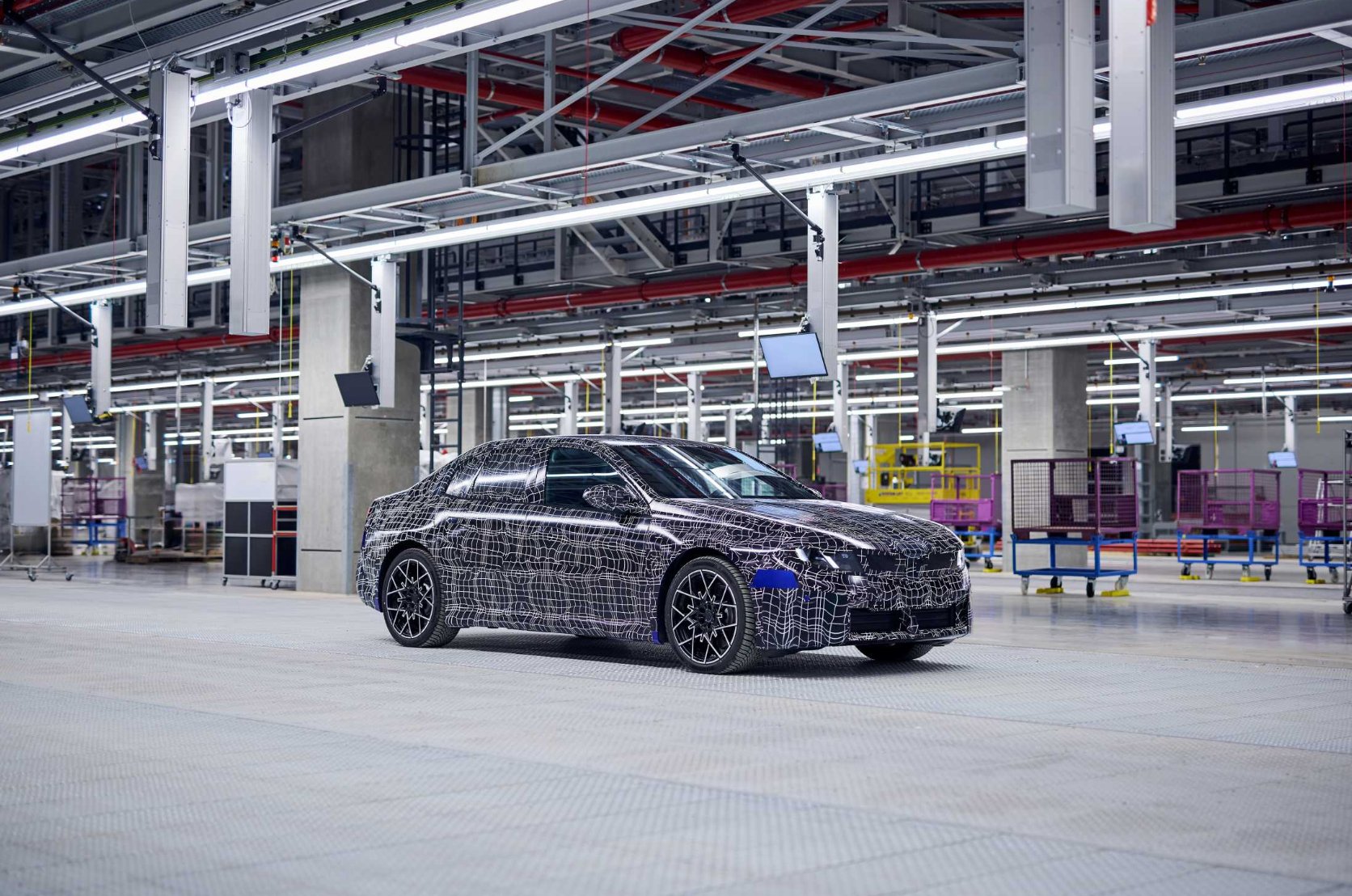
The exterior design of this leaked pre-production version will certainly stir controversy. That signature kidney grille has changed—no longer the vertical nostrils-pointing-skyward design, but stretched wide and flat, merging with the horizontal headlights into one piece.
Some say this pays homage to the classic 2002 model; I think it's just BMW designers being pushed to the edge by today's squinty headlights and wanting to do something different.
The dual-section cooling intakes on the front bumper paired with active grille shutters—that's genuinely serving aerodynamics.
This design might have turned heads a few years ago, but in 2026, with star-ring lights and interactive screens everywhere, whether BMW's retro-futurism can move consumers spoiled by domestic new forces is hard to say.
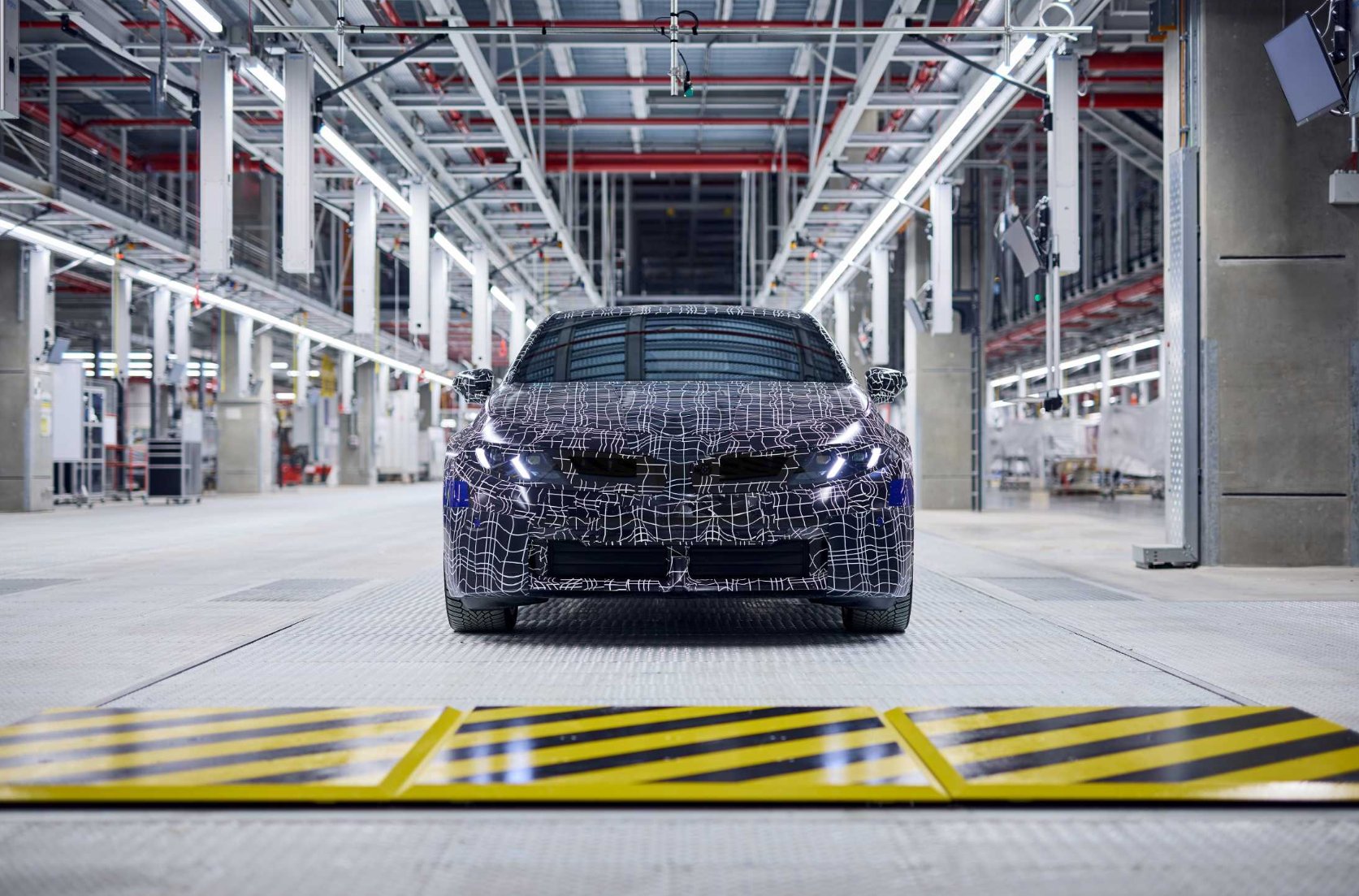
The side profile lines are somewhat interesting. The beltline is set quite high, the roofline drops aggressively toward the rear, and the front and rear fenders have been given a wide-body effect.
Those seven-spoke wheels have a rather complex design—car wash workers will probably curse—but the dynamic effect when running should be good.
What interests me most about this car isn't actually what it looks like, but the "driving control super brain" that BMW is hyping the loudest this time.
Previously, dozens of ECUs in a car each managed their own domain; now BMW has integrated the data processing of powertrain, chassis, and electronic systems all together.
When cornering, suspension stiffness, motor torque distribution, and braking force are all adjusted synchronously at the millisecond level.
This is what BMW should be doing—stop comparing fridges, TVs, and big sofas with everyone else all day, and bring back that driver-car unity feeling when you drive. That's the Bavarian Motor Works' signature craft.
On the powertrain front, current leaked info says the 50 xDrive version will have dual-motor all-wheel drive with 469 horsepower. By today's standards, that's merely mainstream—not stunning.
Range is claimed at 644 kilometers under EPA conditions—that's a solid metric. EPA figures have less inflation; if it can really achieve that number, range anxiety in daily use would be much reduced.
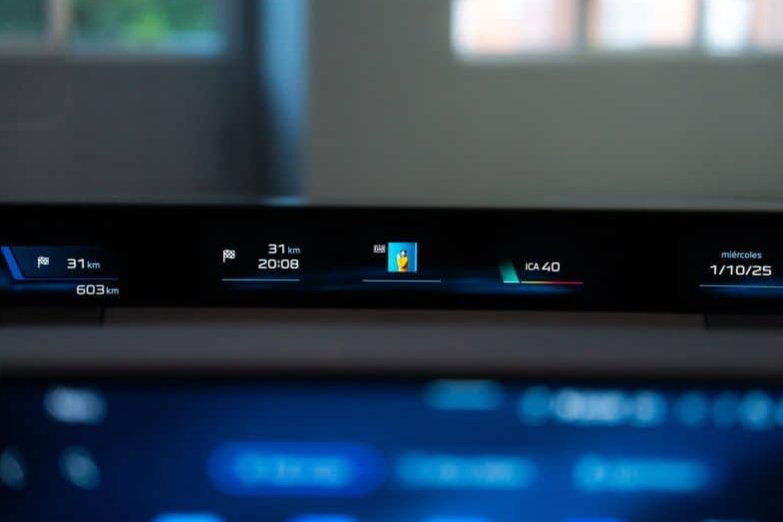
For the interior, it's said to use Panoramic iDrive, turning the windshield into a display. This is a risky move—eliminating the instrument cluster and projecting all information onto the glass. This kind of interaction logic change requires tremendous courage.
Finally, we have to talk about timing. Launch in the second half of 2026, deliveries in 2027. Although Brilliance BMW will follow up with domestic production, the gap in between is too long.
In today's Chinese market, three months equals a generation of technology turnover.
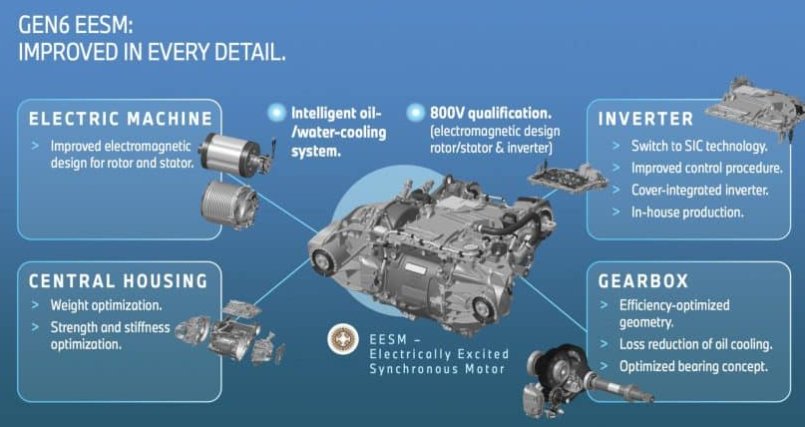
By the time this i3 lands in 2027, will its 800V architecture and sixth-generation electric drive system have already become industry standard—or even outdated technology?
BMW has pulled out its bottom-drawer tech this time, wanting to use the NK platform to fight a comeback battle and prove it's still the driver's car in the electric era.
It's certainly a good car—I never doubt BMW's chassis quality and tuning expertise. But this long waiting period is like ordering a Michelin meal and the chef telling you it won't be served until next year.
By then, you'll probably have already filled up at a street stall from hunger. For this all-new i3, I'm reserving judgment—not because of the product itself, but because of this damn time gap.
I hope BMW can move faster and not let sentiment cool off during the wait.


