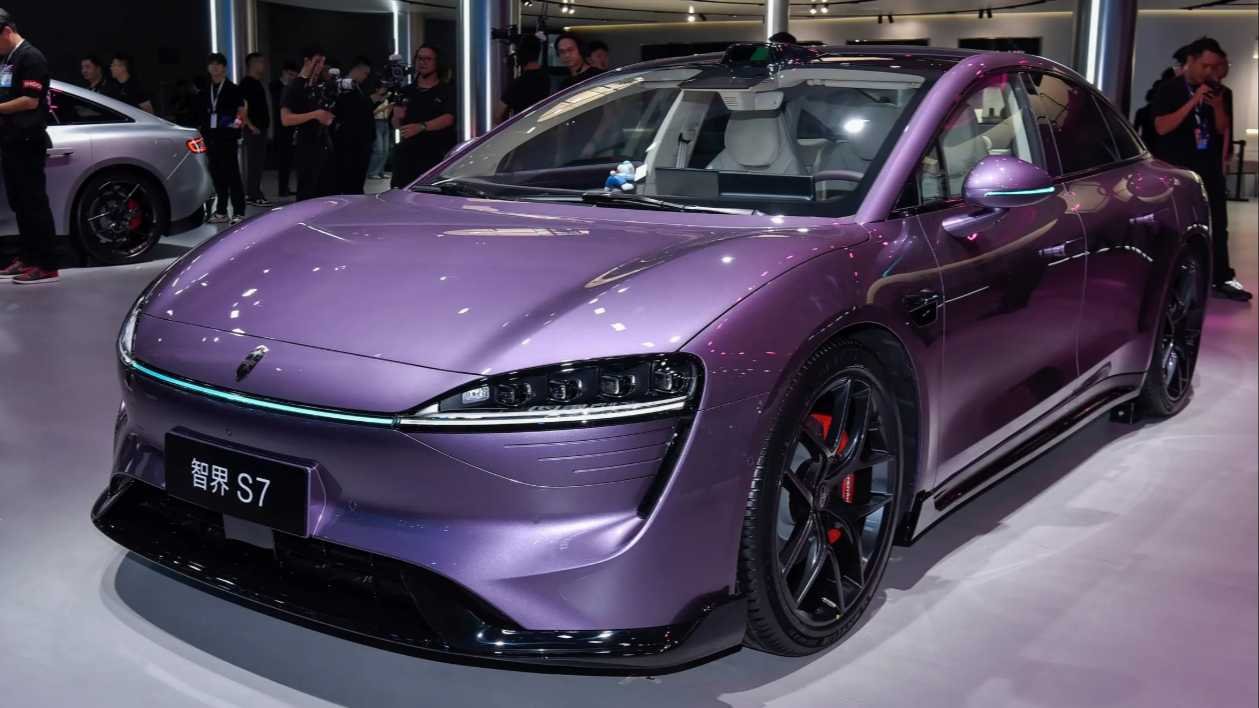
Brothers, I've always wanted to talk to you guys about the Zhijie S7, but I never had the time or the chance. Well, this time it worked out.
To be honest, seeing the November sales figure of 1,576 units, ranking 20th among mid-to-large cars, I really had mixed feelings.
Is this a joke? This is a car carrying the halo of "Huawei's own son"! Next door, the Xiaomi SU7 is selling like crazy, and the Zeekr 001 is steady as an old dog. Is Zhijie falling behind?
No worries, with a bit more effort there's still a chance.
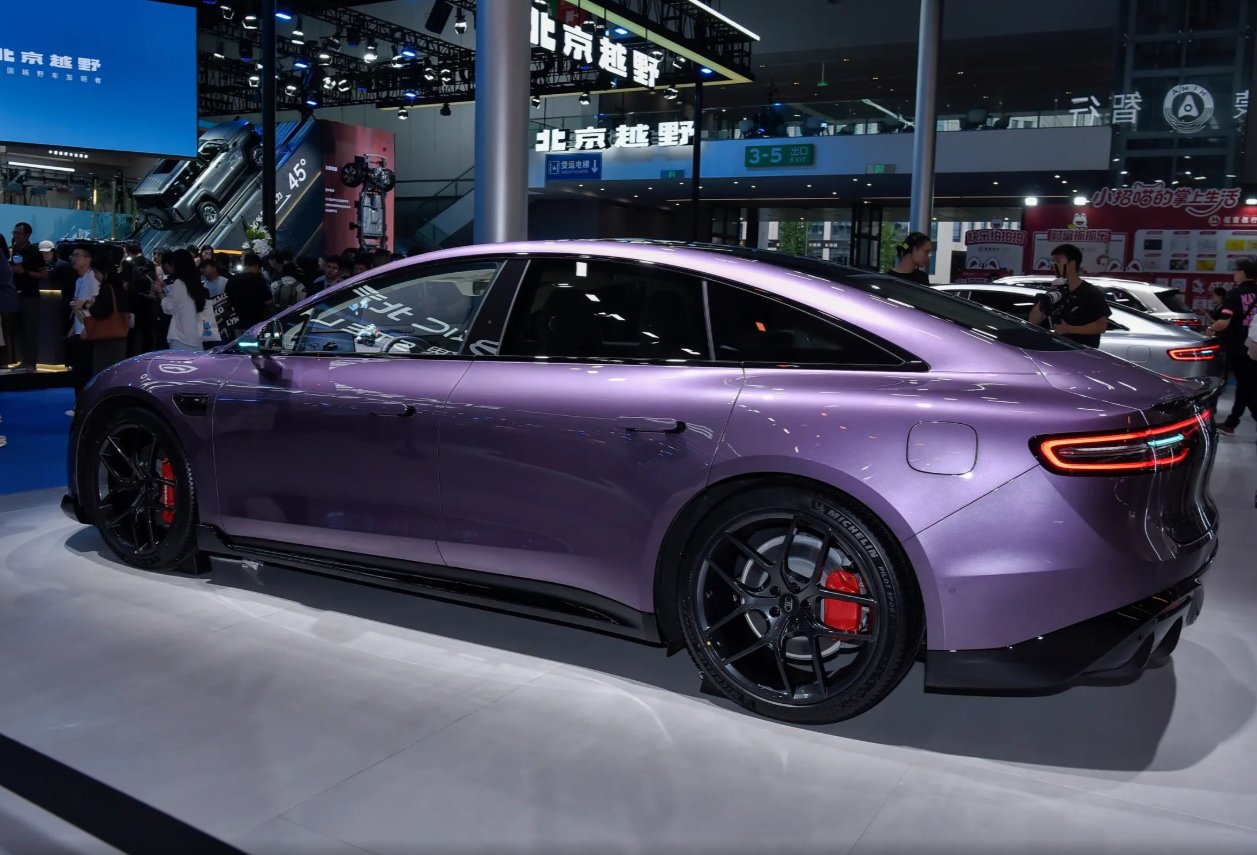
And recently the 2026 Zhijie S7 Max was spotted in the flesh—this is a great chance to turn things around, and the biggest bombshell is none other than the battery.
Consumers used to always fixate on ternary lithium batteries. Now, well, they've come up with a "ternary lithium + lithium iron phosphate" mixed version.
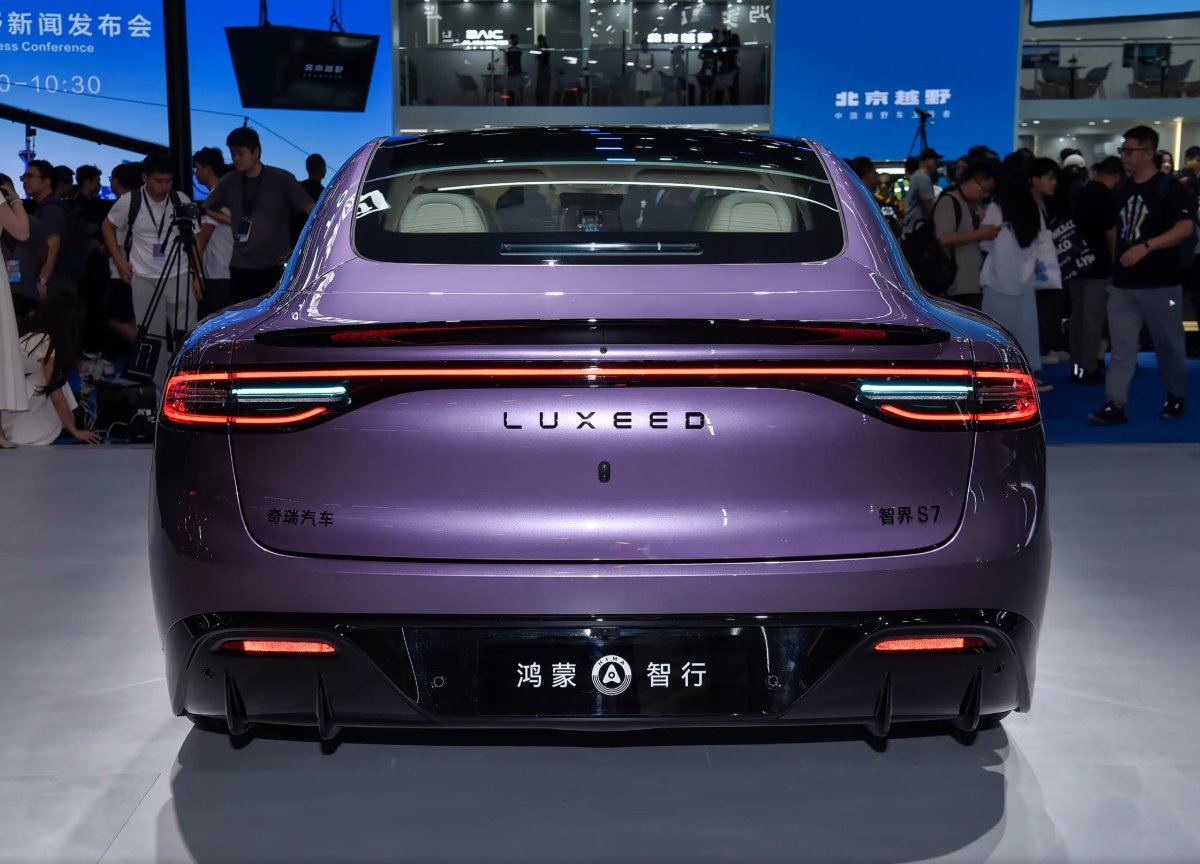
As for battery capacity, it's still 82 kWh, and the range hasn't changed either—still 705 kilometers.
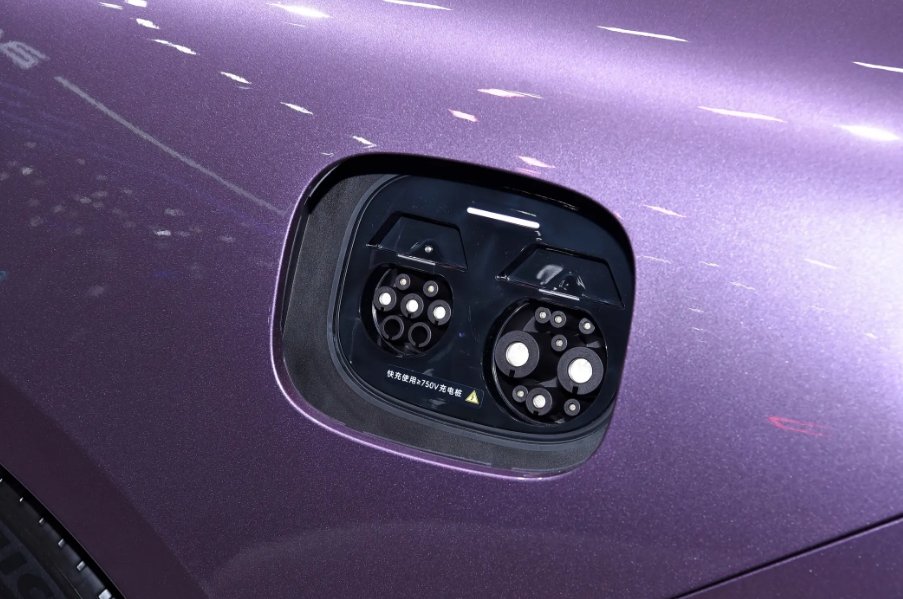
But this needs careful scrutiny. I looked into it, and the official materials say CATL one moment, then CALB pops up the next—it's a bit confusing.
So, brothers, pay attention when you take delivery—make sure to read the nameplate carefully!
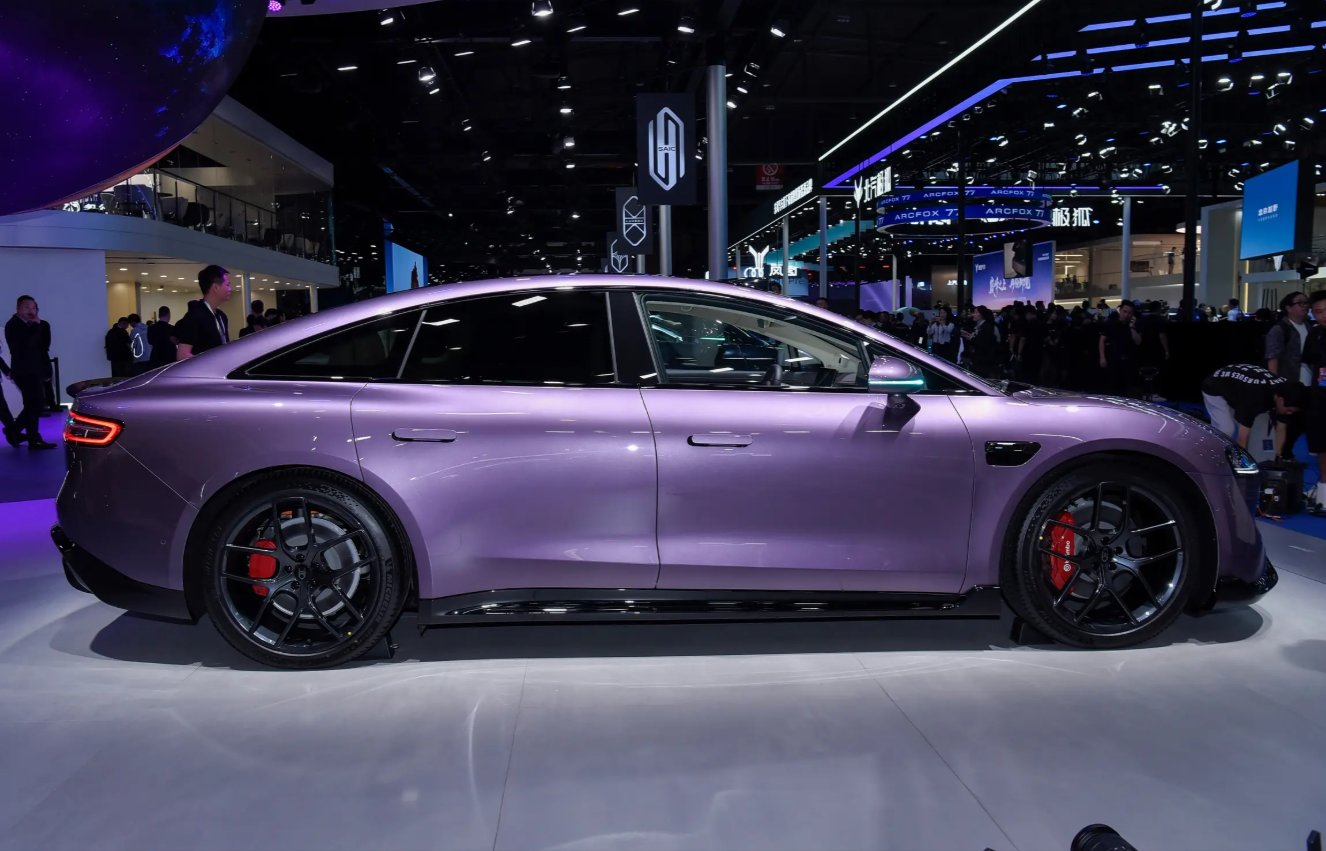
Honestly, this mixed-battery approach is technically about balancing cost and low-temperature performance. As long as the BMS management is done well, it's actually not a big problem.
But the biggest issue, I think, is the price. If it hasn't come down, there's bound to be some discomfort in your heart, right?
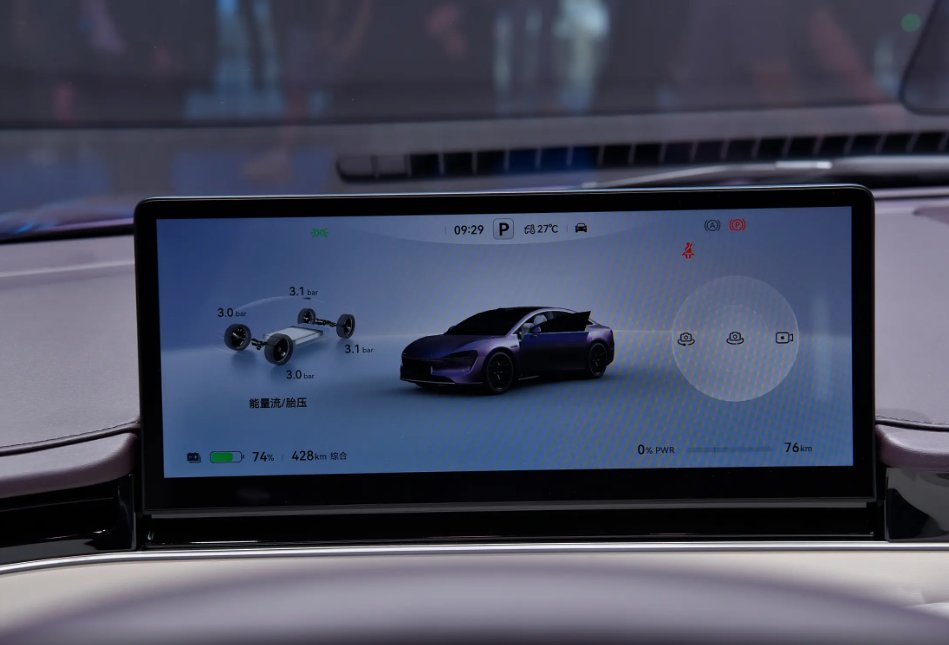
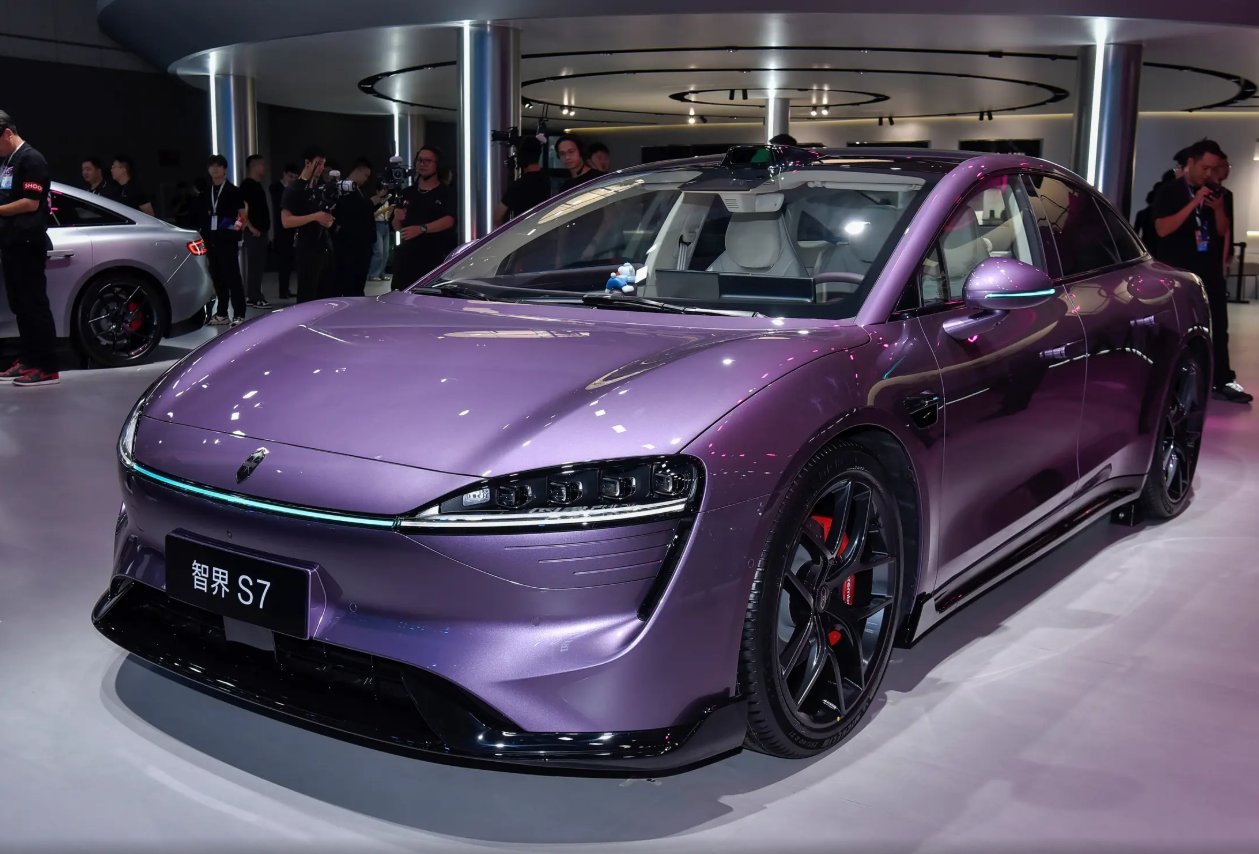
As for the exterior, basically unchanged. Still that so-called One-Box design—has personality but isn't particularly striking.
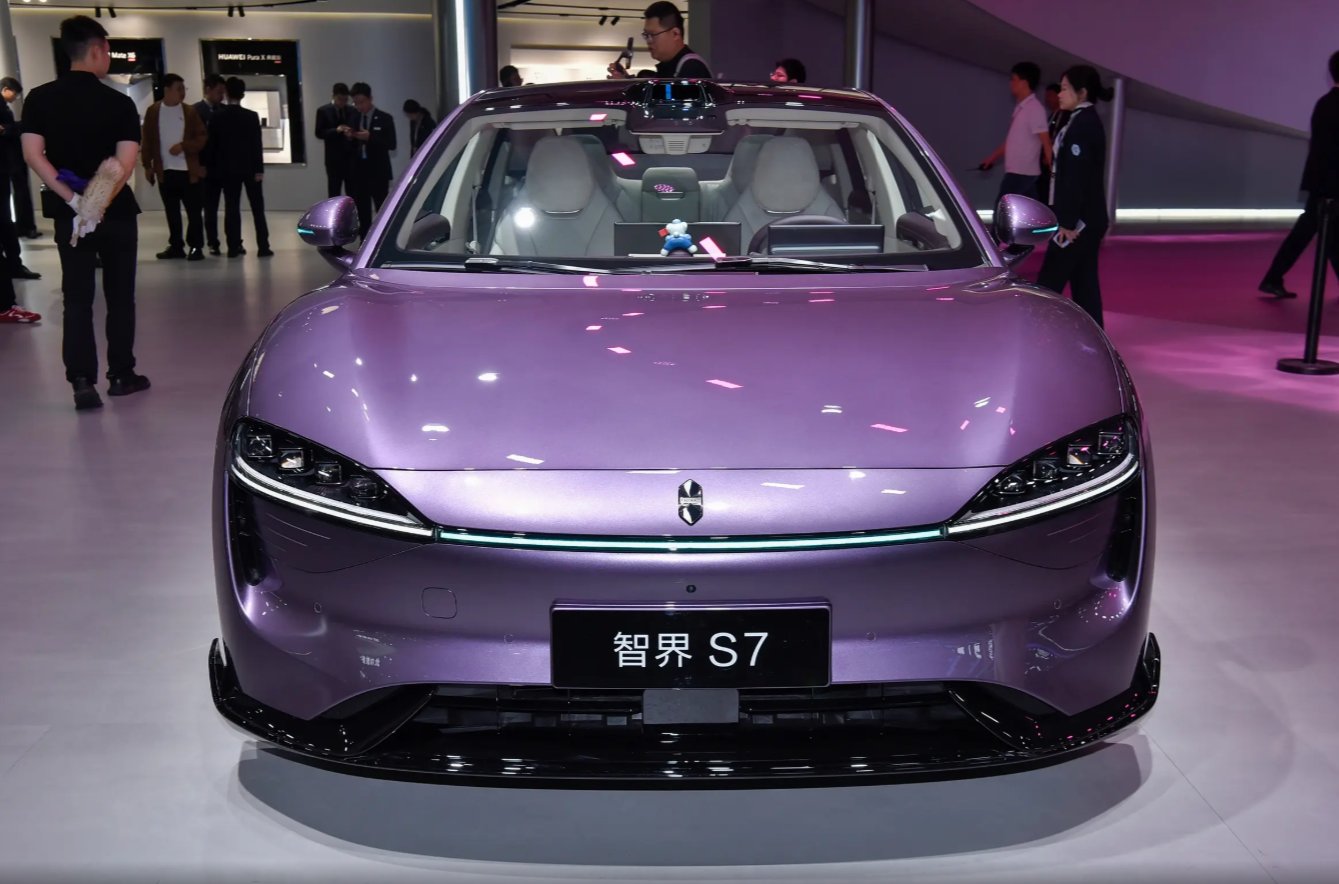
Those who like it say it looks like a supercar; those who don't say it looks like a squashed mouse.
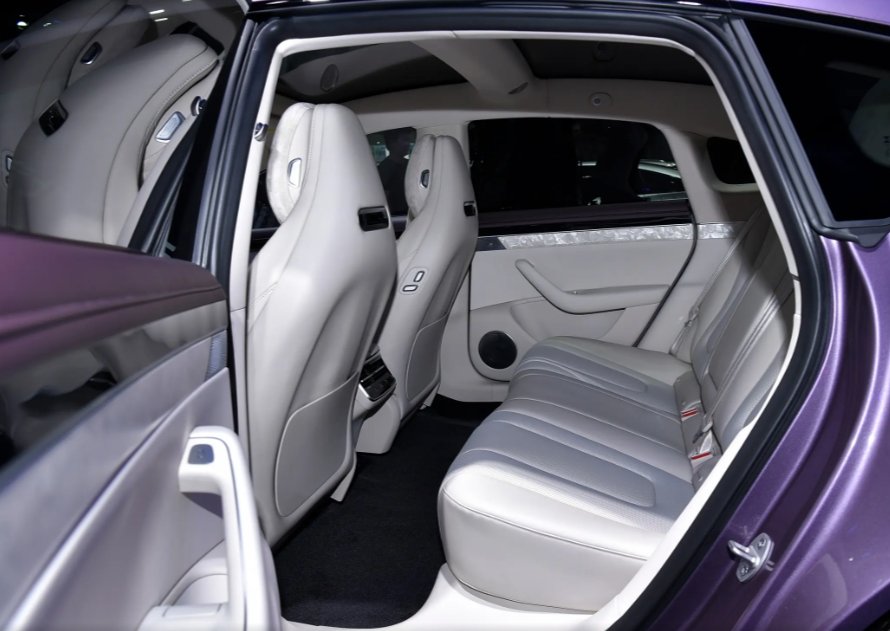
But to be fair, this design philosophy has one advantage—it squeezes out every bit of space. With a 2,950mm wheelbase, the rear seats are genuinely spacious.
The headlights and blacked-out air intakes on the front face look fierce and aggressive, but it always feels like it's missing that instant soul-stirring wow factor of the Xiaomi SU7.
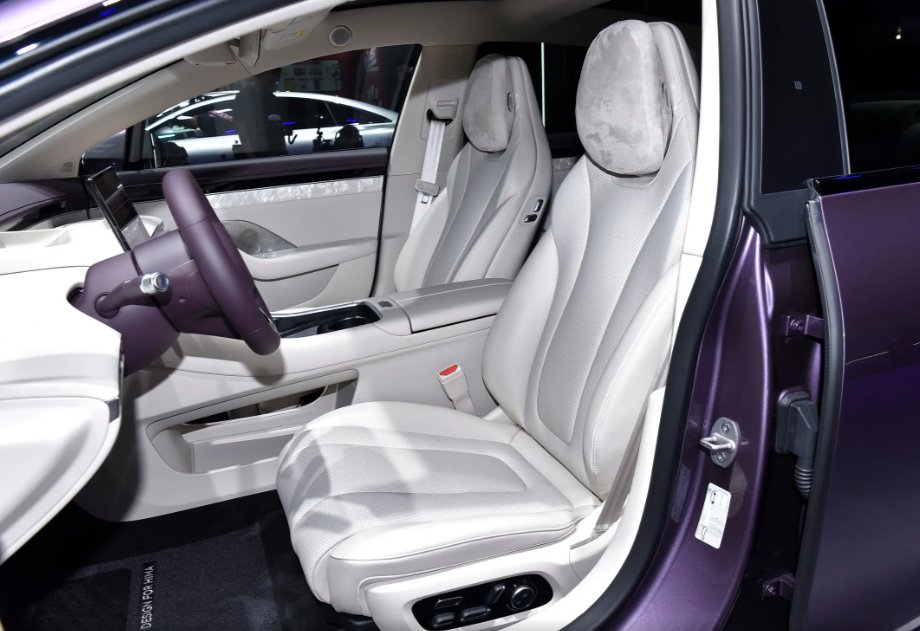
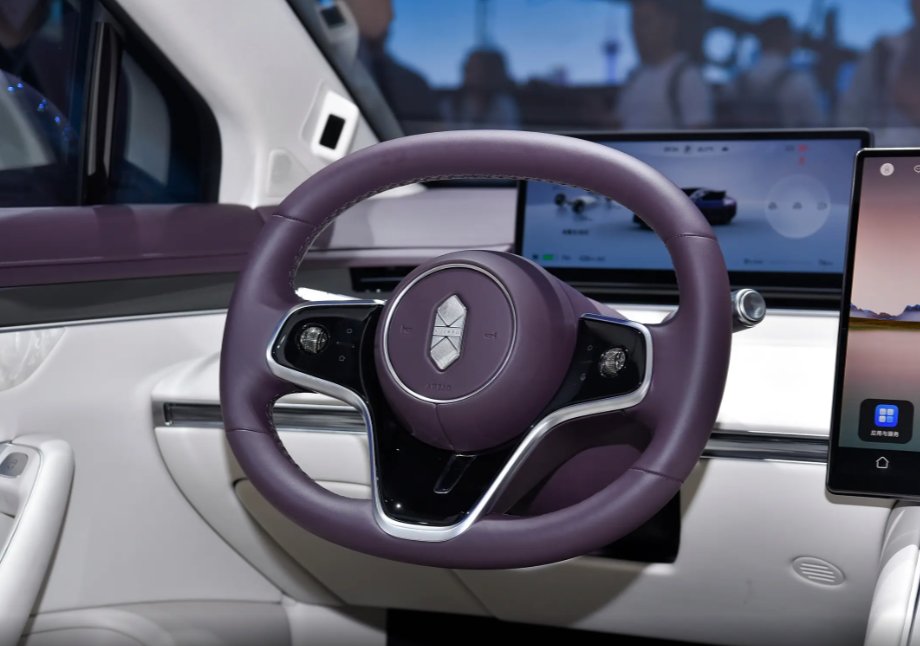
Inside, it's the familiar formula of a big TV screen plus big sofa.
Huawei's ADS driver-assistance system definitely deserves praise—the 192-line lidar is not just for show.
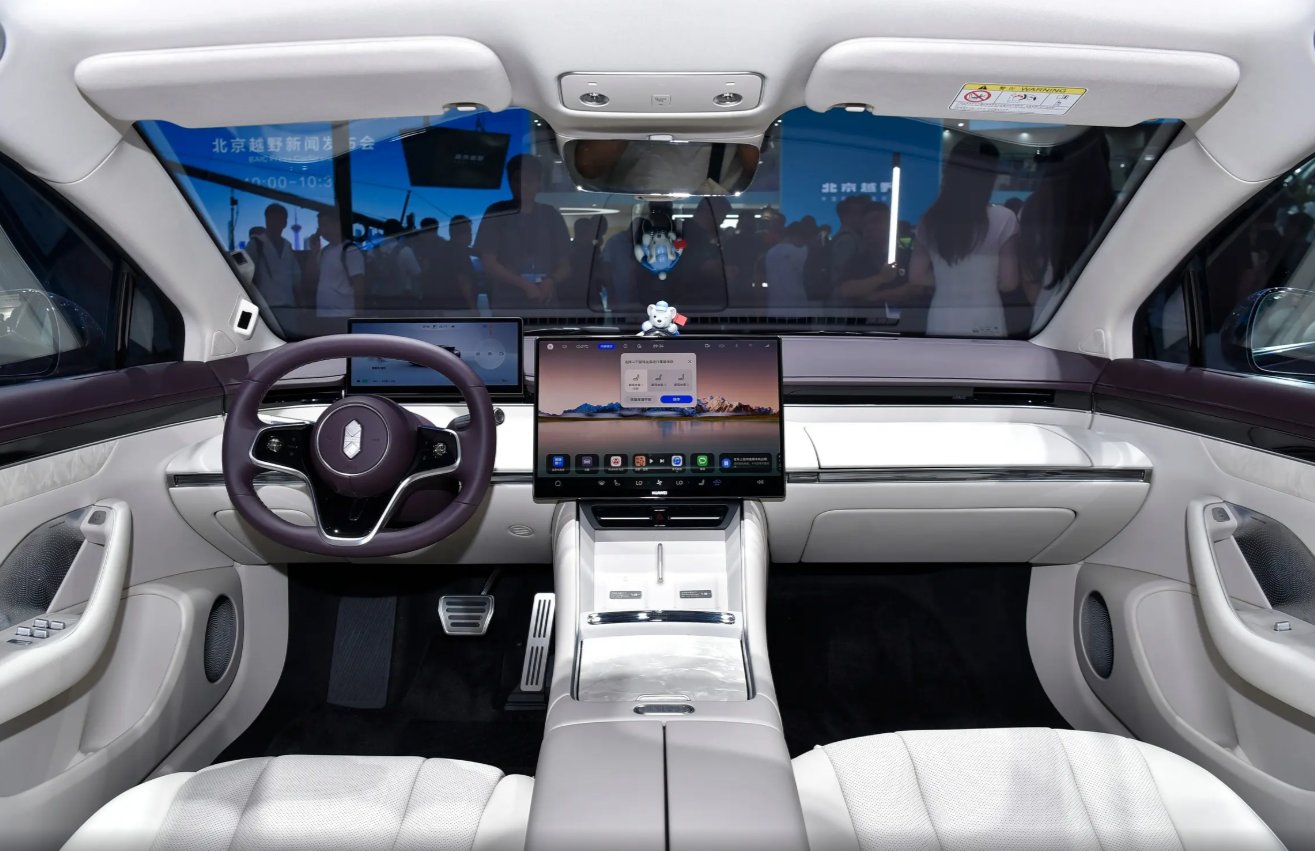
Now they've even pushed it to door-to-door driving. Zhijie is genuinely in the first tier in this regard, and fancy features like foot-kick tailgate and wireless microphone karaoke are all included.
On the power front, the rear-drive single motor puts out 215 kW and 396 N·m—completely sufficient for daily driving, even a bit excessive.
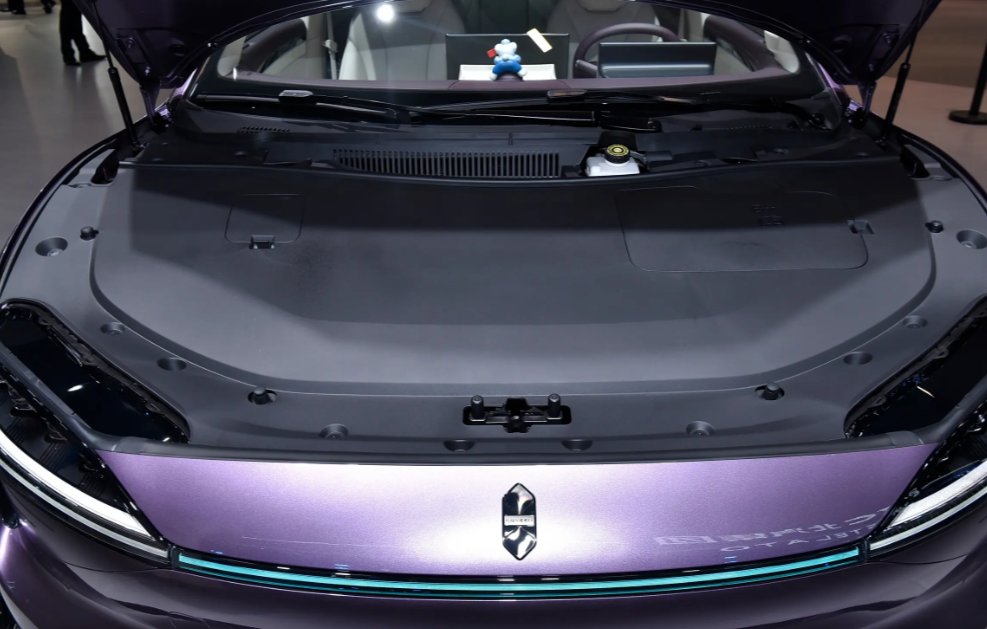
But brothers, the 200,000–300,000 yuan price range is a real battlefield right now.
Look at the Xiaomi SU7—it's the king of traffic. The Zeekr 001—its chassis credentials are rock solid. The IM L6—its value-for-money proposition is off the charts. The Zhijie S7 is in a pretty awkward spot now—strong enemies above, pursuers below.
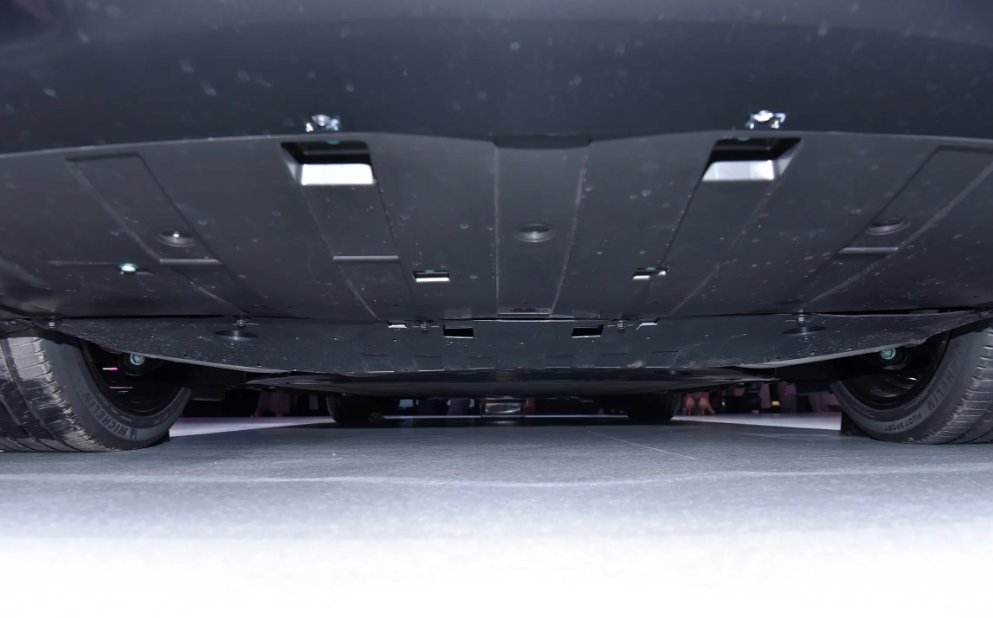
This battery-swap version—if it's meant to cut costs, can the dealer incentives be a bit more generous?
If it still puts on airs starting at 229,800 yuan, turning things around will be tough. After all, everyone's wallets are tight right now—sentiment alone can't fill your stomach.
As for whether to buy or not, that's up to you guys.
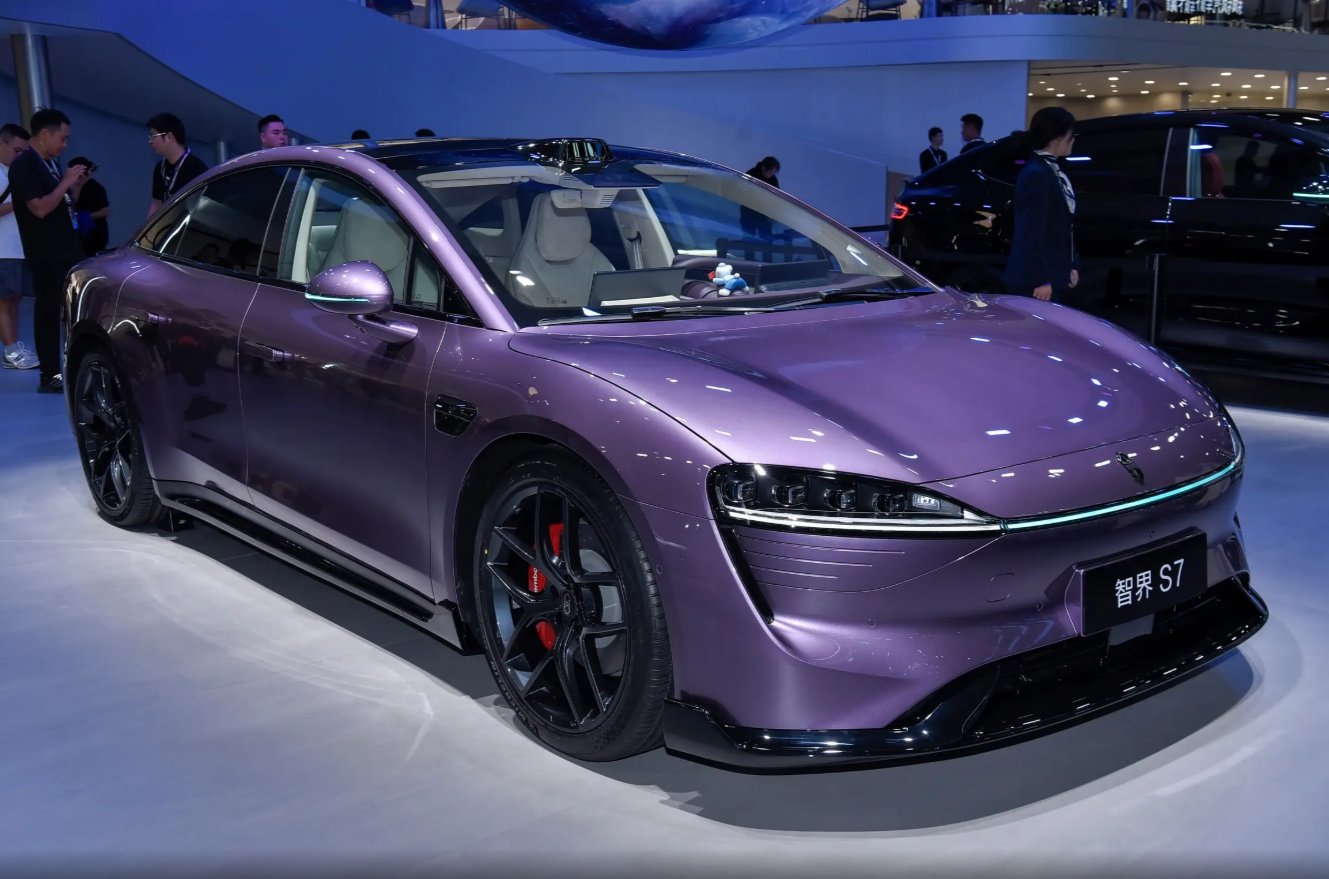
If you're a die-hard Huawei fan and just want worry-free smart driving, this car is definitely worth buying—just make sure your budget is a bit generous.
On the other hand, if you have higher demands for handling and looks, or just want to jump on the bandwagon of a hot seller, then go test-drive a few more and compare.
Don't just listen to the sales pitch—your own butt is the most honest!


