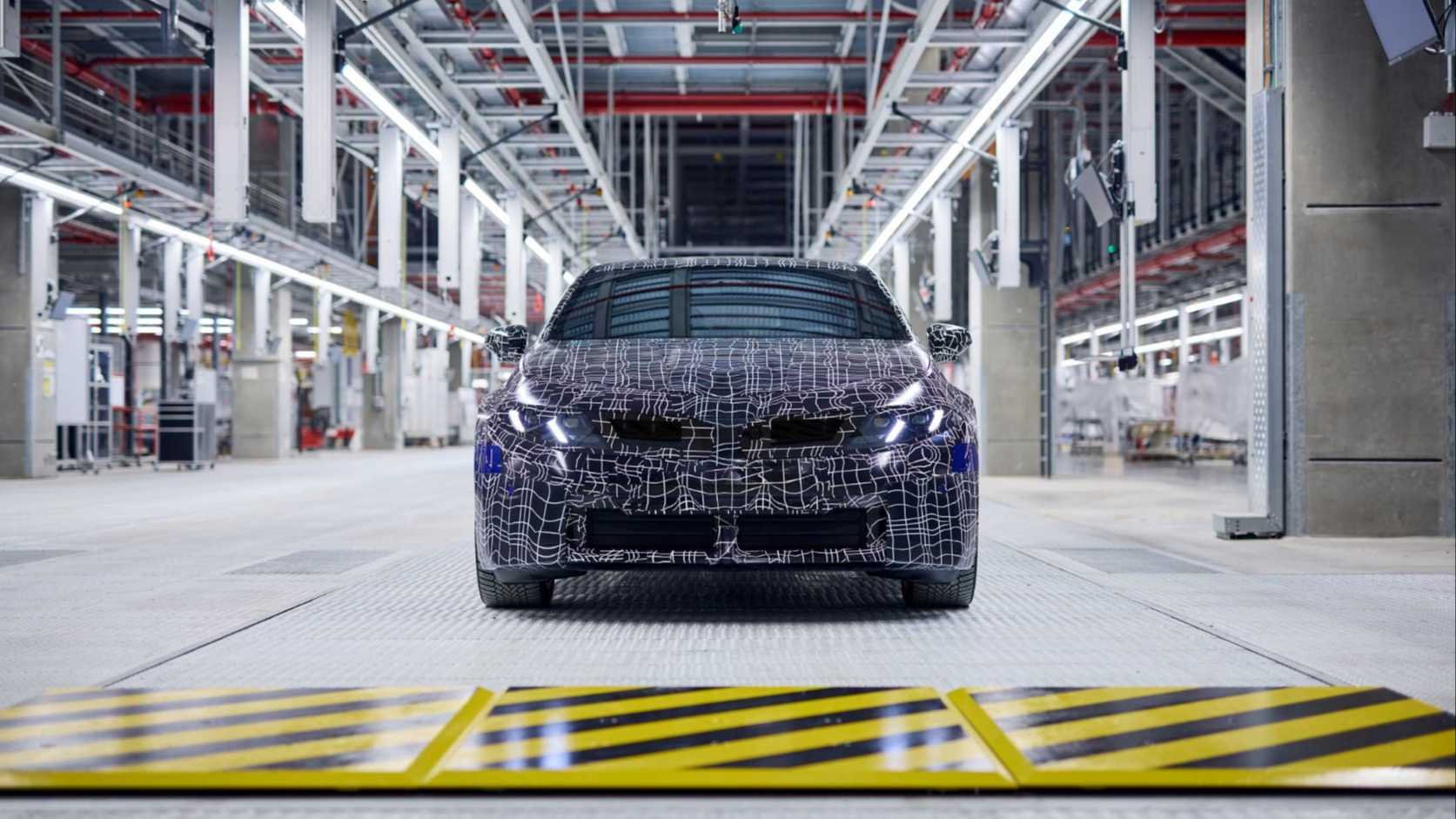
This time, BMW finally doesn't have to listen to that "oil-to-electric" mockery anymore!
Recently, the Munich factory just rolled out the pre-production cars, and BMW has finally squeezed the toothpaste tube dry this time.
That previous electric car that carried the i3 name but was actually a modified 3 Series with a battery pack hanging under the chassis and a rear floor hump like a small hill—how many people tore it to shreds.
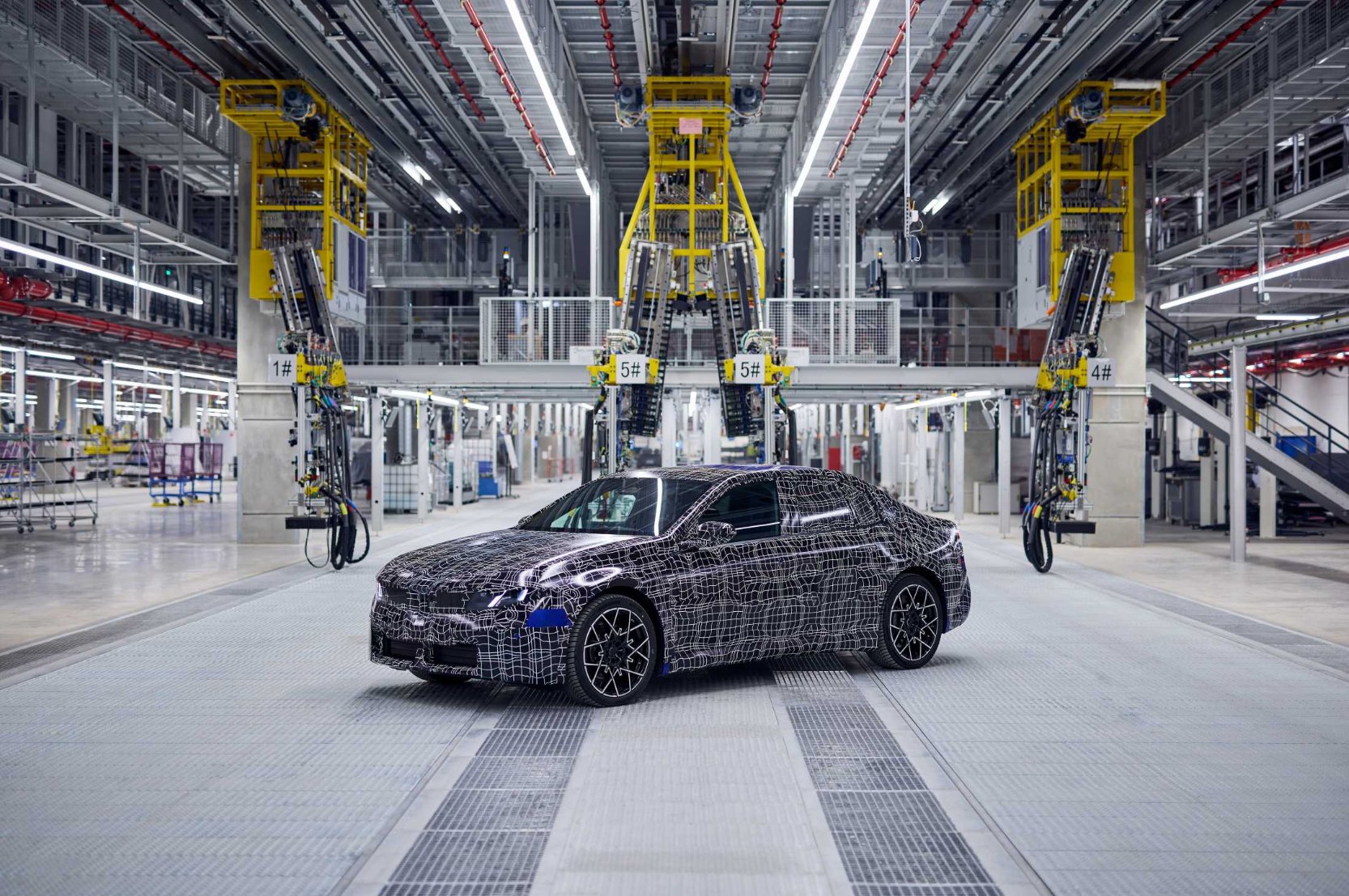
Now, on this Neue Klasse NK platform, it's finally a proper pure electric architecture.
But brothers, don't celebrate too early! The combustion-engine 3 Series will continue to rely on the CLAR platform to stay alive. BMW's move is quite cunning—betting on both sides, leaving a way out for the conservatives while drawing a big pie for the radicals. City folks sure know how to play.
But this pie is being drawn pretty slowly. It's already early 2026, and the pre-production car has only just rolled off the line; official deliveries won't come until 2027.
In a market where domestic new energy vehicles change generations almost every six months, BMW's pace is like taking a stroll. By the time this car actually reaches your hands, how much of its current technological advantage will be left?
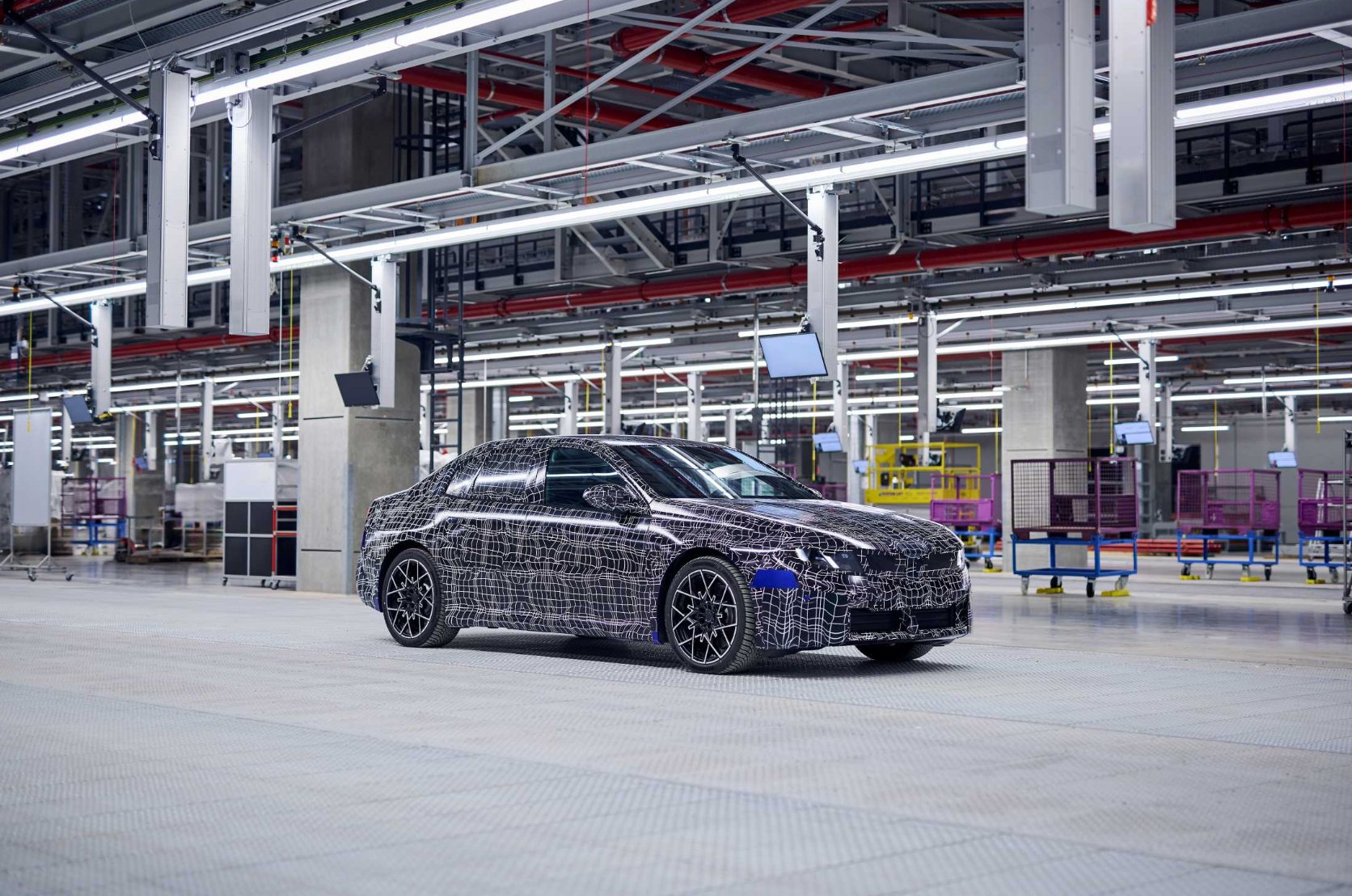
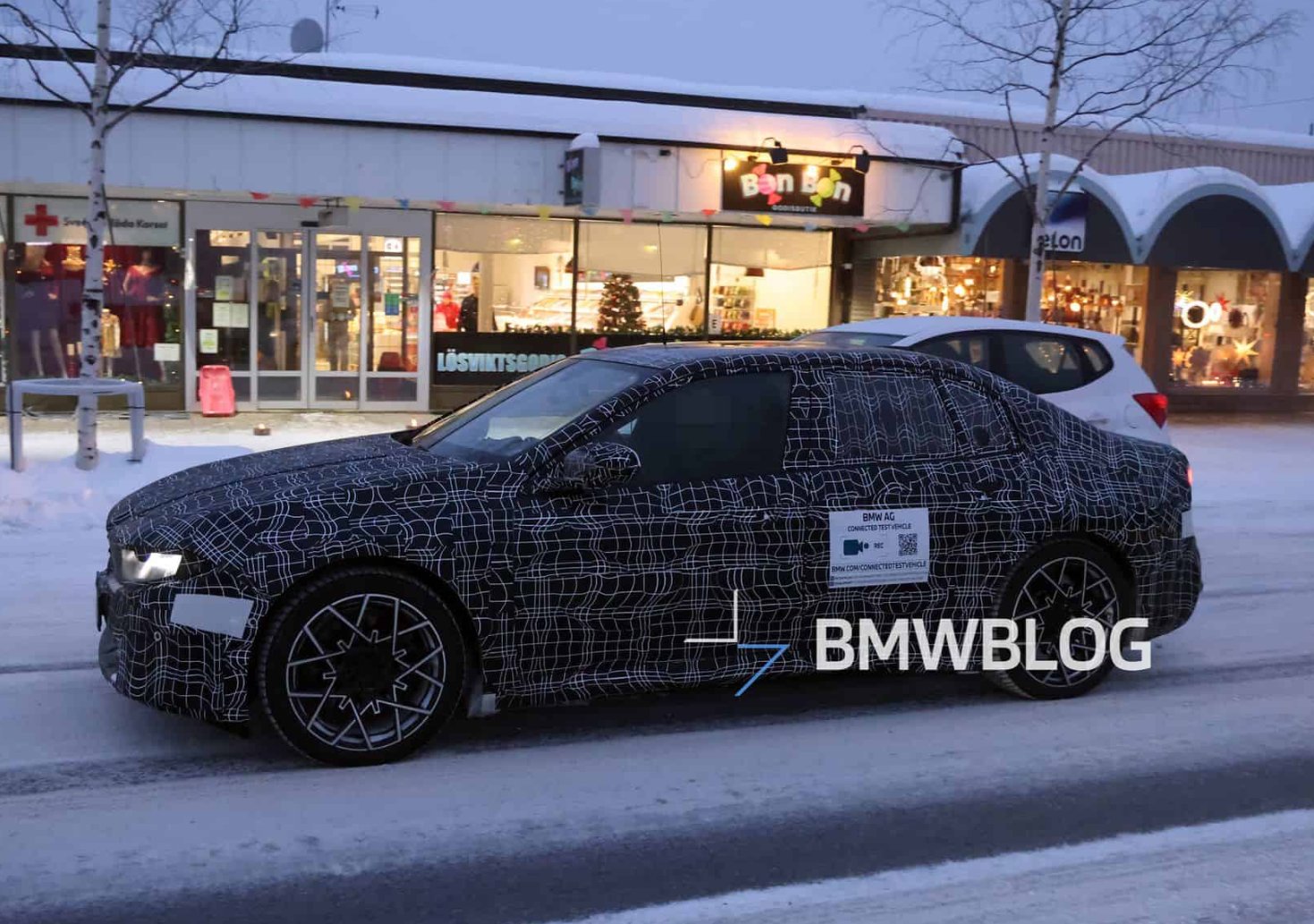
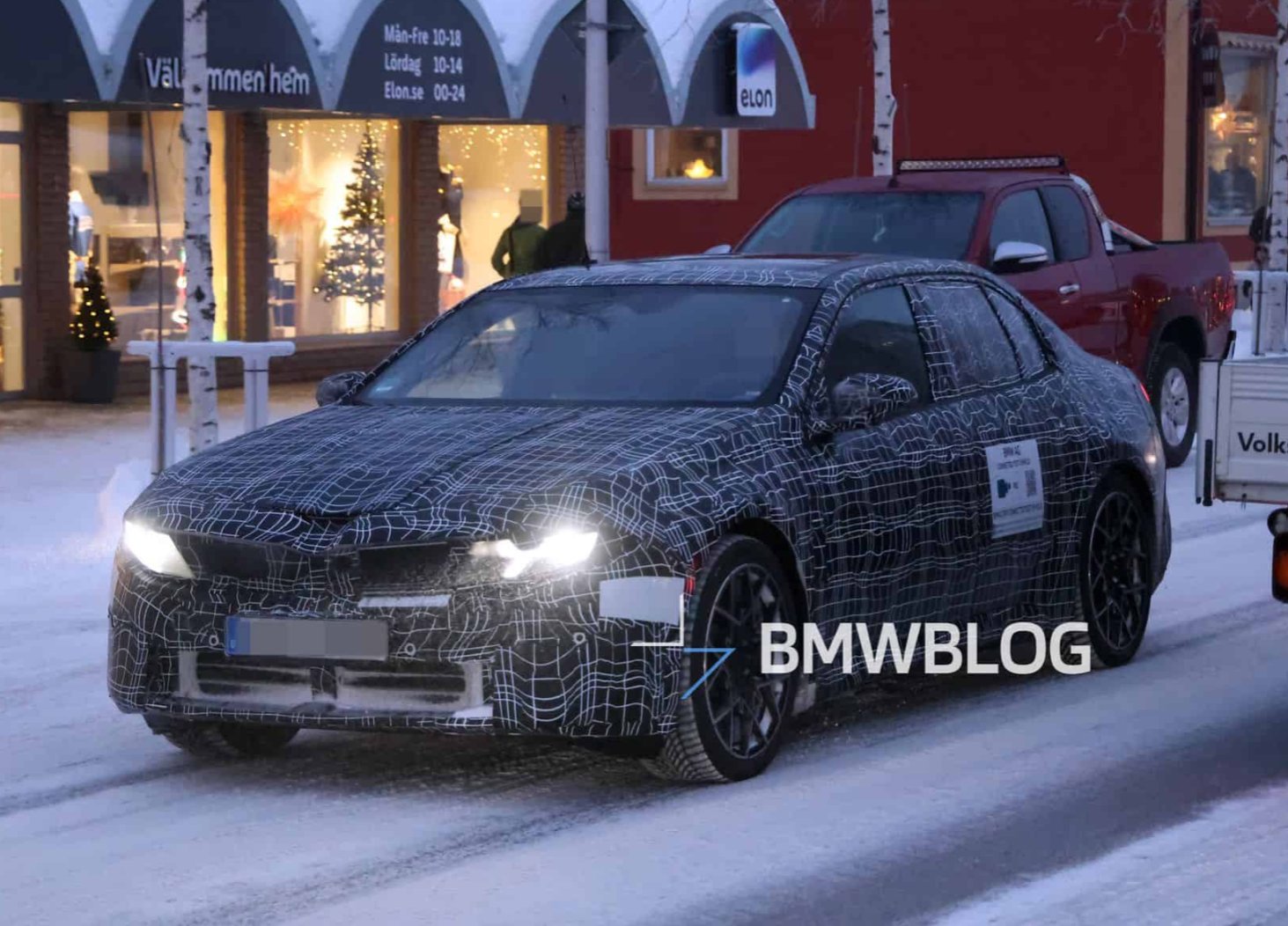
The exterior design has been changed quite drastically this time. That "big nostrils" look that has been criticized countless times has finally settled down, replaced by a horizontally stretched "sunglasses" shape.
The kidney grille merges with the headlights—whether this retro-futuristic approach looks good is another matter, but at least it's easier on the eyes than that wildly growing vertical grille.
The two-stage cooling openings in the front bumper paired with active grille shutters do look quite premium—though in reality it's all about reducing drag and squeezing out range.
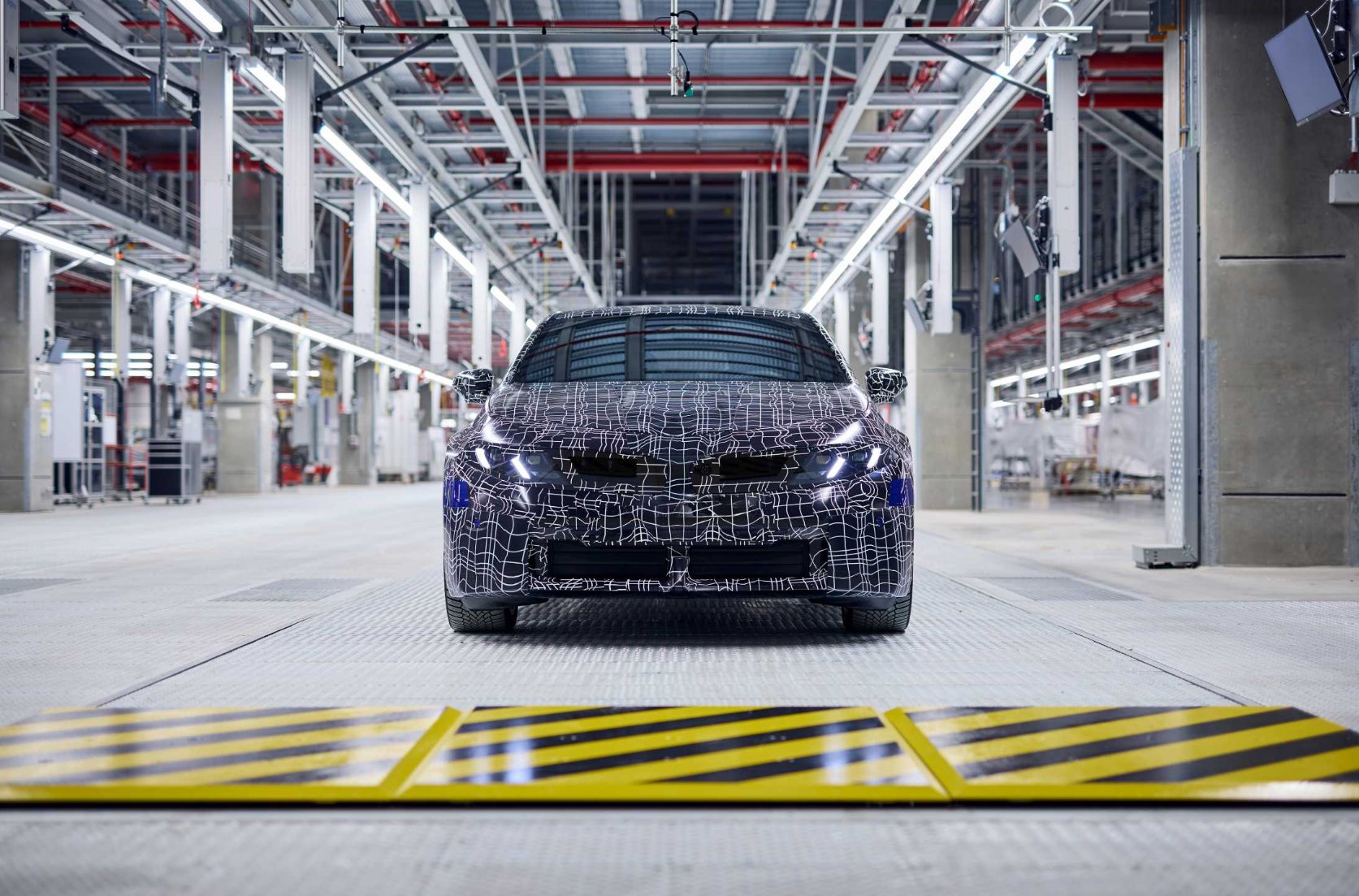
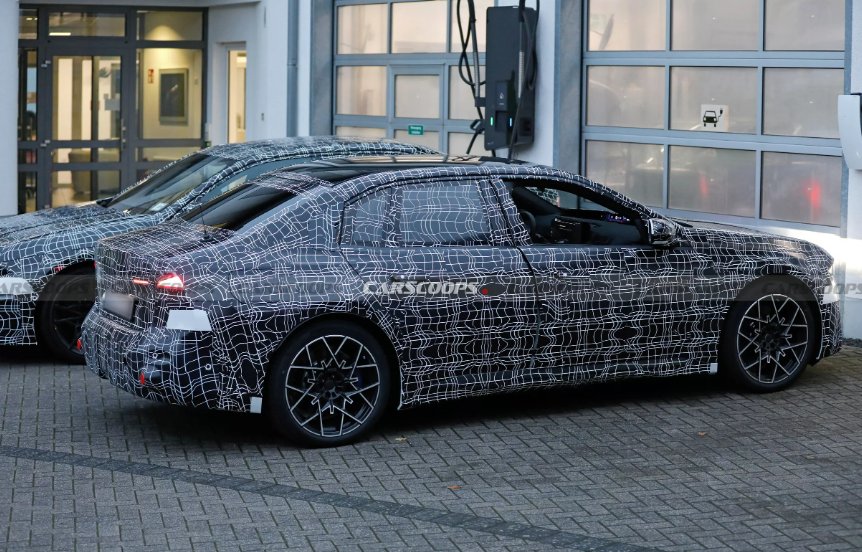
The side profile lines are actually somewhat interesting. The beltline is raised, the roofline is pressed low, and with those seven-spoke wheels, there's definitely a sporty feel.
But honestly, designs like this often sacrifice interior headroom. Especially in the rear—if headroom gets compressed for the sake of styling, even a long-wheelbase version won't save it when it reaches the domestic market.
Speaking of the domestic market, BMW Brilliance will definitely follow up with a long-wheelbase version. That's a life-saving move. Chinese consumers want big sofas and big space—give them a compact rear seat from the European original version, and you'll be taught a lesson in no time.
As for the stuff inside the car, BMW is hyping it to the skies. Things like the "Driving Control Super Brain" and "Panoramic iDrive." Eliminating the instrument cluster and projecting all information onto the lower edge of the windshield—that's a risky move.
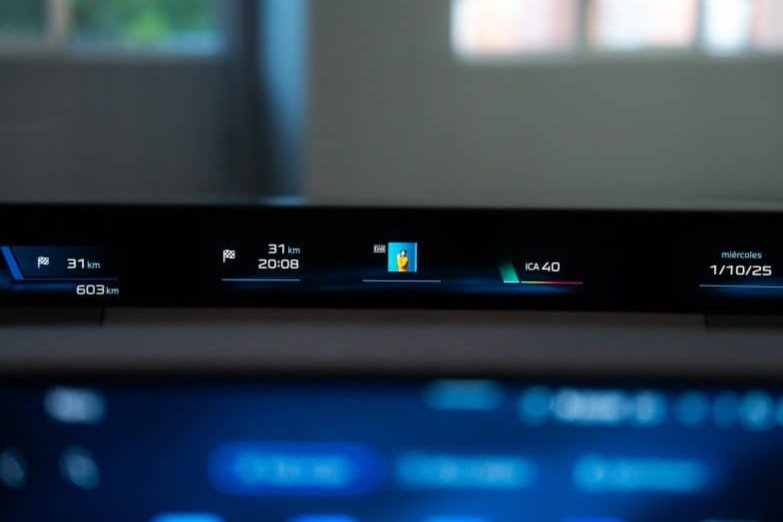
For veteran drivers used to looking at screens, this forced change of driving habits could very well be a dealbreaker. If it works well, it's innovation; if it doesn't, it's anti-human.
The power specs circulating online are quite fierce. The 50 xDrive version, dual-motor all-wheel drive, 469 horsepower.
These figures would have been terrifying a few years ago, but in 2026 they're just mainstream. Any domestic car you pick can do 0-100 in the 3-second range—BMW's power advantage is no longer obvious.
EPA range of 644 kilometers, which converted to China's CLTC standard would probably be even higher.
But in today's world where 800V high-voltage fast charging is already widespread, range alone is useless—charging speed is the real hard truth. Whether the sixth-generation electric drive system can beat those 800V domestic cars at the charging station is the key question.
There's another issue that must be mentioned.
BMW's software capability has always been a sore point! Previous infotainment systems lagged and voice recognition was idiotic—owners have been complaining for years. This time they claim to be using a new architecture, but if the software experience is still the same old story, no matter how strong the hardware is, it's all for nothing.
This car's biggest enemy isn't Mercedes or Audi—it's time. Delivering in 2027, nobody can guarantee what the market will have spiraled into by then.
BMW has bet its entire fortune on the NK platform this time. If this car flops too, the century-old brand's signboard really won't work in the electric era.
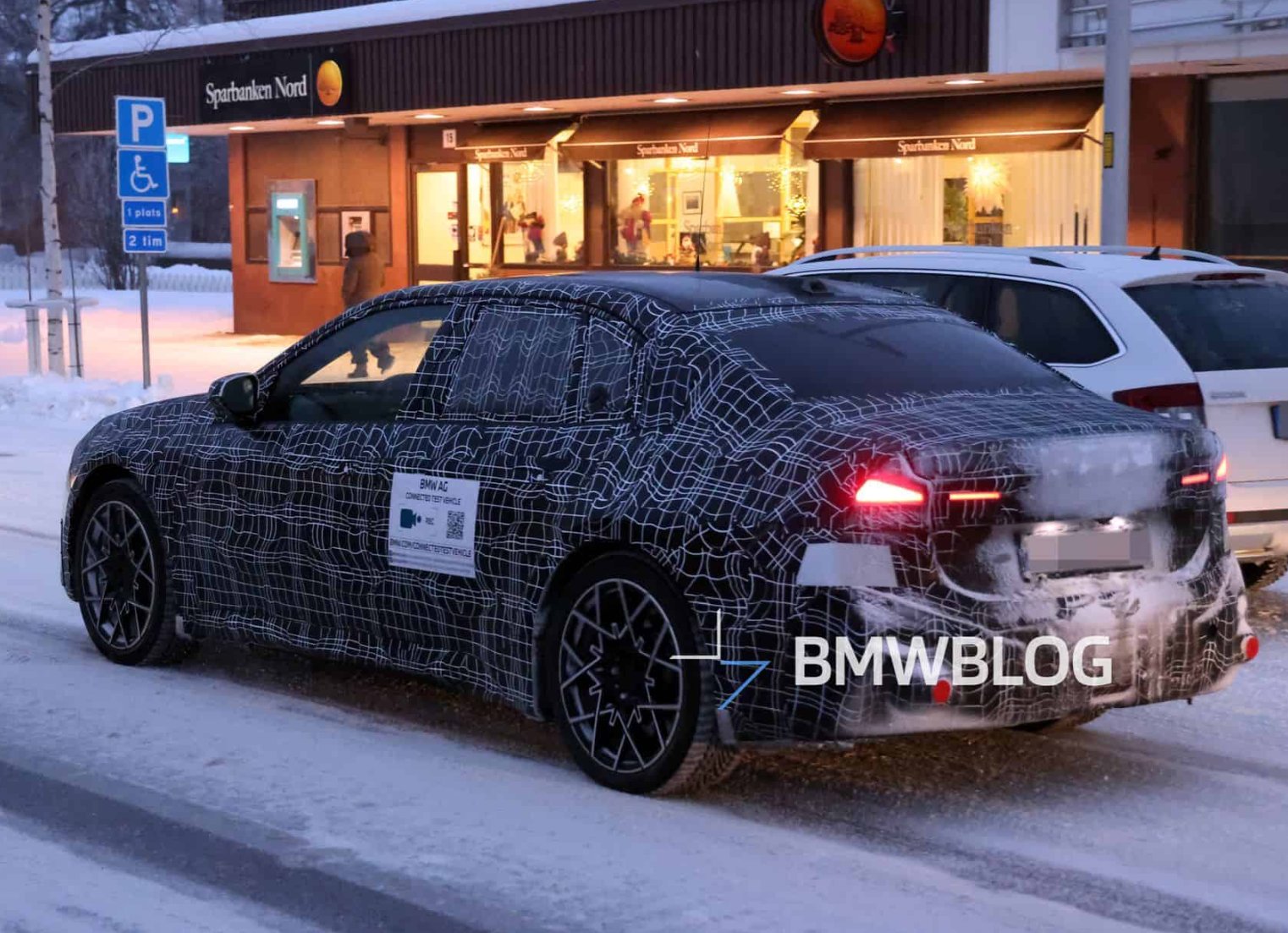
For those who want to buy this car, my personal advice is to hold onto your money tightly first. The current pre-production version is just for show—how many features will be cut in the production version, and whether the price will be outrageously high, are all unknowns.
So don't believe everything you hear. Wait until the real car lands, drive it for a few thousand kilometers, check for rattles, see if the infotainment system crashes—then it's not too late to pay.


