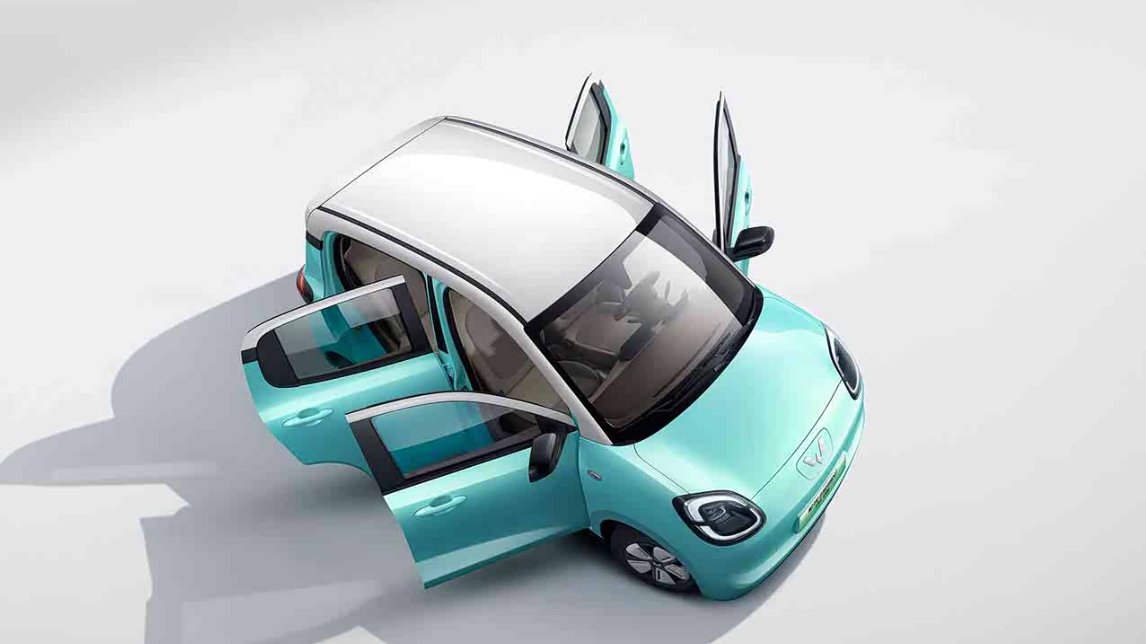
Same as always, let's talk about the freshly baked hot cars, and I think there are still some pleasant surprises.
When it comes to A00-class pure electric mini cars, the Wuling Hongguang MINIEV is naturally a name you can't avoid. This fifth-generation model coming in late March is really not just patching things up for another three years.
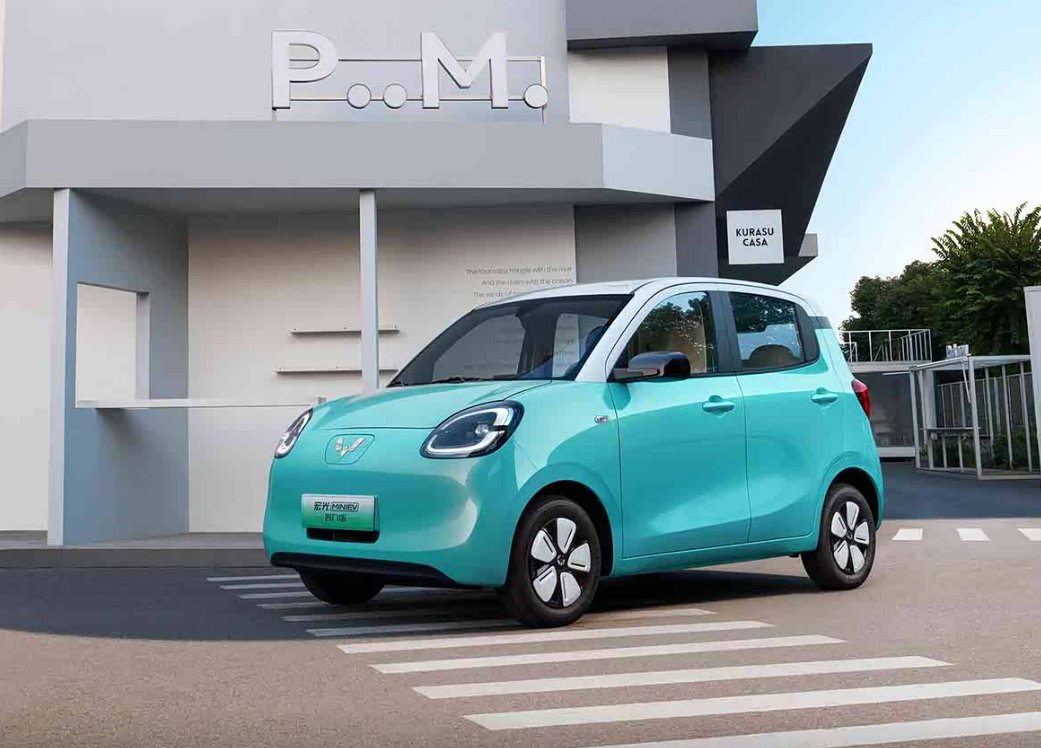
Would you believe it? A Hongguang MINIEV has been stretched into a four-door four-seater!
People used to complain that the two-door version was indeed easy to drive for grocery runs and school pickups, but getting in and out of the back seat was practically manual labor—grandparents holding their grandchildren getting in the car felt like they needed to practice bone-shrinking skills.
This time the pain point is smashed directly, and the four-door design makes the microcar completely return from a two-person toy to a practical tool for real family needs.
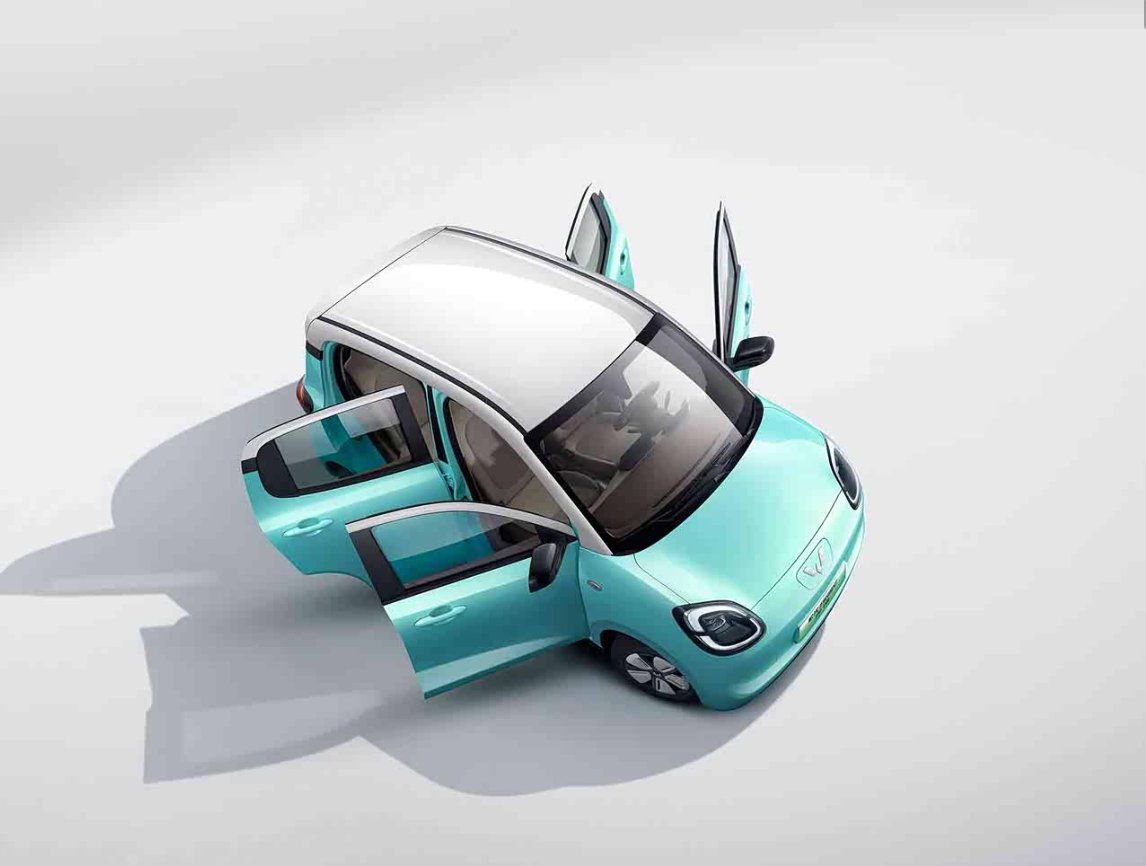
No nonsense, let the data speak: the car is 3268 mm long with a 2190 mm wheelbase. This size is quite spacious among four-door microcars.
Picture the scene: during the morning rush to take the kid to school, you pull open the rear door and the child climbs right in—no more getting out of the car yourself to fold the front seat!
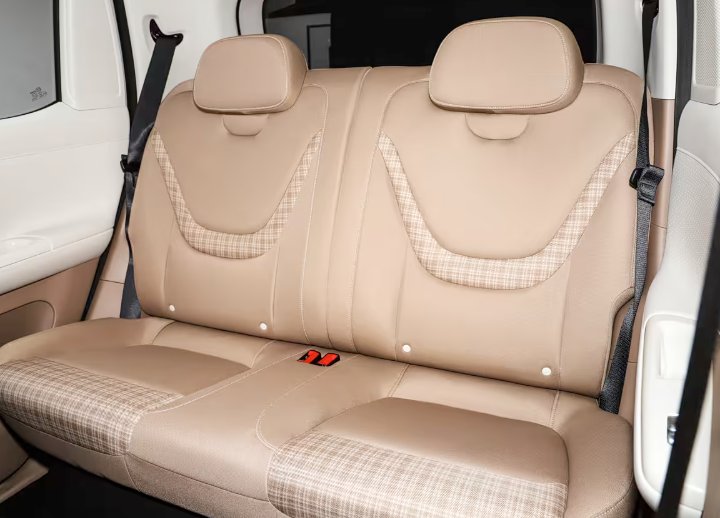
What's really killer? The rear row actually has independent windows, and they're even power-operated!
Many microcars only let the rear glass crack open a slit, which gets really suffocating after sitting for a while. Now with power windows, you can buy a jianbing guozi on the street without even getting out of the car.
Add to that the ultra-low 755 mm rear sill, and hauling a case of bottled water from the supermarket into the trunk doesn't require any strenuous lifting.
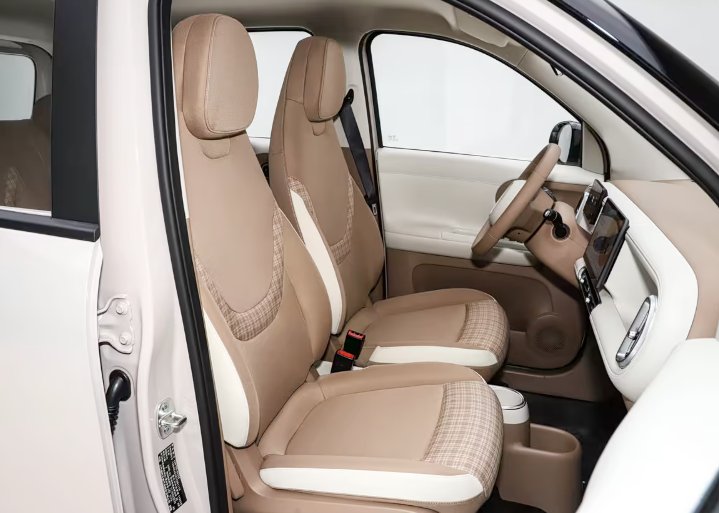
Sit in the driver's cabin and you'll find the space magic is played cleverly. With the column shifter, the front-row left-right passage is completely open—experienced drivers know how great this design is in the city!
Parked too tightly against the wall on the driver's side? Just slide out through the passenger side along the flat floor.
That 10.1-inch central control screen can handle three kinds of phone connectivity via OTA, and the embedded scene modes are the essence distilled from observing life.
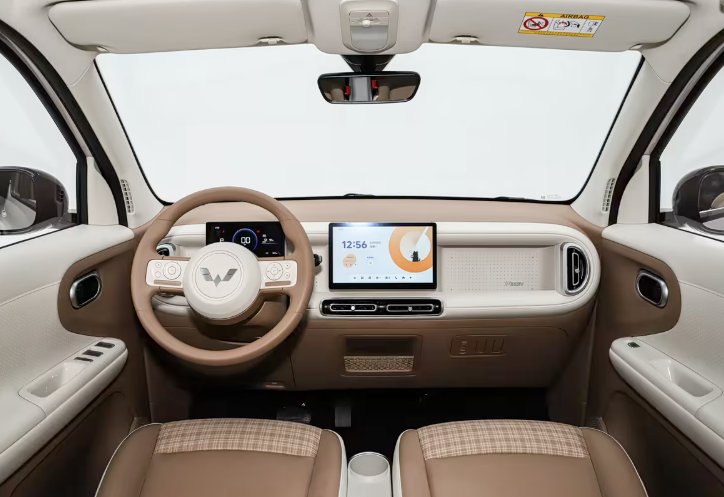
Want to take a nap at noon? The front seat backrest reclines up to 164 degrees, instantly turning into a lounge chair.
Taking the dog to the convenience store? Turn on pet mode, and the AC keeps blowing after you lock the car. The passenger-side storage slot can even be DIY'd into a blind box trendy toy display stand—a proper emotional value charging station.
The power positioning is very pure—it's all about urban commuting. A 30 kW motor beating supercars off the line is a dream, but in city traffic it follows the car ahead briskly and responsively.
With two range versions of 205 km and 301 km, for workers commuting a dozen or so kilometers each way, charging once a week is completely sufficient.
The key point is it supports fast charging—from 30% to 80% in just 35 minutes!
Previously, driving a mini EV farther out always made you nervous, but now in the time it takes to drink a coffee, it's mostly recharged.
Even if there's no charging pile back in your hometown, you can still charge from a 220V household outlet—not being picky is the proper cultivation a national commuter car should have.
Honestly speaking, what are we really after when buying a car? Under 100,000 yuan, what we want is comfort!
It wears retro shells in colors like greeny-green and fluffy white that look like square desserts, but inside it's packed with the practicality of four doors and four seats.
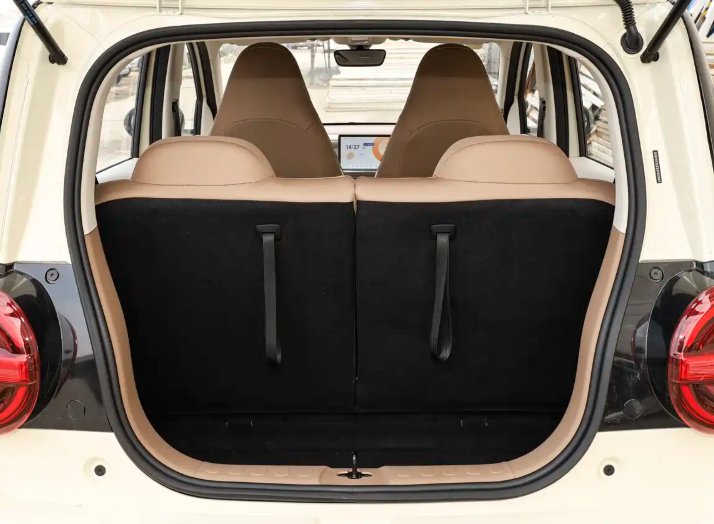
The trunk expands to 838 liters when the rear seats are folded in split proportions, so hauling camping gear for a picnic is no problem at all.
There's nothing flashy or self-indulgent about the whole car—it's all solid, hardcore upgrades that earnestly solve real travel pain points.


