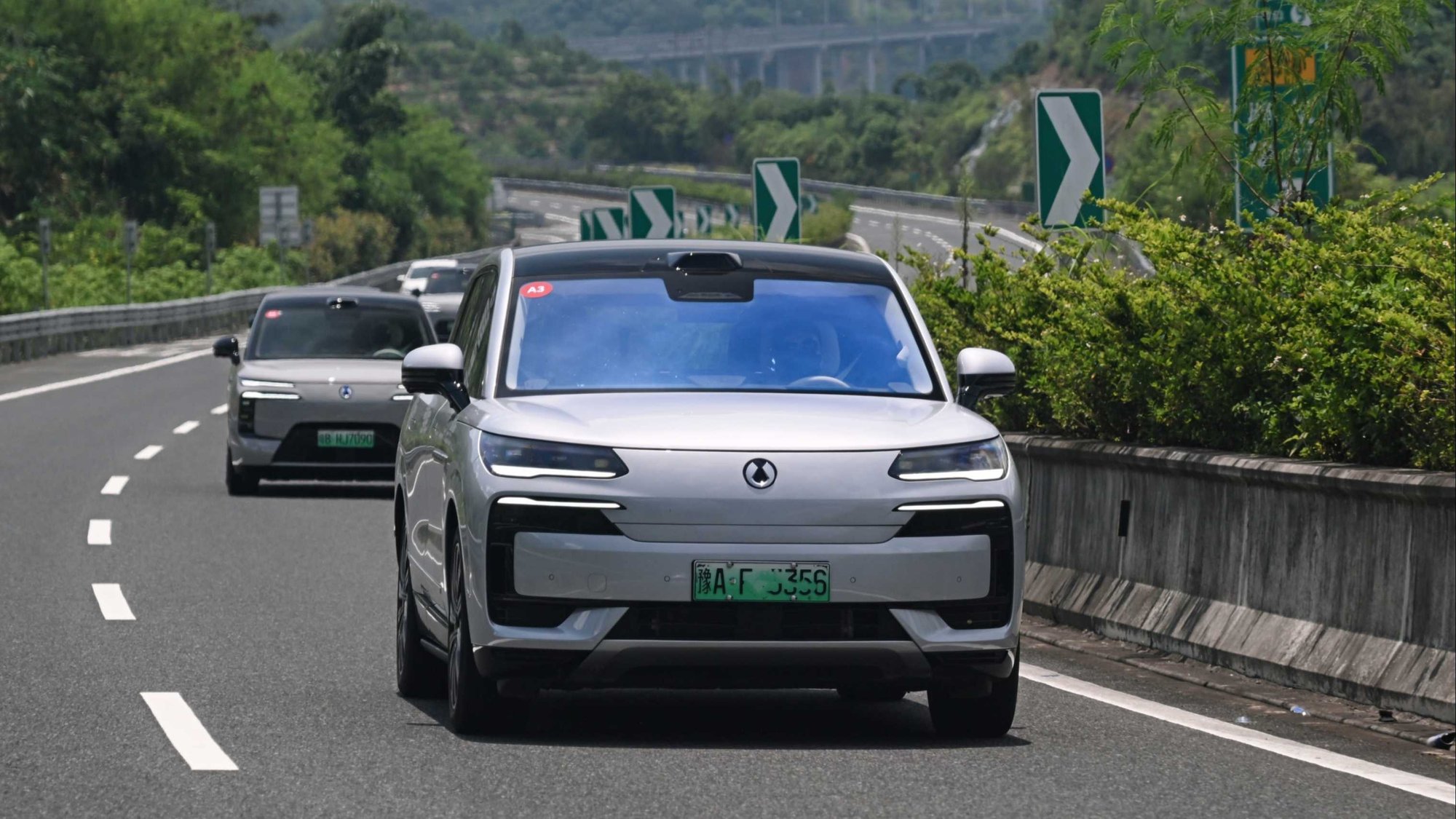
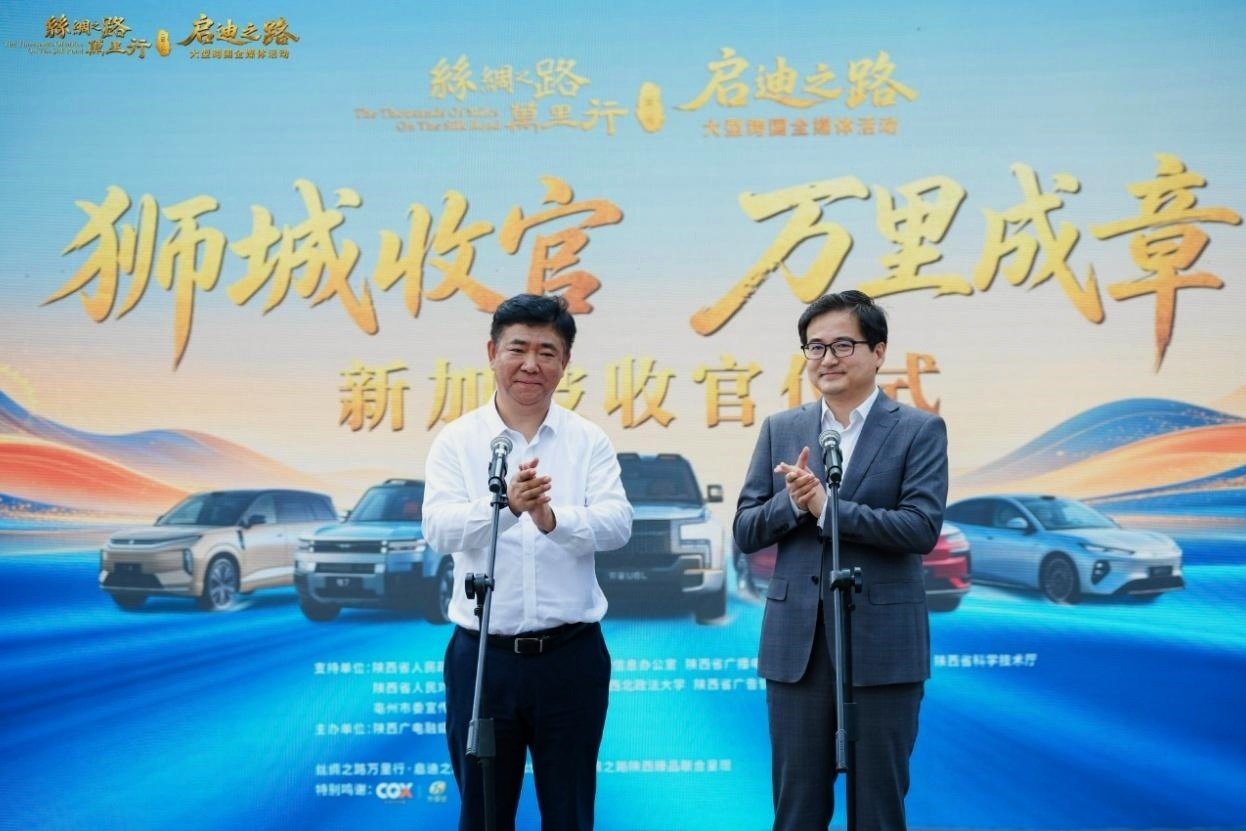
Recently, people keep asking in the comments: "Can electric cars really handle long trips now? Is road-tripping in one reliable?" As it happens, the just-concluded 2026 Silk Road Journey, from the ancient capital Xi'an to the "Lion City" Singapore, lasted 33 days and covered over ten thousand kilometers. BYD provided the answer with a real-world "extreme-condition test."
When driving an EV long-distance, what are people most afraid of? Two hours in line, five hours charging. But on this Silk Road journey, models from Dynasty, Ocean, Denza, Fangchengbao, and Yangwang all used flash charging, going from 10% to 70% in 5 minutes and to 97% in 9 minutes—saying goodbye to being a "charging slave."
What does that mean? In the time it takes to buy a coffee and use the restroom at a service area, the car is already "back to full health." Currently, more than 10,000 flash-charging stations have been built nationwide, and that number may exceed 20,000 within the year, turning "charging as fast as refueling" from an advertising slogan into everyday reality.
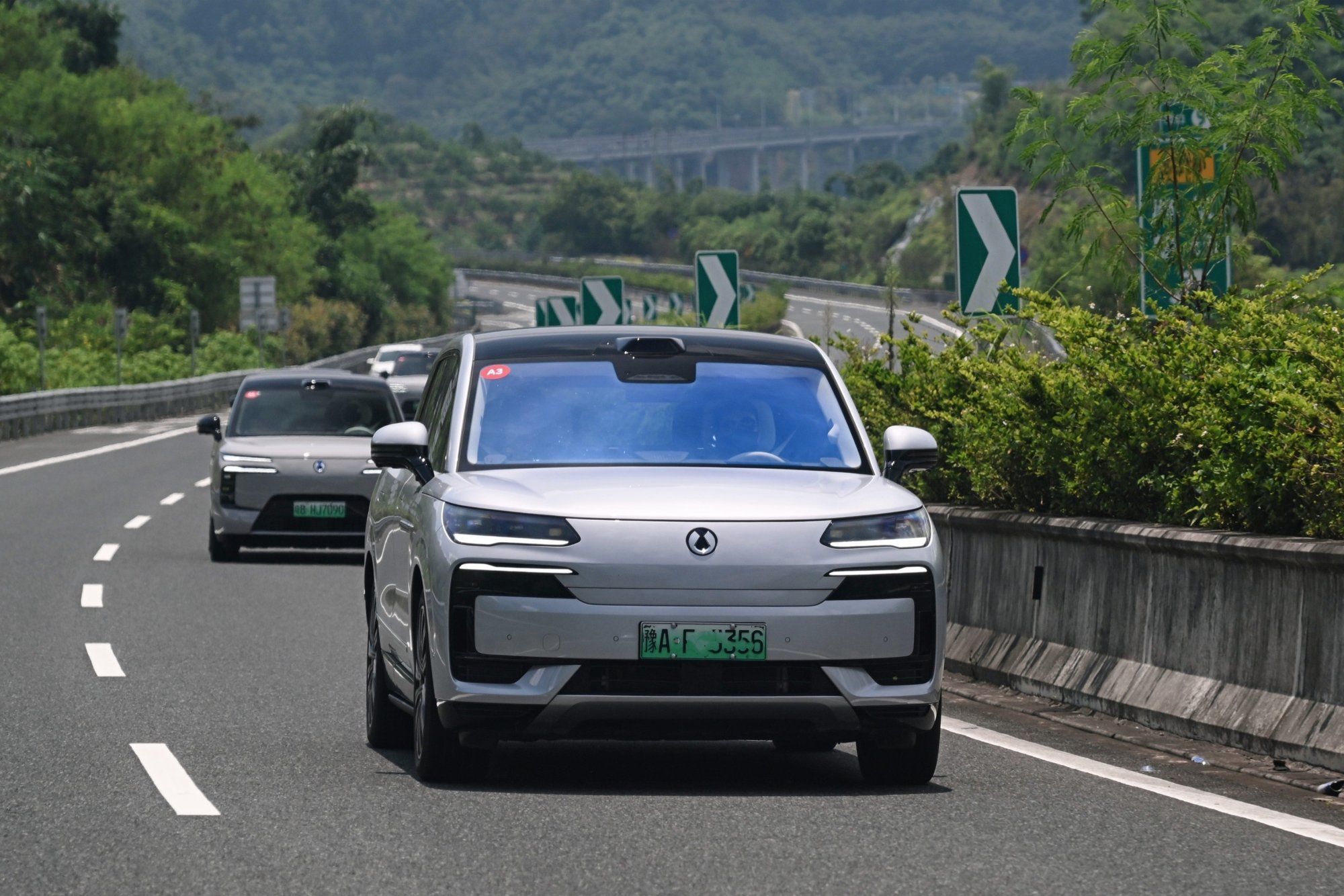
Long-distance driving tests the driver's energy. On this Silk Road journey, the God's Eye assisted driving system was online the whole time. Its intelligent driving capability, trained on real-world driving data exceeding 220 million kilometers per day, became the fleet's most reliable "invisible co-pilot" on highways and in congested urban sections.
Here I must mention BYD's vision: it pioneered the "double guarantee" policy. It provides a lifetime smart parking safety guarantee for all products equipped with God's Eye, and a one-year guarantee for the urban navigation feature of God's Eye A/B. As a result, people have even more confidence in God's Eye and can use it with peace of mind.
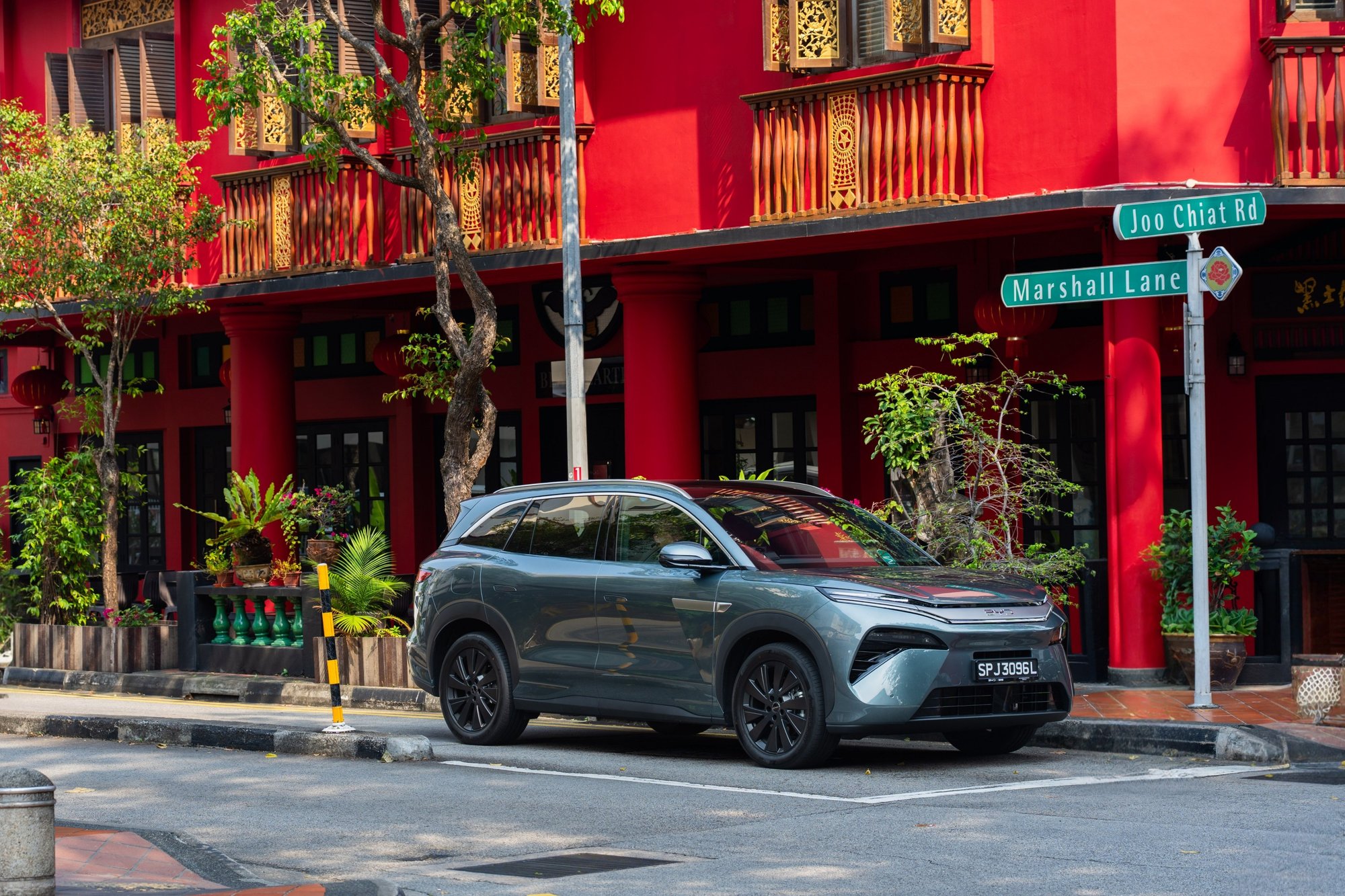
Having discussed the event, let's focus on Singapore. Choosing Singapore for the finale is highly meaningful. As everyone knows, Singapore's Certificate of Entitlement is the most expensive in the world, market entry barriers are extremely high, and consumers are very discerning. In such a market environment, BYD not only avoided a price war but even sells at higher prices than in China.
And the result? As of July 2026, BYD has topped Singapore's passenger car all-brand sales rankings for 19 consecutive months! In the first seven months of this year, its market share reached 24.7%, and in the pure electric market it accounted for 40.3%! In the eyes of Singaporeans, BYD is a high-end brand that is "pricier but worth it."
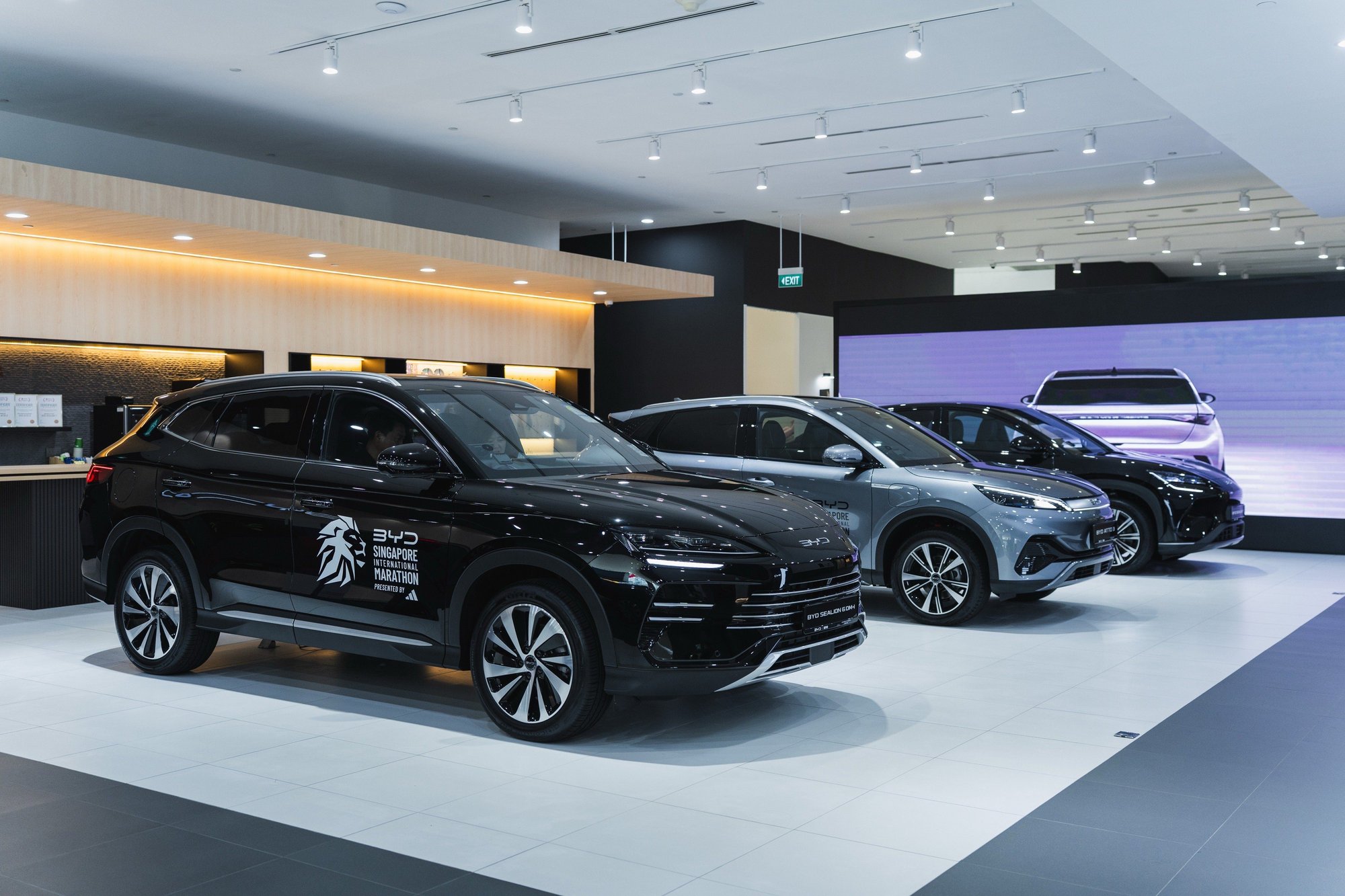
Behind this is not simply the export of new energy vehicles, but an industrial ecosystem going global—from the technology premium of Blade Battery and DM super hybrid, to overseas factories and its own ro-ro fleet, and even Brazil incorporating BYD's charging standard into regulations.
Final thoughts
A long journey on the Silk Road, accompanied by green energy. This ten-thousand-kilometer journey showed me the ultimate form of Chinese automakers going global: not to engage in cutthroat competition, but to conquer—letting China's new energy vehicles, like silk, porcelain, and tea from a thousand years ago, go out from China and conquer the world. The Singapore finale is not the end, but a new starting point for Chinese automobiles to sprint at full speed!


