
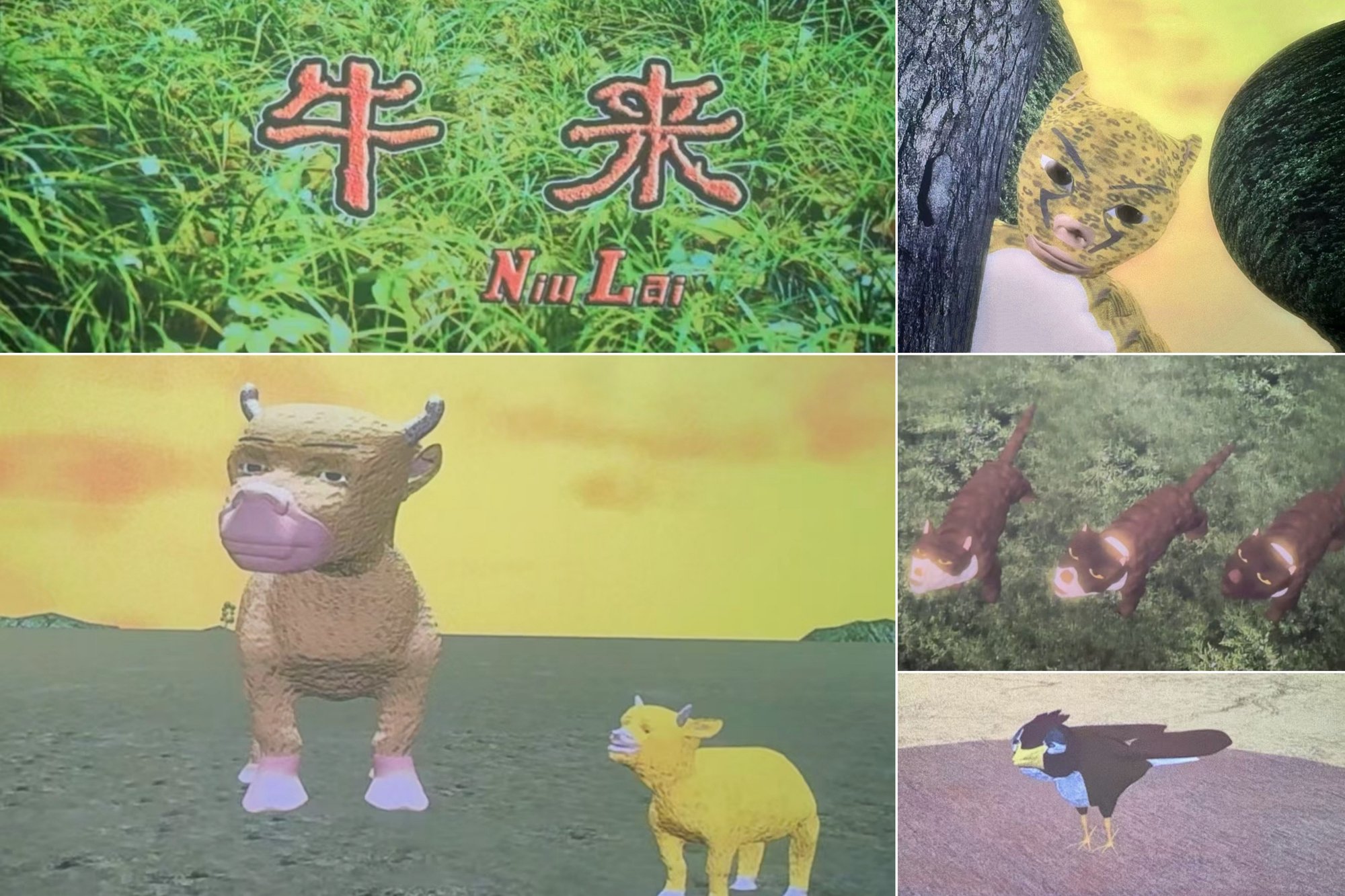
Recently, a strange phenomenon appeared in the film world: the animated film *Niu Lai* became inexplicably popular. The director and a mother born in the 1960s hand-crafted it for five years—and the result? The modeling is as rough as something from the last century, and the movements are so stiff they are suffocating. Five years to sharpen a sword, yet what came out was a blunt blade. Zhidianchexun believes that *Niu Lai* offers a reminder to the auto industry: time has never been an absolute indicator of quality, and there is no need to condemn all "quickly built cars" with one sweeping judgment.
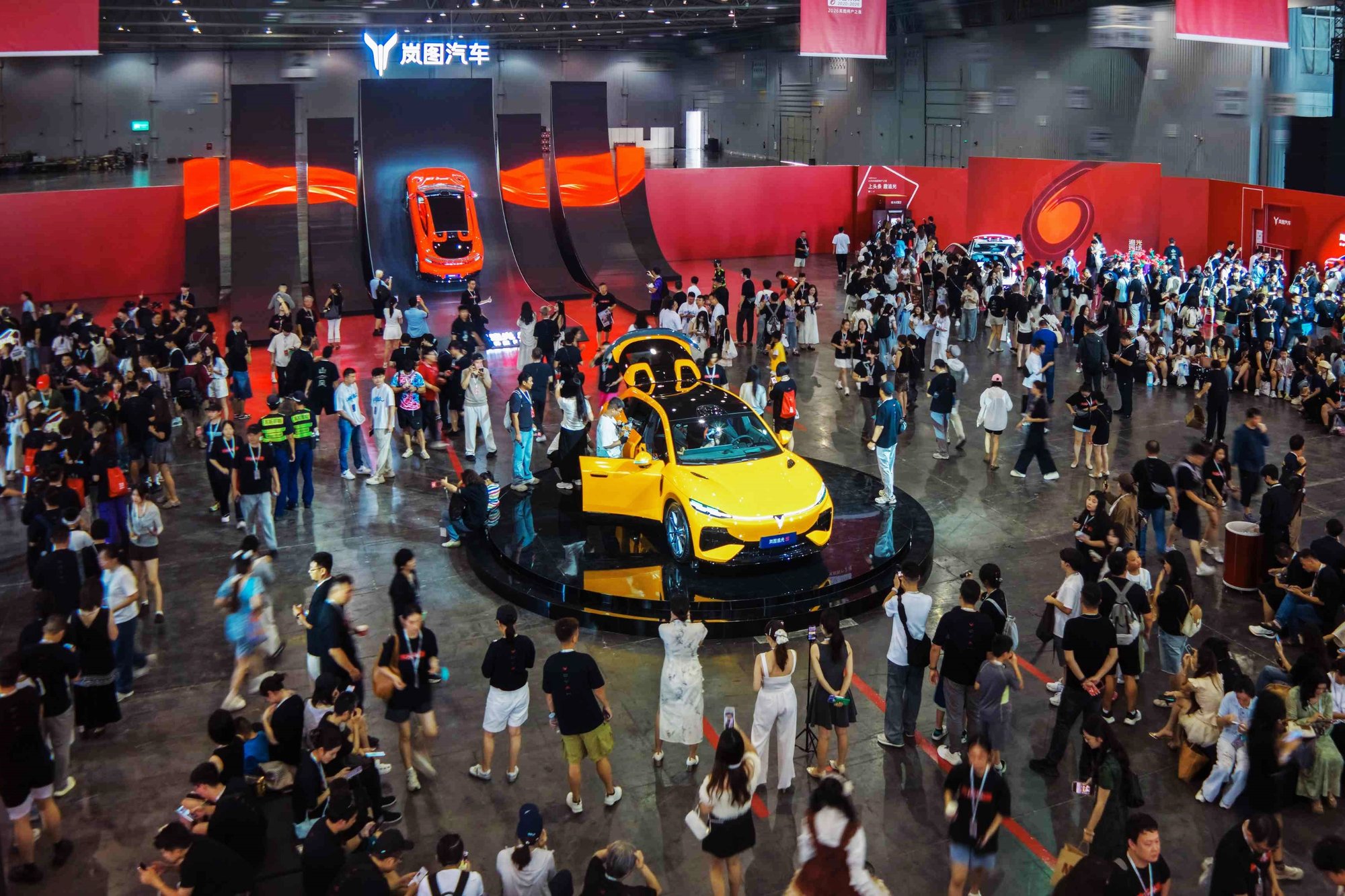
In the era of fuel vehicles, a new car took at least three to five years from project approval to mass production. There was no way around it back then: not only were R&D staff limited, but all validation had to be done by running real vehicles lap after lap. But what about now? There are more R&D staff and better R&D tools, and the average development cycle for new cars in China has been compressed from 60 months to 24 months, with some brands even reaching 18 months. Some people are starting to panic: so fast—can it be reliable? Discussion about "quickly built cars" is everywhere, as if a car with a shorter development time must be poor.

But Lu Fang, chairman of Voyah Auto, put it well: a short development time does not equal a "quickly built car." There is only one criterion: whether the R&D and validation process is complete. If it violates the rules, cuts corners, and reduces testing, that is truly a quickly built car; if the cycle is short but every test has been completed meticulously, that is an "efficient car." For example: from Wuhan to Beijing, walking takes half a year, but now a high-speed train gets there in 4 hours—can you call that "quickly built travel"? Obviously not; it is simply that the means of transportation have improved.
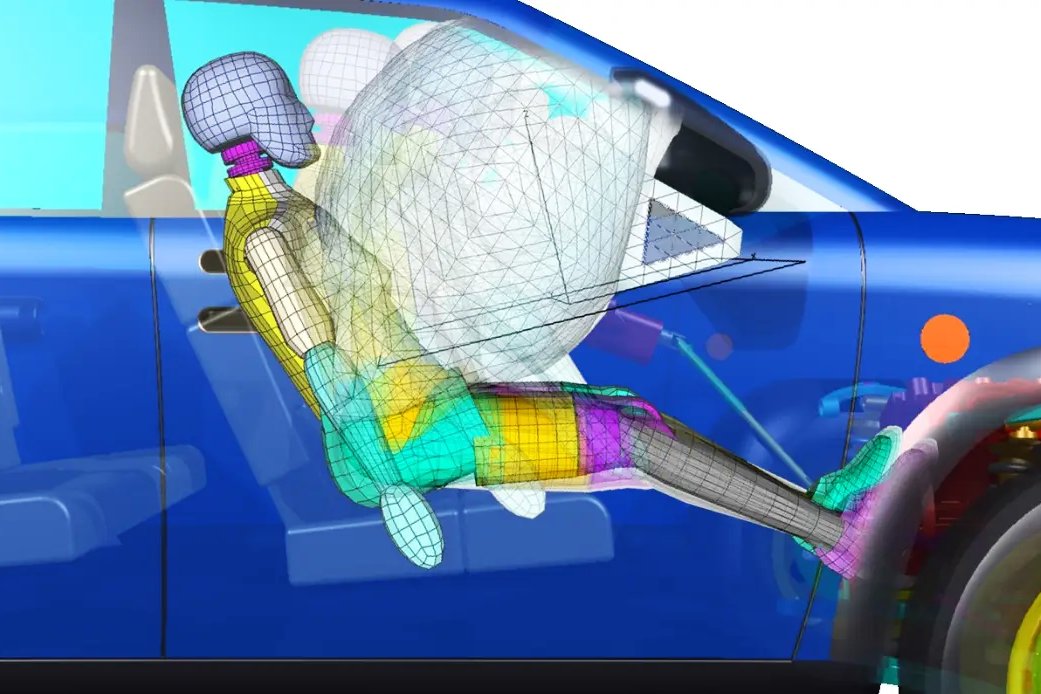
Why can today's new energy vehicles be built so fast? Platformization and modularization allow mature architectures to be reused across models, so there is no need to start from scratch every time. Simulation testing allows automakers to run millions of kilometers of extreme conditions in the virtual world, greatly compressing the physical testing cycle. McKinsey data shows that about 65% of Chinese automakers have adopted software simulation and virtual prototype technology in R&D and testing, significantly higher than the 40%-50% of automakers in other regions globally. This is not quick building; it is an efficiency revolution.

So what should the auto industry truly be on guard against? It is the kind of shoddy manufacturing that, under the banner of "fast," cuts corners and simplifies validation. Li Fenggang, general manager of Beijing Hyundai, once publicly criticized that some brands dare to launch after validating only one stage, such as design or mass production, letting consumers act directly as test drivers. This is the truly condemnable "quickly built car": fast, yes, but with no bottom line left, worrying quality, and a pile of "defective products" built, ultimately bringing endless disaster to both the company itself and consumers.
Looking at it from another angle, *Niu Lai* took 5 years and had all the procedures in order: the script was filed in 2021, and the public screening license was obtained in 2024. But what was the result? The required processes were followed, yet the quality was still terrible. Time is only one dimension, not a guarantee of quality. So do not be fooled by the length of R&D time. Slow work does not necessarily produce fine work, and a fast horse is not necessarily a inferior colt. This is true for films, and likewise for cars.
Written at the end
A good animation depends on professional capability and system assurance; a good car depends on technical strength and solid validation. Zhidianchexun firmly opposes "quickly built cars" that use speed as an excuse and treat consumers as guinea pigs, but supports "efficient cars" that use smarter and faster methods to complete validation and testing. Next time you hear the words "quickly built car," do not jump to a conclusion; you might ask one more question: Have its tests been done completely?


