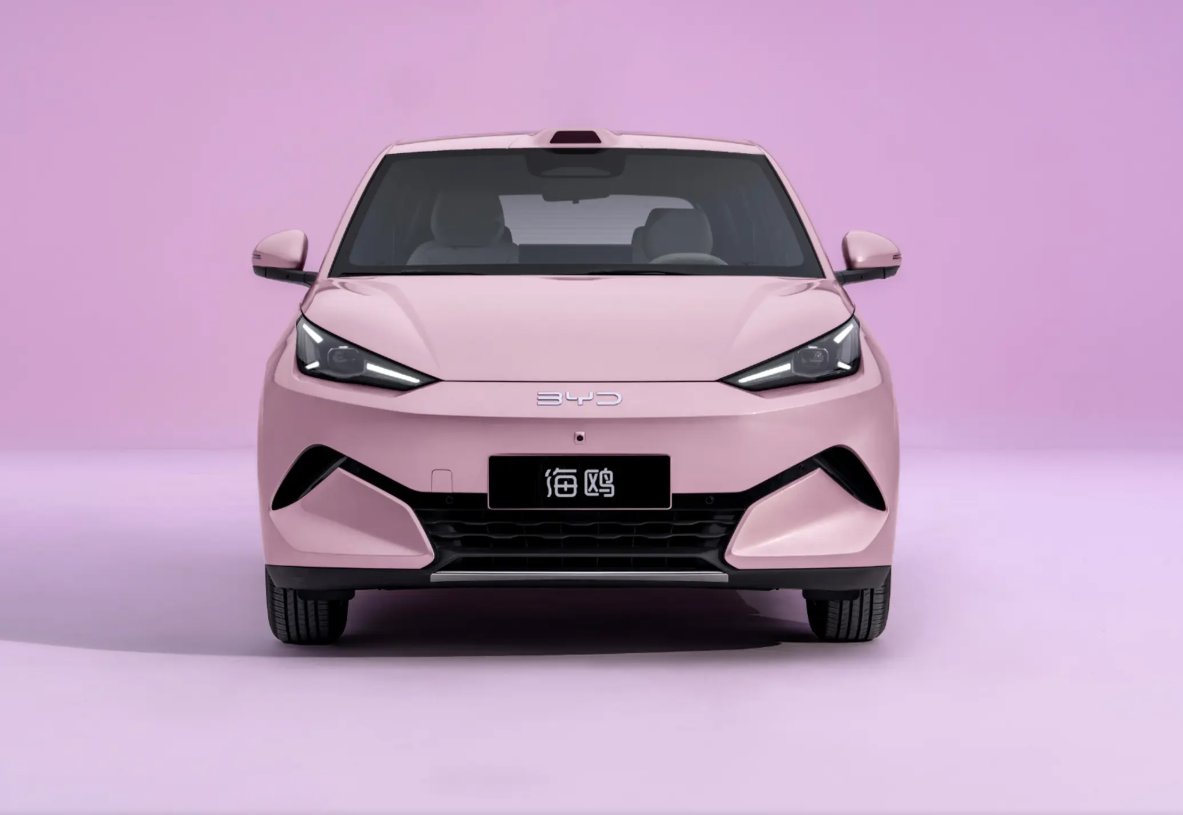
On October 20, BYD launched the second-generation Seagull in Zhengzhou, offering five configurations: the 320km Vitality Edition at 65,900 yuan, the 320km Freedom Edition at 72,900 yuan, the 420km Comfort Edition at 75,900 yuan, the 420km Flying Edition at 82,900 yuan, and the 420km Smart Fun Edition at 99,900 yuan.
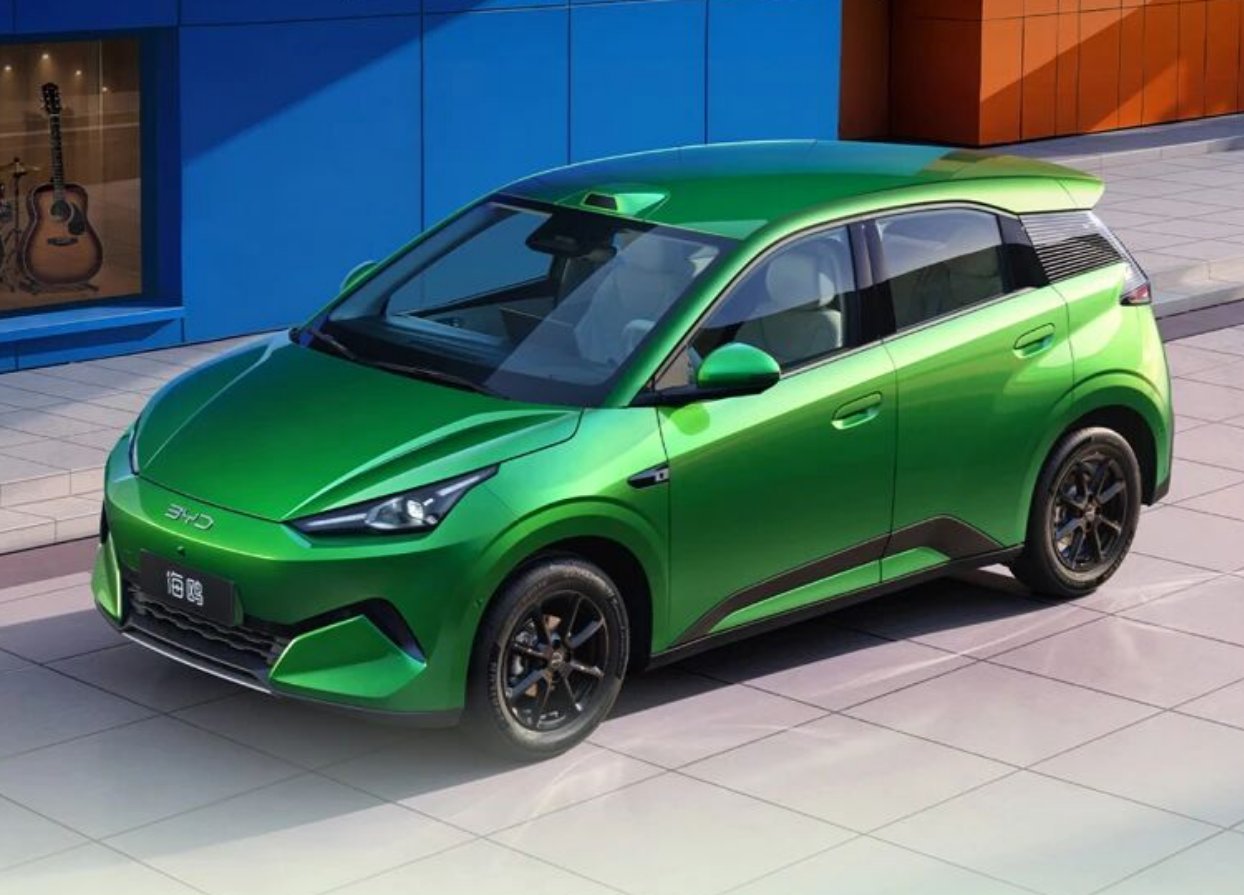
▲ Official main visual: second-generation Seagull
Exterior: six new colors added
The new car's exterior continues the Ocean Aesthetics design, with a closed-off front face featuring the BYD lettering logo, headlight clusters with three embedded radial daytime running lights, a floating roof and semi-hidden door handles on the side, 205/60 R16 tires, and a drag coefficient of 0.28. Paint colors include Lime Green, Berry Pink, Mango Orange, Ice Coconut Blue, Cream White, and Sesame Gray, while the interior offers three color schemes: Shell White, Clear Sky Pink, and Polaris Gray.
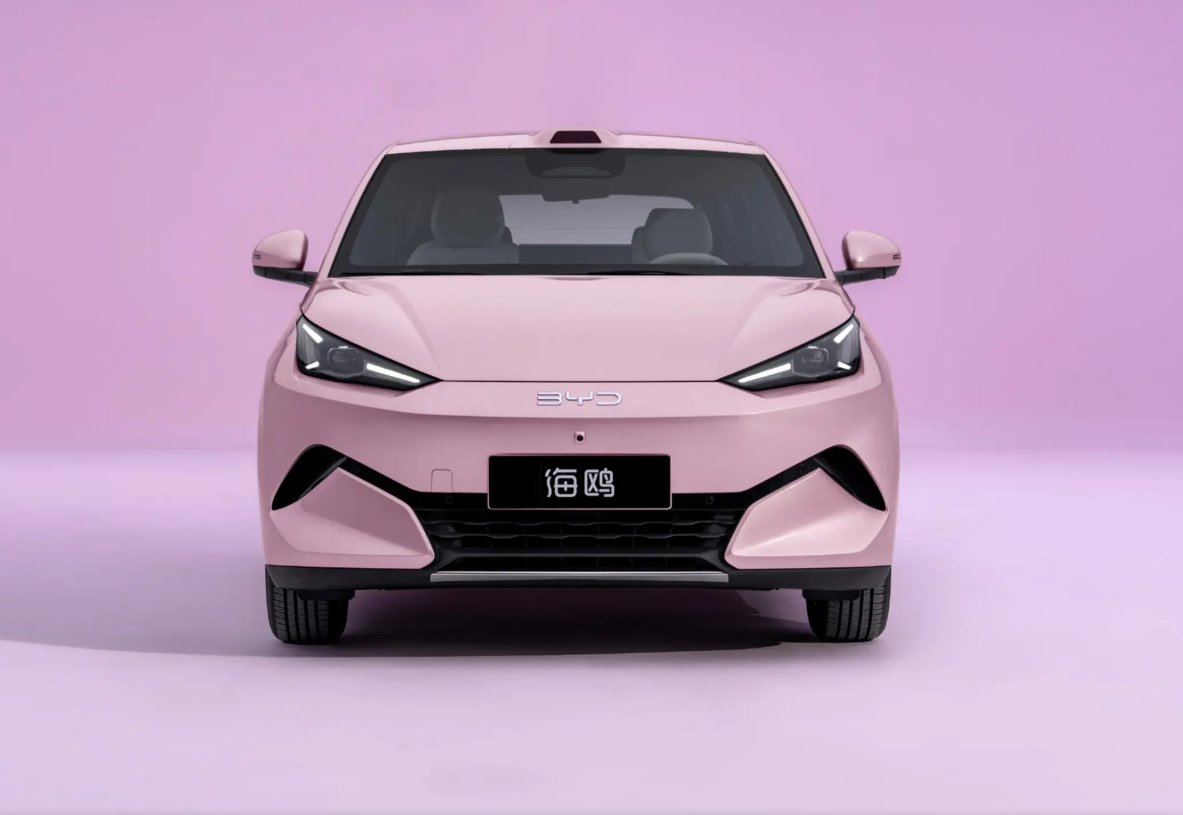
▲ Front face: closed-off styling and three radial daytime running lights
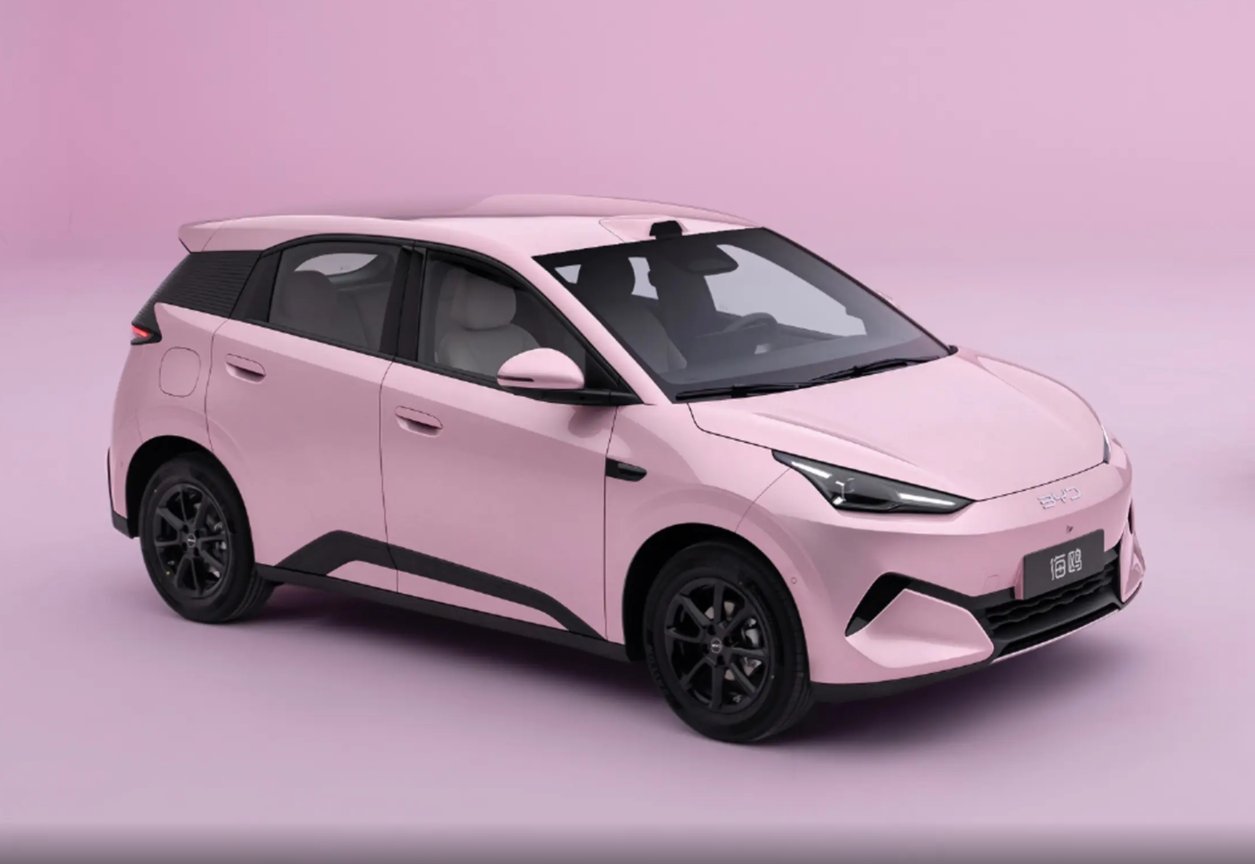
▲ Side: floating roof and semi-hidden door handles
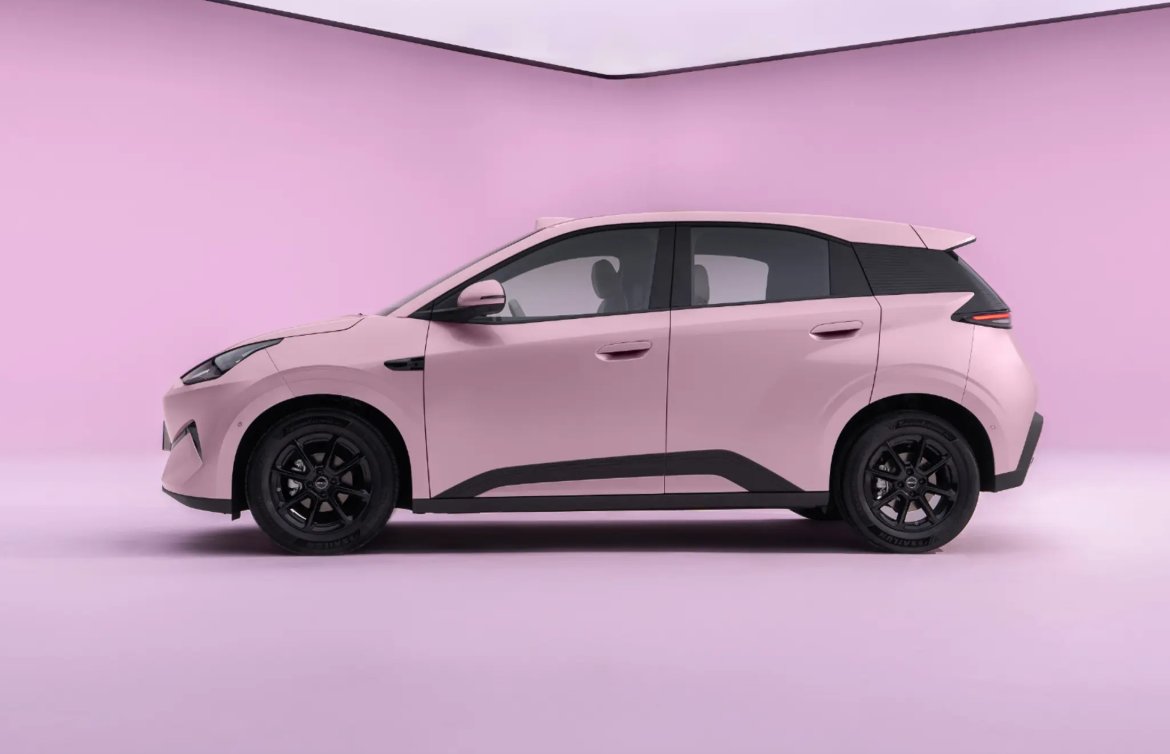
▲ Side profile: body length increased by 425 mm compared with the previous generation
Space: four seats become five, plus an added front trunk
The new car measures 4205mm long, 1810mm wide, and 1570mm tall, with a 2650mm wheelbase. Compared with the previous generation, body length is up 425mm, width up 95mm, and wheelbase up 150mm, while the seating layout has changed from four seats to five. With the larger body, cargo capacity has also improved. A new 94-liter electric front trunk has been added, which can be opened by tapping the hood twice; the rear trunk has a standard capacity of 380 liters, expanding to 1380 liters when the second-row seats are folded down. The interior features 31 storage locations, including a hidden tissue box, storage boxes under the second-row seats, and hidden hooks.
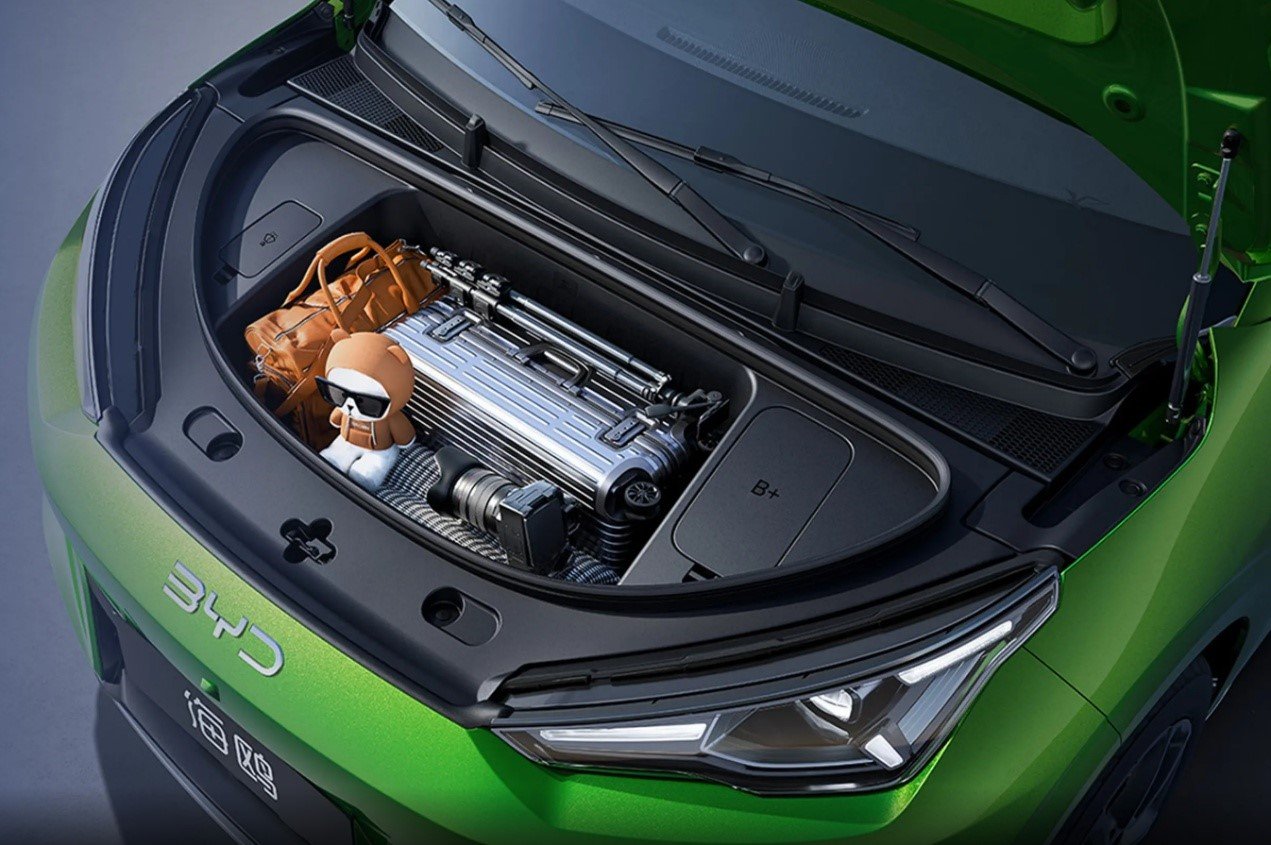
▲ 94-liter electric front trunk, opens by tapping the hood twice
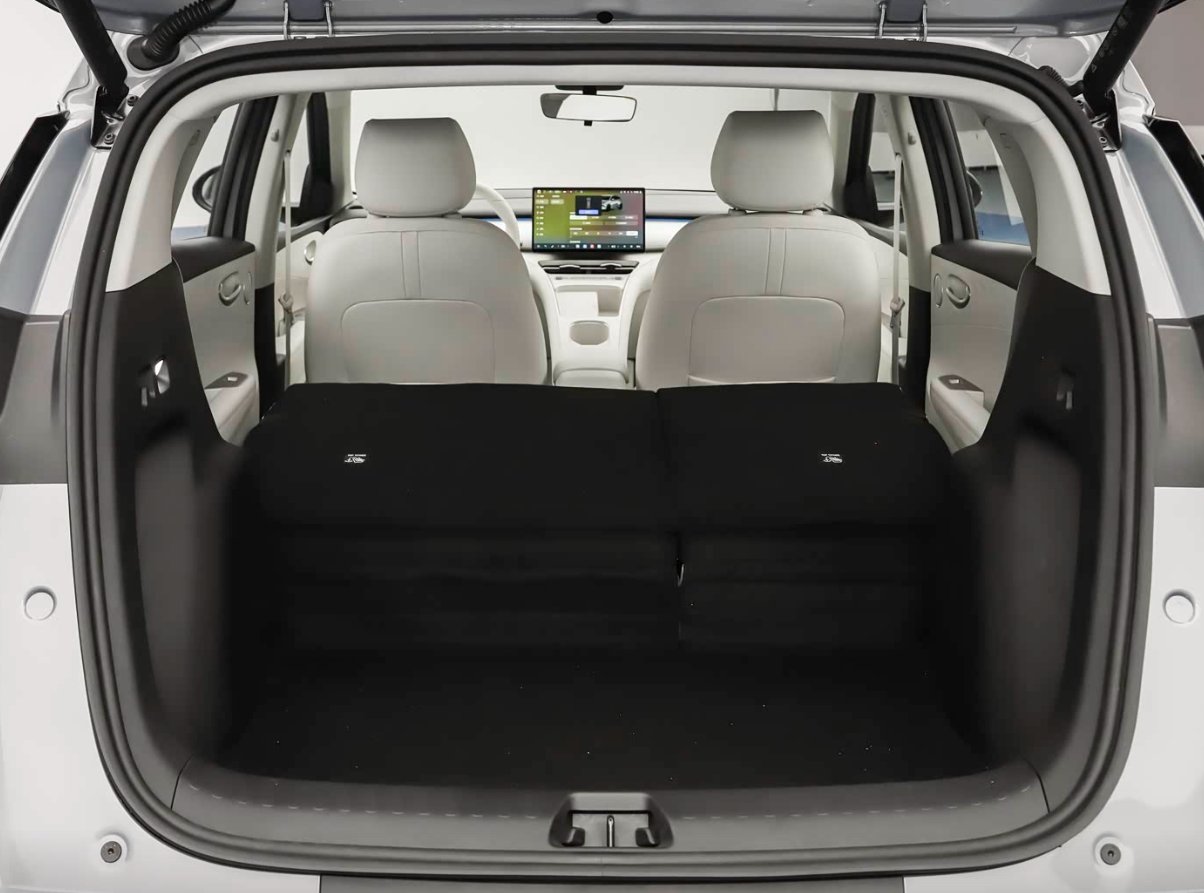
▲ With the second-row seats folded, the trunk expands to 1380 liters
Cabin: instrument cluster removed, leaving only one screen
The cabin is equipped with the DiLink 150 system, with the independent instrument cluster removed and driving information integrated into the 12.8-inch central control screen; after shifting into D, it can switch to split-screen display, while the top-trim Smart Fun Edition upgrades to 15.6 inches. The front row retains physical air-conditioning buttons and reserves magnetic attachment points. Power seat adjustment, front-row ventilation and heating, and driver's-seat massage appear on the Freedom Edition, Flying Edition, and Smart Fun Edition, which are also equipped with 8-speaker audio, 50W wireless charging, multi-color ambient lighting, and rear air vents.
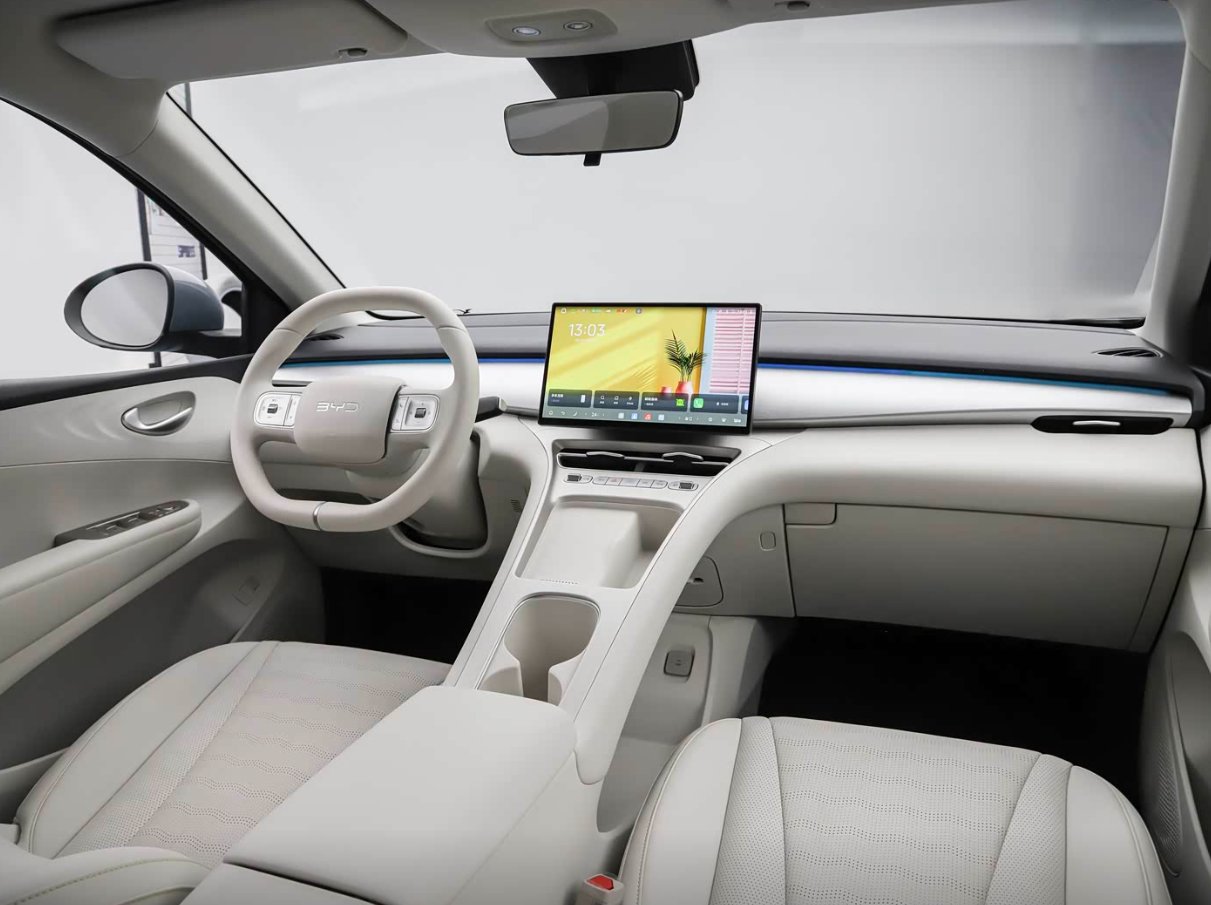
▲ Driving information integrated into the 12.8-inch central control screen
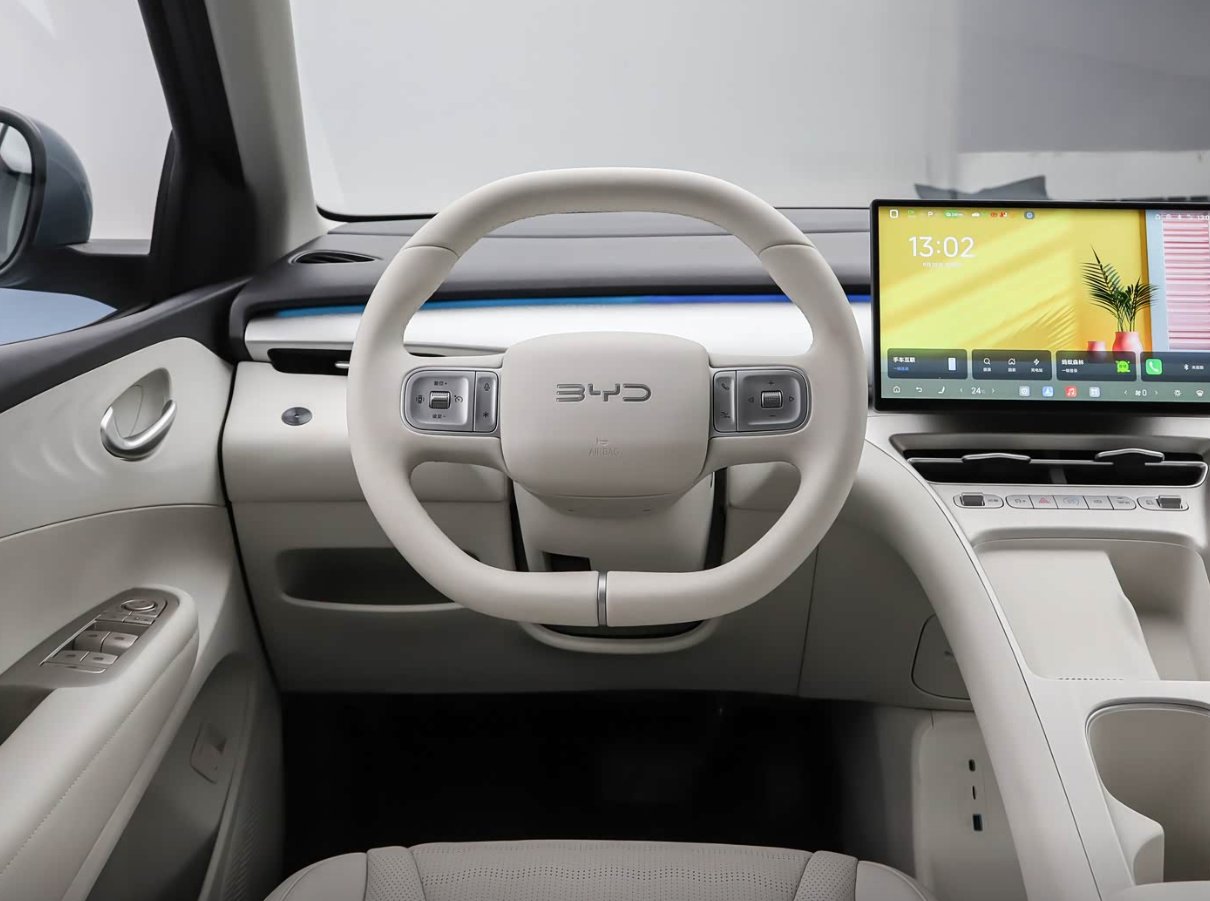
▲ Physical air-conditioning buttons retained in the front row
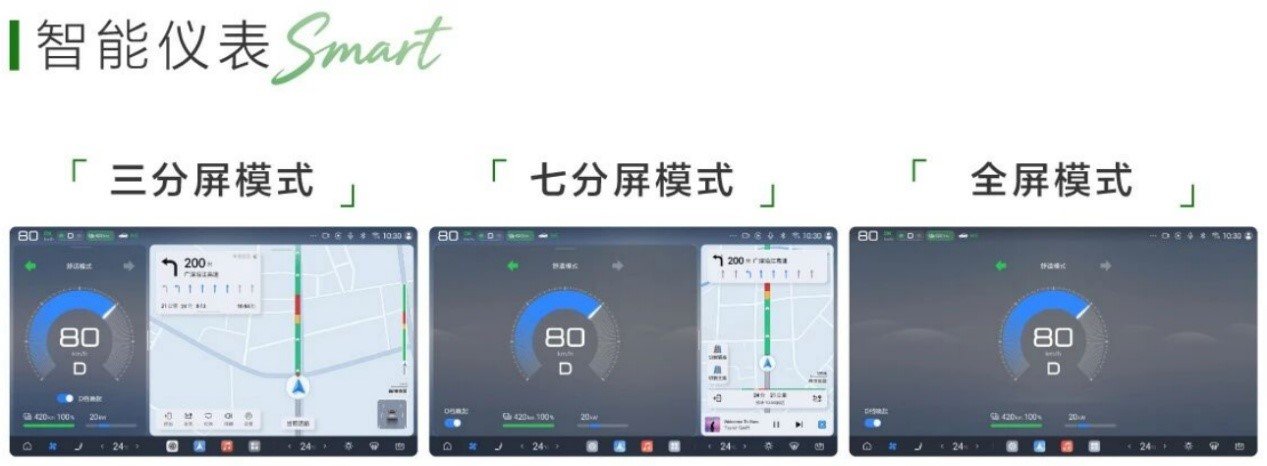
▲ Split-screen display after shifting into D: three-split, seven-split, and full-screen modes
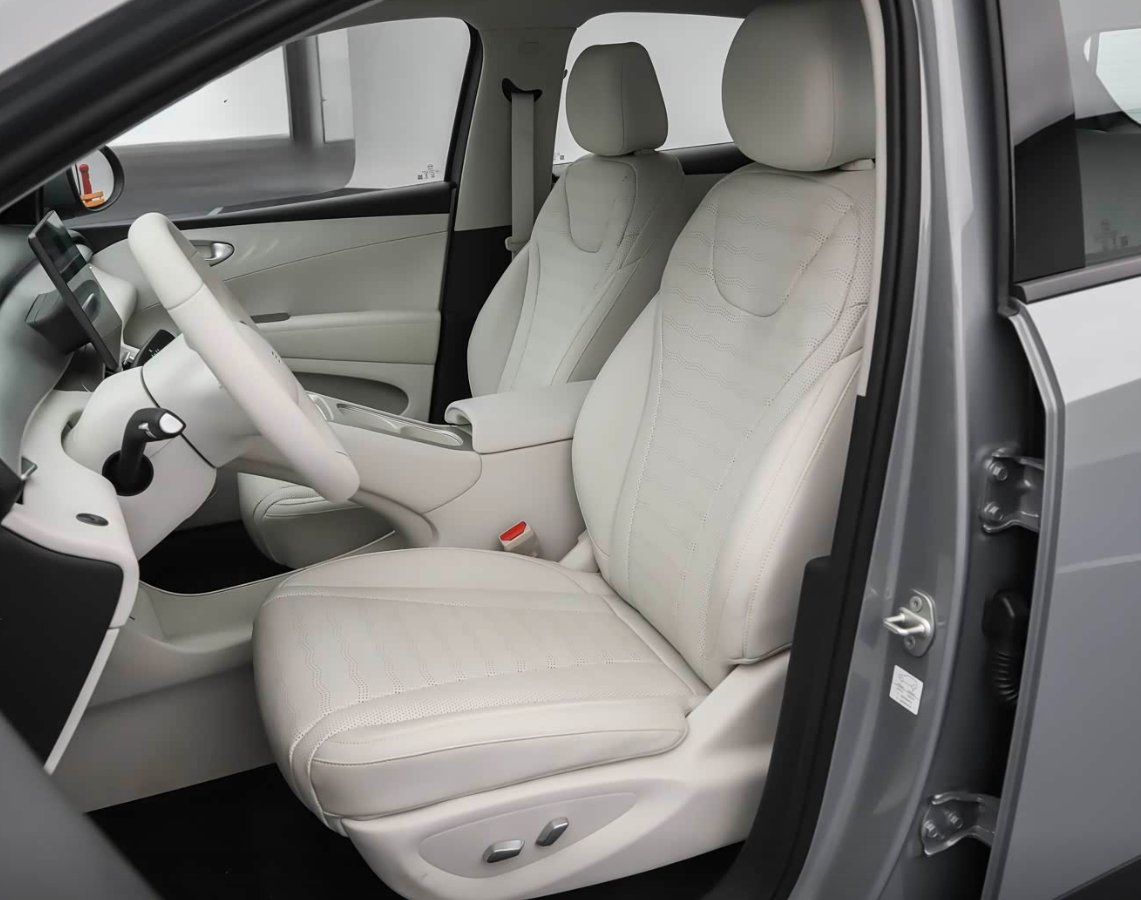
▲ Front seats in real shots: power adjustment, ventilation and heating, and driver's-seat massage
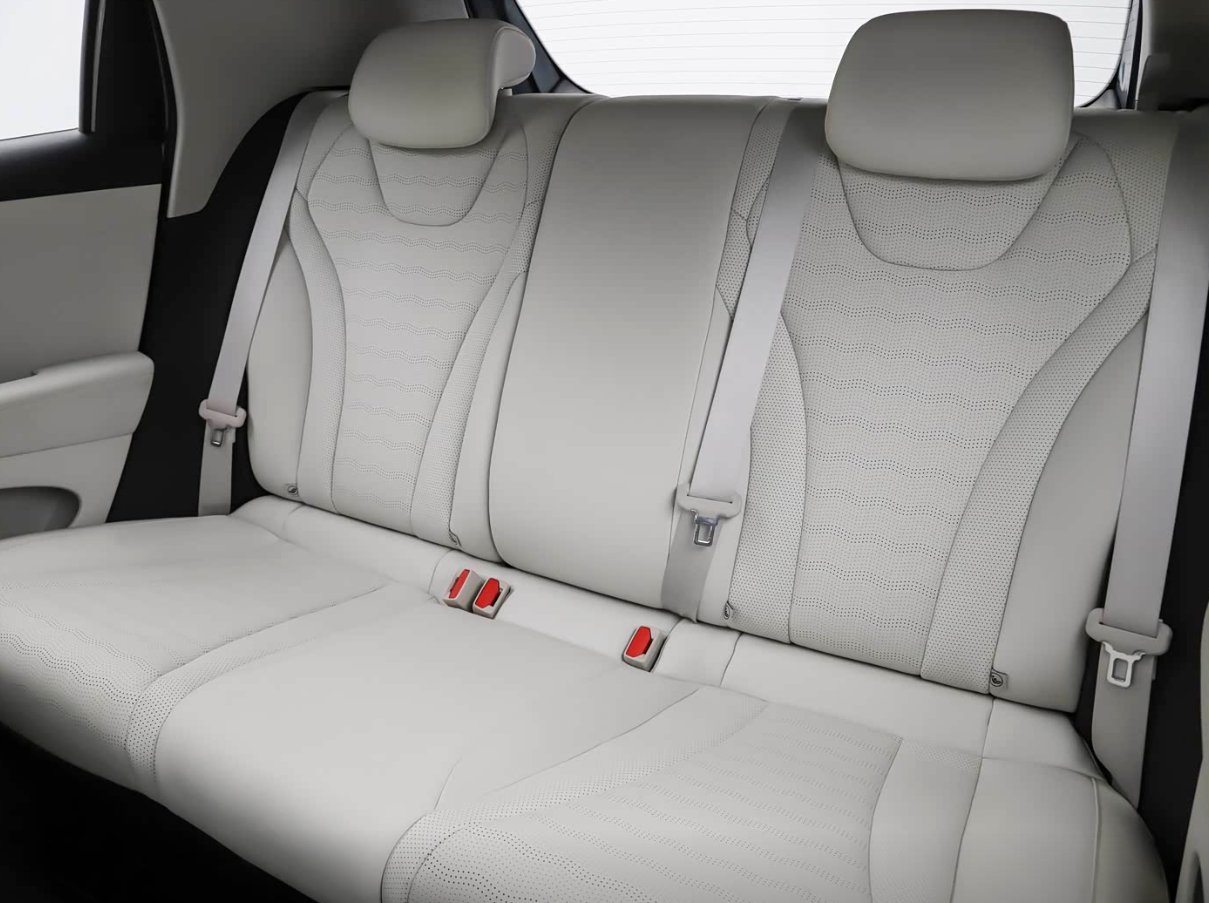
▲ Rear seats in real shots: five-seat layout
Smart driving: God's Eye B, only on the top trim
The Smart Fun Edition is equipped with God's Eye B assisted driving LiDAR version, with hardware including 1 LiDAR, 3 millimeter-wave radars, 12 ultrasonic radars, 11 cameras, and 1 in-cabin camera; forward perception uses a binocular setup, and the smart-driving chip is NVIDIA Drive Orin-X with 254TOPS of computing power, offering urban navigation assist, highway and expressway navigation assist, and intelligent parking assist. Standard features include 360-degree panoramic imaging, Sentry Mode, and rear parking radar.
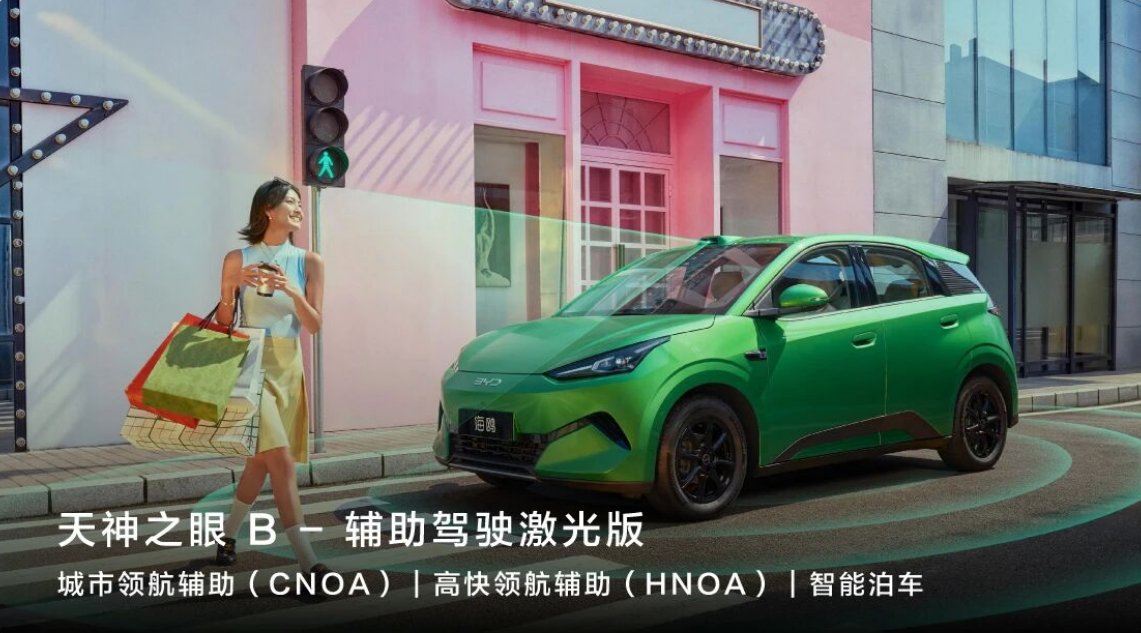
▲ Urban navigation assist, highway and expressway navigation assist, and intelligent parking assist
Chassis: front drive changed to rear drive, torsion beam changed to independent suspension
The new car has changed from the previous generation's front-mounted front-wheel drive to rear-mounted rear-wheel drive, and the rear suspension has been upgraded from a torsion beam to a multi-link independent suspension, while the front suspension is MacPherson-type, with a minimum turning radius of 4.95 meters. In terms of power, the 320km version's motor has a maximum power of 85kW, a battery capacity of 30.1kWh, and a CLTC range of 320km; the 420km version has 95kW, a battery capacity of 39.2kWh, and a CLTC range of 420km. The 420km version is equipped with the second-generation Blade Battery and supports flash charging, going from 10% to 70% in about 5 minutes and to 97% in about 9 minutes.
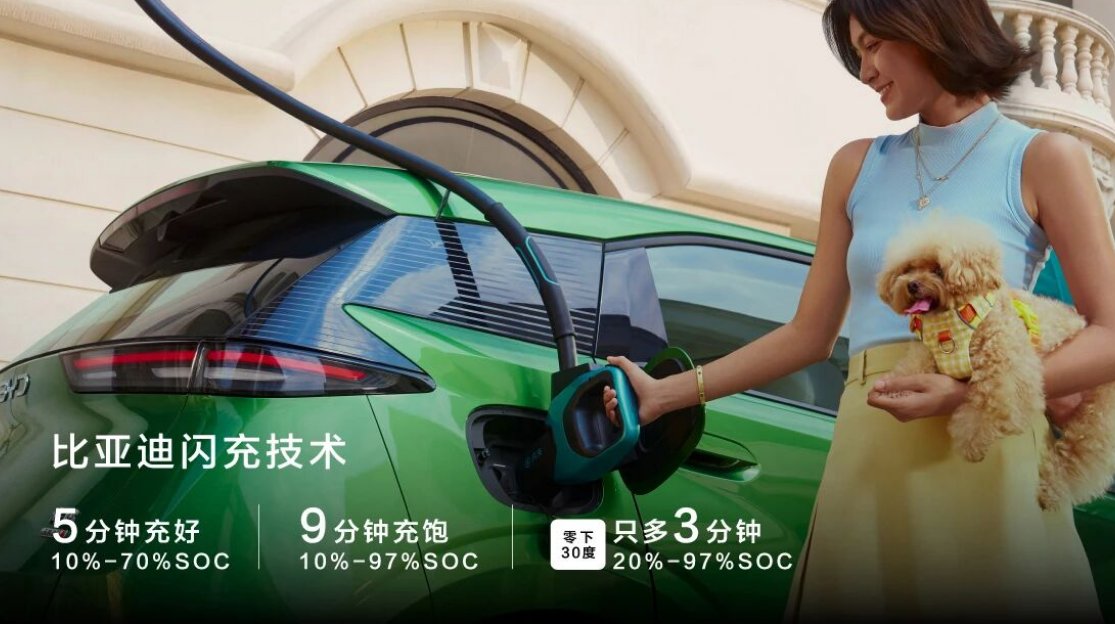
▲ Flash charging: 10% to 70% in about 5 minutes
Xiao Tang's View
Removing the independent instrument cluster and offering advanced smart driving only on the top trim are two points easily read as de-contenting; at the other end of the same equipment list, rear-mounted rear drive and rear multi-link independent suspension are not split by version. Among models in the same class, rear drive plus independent suspension is no longer unique, and this looks more like catching up, bringing the previous generation's torsion-beam front-drive shortcoming up to mainstream. The differences lie in charging speed and the top trim's urban navigation, leaving an experience gap between the entry version and the "second generation."


