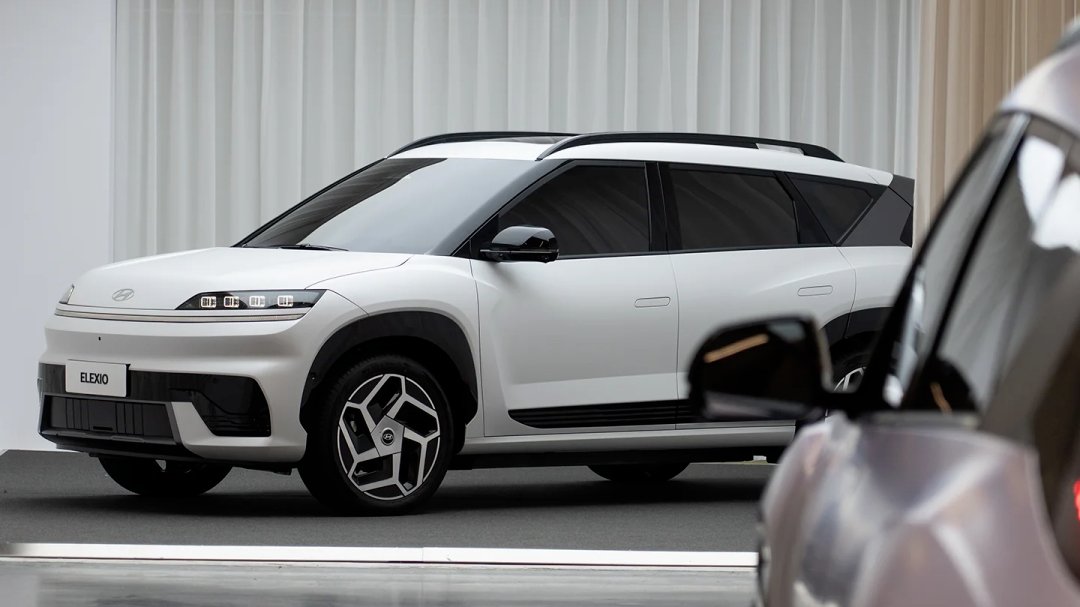
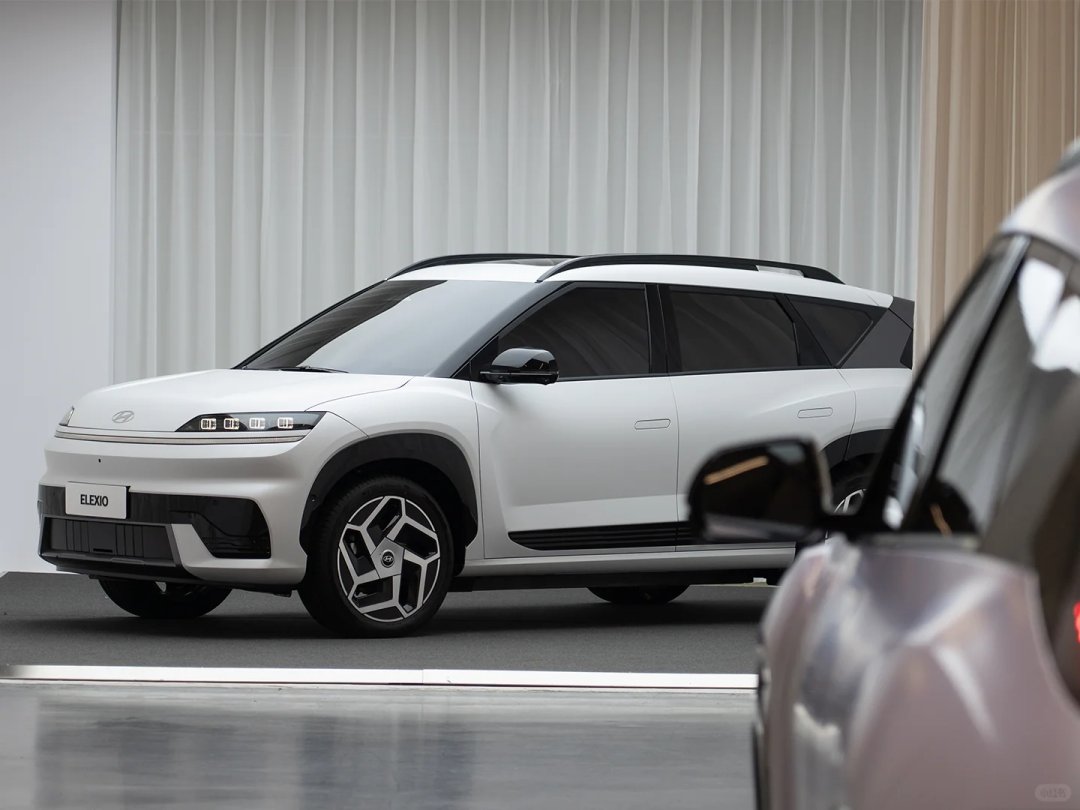
Recently, Beijing Hyundai officially unveiled the ELEXIO, its first all-electric SUV built on the global dedicated electric vehicle platform E-GMP. As a key model in the brand's new energy strategy, the ELEXIO uses technological upgrades and localized design as its entry point, attempting to carve out a new path in the highly competitive new energy market.
Platform and Technology: The Global Endorsement of the E-GMP Architecture
The birth of the ELEXIO marks Beijing Hyundai's entry into a new phase in the pure electric domain. The E-GMP platform on which it is based has previously been applied to multiple global models of the Hyundai Motor Group, offering advantages such as modularity, high compatibility, and optimized battery layout. Official data shows that under normal temperature conditions, the ELEXIO's comprehensive range exceeds 700 kilometers (testing standards have not yet been published), and it supports fast charging from 30% to 80% in 27 minutes. If actual performance matches these figures, its range capability may place it among the top tier of mainstream electric SUVs.
Design Language: Systematic Integration of Localized Elements
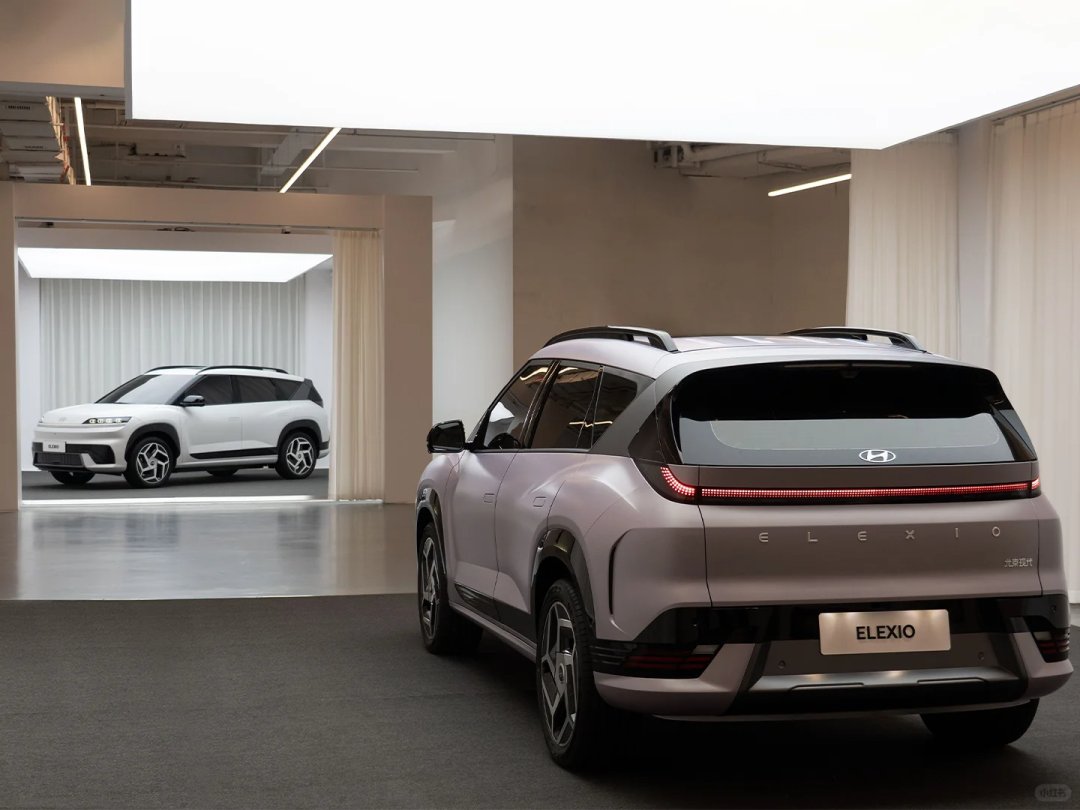
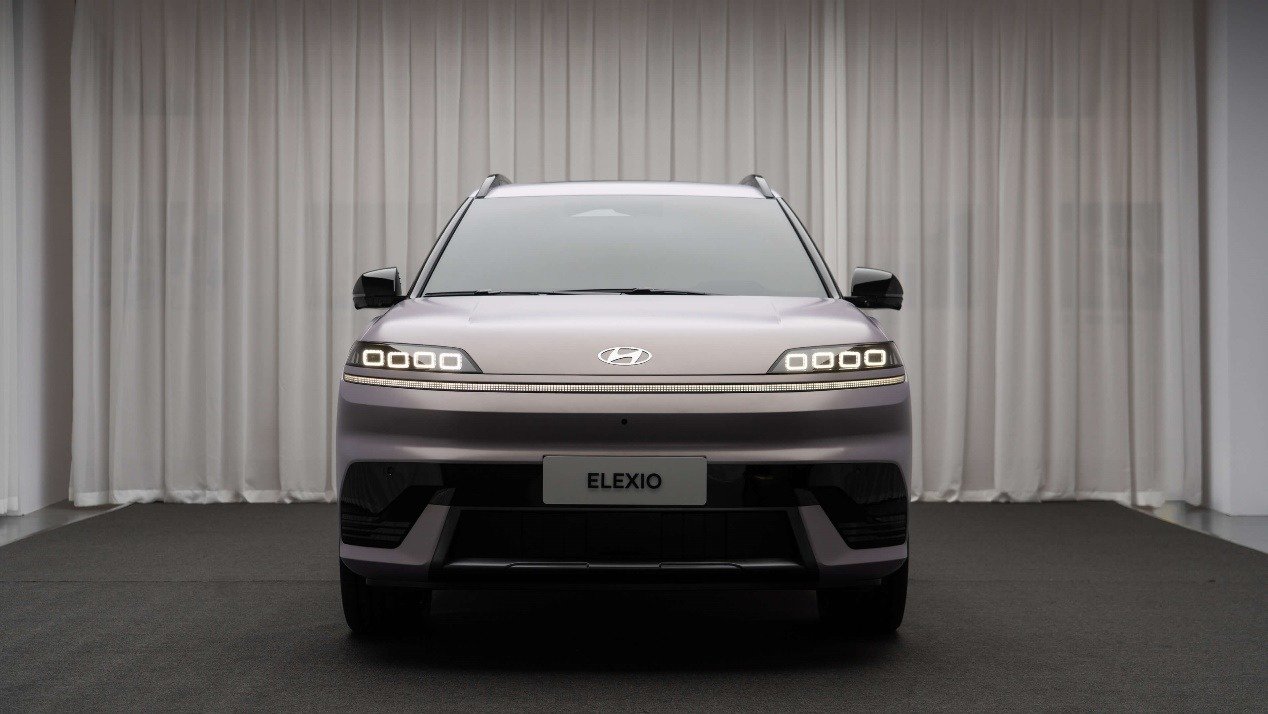
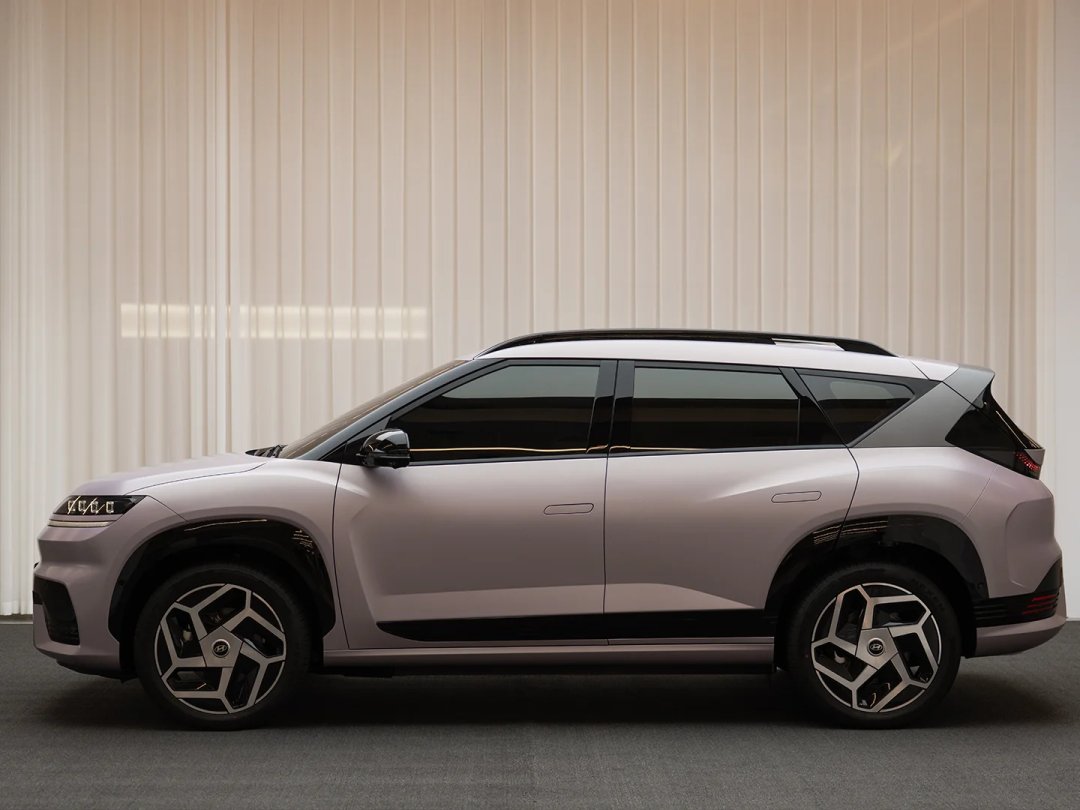
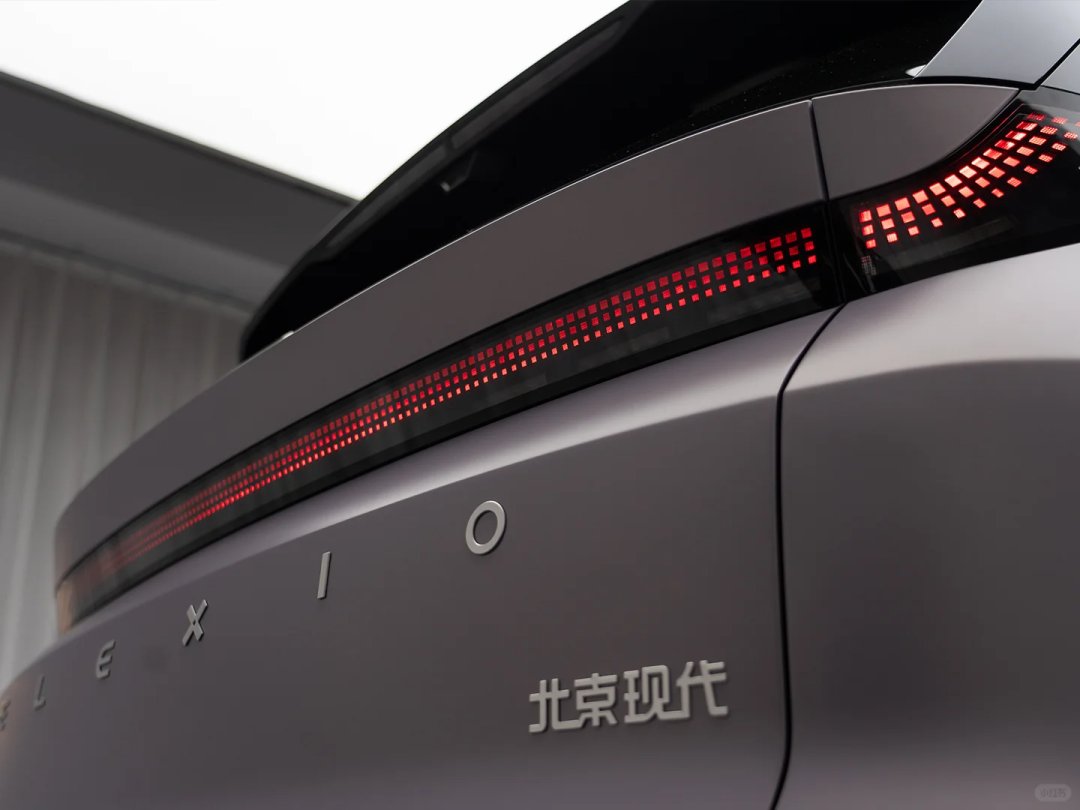
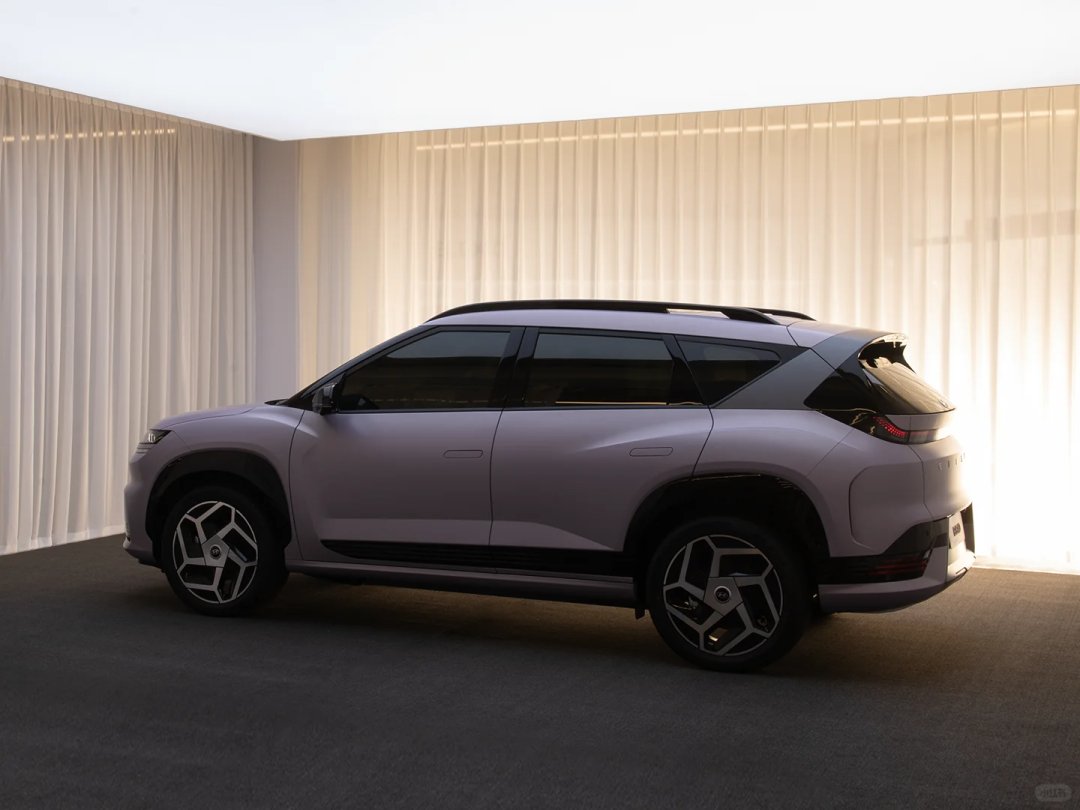
The ELEXIO's exterior design breaks away from the framework of the brand's existing products, presenting distinct electrification characteristics. The front face features a full-width light cluster integrating crystal-textured daytime running lights, while the body side adopts a floating roof and segmented waistline design. Hidden door handles and active grille shutters further optimize aerodynamic performance. Notably, the two-stage high-mounted brake lights at the rear integrate a rear-facing camera, enhancing functionality while maintaining design integrity.
Intelligent Configuration: Synergy Between the Qualcomm 8295 Chip and the HarmonyOS Ecosystem
The interior, which has not yet been publicly revealed, is defined as "minimalist style." The elimination of physical buttons combined with a 27-inch HUD may reconstruct the logic of driving information interaction. The infotainment system is equipped with the Qualcomm Snapdragon 8295 chip, paired with a large language model (LLM) solution, and its voice interaction capabilities are expected to reach industry-leading levels. In terms of the application ecosystem, beyond basic functions such as navigation and audio-visual entertainment, the addition of scenario-based applications such as games and KTV suggests an extension toward the concept of a "third space."
In the field of driver assistance, the ELEXIO announces integration with the HarmonyOS Intelligent Driving solution and has outlined clear technical implementation milestones: memory parking functionality upgrade in 2025, and L2+ urban assisted driving to be launched in 2026. Whether this collaboration can achieve deep software-hardware synergy may become a key variable in its intelligent competitiveness.
Strategic Significance: A Touchstone for Localized Transformation
According to Beijing Hyundai's new energy plan, the ELEXIO is merely the starting point of the brand's electrification offensive. Over the next three years, its product matrix will cover pure electric, hybrid, and extended-range technology routes, accelerating its layout with a pace of 2-3 new vehicles per year. Notably, although joint venture brands generally face challenges in the electrification transition, the localized design thinking demonstrated by the ELEXIO (such as Chinese aesthetic elements and HarmonyOS system adaptation) and aggressive technical configuration (8295 chip, 700km range) may be regarded as a new methodology for joint venture automakers to respond to market changes.
Conclusion
As a milestone work of Beijing Hyundai's electrification strategy, the ELEXIO demonstrates strong competitiveness in platform technology, range performance, and intelligent configuration. However, in a segment densely populated by domestic brands and new forces, its ultimate market performance still needs to withstand multiple tests including product reliability verification, pricing strategy, and user perception reshaping. As the third-quarter launch date approaches, the disclosure of more core parameters may further clarify its market positioning.


