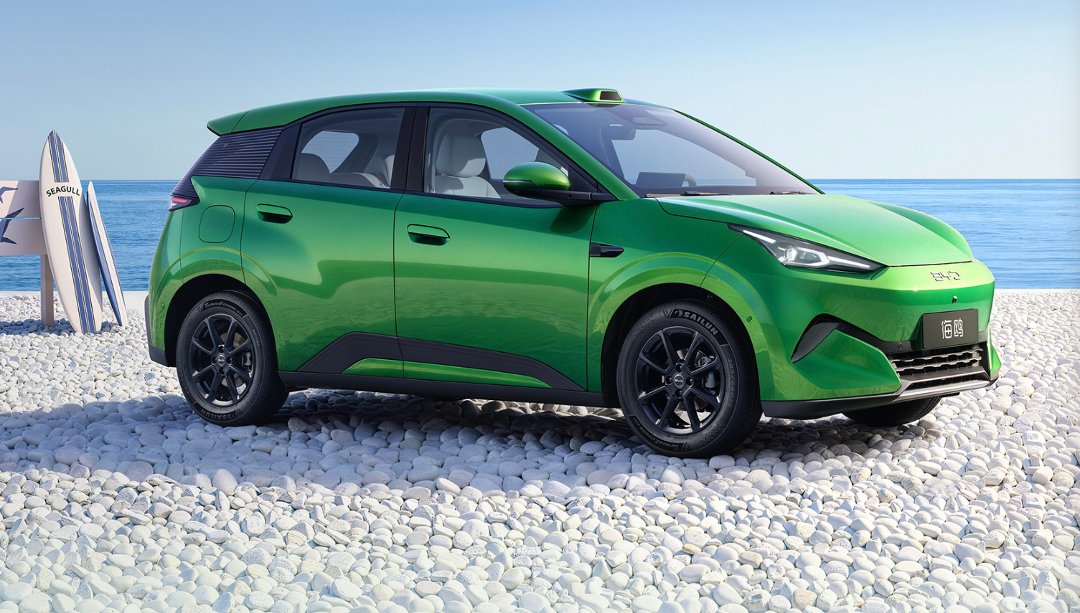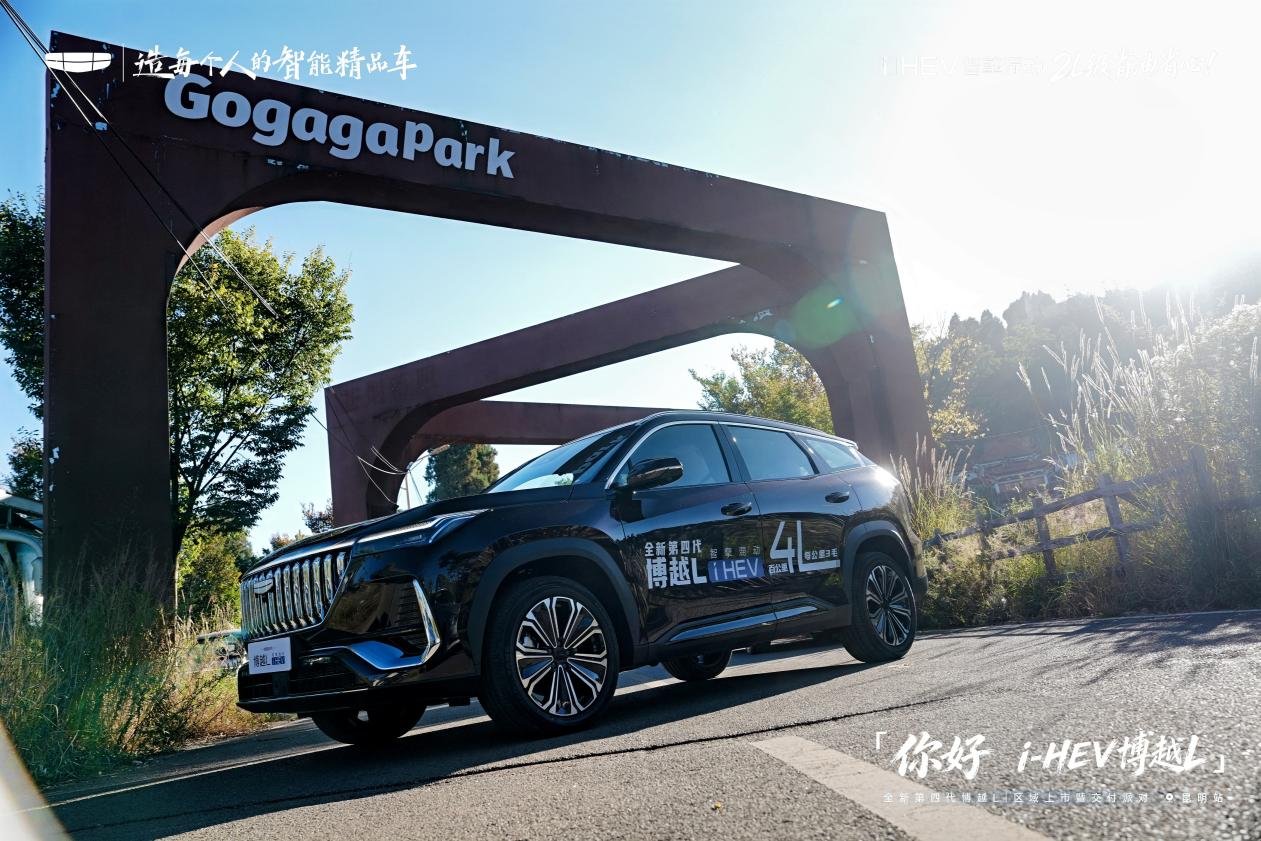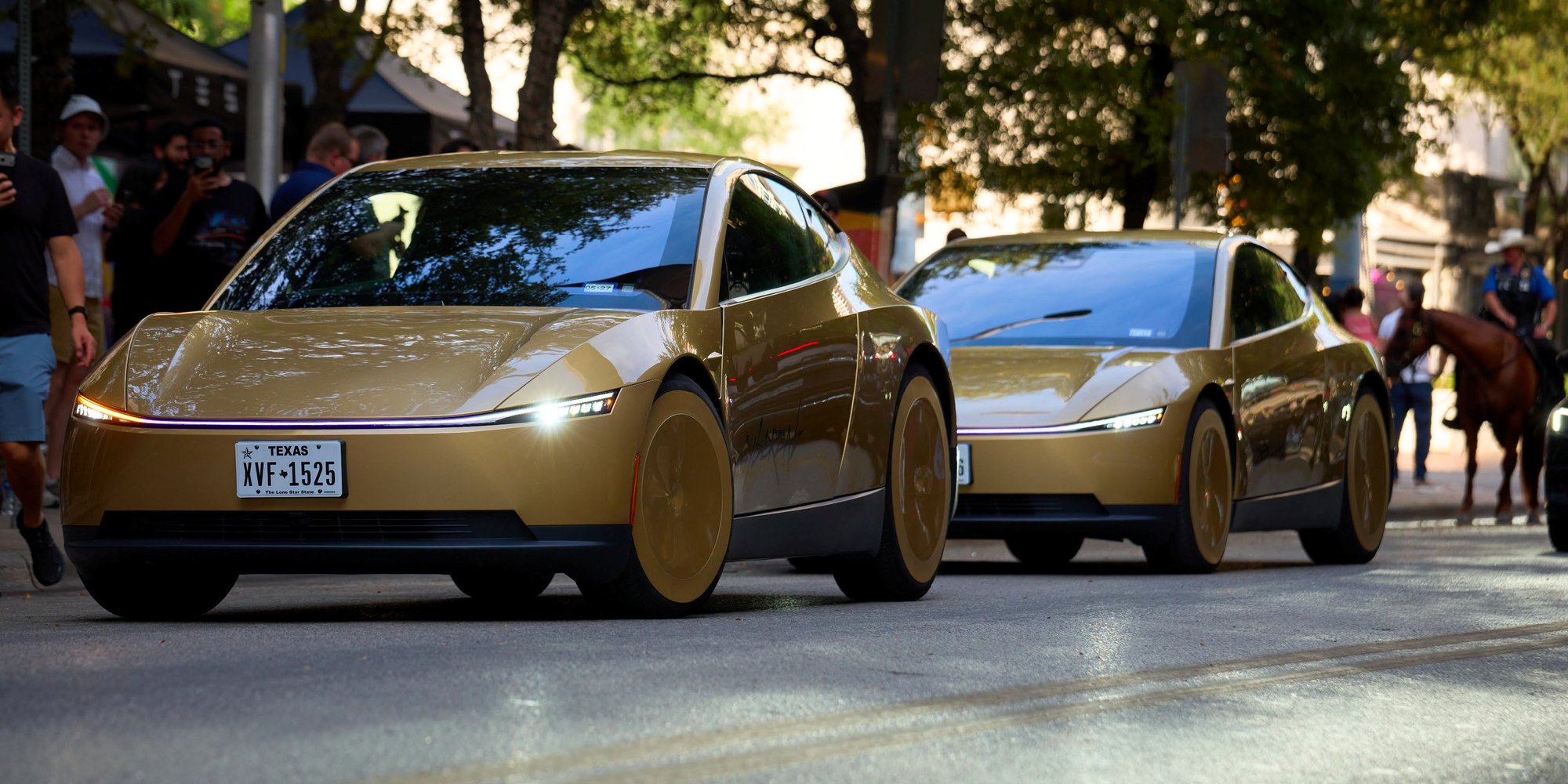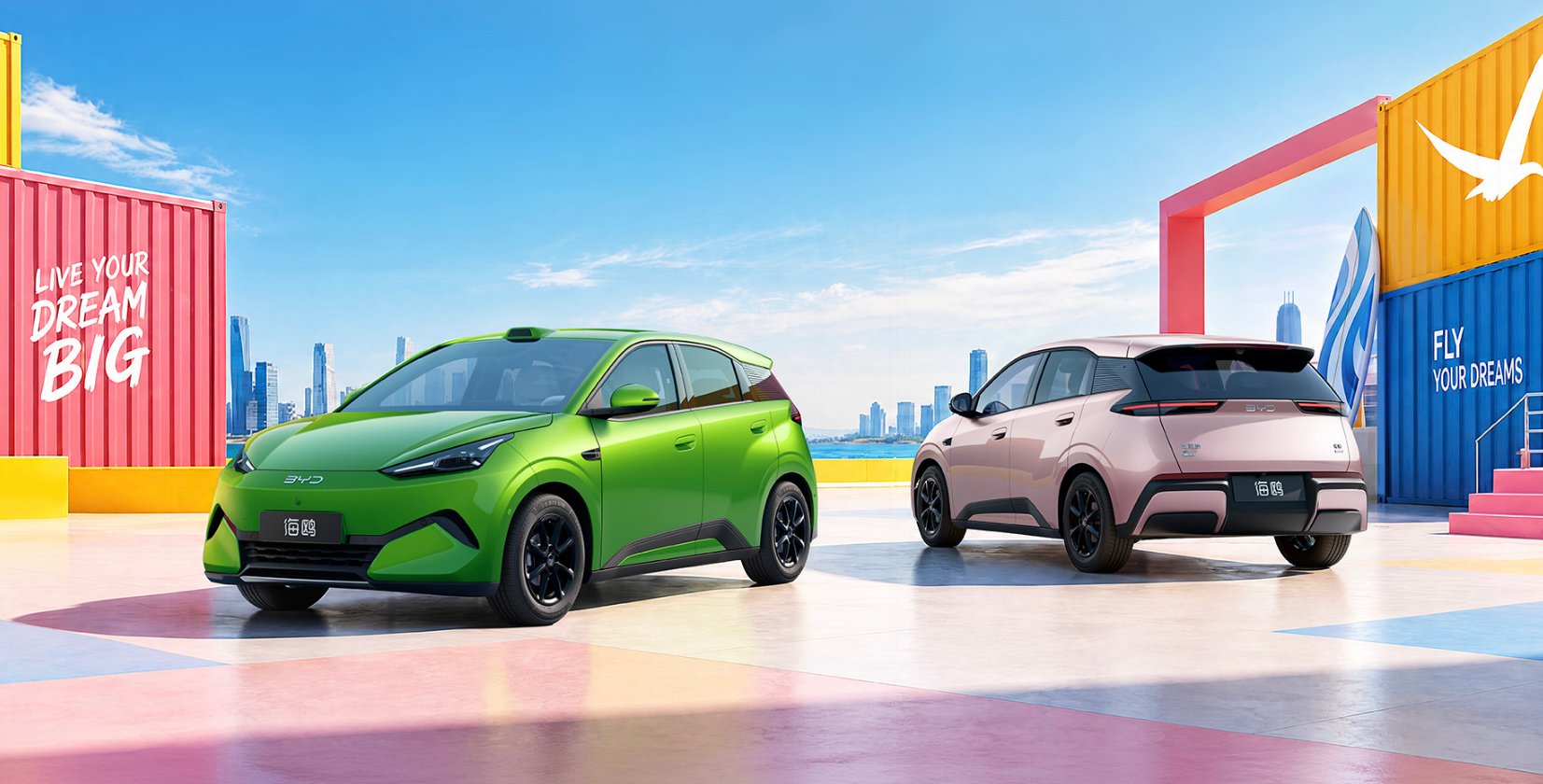
The all-new BYD Seagull has been launched, with an official guide price of 65,900 to 99,900 yuan. The new car has been comprehensively upgraded in appearance, dimensions, configuration, and performance, almost fully making up for all the shortcomings and deficiencies of the old model. Today, competition in the pure electric small car market is extremely fierce. Last month, the Geely Xingyuan sold a total of 44,275 units, showing a cliff-like lead. As a new car, what highlights can the all-new Seagull rely on to return to the top?
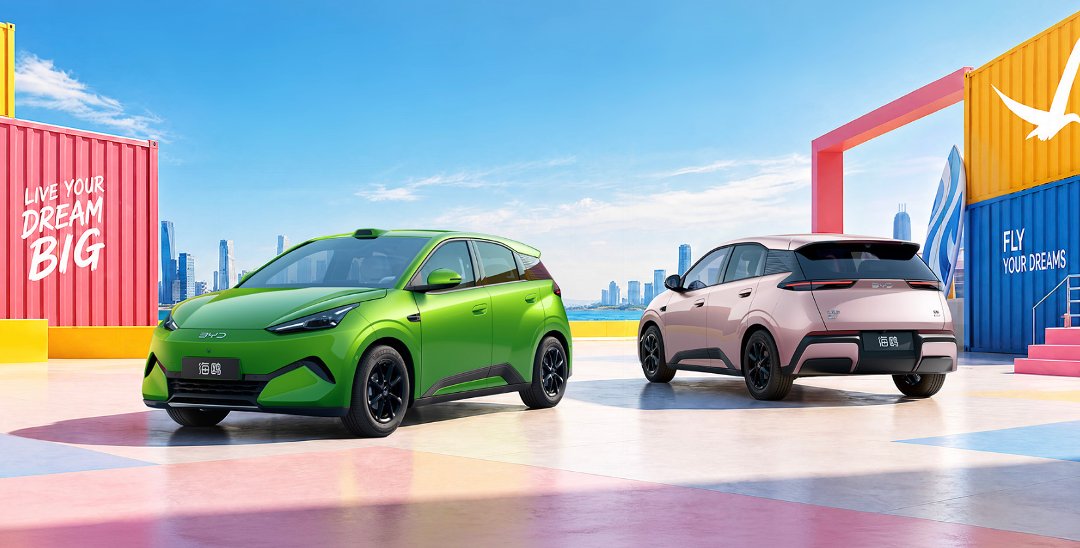
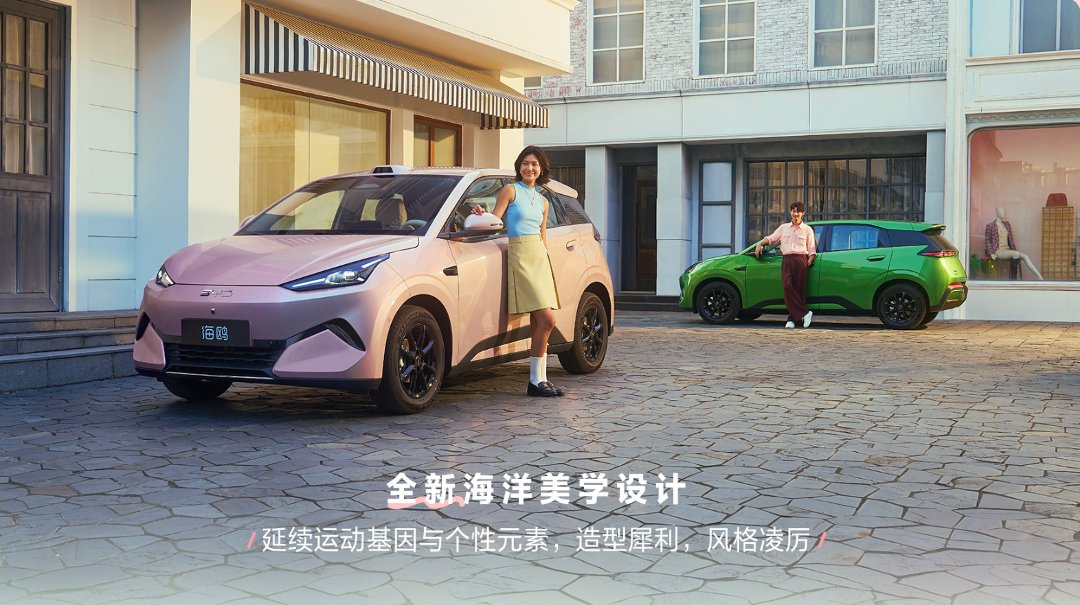
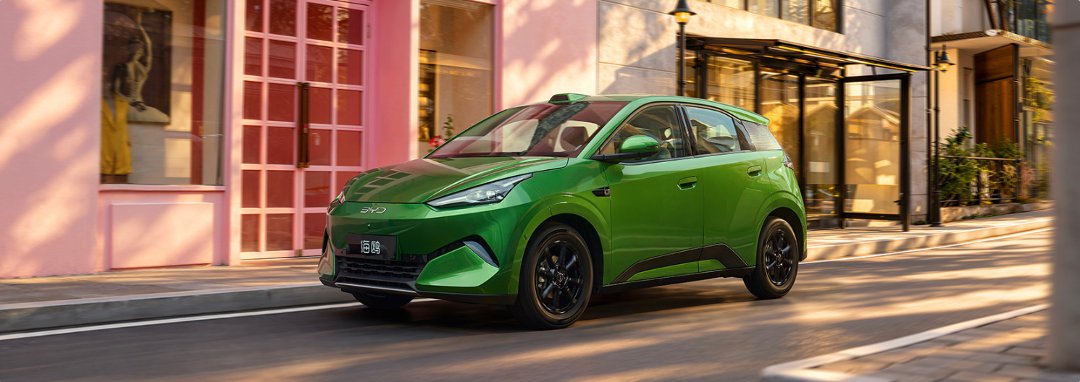
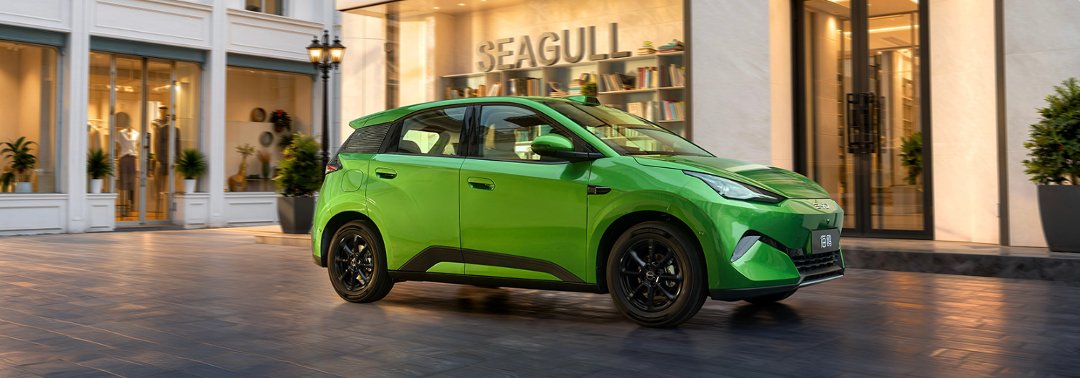
In terms of exterior design, the all-new Seagull is indeed more refined and better looking than the old model, especially the shape of the headlights, which looks particularly spirited and no longer cheap like the old model. There is not much to say about the side profile and rear of the body; shadows of the old model can still be seen, and there is nothing new.
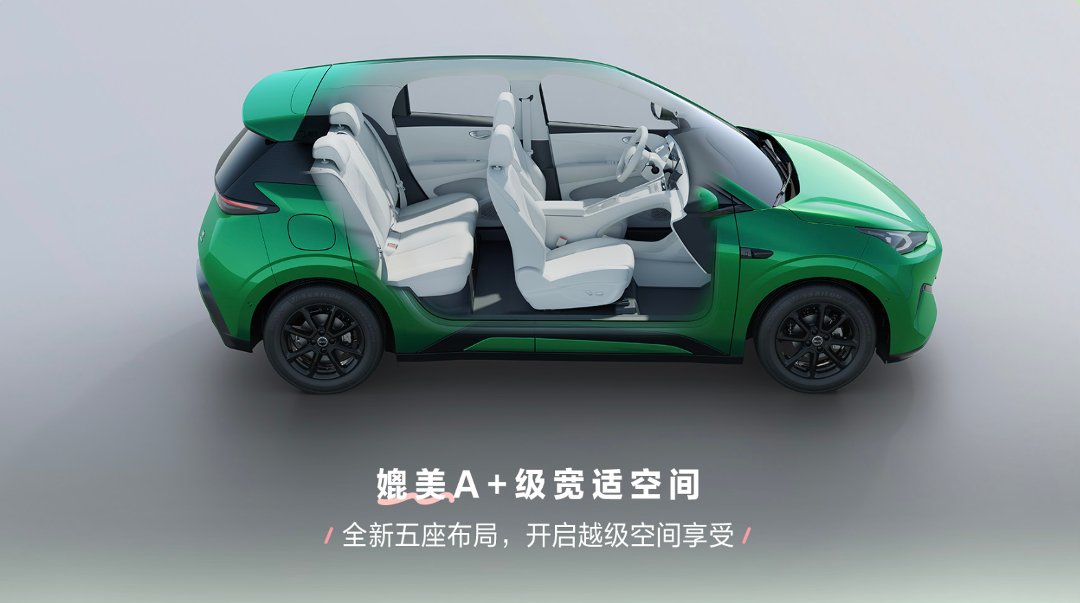
The size of the new car has been further increased, with length, width, and height of 4,205 x 1,810 x 1,570 mm respectively, and a wheelbase of 2,650 mm. Passenger space has indeed increased noticeably, especially in the rear, which has finally been designed as a five-seat version. After all, the decline in sales of the old Seagull was mostly due to its four-seat layout, which discouraged many people.
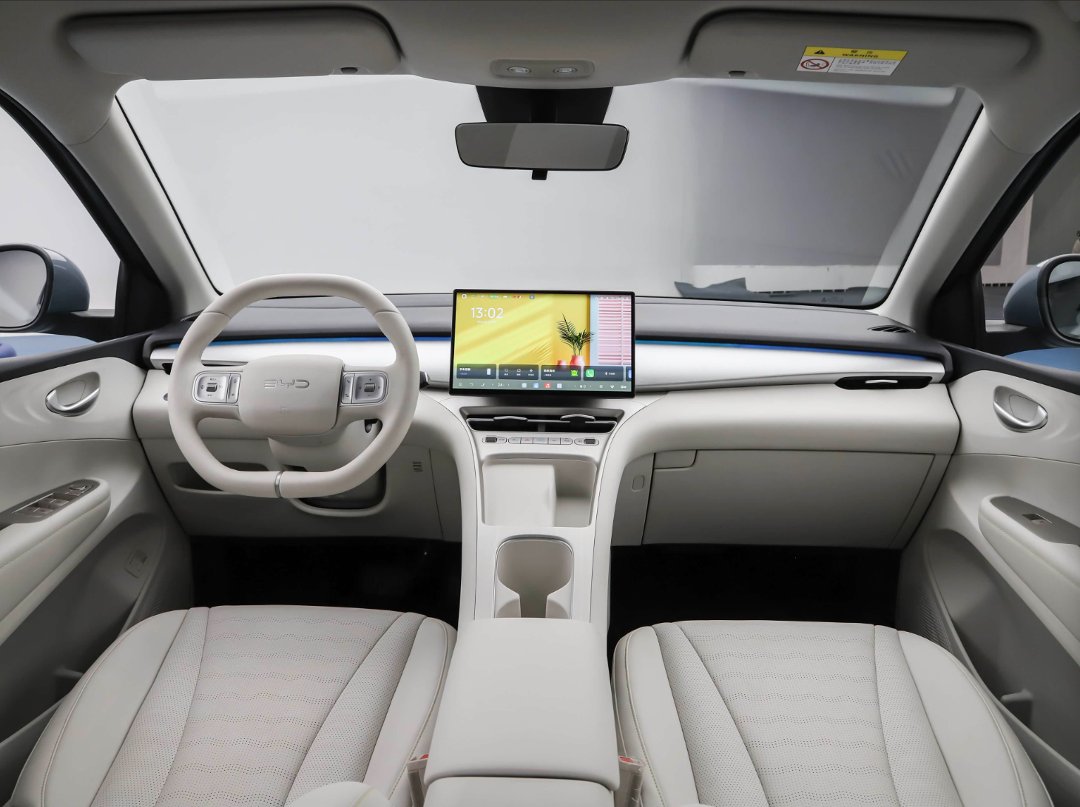
The interior design is also very novel, much better looking than the old model, and more upscale as well. The only shortcoming is that the instrument panel has been eliminated, which many people cannot accept. This is because the instrument panel allows intuitive viewing of key information such as vehicle speed, tire pressure, and battery level, and people subconsciously look at it; this instinctive habit is hard to give up. Therefore, for most people, not having an instrument panel is simply unfamiliar. Moreover, the designers are quite bold: the Geely Xingyuan, Chery QQ3 EV, and Leapmotor A05 all have one, yet the all-new Seagull deliberately takes a different path.
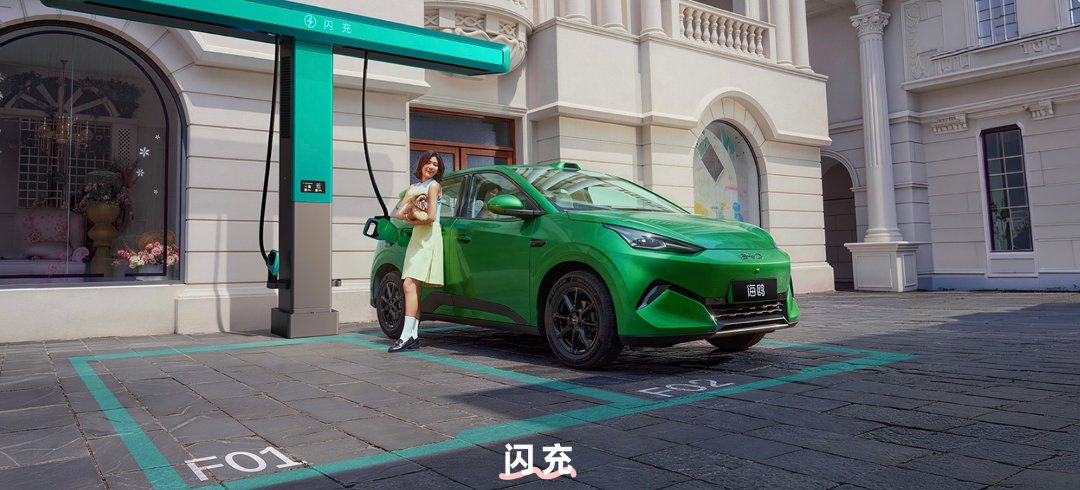
The biggest selling point of the all-new Seagull is that it is equipped with the second-generation Blade Battery, featuring flash charging capability, charging up in 5 minutes and fully charging in 9 minutes. However, the 320 km range version still uses the Blade Battery, and its cooling method is only air cooling. Here one has to praise the Geely Xingyuan and Chery QQ3 EV: regardless of high or low range, they use the same battery and the same liquid cooling method. Although the low-trim motor has lower power, its heat dissipation capability is ultimately weaker than liquid cooling and direct refrigerant cooling. During continuous fast charging, aggressive driving, long uphill climbs, and after summer sun exposure, battery temperature rises faster and easily triggers power limits, suppressing power and charging speed. In high-temperature environments, battery consistency is more likely to deteriorate, and after long-term use, the degradation rate of battery cells will clearly diverge, dragging down pack capacity and shortening battery life, requiring the BMS to adopt more conservative protection strategies.
In terms of body structure safety, the all-new Seagull is built with a cage-type body, with high-strength steel accounting for 61% of the body-in-white. The official figures do not disclose the proportion of hot-formed steel, but key parts of the core occupant cabin such as the A-pillar and B-pillar use 1,500 MPa hot-formed steel to strengthen crash protection. Judging from the data alone, the Seagull is similar to other models in the same class and has nothing outstanding.
The chassis of the all-new Seagull has been greatly upgraded. It adopts a front MacPherson and rear multi-link suspension structure, and also uses a rear-wheel-drive layout. The front trunk capacity reaches 94 L, larger than those of the Xingyuan and several others, and the rear trunk space is also much larger than the old model, which is very well done. In addition, the new car is richly equipped and even offers a massage function for the driver's seat, an move that directly stuns competitors. A small car costing just tens of thousands of yuan actually has seat massage; this is the pace of racing to the bottom in competition!
Overall, the all-new Seagull has indeed improved a lot compared with the old model. However, compared with several other cars, the model that truly reflects the value of the all-new Seagull is the 420 km range version, whose price also starts at 75,900 yuan, almost catching up with its own Dolphin. Therefore, for many people, buying it is still quite a dilemma. If the price were reduced by another 5,000 to 8,000 yuan, its cost-effectiveness would be far too high.