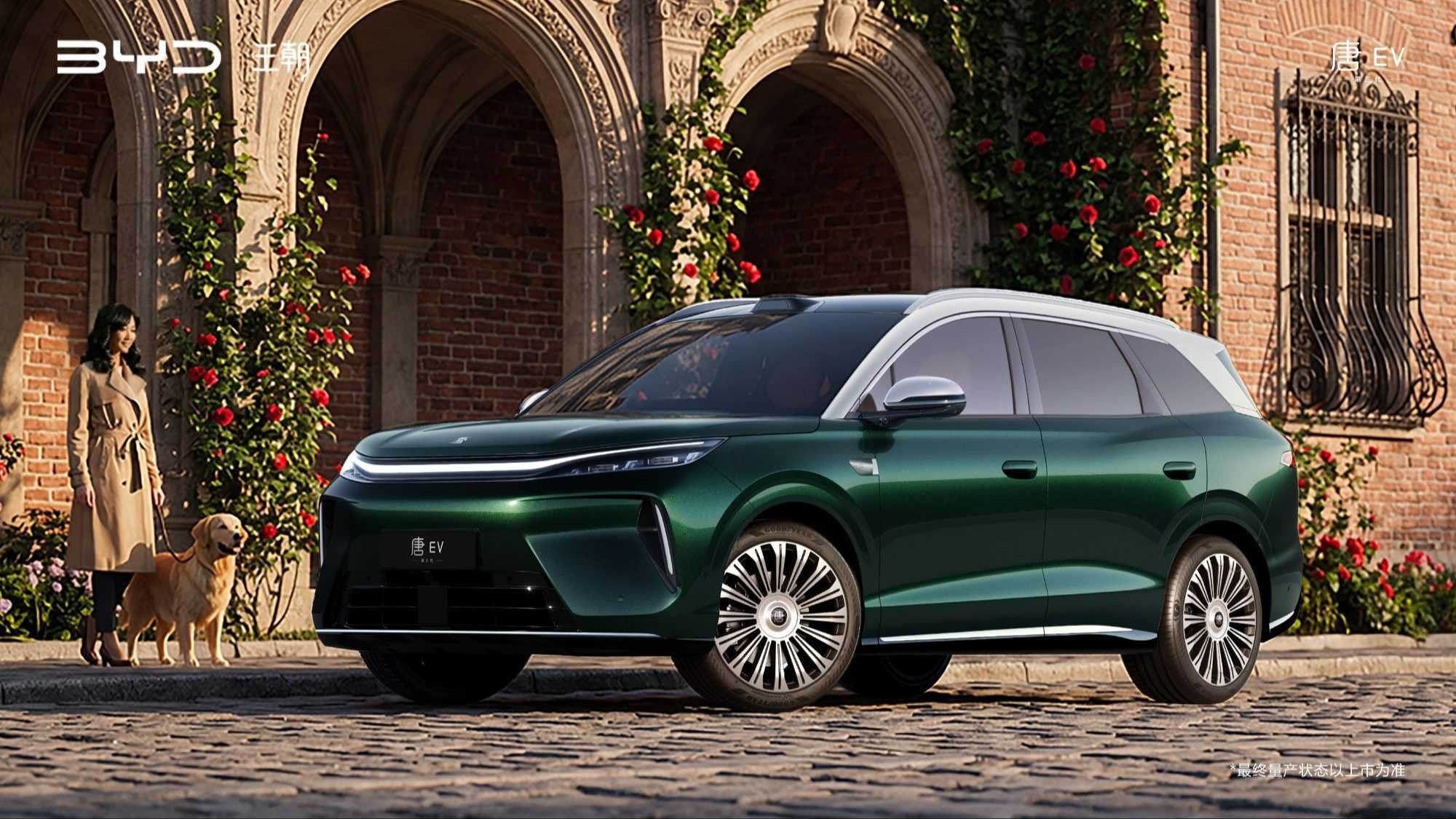
On October 8, Lu Tian, general manager of BYD's Dynasty Network Sales Division, released the interior official images of the third-generation Tang via Weibo. This is the first full public reveal of the new car's cabin since its debut at the Chengdu Auto Show in late August. Officially, the interior's design inspiration is described as the spaceship console in science fiction films. The cabin offers two color schemes, Dune Beige and Amber Brown, and is planned to go on sale in the fourth quarter of this year.
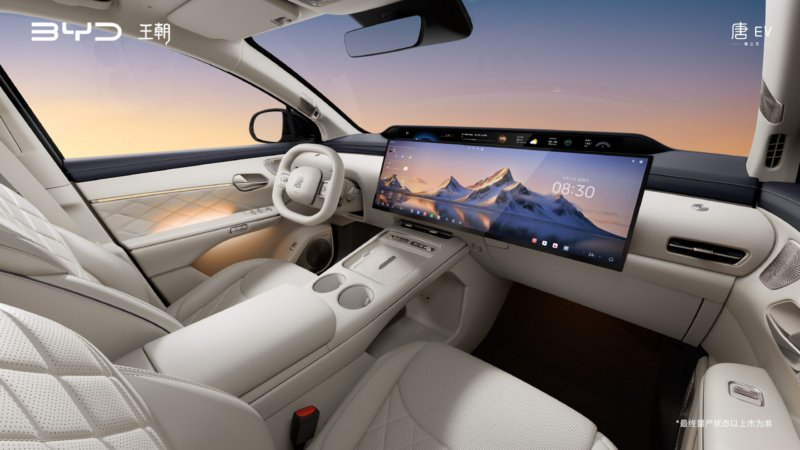
The visual core of the cabin is an "Interstellar Dual-Screen" system, consisting of a 35.4-inch integrated long-range star ring screen and a 30-inch seamless panoramic giant screen, replacing the traditional instrument cluster and HUD head-up display. The long-range star ring screen is located in front of and behind the steering wheel, centrally presenting information such as vehicle speed, navigation, range and battery level, road conditions, weather, level gauge, and gear mode, with display modules supporting customization; the 30-inch giant screen spans the driver and front passenger sides, handling infotainment controls and audio-visual entertainment functions. The center console overall follows a minimalist route, with a row of physical buttons retained below the air vents, and the center island features dual wireless phone charging pads.
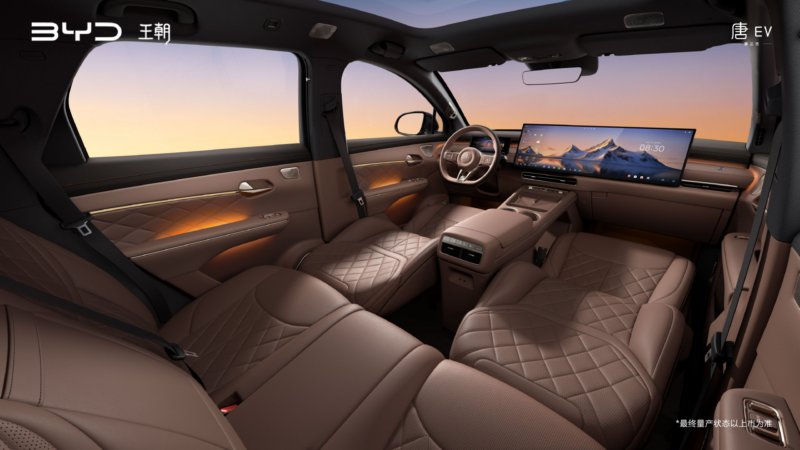
The official images this time show that the third-generation Tang offers two cabin schemes: one equipped with an oval (two-spoke) steering wheel and using the 35.4-inch long-range star ring screen; the other equipped with a three-spoke round steering wheel and switching to a traditional embedded independent instrument cluster, with the 30-inch giant screen retained in both schemes. The seats are wrapped in leather with diamond quilting, the instrument panel and door interior panels feature continuous ambient lighting, and the roof has a panoramic glass sunroof.
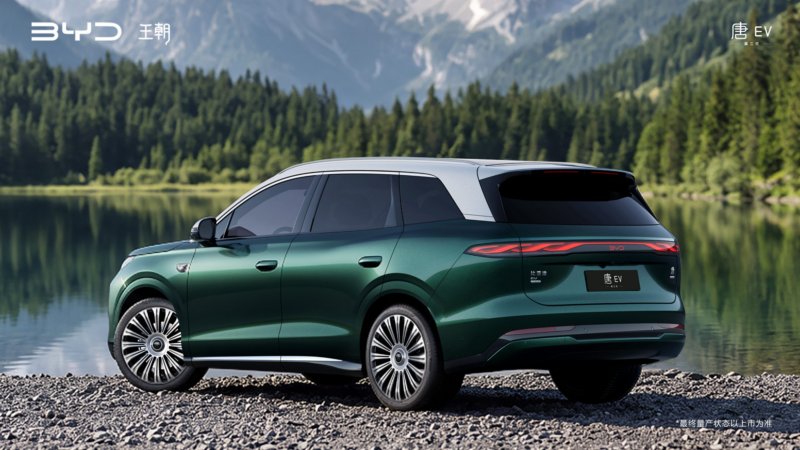
The new car is positioned as a large five-seat SUV, with length, width, and height of 5045/1980/1760 mm respectively, a wheelbase of 2950 mm, second-row legroom exceeding 1000 mm, and a maximum backrest recline angle of 130°. After removing the front headrests, the front seats can form a bed mode with the rear seat cushions.
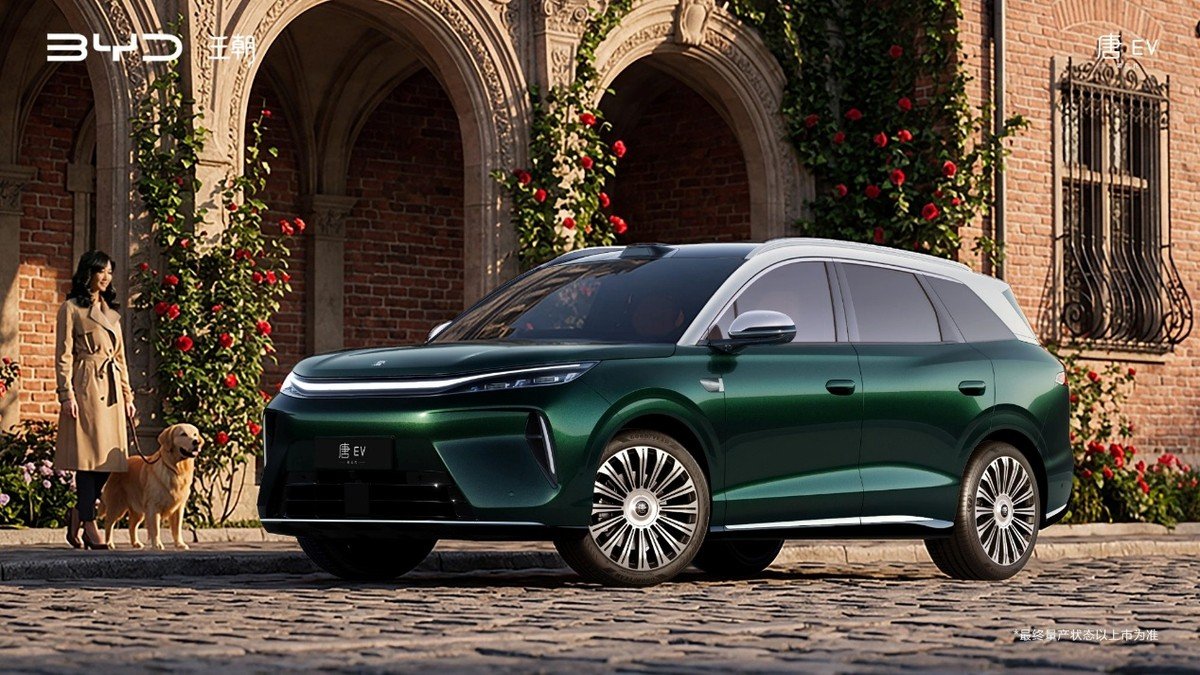
The new car is equipped with a rear-mounted single motor with a maximum power of 300 kW, a top speed of 250 km/h, and offers second-generation blade batteries of 88.682 kWh and 105.792 kWh, with CLTC range corresponding to 730, 830, and 850 kilometers. The chassis adopts a front double-wishbone plus rear five-link structure, is equipped with the Yun辇-A dual-chamber air suspension and intelligent road preview, and the God's Eye B intelligent driving assistance system is standard across the entire lineup.
Xiao Tang's view:
The third-generation Tang cancels the third row, leaving the 5-meter-class body to two rows, freeing up second-row space; the "Interstellar Dual-Screen" scheme no longer provides an independent instrument cluster and HUD, with driving information handed over to the long-range screen, and the actual interaction experience remains to be verified in real cars. The coexistence of two cabin schemes leaves choices for users with different habits. With launch in the fourth quarter, whether it can be accepted still depends on the price.