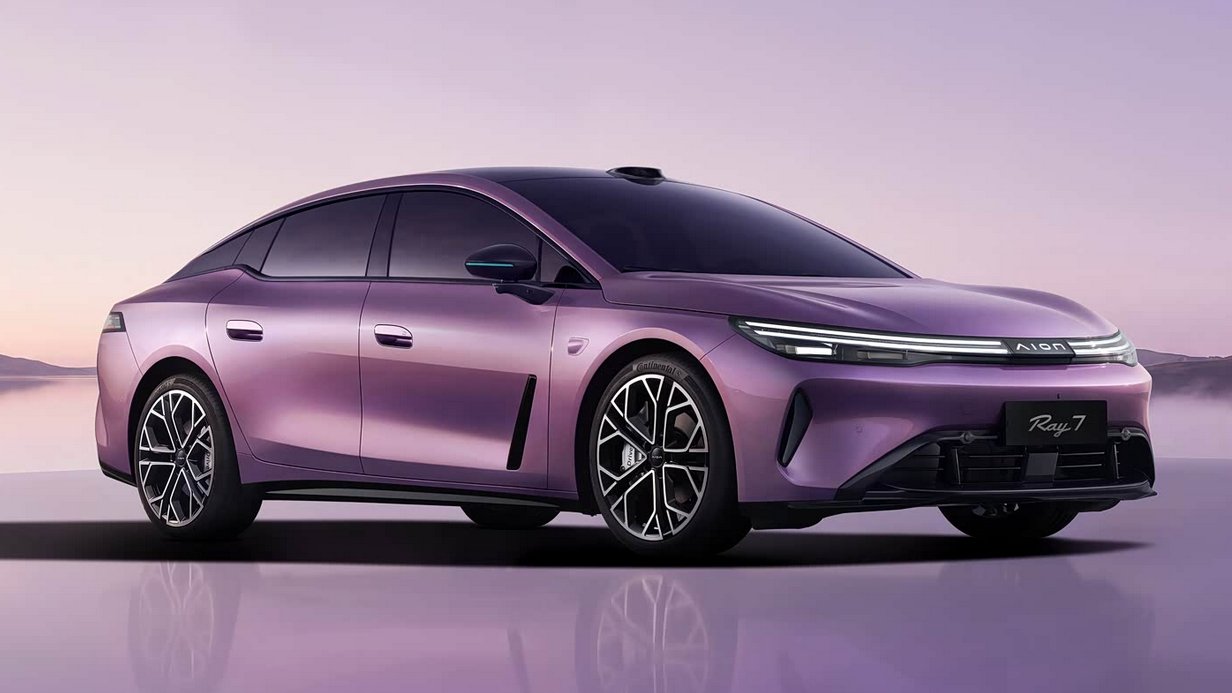
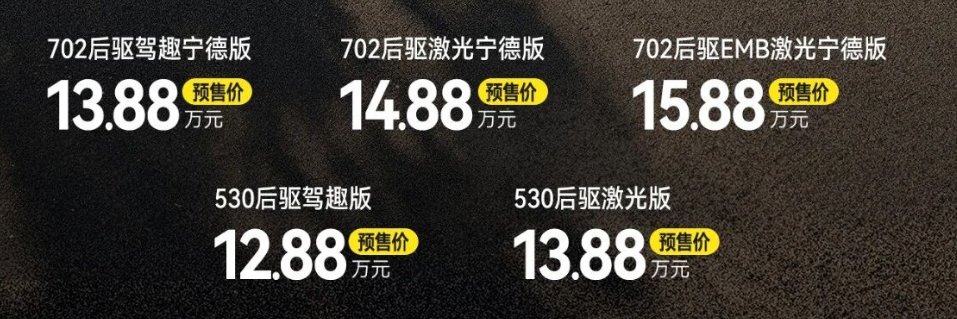
On October 17, the AION Ray7 opened for pre-sale, with five configurations in total: 530 Rear-Wheel-Drive Driving Fun Edition, 530 Rear-Wheel-Drive Laser Edition, 702 Rear-Wheel-Drive Driving Fun CATL Edition, 702 Rear-Wheel-Drive Laser CATL Edition, and 702 Rear-Wheel-Drive EMB Laser CATL Edition, with a pre-sale price range of 128,800 to 158,800 yuan.
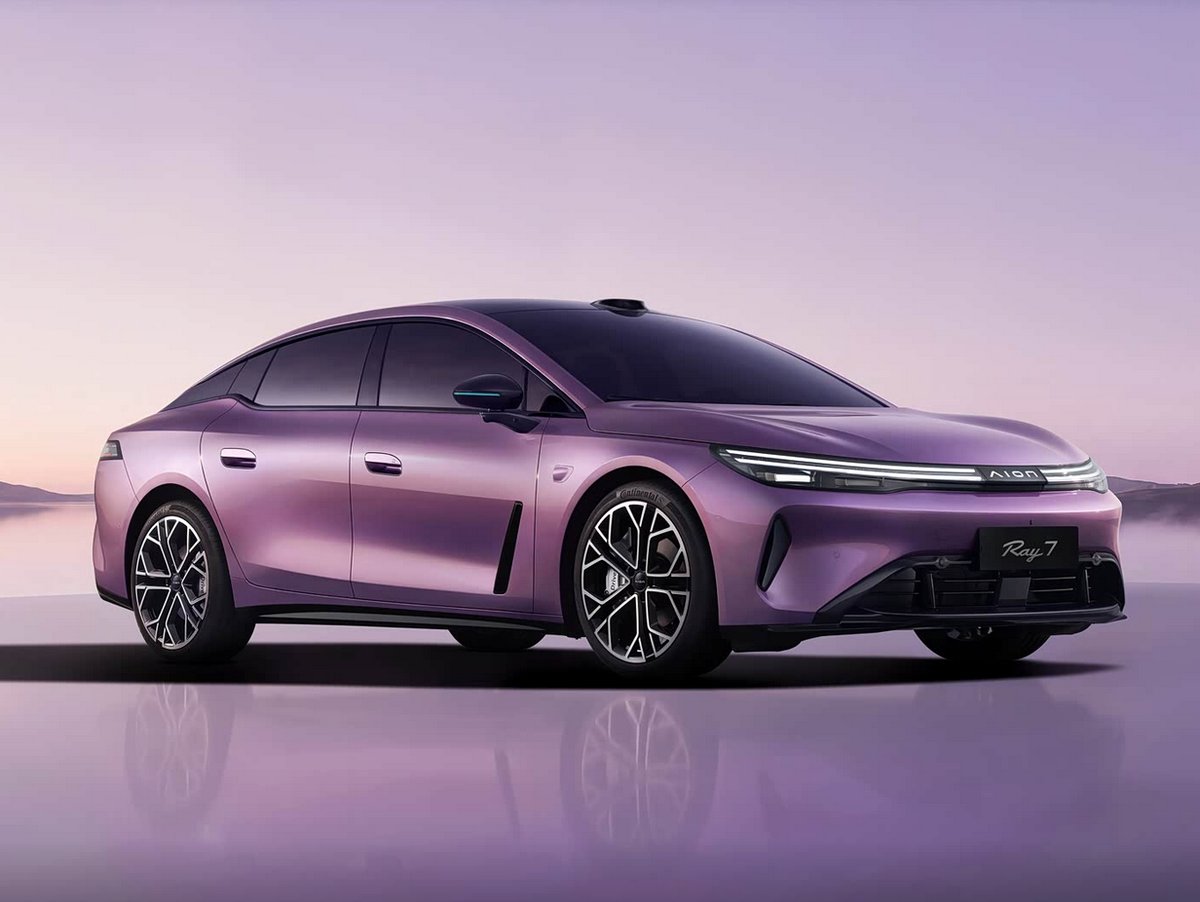
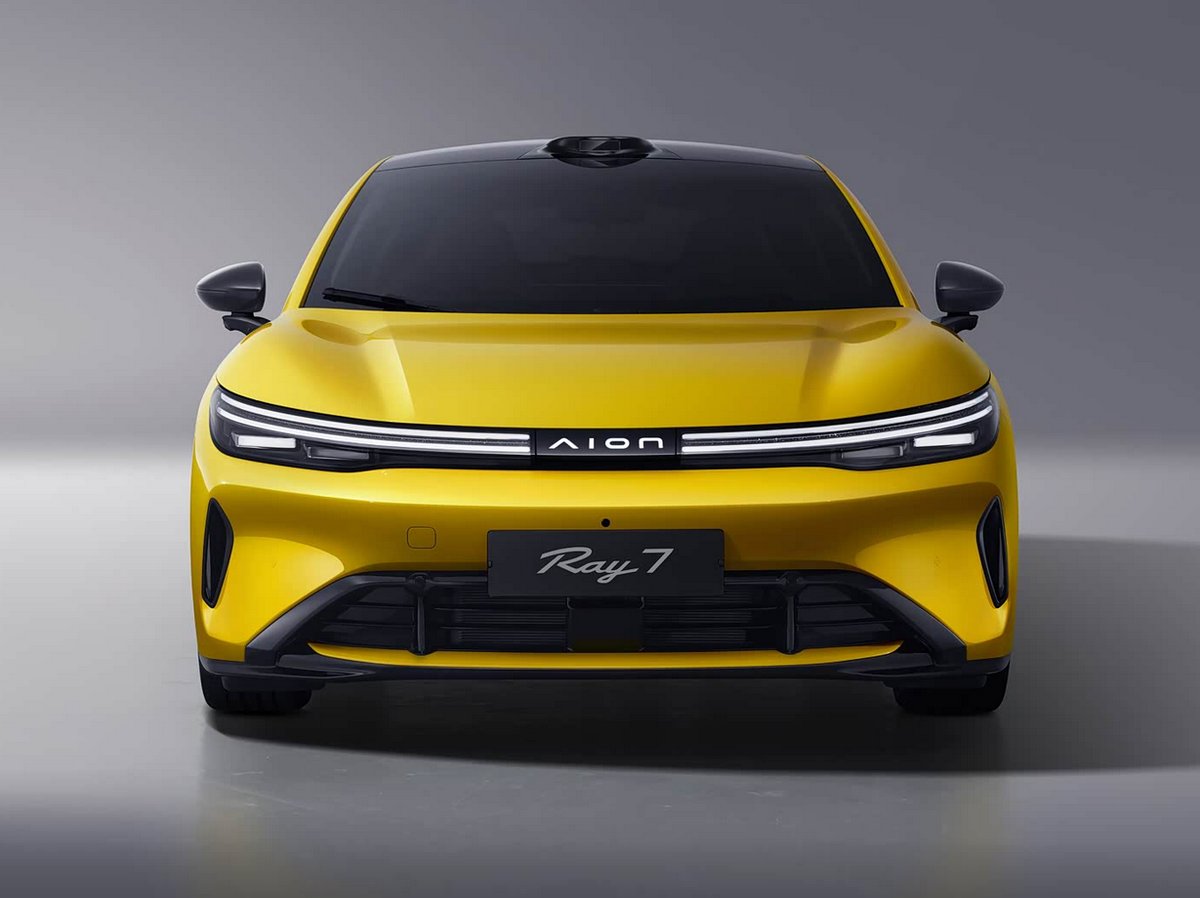
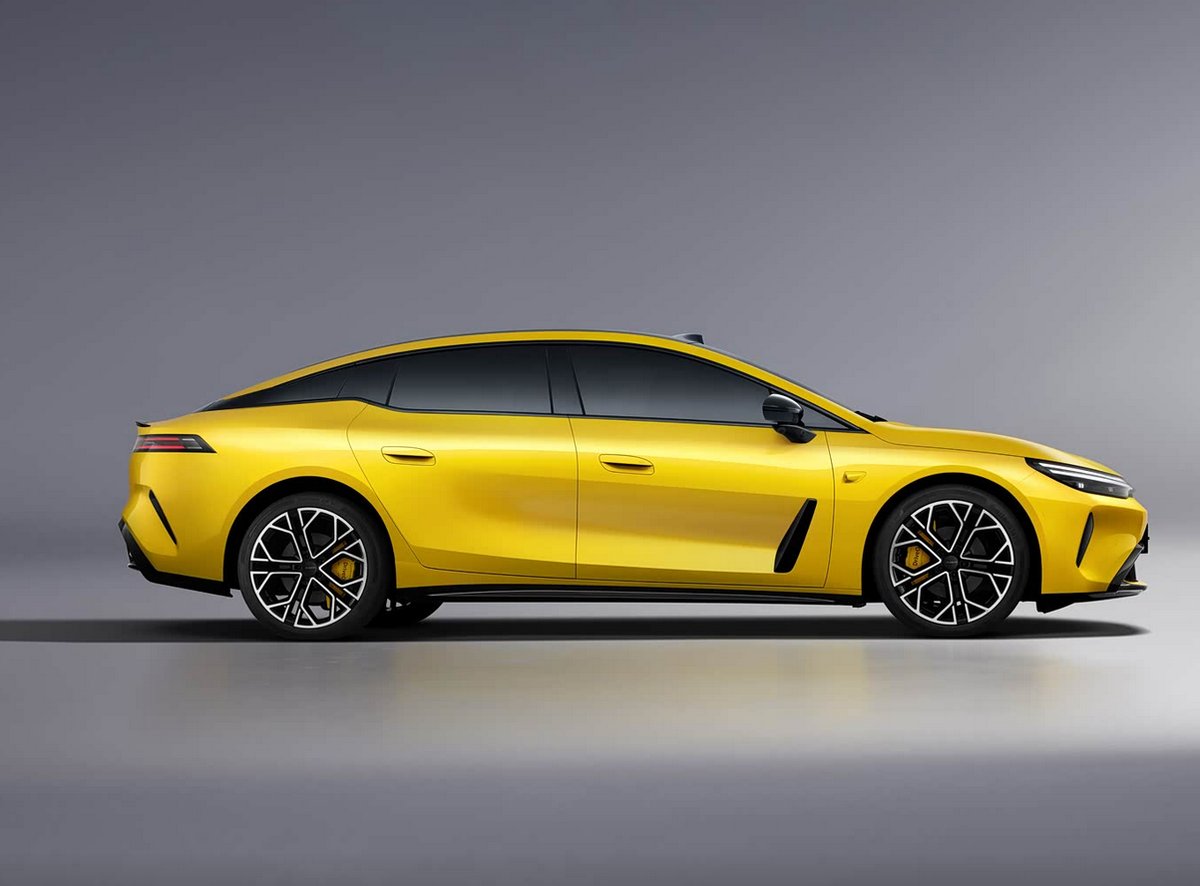
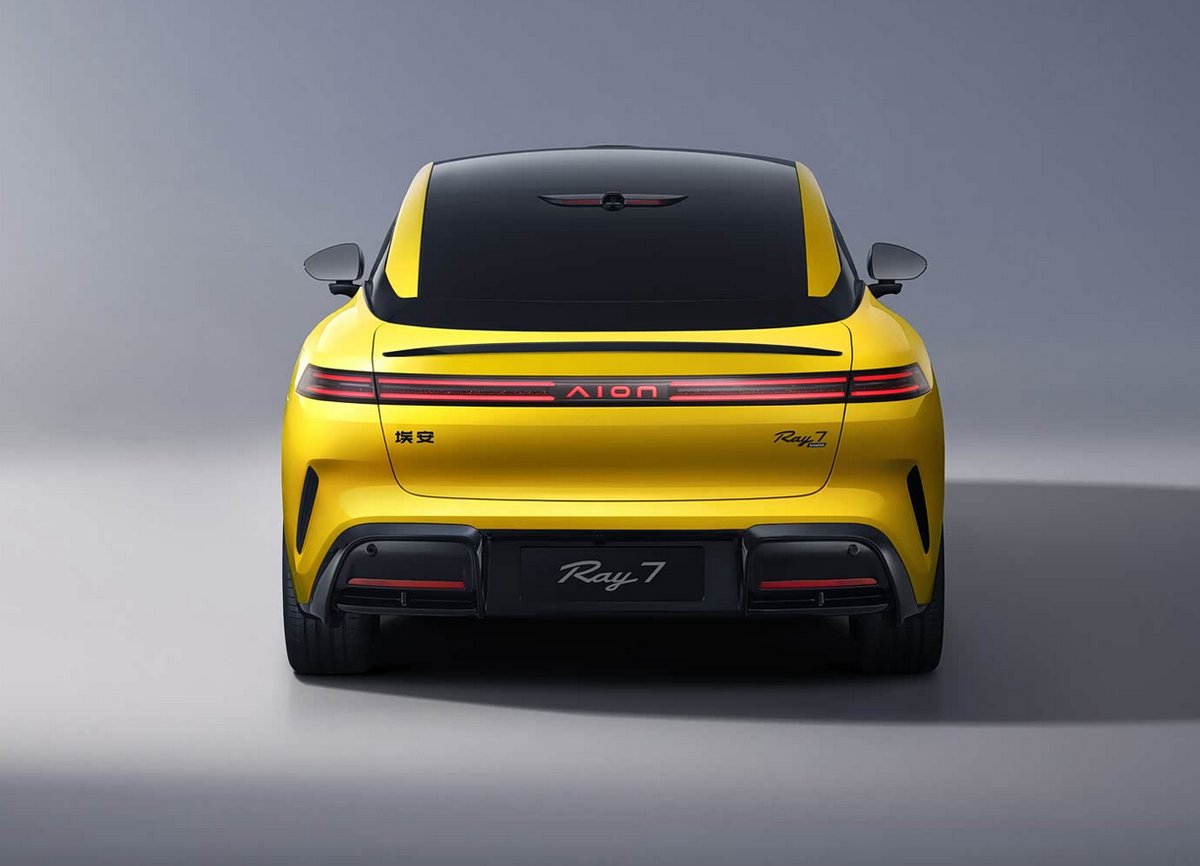
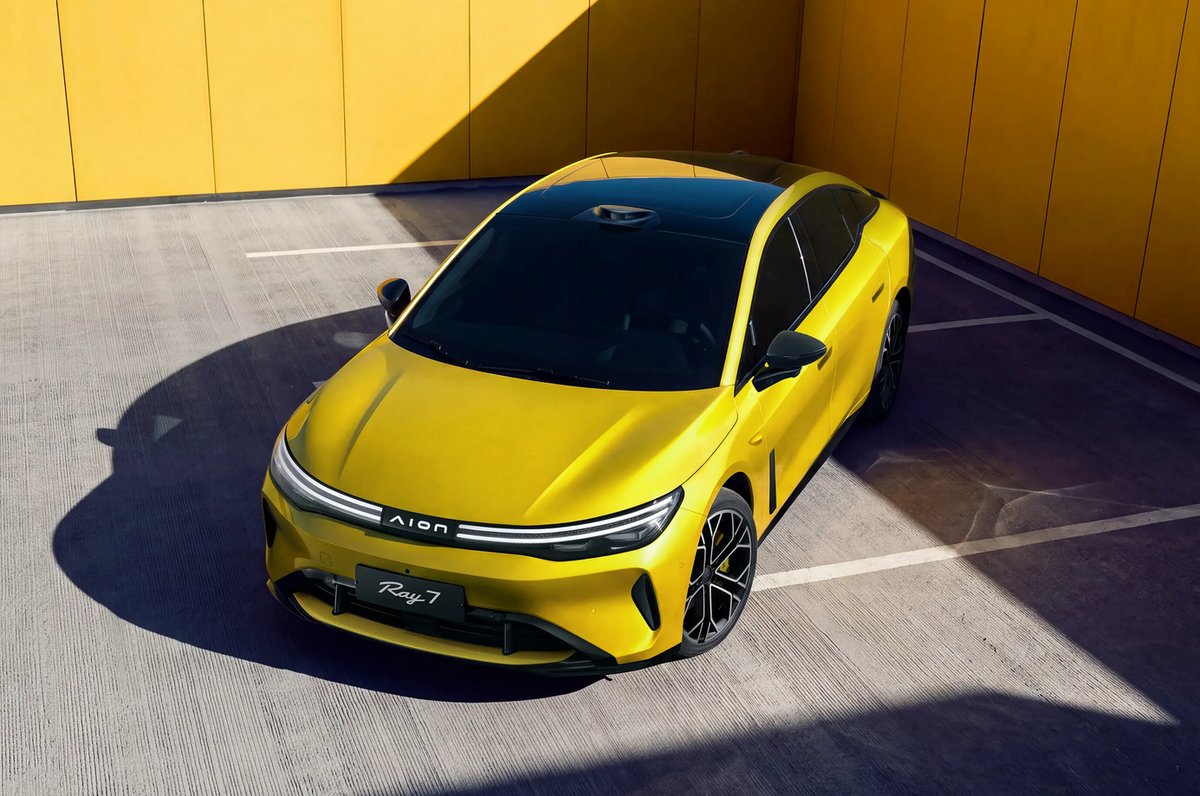
The Ray7 adopts a low-slung, wide-body fastback coupe styling, with quantum star-ring continuous LED light strips at both the front and rear, and the "AION" logo embedded in the center of the light strip. The side features frameless doors and semi-hidden door handles, and wheels are offered in 17-inch and 19-inch specifications. The entire vehicle has undergone 14 aerodynamic optimizations, achieving a drag coefficient of 0.22Cd. The body dimensions are 4960mm long, 1900mm wide, and 1455mm high, with a wheelbase of 2920mm. The front trunk has a capacity of 61L, and the rear trunk has a capacity of 445L.
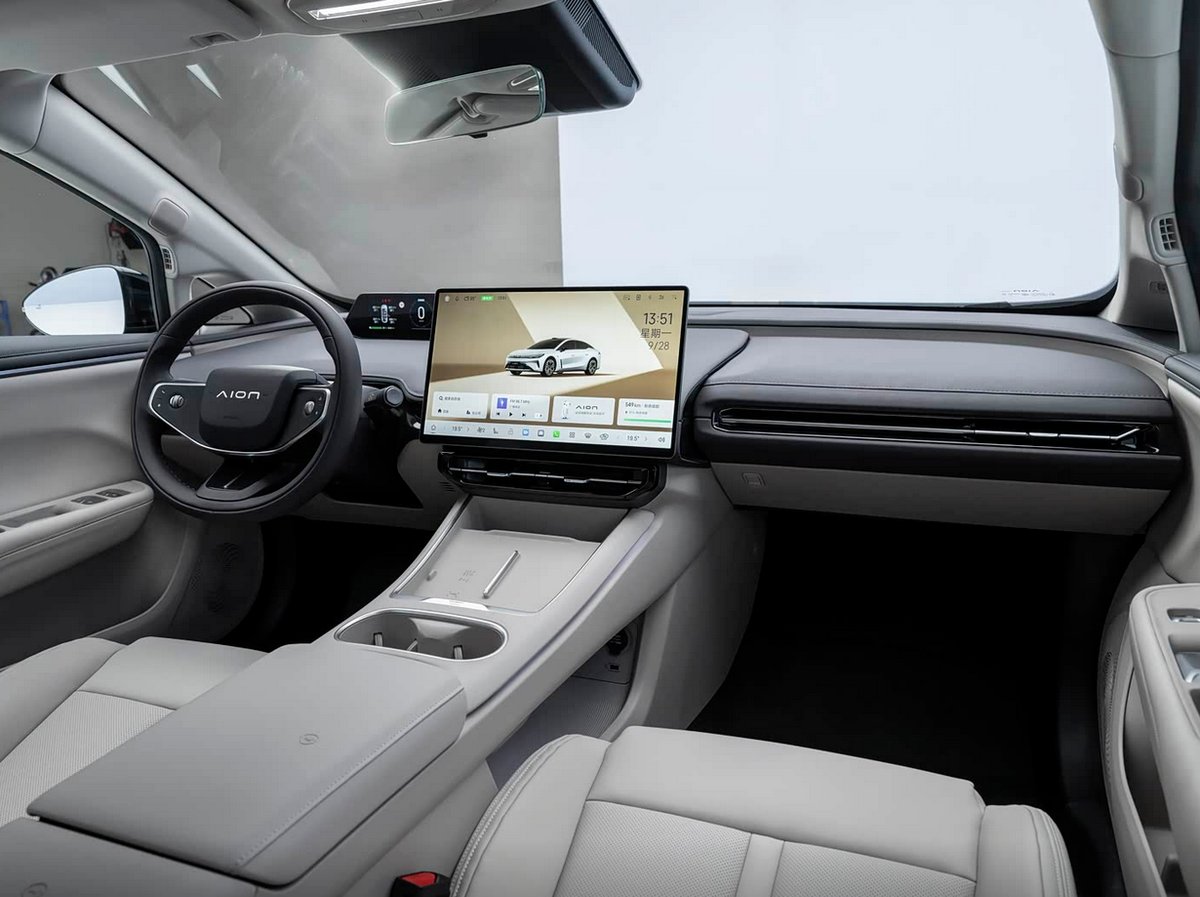
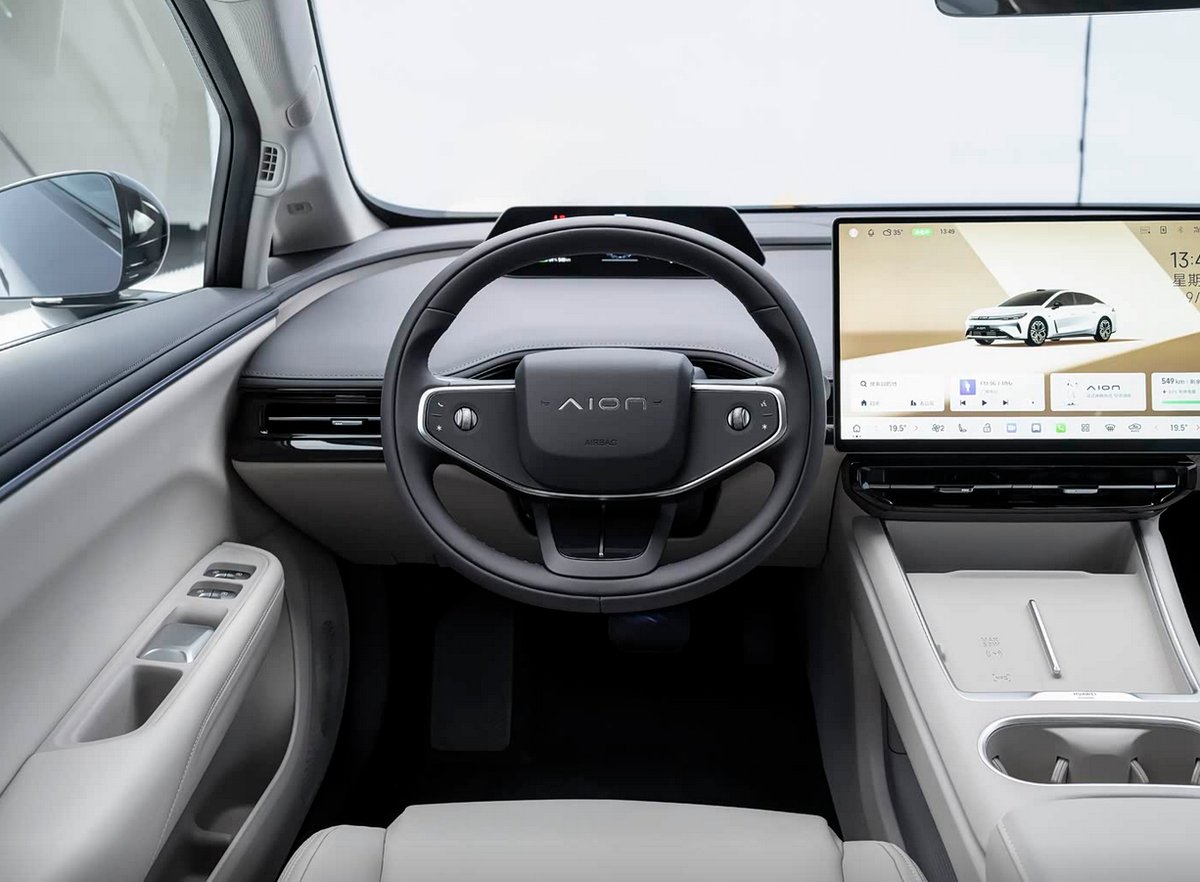
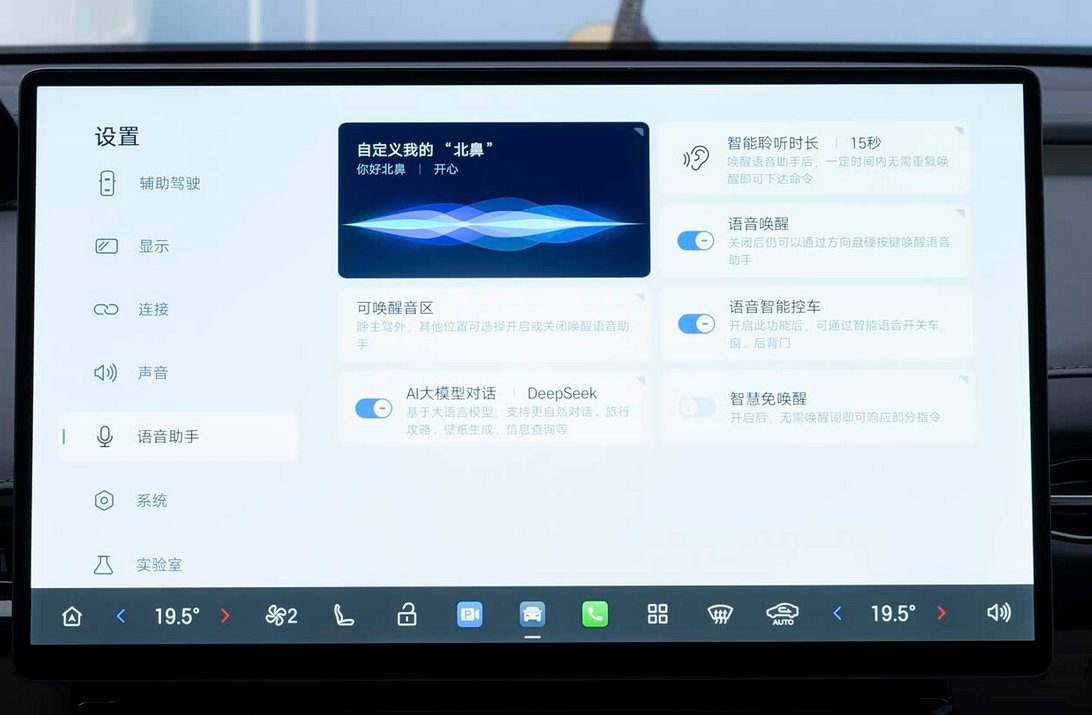
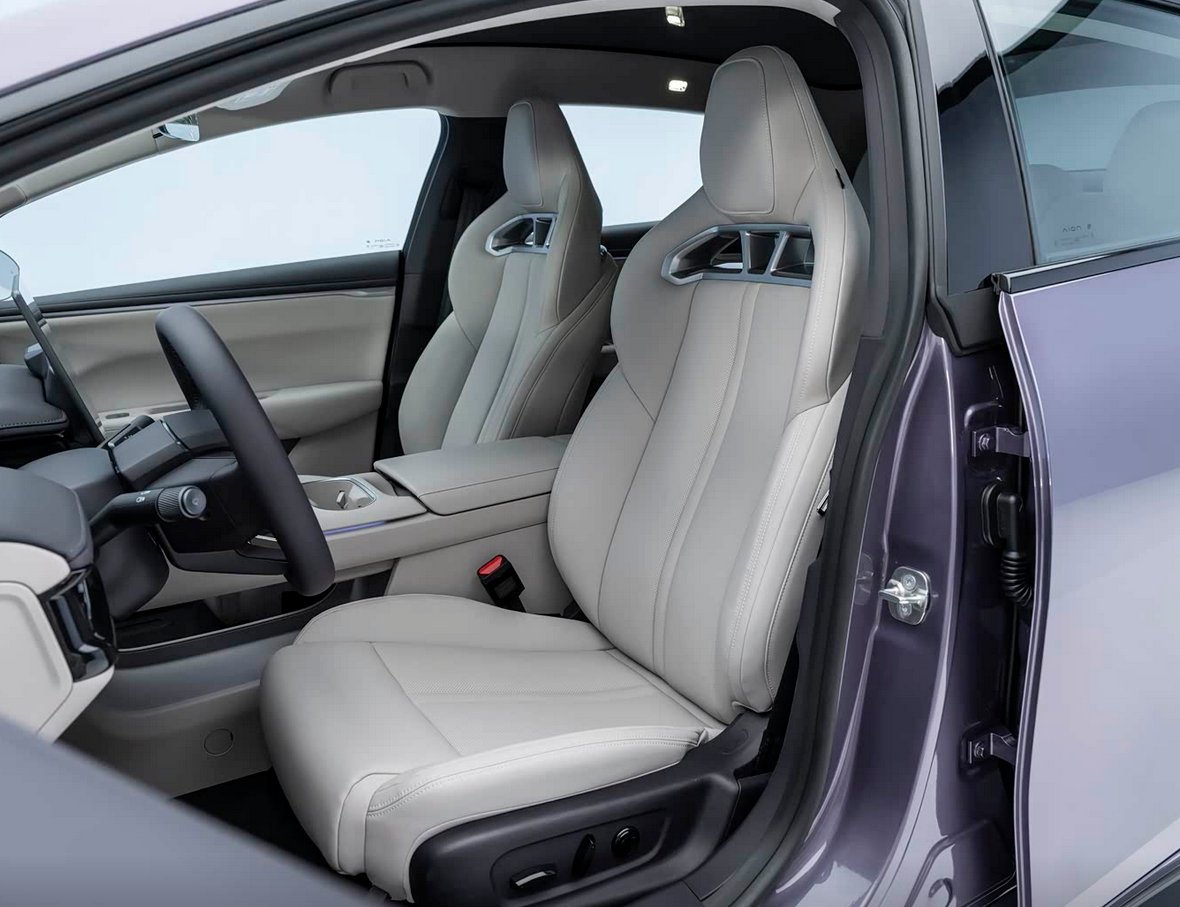
The cabin features a wraparound layout, equipped with an 8.8-inch LCD instrument cluster, a 15.6-inch 2.5K central control screen, and a three-spoke steering wheel with an electronic column shifter. The infotainment chip is the Qualcomm Snapdragon 8295P, paired with 24G of memory and 128G of storage. The 702km version is equipped with Sentry Mode, 50W front-row wireless phone charging, and front-row seats with electric memory, heating, ventilation, and massage (driver's seat only) functions.
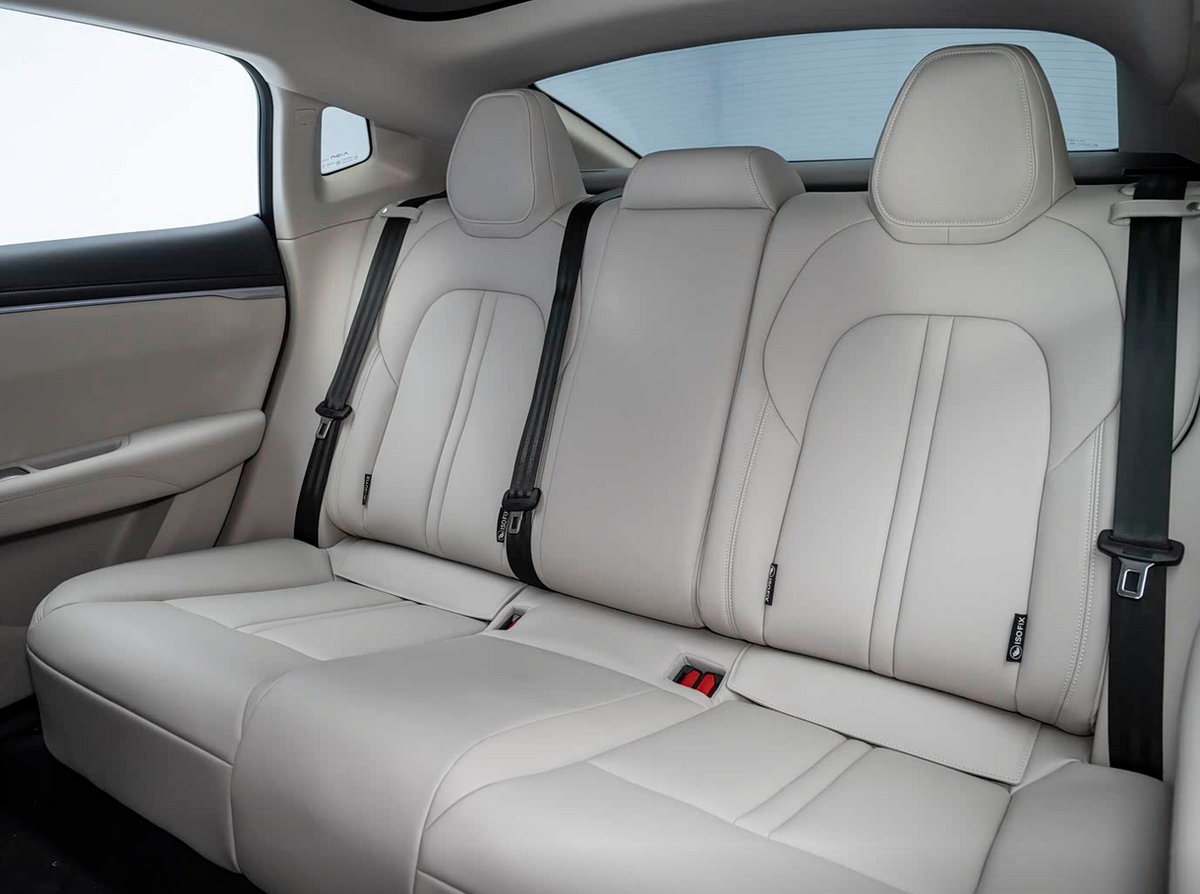
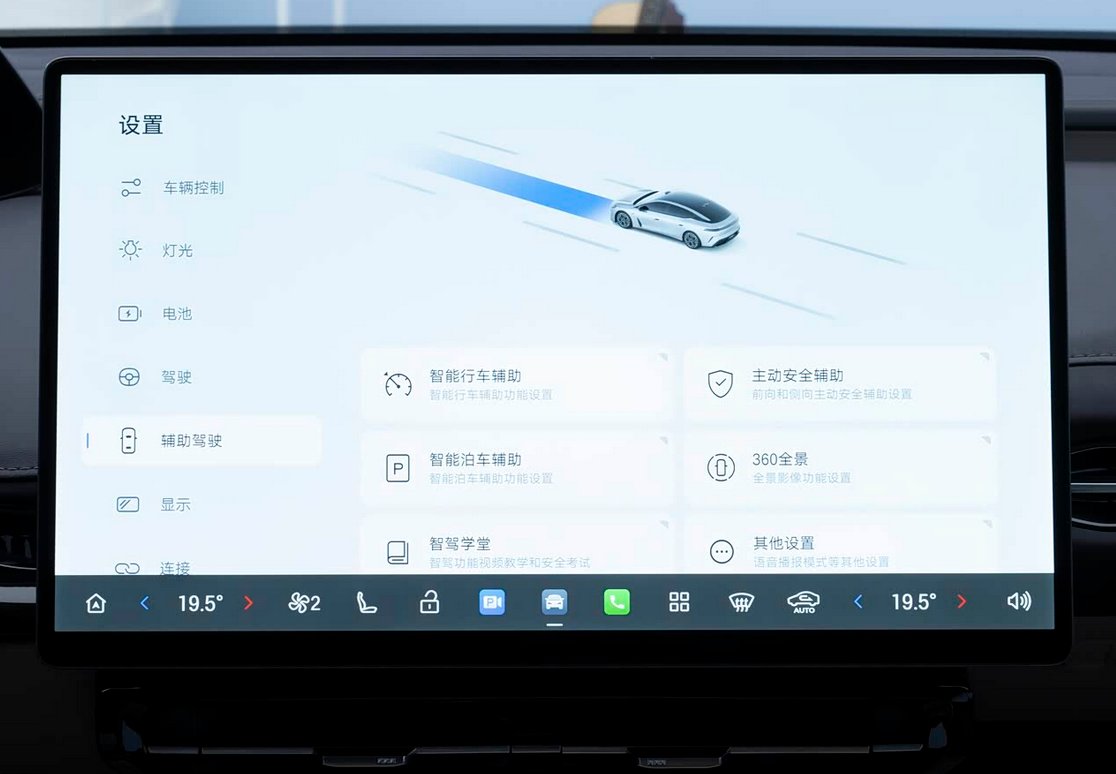
The Laser Edition is equipped with WeRide's L4-level equivalent one-stage end-to-end large model, featuring 1 192-line LiDAR, 3 4D millimeter-wave radars, 11 cameras, and 12 ultrasonic radars, totaling 27 intelligent driving sensors, supporting urban navigation, highway navigation assist, and full-scenario automatic parking assist.
The Ray7 adopts Huawei DriveONE multi-in-one electric drive, with a rear-mounted single motor producing a maximum power of 180kW and a maximum torque of 235N·m. The battery is offered in two capacities: 45.58kWh and 62.98kWh, with CLTC pure electric range of 530km and 702km respectively, and 30%-80% fast charging times of 22 minutes and 21 minutes respectively. It is equipped with Magazine Battery 2.0 safety technology, supporting dual 24-hour safety monitoring on both the vehicle and cloud ends. It supports 6kW external discharge.
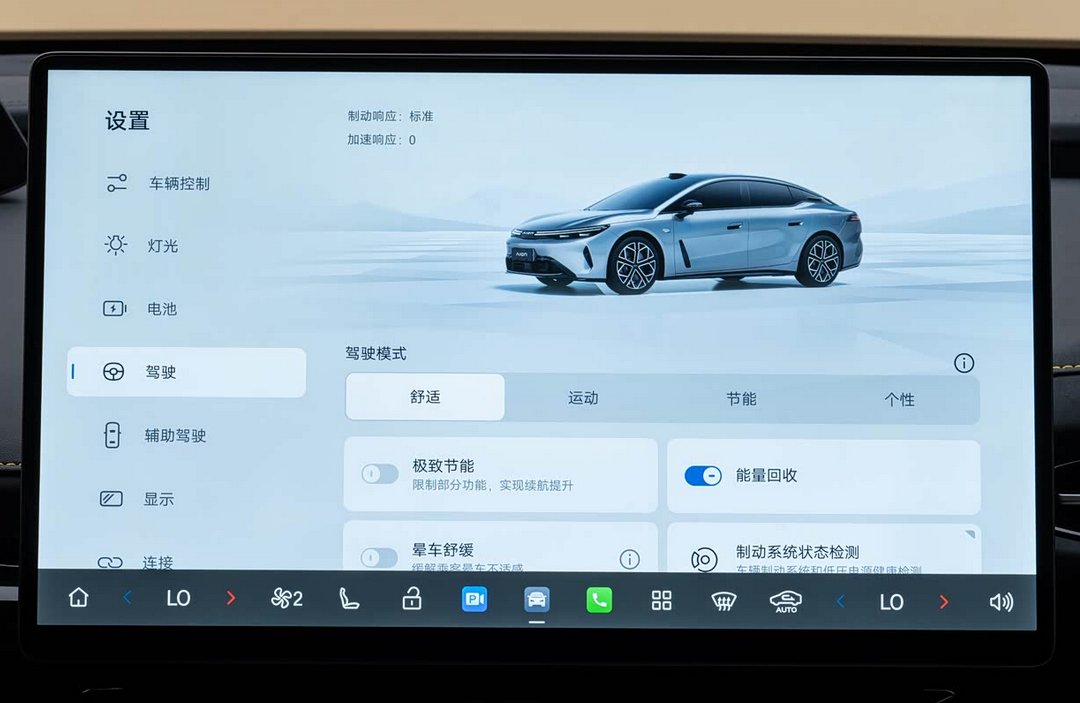
The chassis adopts an aluminum hybrid front double-wishbone and rear five-link independent suspension. The 702km version is equipped with FSD adaptive damping shock absorbers and HRS hydraulic rebound stoppers, and the top-tier model features Huawei DriveONE EMB full-wire brake-by-wire. The minimum turning radius across the lineup is 5.3 meters.
Xiaotang's Viewpoint: The officially announced CLTC energy consumption per 100 kilometers is 9.7kWh (530km version) and 9.8kWh (702km version), with the two versions being nearly identical; the 172km range difference mainly comes from the 17.4kWh battery capacity difference, not an efficiency difference. In other words, the "9-series" figure is a shared foundation across the lineup, and range is basically determined by the battery. The tiering of the five vehicles mainly falls into three areas: battery capacity, LiDAR, and chassis electronic control components such as FSD, HRS, and EMB.